Natural wonders of Europe

107 wonders

Every wonder in the atlas that sits in Europe, across 29 countries. This region grows as the atlas expands.
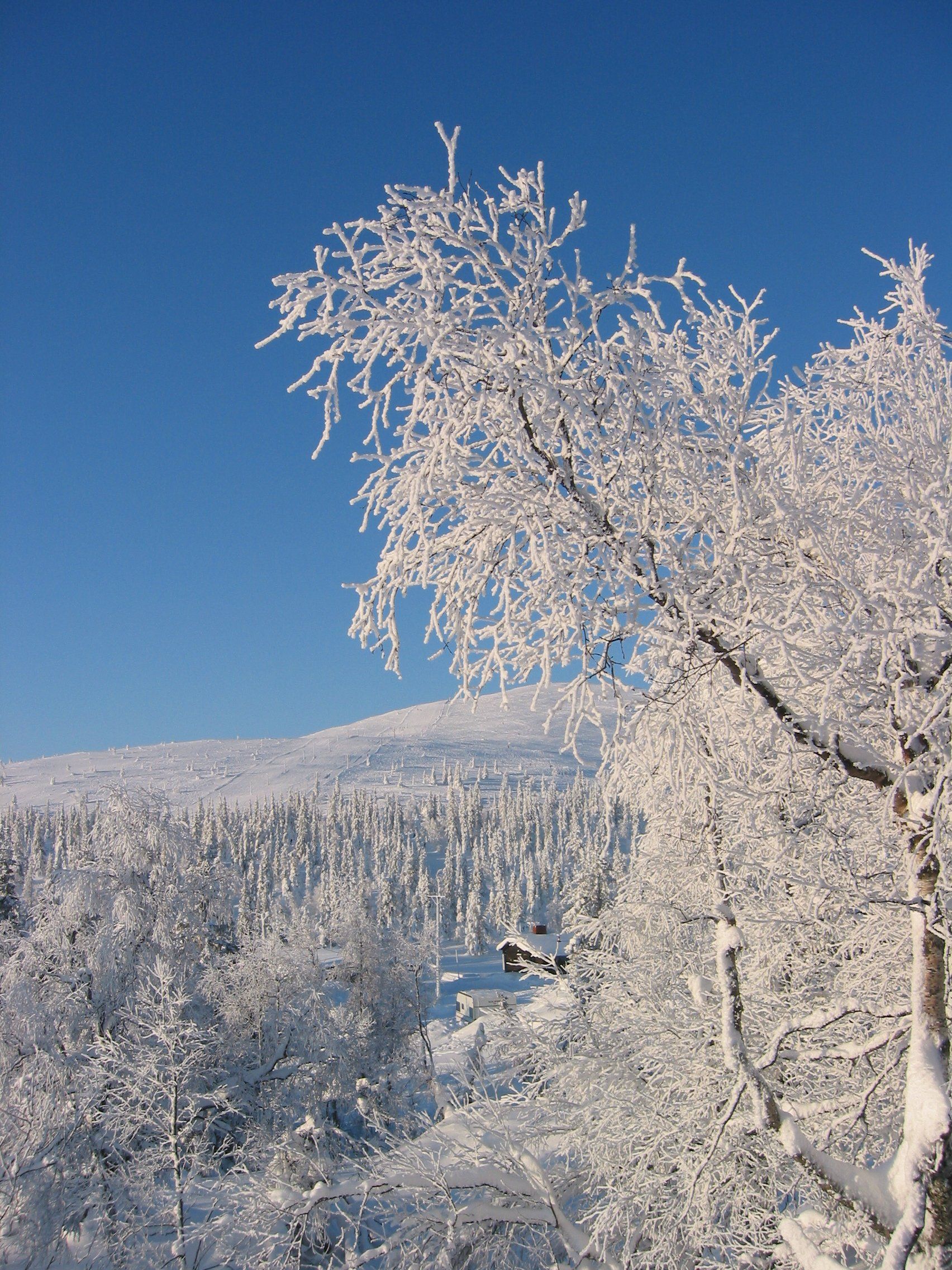
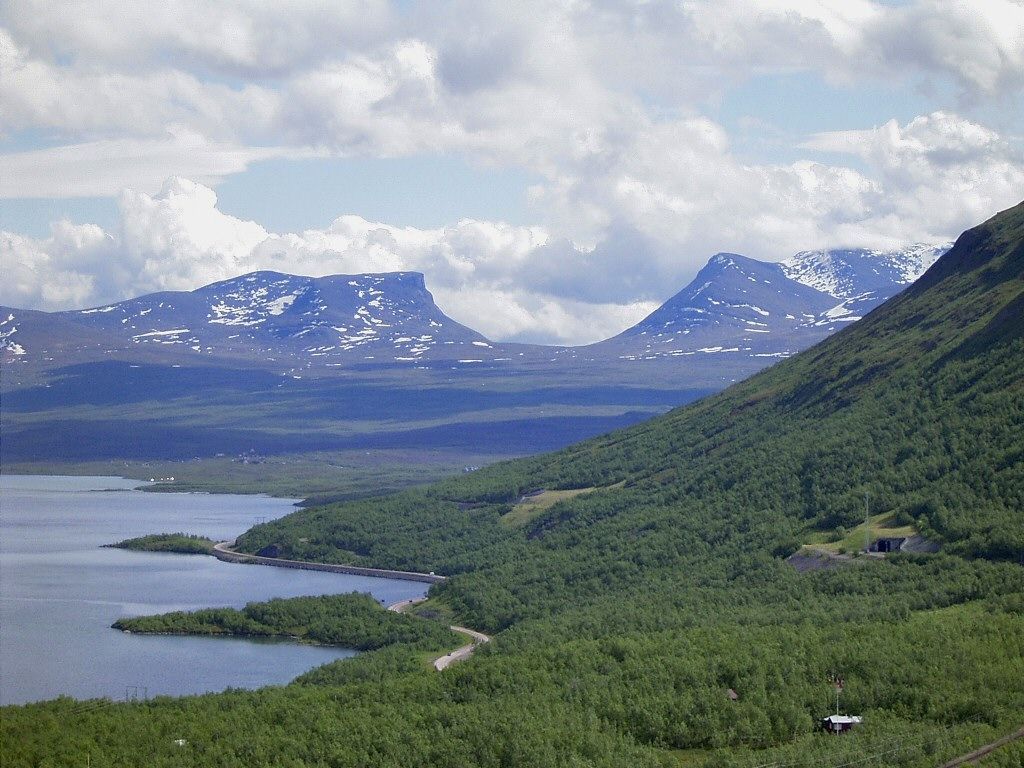
Abisko, Swedish Lapland, above the Arctic Circle, Sweden

Abisko

Swedish Lapland, above the Arctic Circle, Sweden

A national park in the far north of Swedish Lapland famous for some of the clearest skies on Earth — and, beneath them, one of the world's finest windows onto the northern lights.

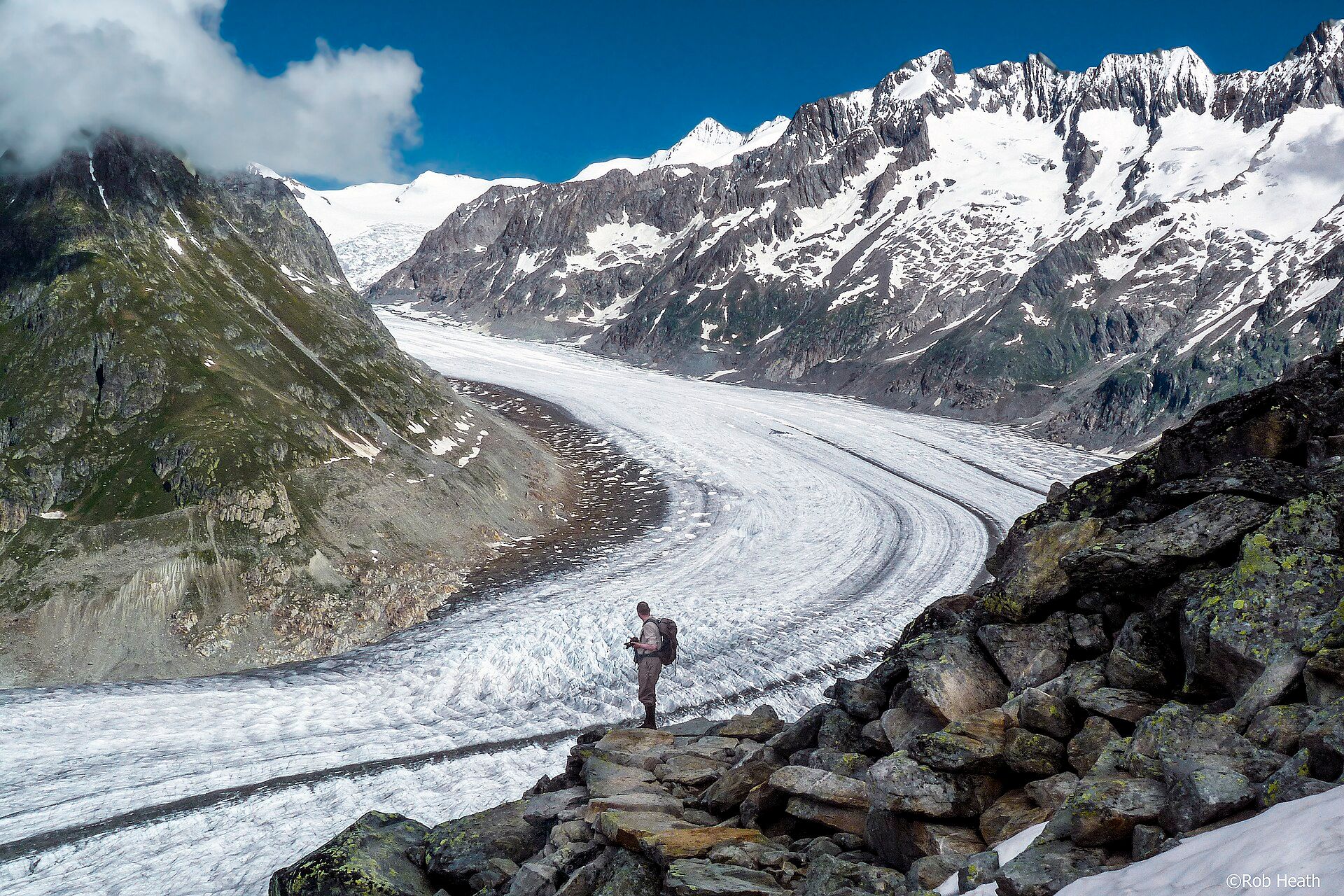
Aletsch Glacier, Valais, Switzerland

Aletsch Glacier

Valais, Switzerland

The largest glacier in the Alps — a 20-kilometre river of ice up to 900 metres thick, curving between 4,000-metre peaks in a vast frozen highway.

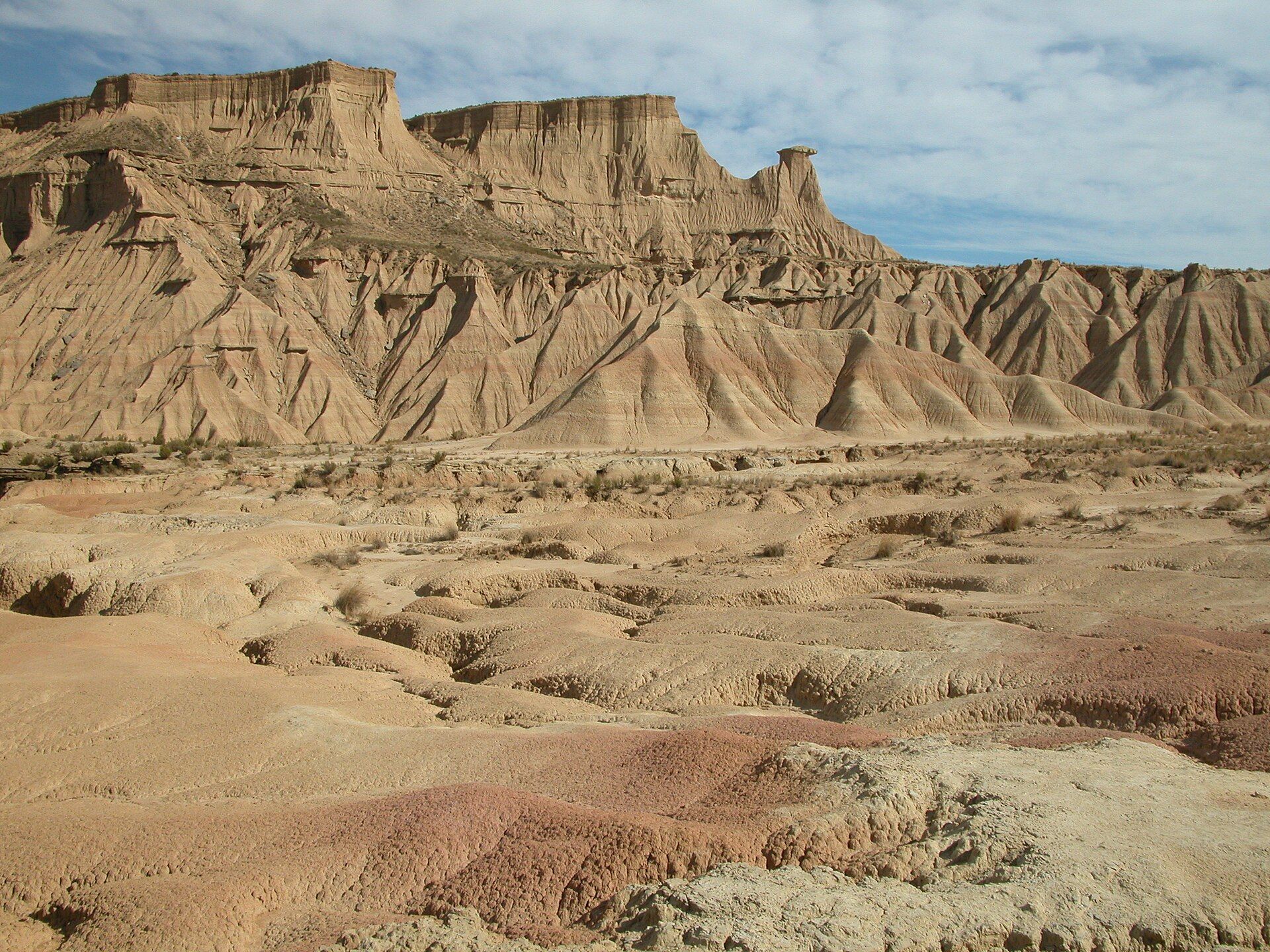
Bardenas Reales, Navarre, northern Spain

Bardenas Reales

Navarre, northern Spain

A semi-desert of pale clay badlands in northern Spain — wind- and water-carved ravines, flat-topped mesas, and lone earth pillars that look transplanted from the American West.

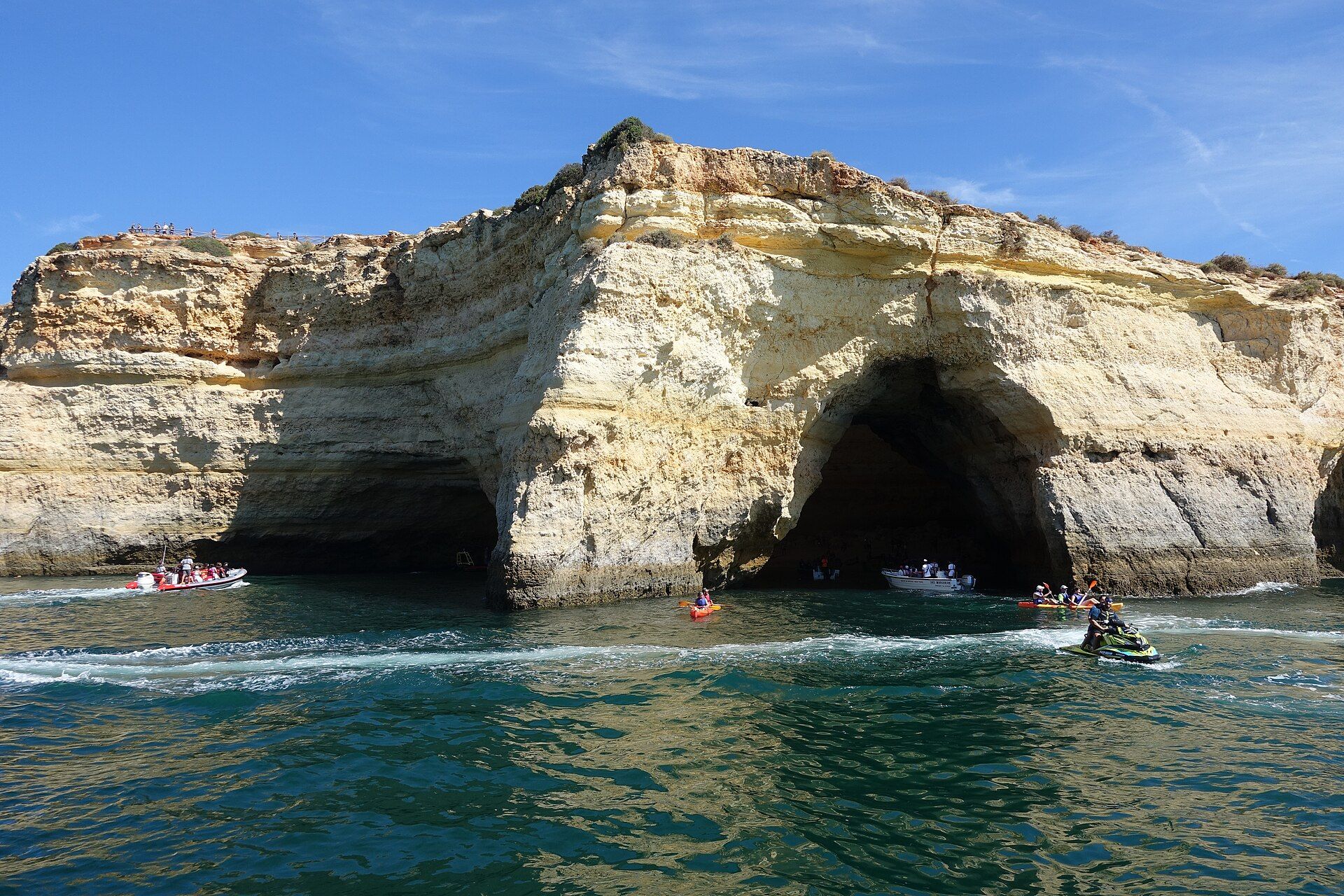
Benagil Sea Cave, Benagil, Algarve, southern Portugal

Benagil Sea Cave

Benagil, Algarve, southern Portugal

A domed sea cave on the Algarve coast whose vaulted limestone roof is pierced by a great circular skylight — an 'oculus' that pours a column of sunlight onto a hidden beach reachable only from the water.

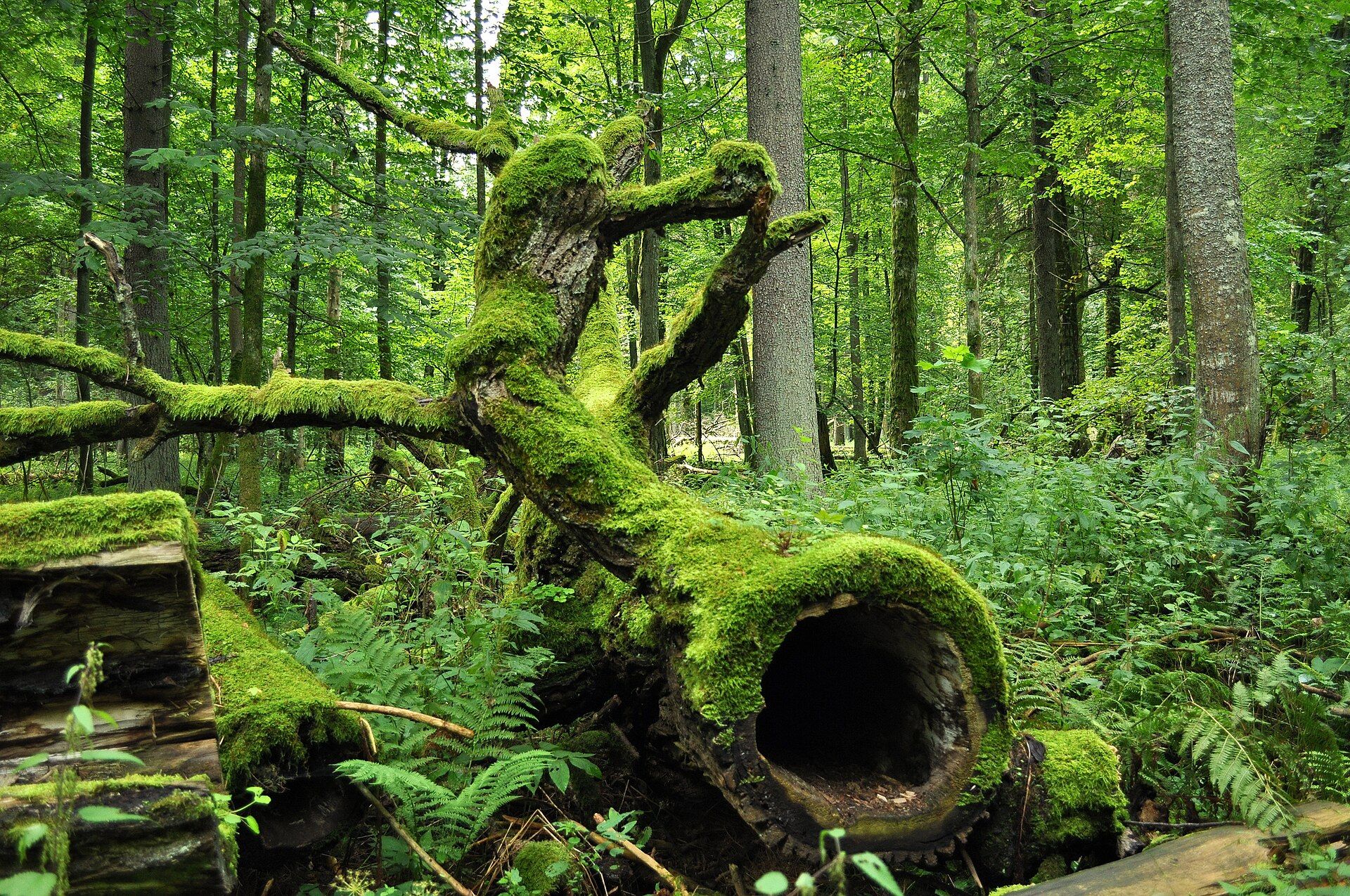
Białowieża Forest, Poland–Belarus border

Białowieża Forest

Poland–Belarus border

The last great primeval lowland forest of Europe — a surviving fragment of the woodland that once covered the continent, and the home of the wild European bison.

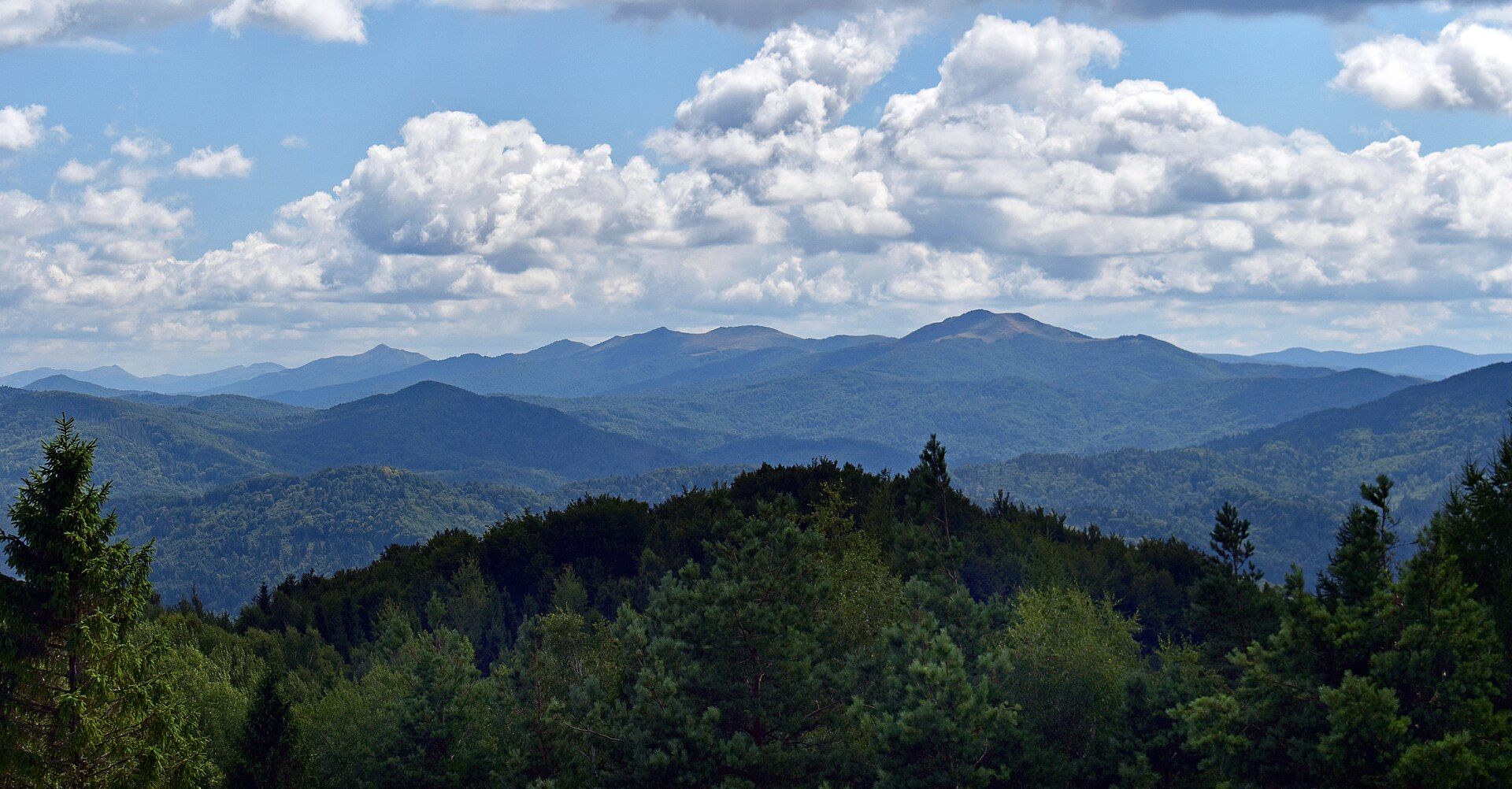
Bieszczady Mountains, Subcarpathia, south-east Poland

Bieszczady Mountains

Subcarpathia, south-east Poland

Poland's wild south-eastern corner — rolling forested ridges of the Eastern Carpathians crowned by open, treeless mountain meadows called połoniny, where wolves, lynx, bison and brown bears still roam.

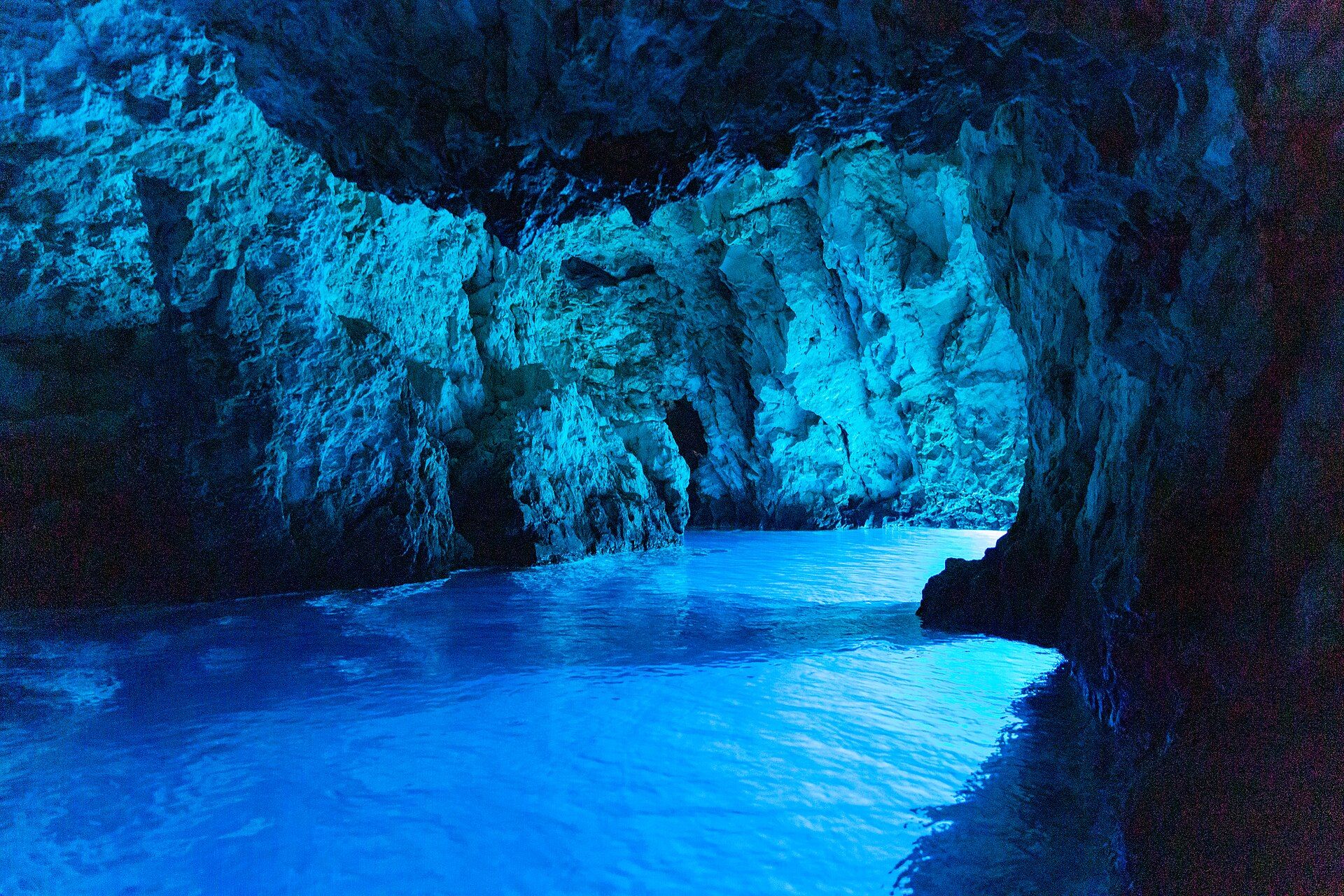
Blue Cave of Biševo, Biševo island, off Vis, Dalmatia, Croatia

Blue Cave of Biševo

Biševo island, off Vis, Dalmatia, Croatia

A sea cave on the tiny island of Biševo that fills with an unearthly blue light around midday, when sunlight enters through a submerged opening and glows up through the water onto the cavern's walls.

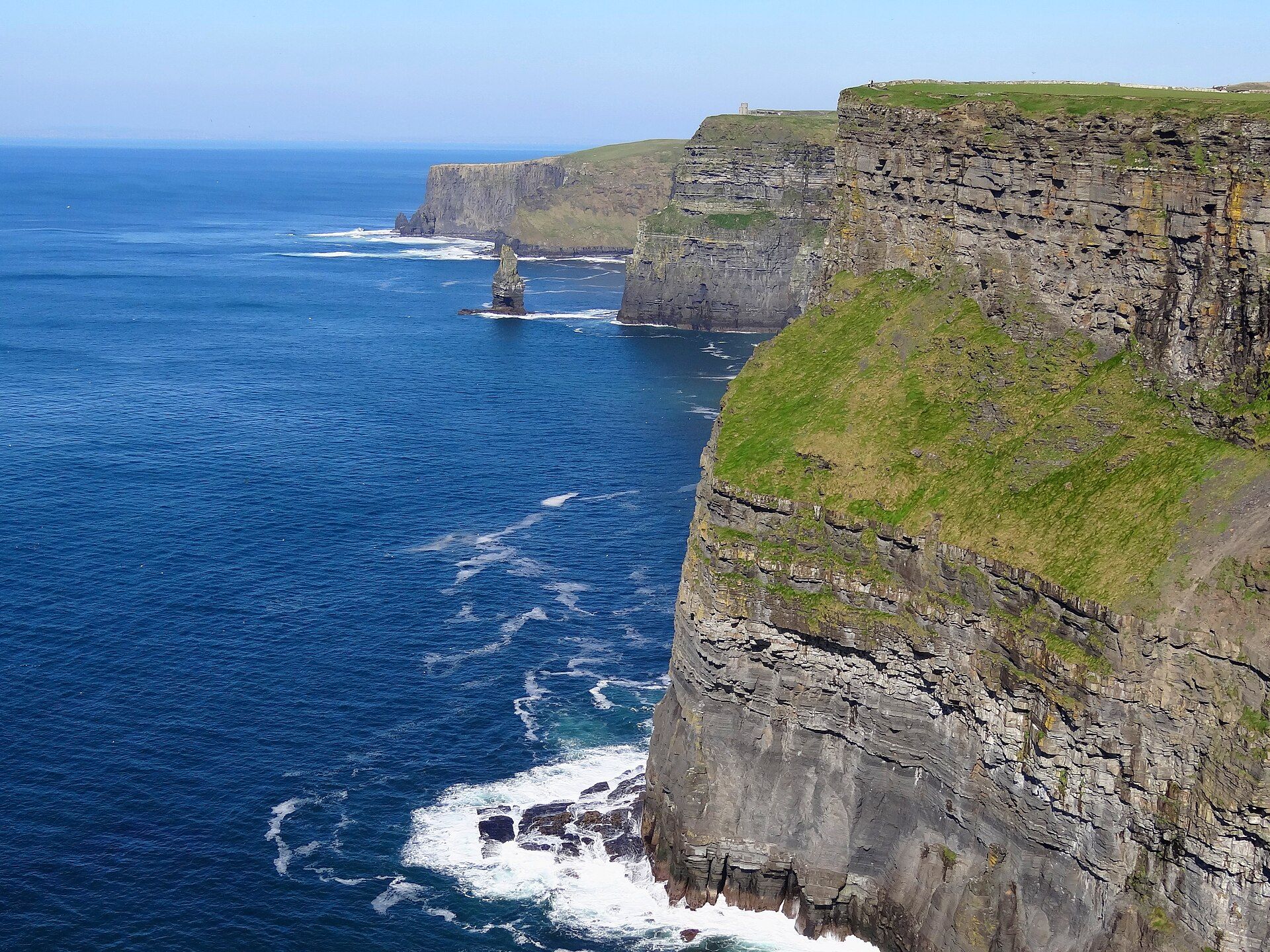
Cliffs of Moher, County Clare, western Ireland

Cliffs of Moher

County Clare, western Ireland

A wall of sheer sea cliffs rising up to 214 metres straight from the wild Atlantic on Ireland's west coast — layered in ancient rock, alive with seabirds, and often wreathed in Atlantic mist and spray.

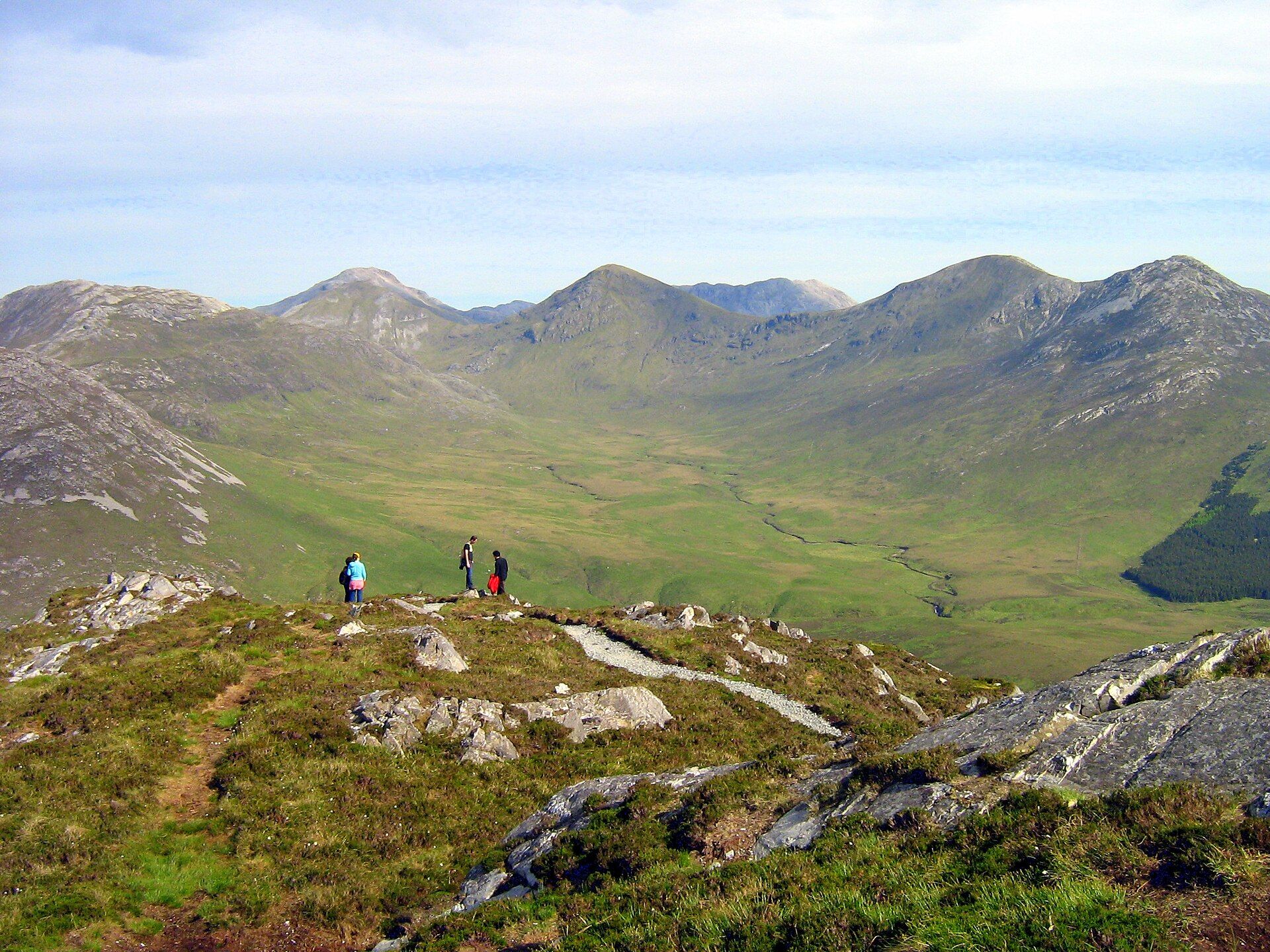
Connemara National Park, County Galway, Ireland

Connemara National Park

County Galway, Ireland

A compact wilderness on Ireland's rugged west coast — bog, heath and quartzite mountains of the Twelve Bens, where Connemara ponies graze and boardwalk trails climb Diamond Hill for sweeping Atlantic views.

Creux du Van, Jura Mountains, Neuchâtel, Switzerland

Creux du Van

Jura Mountains, Neuchâtel, Switzerland

A vast natural rock amphitheatre in the Swiss Jura — a horseshoe of sheer 150-metre limestone cliffs curving nearly a kilometre and a half around a green forested hollow.

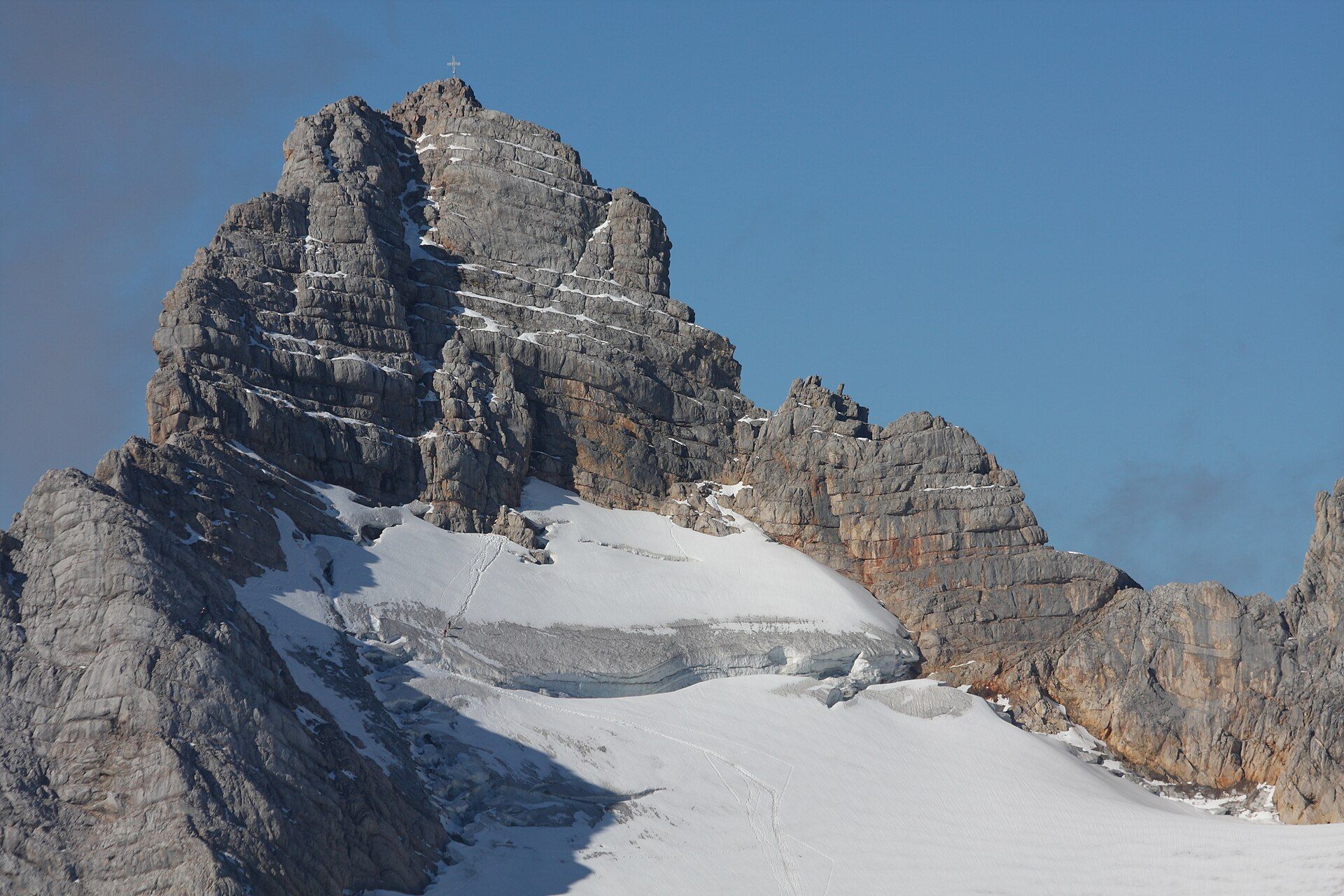
Dachstein, Salzkammergut, Upper Austria / Styria / Salzburg, Austria

Dachstein

Salzkammergut, Upper Austria / Styria / Salzburg, Austria

A great limestone massif crowning the Salzkammergut, where the Northern Alps' easternmost glaciers cling below the 2,995-metre Hoher Dachstein, and giant ice caves honeycomb the pale rock above the lakes of the Salzkammergut.

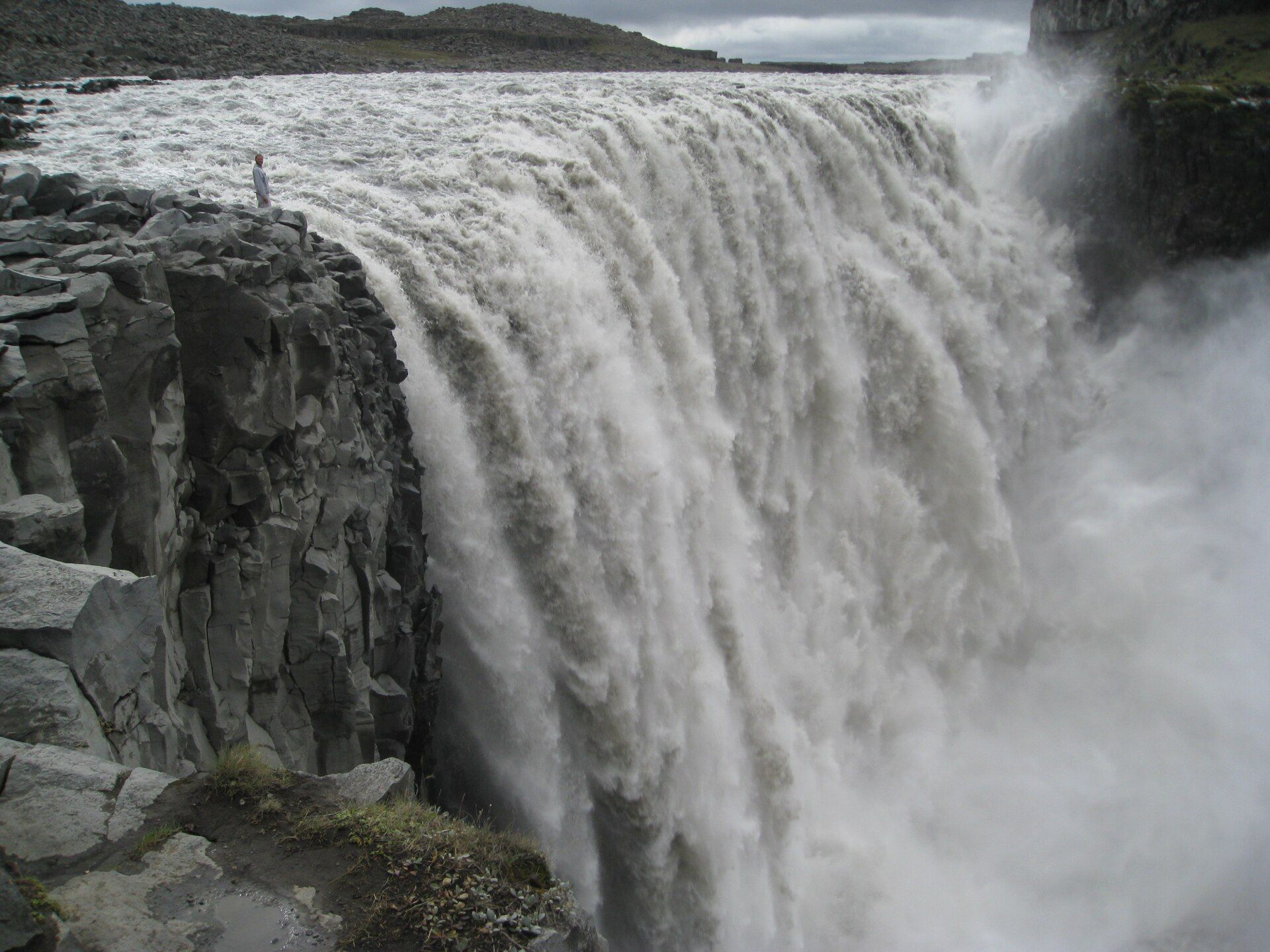
Dettifoss, Jökulsárgljúfur, Vatnajökull National Park, Northeast Iceland

Dettifoss

Jökulsárgljúfur, Vatnajökull National Park, Northeast Iceland

Often called the most powerful waterfall in Europe — a grey glacial river hurling itself 44 metres into a black canyon, 100 metres wide and so loud the ground shakes and spray drifts for hundreds of metres.

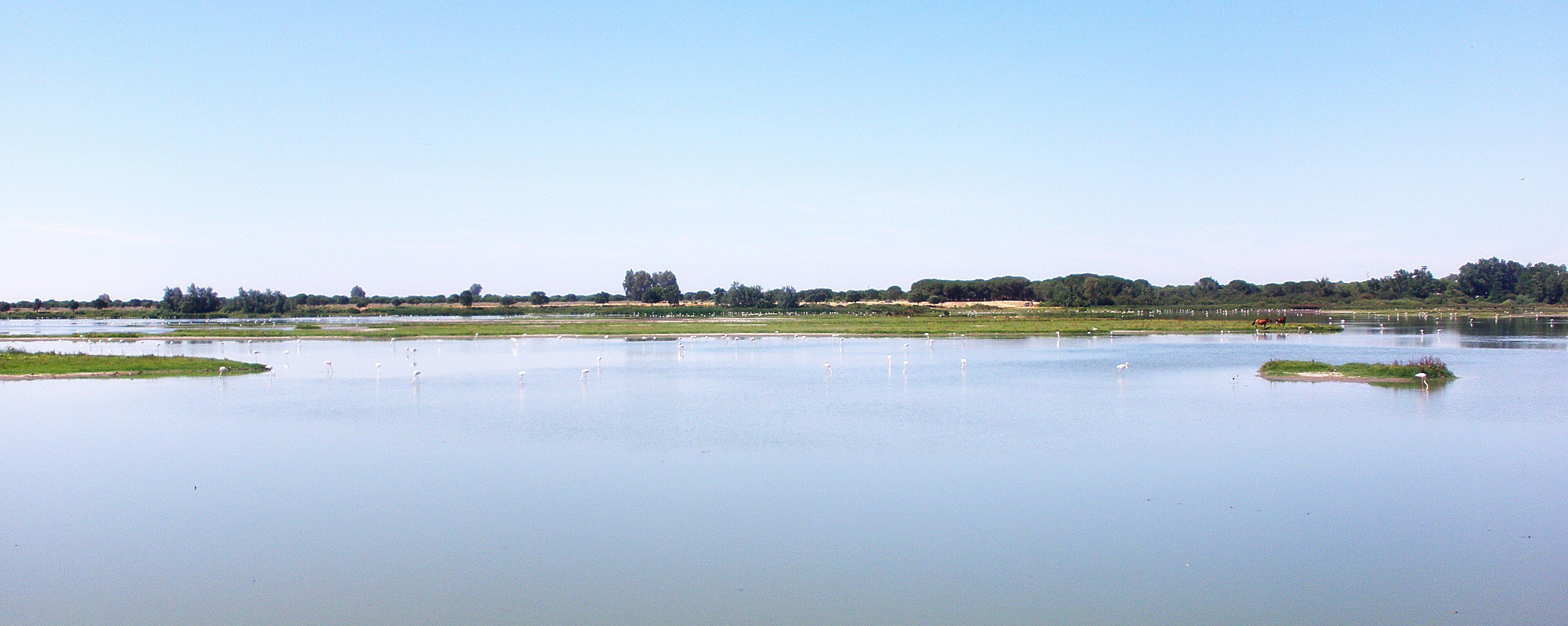
Doñana, Andalusia, southwestern Spain

Doñana

Andalusia, southwestern Spain

The marshes at the mouth of the Guadalquivir — one of Europe's most important wetlands, a staging post for millions of migrating birds, the stronghold of the Iberian lynx, and a place now visibly running short of water.

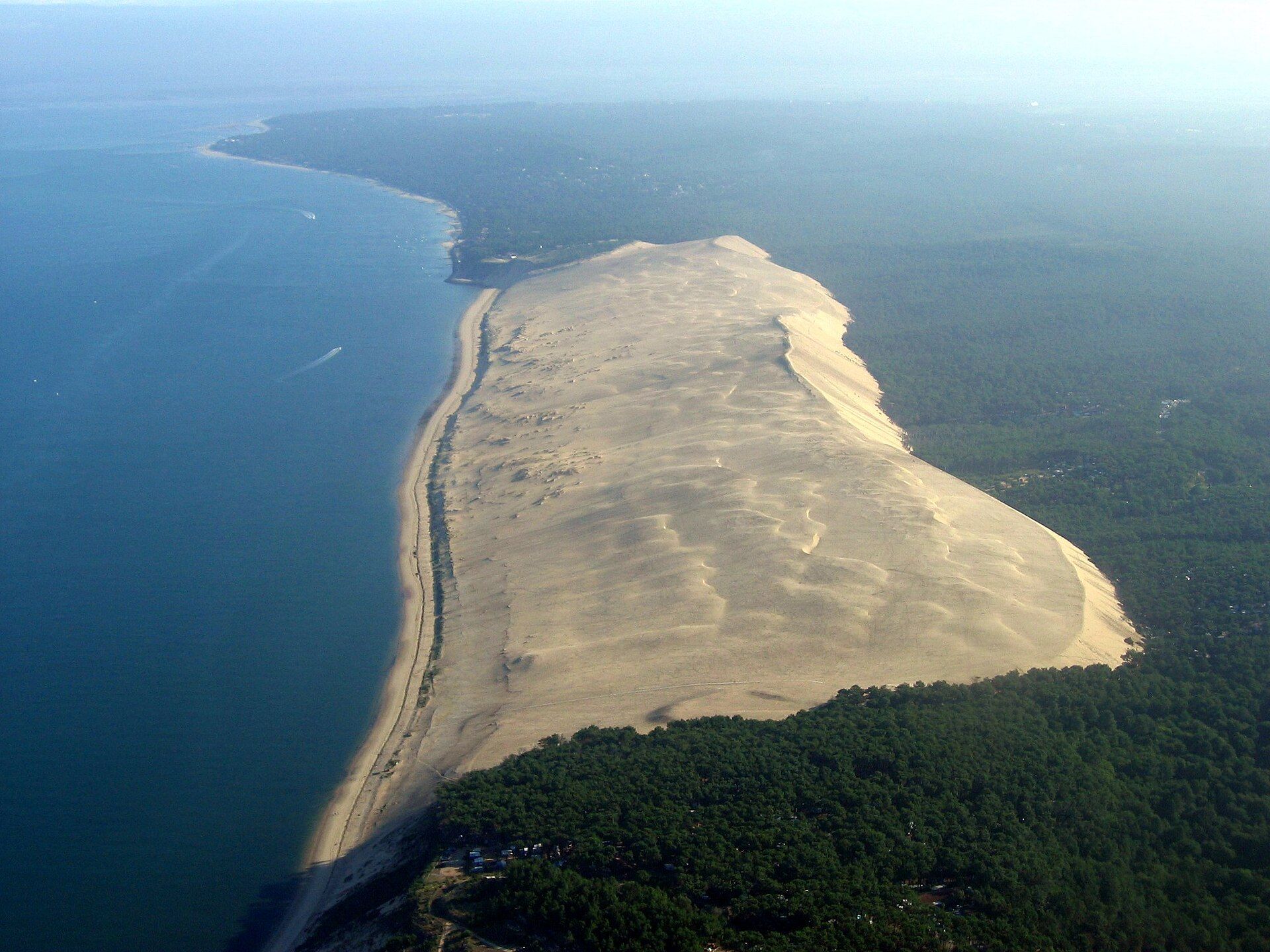
Dune du Pilat, Arcachon Bay, Gironde, southwestern France

Dune du Pilat

Arcachon Bay, Gironde, southwestern France

The tallest sand dune in Europe — a vast wave of pale sand over 100 metres high, poised between a great pine forest and the Atlantic on France's southwest coast.

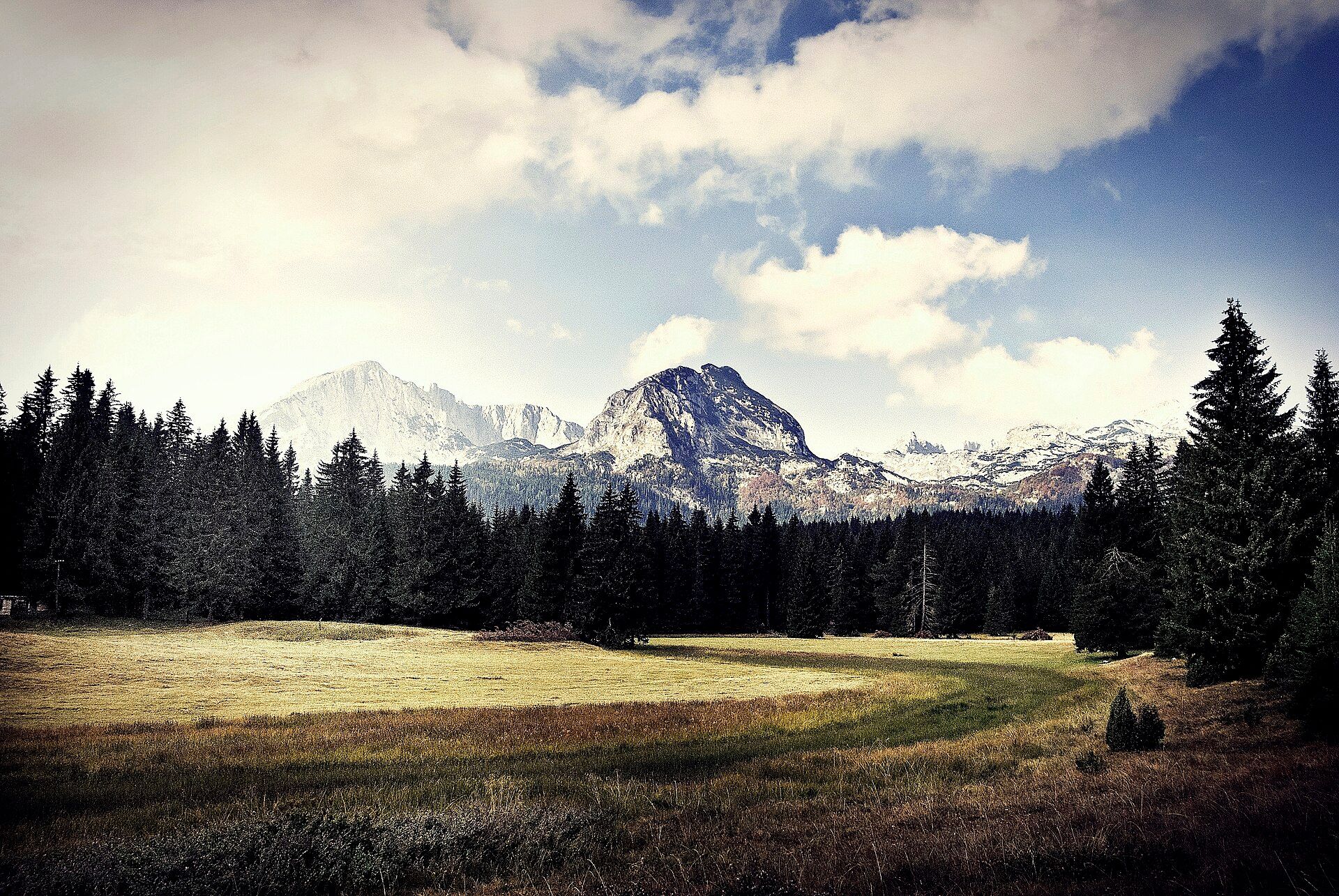
Durmitor & the Tara Canyon, Durmitor National Park, northern Montenegro

Durmitor & the Tara Canyon

Durmitor National Park, northern Montenegro

A glaciated limestone massif in northern Montenegro with more than forty peaks above 2,000 metres, cut on its eastern flank by the Tara — at up to 1,300 metres, the deepest river canyon in Europe.

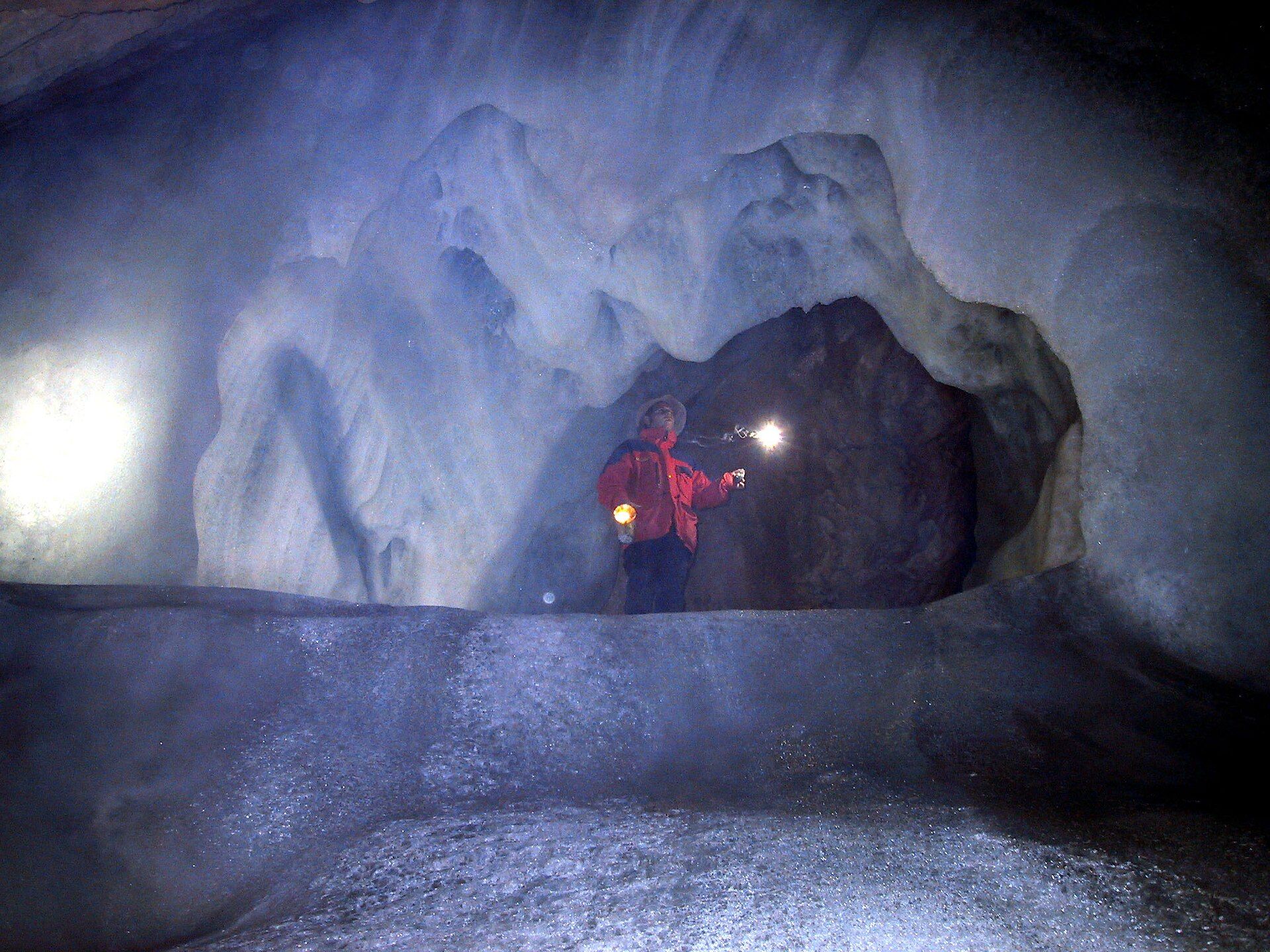
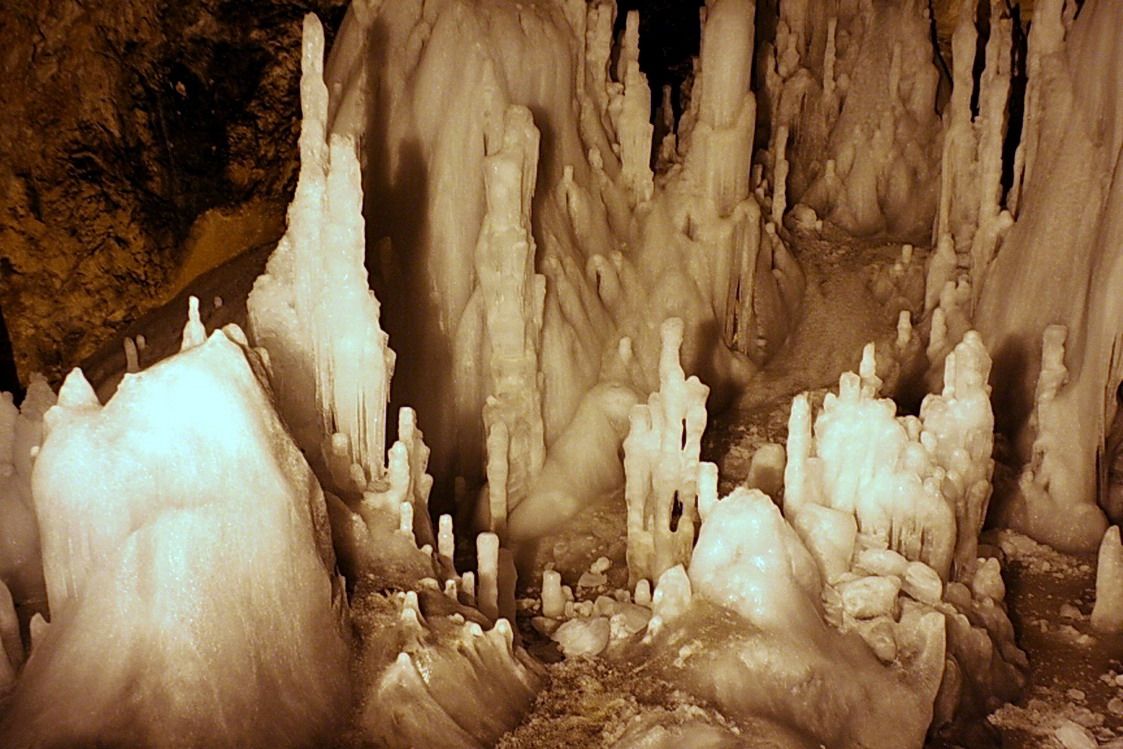
Eisriesenwelt, Werfen, Salzburg, Austria

Eisriesenwelt

Werfen, Salzburg, Austria

The largest ice cave on Earth — 42 kilometres of limestone passage in an Alpine cliff, its entrance chambers filled with towering formations of natural ice.

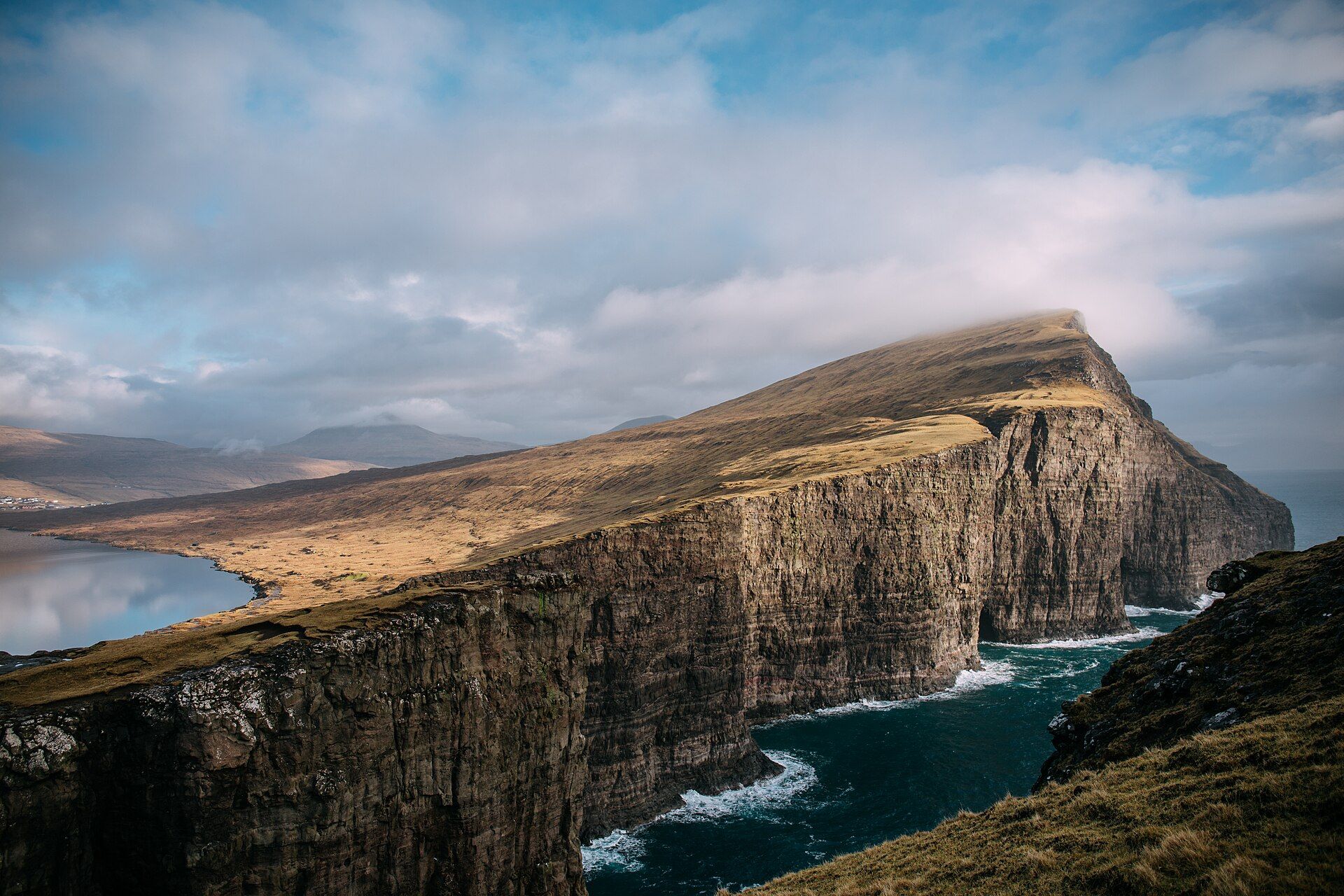
Faroe Islands, North Atlantic (between Iceland and Norway)

Faroe Islands

North Atlantic (between Iceland and Norway)

A cluster of green, wind-scoured islands rising in sheer sea cliffs from the wild North Atlantic — grass-roofed villages, cascading waterfalls, and a lake that seems to hang above the ocean.

Finnish Lapland, Northern Finland, above the Arctic Circle

Finnish Lapland

Northern Finland, above the Arctic Circle

A vast Arctic wilderness of snow-blanketed forest, frozen lakes, and open fell — where the northern lights dance through the long polar nights and the summer sun never sets.

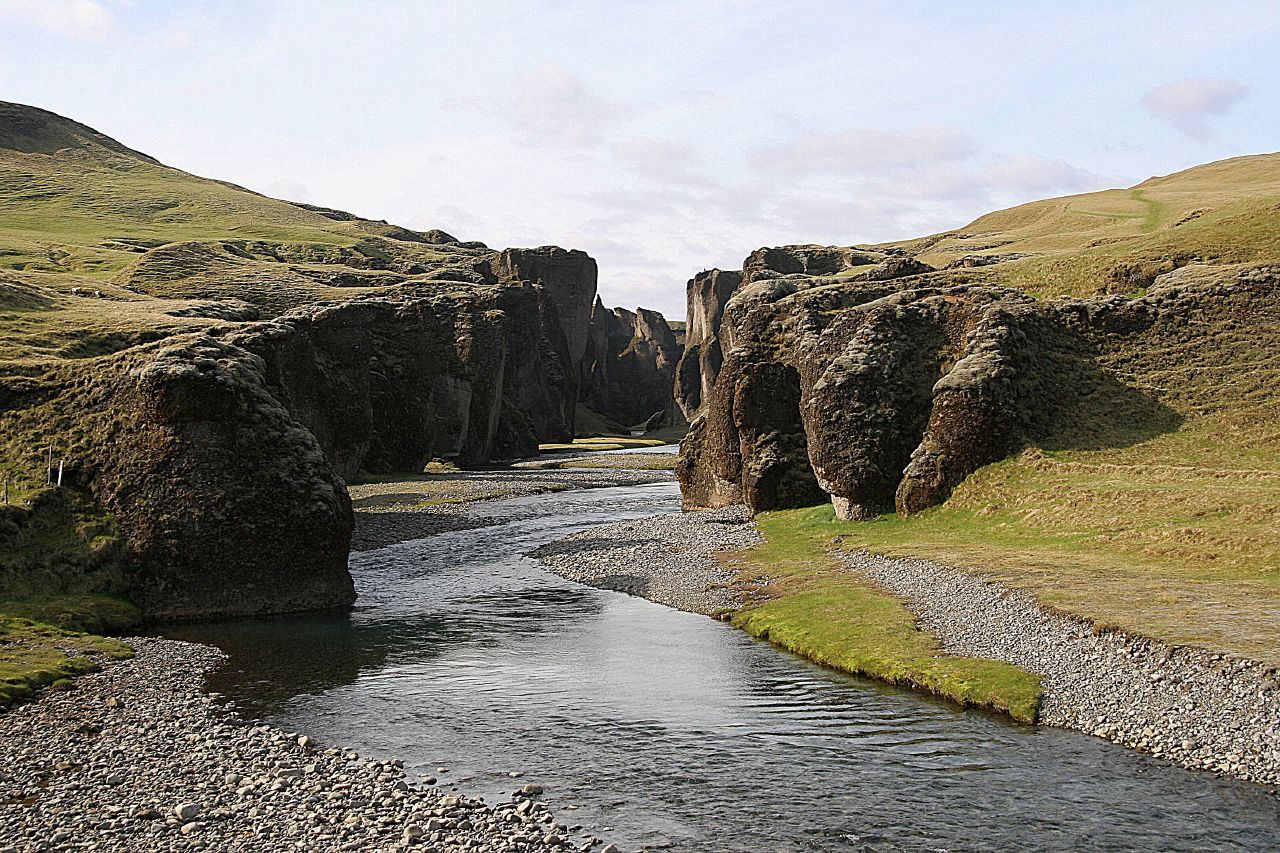
Fjaðrárgljúfur, Near Kirkjubæjarklaustur, South Iceland

Fjaðrárgljúfur

Near Kirkjubæjarklaustur, South Iceland

A serpentine canyon on Iceland's south coast, roughly two kilometres long and up to about 100 metres deep, its dark palagonite walls draped in green moss with the Fjaðrá river winding along the bottom — one of the country's most photographed gorges.

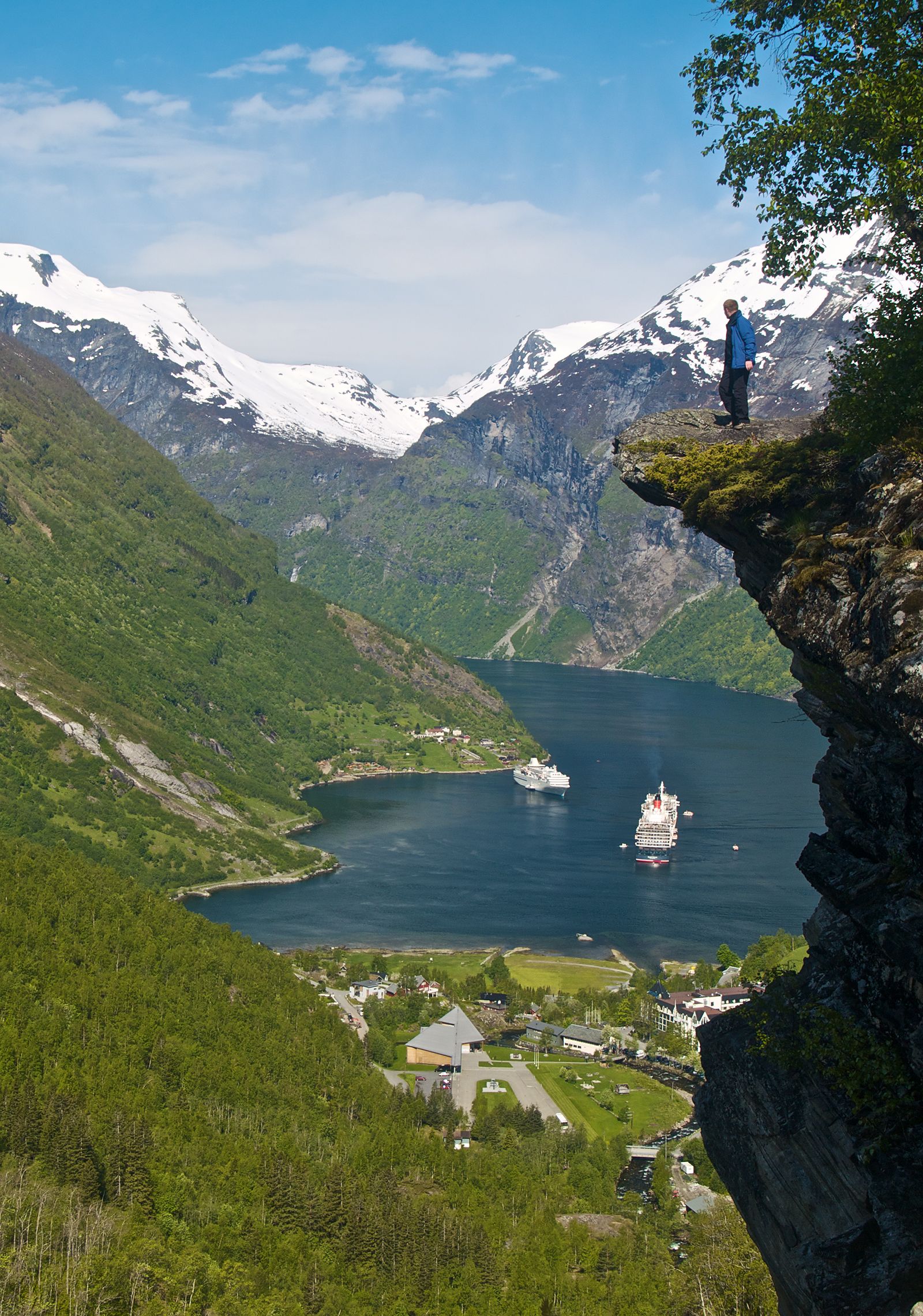
Geirangerfjord, Sunnmøre, Western Norway

Geirangerfjord

Sunnmøre, Western Norway

One of the world's most celebrated fjords — a deep, narrow arm of the sea winding between sheer 1,000-metre cliffs laced with waterfalls like the Seven Sisters, with abandoned farms clinging to impossible ledges.

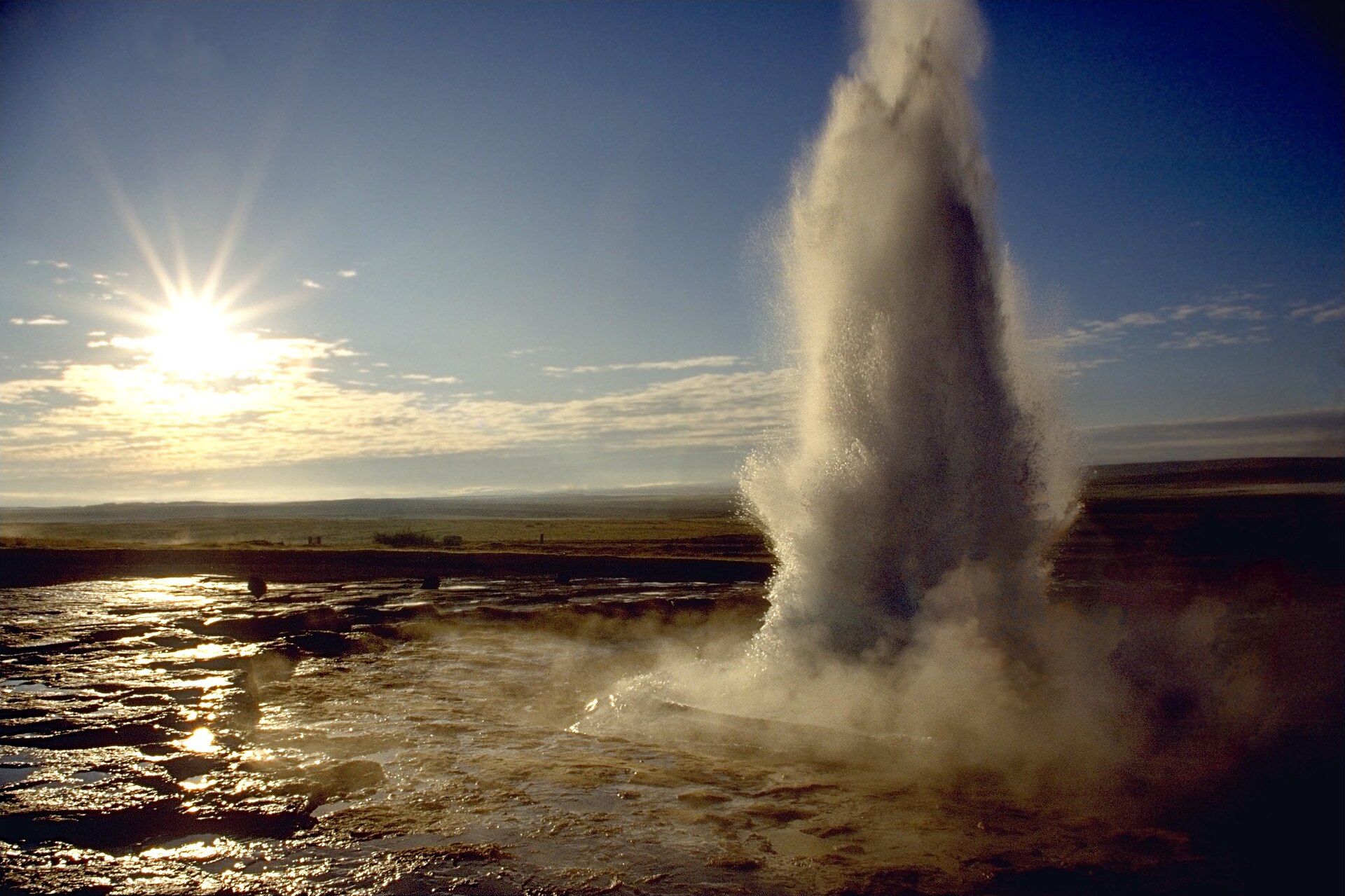
Geysir & Strokkur, Haukadalur geothermal field, Southwest Iceland

Geysir & Strokkur

Haukadalur geothermal field, Southwest Iceland

The geothermal valley that gave the world the word 'geyser' — where the reliable Strokkur spout blasts boiling water 15–20 metres skyward every few minutes amid steaming vents and mineral pools.

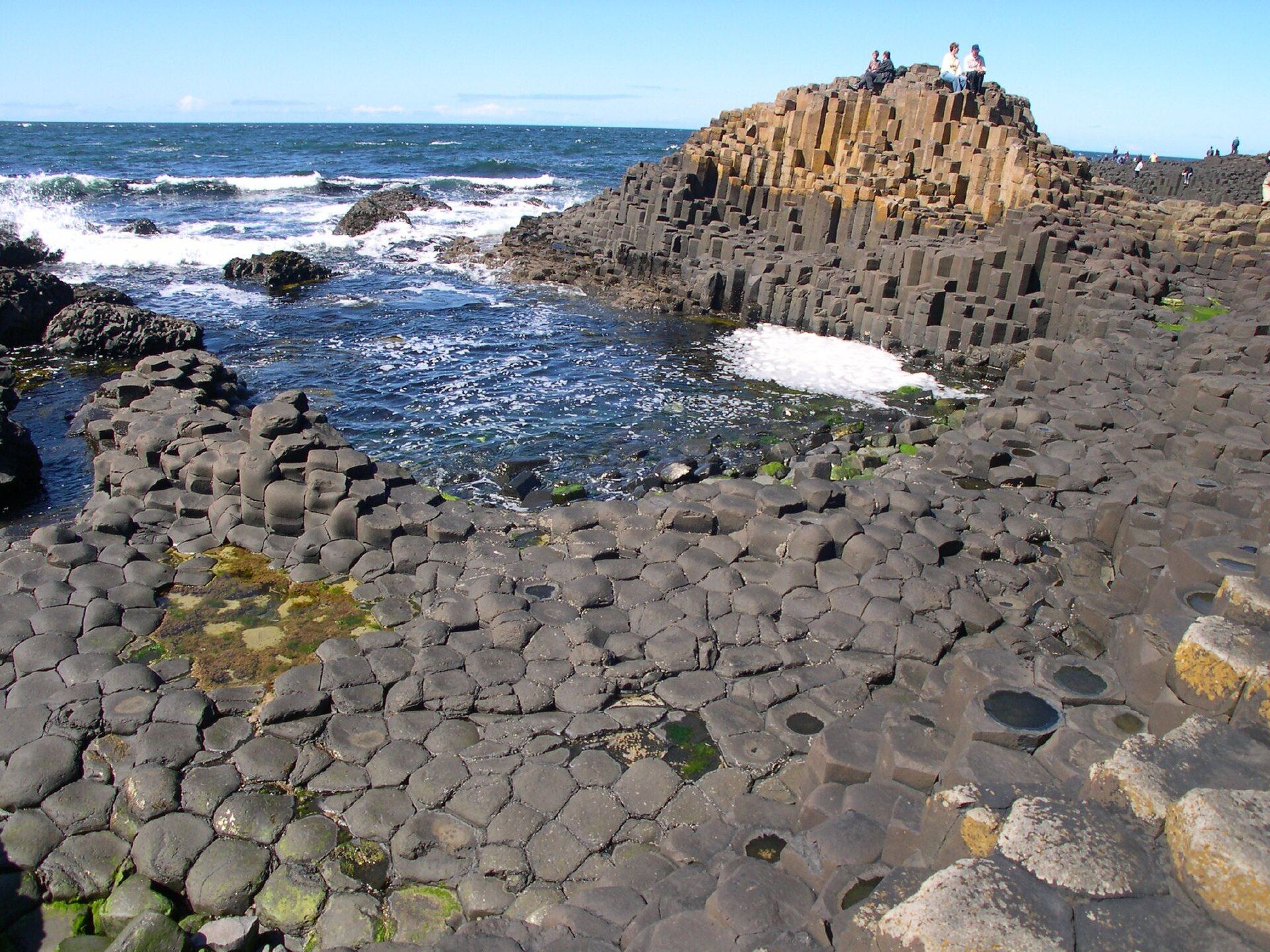
Giant's Causeway, County Antrim, Northern Ireland

Giant's Causeway

County Antrim, Northern Ireland

Around 40,000 interlocking basalt columns, mostly perfect hexagons, stepping down into the North Atlantic — one of the most remarkable geometric formations in nature.

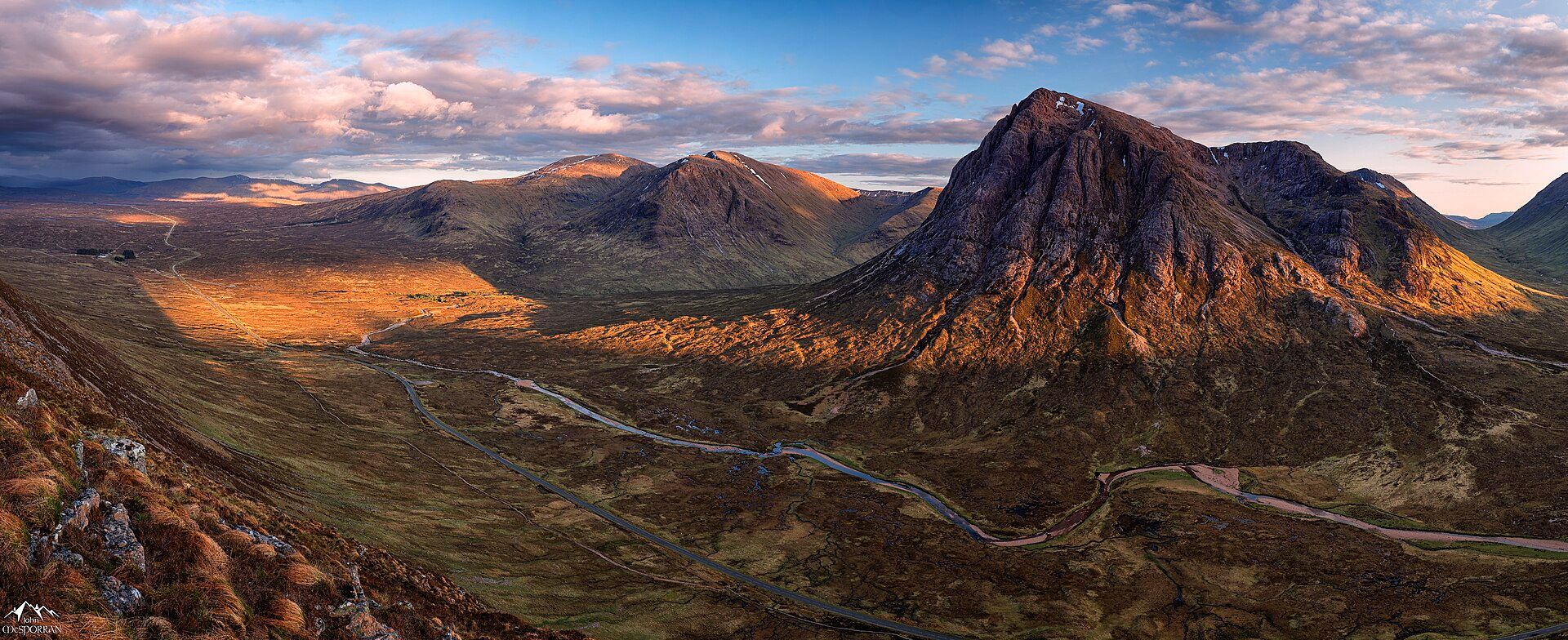
Glen Coe, Lochaber, Scottish Highlands, Scotland, United Kingdom

Glen Coe

Lochaber, Scottish Highlands, Scotland, United Kingdom

Scotland's most dramatic glen — a deep, glacier-scoured valley walled by brooding peaks and knife-edge ridges, as famous for its beauty as for the 1692 massacre that darkens its name.

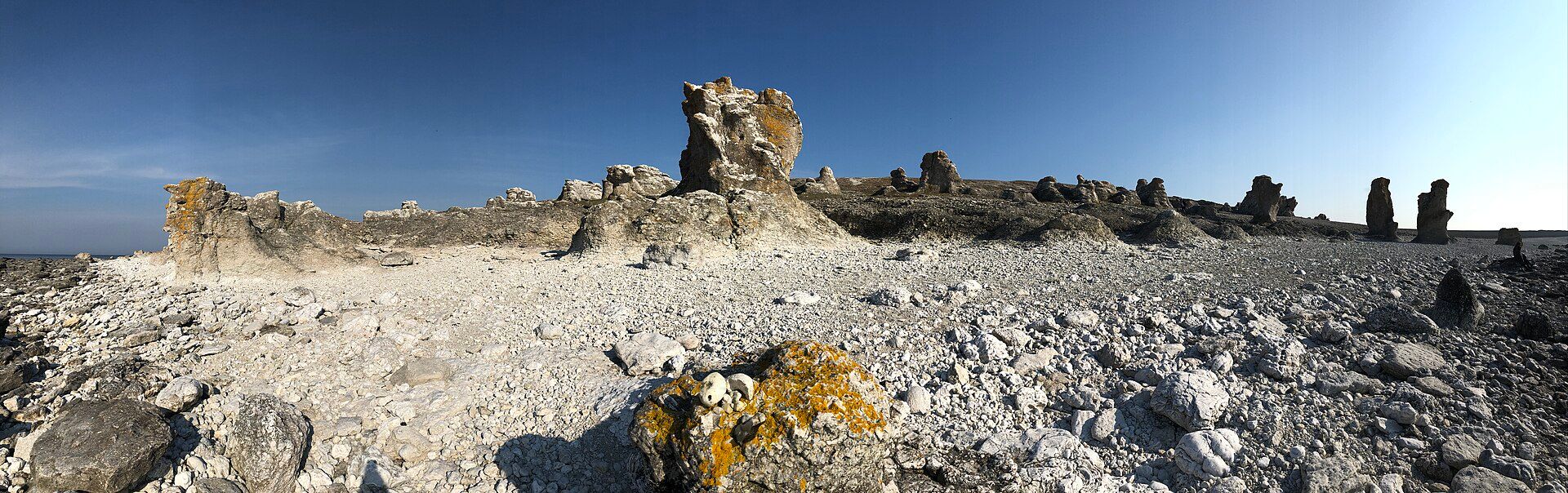
Gotland & the Raukar, Baltic Sea, southeastern Sweden

Gotland & the Raukar

Baltic Sea, southeastern Sweden

Sweden's largest island, rimmed by raukar — weathered limestone sea stacks that stand along the shore like a gallery of stone figures carved by the Baltic.

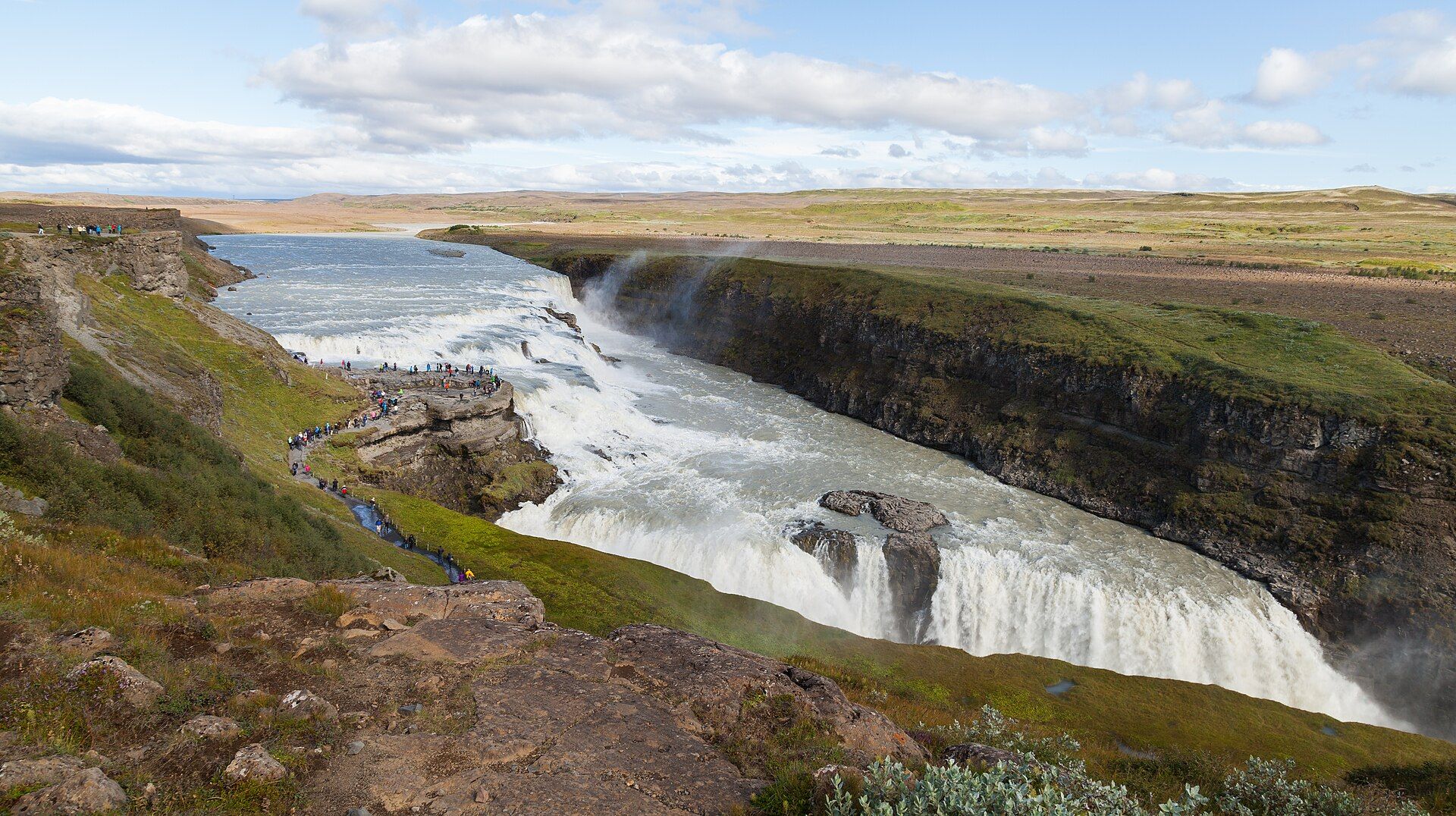
Gullfoss, Hvítá river, Southwest Iceland

Gullfoss

Hvítá river, Southwest Iceland

Iceland's most famous waterfall — the glacial Hvítá river plunges in two dramatic stepped tiers into a rugged canyon, throwing up spray that catches the sun in near-constant rainbows.

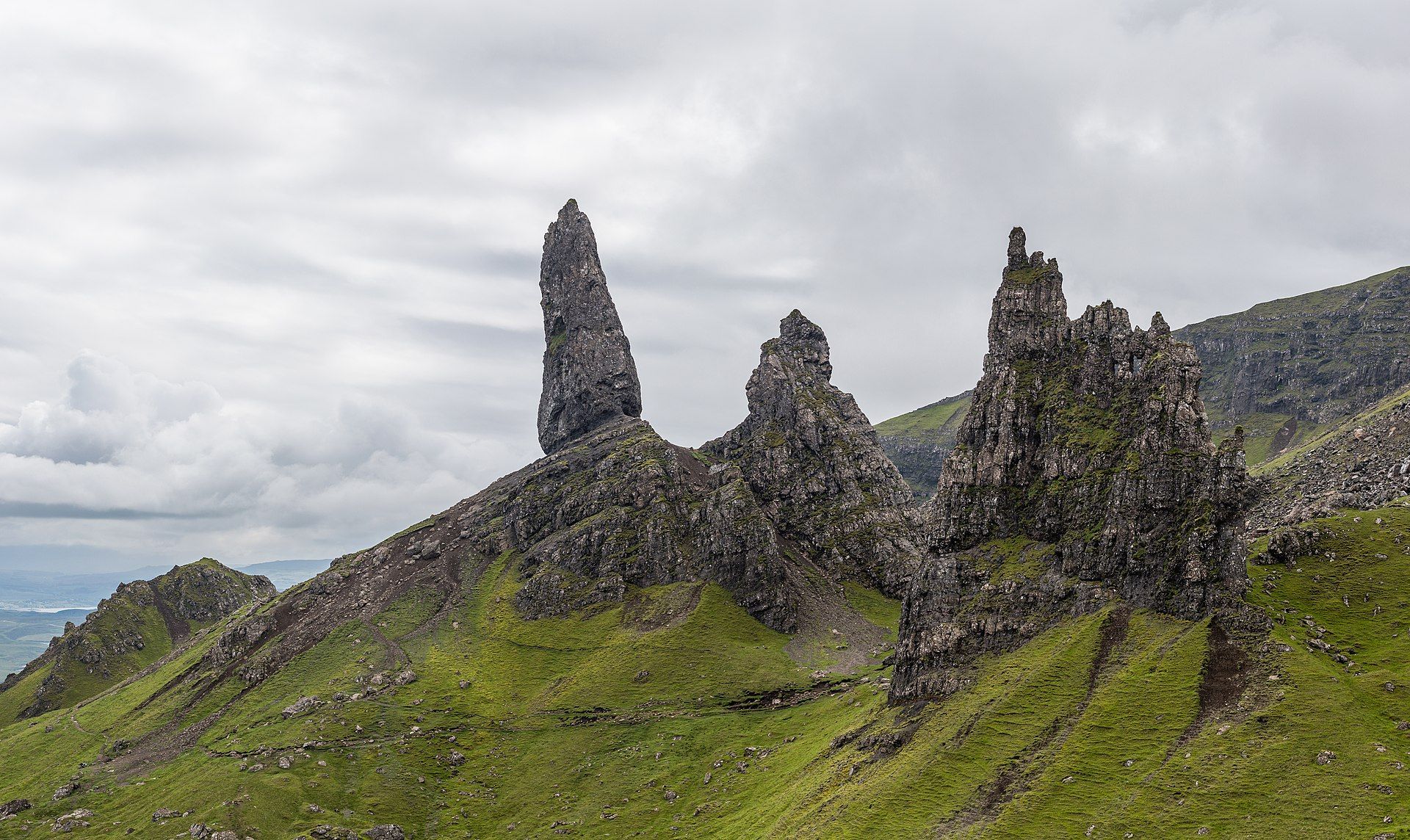
Isle of Skye, Inner Hebrides, Scotland

Isle of Skye

Inner Hebrides, Scotland

A wild Hebridean island of jagged black peaks, mist-wrapped pinnacles, and sea cliffs — the most dramatic scenery in Scotland, stitched with waterfalls, lochs, and ancient rock.

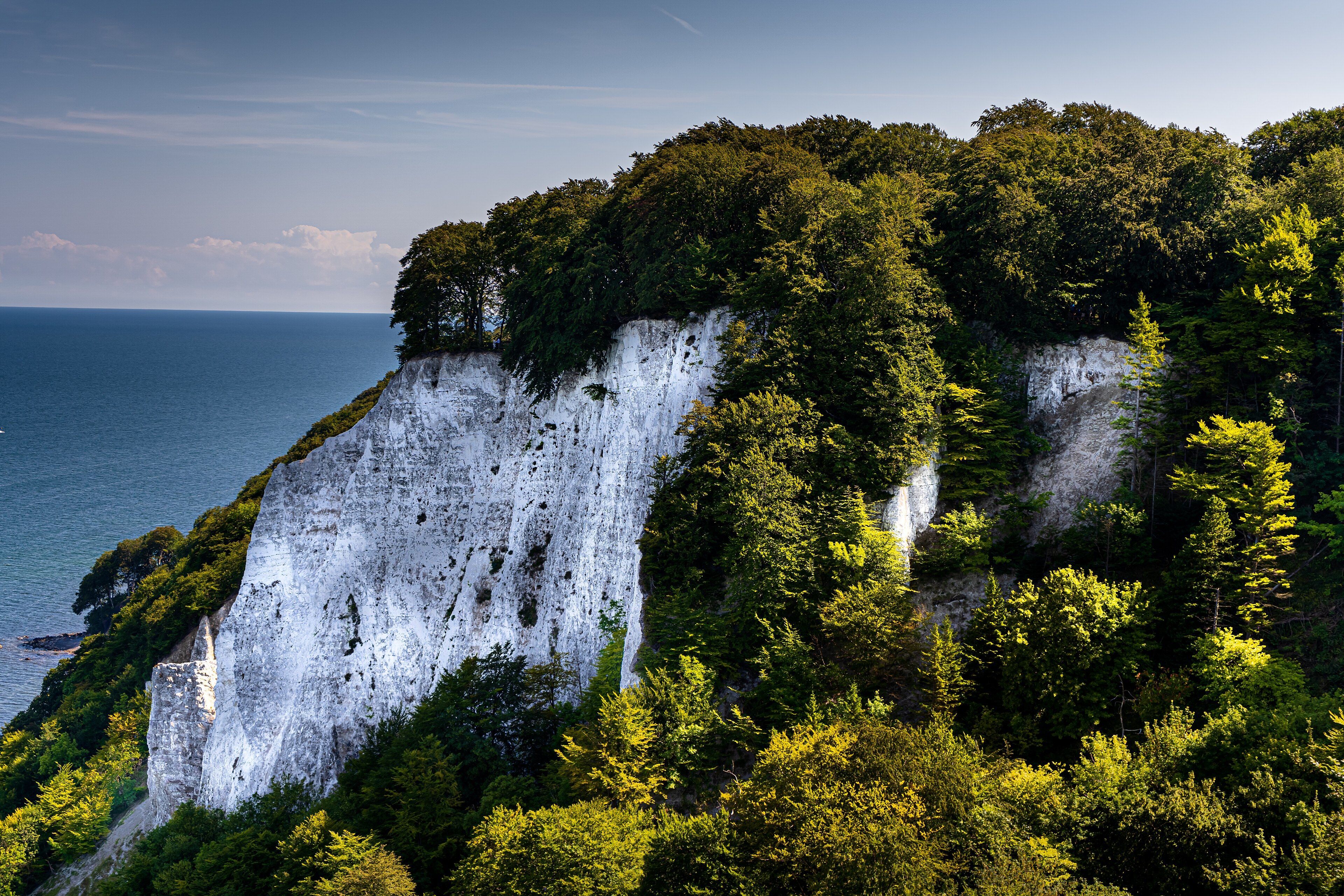
Jasmund Chalk Cliffs, Jasmund National Park, Rügen, Mecklenburg-Vorpommern, Germany

Jasmund Chalk Cliffs

Jasmund National Park, Rügen, Mecklenburg-Vorpommern, Germany
Germany's largest chalk cliffs, dropping white into the Baltic on the island of Rügen — topped by the last great beech forest on this coast, and eroding fast enough that the shoreline is measurably different within a lifetime.

Jökulsárlón Glacier Lagoon, Vatnajökull National Park, Southeast Iceland

Jökulsárlón Glacier Lagoon

Vatnajökull National Park, Southeast Iceland

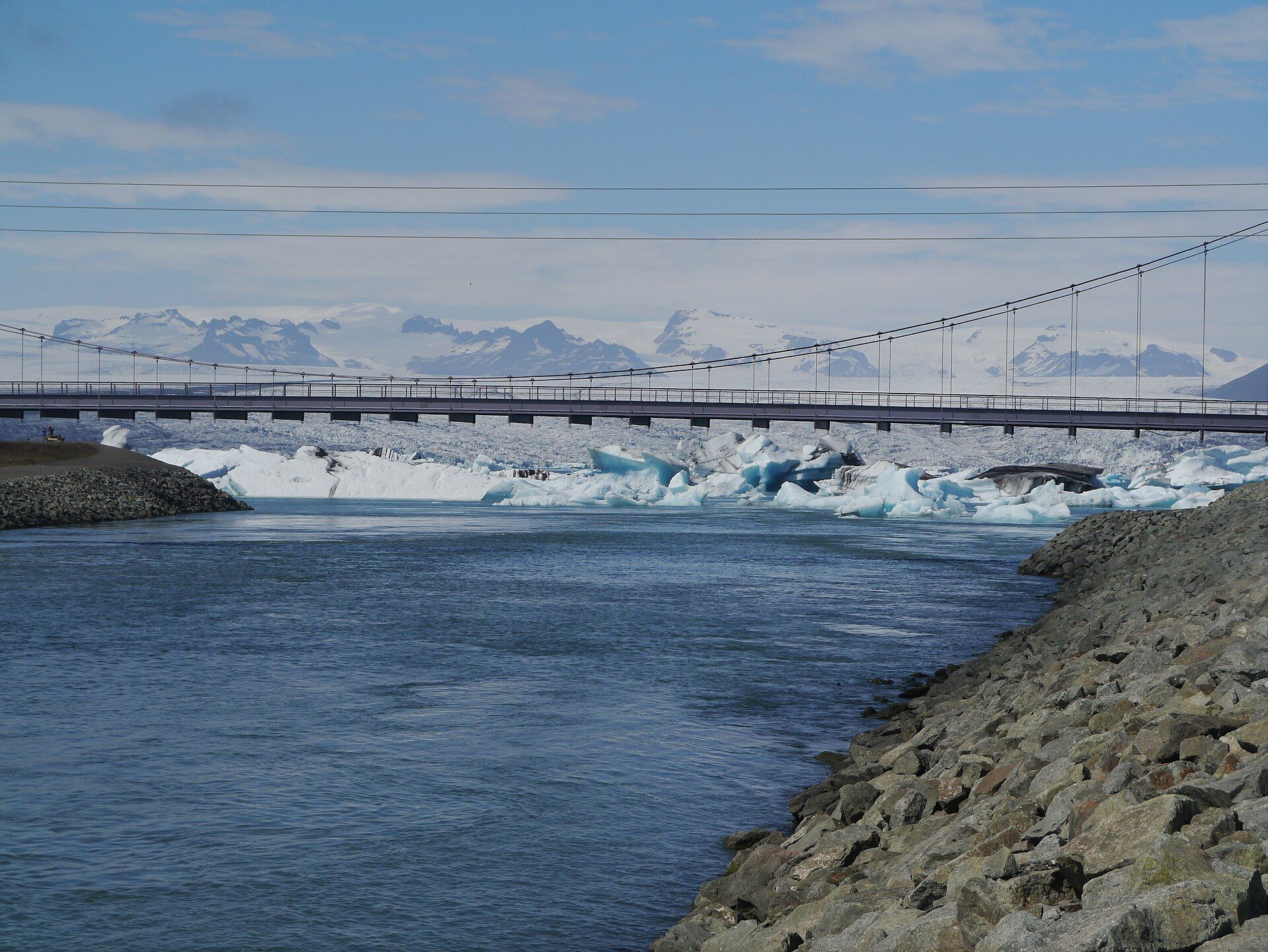
A glacial lagoon where huge icebergs calved from the Vatnajökull ice cap drift in still, deep water before floating out to sea — and wash up as glittering shards on the black-sand 'Diamond Beach'.

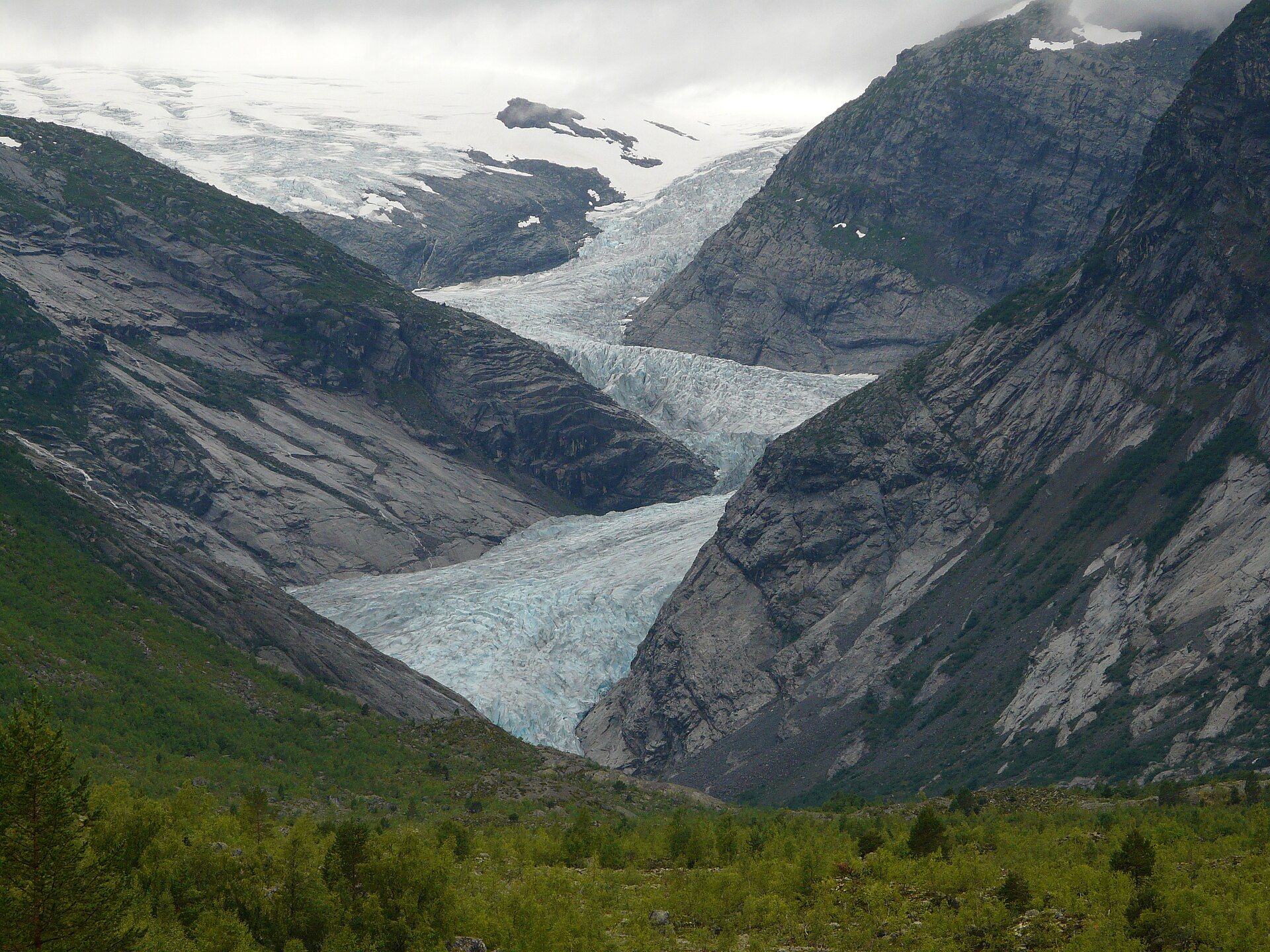
Jostedalsbreen, Vestland, Western Norway

Jostedalsbreen

Vestland, Western Norway

The largest glacier on mainland Europe — a high plateau ice cap that sends blue-tongued arms like Nigardsbreen and Briksdalsbreen spilling down into green valleys and turquoise meltwater lakes.

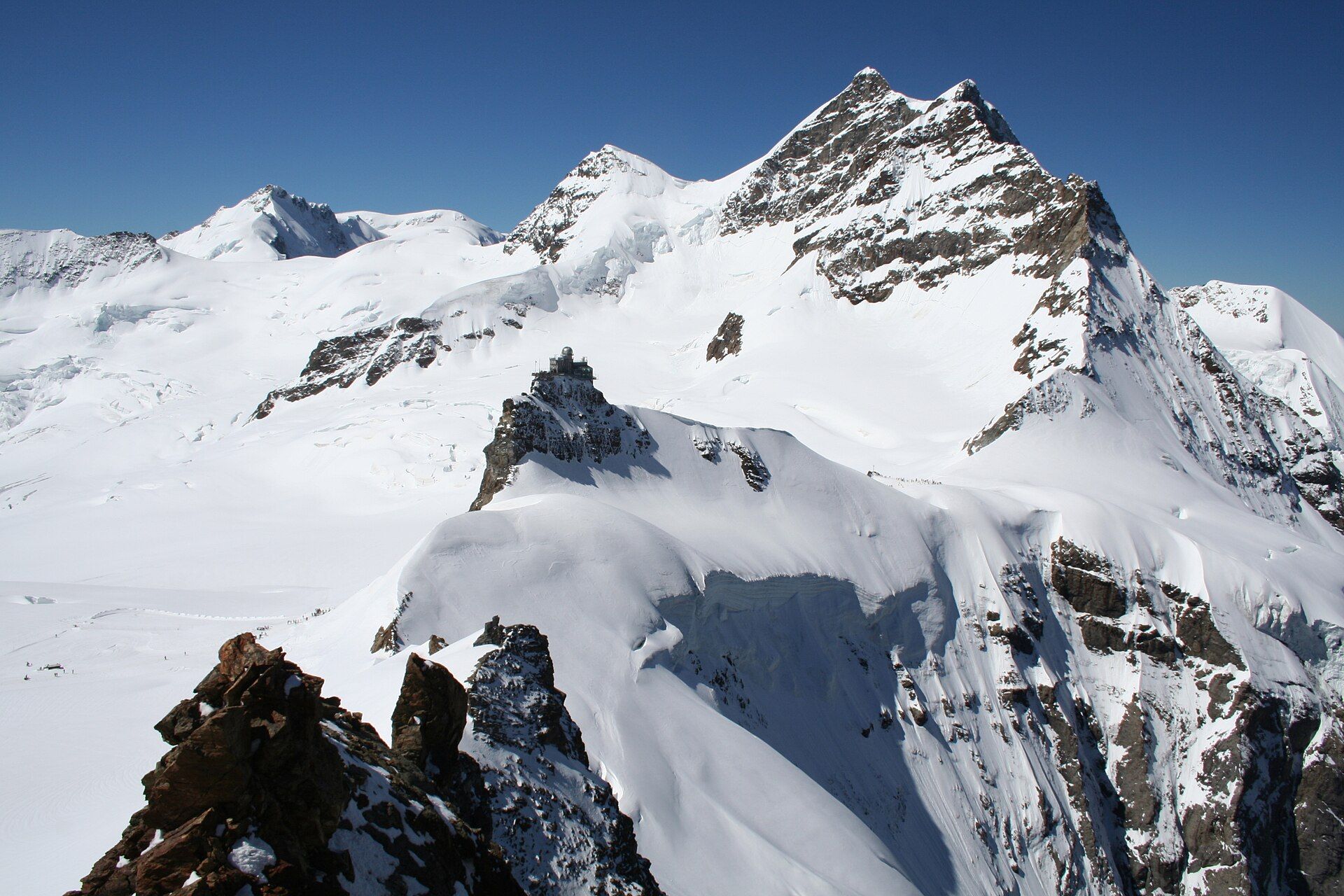
Jungfrau, Bernese Alps, Switzerland

Jungfrau

Bernese Alps, Switzerland

One of the great peaks of the Bernese Alps at 4,158 metres — reached, uniquely, by a cog railway tunnelled through the mountain to the Jungfraujoch, the 'Top of Europe', overlooking the head of the Aletsch Glacier.

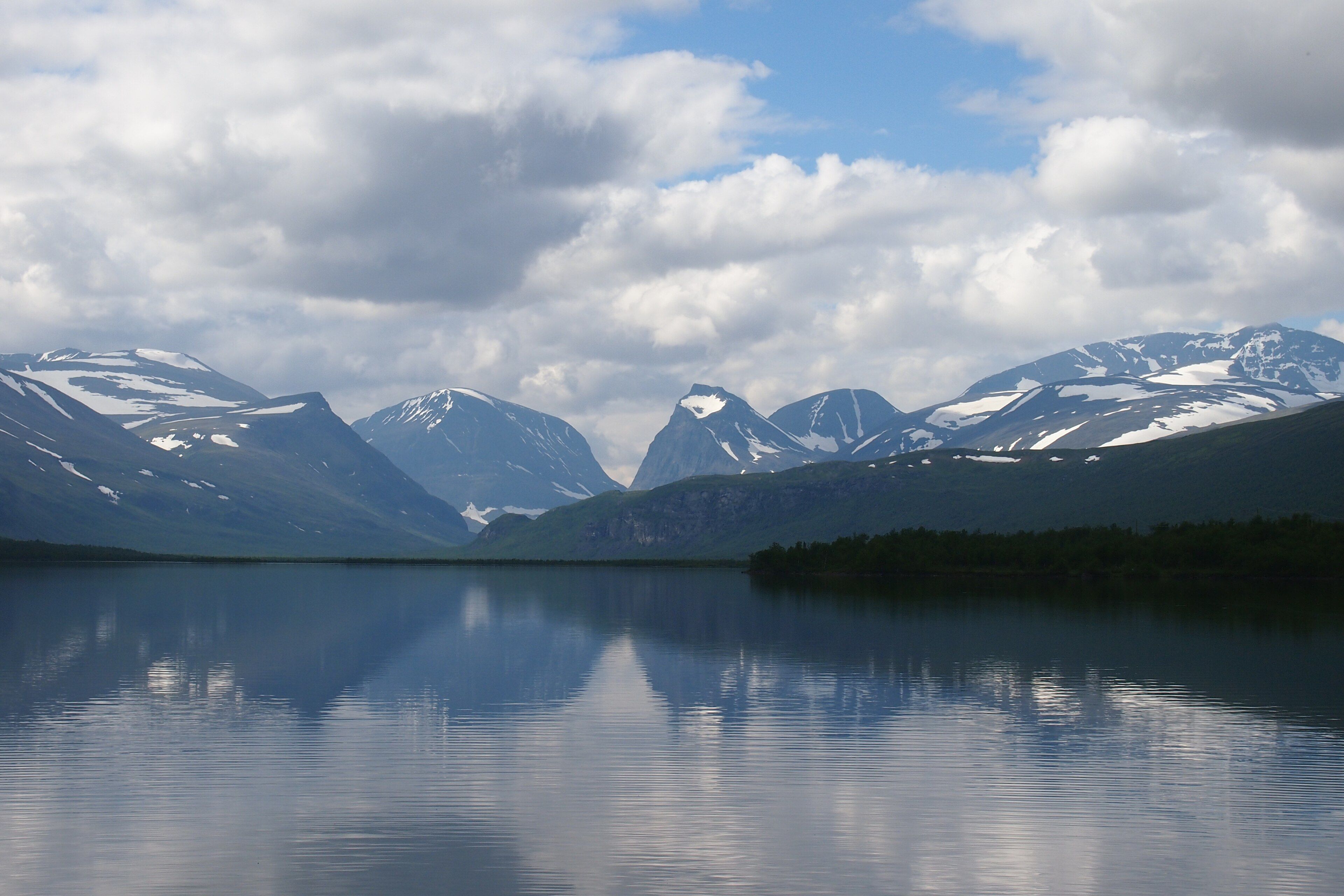
Kebnekaise massif, Kiruna Municipality, Swedish Lapland

Kebnekaise

Kiruna Municipality, Norrbotten, Swedish Lapland

Sweden's highest mountain, whose summit changed places because the old one is made of ice — the glacier-capped south peak has melted below the bare rock of the north peak, and researchers measure the difference every summer.

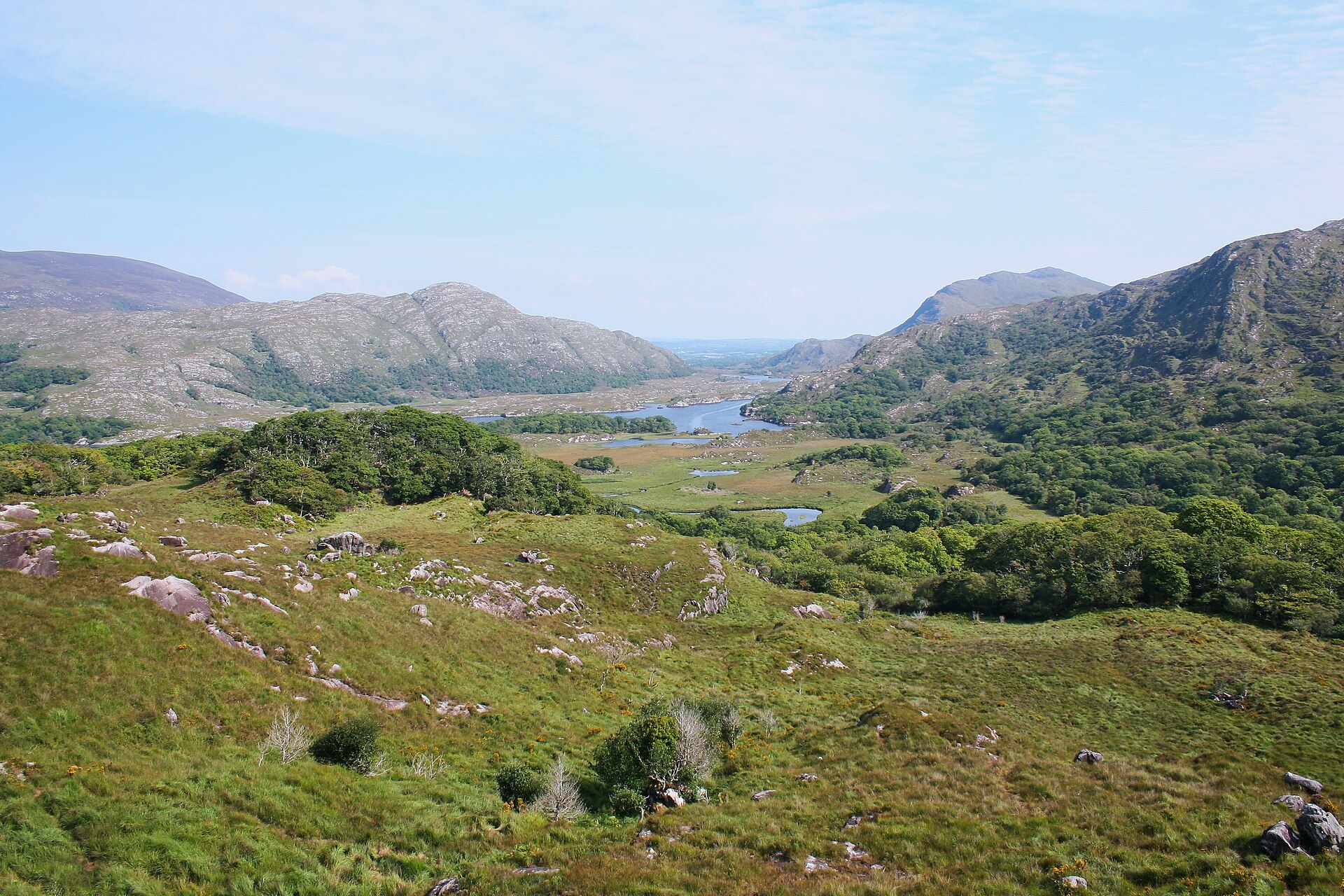
Killarney National Park, County Kerry, Ireland

Killarney National Park

County Kerry, Ireland

Ireland's first national park — a storied landscape of lakes, ancient oak woods and mountains around Killarney, home to the country's only wild red deer herd and its largest surviving native forest.

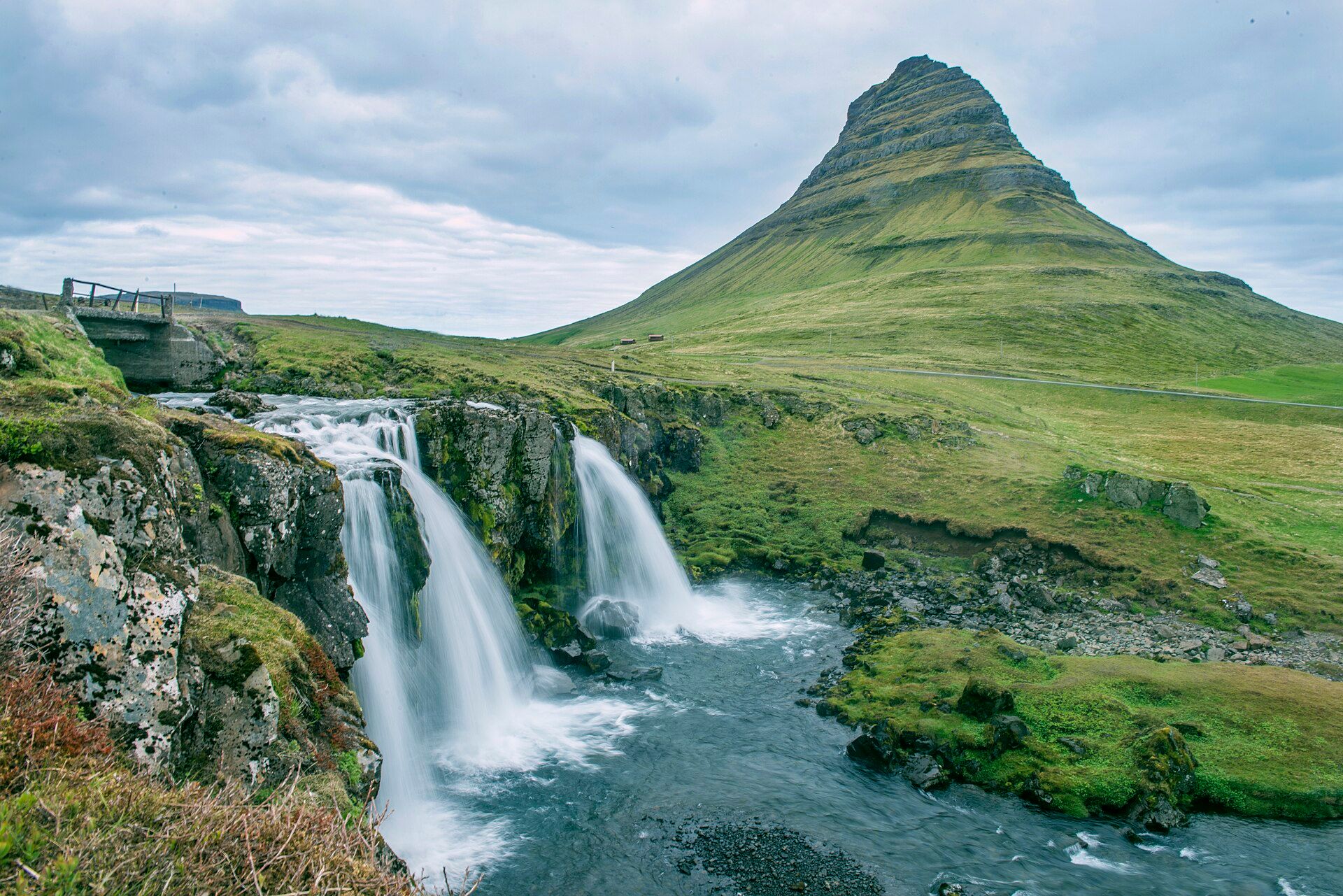
Kirkjufell, Grundarfjörður, Snæfellsnes Peninsula, West Iceland

Kirkjufell

Grundarfjörður, Snæfellsnes Peninsula, West Iceland

A steep, symmetrical 463-metre peak rising alone from the sea on the Snæfellsnes Peninsula — often called the most photographed mountain in Iceland, most famously with the small tiered waterfall Kirkjufellsfoss in the foreground.

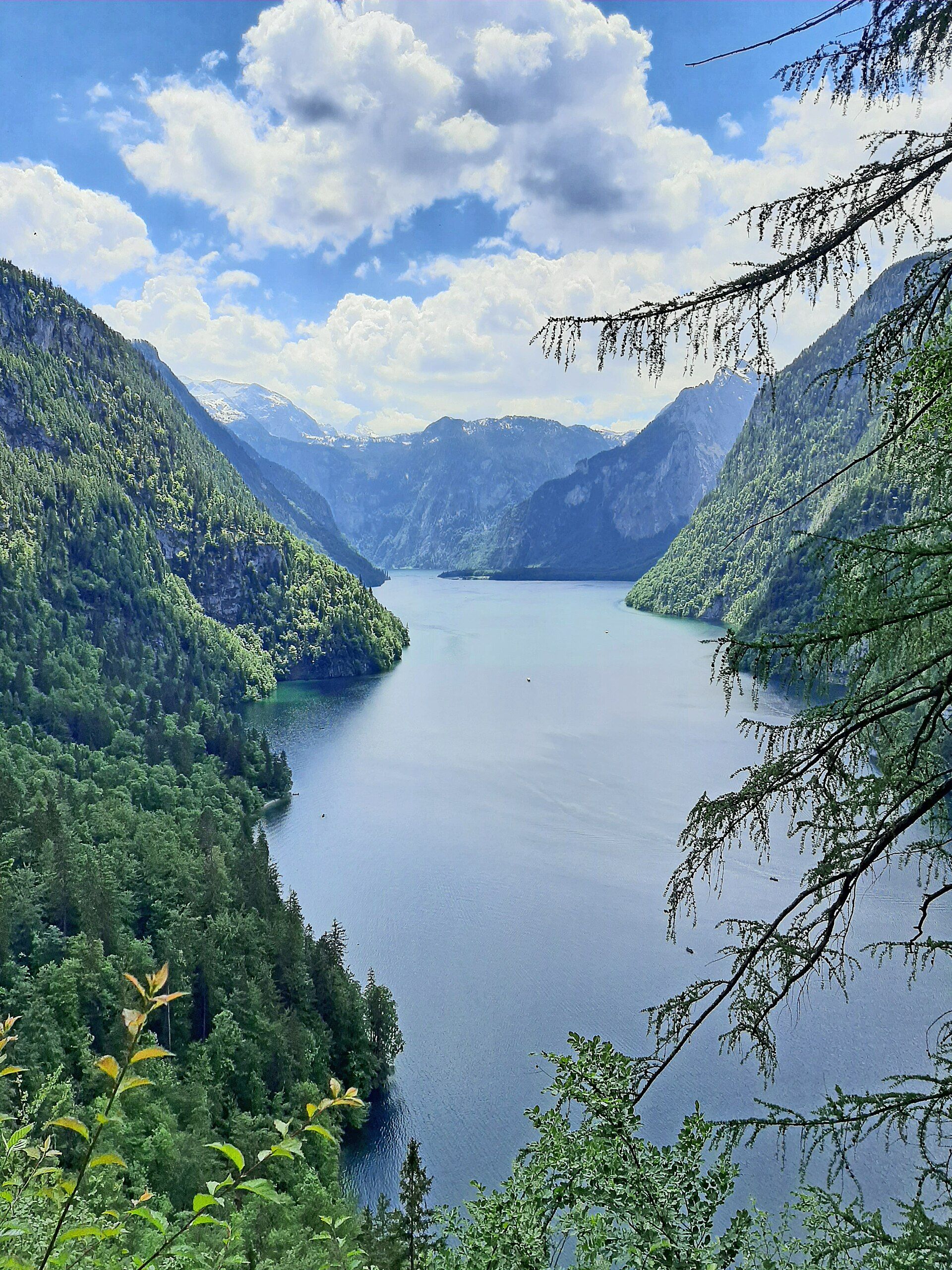
Königssee, Berchtesgaden, Bavaria, Germany

Königssee

Berchtesgaden, Bavaria, Germany

A deep, emerald, fjord-like lake hemmed by sheer alpine cliffs in Berchtesgaden National Park — so clean that only silent electric boats are allowed to cross it.

Kornati Islands, Šibenik-Knin / Zadar County, Adriatic Sea, Croatia

Kornati Islands

Šibenik-Knin / Zadar County, Adriatic Sea, Croatia

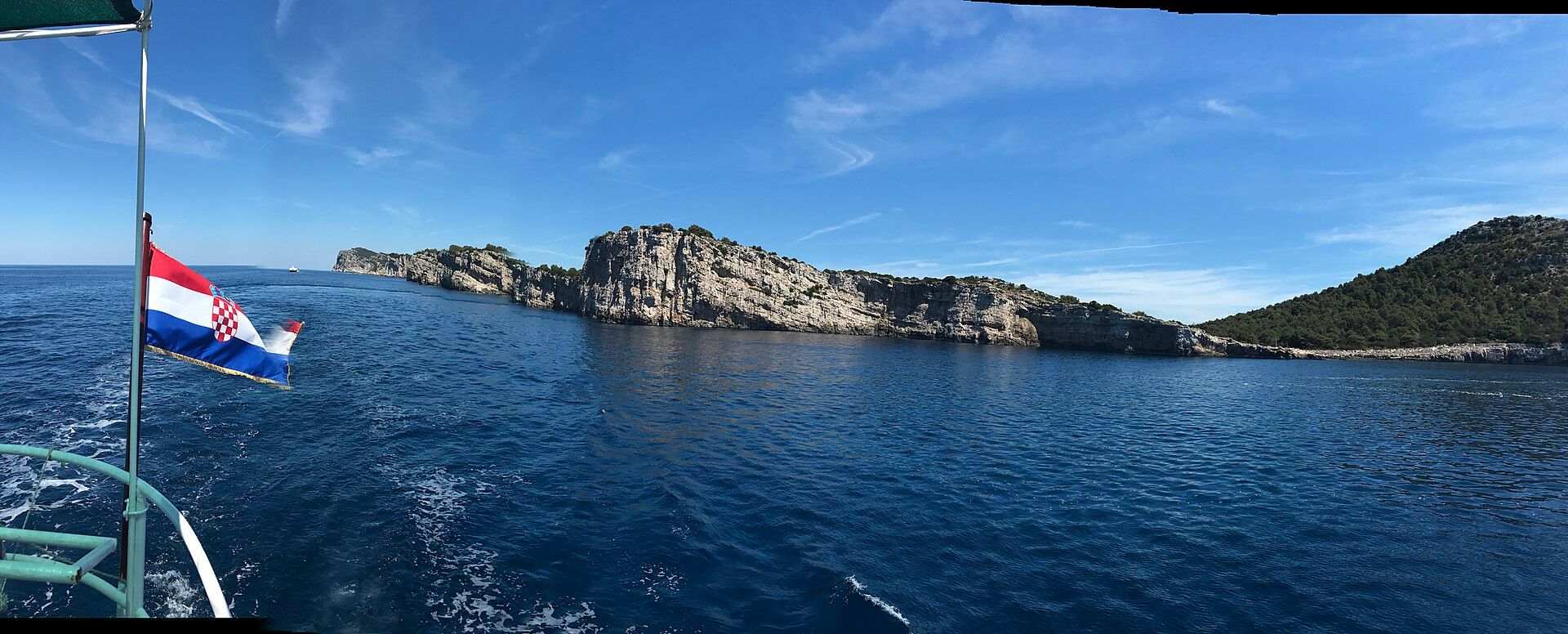
A stark, sun-bleached archipelago of some 89 islands, islets, and reefs — the densest island cluster in the Adriatic — whose seaward cliffs, the dramatic 'crowns', drop straight into deep blue water.

Kravica Falls on the Trebižat River, near Ljubuški, Bosnia and Herzegovina

Kravica Falls

Trebižat River, near Ljubuški, Herzegovina, Bosnia and Herzegovina

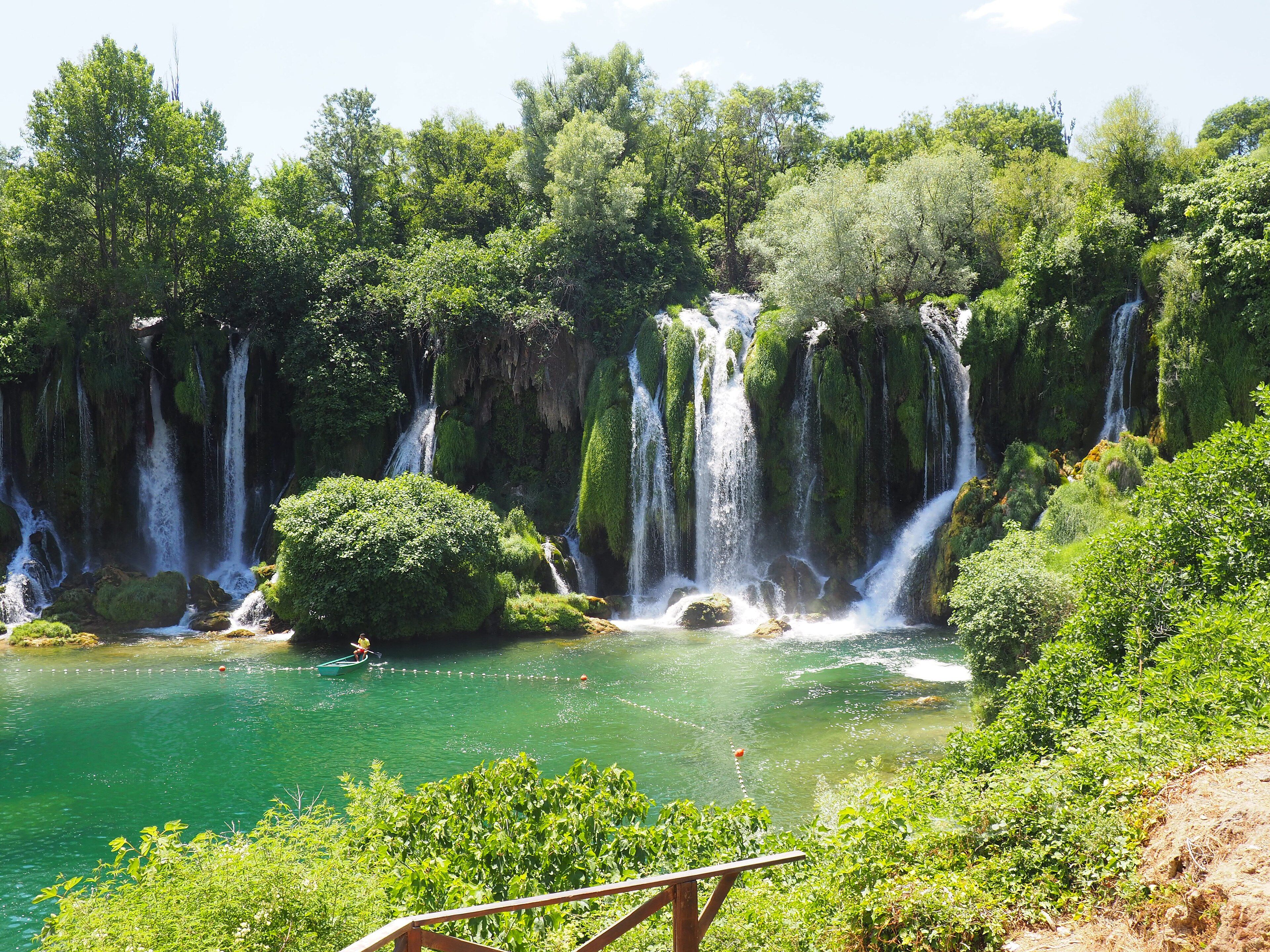
A 25-metre curtain of water spread across an amphitheatre of moss and living rock in the karst of Herzegovina — a waterfall that is still building itself out of the river it carries.

Krimml Waterfalls, High Tauern National Park, Salzburg, Austria

Krimml Waterfalls

High Tauern National Park, Salzburg, Austria

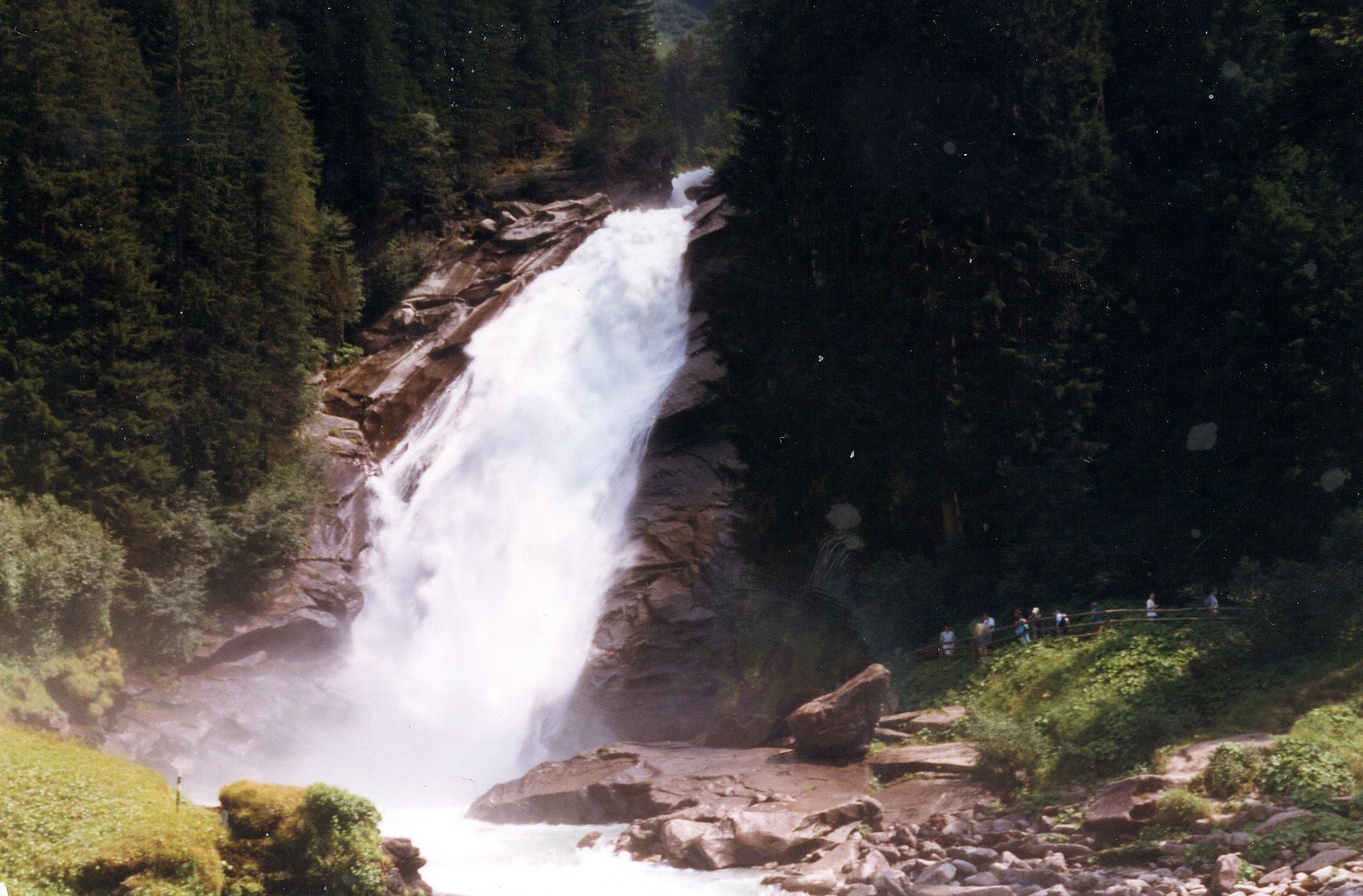
Austria's highest waterfall and the tallest in Europe — the Krimmler Ache river thrown 380 metres down the mountainside in three great tiers, roaring through pine forest in the High Tauern National Park.

Krka National Park, Šibenik-Knin County, Dalmatia, Croatia

Krka National Park

Šibenik-Knin County, Dalmatia, Croatia

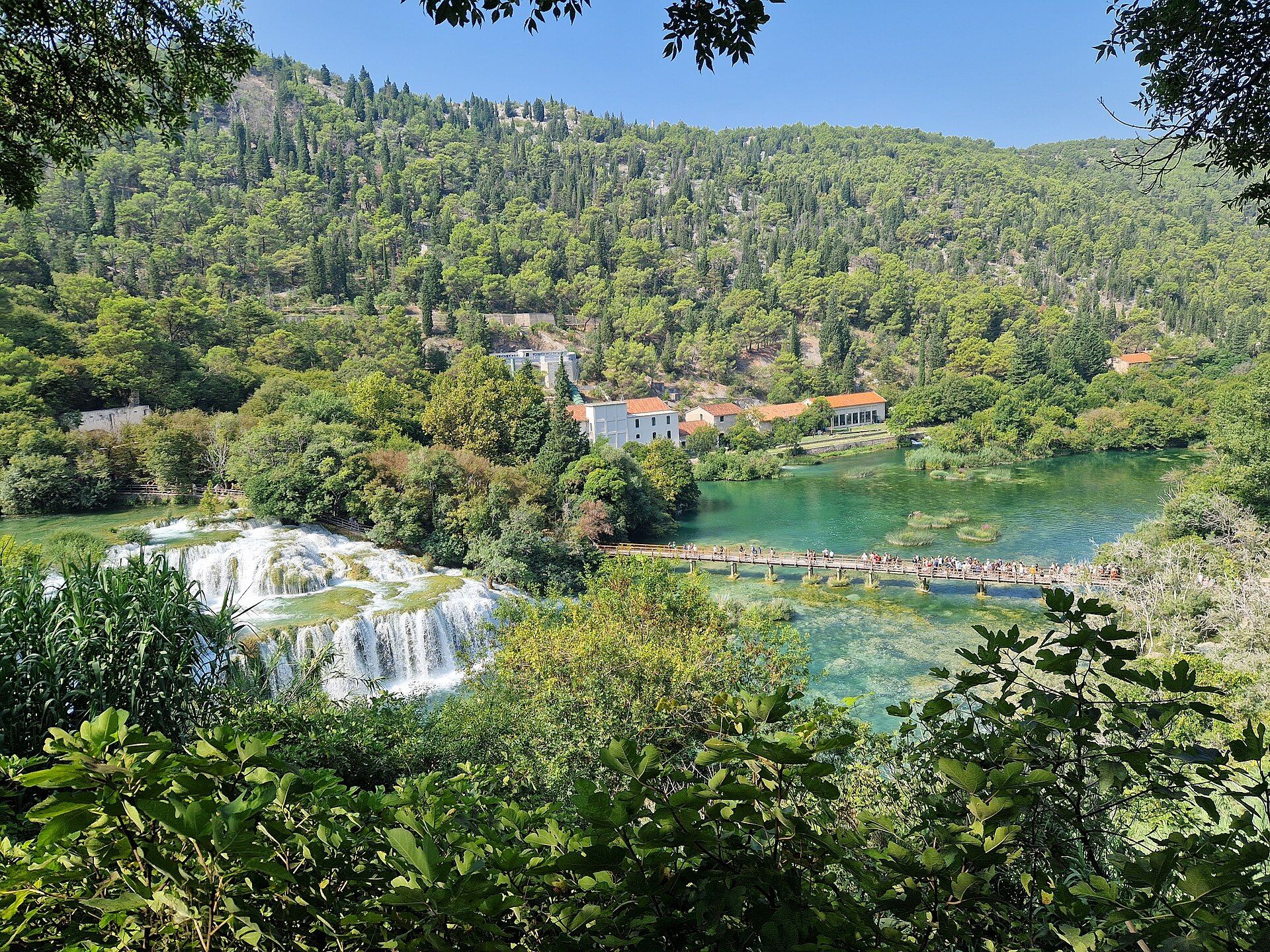
A Dalmatian river that builds its own waterfalls — the Krka lays down travertine barriers of living rock as it flows, culminating in Skradinski Buk, a broad staircase of cascades tumbling over seventeen natural steps.

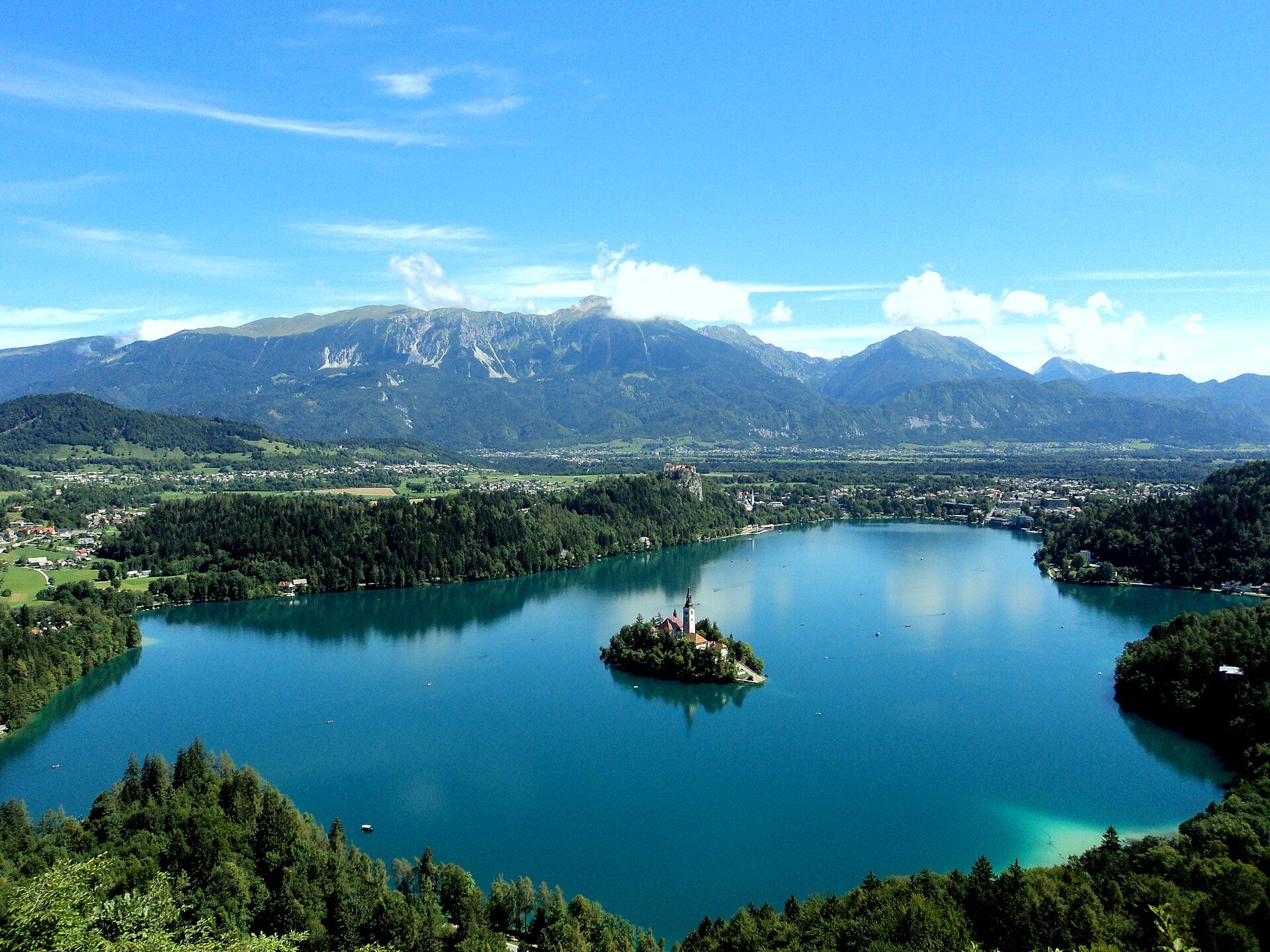
Lake Bled, Upper Carniola, Slovenia

Lake Bled

Upper Carniola, Slovenia

A serene glacial lake with a tiny church-topped island at its heart, cupped beneath a clifftop castle and the peaks of the Julian Alps — one of the most picture-perfect scenes in Europe.

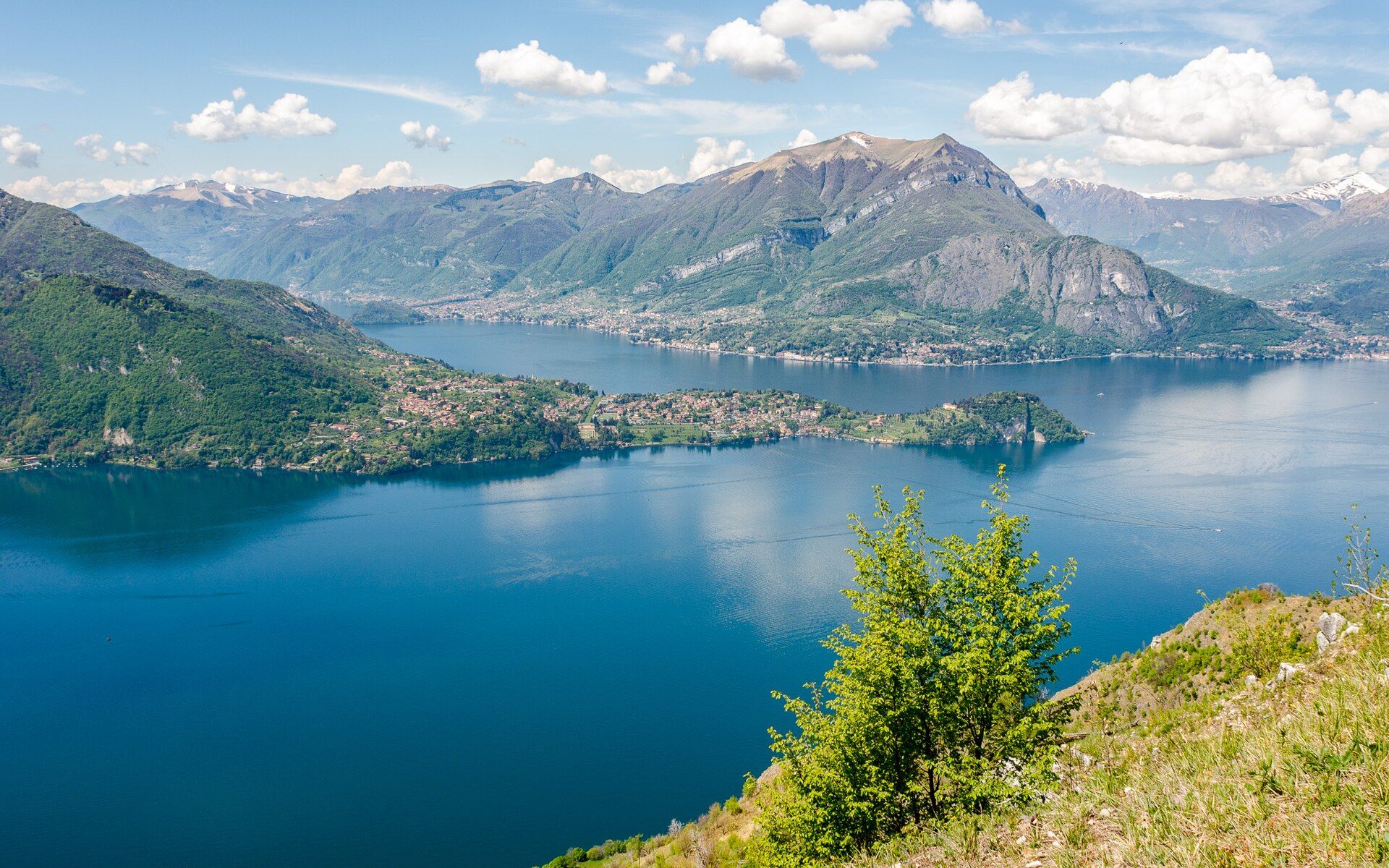
Lake Como, Lombardy, northern Italy

Lake Como

Lombardy, northern Italy

A deep, inverted-Y-shaped glacial lake beneath the southern Alps, ringed by steep wooded mountains, cliff-clinging villages, and centuries of grand lakeside villas.

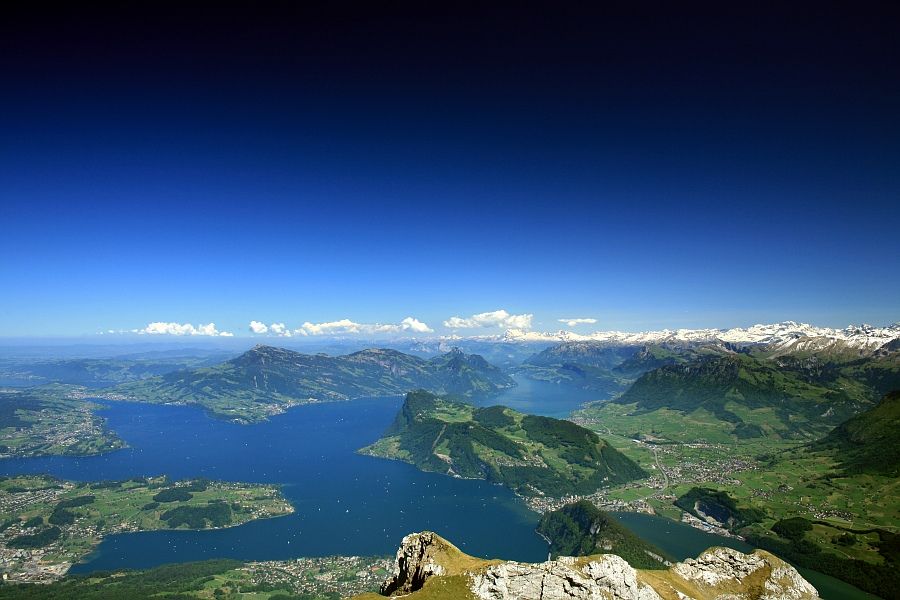
Lake Lucerne, Central Switzerland (cantons of Lucerne, Nidwalden, Obwalden, Schwyz, Uri)

Lake Lucerne

Central Switzerland (cantons of Lucerne, Nidwalden, Obwalden, Schwyz, Uri)

A many-armed alpine lake at the heart of Switzerland — 114 square kilometres of deep blue-green water winding between the peaks of Rigi, Pilatus, and the Uri Alps, ringed by lakeside towns and the meadow where the Swiss Confederation was born.

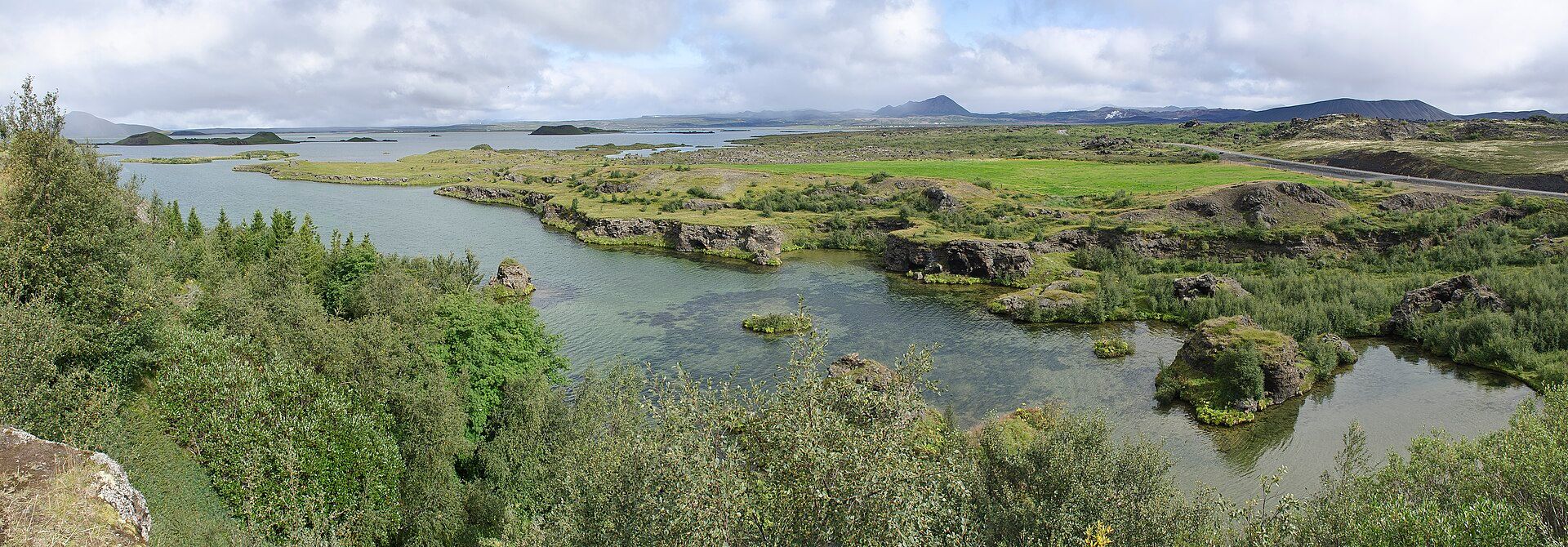
Lake Mývatn, Northeast Iceland, near Akureyri

Lake Mývatn

Northeast Iceland, near Akureyri

A shallow, volcanic lake ringed by craters, lava fields and steaming ground — one of Europe's richest waterfowl habitats, alive with ducks in summer and framed by pseudocraters, twisted lava pillars and geothermal steam.

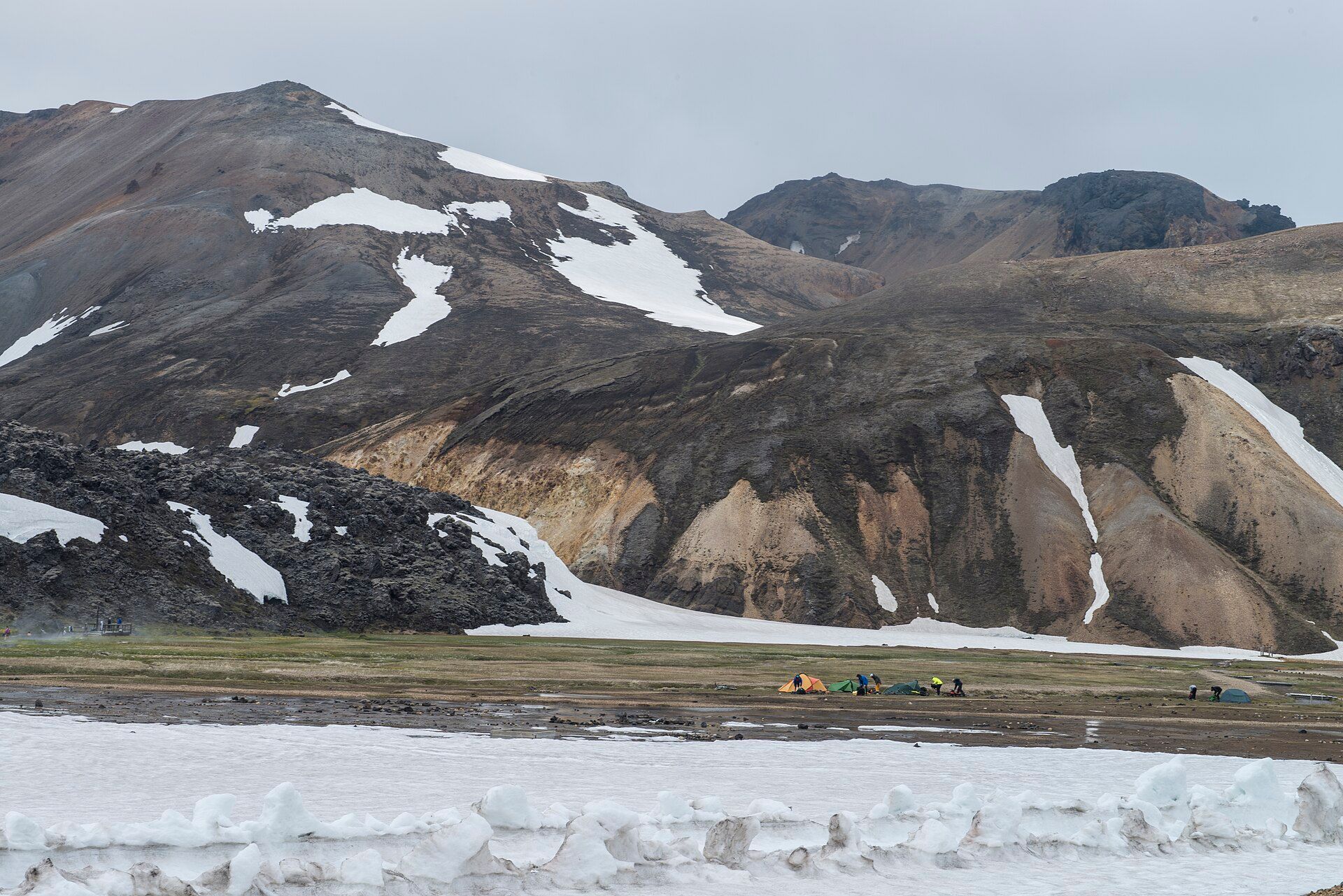
Landmannalaugar, Southern Highlands, Iceland

Landmannalaugar

Southern Highlands, Iceland

Rhyolite mountains streaked in red, pink, green, and gold above black lava fields and steaming hot springs — the most colourful landscape in Iceland's remote interior highlands.

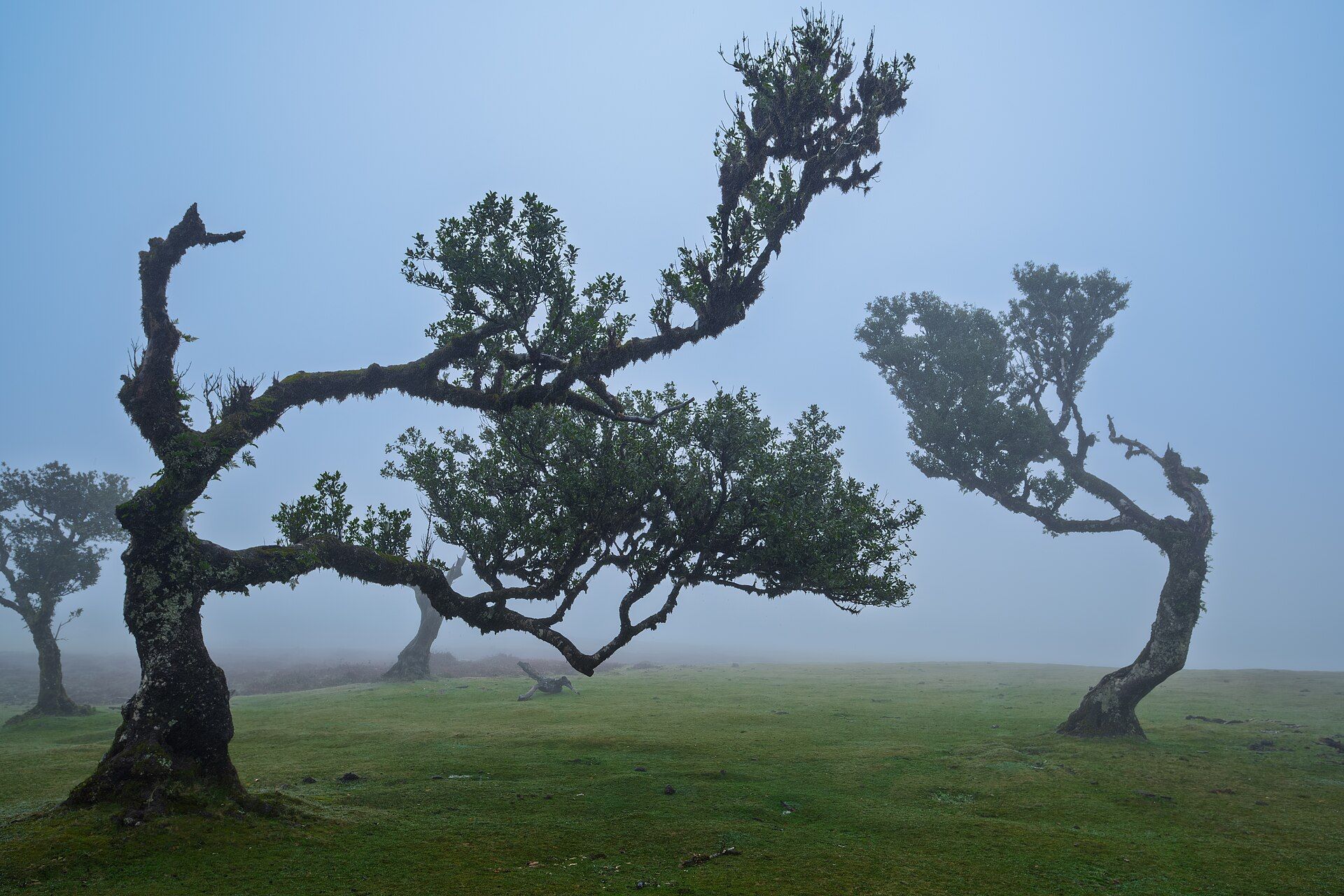
Laurisilva of Madeira, Madeira, Portugal (North Atlantic)

Laurisilva of Madeira

Madeira, Portugal (North Atlantic)

The world's largest surviving laurel forest — a mist-fed, moss-draped relic of the woodland that once cloaked southern Europe, blanketing the mountainous heart of Madeira and threaded by the island's famous levada water channels.

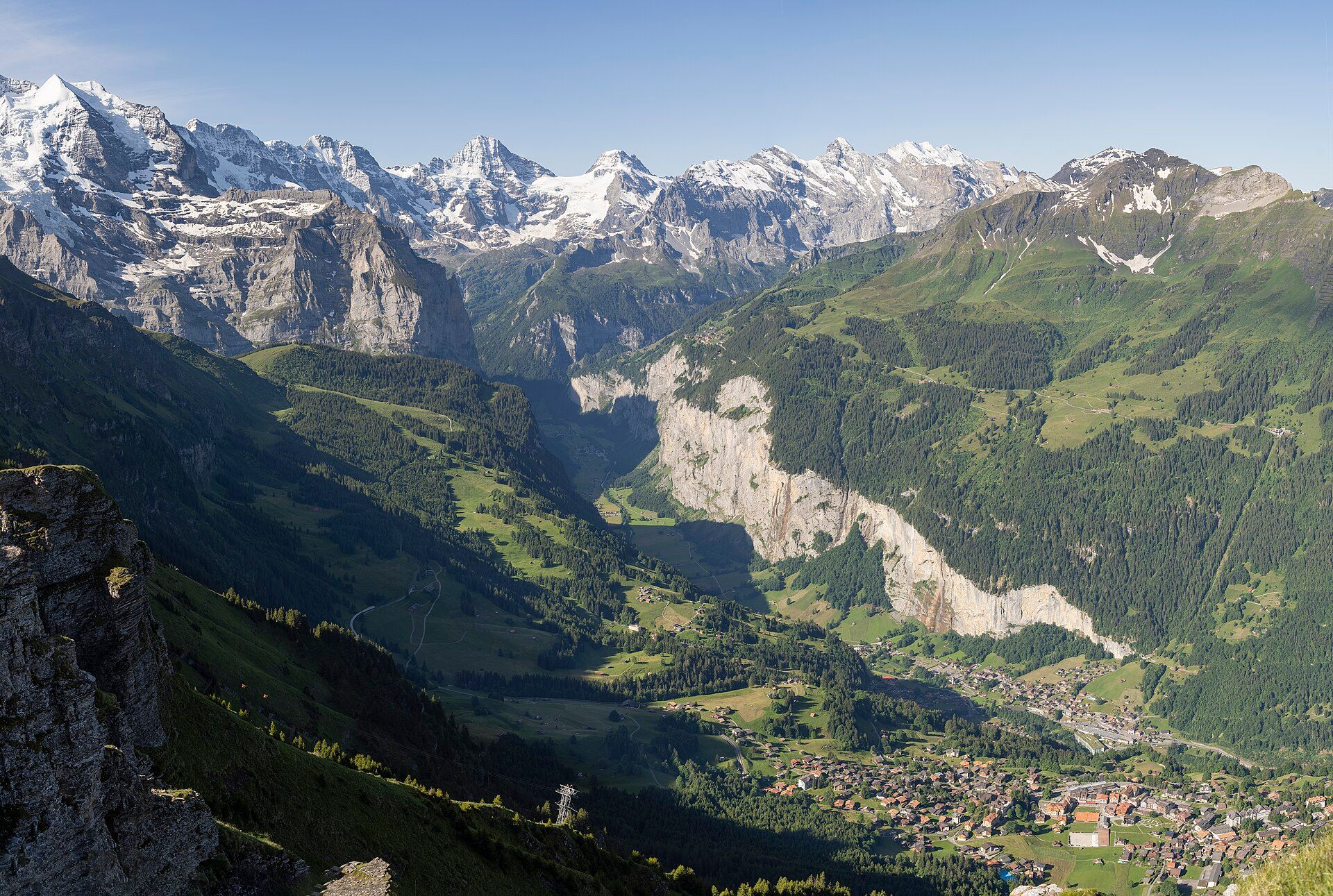
Lauterbrunnen Valley, Bernese Oberland, Switzerland

Lauterbrunnen Valley

Bernese Oberland, Switzerland

A glacier-carved Alpine valley walled by sheer cliffs down which seventy-two waterfalls pour — including the free-falling Staubbach and the thundering Trümmelbach inside the mountain.

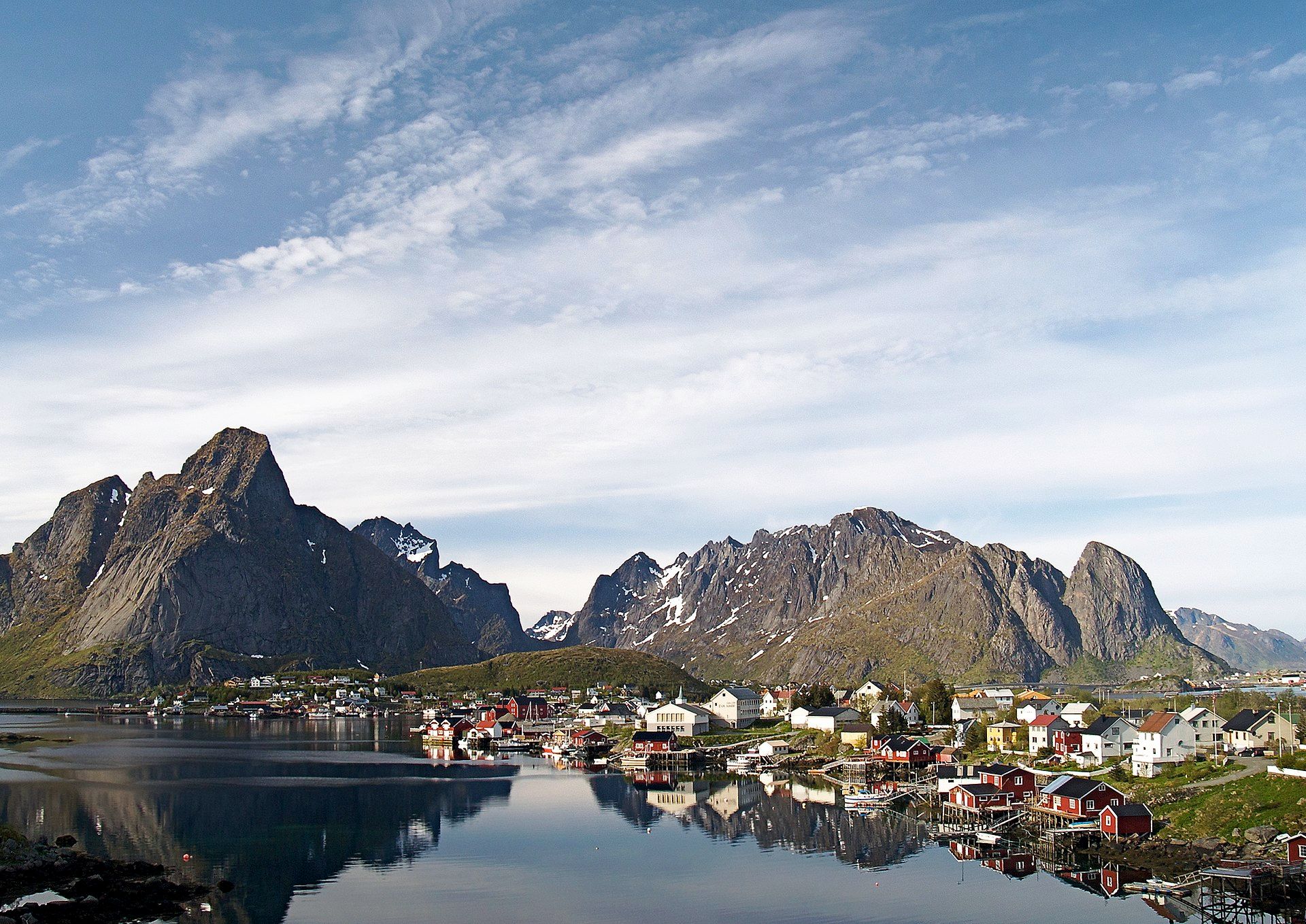
Lofoten Islands, Nordland, Arctic Norway

Lofoten Islands

Nordland, Arctic Norway

A chain of dramatic Arctic islands where jagged granite peaks rise straight from the sea above white beaches and red fishing villages — improbably mild for its latitude, and lit by the midnight sun and the northern lights.

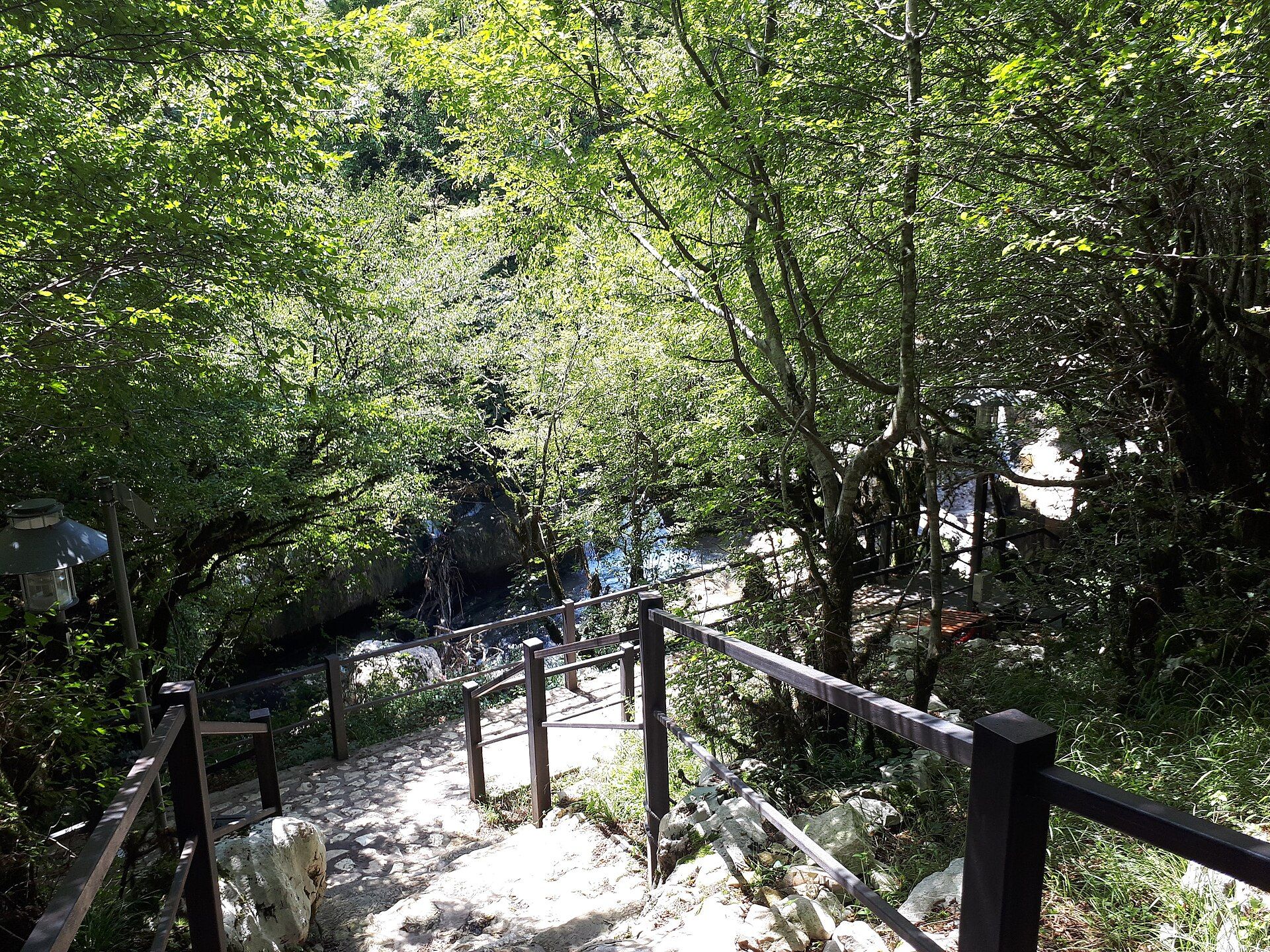
Martvili Canyon, Samegrelo, western Georgia

Martvili Canyon

Samegrelo, western Georgia

A narrow limestone canyon in western Georgia where a turquoise river winds between sheer mossy walls, past small waterfalls — once the private bathing place of Georgian nobles.

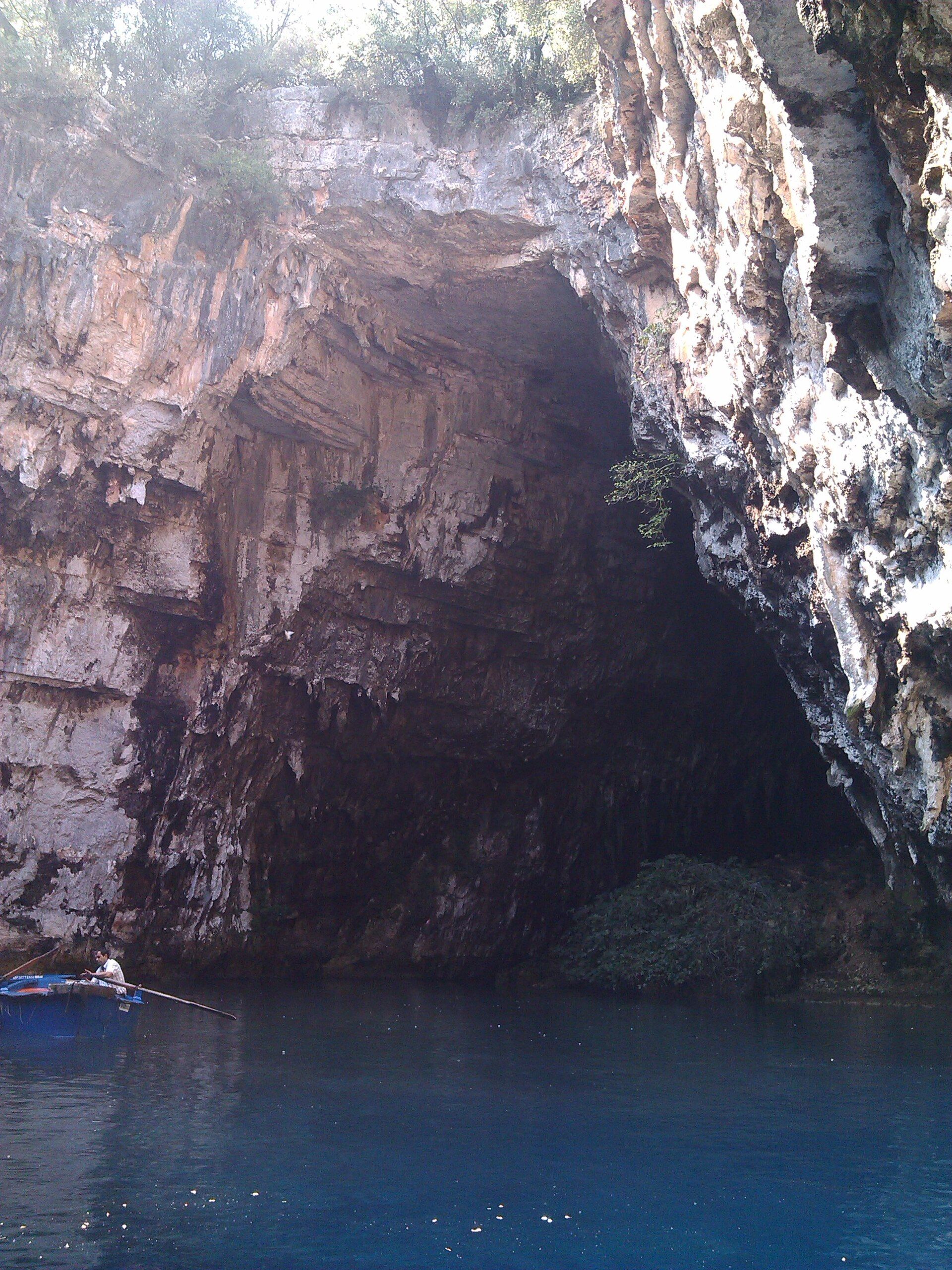
Melissani Cave, Karavomylos, Kefalonia, Ionian Islands, Greece

Melissani Cave

Karavomylos, Kefalonia, Ionian Islands, Greece

An underground lake on the Ionian island of Kefalonia, roofed by a collapsed cavern that lets a shaft of midday sun ignite the brackish water in an unearthly electric blue.

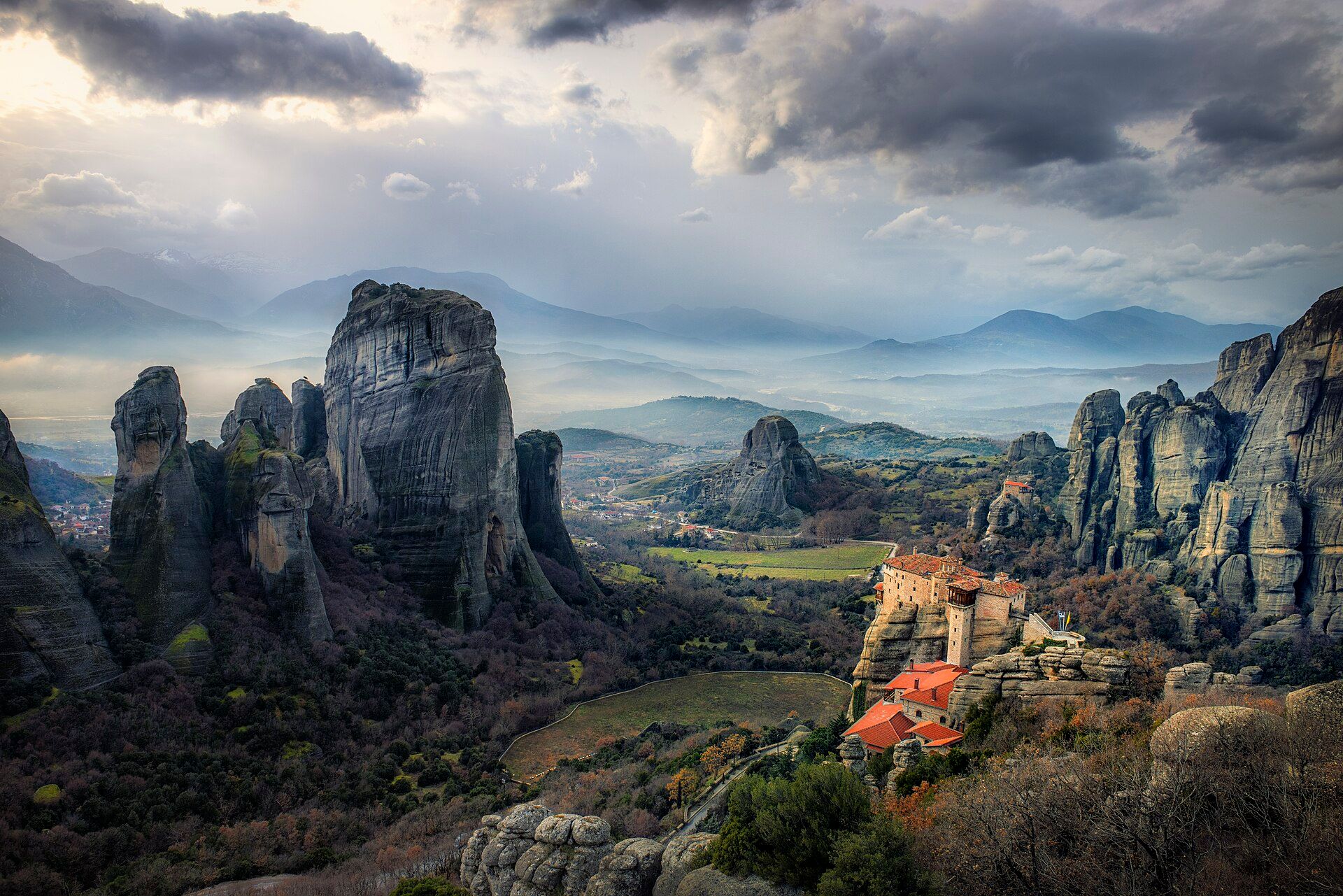
Meteora, Thessaly, central Greece

Meteora

Thessaly, central Greece

A cluster of colossal, sheer rock pillars soaring from the plains of Thessaly — a surreal geological forest of stone towers, several capped by centuries-old monasteries built where the cliffs seem to touch the sky.

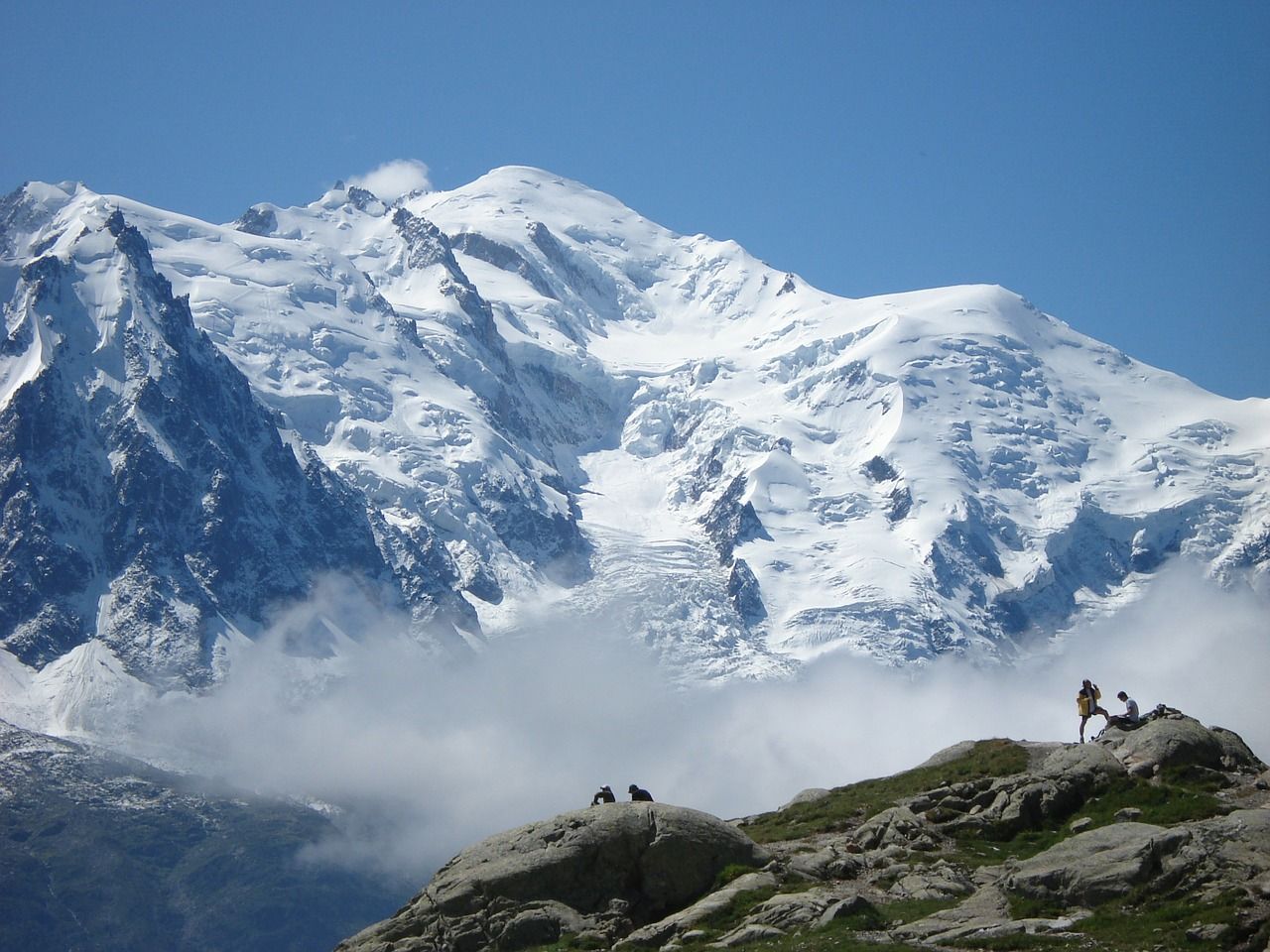
Mont Blanc, French Alps (France–Italy border)

Mont Blanc

French Alps (France–Italy border)

The highest peak in the Alps and western Europe — a great dome of snow and ice above Chamonix, ringed by glaciers, granite spires, and the birthplace of mountaineering.

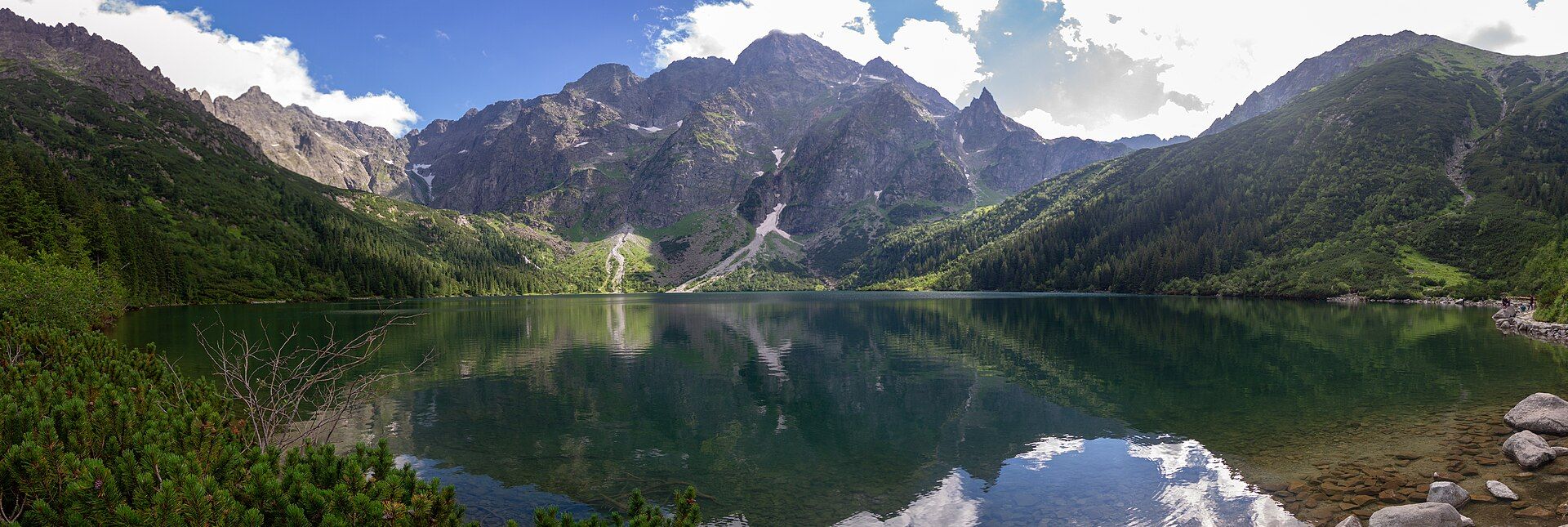
Morskie Oko, Tatra National Park, Lesser Poland, Poland

Morskie Oko

Tatra National Park, Lesser Poland, Poland

The largest and most beloved lake of the Polish Tatras — a clear alpine tarn cradled beneath the sheer Mięguszowieckie peaks, its name, the 'Eye of the Sea', matched by water clear enough to see many metres down.

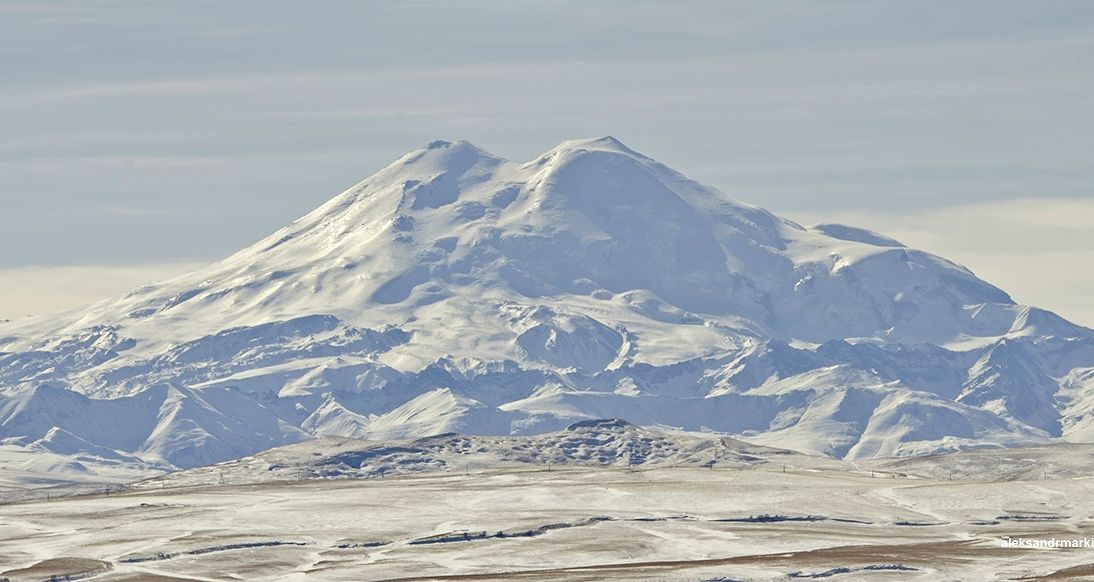
Mount Elbrus, Kabardino-Balkaria, Caucasus, Russia

Mount Elbrus

Kabardino-Balkaria, Caucasus, Russia

The highest peak in Europe — a twin-coned dormant volcano wrapped in 22 glaciers, rising 5,642 metres above the Caucasus range.

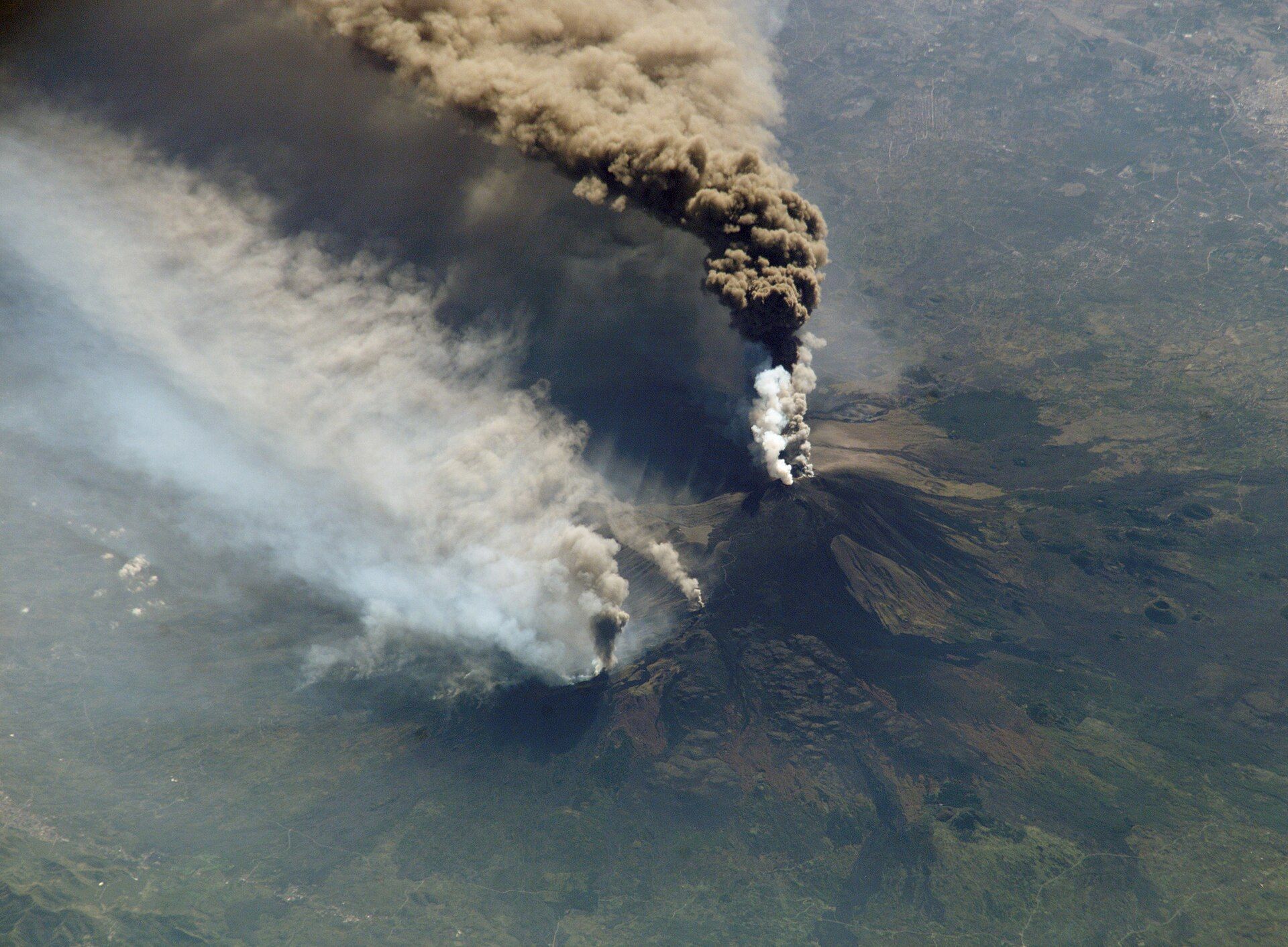
Mount Etna, Sicily, Southern Italy

Mount Etna

Sicily, Southern Italy

Europe's largest and most active volcano — a snow-capped, constantly rumbling giant looming over eastern Sicily, whose frequent eruptions have built astonishingly fertile slopes of vineyards and orchards.

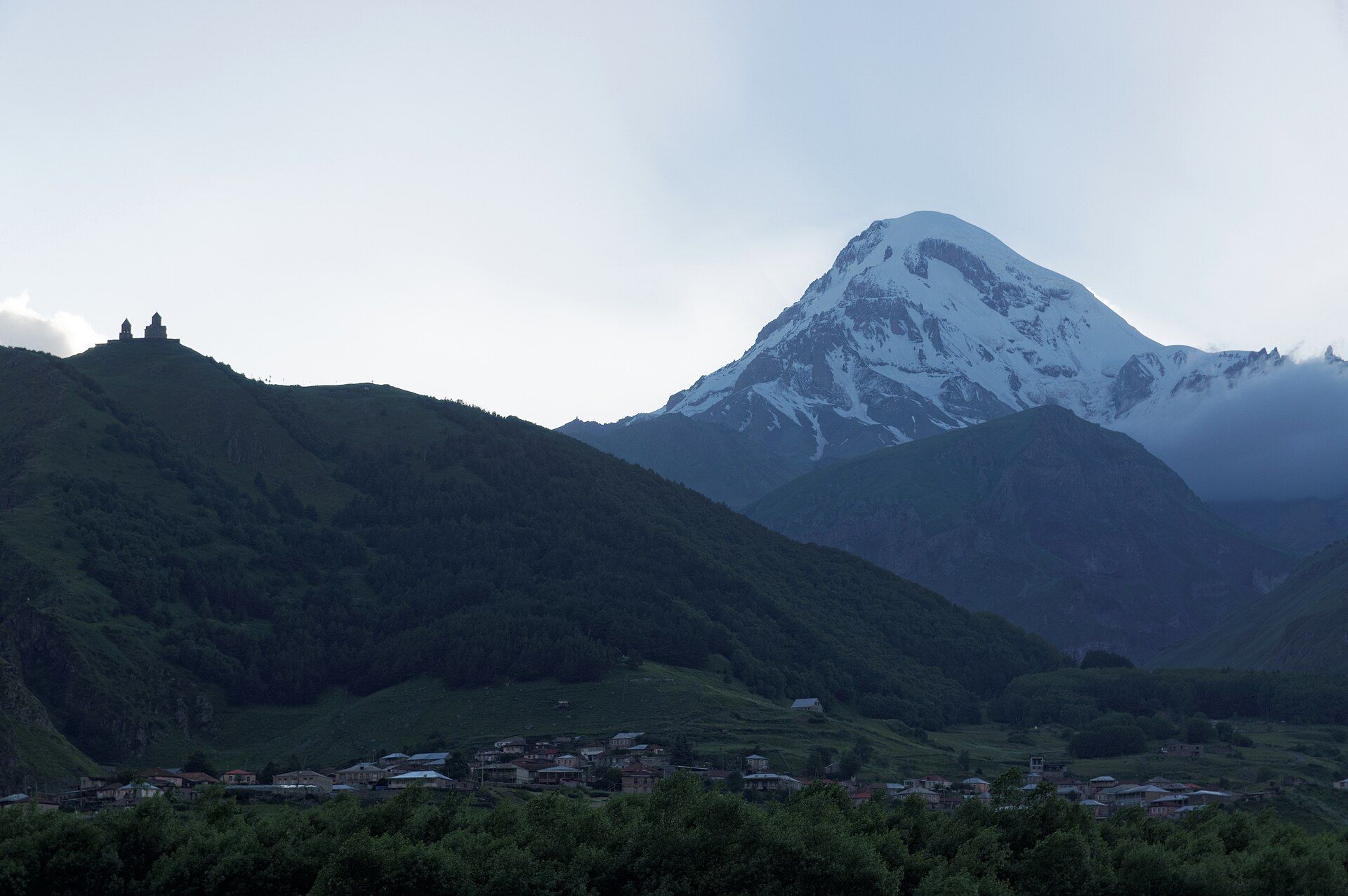
Mount Kazbek & Gergeti, Kazbegi, Greater Caucasus, Georgia

Mount Kazbek & Gergeti

Kazbegi, Greater Caucasus, Georgia

A glacier-clad 5,000-metre volcano in the Greater Caucasus, above which a lone medieval church stands on a green ridge — one of the most iconic mountain scenes in the Caucasus.

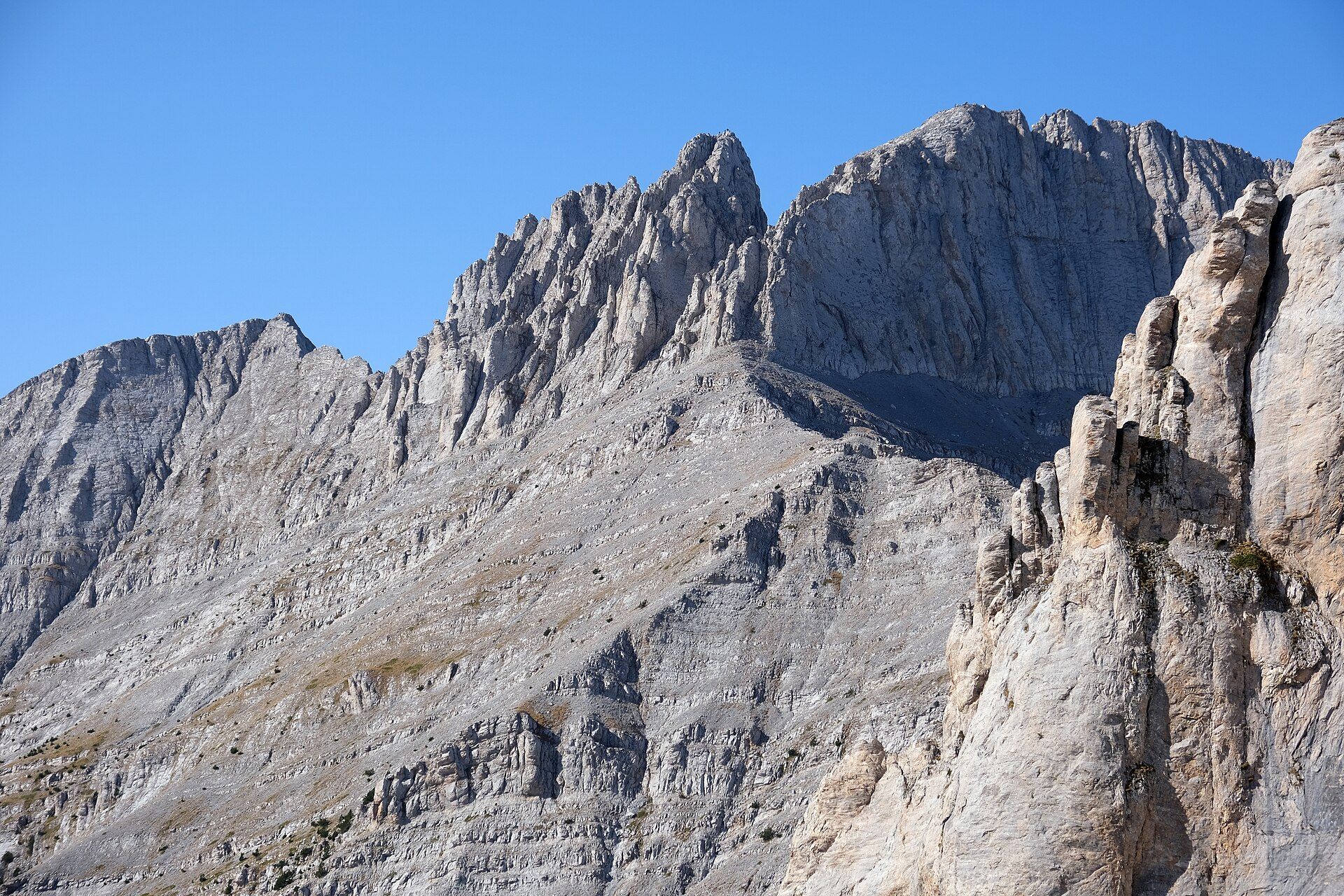
Mount Olympus, Between Thessaly and Macedonia, near Litochoro, Greece

Mount Olympus

Between Thessaly and Macedonia, near Litochoro, Greece

The highest mountain in Greece — a limestone massif of more than fifty peaks that climbs almost 2,900 metres within twenty kilometres of the Aegean shore, cut by deep gorges and protected as the country's first national park.

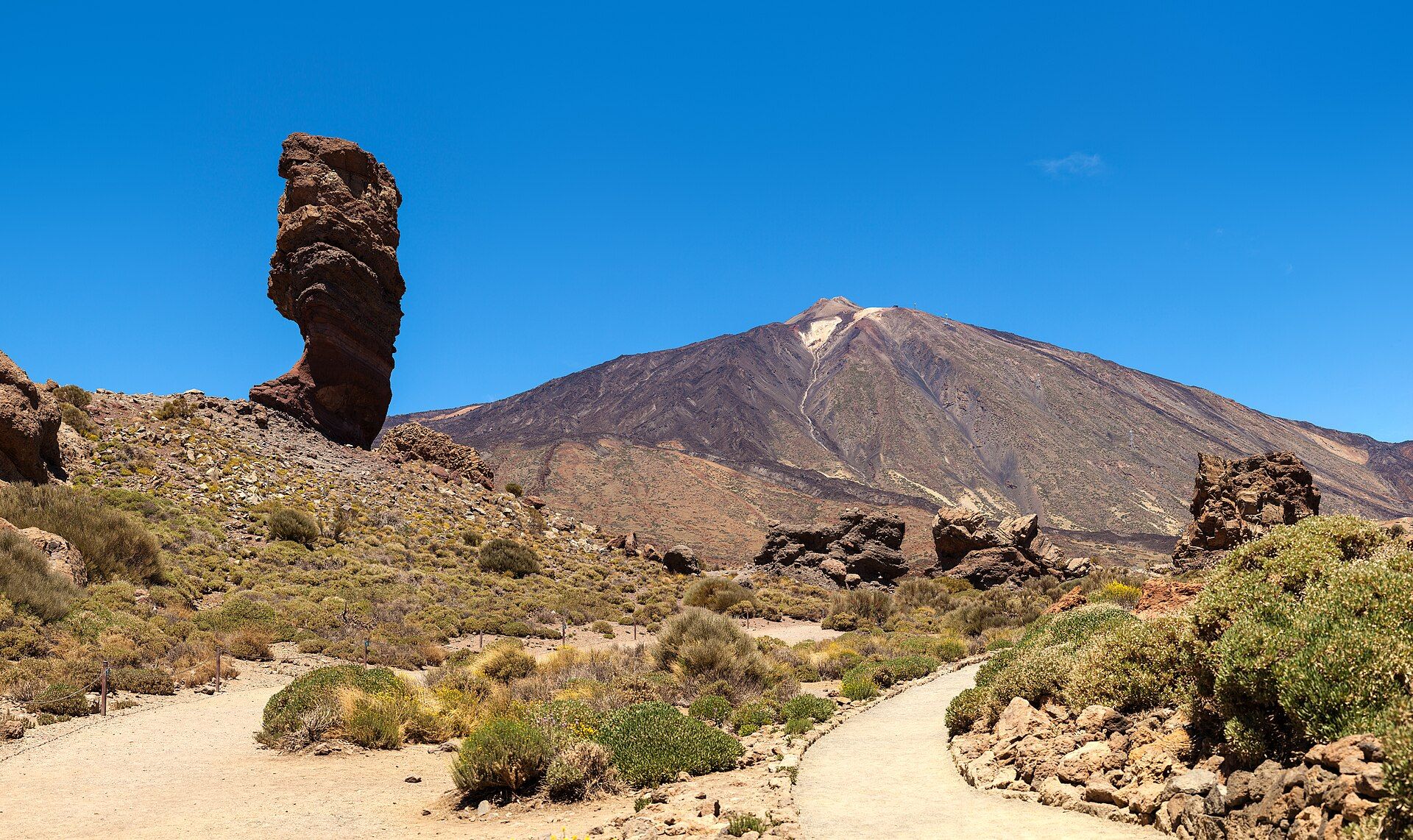
Mount Teide, Tenerife, Canary Islands, Spain

Mount Teide

Tenerife, Canary Islands, Spain

Spain's highest peak and the third-largest volcano on Earth measured from its base — a 3,715-metre cone rising from a vast caldera of frozen lava, often floating above a sea of cloud.

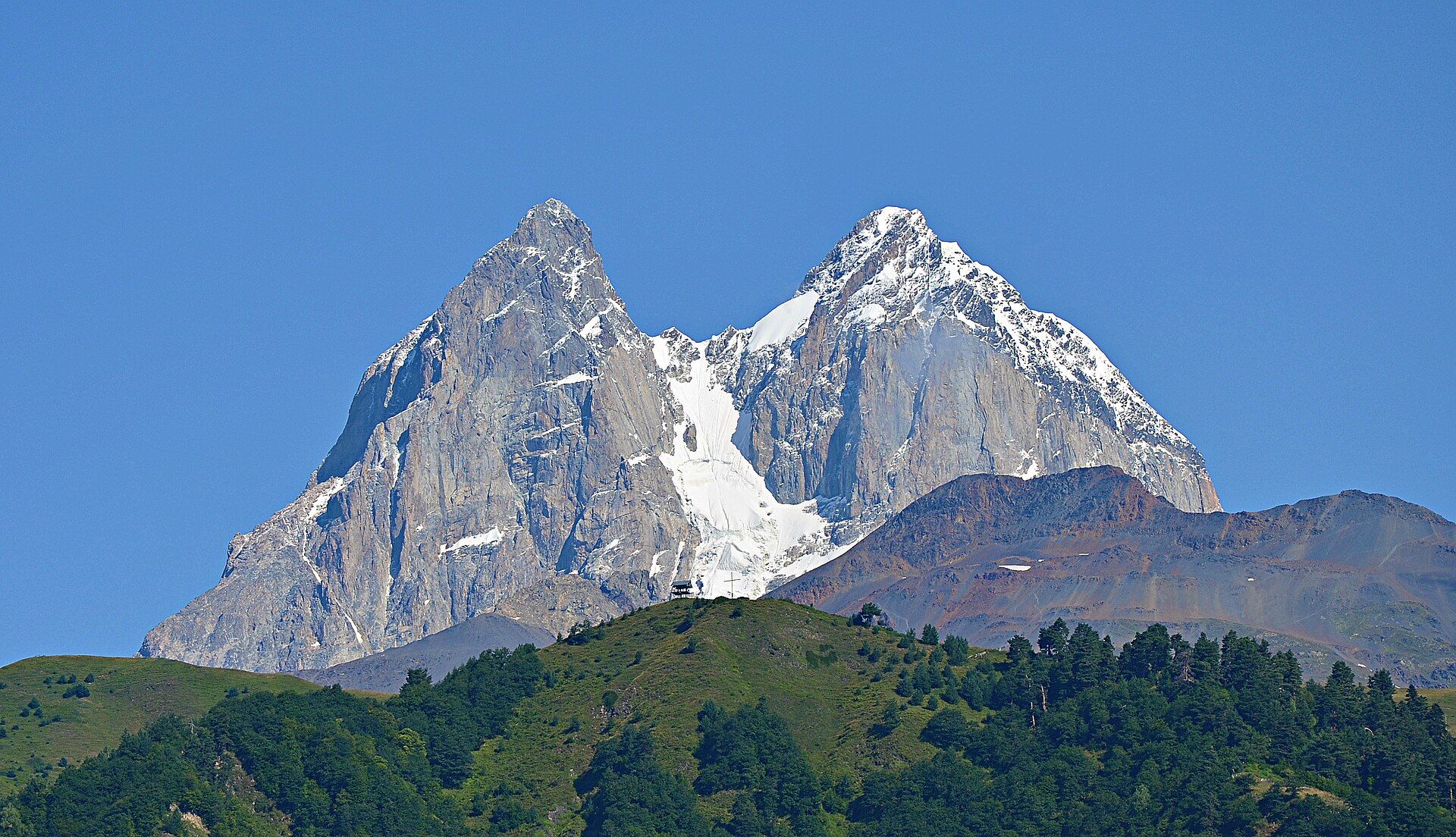
Mount Ushba, Upper Svaneti, Greater Caucasus, Georgia

Mount Ushba

Upper Svaneti, Greater Caucasus, Georgia

The twin-horned peak that dominates Georgian Svaneti — 4,710 metres of granite and hanging ice known as the Matterhorn of the Caucasus, and widely held to be the hardest serious climb in the range.

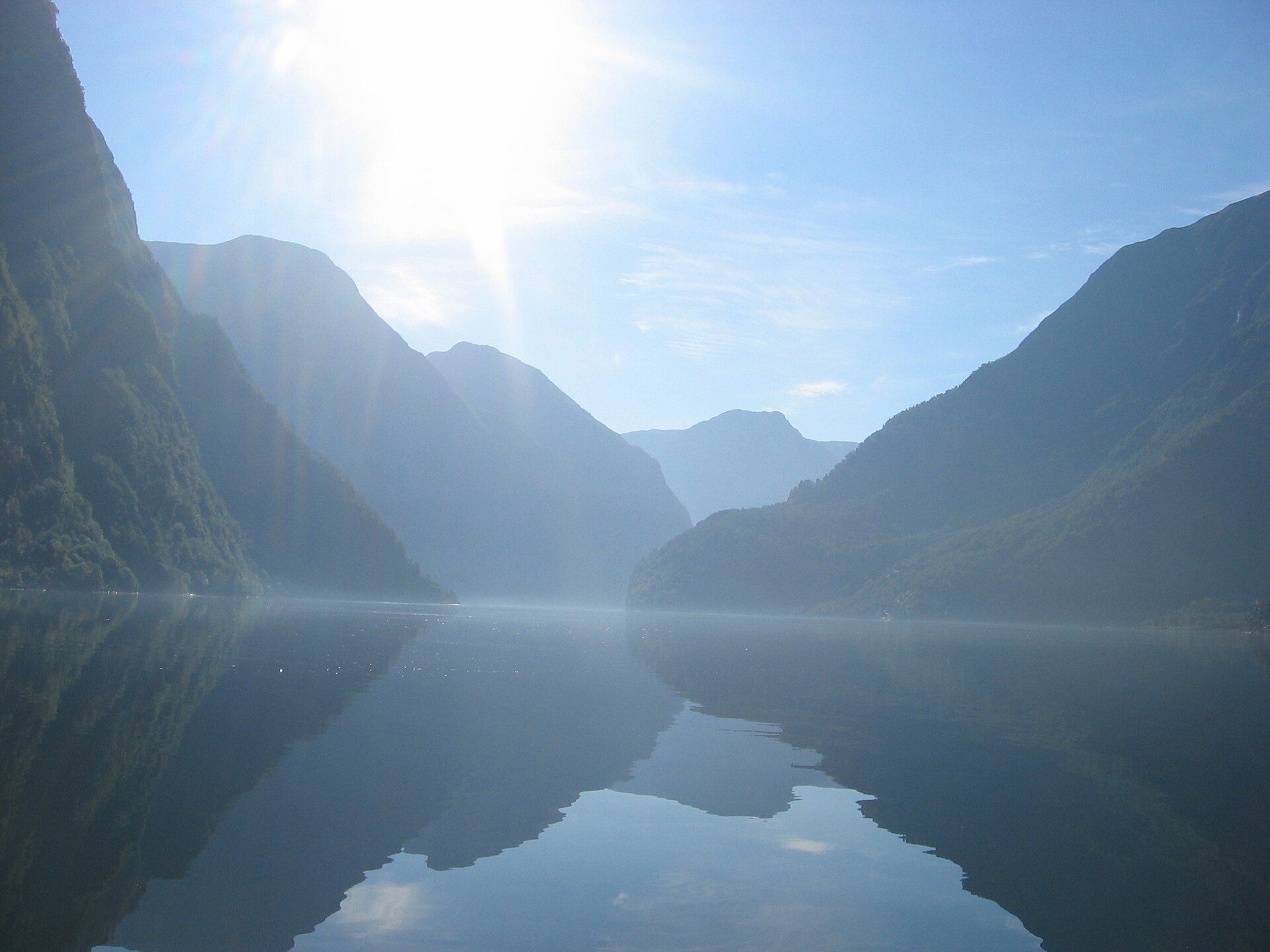
Nærøyfjord, Aurland, Vestland, Western Norway

Nærøyfjord

Aurland, Vestland, Western Norway

The narrowest fjord in the world open to cruising — a slender, UNESCO-listed arm of the great Sognefjord, squeezed to barely 250 metres between cliffs that climb well over a kilometre straight from the water.

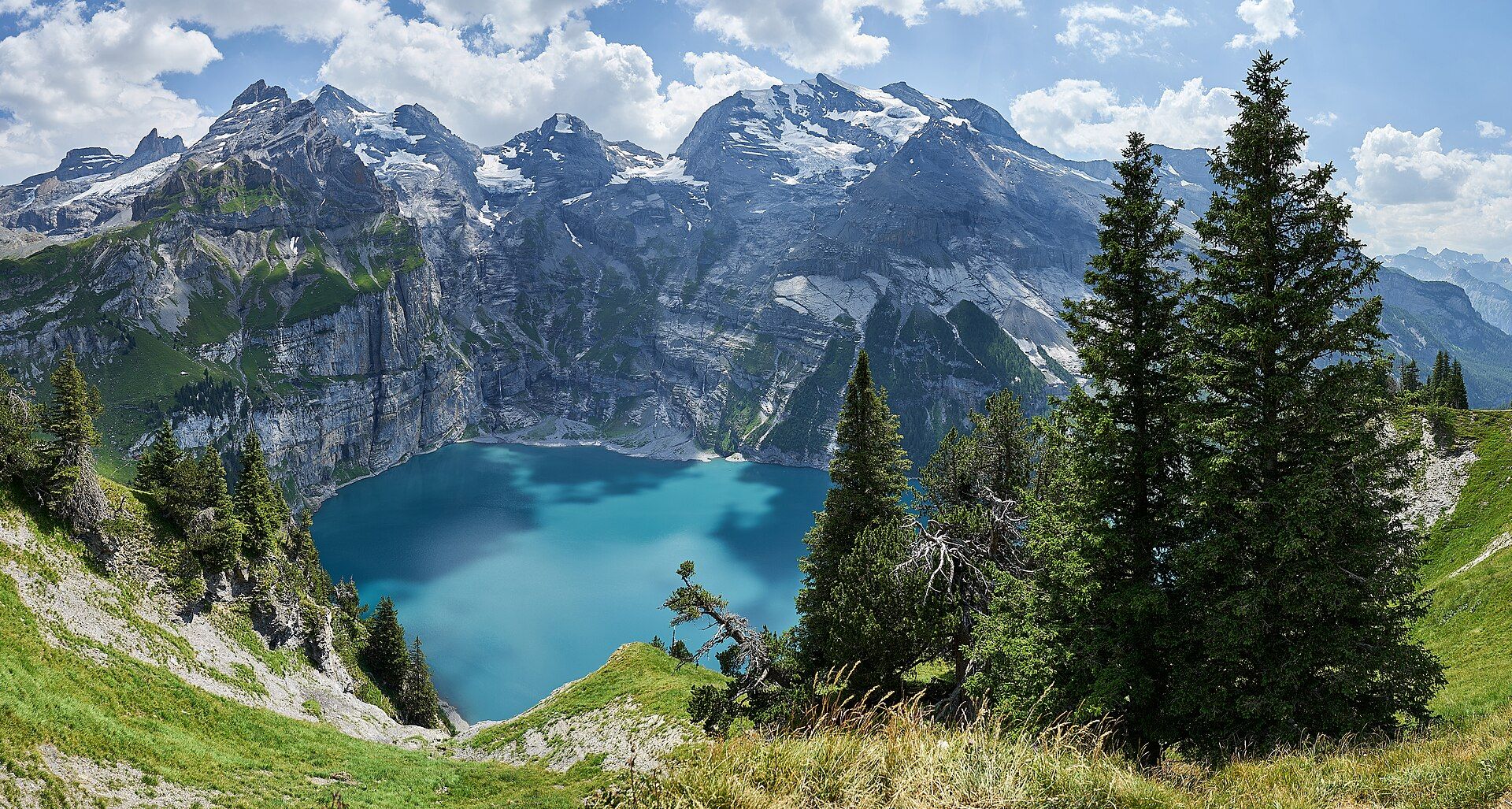
Oeschinen Lake, Kandersteg, Bernese Oberland, Switzerland

Oeschinen Lake

Kandersteg, Bernese Oberland, Switzerland

A turquoise mountain lake cupped beneath the snow-streaked Blüemlisalp peaks — part of the UNESCO Jungfrau-Aletsch World Heritage area, reached by gondola and a short walk high above Kandersteg.

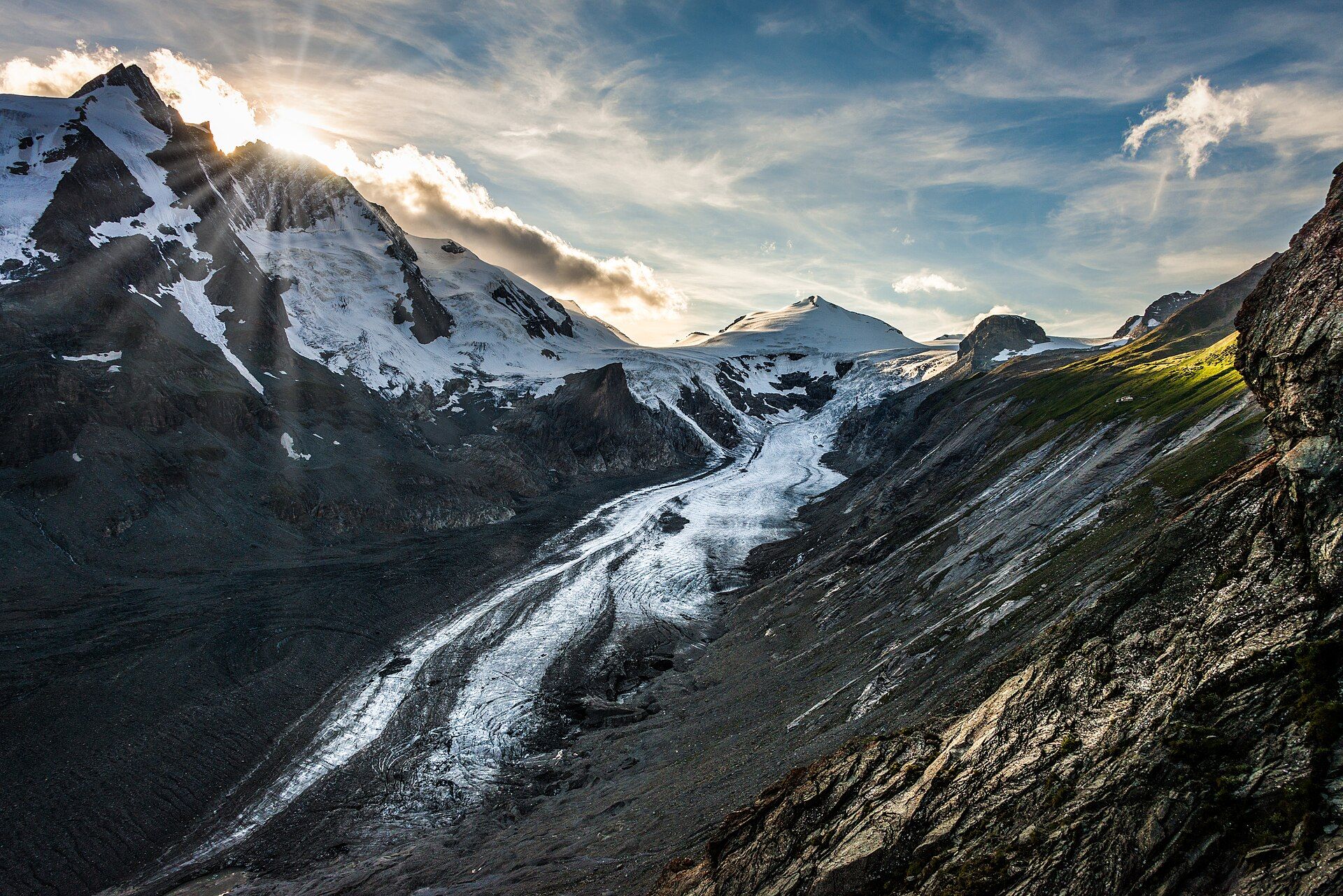
Pasterze Glacier, Hohe Tauern, Carinthia, Austria

Pasterze Glacier

Hohe Tauern, Carinthia, Austria

Austria's longest glacier, curling beneath the country's highest peak, the Grossglockner — a great river of ice reached by the famous alpine road, and a stark, moving record of a warming climate.

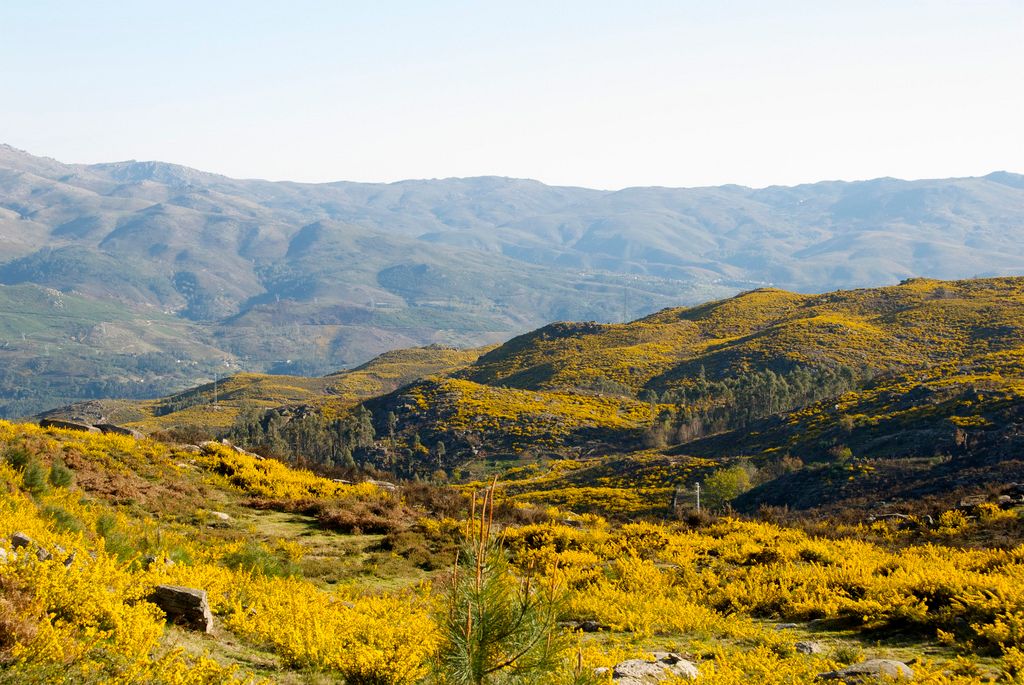
Peneda-Gerês National Park, Northern Portugal, on the Spanish border

Peneda-Gerês National Park

Northern Portugal, on the Spanish border

Portugal's only national park — a wild expanse of 300-million-year-old granite mountains, oak forest, peat bog, and plunging rivers in the far north, home to Iberian wolves, wild ponies, and roaming long-horned cattle.

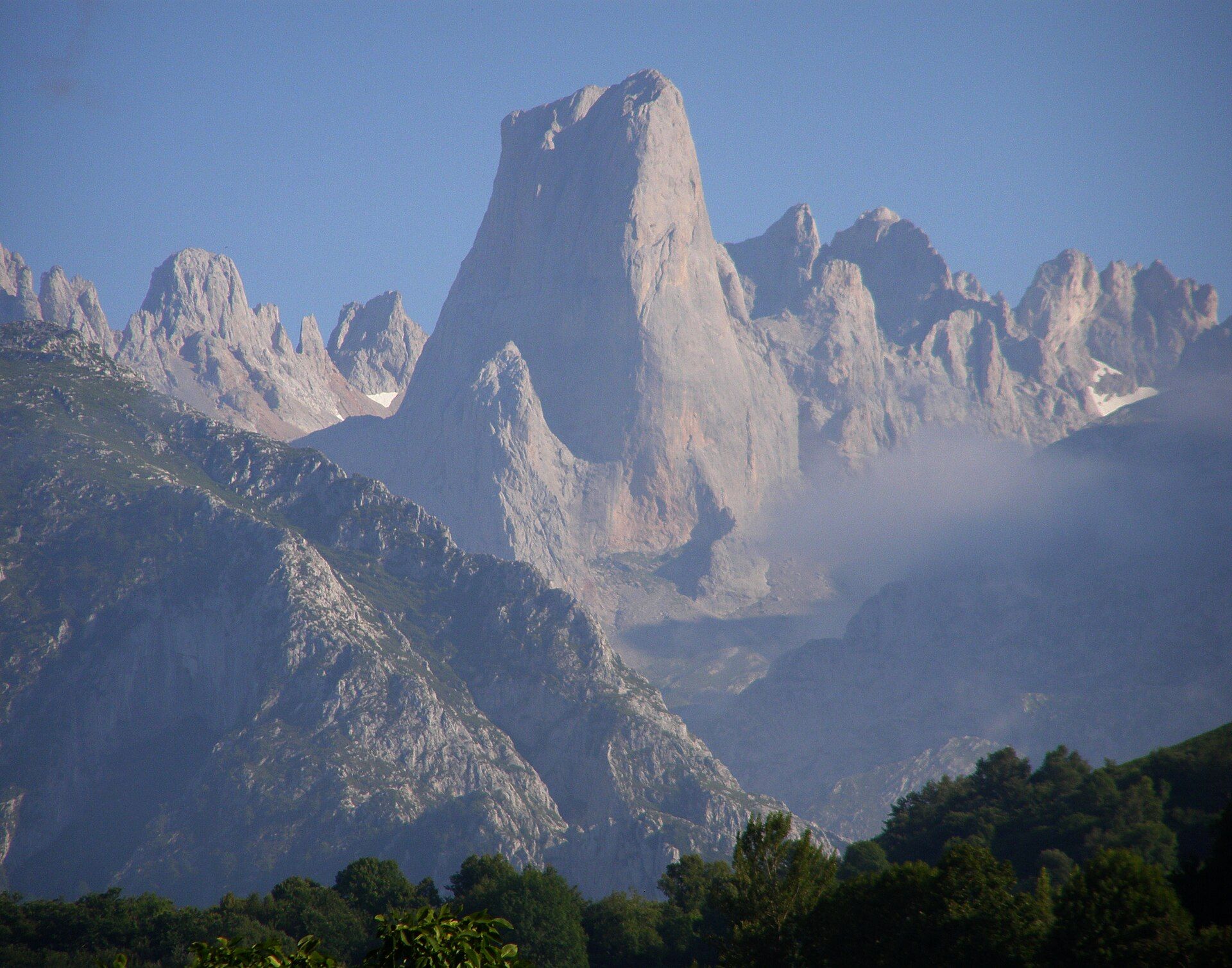
Picos de Europa, Asturias, Cantabria & León, northern Spain

Picos de Europa

Asturias, Cantabria & León, northern Spain

A compact range of sheer limestone peaks rising to 2,600 metres barely 20 kilometres from the Atlantic — glacier-carved gorges, karst towers, and Spain's first national park.

Plitvice Lakes, Lika, central Croatia

Plitvice Lakes

Lika, central Croatia

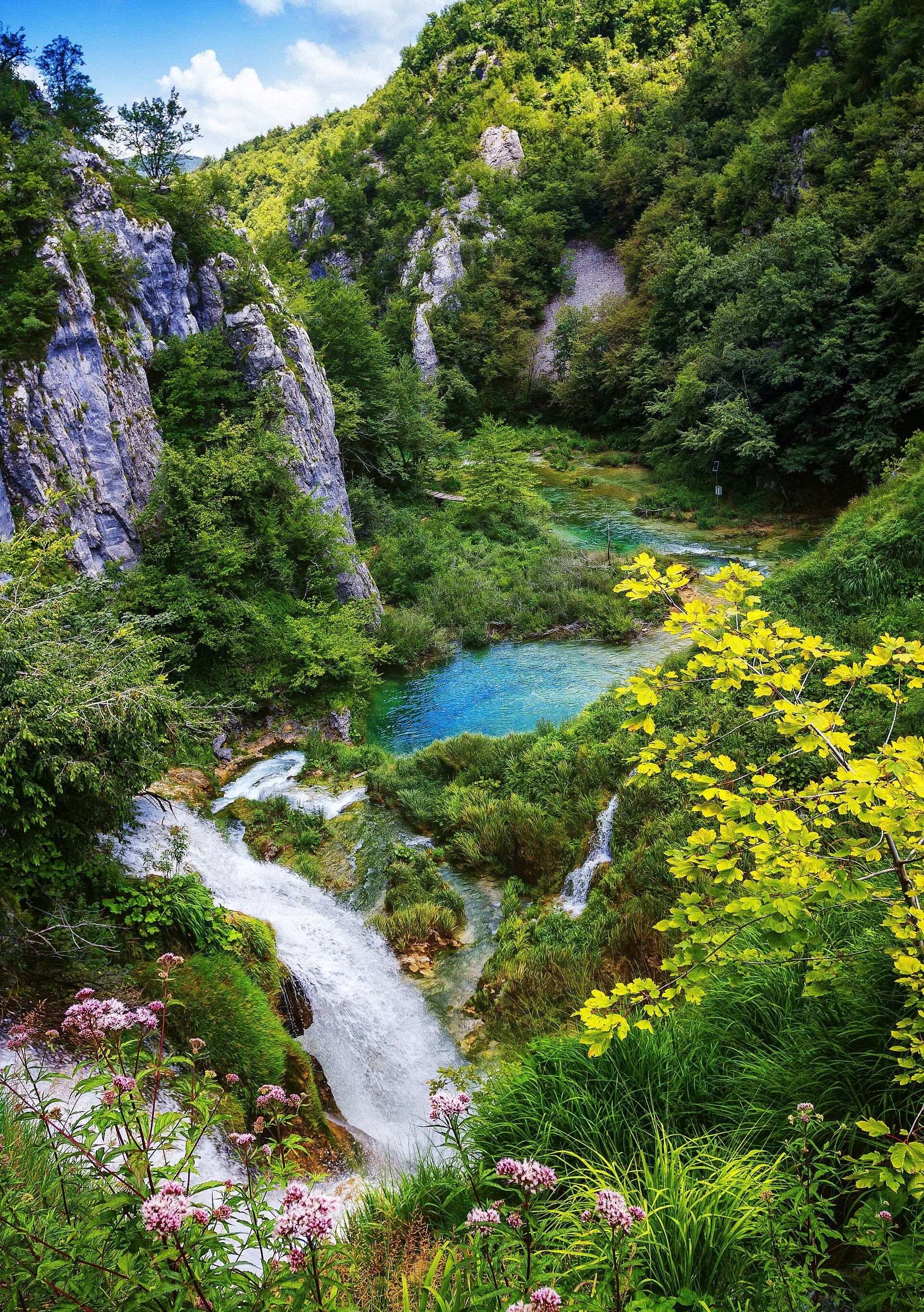
A staircase of sixteen turquoise lakes tumbling one into the next over natural travertine dams and countless waterfalls, threaded by boardwalks through lush forest — Croatia's oldest and most beloved national park.

Preikestolen, Rogaland, southwestern Norway

Preikestolen

Rogaland, southwestern Norway

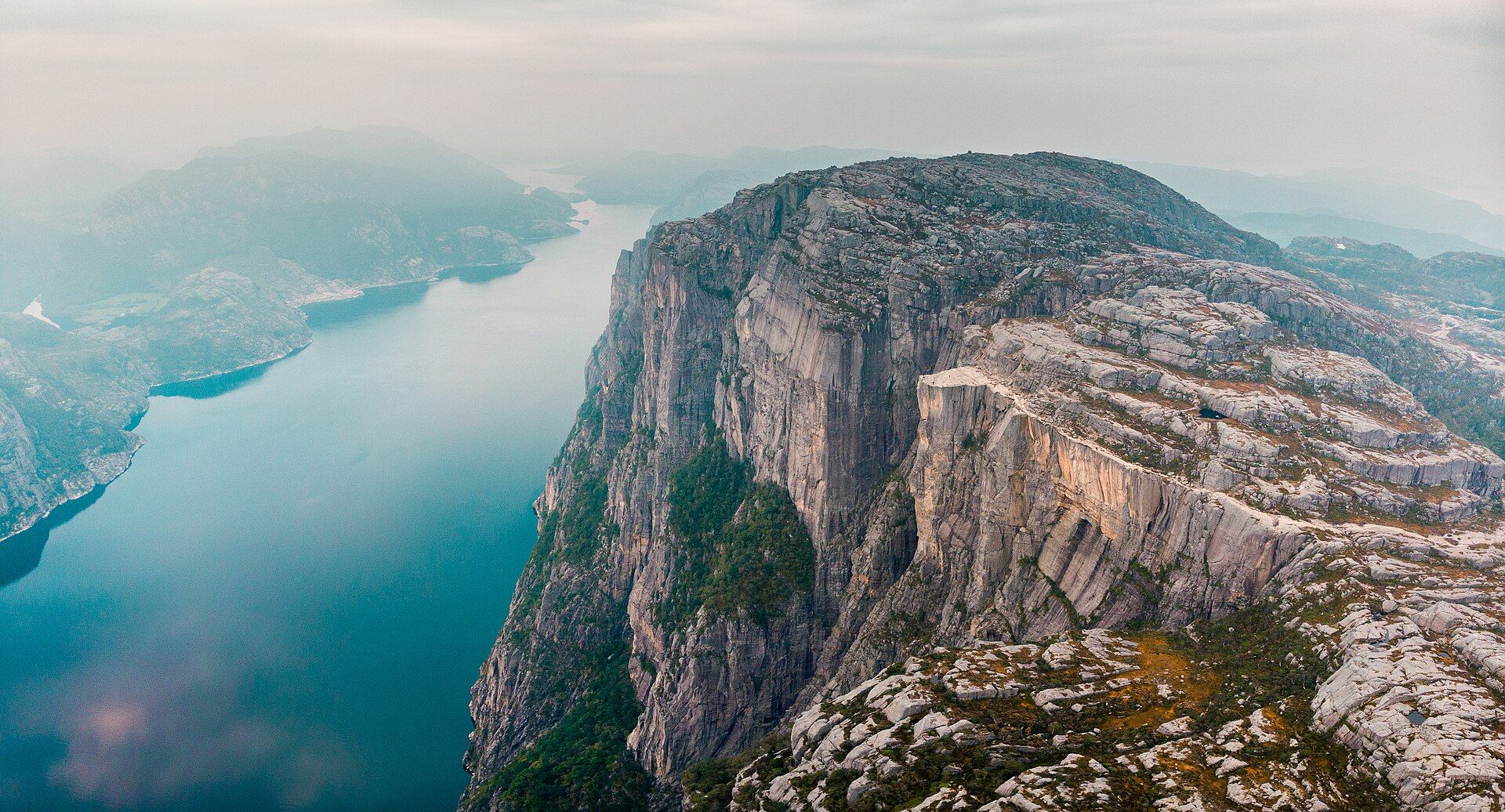
A sheer, flat-topped cliff jutting 604 metres straight above the Lysefjord — 'Pulpit Rock,' one of the most spectacular and vertiginous natural viewpoints in the world.

Prometheus Cave, Imereti, near Kutaisi, western Georgia

Prometheus Cave

Imereti, near Kutaisi, western Georgia

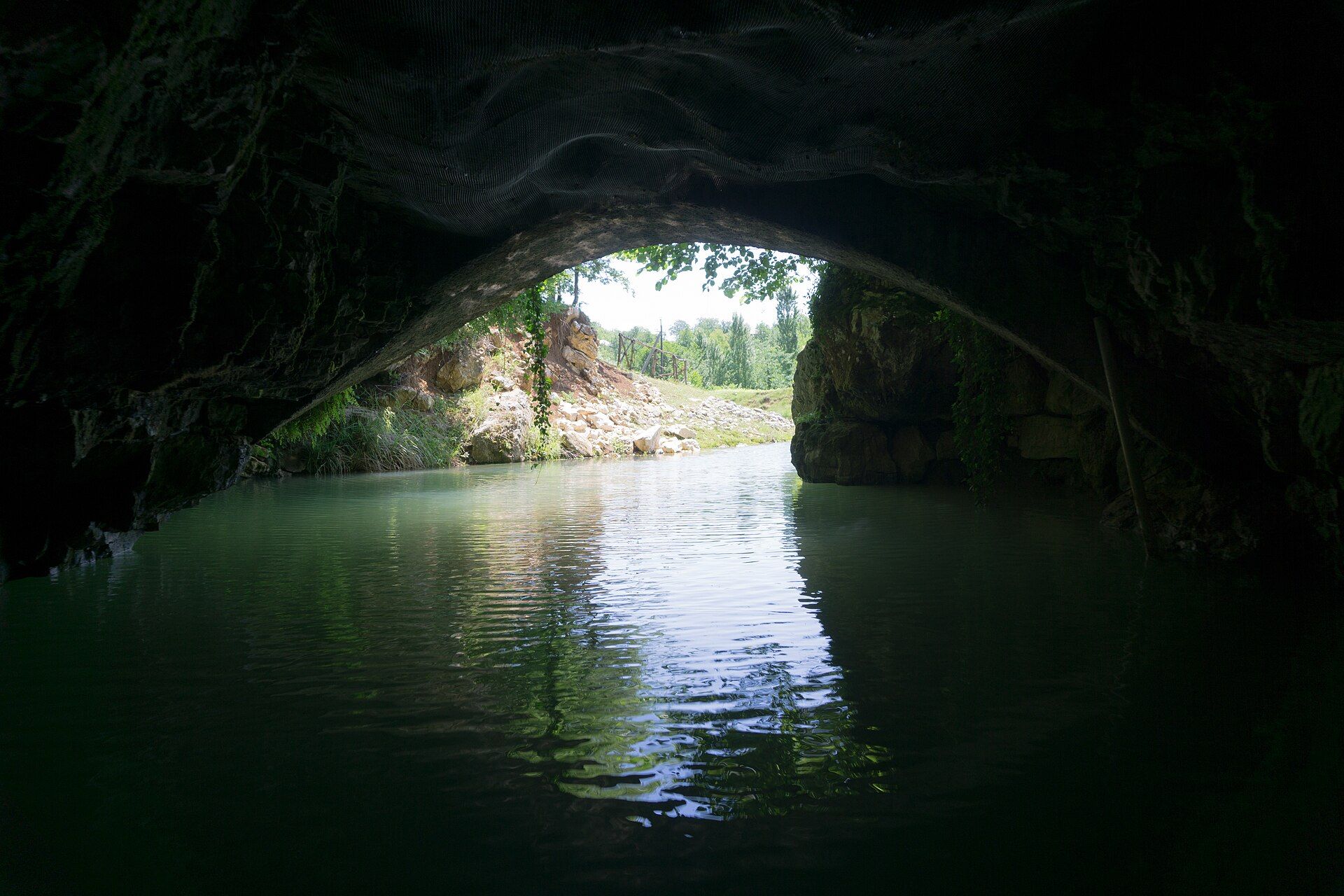
A vast karst cave near Kutaisi, its huge chambers hung with stalactites and curtains of stone, explored on lit walkways and, in part, by boat along an underground river.

Retezat National Park, Retezat Mountains, Hunedoara County, Romania

Retezat National Park

Retezat Mountains, Hunedoara County, Southern Carpathians, Romania
Romania's first national park, declared in 1935 — sixty peaks above 2,300 metres, around eighty glacial lakes scattered between them, and some of the last untouched old-growth forest in Europe.

Reynisfjara, Near Vík í Mýrdal, South Iceland

Reynisfjara

Near Vík í Mýrdal, South Iceland

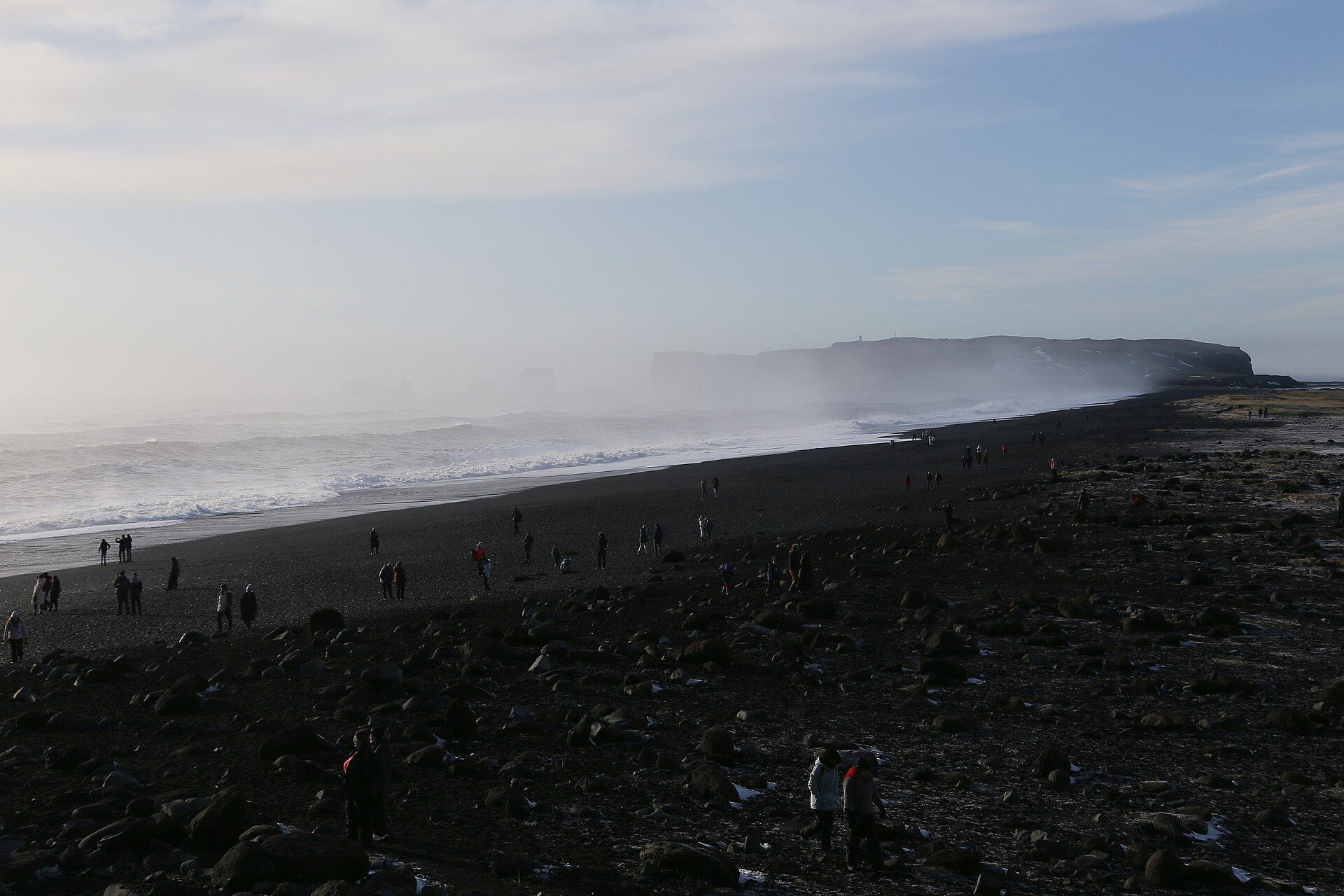
Iceland's famous black-sand beach — jet-black volcanic sand under a cliff of stacked basalt columns, with offshore sea stacks and a powerful, genuinely dangerous surf rolling straight in off the North Atlantic.

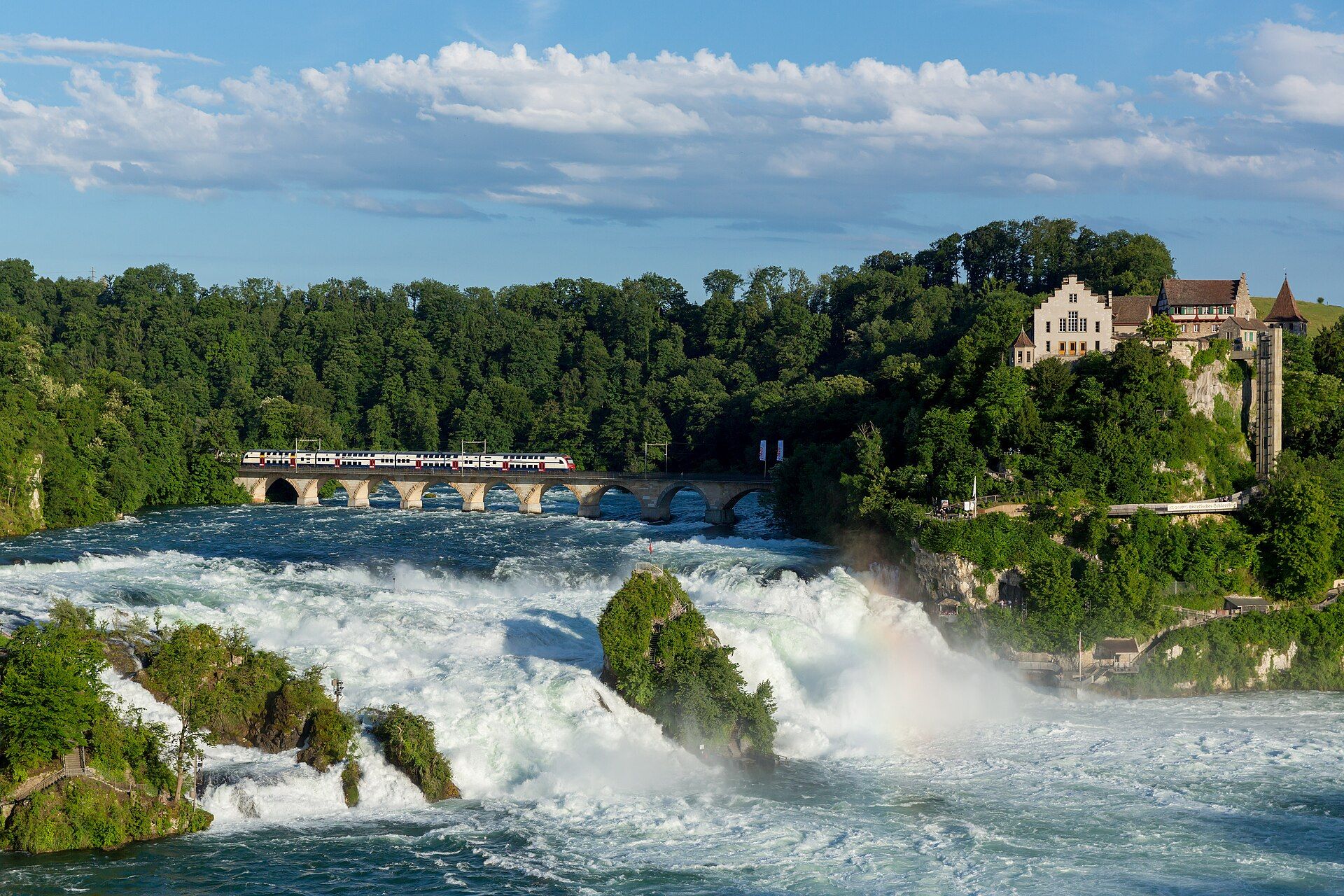
Rhine Falls, Near Schaffhausen, Northern Switzerland

Rhine Falls

Near Schaffhausen, Northern Switzerland

The largest waterfall in Europe by volume — 150 metres of the Rhine thundering over a 23-metre ledge around a rock pinnacle you can climb, in a green gorge below a hilltop castle.

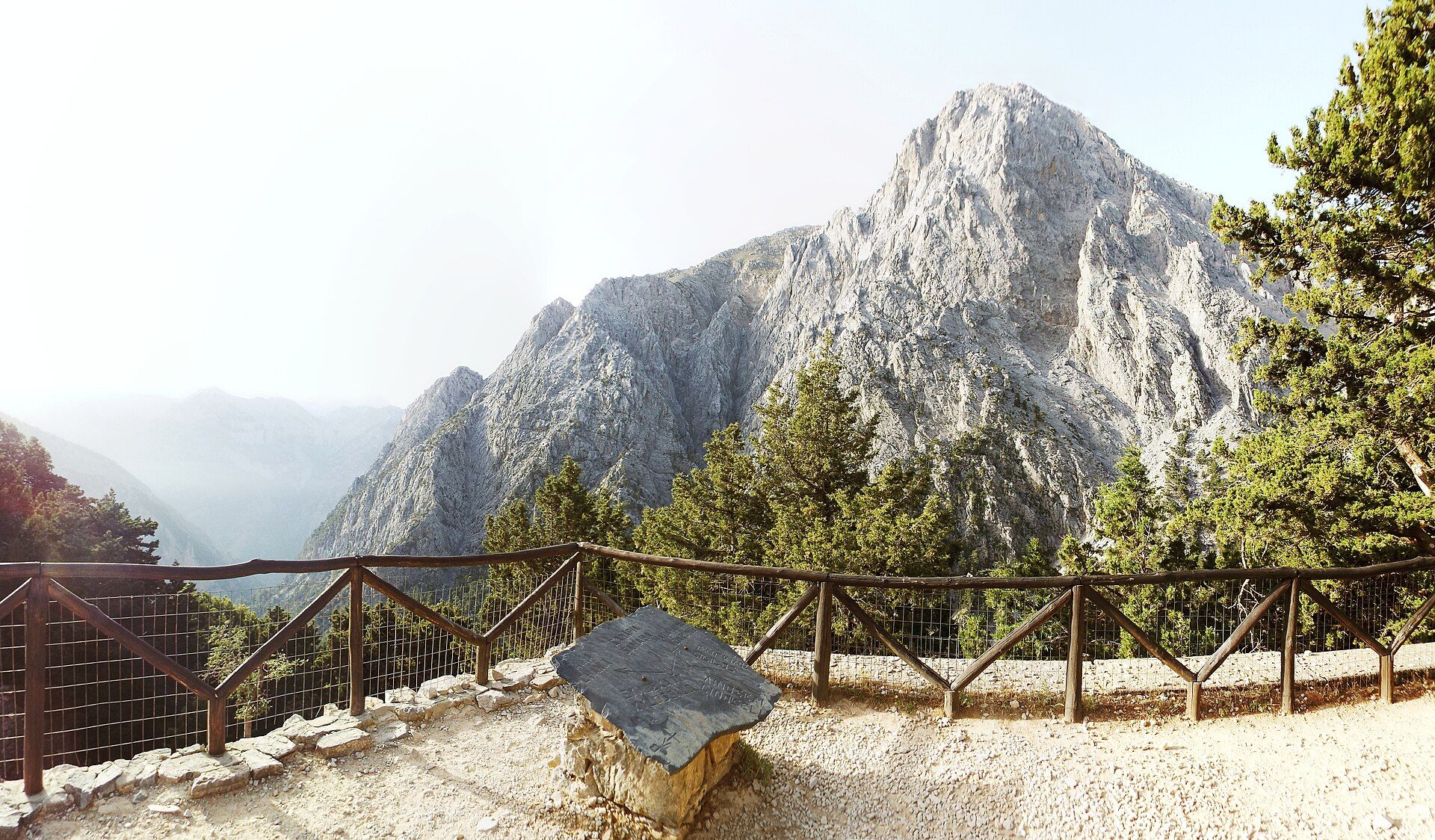
Samaria Gorge, White Mountains, Chania, Crete, Greece

Samaria Gorge

White Mountains, Chania, Crete, Greece

One of Europe's longest gorges — a 16-kilometre cleft dropping from the White Mountains of Crete to the Libyan Sea, narrowing at the famous Iron Gates to a corridor just a few metres wide beneath 500-metre walls.

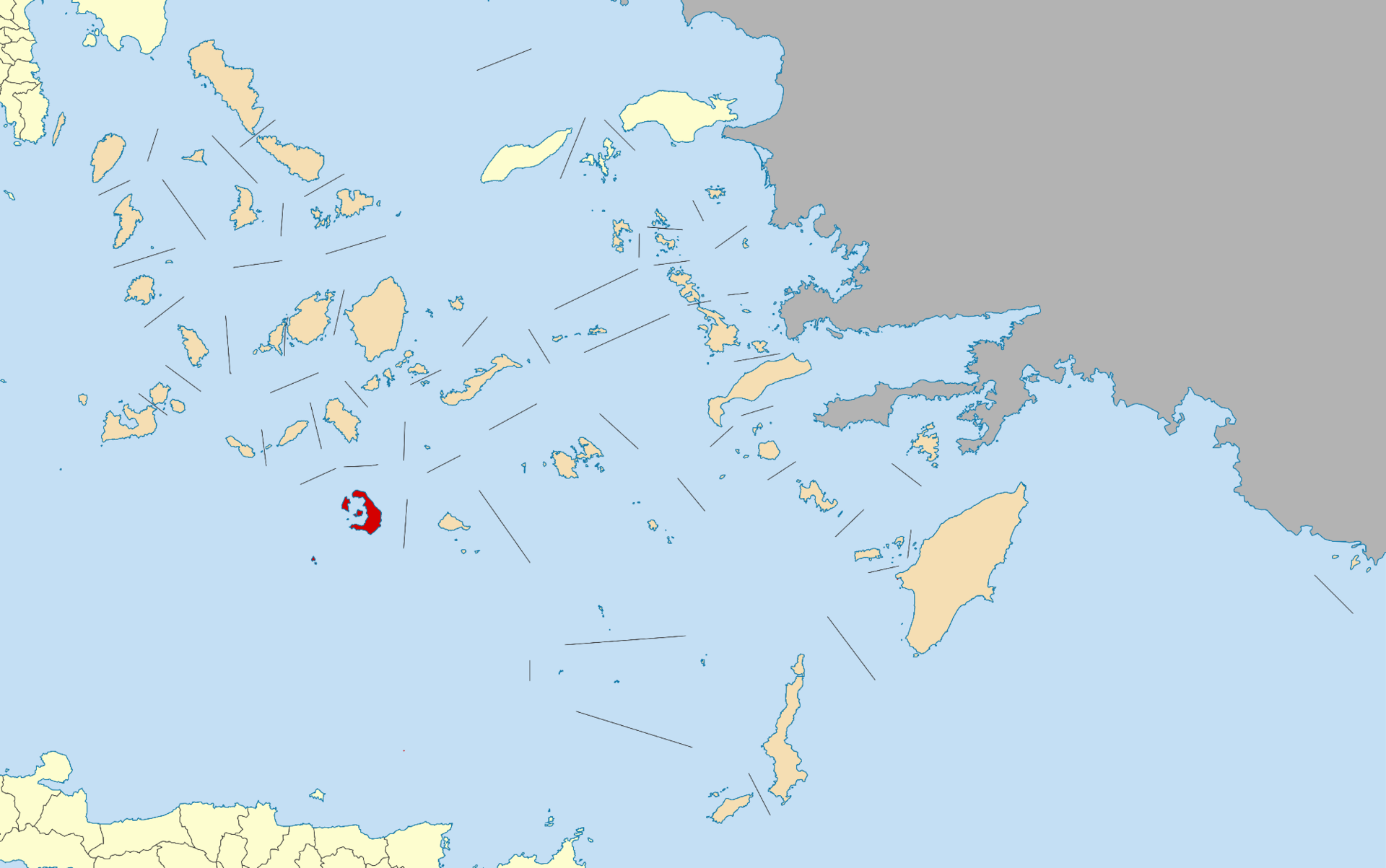
Santorini Caldera, Cyclades, Aegean Sea, Greece

Santorini Caldera

Cyclades, Aegean Sea, Greece

A flooded volcanic crater ringed by 300-metre cliffs of banded ash and lava — the drowned remains of one of the largest eruptions in human history.

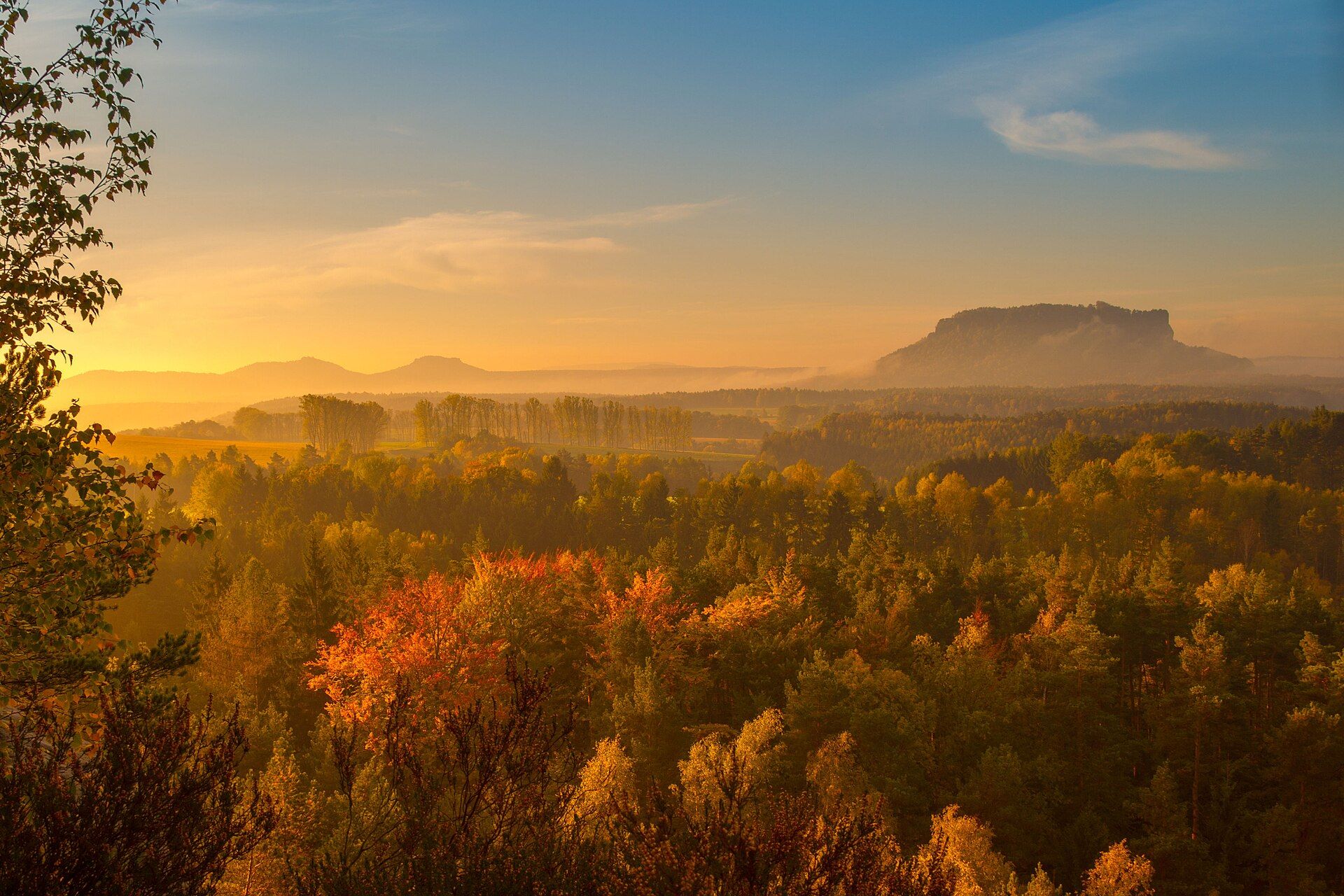
Saxon Switzerland, Saxony, eastern Germany

Saxon Switzerland

Saxony, eastern Germany

A labyrinth of free-standing sandstone towers, table mountains, and deep ravines above a bend in the River Elbe near Dresden — the birthplace of free climbing.

Scărișoara Ice Cave, Apuseni Mountains, western Romania

Scărișoara Ice Cave

Apuseni Mountains, western Romania

A cave in Romania's Apuseni Mountains that holds one of the largest underground glaciers in the world — a block of ancient ice thousands of years old, deep beneath the forest.

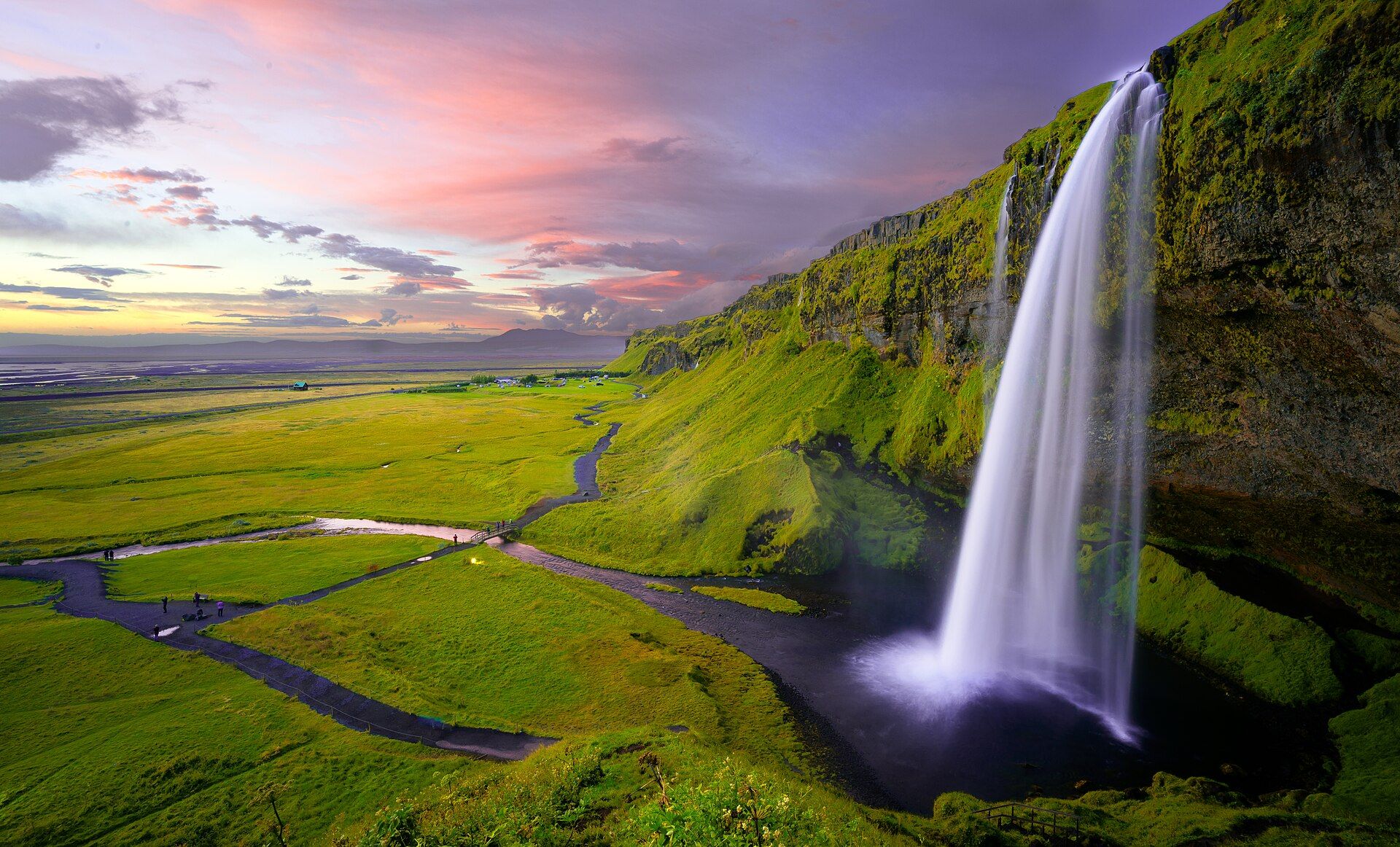
Seljalandsfoss, Seljaland, South Iceland

Seljalandsfoss

Seljaland, South Iceland

The waterfall you can walk behind — a slender 60-metre ribbon on the Seljalandsá river, fed by the Eyjafjallajökull ice cap, dropping over a former sea cliff into a mossy amphitheatre with a footpath that loops right around behind the falling water.

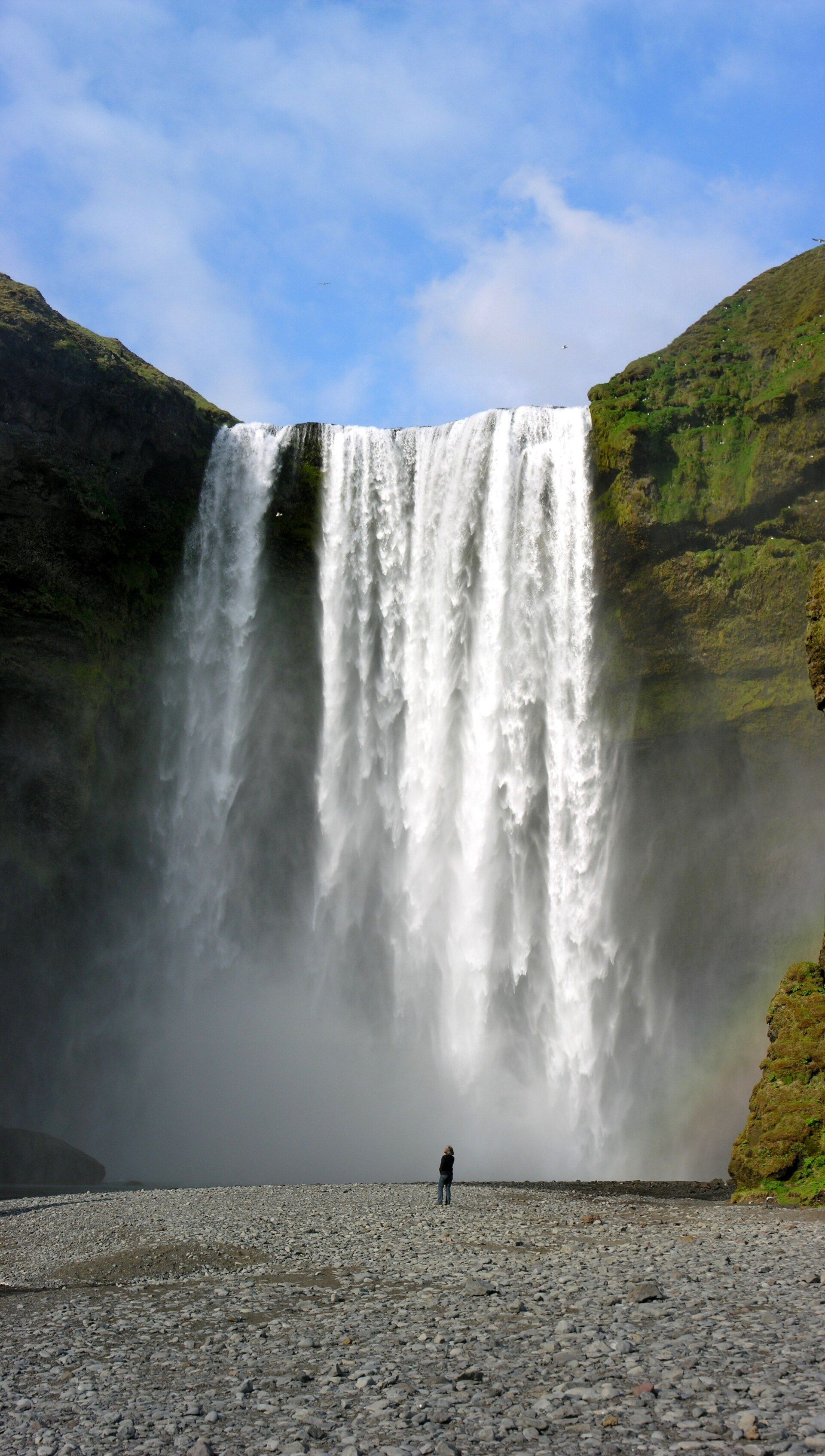
Skógafoss, Skógar, South Iceland

Skógafoss

Skógar, South Iceland

One of Iceland's biggest and best-loved waterfalls — a 60-metre curtain about 25 metres wide on the Skógá river, dropping over what was once a sea cliff and throwing up so much spray that a rainbow hangs in front of it on almost any sunny day.

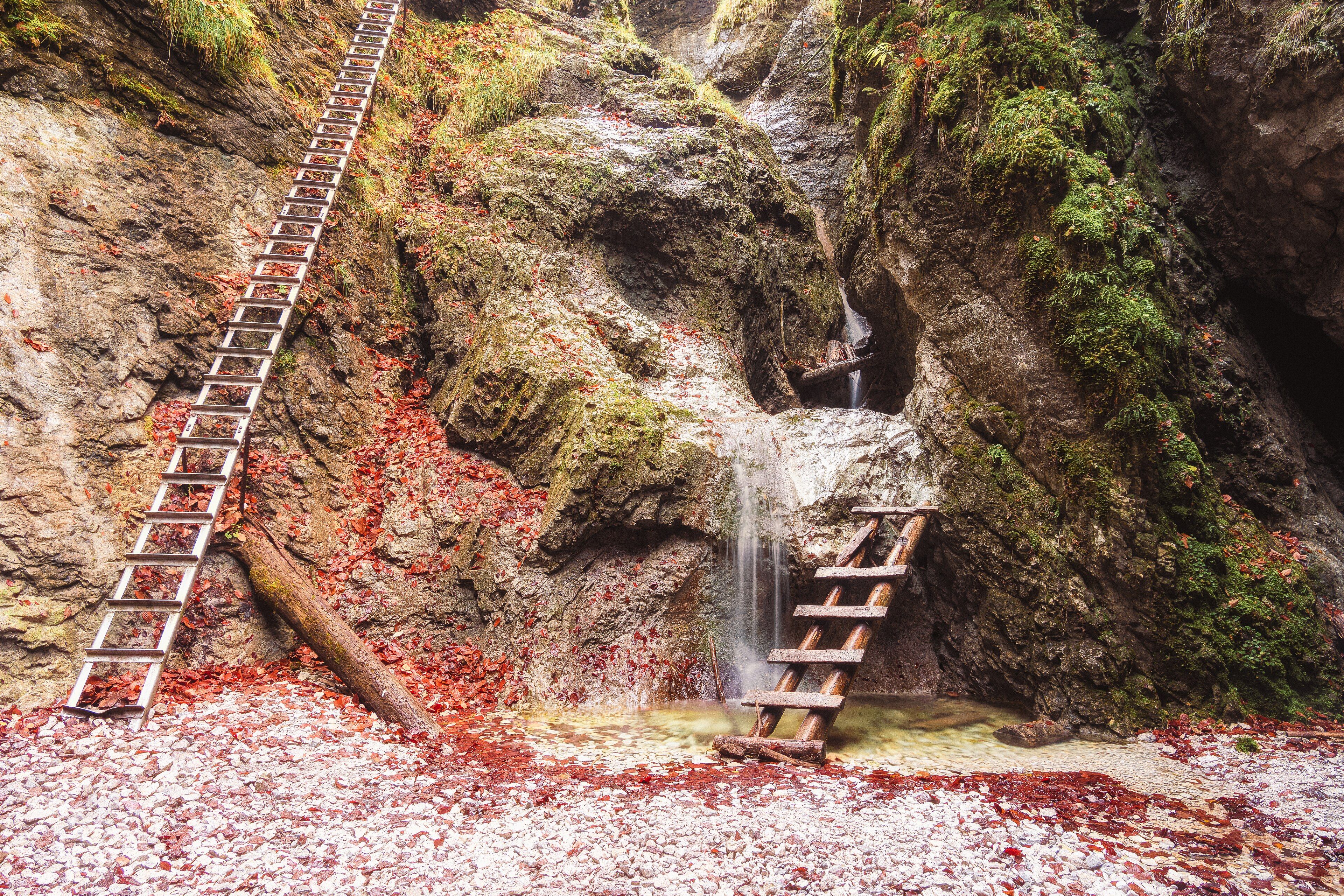
Suchá Belá gorge, Slovenský raj National Park, eastern Slovakia

Slovenský raj

Spiš-Gemer Karst, eastern Slovakia

A karst plateau split into pieces by gorges so narrow that the trails through them are climbed on ladders bolted beside the waterfalls — and most of them only work in one direction.

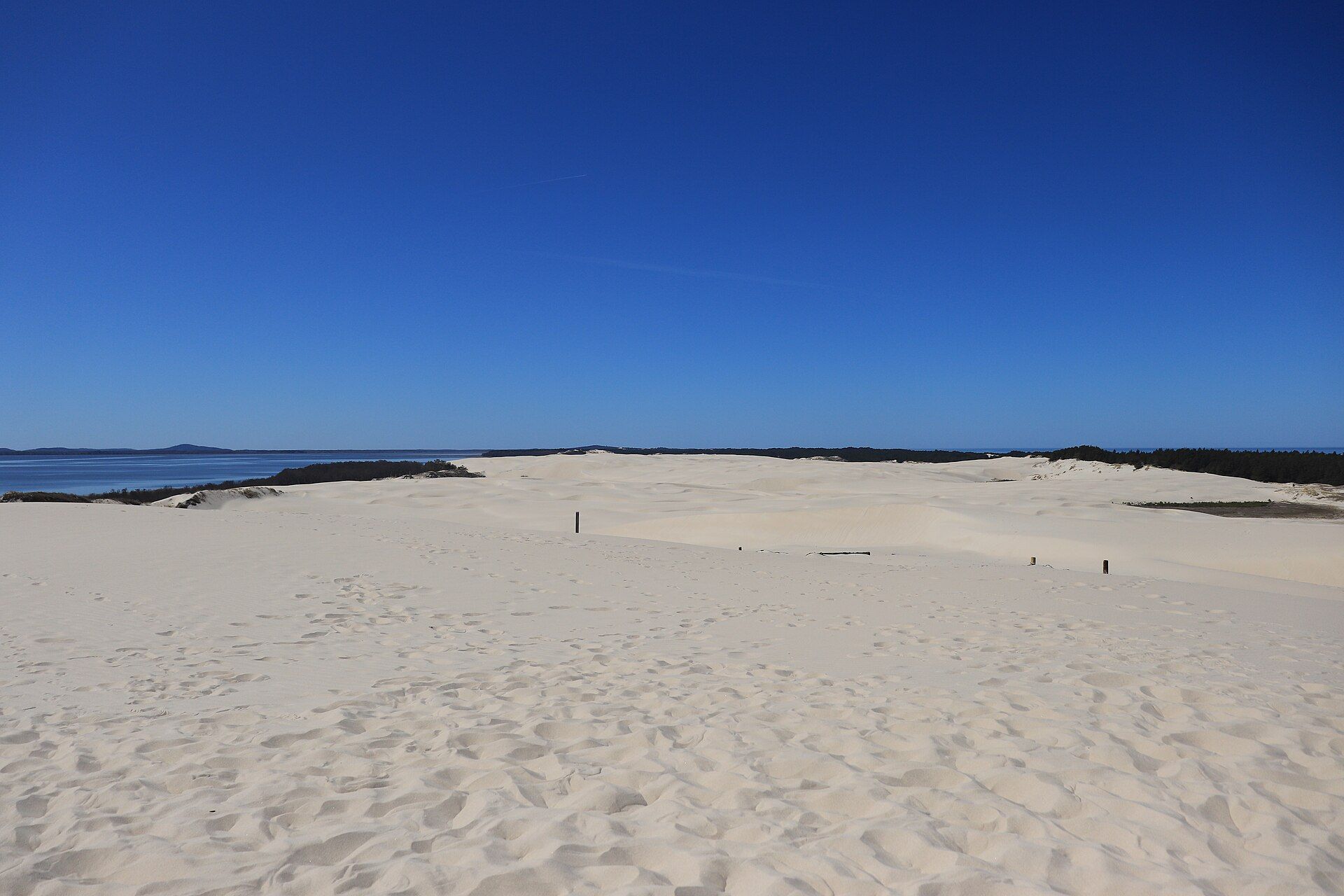
Słowiński Sand Dunes, Słowiński National Park, Pomerania, Poland

Słowiński Sand Dunes

Słowiński National Park, Pomerania, Poland

Europe's largest field of shifting sand dunes — a wandering desert on Poland's Baltic coast, where wind-driven dunes rise dozens of metres and creep inland, burying forest as they go, between the sea and Lake Łebsko.

Svalbard, Svalbard archipelago, Arctic Ocean

Svalbard

Svalbard archipelago, Arctic Ocean

A High Arctic archipelago of glaciers, jagged peaks, and frozen fjords roughly midway between Norway and the North Pole — the realm of the polar bear, under months of midnight sun and polar night.

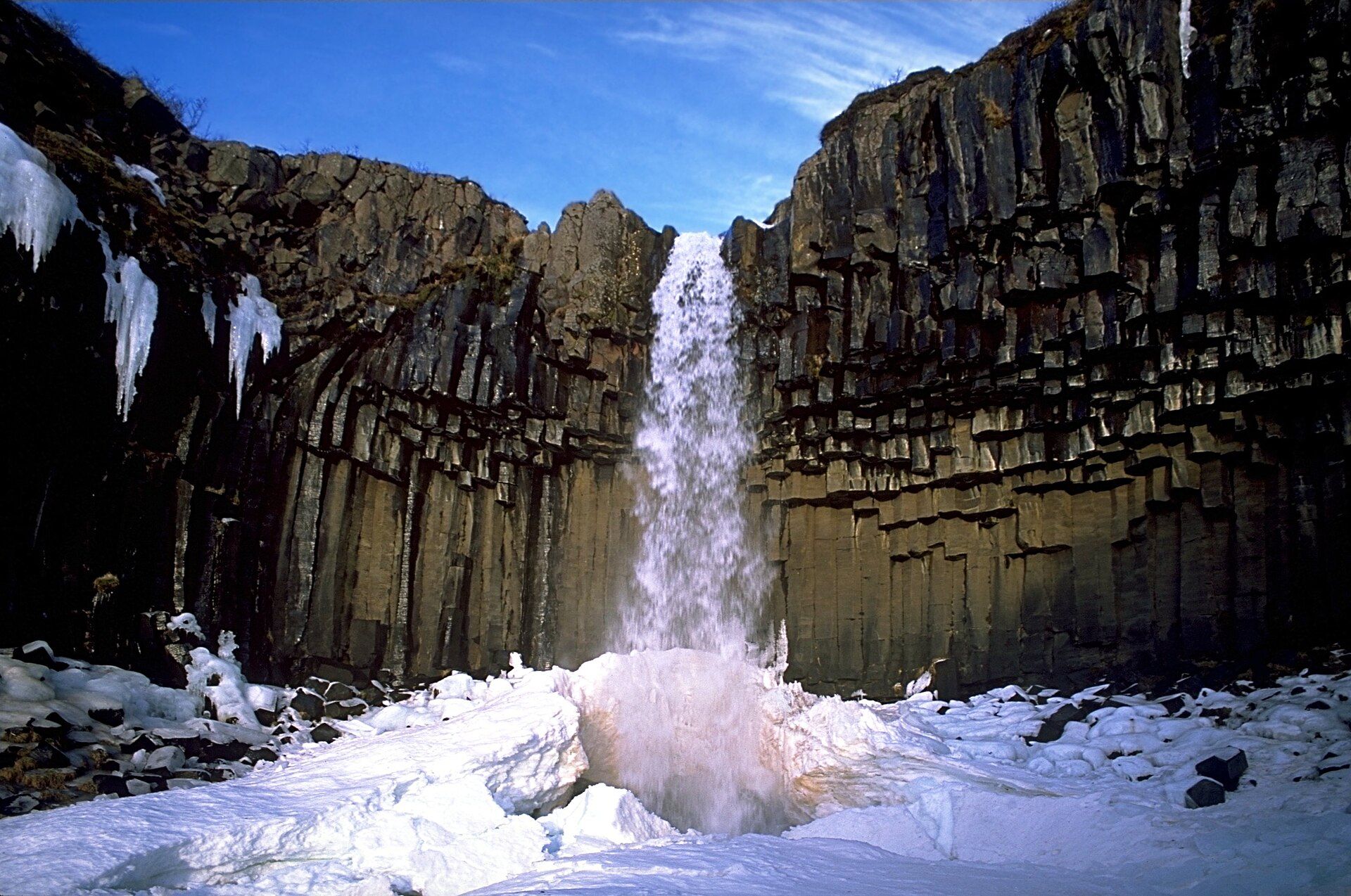
Svartifoss, Skaftafell, Vatnajökull National Park, South Iceland

Svartifoss

Skaftafell, Vatnajökull National Park, South Iceland

The 'Black Falls' — a slender 20-metre waterfall in Skaftafell framed by a wall of dark, hexagonal basalt columns that hang like organ pipes above the plunge pool, one of the most distinctive waterfalls in Iceland.

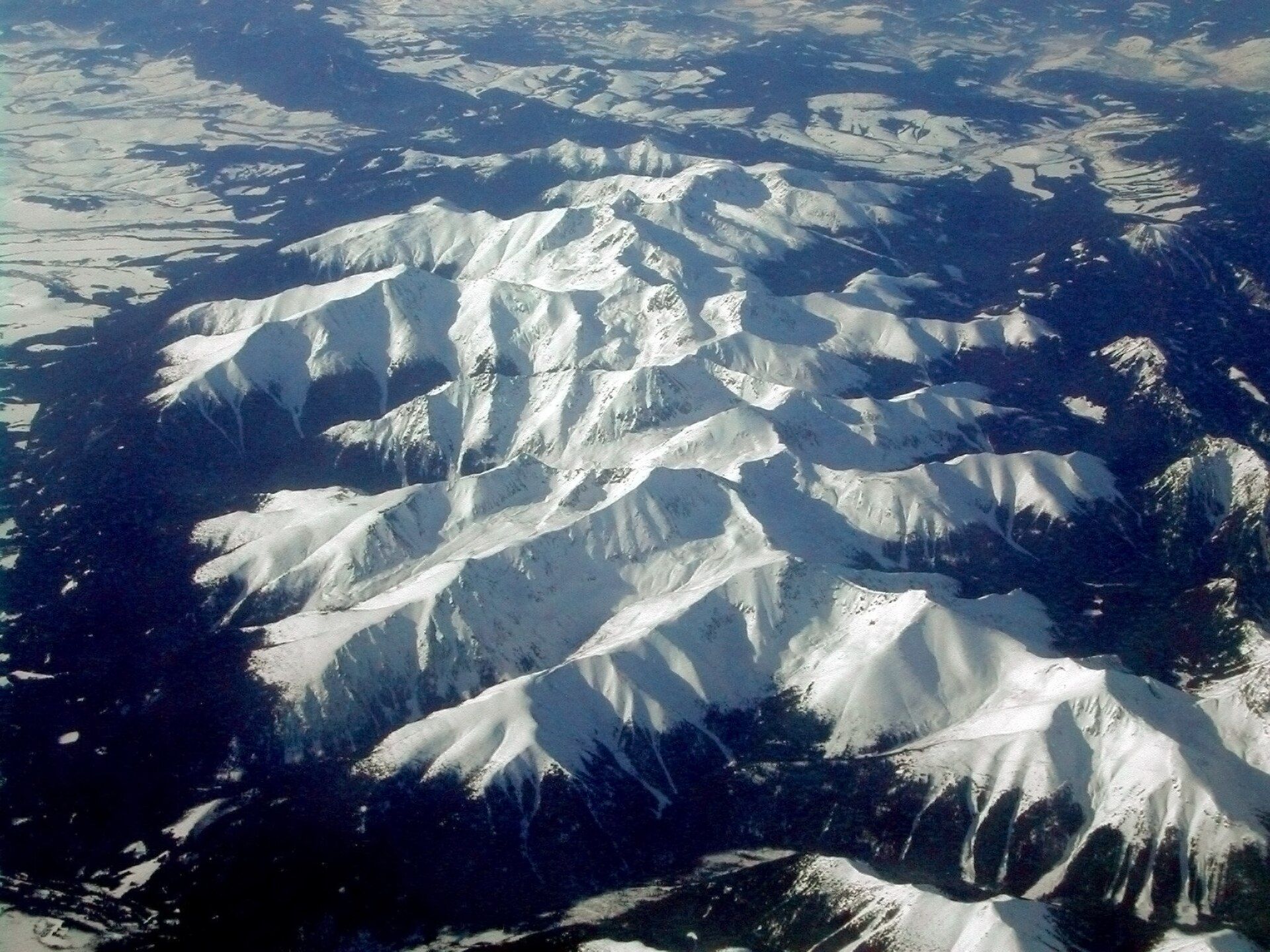
Tatra Mountains, Poland–Slovakia border

Tatra Mountains

Poland–Slovakia border

The highest range of the Carpathians — a compact alpine world of granite spires, glacial lakes, and deep valleys, home to bears, wolves, lynx, and the rare Tatra chamois.

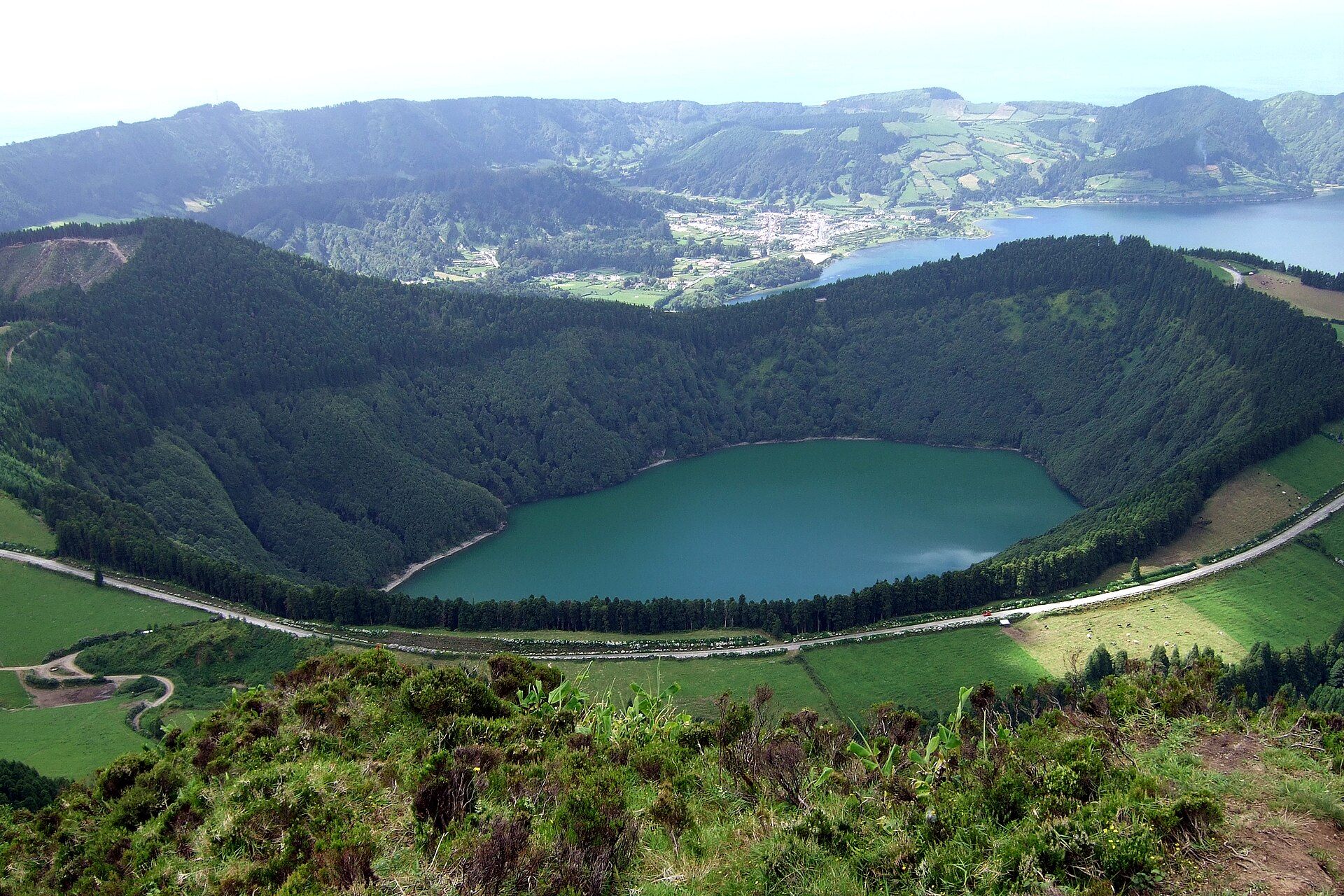
The Azores, Azores archipelago, Atlantic Ocean

The Azores

Azores archipelago, Atlantic Ocean

A remote archipelago of green volcanic islands rising from the mid-Atlantic — crater lakes, hot springs, hydrangea-lined roads, and some of the best whale watching on Earth.

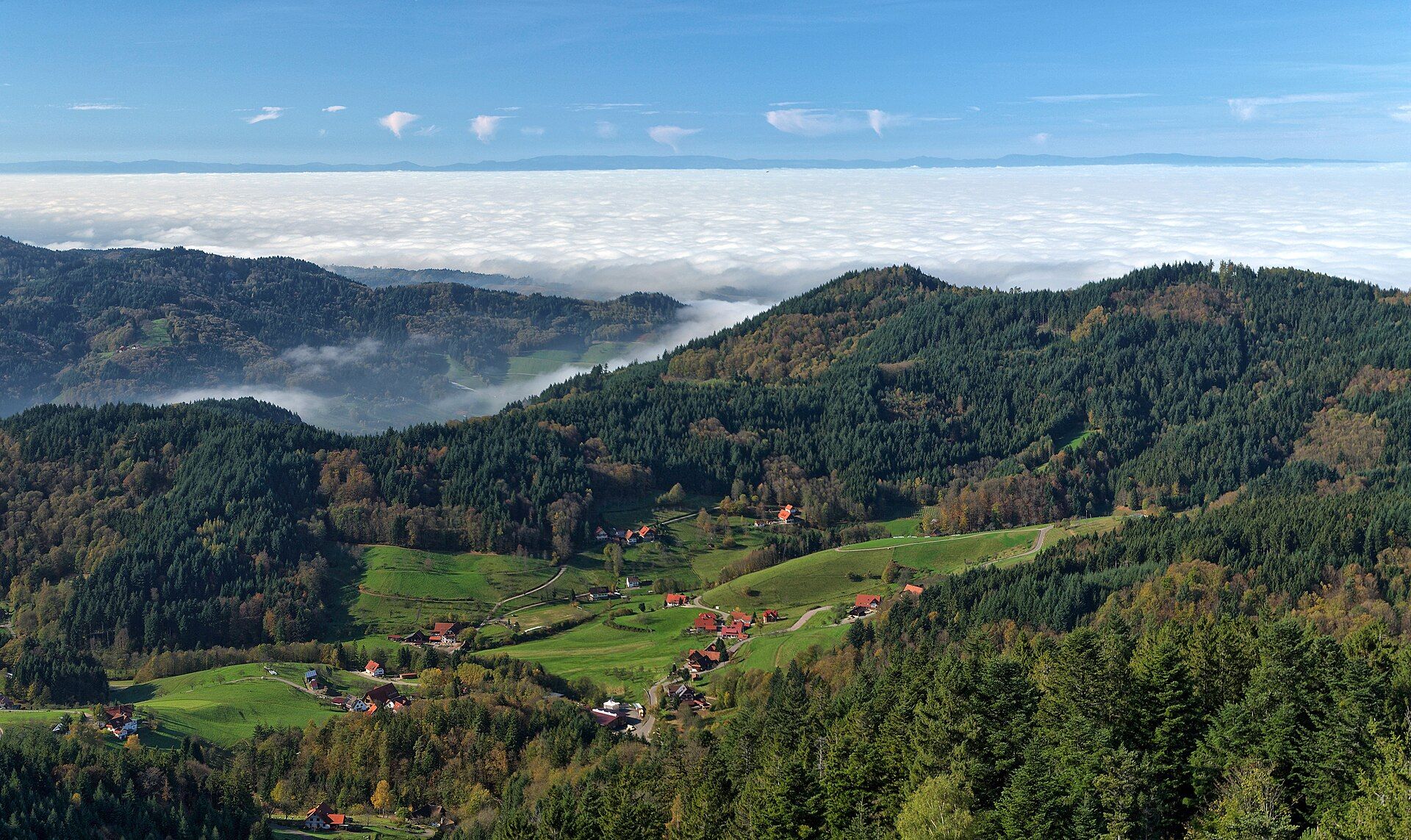
The Black Forest, Baden-Württemberg, southwest Germany

The Black Forest

Baden-Württemberg, southwest Germany

A vast range of dark, fir-cloaked hills in southwest Germany, cut by waterfalls and mirror lakes and giving rise to the Danube — the largest forested upland in Germany.

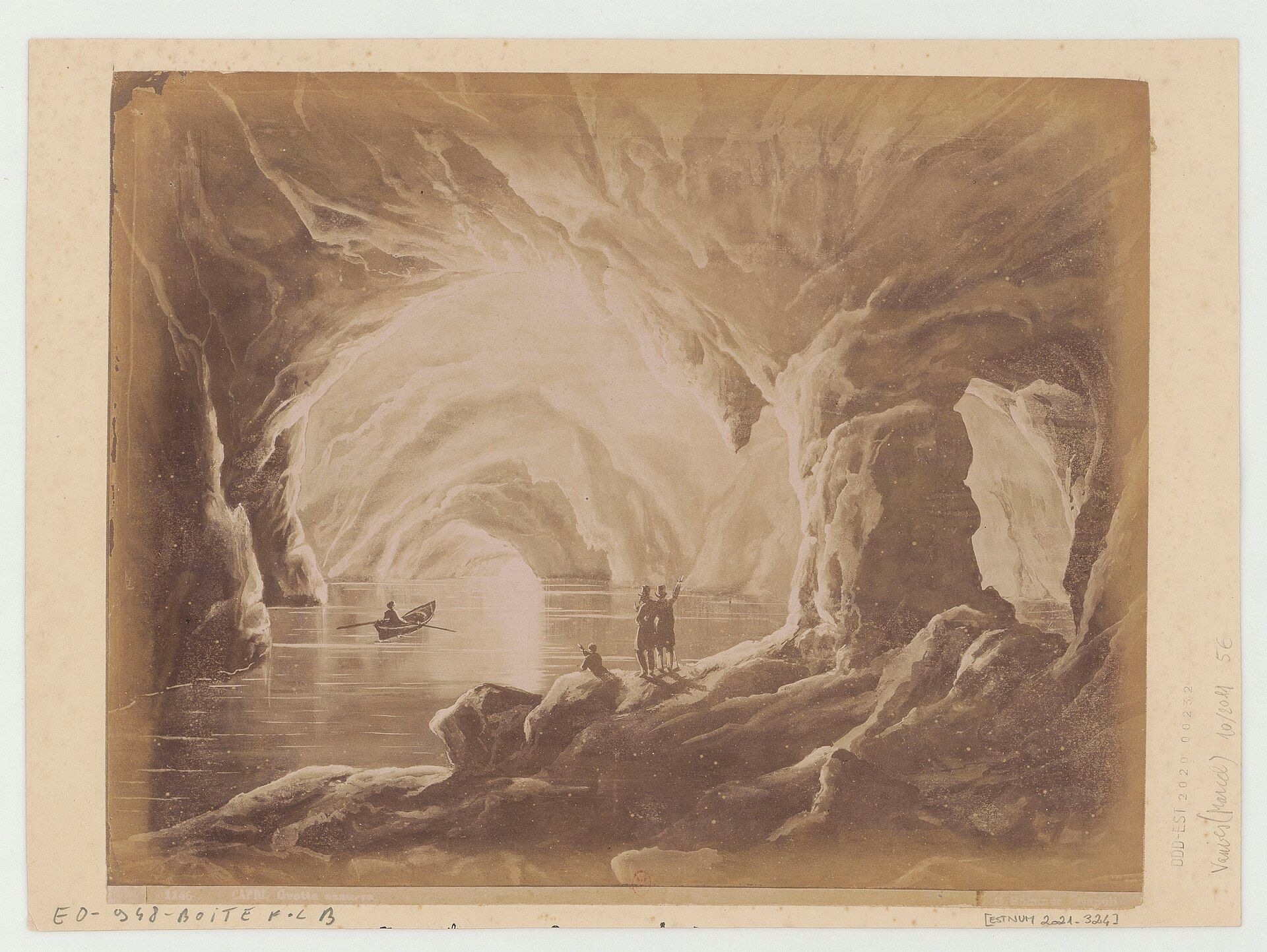
The Blue Grotto, Isle of Capri, Campania, Italy

The Blue Grotto

Isle of Capri, Campania, Italy

A sea cave on the island of Capri where sunlight passing through an underwater opening fills the whole cavern with an unearthly, glowing electric-blue light.

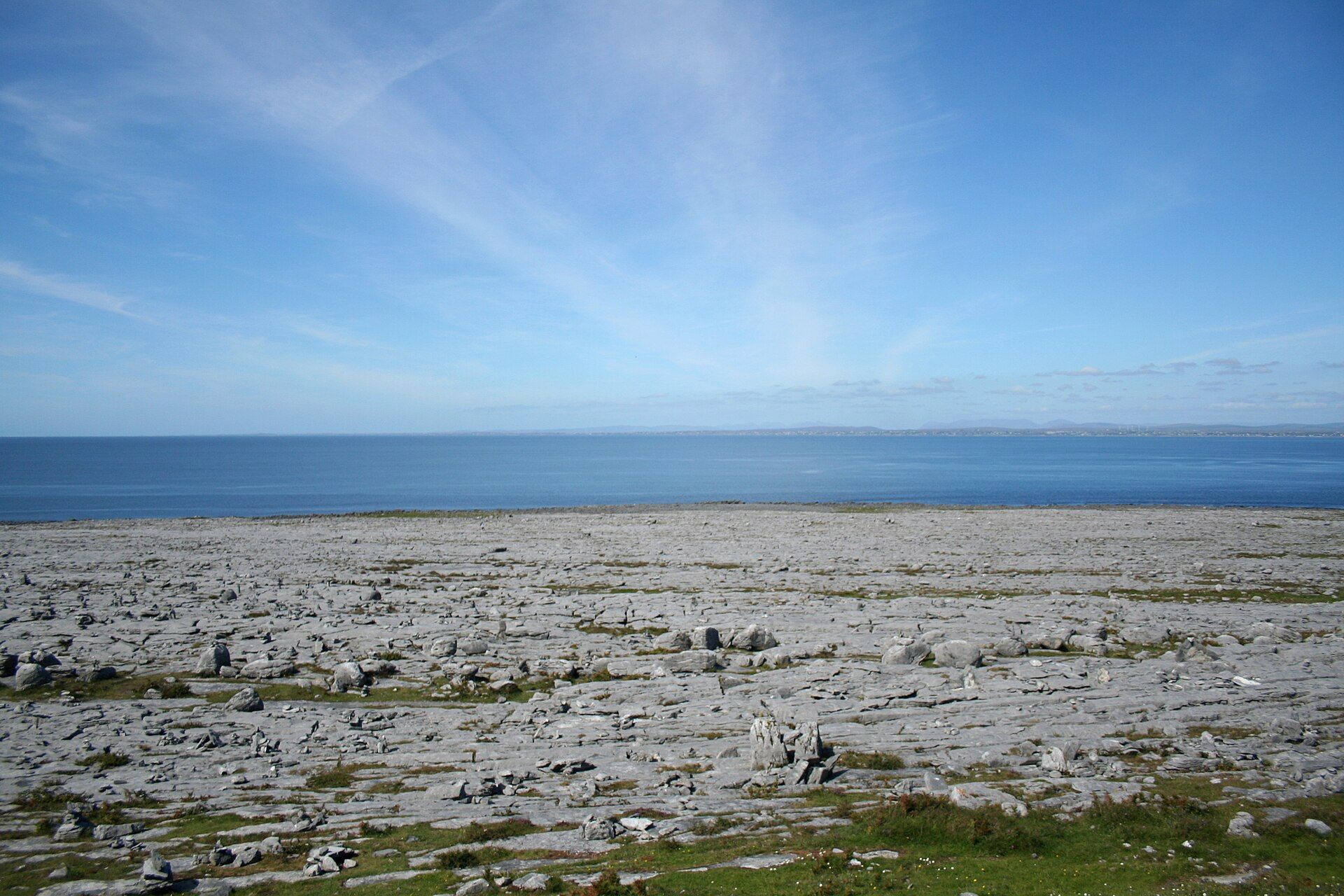
The Burren, County Clare, Ireland

The Burren

County Clare, Ireland

A silver-grey moonscape of bare limestone pavement in County Clare — one of Europe's finest karst landscapes, where Arctic, alpine and Mediterranean wildflowers bloom together in the cracks of the naked rock.

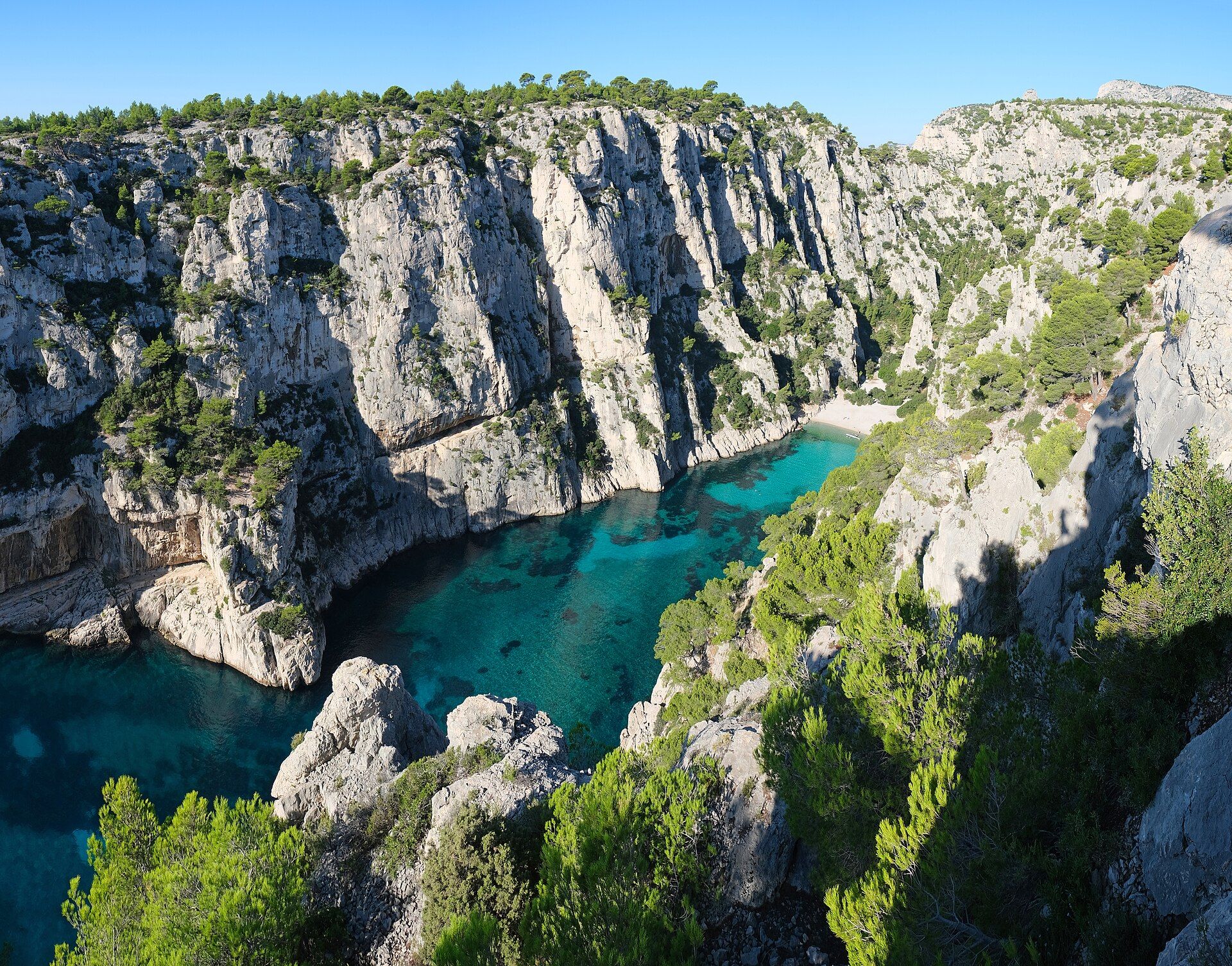
The Calanques, Between Marseille and Cassis, Provence, France

The Calanques

Between Marseille and Cassis, Provence, France

A string of steep white-limestone inlets on the Mediterranean coast near Marseille — hidden turquoise coves walled by sun-bleached cliffs, reached on foot or by boat.

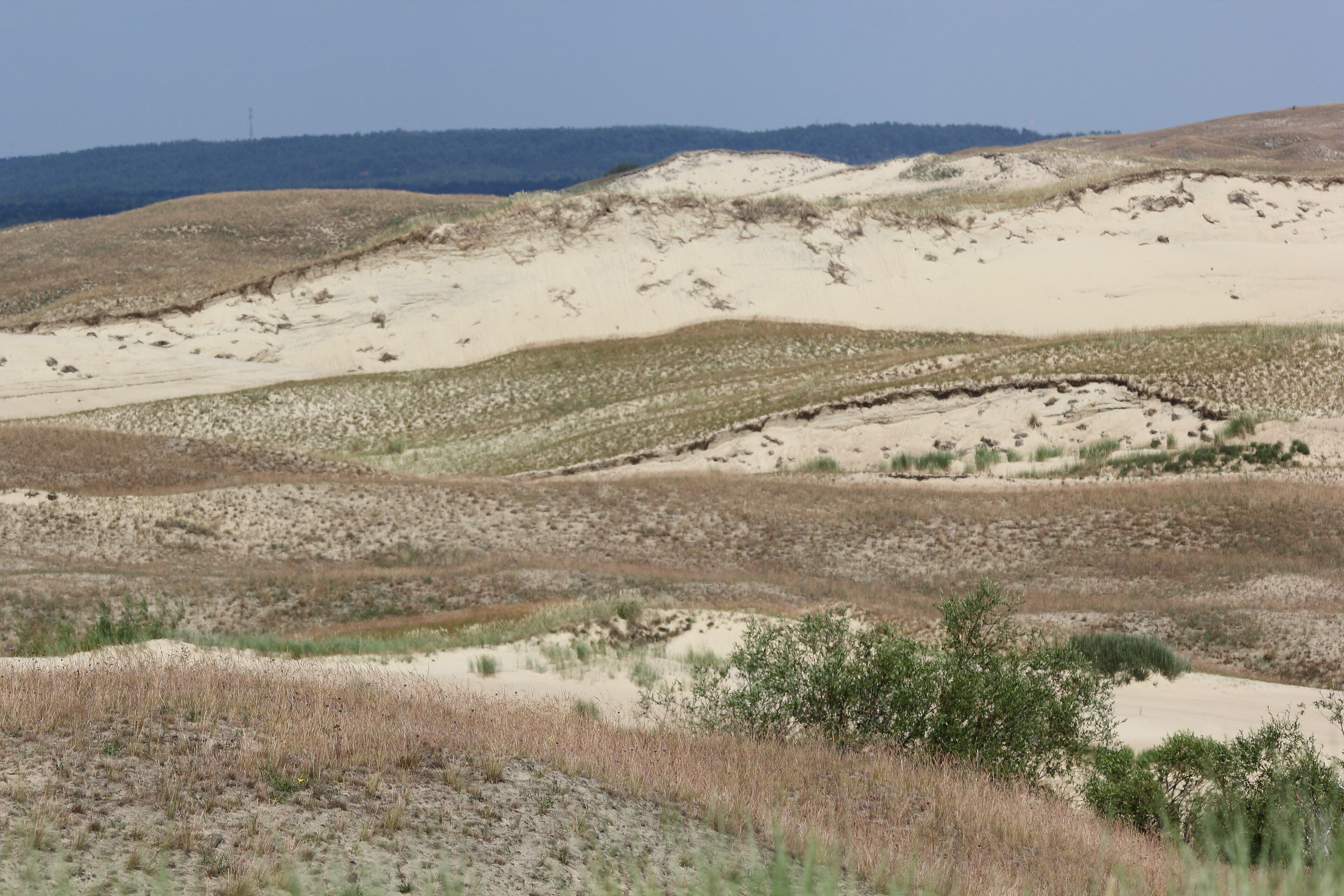
Dunes on the Curonian Spit, Klaipėda County, Lithuania

The Curonian Spit

Klaipėda County, western Lithuania, extending into Kaliningrad Oblast
A 98-kilometre ribbon of sand dune separating a lagoon from the Baltic — never more than a few kilometres wide, and standing only because two centuries of deliberate replanting stopped it burying itself.

The Danube Delta, Where the Danube meets the Black Sea, eastern Romania

The Danube Delta

Where the Danube meets the Black Sea, eastern Romania

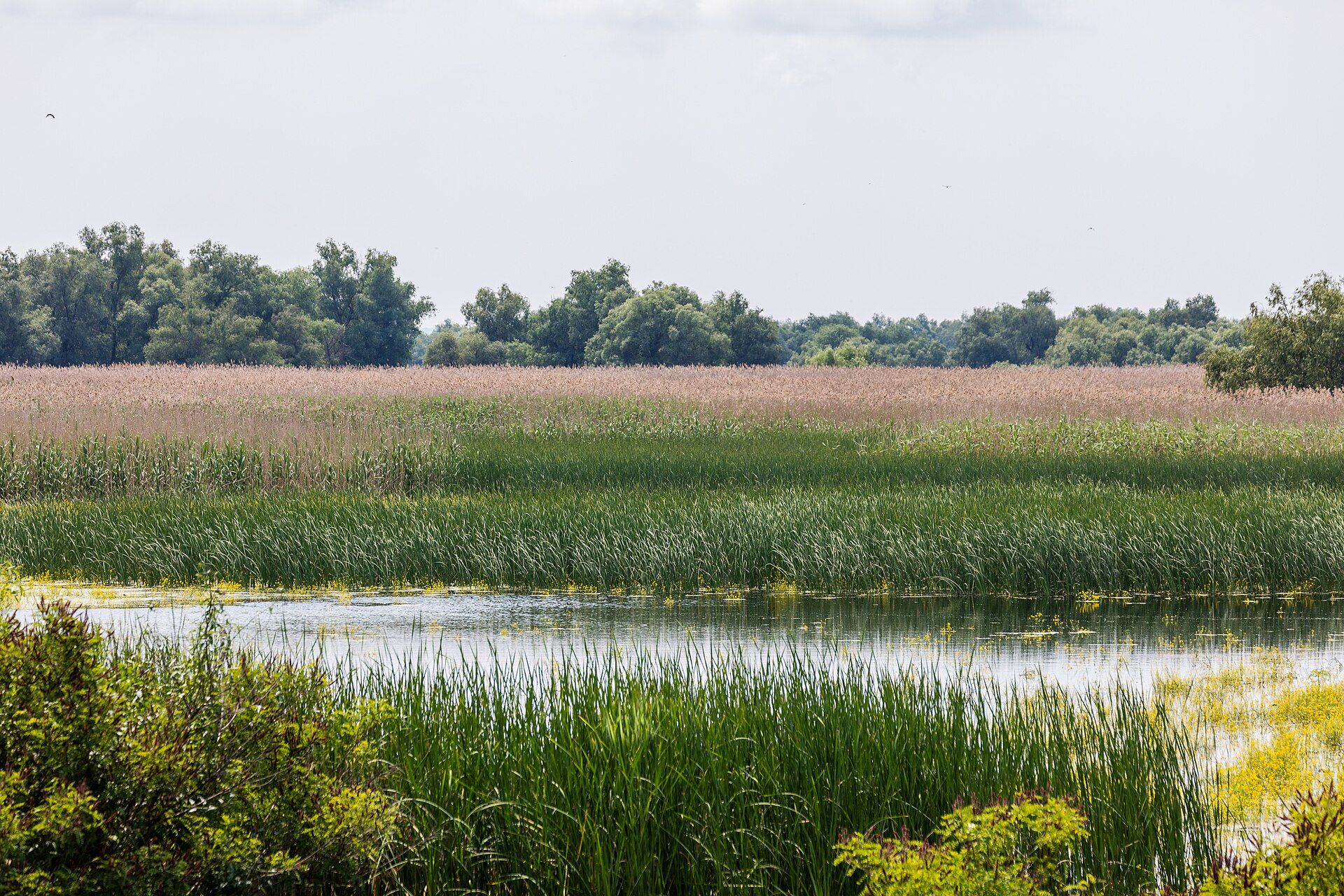
Europe's largest and best-preserved river delta — a vast, watery maze of reeds, channels, and lakes where the Danube fans into the Black Sea, and one of the continent's greatest bird havens.

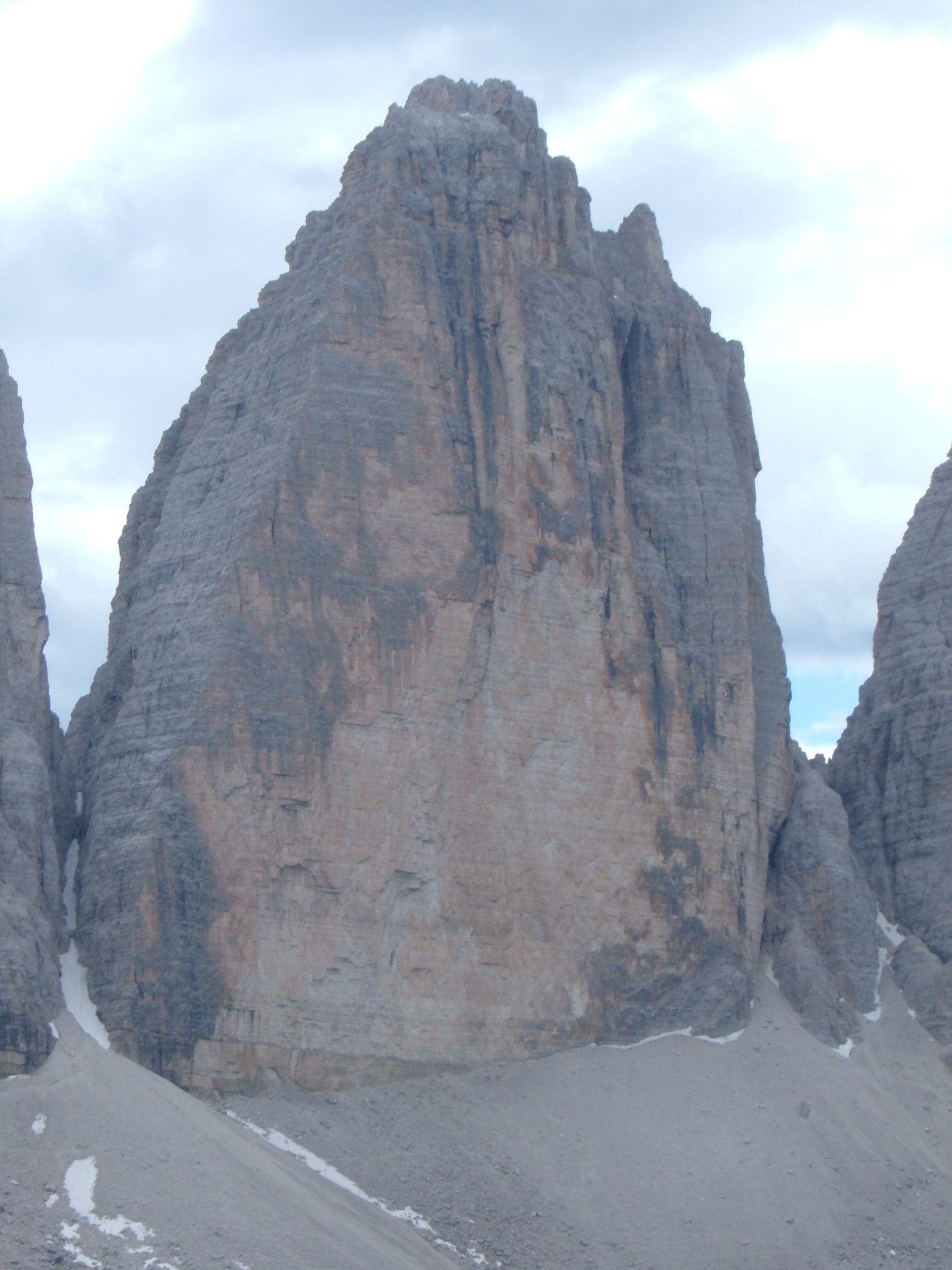
The Dolomites, South Tyrol / Trentino / Veneto, Northern Italy

The Dolomites

South Tyrol / Trentino / Veneto, Northern Italy

A range of pale limestone towers, sheer walls, and jagged spires in the Italian Alps that glow rose and gold at dawn and dusk — the famous 'enrosadira' — above green alpine meadows and turquoise lakes.

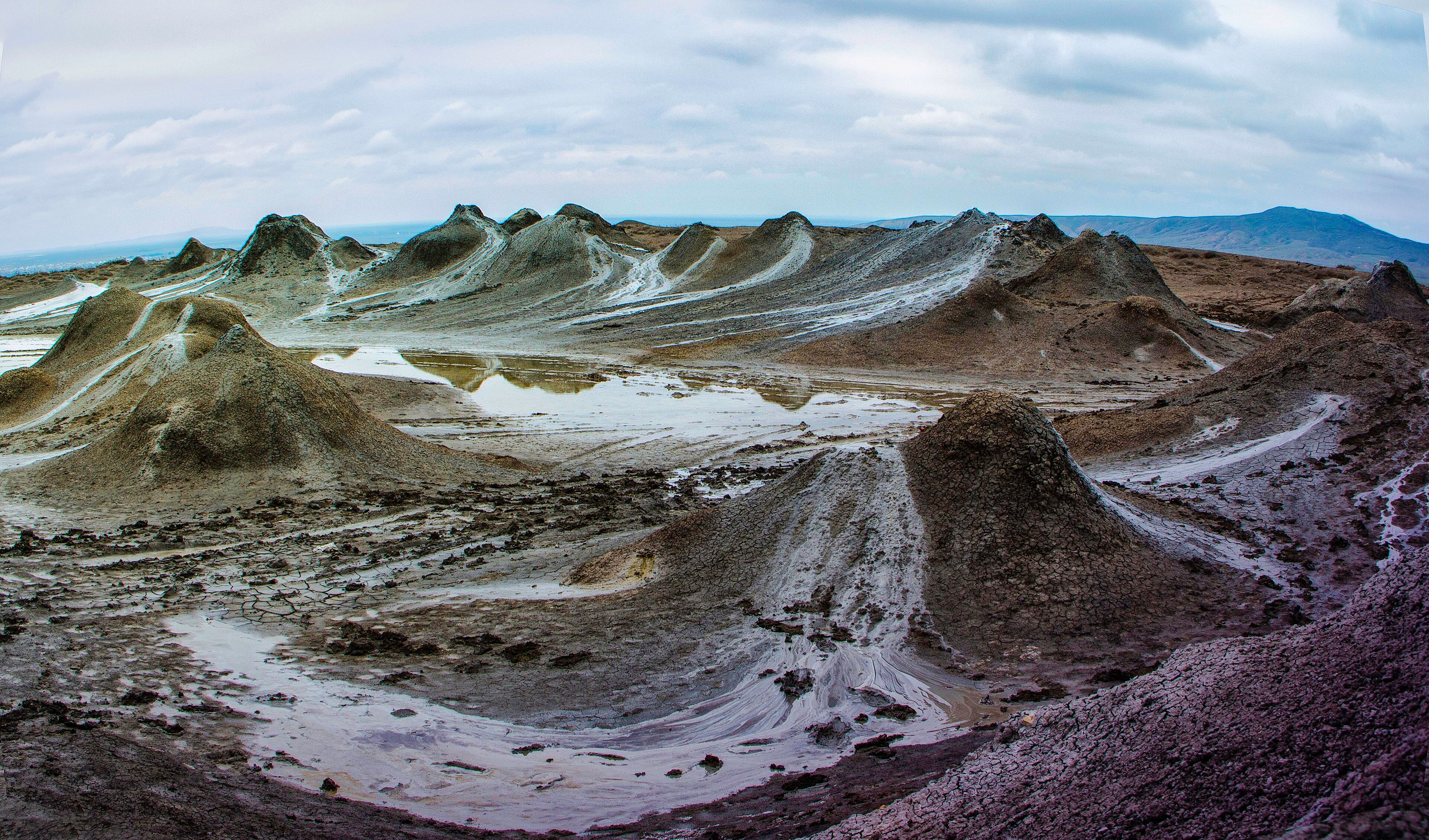
Mud volcanoes at Gobustan, southwest of Baku, Azerbaijan

The Gobustan Mud Volcanoes

Gobustan District, southwest of Baku, Azerbaijan

A grey lunar plain of cones that erupt cold — mud, brine and methane pushed up from kilometres below by gas pressure rather than heat, in the country that has more of them than anywhere on Earth.

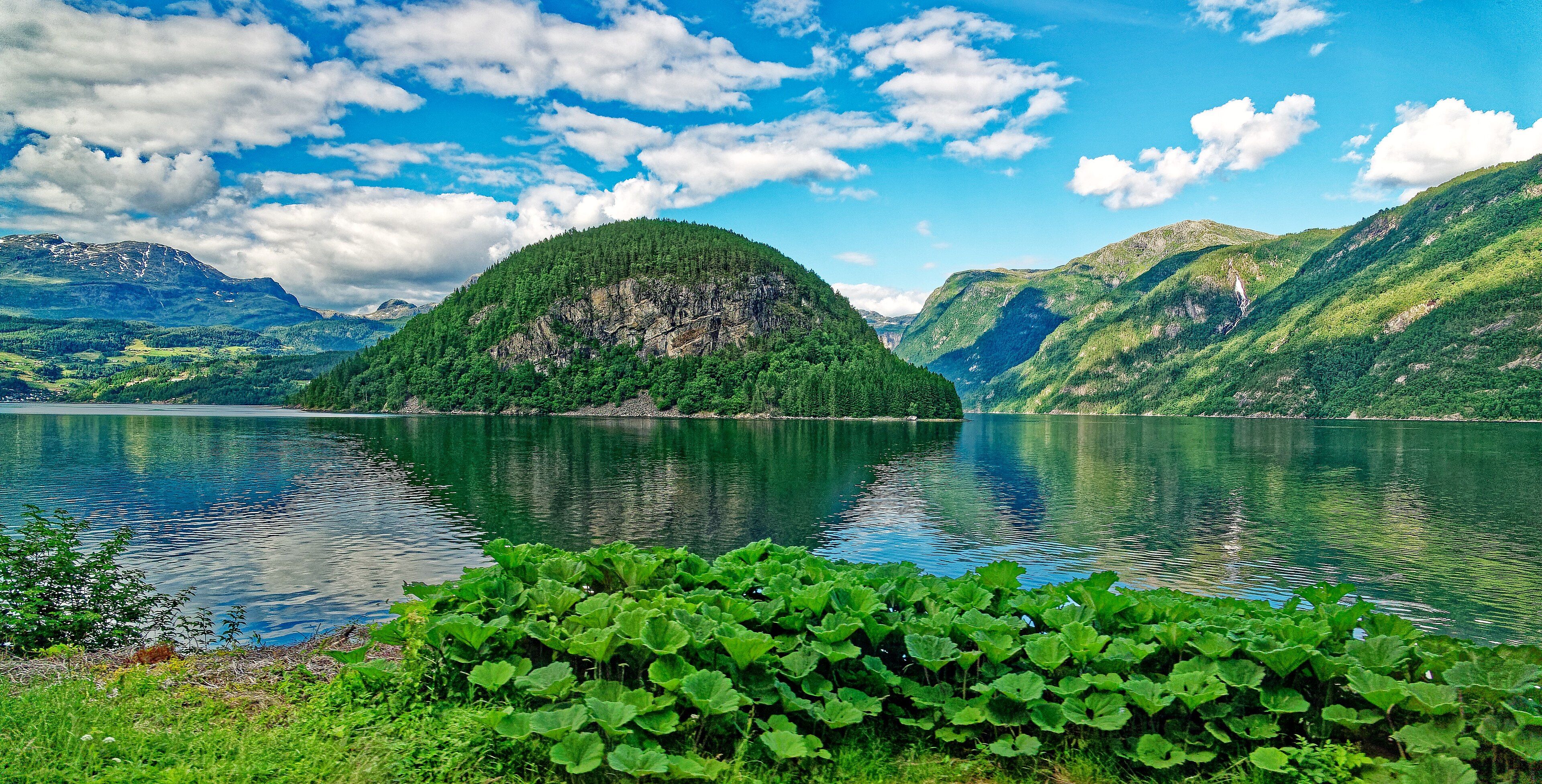
The Hardangerfjord, Hardanger, Vestland, Western Norway

The Hardangerfjord

Hardanger, Vestland, Western Norway

Norway's second-longest fjord and its orchard country — 179 kilometres of deep blue water reaching inland from the coast past Trolltunga, the Vøringsfossen falls, and the Folgefonna glacier, its gentler slopes white with apple and cherry blossom each spring.

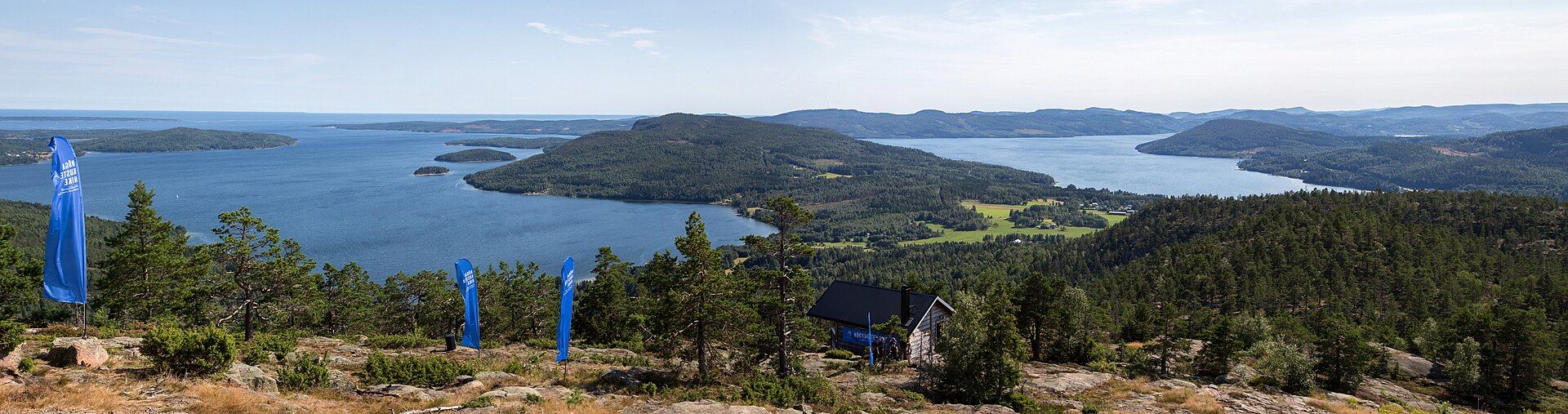
The High Coast, Gulf of Bothnia, northeastern Sweden

The High Coast

Gulf of Bothnia, northeastern Sweden

A rugged Baltic coast of forested hills, cliffs, and islands that is still visibly rising out of the sea — the site of the greatest land uplift measured anywhere on Earth.

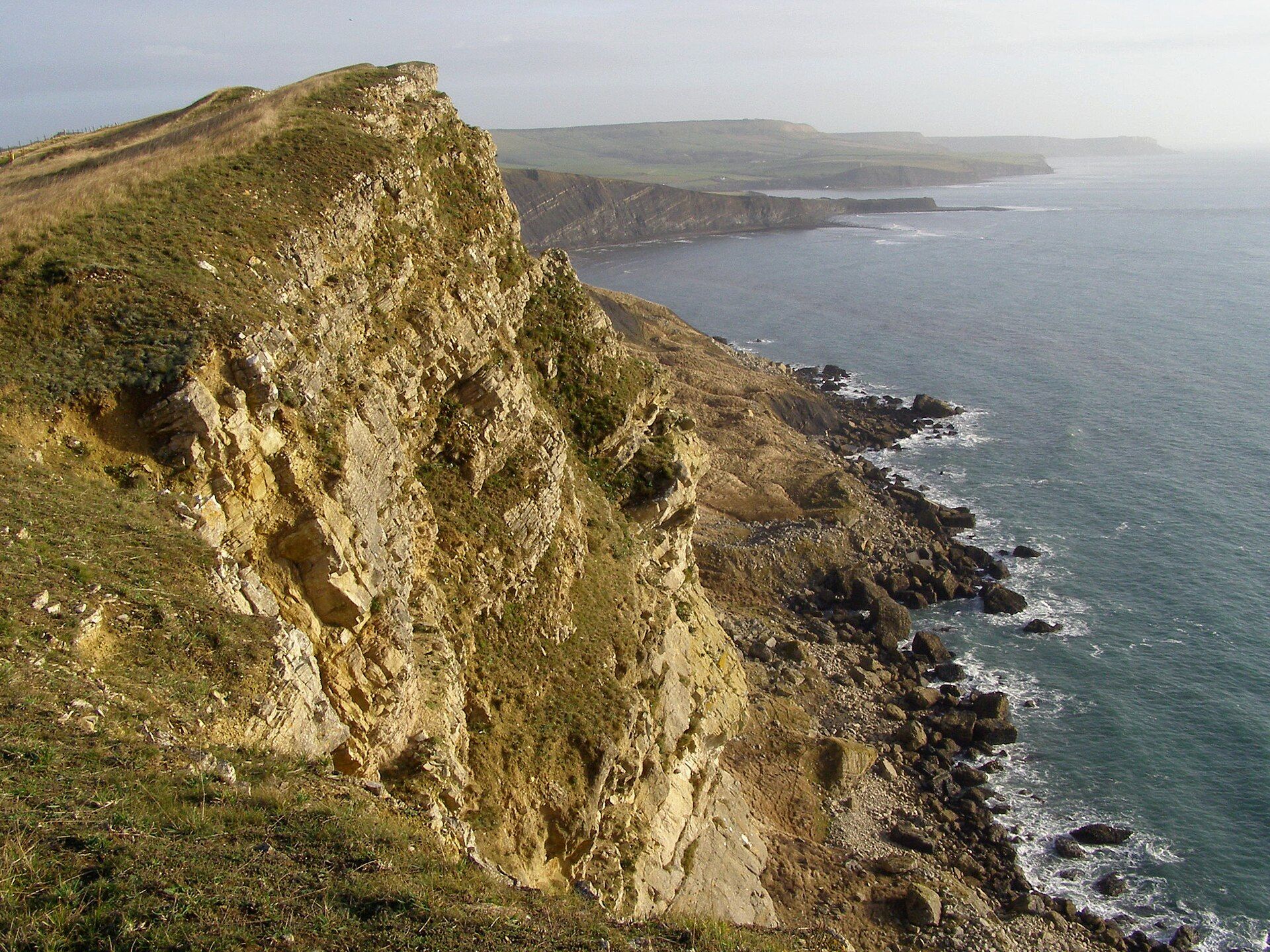
The Jurassic Coast, Dorset and East Devon, South West England, United Kingdom

The Jurassic Coast

Dorset and East Devon, South West England, United Kingdom

England's only natural World Heritage Site — a 95-mile coast where 185 million years of Earth history stand exposed in the cliffs, from red Triassic desert rocks to the sea-carved arch of Durdle Door.

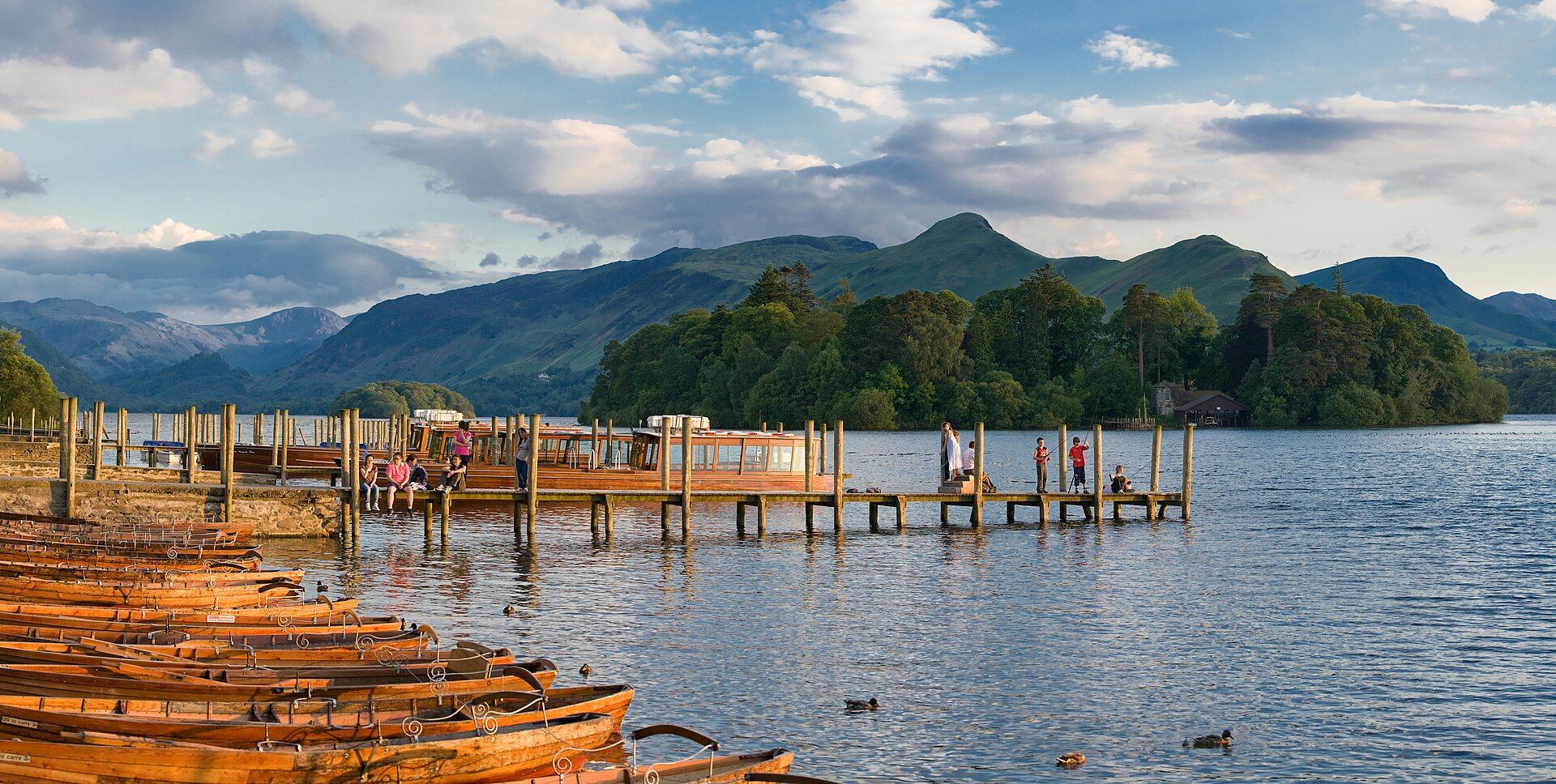
The Lake District, Cumbria, North West England, United Kingdom

The Lake District

Cumbria, North West England, United Kingdom

England's largest national park and a UNESCO World Heritage cultural landscape — a compact country of glacier-carved fells, ribbon lakes and stone-walled valleys that shaped English ideas of the picturesque.

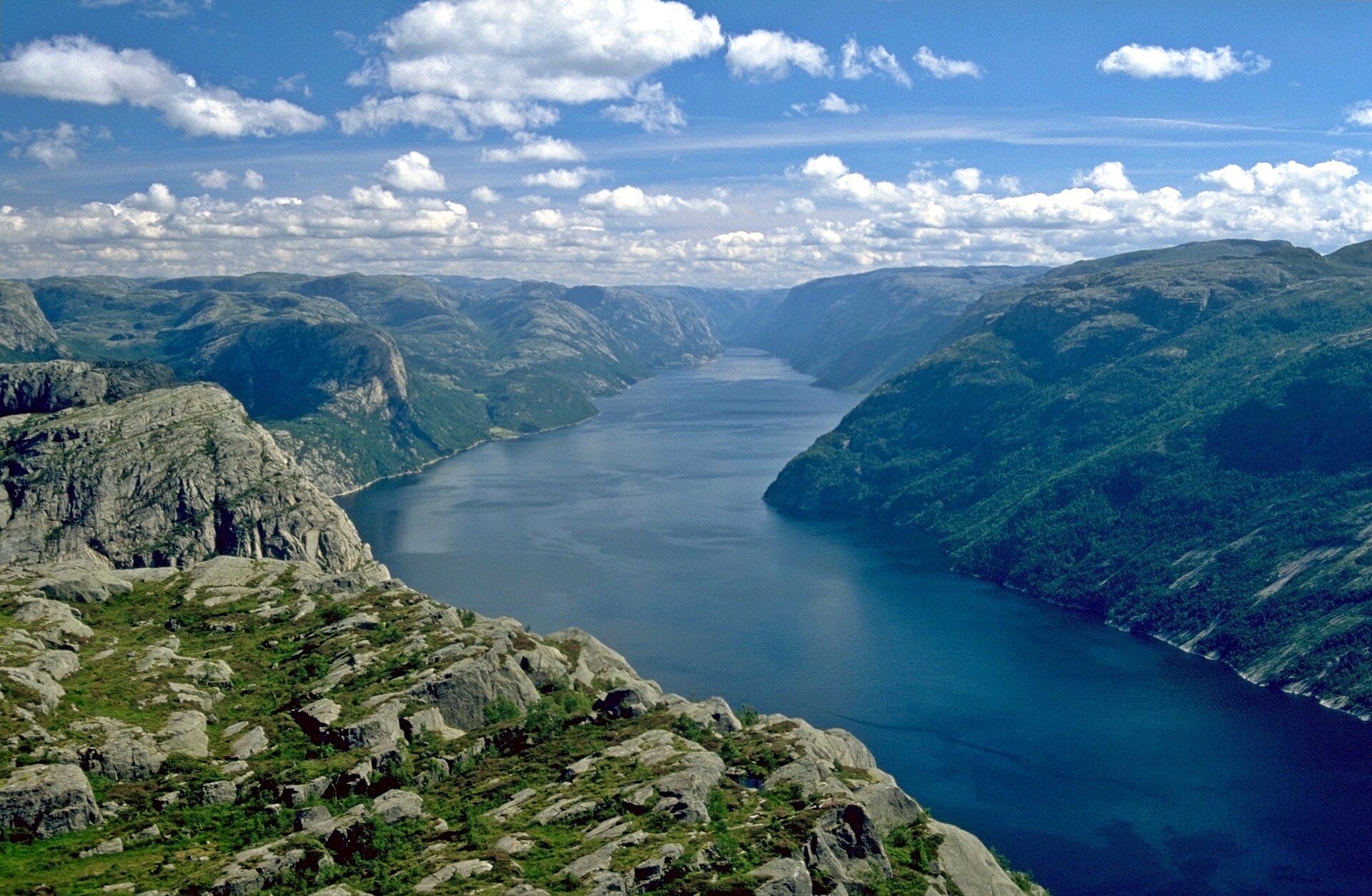
The Lysefjord, Rogaland, Southwestern Norway

The Lysefjord

Rogaland, Southwestern Norway

A 42-kilometre fjord of sheer, luminous granite near Stavanger, walled by two of the world's most famous clifftops — Preikestolen, the flat Pulpit Rock 604 metres above the water, and Kjerag, whose face plunges nearly a kilometre straight down.

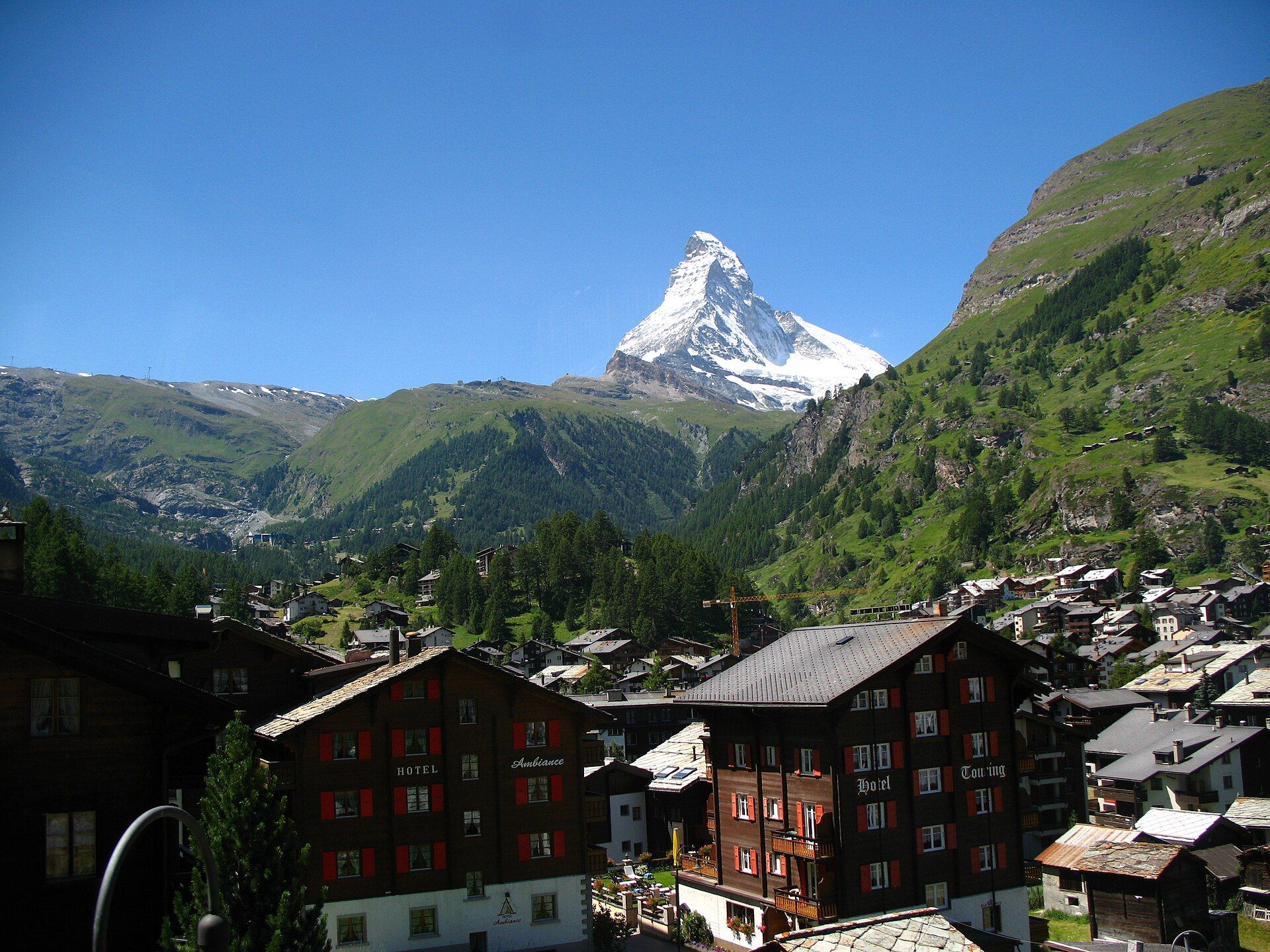
The Matterhorn, Zermatt, Valais — Swiss/Italian border

The Matterhorn

Zermatt, Valais — Swiss/Italian border

The most iconic peak in the Alps — a near-perfect rock pyramid rising in isolation above Zermatt, its four steep faces aligned almost to the compass points, mirrored in still alpine lakes.

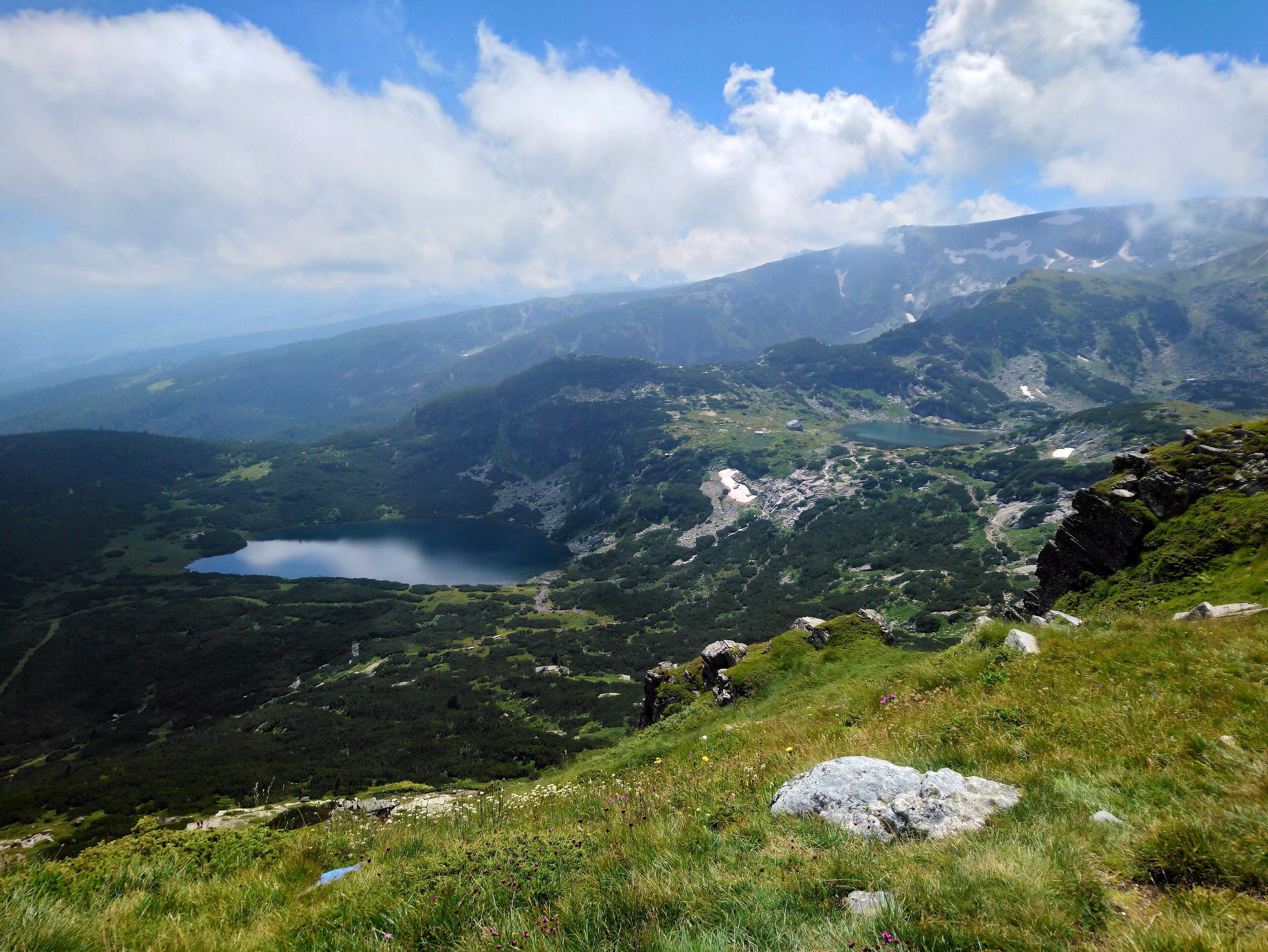
The Seven Rila Lakes, Rila National Park, southwestern Bulgaria

The Seven Rila Lakes

Rila National Park, Rila Mountains, southwestern Bulgaria

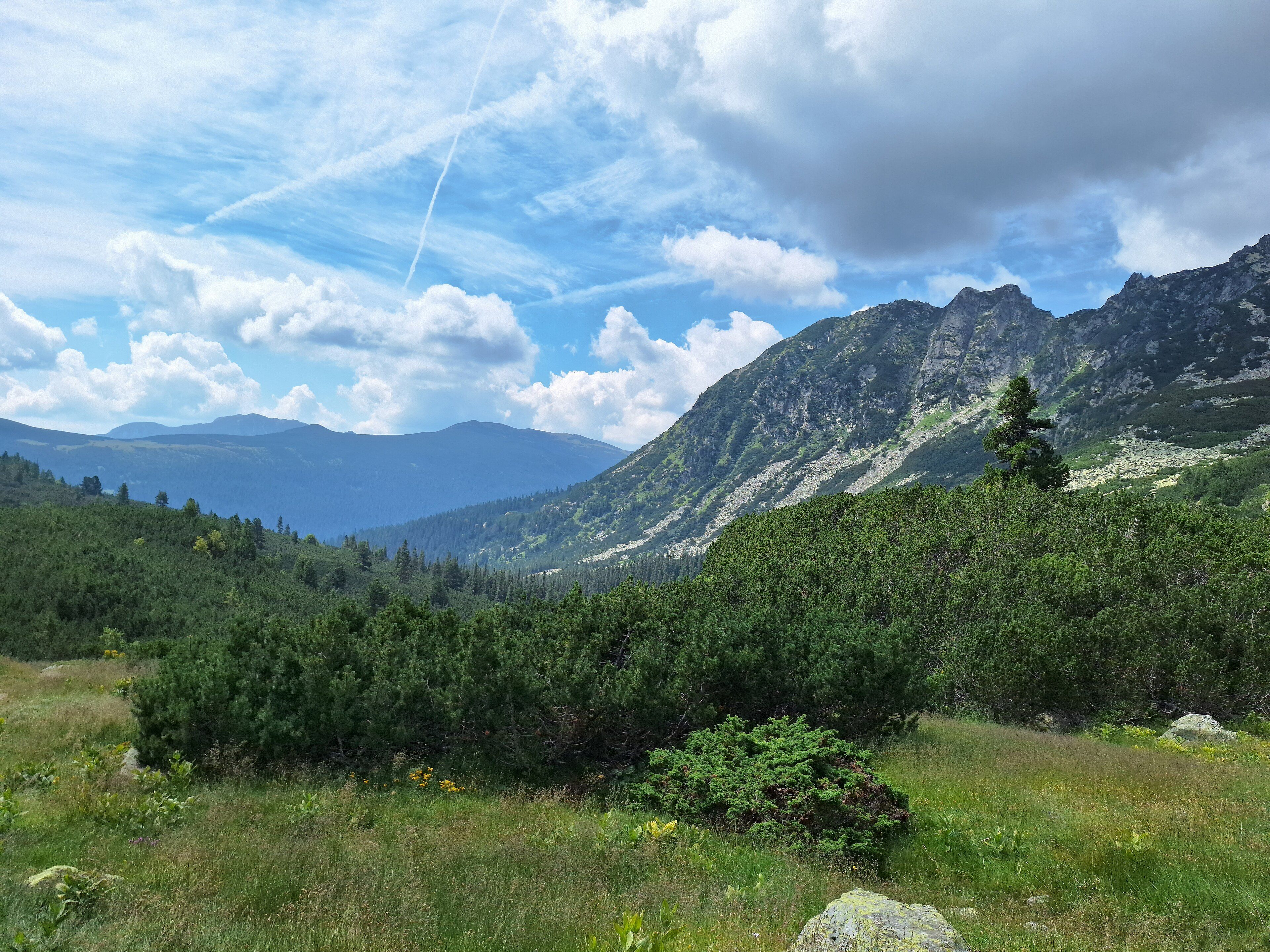
Seven glacial tarns arranged one above the other on a mountain staircase between 2,100 and 2,500 metres, each named for the shape the ice left it in — the Eye, the Kidney, the Tear, the Twin.

The Sognefjord, Sogn, Vestland, Western Norway

The Sognefjord

Sogn, Vestland, Western Norway

The King of the Fjords — Norway's longest and deepest fjord, reaching more than 200 kilometres inland from the coast to the foot of the Jotunheimen mountains, its narrow arms lined with sheer cliffs, hanging waterfalls, and villages under snow peaks.

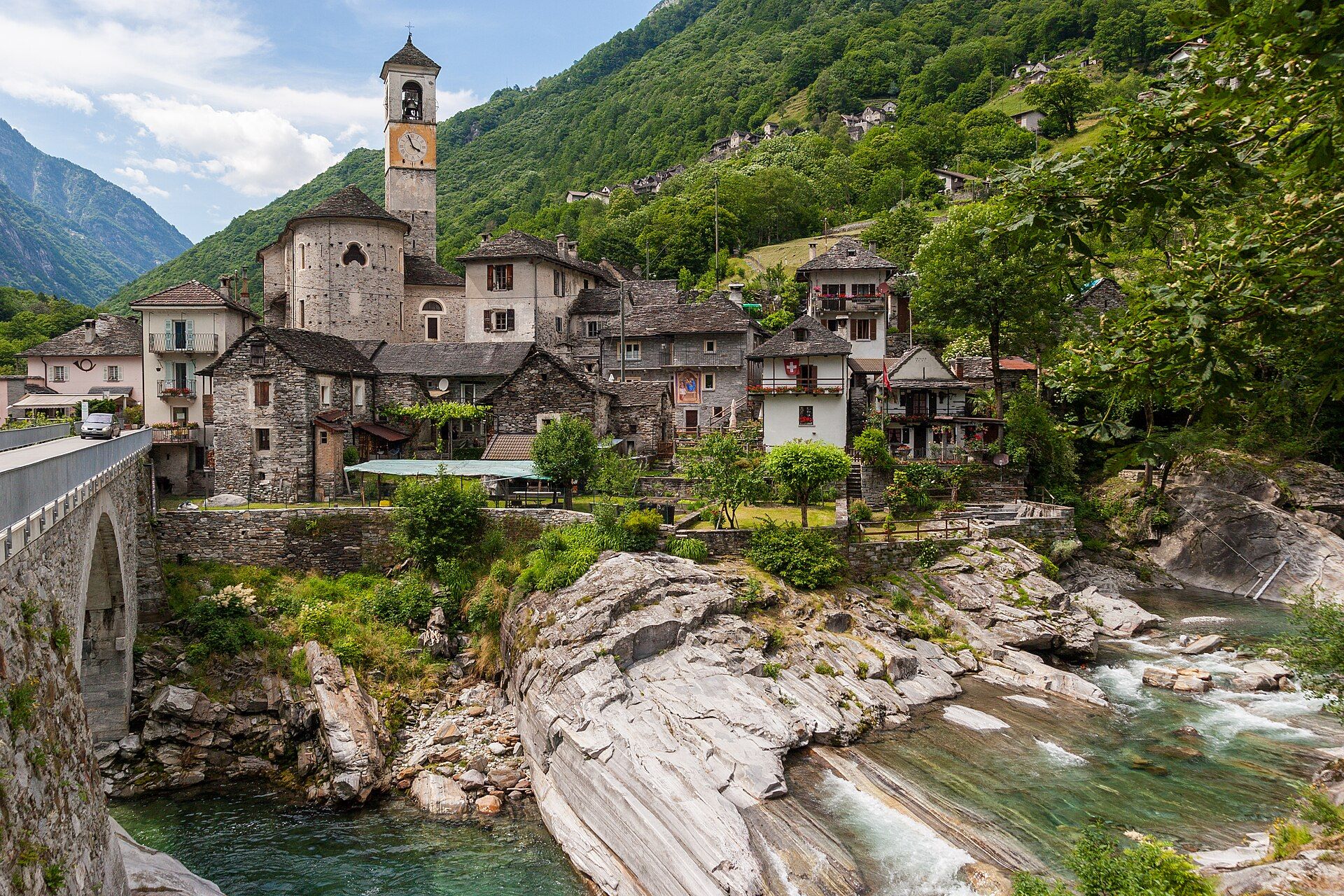
The Verzasca River, Verzasca Valley, Ticino, Southern Switzerland

The Verzasca River

Verzasca Valley, Ticino, Southern Switzerland

One of the clearest rivers in Europe — an emerald-green mountain stream tumbling through the Verzasca Valley in Italian-speaking Ticino, past smooth sculpted granite and the double-arched stone bridge of Lavertezzo.

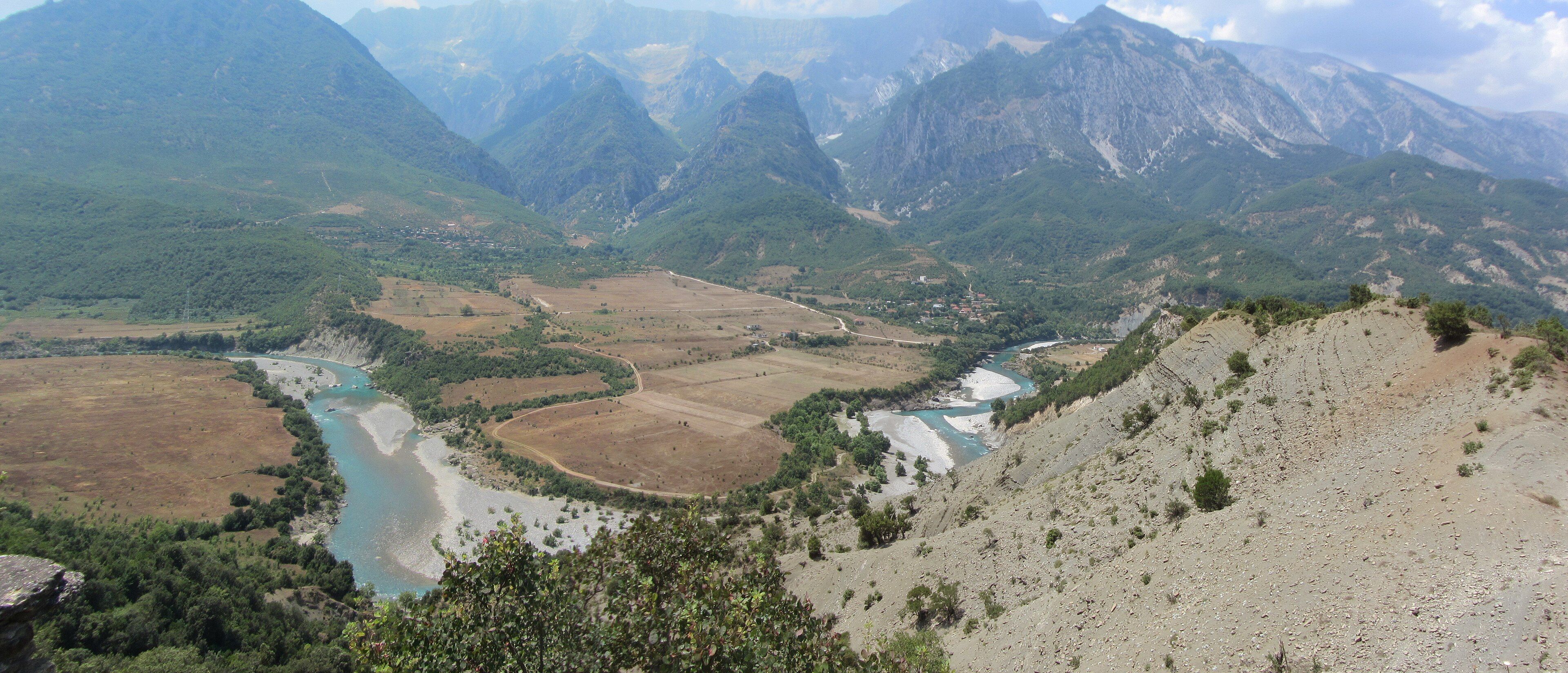
The Vjosa river near Çarçovë, southern Albania

The Vjosa

Southern Albania, from the Greek border to the Adriatic north of Vlorë

One of the last large rivers in Europe still allowed to behave like a river — braiding across its own gravel, moving its channels year to year, and undammed for 192 kilometres to the Adriatic.

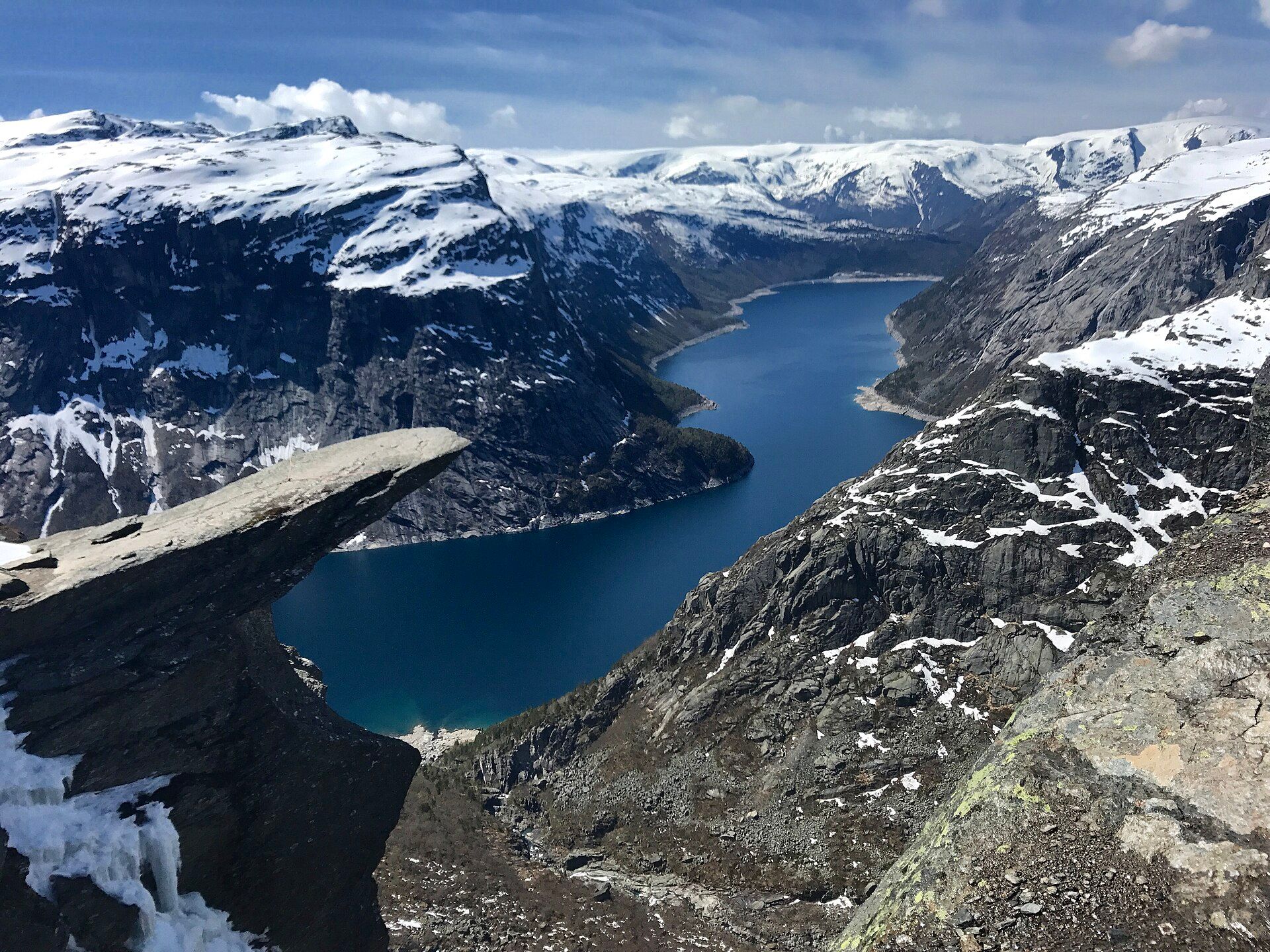
Trolltunga, Vestland, western Norway

Trolltunga

Vestland, western Norway

The 'Troll's Tongue' — a thin slab of rock jutting horizontally into empty air some 700 metres above a fjord lake, at the end of one of Norway's most demanding day hikes.

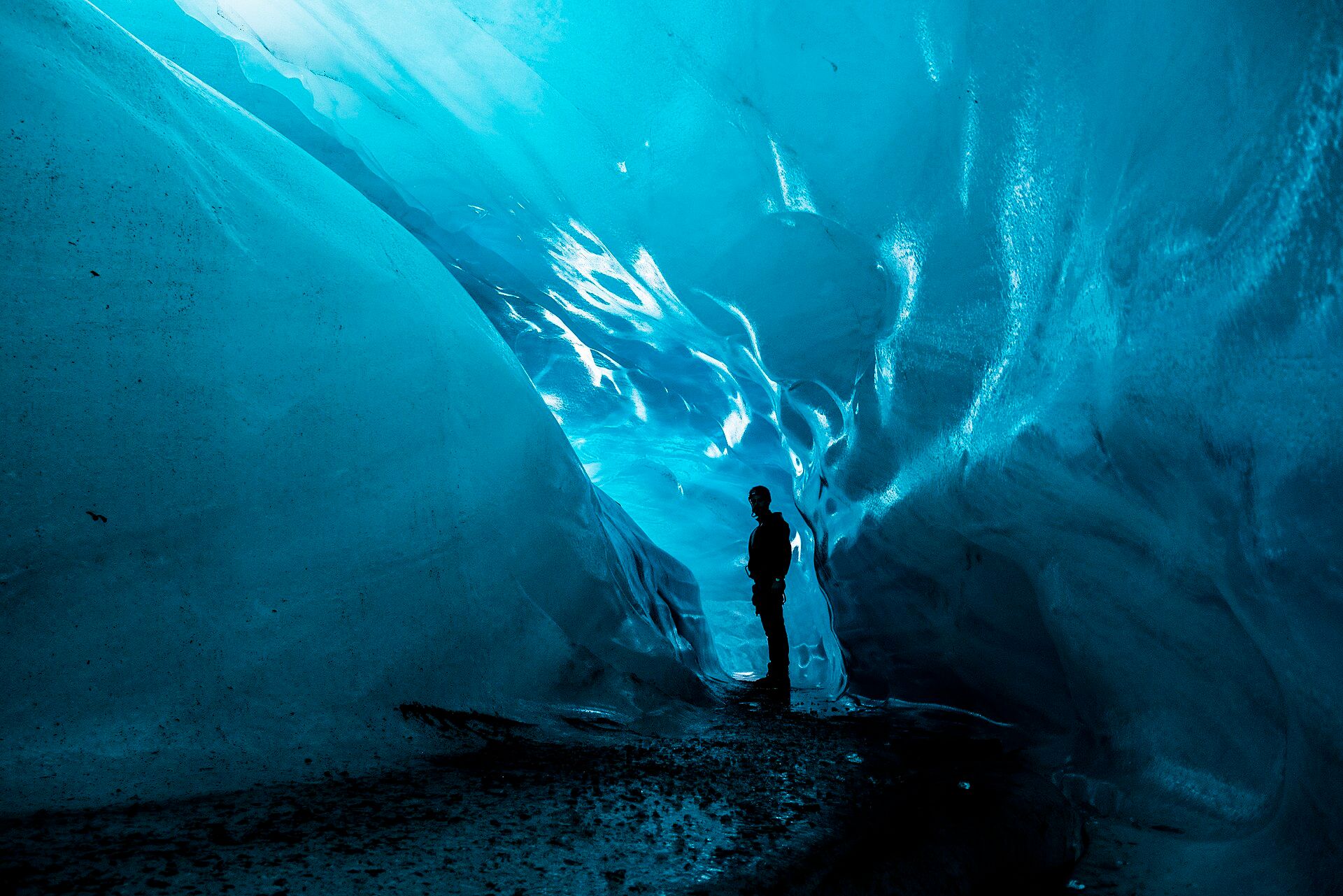
Vatnajökull Ice Caves, Southeast Iceland

Vatnajökull Ice Caves

Southeast Iceland

Glowing blue caves melted into the heart of Europe's largest ice cap — crystalline chambers of glacier ice, formed anew each winter beneath a vast frozen dome that hides fire below.

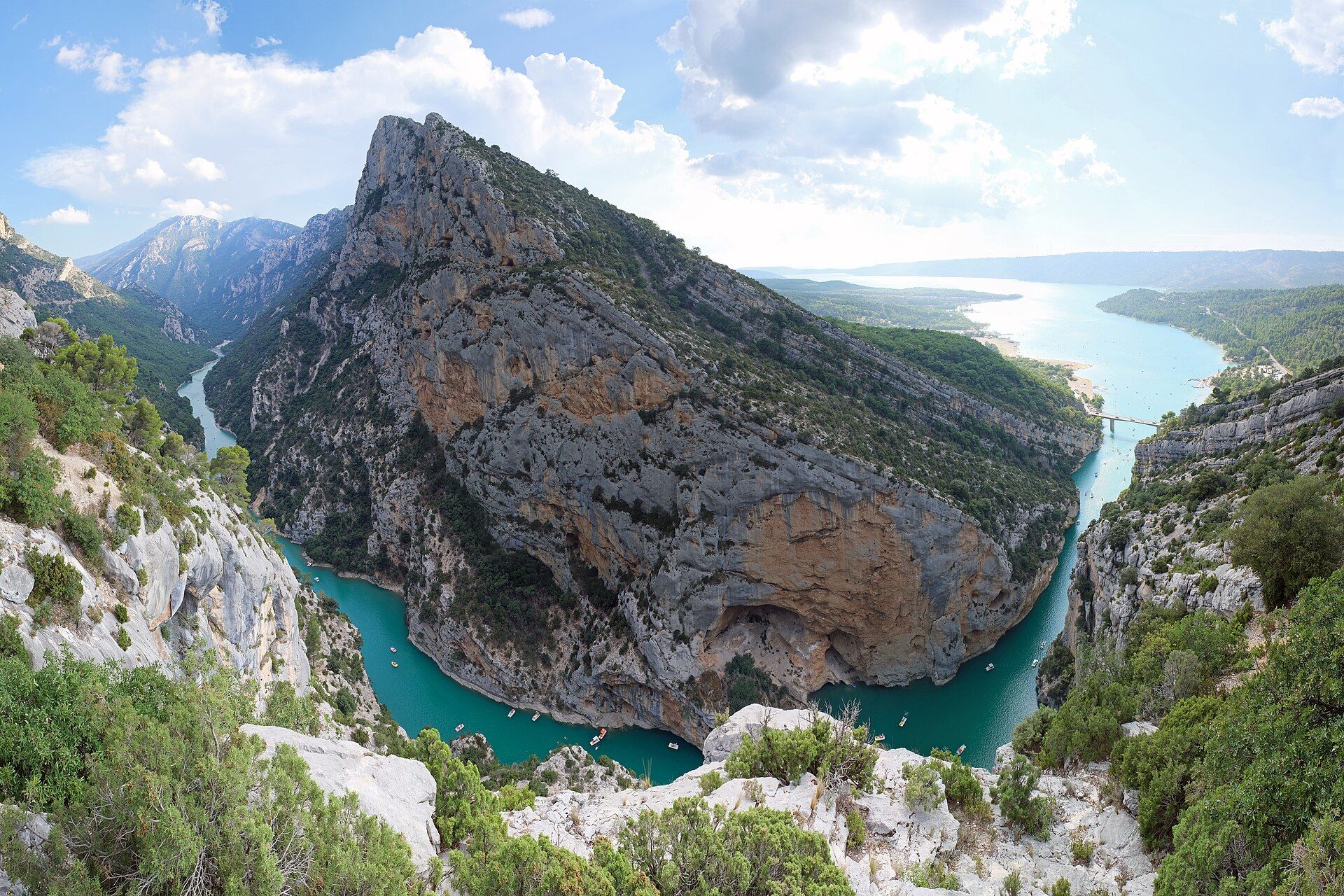
Verdon Gorge, Provence, southeastern France

Verdon Gorge

Provence, southeastern France

Europe's most spectacular canyon — 25 kilometres of limestone walls plunging up to 700 metres to a river the colour of turquoise glass.

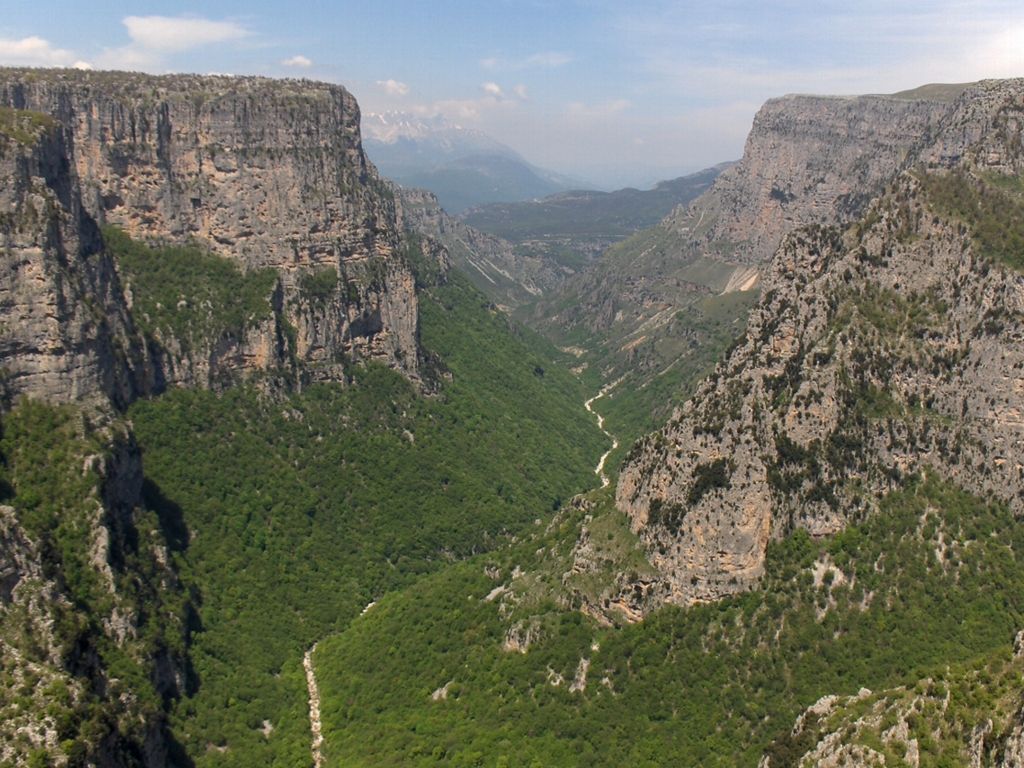
Vikos Gorge, Zagori, Pindus Mountains, Epirus, Greece

Vikos Gorge

Zagori, Pindus Mountains, Epirus, Greece

Listed by Guinness as the deepest gorge in the world relative to its width — a plunging limestone chasm in the Pindus Mountains of northern Greece, at the heart of the stone-village country of Zagori.

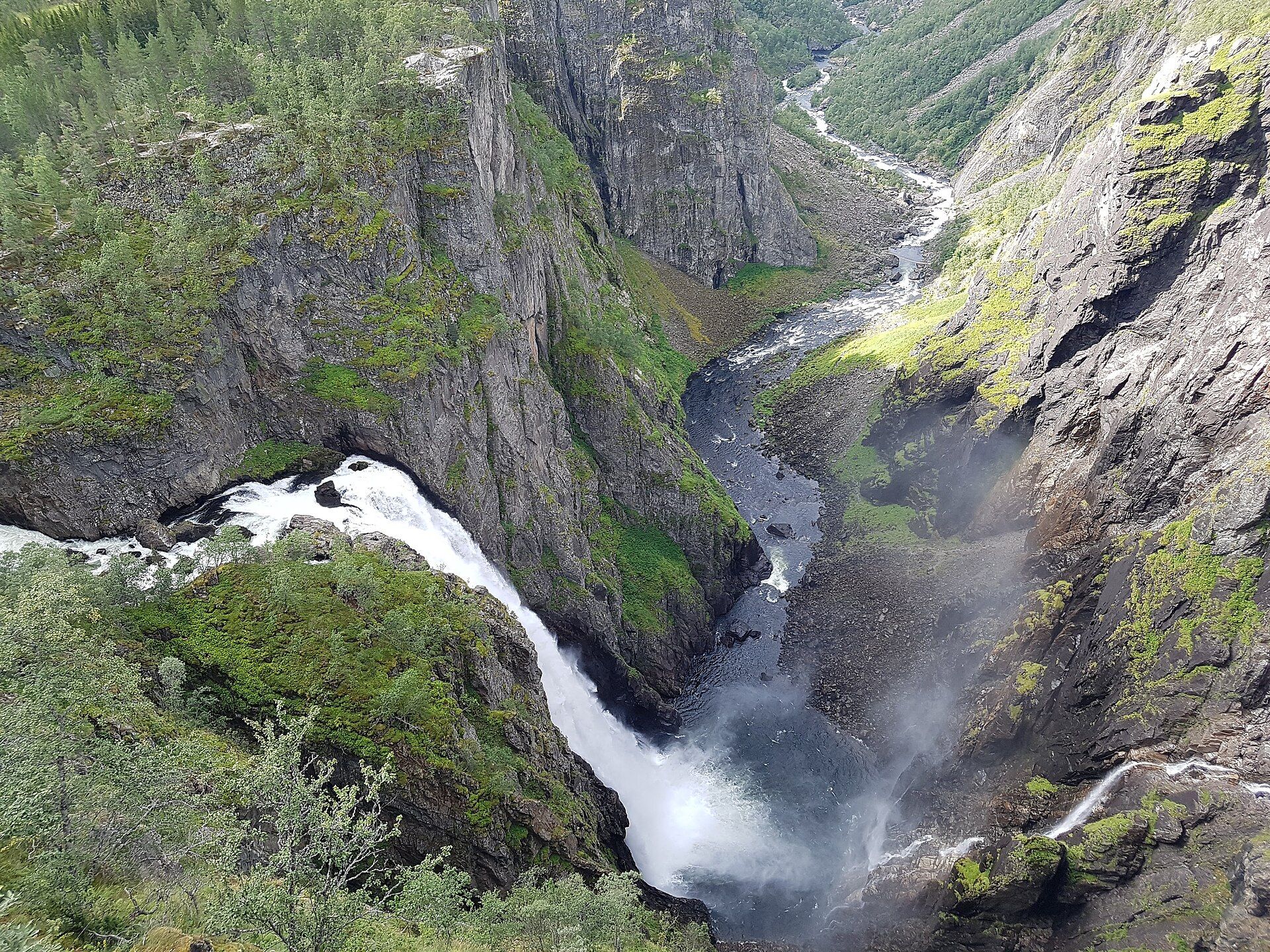
Vøringsfossen, Eidfjord, Vestland, Western Norway

Vøringsfossen

Eidfjord, Vestland, Western Norway

Norway's most celebrated waterfall — a river flung off the edge of the Hardangervidda plateau, dropping around 180 metres into the raw rock gorge of Måbødalen, now ringed by a dramatic stepped bridge and clifftop viewpoints.

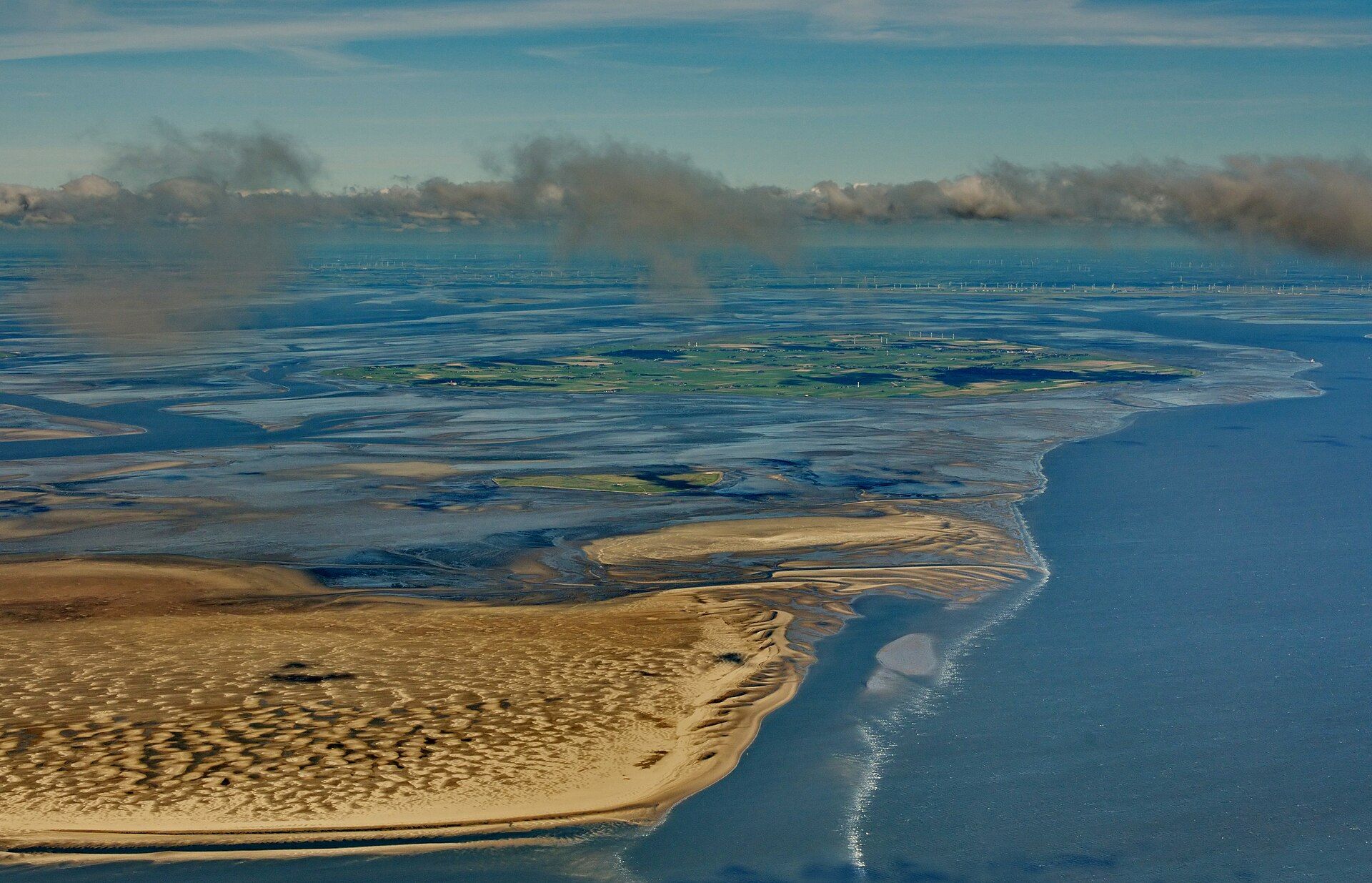
Wadden Sea, Netherlands, Germany & Denmark

Wadden Sea

Netherlands, Germany & Denmark

The largest unbroken system of intertidal sand and mud flats on Earth — a vast tidal wilderness that feeds 10 to 12 million migratory birds a year.

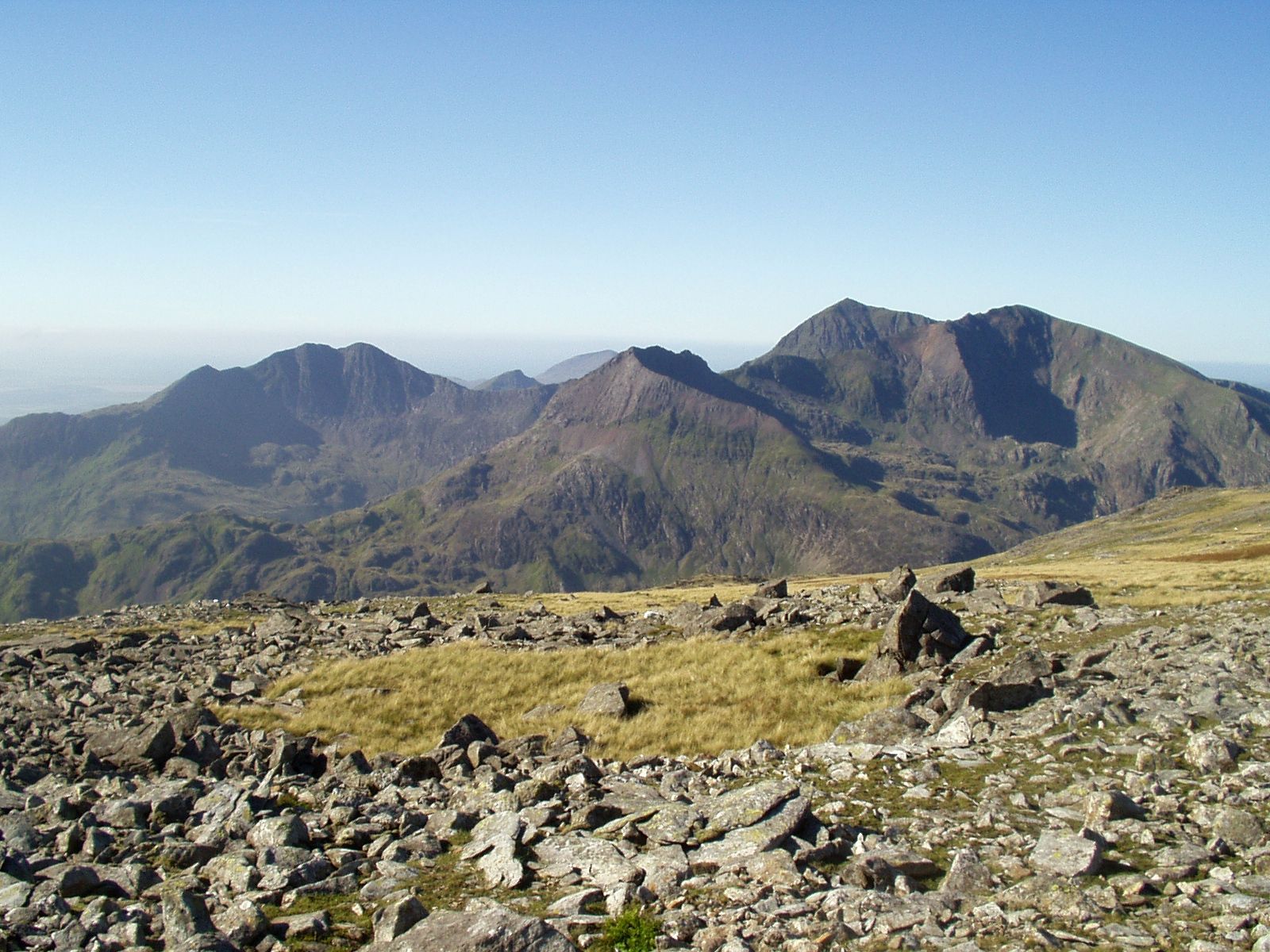
Yr Wyddfa & Eryri (Snowdonia), Gwynedd, North Wales, United Kingdom

Yr Wyddfa & Eryri (Snowdonia)

Gwynedd, North Wales, United Kingdom

The rugged mountain heart of Wales — a national park of glacier-hewn peaks, glacial lakes and Welsh-speaking valleys crowned by Yr Wyddfa (Snowdon), the highest mountain in England and Wales.

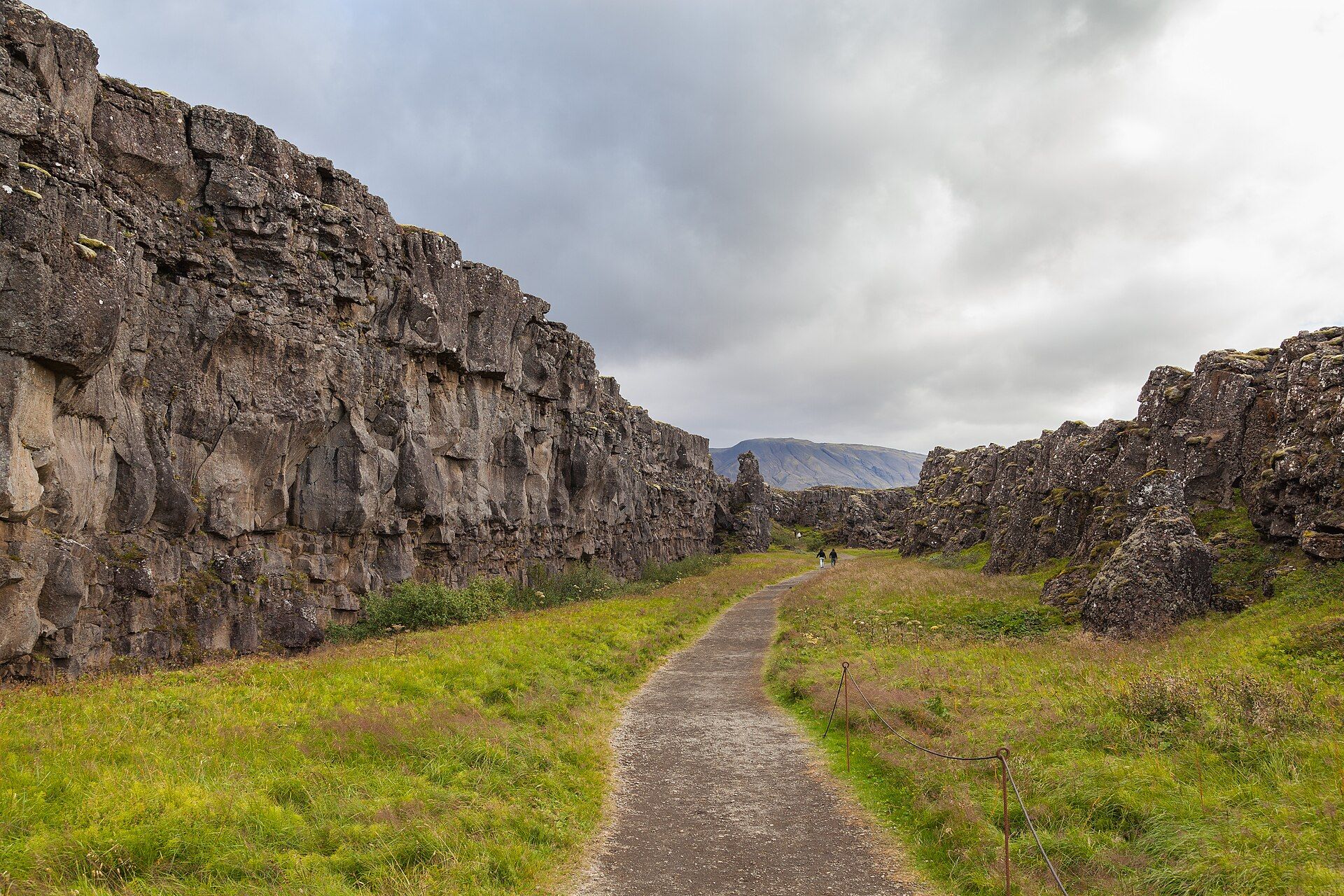
Þingvellir (Thingvellir), Þingvellir National Park, Southwest Iceland

Þingvellir (Thingvellir)

Þingvellir National Park, Southwest Iceland

A rift valley where the North American and Eurasian tectonic plates are visibly pulling apart — a landscape of fissures, lava plains, and clear spring-fed water that is also the birthplace of Iceland's parliament.