🇱🇹 Natural wonders of Lithuania
Low, wet and glacial — a country of lakes, bogs and forest left behind by the ice sheet, with a 98-kilometre sand spit holding a lagoon off the Baltic.
🗓️ Best time for nature: May to September is the season, with June to August warmest. Late spring and early autumn are quieter and better for light. Winter is cold and dark, though the forests and frozen lagoon have their own appeal.
The lay of the land
Lithuania is a country the last ice sheet built. Its highest point barely passes 290 metres, and almost every feature in the landscape is glacial in origin: moraine ridges in the east and southeast, thousands of lakes in the hollows between them, outwash plains, and extensive raised bogs that have been accumulating peat since the ice left. Around a third of the country is forest, mostly pine on the sandy soils and mixed woodland elsewhere. The coast is short — under a hundred kilometres — but it carries the Curonian Spit, a 98-kilometre sand bar on a moraine foundation that separates the shallow Curonian Lagoon from the open Baltic and holds some of the largest drifting dunes in Europe. That coast also sits on a major bird flyway, and Lithuania's wetlands and river deltas take very large numbers of migrants twice a year.
Where to begin
-
The Curonian Spit
A 98 km ribbon of dune separating lagoon from sea, kept in place by two centuries of replanting.
A taste of the place
Lithuanian food is rooted in potato, rye and dairy: cepelinai, potato dumplings stuffed with meat; šaltibarščiai, a cold pink beetroot soup with kefir eaten all summer; dark sour rye bread taken seriously; and smoked lagoon fish sold along the coast.
Traveling responsibly
- The Curonian Spit is best cycled — the path runs its full Lithuanian length and the ground is flat.
- Vehicles pay an environmental fee to enter the spit's national park.
- Book Nida accommodation well ahead for July and August; the rest of the year it is quiet.
Lithuania is a low country, and everything about its landscape comes from ice. The highest point barely clears 290 metres. What there is instead is the debris of the last glaciation: moraine ridges through the east and southeast, thousands of lakes filling the hollows between them, flat outwash plains, and raised bogs that have been slowly building peat ever since the ice pulled back. About a third of the country is forest — pine where the soils are sandy, mixed woodland elsewhere.
The coastline is short, under a hundred kilometres, and almost all of its interest is concentrated in one landform. The Curonian Spit is a sand bar 98 kilometres long and in places only 400 metres wide, sitting on a glacial moraine base, curving up from the Sambia Peninsula to a strait opposite Klaipėda and cutting off a large shallow lagoon from the Baltic. It carries some of the largest drifting dunes in Europe.
It also carries a lesson. From the sixteenth century the spit’s forest was grazed, felled and cut for shipbuilding, and once the trees were gone the dunes started moving and buried villages. Replanting began in 1825 and has continued ever since, which is why UNESCO listed the spit in 2000 as a cultural landscape — a natural landform that only still exists because generations of people kept putting it back.
Beyond the coast, the wetlands do the other significant work. Lithuania sits on a major flyway, and its river deltas and marshes take very large numbers of migrating birds twice a year — which, in a country this flat and this wet, is the thing most worth planning a trip around.
Added
All wonders in Lithuania
1 places
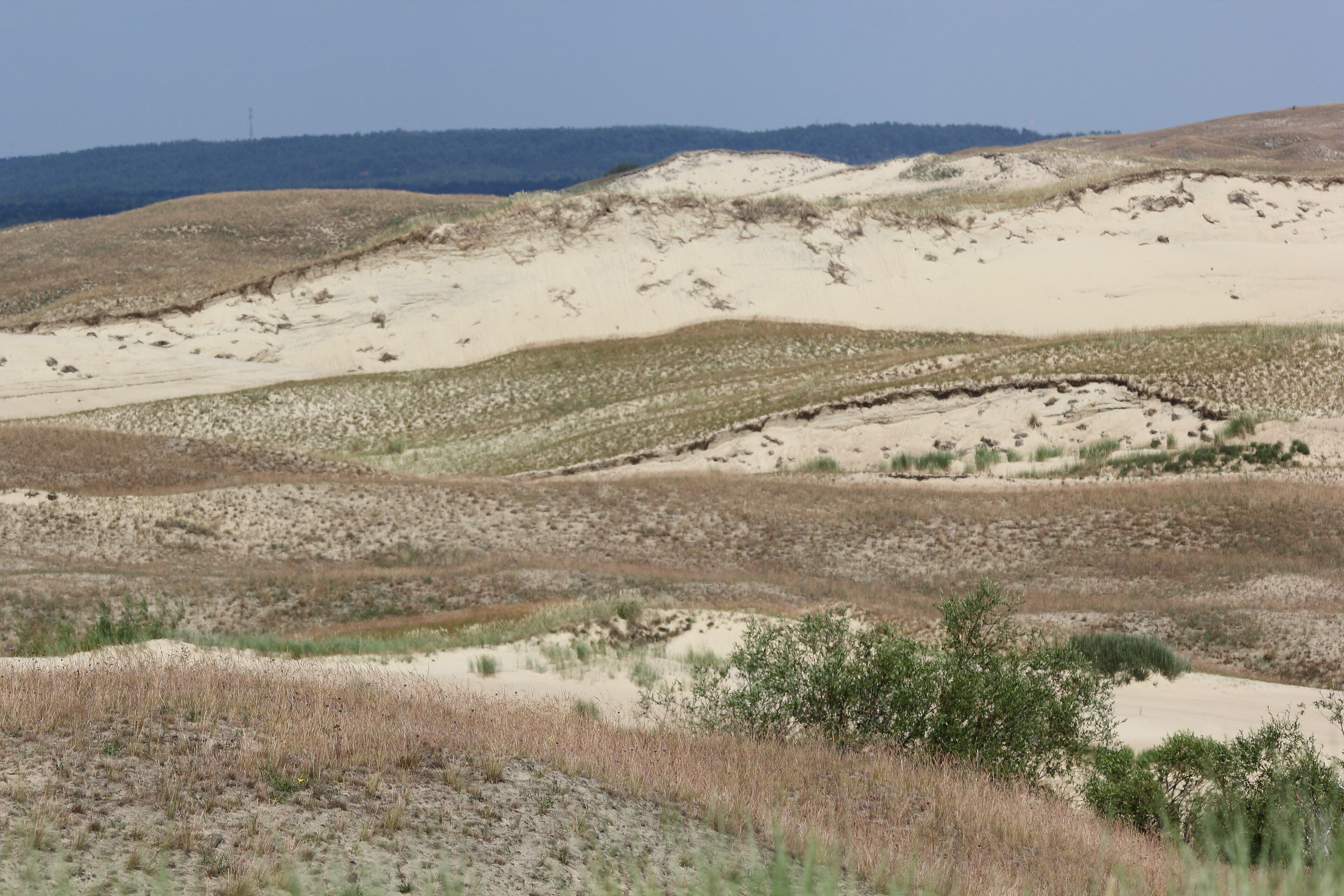
The Curonian Spit
Klaipėda County, western Lithuania, extending into Kaliningrad Oblast