🇩🇪 Natural wonders of Germany
Beyond its cities, Germany is a land of dark forests, glacier-carved alpine lakes, and sandstone rock towers — some of Europe's most varied scenery packed into a compact country.
🗓️ Best time for nature: Late spring to autumn for hiking and lakes; the Bavarian Alps and Black Forest also draw winter snow and skiing.
The lay of the land
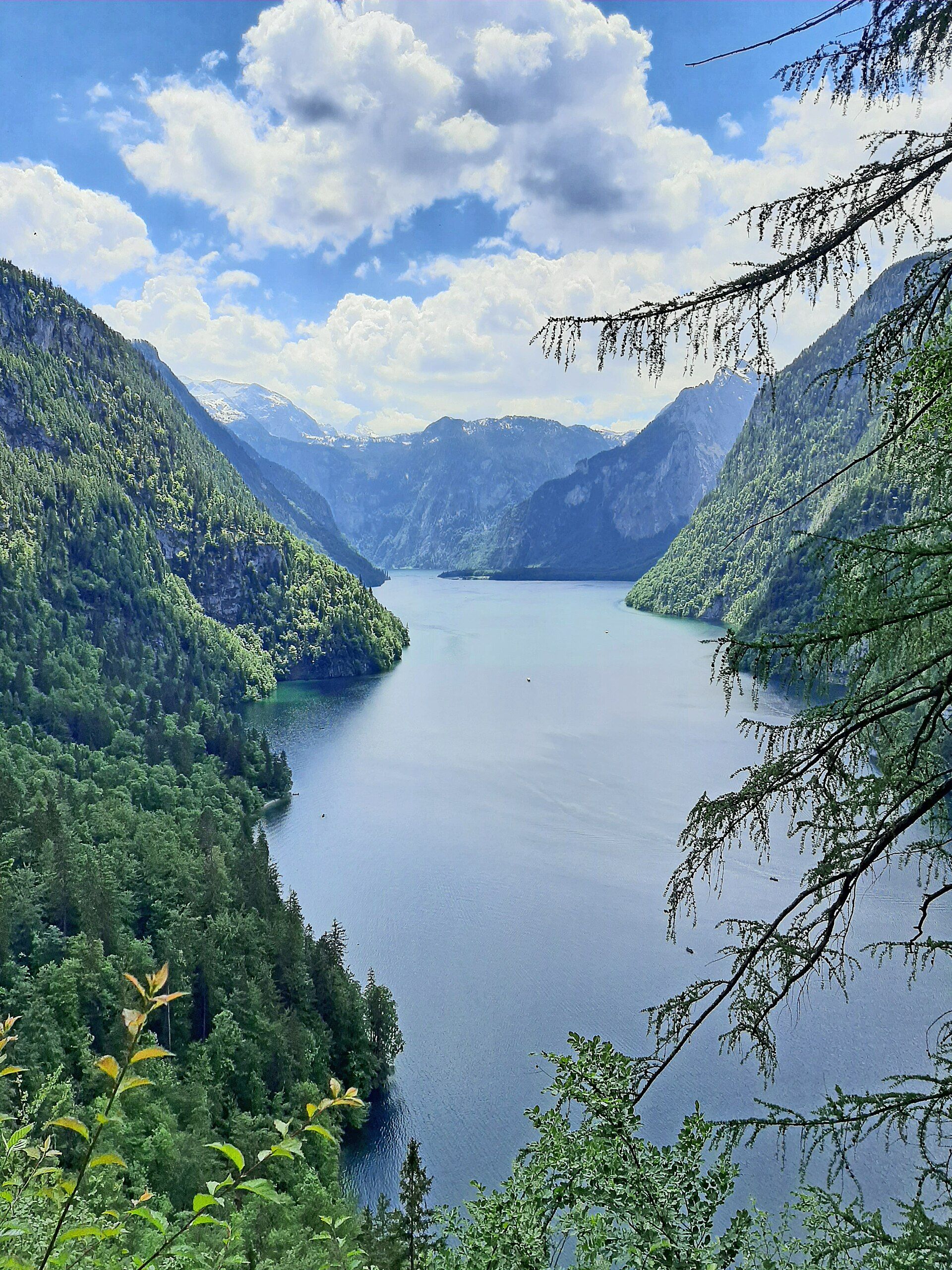
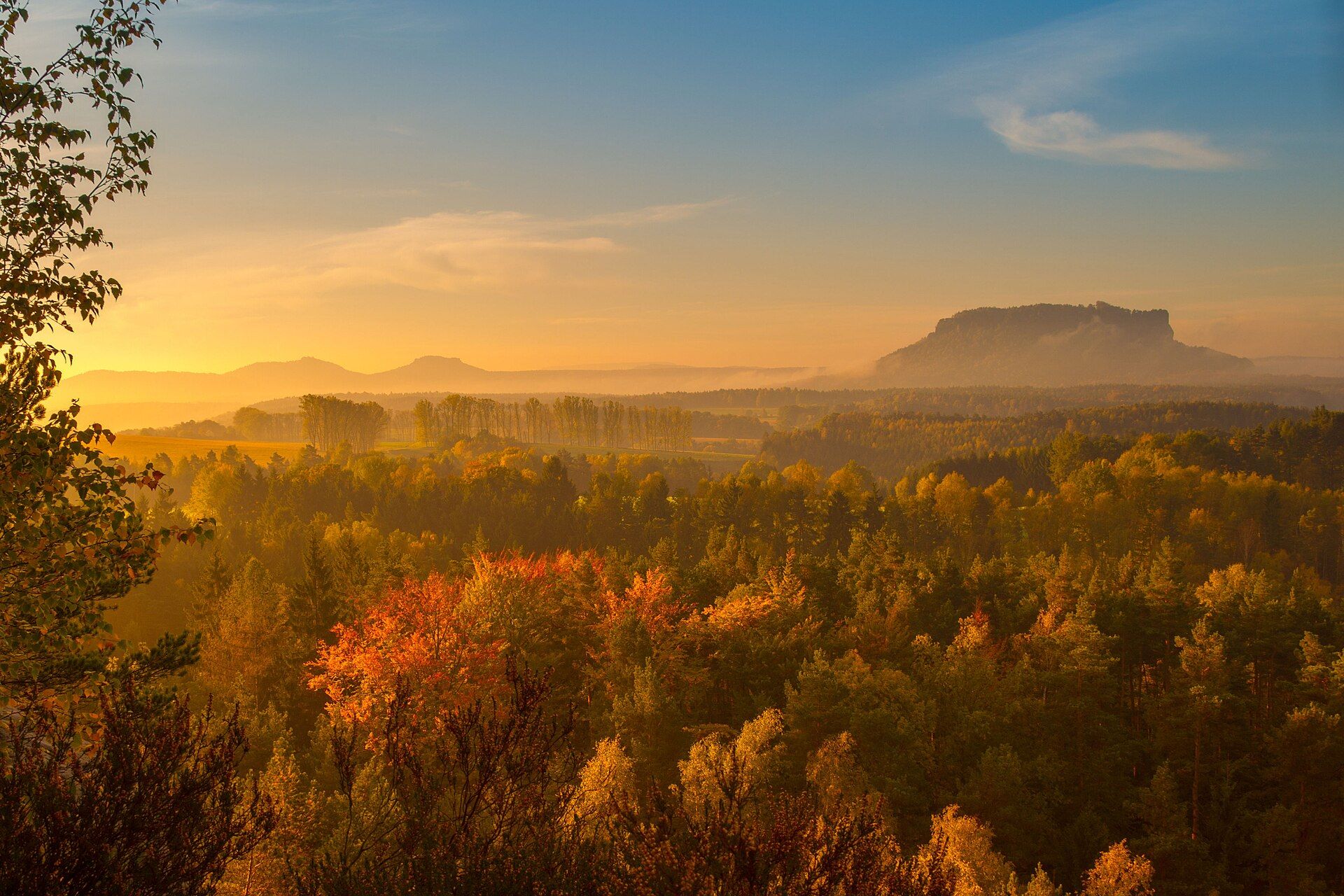
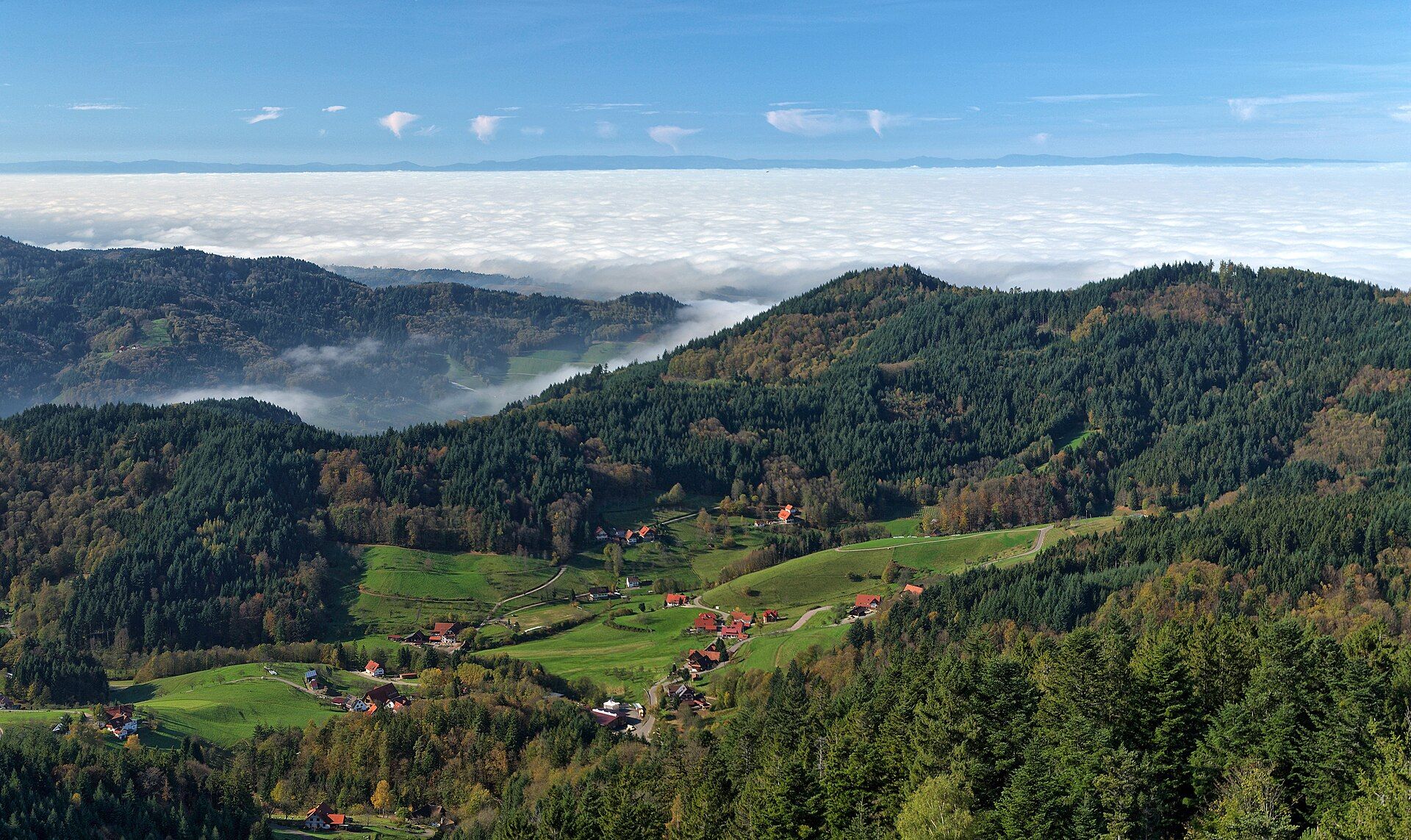
Germany's natural heart lies in its uplands and mountains. In the far south, the Bavarian Alps hold deep, glacier-cut lakes like the Königssee beneath sheer limestone walls. The southwest is dominated by the Black Forest, a vast range of fir-clad hills laced with waterfalls and lakes and the source of the Danube. In the east, the Elbe has carved the sandstone of Saxon Switzerland into a maze of towers and ravines. Rivers, moors, and the Wadden Sea coast fill out a surprisingly wild country.
Where to begin
-
Königssee
A deep emerald alpine lake crossed only by silent electric boats.
-
The Black Forest
Dark fir hills, waterfalls, and mirror lakes — and the source of the Danube.
-
Saxon Switzerland
Sandstone towers and the Bastei bridge above the River Elbe.
A taste of the place
German food is hearty and regional — Black Forest ham and gâteau in the southwest, alpine cheeses and dumplings in Bavaria — and centres on bread, sausages, and a deep beer and wine culture.
Traveling responsibly
- Germany's trains and trails make its nature easy to reach without a car.
- Book alpine boat trips and mountain huts ahead in peak summer.
- Pack for rain and cool shade — forests and mountains stay damp.
Germany’s landscapes are wilder than its reputation suggests. In the Bavarian Alps, the Königssee lies trapped between cliffs; in the southwest, the Black Forest rolls in dark, waterfall-cut ridges; and in the east, the Elbe has sculpted Saxon Switzerland into a forest of stone. This atlas begins Germany’s chapter with those three, with its coasts, moors, and river valleys still to come.
Added Updated
All wonders in Germany
4 places