The Blue Grotto
📍 Isle of Capri, Campania, Italy
A sea cave on the island of Capri where sunlight passing through an underwater opening fills the whole cavern with an unearthly, glowing electric-blue light.
What makes it marvelous
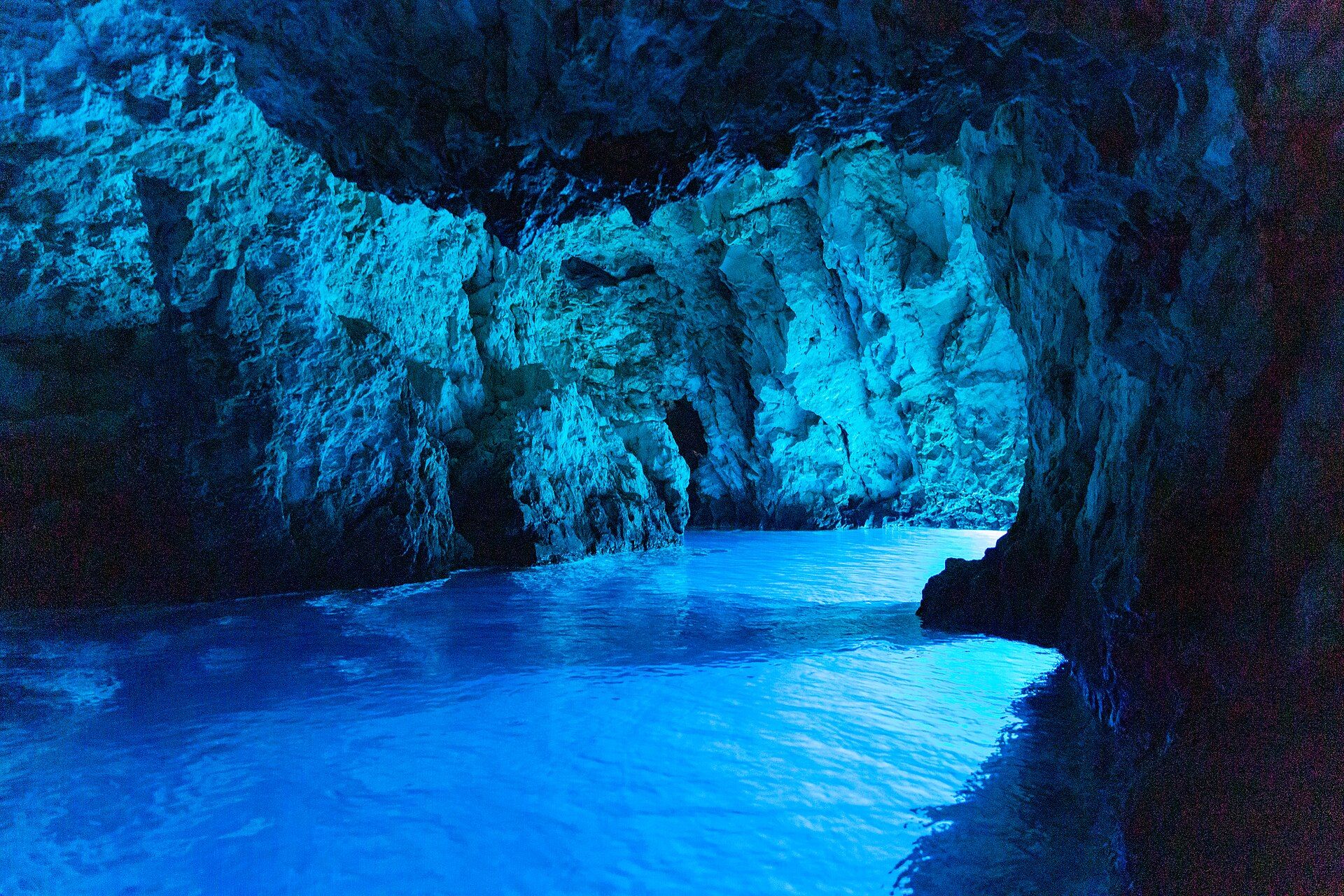
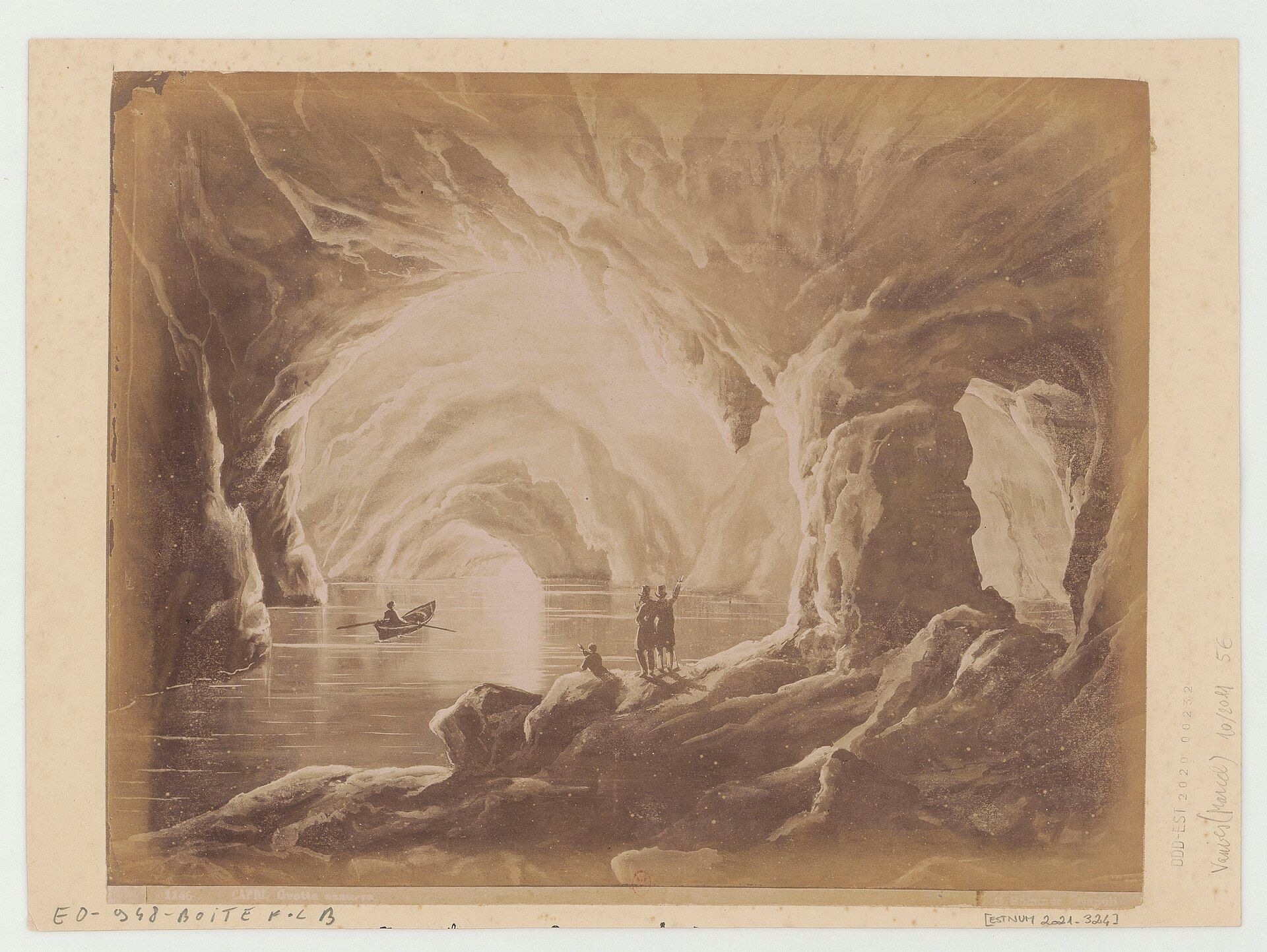
The Blue Grotto, or Grotta Azzurra, is a sea cave in the limestone cliffs of Capri, famous for a natural trick of light. Its visible entrance is tiny — barely a metre high — but a much larger opening lies hidden just below the waterline. Sunlight passes through that submerged gap, is filtered by the seawater so that reds are absorbed, and reflects up off the white sandy floor, flooding the cavern with an intense, luminous blue and making objects in the water shine silver. Known since Roman times, it was rediscovered and made famous in the 19th century.
Why visit
Entering the grotto is an experience in itself: visitors transfer to small rowing boats and lie flat as the boatman pulls the craft through the low entrance on the swell, into a chamber glowing with blue light. It is brief and often busy, but genuinely magical — a reminder of how strange and beautiful a simple play of sunlight and water can be, set on one of the Mediterranean's most celebrated islands.
What to know before you go
🗓️ Best time
Late spring to early autumn for calm seas and reliable access; the light is strongest around midday on a bright, sunny day. The grotto closes whenever the sea is too rough to enter.
🧭 Getting there & access
On the island of Capri, reached by ferry from Naples or Sorrento. The grotto is visited by boat from Capri's Marina Grande or by road to a jetty above it, then transfer to a small rowing boat to enter.
Good to know
- Go on a calm, sunny day near midday for the brightest blue and to be sure it's open.
- Expect queues and a quick visit; the light, not the time inside, is the point.
- Confirm sea conditions before travelling — the cave closes in any swell.
Plan your visit
Easy🧭 Getting there
From Naples (NAP), Campania, Italy
- Fly to Naples
- Ferry or hydrofoil to Capri from Naples or Sorrento
- Boat from Marina Grande, or road and stairs to the jetty, then a rowing boat inside
- Total travel
- A day trip from Naples or Sorrento
- Time at site
- A short visit inside; allow time for queues and the boat transfer
- Access
- Entry is by small rowing boat only, with a fee for the boat and admission, and it closes whenever the sea is rough — so access is weather-dependent and often queued. Confirm conditions before setting out.
🎒 What to bring & consider
- A check of the day's sea conditions before travelling
- Patience for queues and a brief visit
- Sun protection and water for the wait
- Cash for the boat and entry fees
👁️ What to expect
- Crowds
- Very popular and often queued in summer; the visit inside is quick, and busy days mean waiting.
- Conditions
- A short, low-clearance boat entry on the swell; the sea must be calm for the cave to open.
- Facilities
- Boats and ticketing at the entrance; full services on Capri itself.
- The view
- The glowing blue water and silhouetted entrance from inside the cave. Bright midday sun on a calm sea gives the strongest colour.
Times and requirements are approximate and change with season, weather, and local rules — confirm permits, fares, and schedules with operators before you travel.
Natural riches of the area
- A limestone sea cave with a submerged entrance
- An optical effect that turns the water electric blue
- Clear, life-rich Mediterranean coastal waters
- The dramatic cliff coastline of Capri
Local food
- Insalata caprese
- Mozzarella, tomato, and basil — the salad named for the island of Capri.
- Limoncello
- A bright lemon liqueur made from the region’s fragrant lemons.
The Blue Grotto is one of the Mediterranean’s most magical natural sights — a sea cave on the island of Capri that glows with an intense, otherworldly blue. The secret lies in the light: while the visible entrance is barely a metre high, a much larger opening sits hidden just below the surface, and sunlight streaming through it is filtered by the seawater, which absorbs the warm colours and reflects a pure, luminous blue up off the pale sandy floor. Anything in the water seems to shine silver. The Romans knew and used the cave; the wider world rediscovered it in the 19th century, and it has drawn visitors ever since.
Getting inside is part of the experience. Because the entrance is so low, visitors transfer into small rowing boats and lie flat while the boatman times the swell and pulls the craft through the gap into the glowing chamber. The visit is brief and, in summer, often busy — but the sight of a cavern lit electric blue by nothing more than sunlight and seawater is unforgettable, and a fitting wonder for one of Italy’s most famous islands.
The Blue Grotto: common questions
How do you get to The Blue Grotto?
From Naples (NAP), Campania, Italy: Fly to Naples; Ferry or hydrofoil to Capri from Naples or Sorrento; Boat from Marina Grande, or road and stairs to the jetty, then a rowing boat inside. Total travel time: A day trip from Naples or Sorrento.
When is the best time to visit The Blue Grotto?
Late spring to early autumn for calm seas and reliable access; the light is strongest around midday on a bright, sunny day. The grotto closes whenever the sea is too rough to enter.
How long should you spend at The Blue Grotto?
A short visit inside; allow time for queues and the boat transfer. Total travel time: A day trip from Naples or Sorrento.
What should you bring to The Blue Grotto?
A check of the day's sea conditions before travelling Patience for queues and a brief visit Sun protection and water for the wait Cash for the boat and entry fees
Do you need a permit or guide for The Blue Grotto?
Entry is by small rowing boat only, with a fee for the boat and admission, and it closes whenever the sea is rough — so access is weather-dependent and often queued. Confirm conditions before setting out.
Is The Blue Grotto crowded, and what are conditions like?
Very popular and often queued in summer; the visit inside is quick, and busy days mean waiting. A short, low-clearance boat entry on the swell; the sea must be calm for the cave to open. Facilities: Boats and ticketing at the entrance; full services on Capri itself.
Added