Connemara National Park
📍 County Galway, Ireland
A compact wilderness on Ireland's rugged west coast — bog, heath and quartzite mountains of the Twelve Bens, where Connemara ponies graze and boardwalk trails climb Diamond Hill for sweeping Atlantic views.
What makes it marvelous
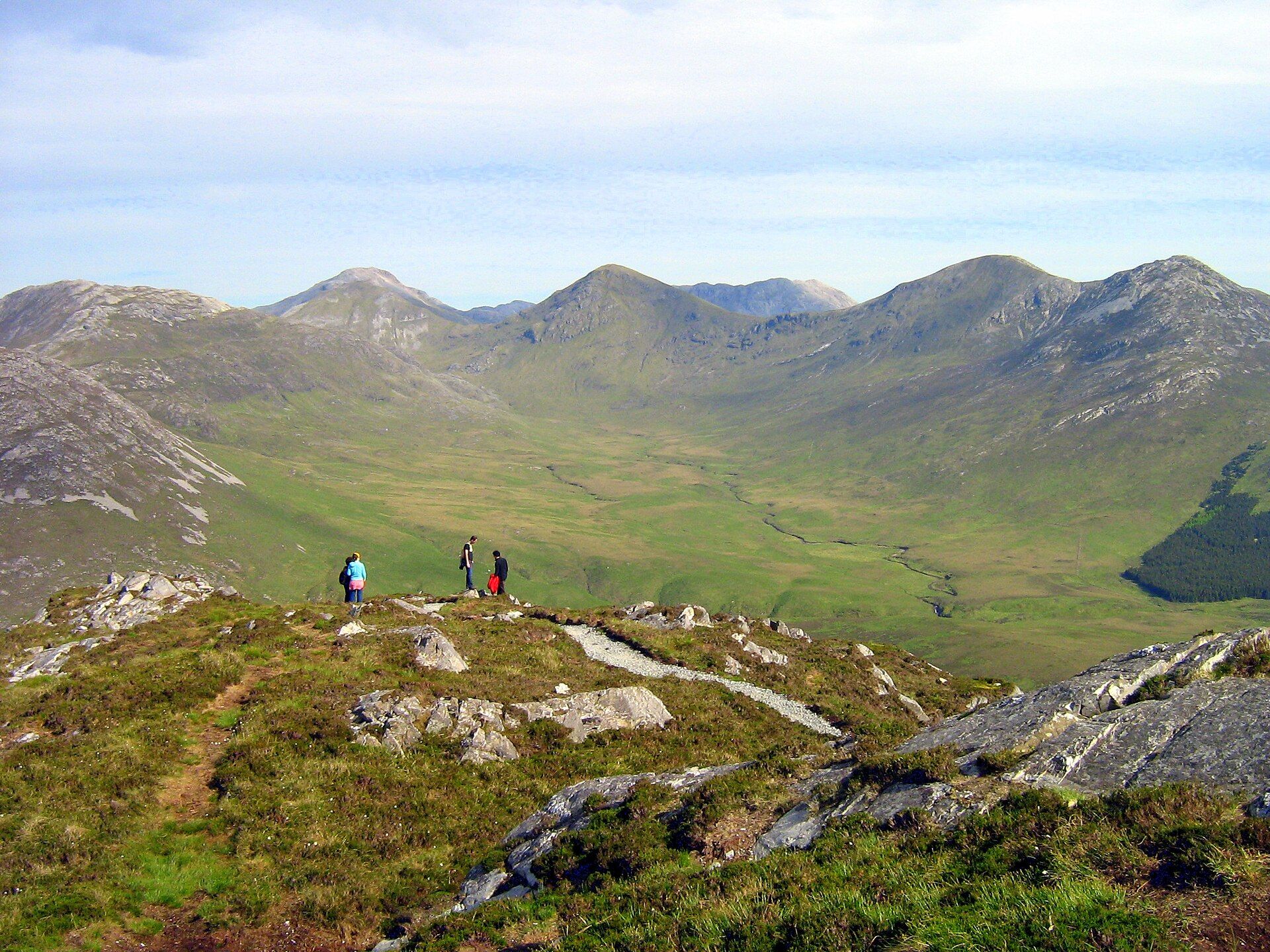
Connemara National Park protects a wild slice of County Galway where the pale quartzite peaks of the Twelve Bens rise above vast blankets of peat bog and heath. Though small — around 20 square kilometres — it distils the character of the whole Connemara region: mountains scraped bare by glaciers, acidic bog laid down over thousands of years, and grasslands grazed by the hardy native Connemara pony. Purple moor grass and heather colour the hills, red deer move through the high ground, and the peat holds a record of the landscape's history reaching back to the first farmers. A sea cliff or two mark where the land meets the Atlantic.
Why visit
The park is a perfect introduction to Connemara's wild beauty, with well-built walking trails for every level. The climb up Diamond Hill on boardwalk and stone paths is one of the finest short mountain walks in Ireland, opening views over the Bens, the bog and out to the islands and inlets of the Atlantic coast. Below, easy loops wander through bog and woodland from the visitor centre at Letterfrack.
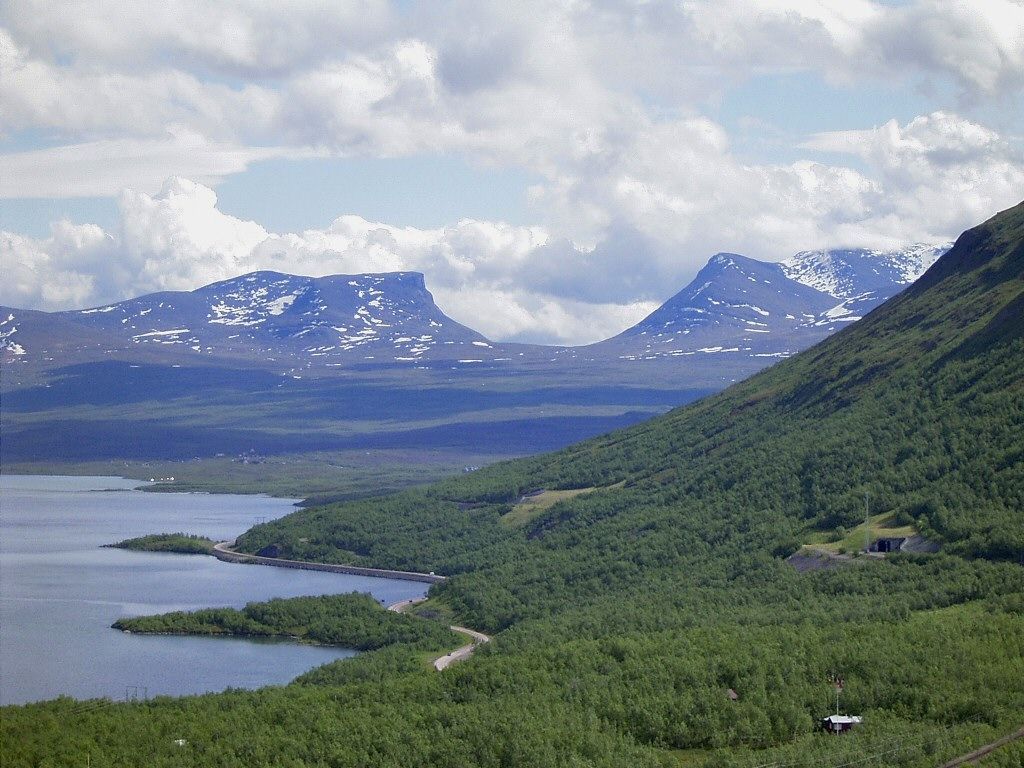
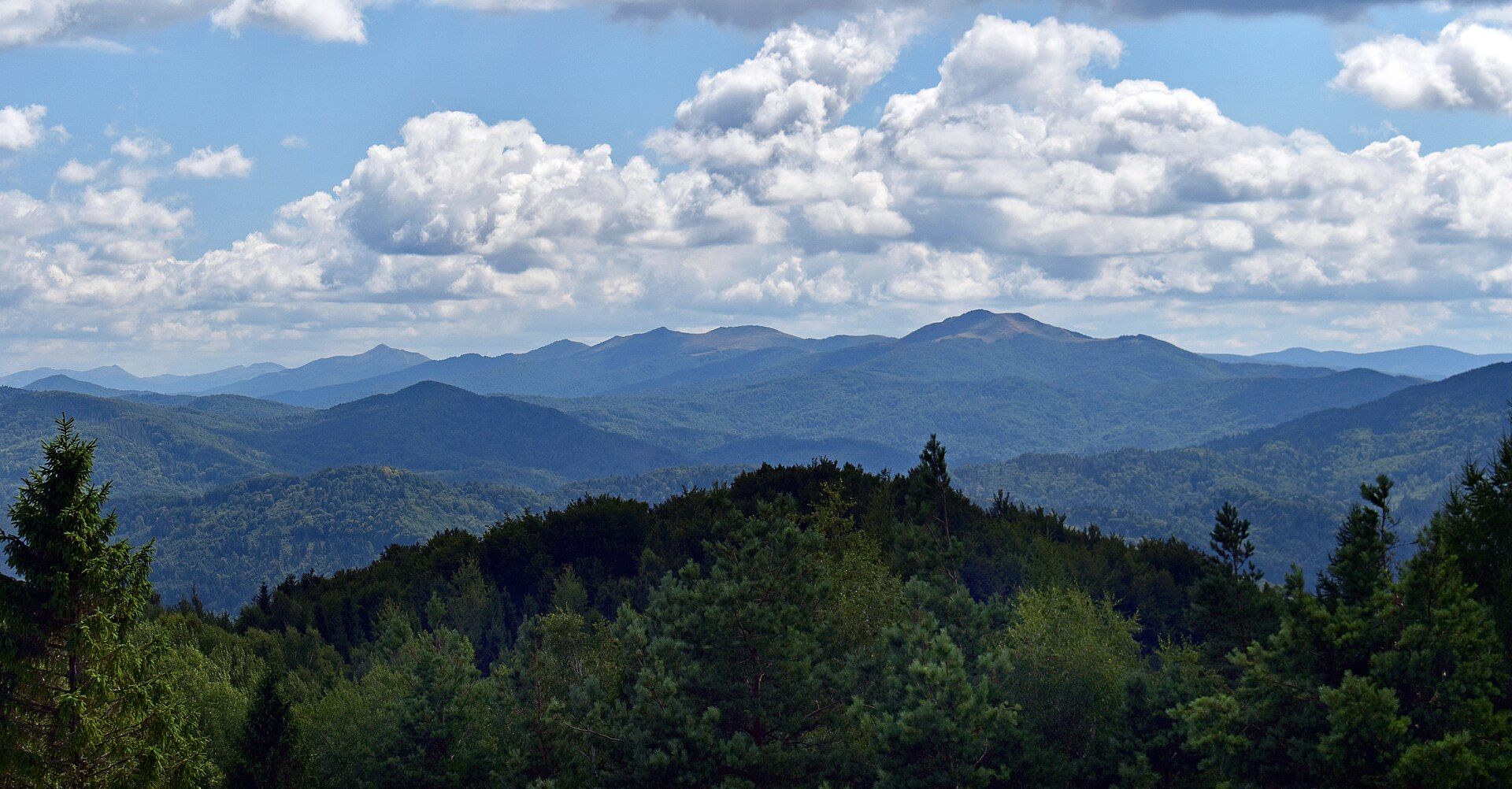
More views of Connemara National Park
Additional photographs of the actual site — each freely licensed, with its photographer and licence credited.
What to know before you go
🗓️ Best time
Late spring to autumn is best, when the trails are driest and the heather blooms purple in August; the west of Ireland is wet year-round, so pack for rain any season.
🧭 Getting there & access
Reached by road from Galway city to the park's visitor centre at Letterfrack, on the edge of the Twelve Bens and near the Connemara coast.
Good to know
- The upper Diamond Hill trail is exposed and rocky — wear proper boots and check the weather.
- Bog and mountain weather changes fast; carry waterproofs and warm layers even in summer.
- Start at the Letterfrack visitor centre for trail maps and the day's conditions.
Plan your visit
Moderate🧭 Getting there
From Galway, via Shannon (airport SNN)
- Drive from Galway city west into Connemara to Letterfrack, roughly 1h15–1h30
- Start at the park visitor centre and choose a trail, from bog loops to the Diamond Hill climb
- Total travel
- A day trip from Galway, or a base in Connemara
- Time at site
- Two to four hours; longer to combine trails
- Access
- Free open access to the park and its trails; the visitor centre and parking are at Letterfrack.
🎒 What to bring & consider
- Waterproof boots for boggy, rocky ground
- Rain jacket and warm layers for exposed heights
- Water and a snack; facilities are only at the centre
- A map, as cloud can hide the upper trail
👁️ What to expect
- Crowds
- Diamond Hill is popular in summer; the lower bog loops stay quiet.
- Conditions
- Boardwalk and stone paths give way to steep, rocky, exposed ground higher up.
- Facilities
- Visitor centre, café, toilets and parking at Letterfrack; nothing on the trails.
- The view
- The Twelve Bens and the bog from the summit ridge of Diamond Hill.
Times and requirements are approximate and change with season, weather, and local rules — confirm permits, fares, and schedules with operators before you travel.
Natural riches of the area
- Quartzite peaks of the Twelve Bens
- Vast blanket peat bog and heath
- The native Connemara pony and red deer
- Atlantic coastline and sea cliffs nearby
Local food
- Connemara lamb
- Hill-grazed lamb raised on the heather and bog pasture.
- Atlantic oysters
- Native and rock oysters from the bays of the Connemara coast.
- Brown bread
- Wholemeal soda bread served with seafood and butter.
Connemara National Park protects a wild and windswept corner of County Galway, on Ireland’s rugged Atlantic west. It is a small park — only about 20 square kilometres — but it captures the whole spirit of Connemara: the pale, scree-streaked quartzite peaks of the Twelve Bens rising above enormous blankets of peat bog, heather and mountain grassland, scraped and shaped by the glaciers of the last ice age.
For all its modest size, the park brims with life and history. The hardy native Connemara pony grazes its slopes, red deer move across the high ground, and the deep peat bogs — built up over thousands of years — preserve pollen and timber that record how the land changed as the first farmers cleared its ancient forests. Purple moor grass and heather wash the hills with colour, and the damp Atlantic air keeps everything a vivid, saturated green.
Most visitors come to walk. From the visitor centre at Letterfrack, gentle loops wander through bog and woodland, while the highlight is the climb up Diamond Hill on a superbly built path of boardwalk and stone. It is one of the best short mountain walks in the country, and from the top the reward is a sweeping panorama over the Twelve Bens, the patchwork bog and the island-strewn Atlantic coast — the essence of Connemara, laid out in a single view.
Connemara National Park: common questions
How do you get to Connemara National Park?
From Galway, via Shannon (airport SNN): Drive from Galway city west into Connemara to Letterfrack, roughly 1h15–1h30; Start at the park visitor centre and choose a trail, from bog loops to the Diamond Hill climb. Total travel time: A day trip from Galway, or a base in Connemara.
When is the best time to visit Connemara National Park?
Late spring to autumn is best, when the trails are driest and the heather blooms purple in August; the west of Ireland is wet year-round, so pack for rain any season.
How long should you spend at Connemara National Park?
Two to four hours; longer to combine trails. Total travel time: A day trip from Galway, or a base in Connemara.
What should you bring to Connemara National Park?
Waterproof boots for boggy, rocky ground Rain jacket and warm layers for exposed heights Water and a snack; facilities are only at the centre A map, as cloud can hide the upper trail
Do you need a permit or guide for Connemara National Park?
Free open access to the park and its trails; the visitor centre and parking are at Letterfrack.
Is Connemara National Park crowded, and what are conditions like?
Diamond Hill is popular in summer; the lower bog loops stay quiet. Boardwalk and stone paths give way to steep, rocky, exposed ground higher up. Facilities: Visitor centre, café, toilets and parking at Letterfrack; nothing on the trails.
Added
More wonders to explore