Martvili Canyon
📍 Samegrelo, western Georgia
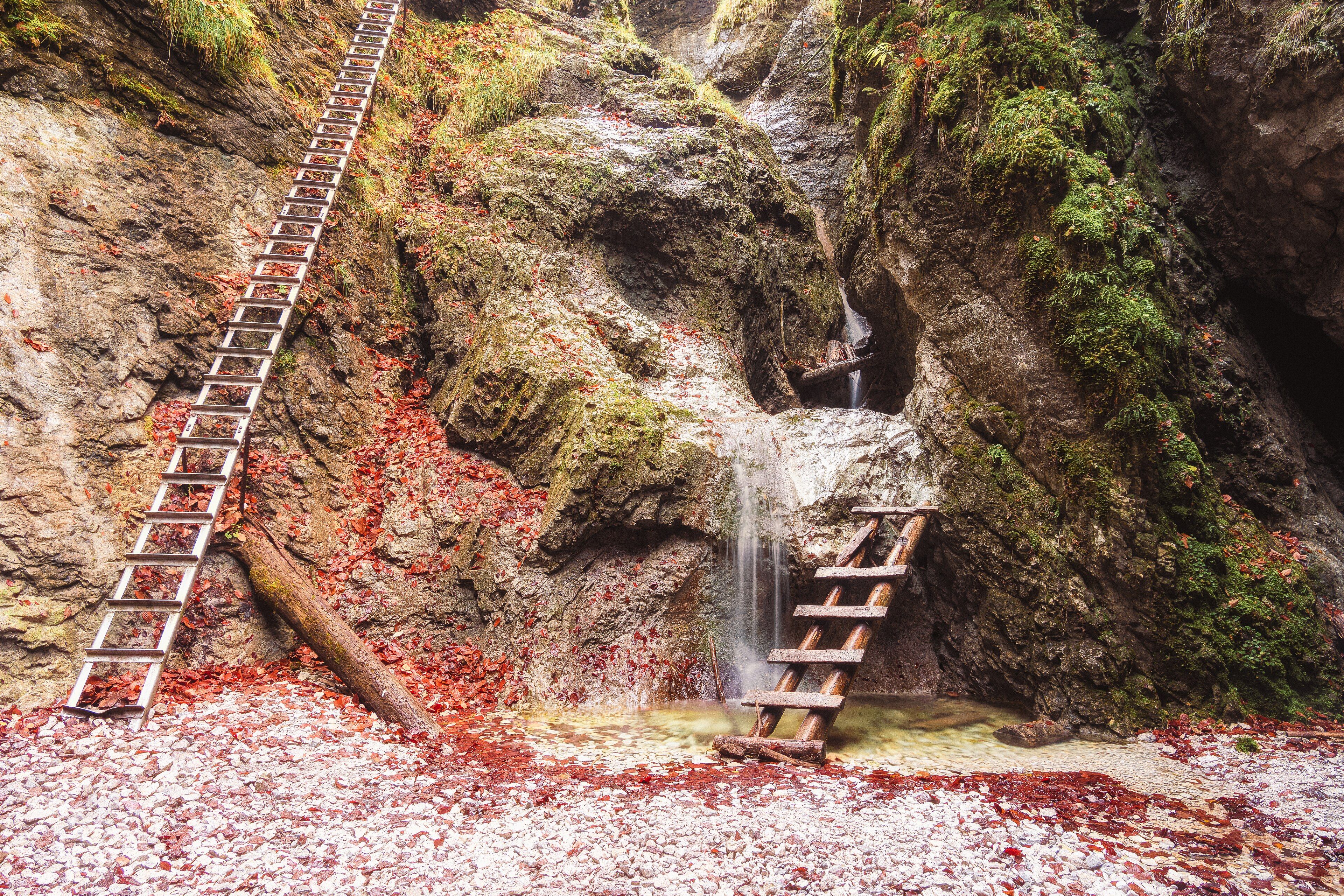
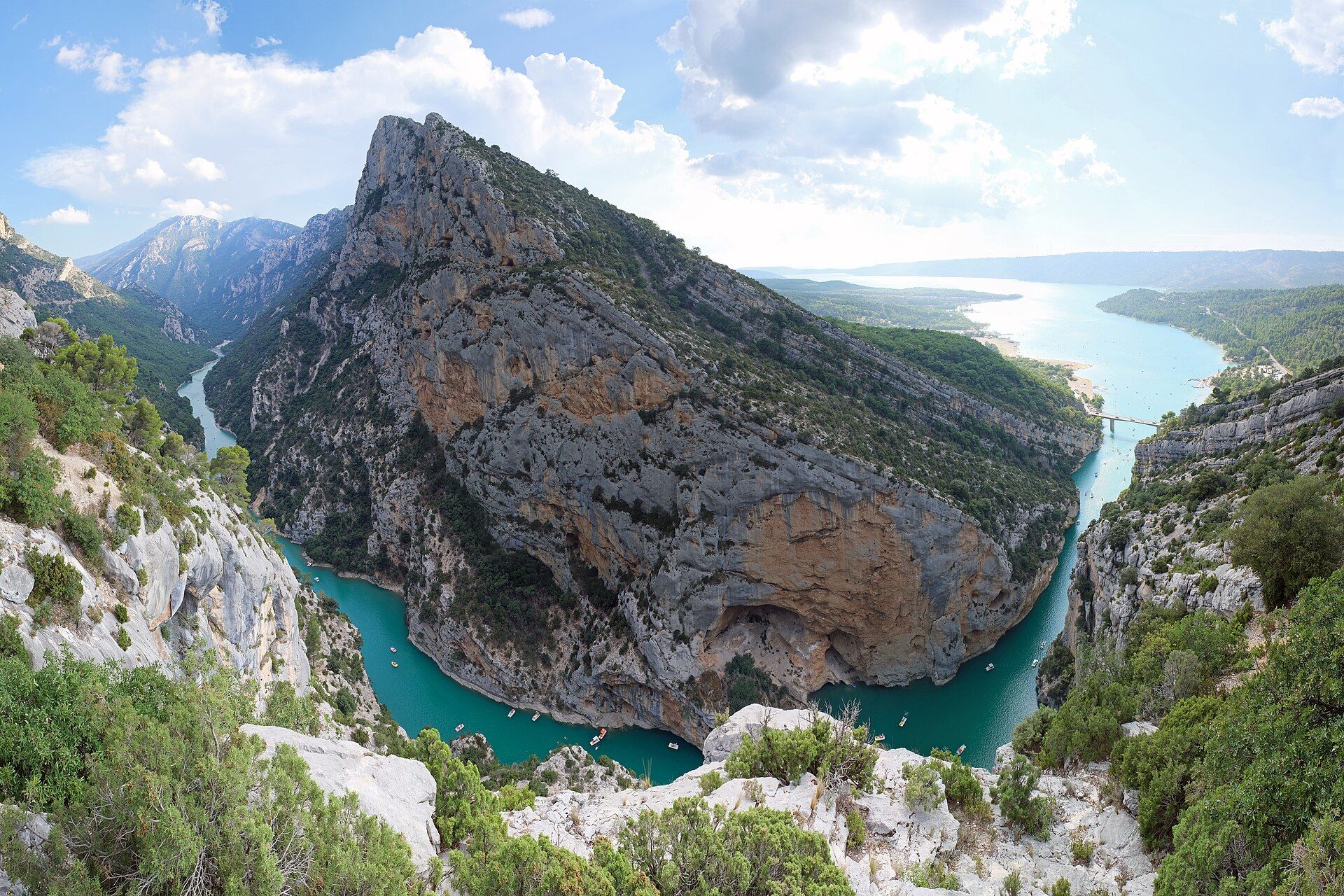
A narrow limestone canyon in western Georgia where a turquoise river winds between sheer mossy walls, past small waterfalls — once the private bathing place of Georgian nobles.
What makes it marvelous
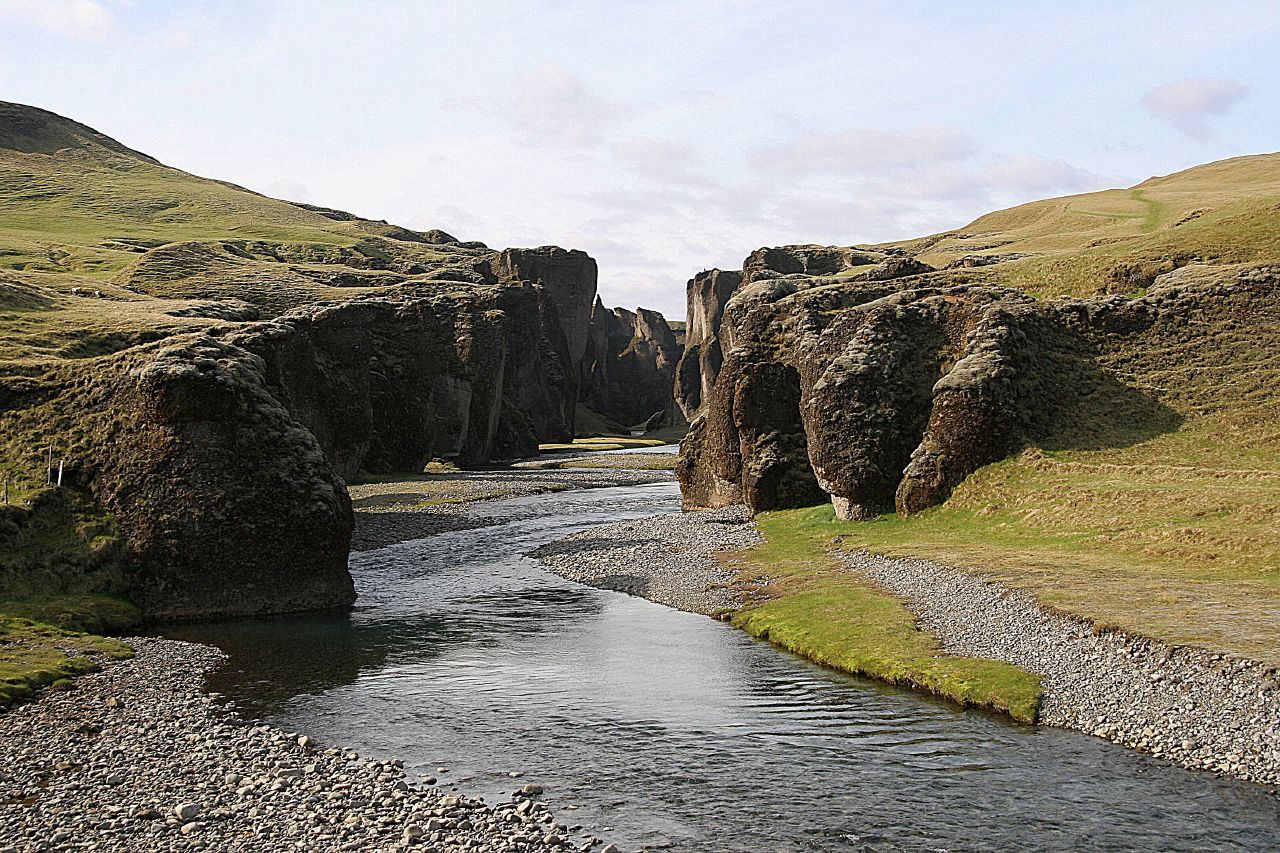
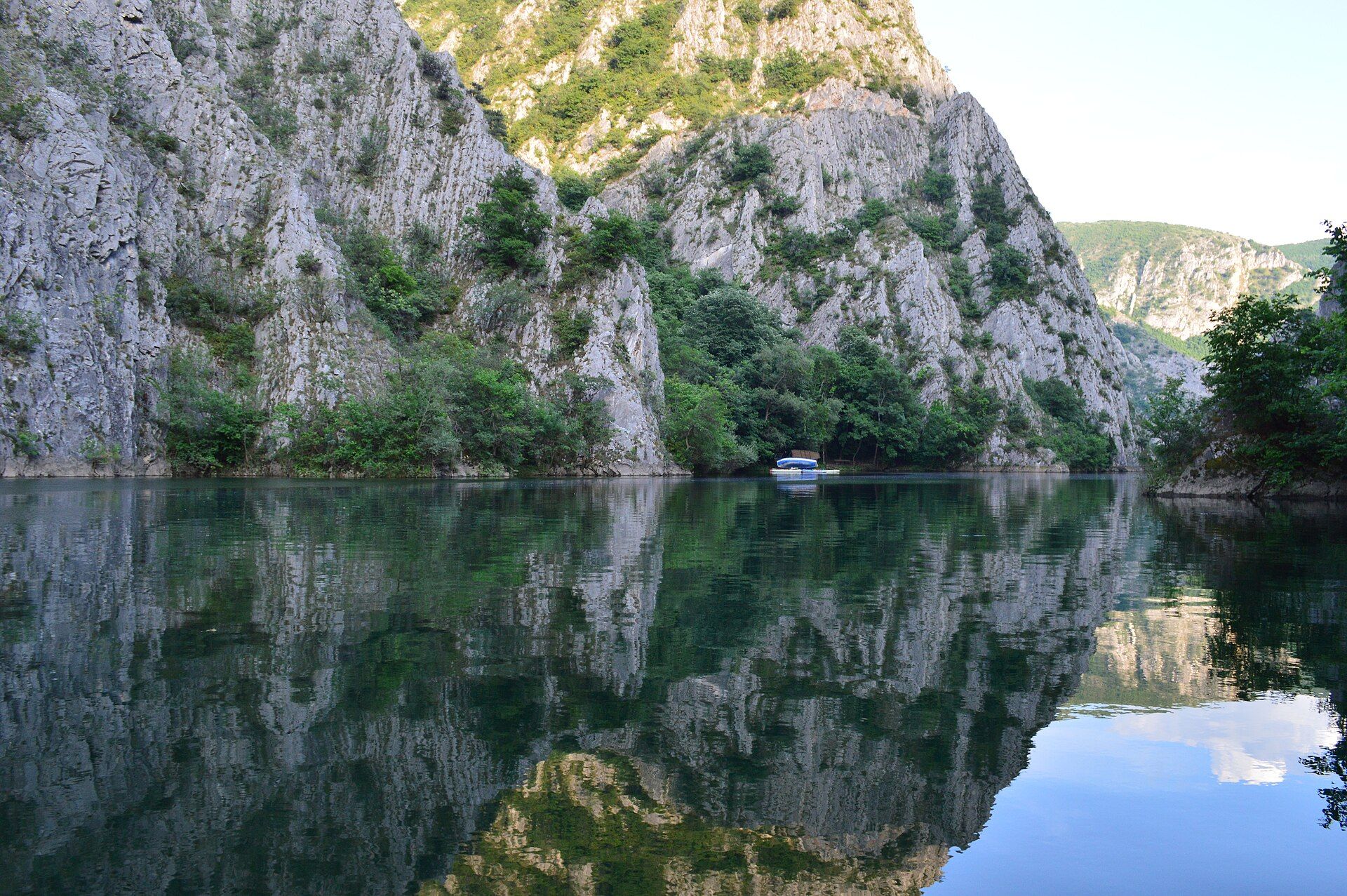
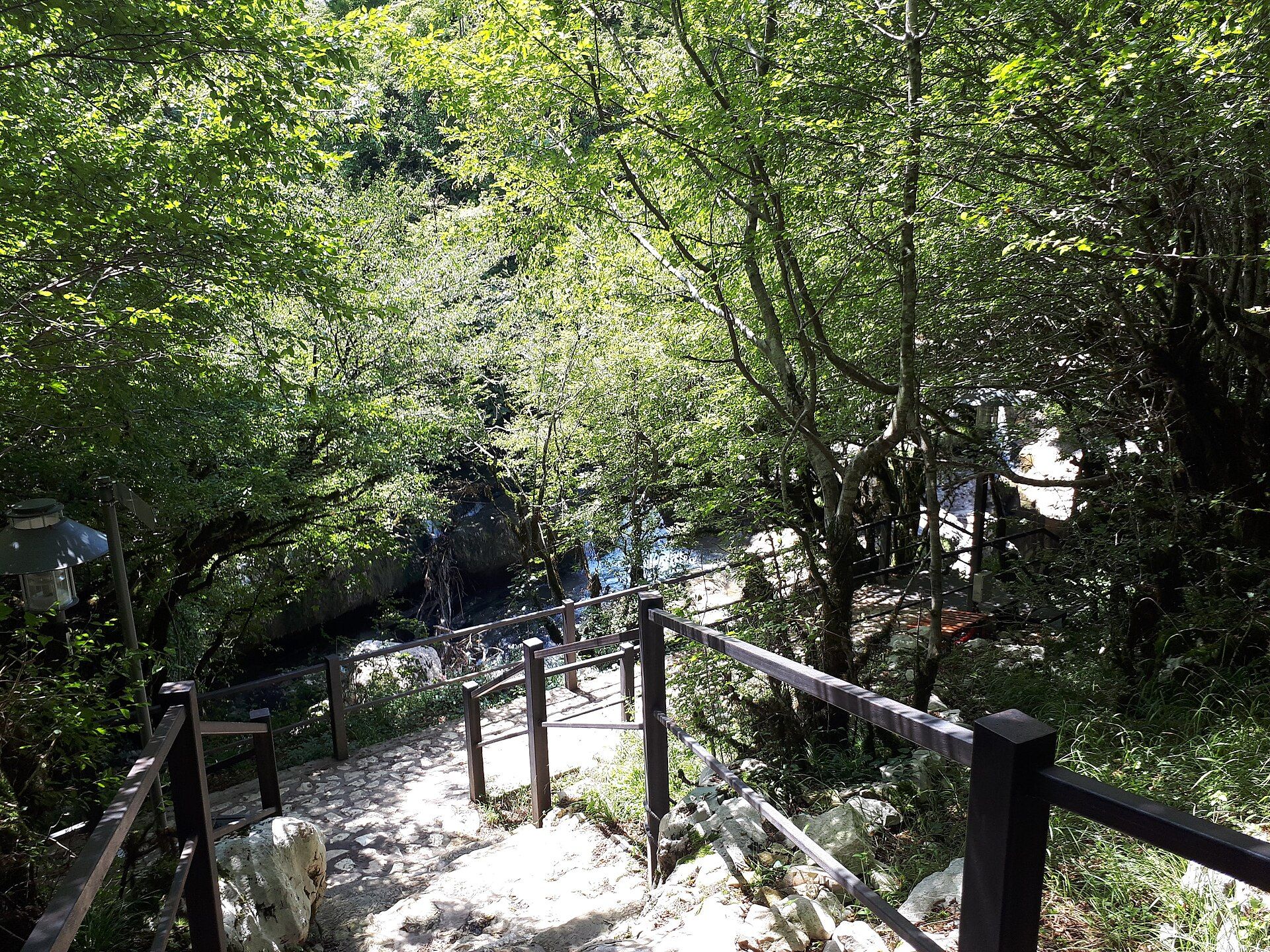
The Abasha River has cut Martvili Canyon deep into the limestone of western Georgia, leaving smooth, sculpted walls draped in moss and greenery above water of an intense turquoise. Small waterfalls spill into the gorge, and the soft rock has been polished by the current into flowing shapes. Fossils and even dinosaur footprints have been found in the surrounding stone, and in the 19th century the Dadiani noble family used the canyon as a private bathing spot.
Why visit
Drifting through the narrow gorge on a small inflatable boat, gliding under overhanging cliffs and past waterfalls with the turquoise water below, is a serene and beautiful experience. Walkways and viewpoints follow the canyon rim for those who prefer to stay dry, and the lush, green, almost tropical feel of the place is a striking contrast to Georgia's high mountains.
What to know before you go
🗓️ Best time
Spring to autumn (roughly April–October) for the greenest gorge and pleasant boating; the water is highest and the canyon lushest in spring.
🧭 Getting there & access
Near the town of Martvili in western Georgia, a few hours by road from Kutaisi or Zugdidi. A ticketed natural site with a walkway along the canyon and short boat trips on the river below.
Good to know
- Take the short boat trip for the best views from water level.
- Wear shoes with grip; the walkways and steps can be damp and slick.
- Combine it with nearby Okatse Canyon and Kutaisi's caves for a full day.
Plan your visit
Easy🧭 Getting there
From Kutaisi (KUT), western Georgia
- Fly to Kutaisi, or drive from Tbilisi (a longer journey)
- Road to the town of Martvili — roughly 1h30 from Kutaisi
- Short walk to the canyon entrance, walkway, and boat launch
- Total travel
- A half-day trip from Kutaisi
- Time at site
- 1–2 hours for the walkway and boat trip
- Access
- A ticketed natural monument with an entry fee; the boat trip is a small extra charge and seasonal, depending on water levels. Walkways can close after heavy rain or high water.
🎒 What to bring & consider
- Grippy shoes for damp walkways and steps
- A light layer; the gorge stays cool
- A dry bag if you take the boat and it splashes
- Cash for entry and the boat ride
👁️ What to expect
- Crowds
- Popular with day-trippers from Kutaisi, busiest midday; mornings are quieter.
- Conditions
- An easy rim walkway with steps, plus a short, gentle boat ride on turquoise water.
- Facilities
- Ticket office, café, and toilets at the entrance; guides and boats on site.
- The view
- The turquoise river curving between green canyon walls, or a boat gliding beneath an overhang. Soft light and spring greenery are best.
Times and requirements are approximate and change with season, weather, and local rules — confirm permits, fares, and schedules with operators before you travel.
Natural riches of the area
- A limestone river canyon with turquoise water
- Small waterfalls and moss-draped, sculpted rock walls
- Fossils and ancient footprints in the surrounding stone
- Lush riverine forest and cool microclimate
Local food
- Elarji
- A stretchy Megrelian dish of cornmeal cooked with cheese.
- Megrelian khachapuri
- The extra-cheesy western-Georgian version of the classic cheese bread.
Martvili Canyon is one of the loveliest corners of green, watery western Georgia. Over long ages the Abasha River has sliced down through limestone to form a narrow gorge, its walls smoothed and sculpted by the current and softened by a thick coat of moss and ferns, with small waterfalls spilling in from the sides. The water itself runs an intense turquoise, and the surrounding stone holds fossils and even ancient footprints — a hint of the deep time locked in the rock.
The classic way to experience it is from the water, drifting on a small boat beneath overhanging cliffs and past the falls with the turquoise river all around. Those who prefer dry land can follow walkways and viewpoints along the canyon. Once the private bathing place of the noble Dadiani family, and now a protected natural monument, Martvili offers a lush, serene contrast to the high peaks of the Caucasus, and pairs well with the caves and canyons nearby.
Martvili Canyon: common questions
How do you get to Martvili Canyon?
From Kutaisi (KUT), western Georgia: Fly to Kutaisi, or drive from Tbilisi (a longer journey); Road to the town of Martvili — roughly 1h30 from Kutaisi; Short walk to the canyon entrance, walkway, and boat launch. Total travel time: A half-day trip from Kutaisi.
When is the best time to visit Martvili Canyon?
Spring to autumn (roughly April–October) for the greenest gorge and pleasant boating; the water is highest and the canyon lushest in spring.
How long should you spend at Martvili Canyon?
1–2 hours for the walkway and boat trip. Total travel time: A half-day trip from Kutaisi.
What should you bring to Martvili Canyon?
Grippy shoes for damp walkways and steps A light layer; the gorge stays cool A dry bag if you take the boat and it splashes Cash for entry and the boat ride
Do you need a permit or guide for Martvili Canyon?
A ticketed natural monument with an entry fee; the boat trip is a small extra charge and seasonal, depending on water levels. Walkways can close after heavy rain or high water.
Is Martvili Canyon crowded, and what are conditions like?
Popular with day-trippers from Kutaisi, busiest midday; mornings are quieter. An easy rim walkway with steps, plus a short, gentle boat ride on turquoise water. Facilities: Ticket office, café, and toilets at the entrance; guides and boats on site.
Added
More wonders to explore