Lake Ohrid
📍 Southwestern North Macedonia, on the border with Albania
One of the oldest lakes in the world — deep, clear water on the North Macedonia–Albania border, home to more than 200 species found nowhere else.
What makes it marvelous
Lake Ohrid's oldest sediments may be 3–5 million years old, making it one of the oldest lakes on Earth. It covers 358 km² at 693 m above sea level and reaches 288 m deep, fed largely by underground springs, with water clear to as much as 22 m. That long isolation has produced more than 200 endemic species. About 69% of the lake lies in North Macedonia and 31% in Albania.
Why visit
Swim, boat and walk along a shore framed by the mountains of Galičica National Park, and look into water so clear you can see far below the surface. The North Macedonian side has been a UNESCO World Heritage natural site since 1979.
What to know before you go
🗓️ Best time
June to September for swimming and boat trips; spring and autumn are quieter.
🧭 Getting there & access
The town of Ohrid sits on the northeastern shore. Part of the lakeside lies within Galičica National Park, which separates Lake Ohrid from Lake Prespa.
Good to know
- Take a boat along the shore to see the water's clarity.
- Drive or hike into Galičica National Park for views over the lake.
- Visit in early summer or September to avoid peak crowds.
Plan your visit
Easy🧭 Getting there
From Ohrid, North Macedonia
- Fly to Ohrid, or travel by road from Skopje
- Base yourself in Ohrid town on the northeastern shore
- Explore the shore by boat and the Galičica mountains by road or on foot
- Total travel
- A few hours by road from Skopje
- Time at site
- 2–3 days
- Access
- The lake is open to the public; Galičica National Park has its own entry arrangements and roads.
🎒 What to bring & consider
- Swimwear
- Walking shoes for Galičica
- Sun protection in summer
👁️ What to expect
- Crowds
- Busy in July and August; quiet outside summer.
- Conditions
- Warm summers, cool winters; the lake water stays cool.
- Facilities
- Plenty of hotels, restaurants and boat operators in Ohrid town.
- The view
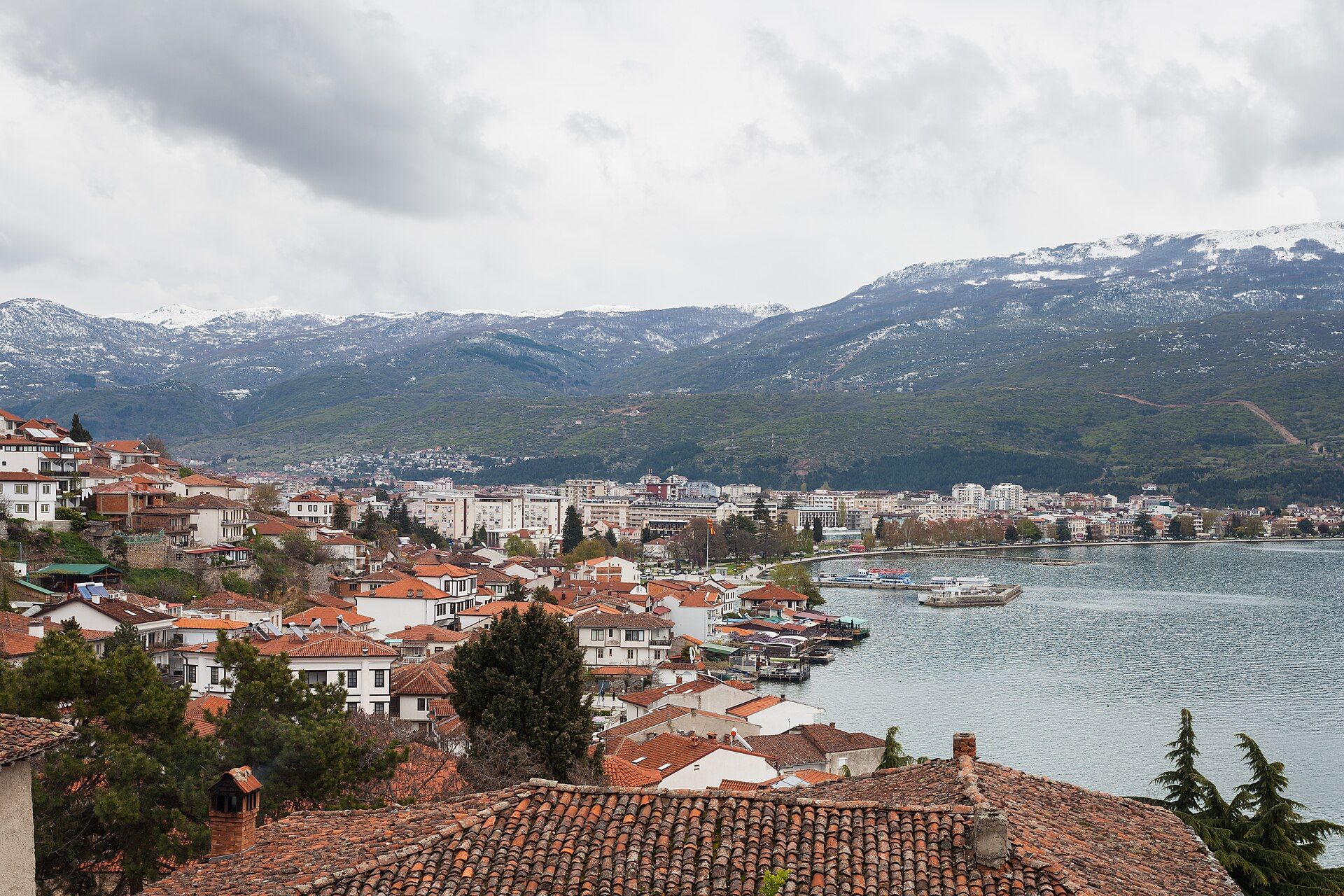
- The lake and the snow-dusted Galičica range from the hills above Ohrid.
Times and requirements are approximate and change with season, weather, and local rules — confirm permits, fares, and schedules with operators before you travel.
Natural riches of the area
- One of the world's oldest lakes
- Water clear to as much as 22 m
- More than 200 endemic species
- Galičica National Park on its eastern shore
Local food
- Ohrid trout
- The lake's best-known fish, found naturally nowhere else.
- Tavče gravče
- Baked beans in a clay dish — North Macedonia's national dish.
Lake Ohrid is ancient water. Its oldest sediments may date back 3 to 5 million years, making it one of the oldest lakes in the world, and over that time it has become home to more than 200 species found nowhere else. It covers 358 km² on the border of North Macedonia and Albania — about two-thirds on the North Macedonian side — and reaches 288 m deep.
Much of its water arrives from underground springs, and the result is famously clear: visibility can reach 22 m. The mountains of Galičica National Park rise along part of its eastern shore, separating it from neighbouring Lake Prespa, and the North Macedonian side of the lake has been a UNESCO World Heritage natural site since 1979, joined by the Albanian side in 2019.
The town of Ohrid on the northeastern shore is the base for boat trips, swimming and drives into Galičica for views over the water. Summer is warm and busy; spring and autumn bring quieter shores.
Lake Ohrid: common questions
How do you get to Lake Ohrid?
From Ohrid, North Macedonia: Fly to Ohrid, or travel by road from Skopje; Base yourself in Ohrid town on the northeastern shore; Explore the shore by boat and the Galičica mountains by road or on foot. Total travel time: A few hours by road from Skopje.
When is the best time to visit Lake Ohrid?
June to September for swimming and boat trips; spring and autumn are quieter.
How long should you spend at Lake Ohrid?
2–3 days. Total travel time: A few hours by road from Skopje.
What should you bring to Lake Ohrid?
Swimwear Walking shoes for Galičica Sun protection in summer
Do you need a permit or guide for Lake Ohrid?
The lake is open to the public; Galičica National Park has its own entry arrangements and roads.
Is Lake Ohrid crowded, and what are conditions like?
Busy in July and August; quiet outside summer. Warm summers, cool winters; the lake water stays cool. Facilities: Plenty of hotels, restaurants and boat operators in Ohrid town.
Added
More wonders to explore