Blue Cave of Biševo
📍 Biševo island, off Vis, Dalmatia, Croatia
A sea cave on the tiny island of Biševo that fills with an unearthly blue light around midday, when sunlight enters through a submerged opening and glows up through the water onto the cavern's walls.
What makes it marvelous
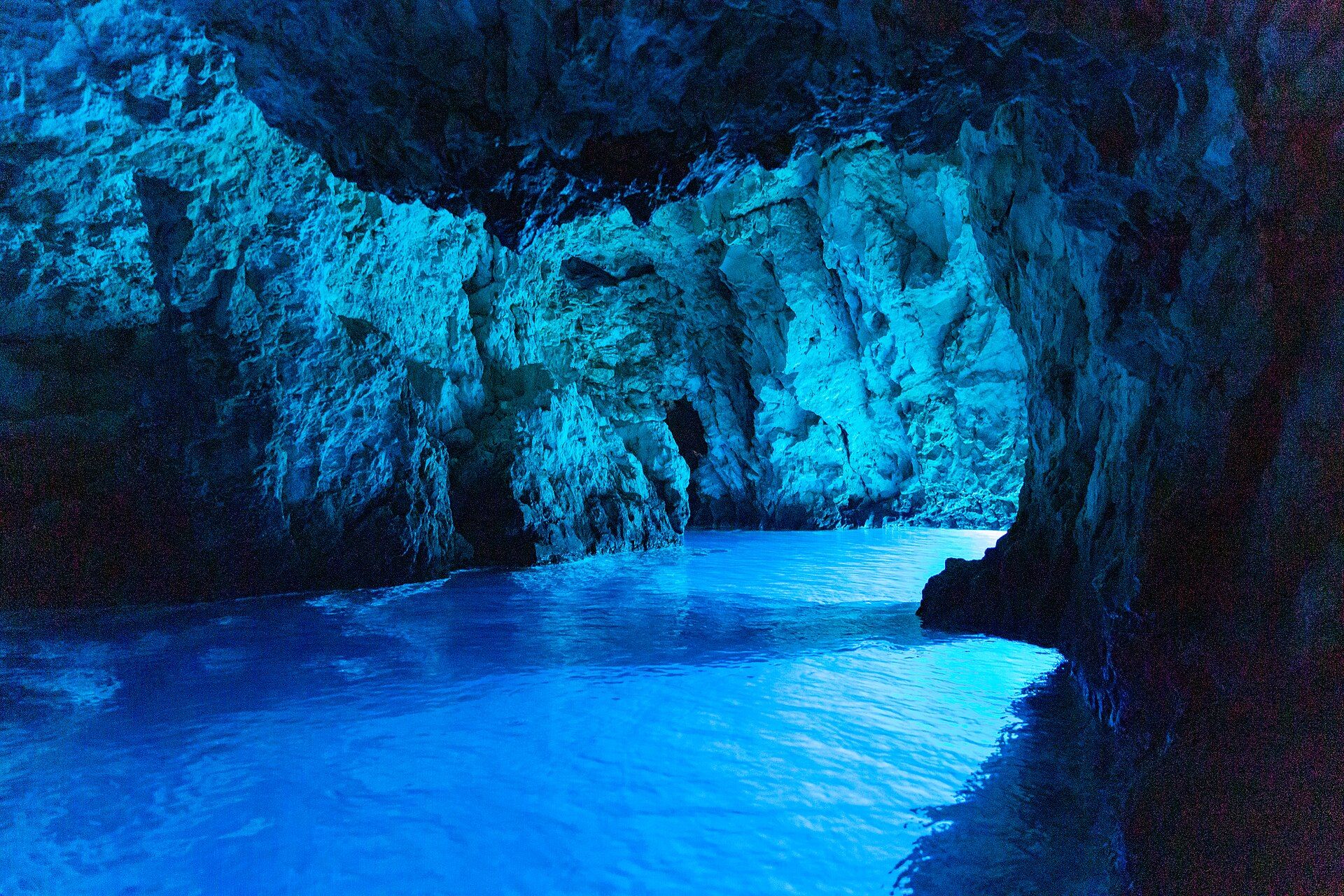
The Modra špilja — 'Blue Cave' — owes its glow to a quirk of geometry. Besides its small boat entrance, the cave has a second opening below the waterline. Around late morning to midday on a sunny day, sunlight streams through that submerged hole, passes up through the seawater and reflects off the pale limestone floor. The water absorbs the longer red and yellow wavelengths and lets the blue through, so the whole chamber fills with shimmering aquamarine light while objects in the water shine silver. The cave is about 24 m long, and its narrow entrance — only around 1.5 m high — means boats can enter only when the sea is calm. Long known to local fishermen, it was brought to wider attention in 1884, when an artificial entrance was blasted to let boats in, and it has been a protected natural monument since 1951.
Why visit
Gliding into the cave in a small boat as the water beneath you begins to glow electric blue is a genuinely magical few minutes — a natural light show that no photograph fully captures. Reaching it, out past the island of Vis to remote little Biševo, also delivers one of the loveliest boat journeys in the Adriatic.
What to know before you go
🗓️ Best time
Late spring to summer (May–September) for calm seas and strong sun; the effect peaks roughly between 11 a.m. and 1 p.m. on clear, still days, and access is impossible in rough weather.
🧭 Getting there & access
By organised boat excursion, usually from Vis, Hvar, Split, or the town of Komiža; visitors transfer into small licensed boats to pass through the low entrance. There is no land access to the cave interior.
Good to know
- Aim to arrive between about 11 a.m. and 1 p.m. on a sunny day for the strongest blue.
- Go on a calm day — the low entrance closes the cave in any swell.
- Book a tour that includes the cave's timed entry ticket to avoid long waits in peak season.
Plan your visit
Easy🧭 Getting there
From Split (SPU), via Vis or Komiža
- Ferry from Split to Vis town — about 1.5–2.5 hours
- Boat excursion from Vis or Komiza out to Bisevo — roughly 30–45 minutes
- Total travel
- A half-day round trip; often a full day from Split
- Time at site
- A few minutes inside the cave; a half-day for the whole excursion
- Access
- Reachable only by boat, and only when the sea is calm enough to pass the low entrance. Entry is regulated with timed tickets in season, and visitors transfer into small licensed boats; excursions are cancelled outright in swell.
🎒 What to bring & consider
- A flexible day, since a swell can cancel entry with little notice
- Motion-sickness precautions for the open crossing to Bisevo
- Sun protection and water for the exposed boat trip
- Patience for timed-entry queues at the height of summer
- Realistic camera expectations — the eye sees the blue far better than a phone
👁️ What to expect
- Crowds
- A very popular excursion; midday in summer brings queues of boats waiting for entry.
- Conditions
- A short open-sea crossing, then a brief, still passage inside the cave.
- Facilities
- Cafes and operators at Komiza and Vis; nothing at the cave itself.
- The view
- The glow needs midday sun and calm water together; go early in the window on a clear day.
Times and requirements are approximate and change with season, weather, and local rules — confirm permits, fares, and schedules with operators before you travel.
Natural riches of the area
- A limestone sea cave with a submerged light entrance
- Clear Adriatic water that filters sunlight to a glowing blue
- The remote island of Biševo and surrounding clear seas
- A protected geomorphological monument of nature
Local food
- Viška pogača
- A savoury flatbread from Vis filled with salted anchovies, onion, and tomato.
- Brudet
- A Dalmatian fisherman's stew of mixed fish, served with polenta.
- Vugava
- A distinctive white wine grown on the island of Vis.
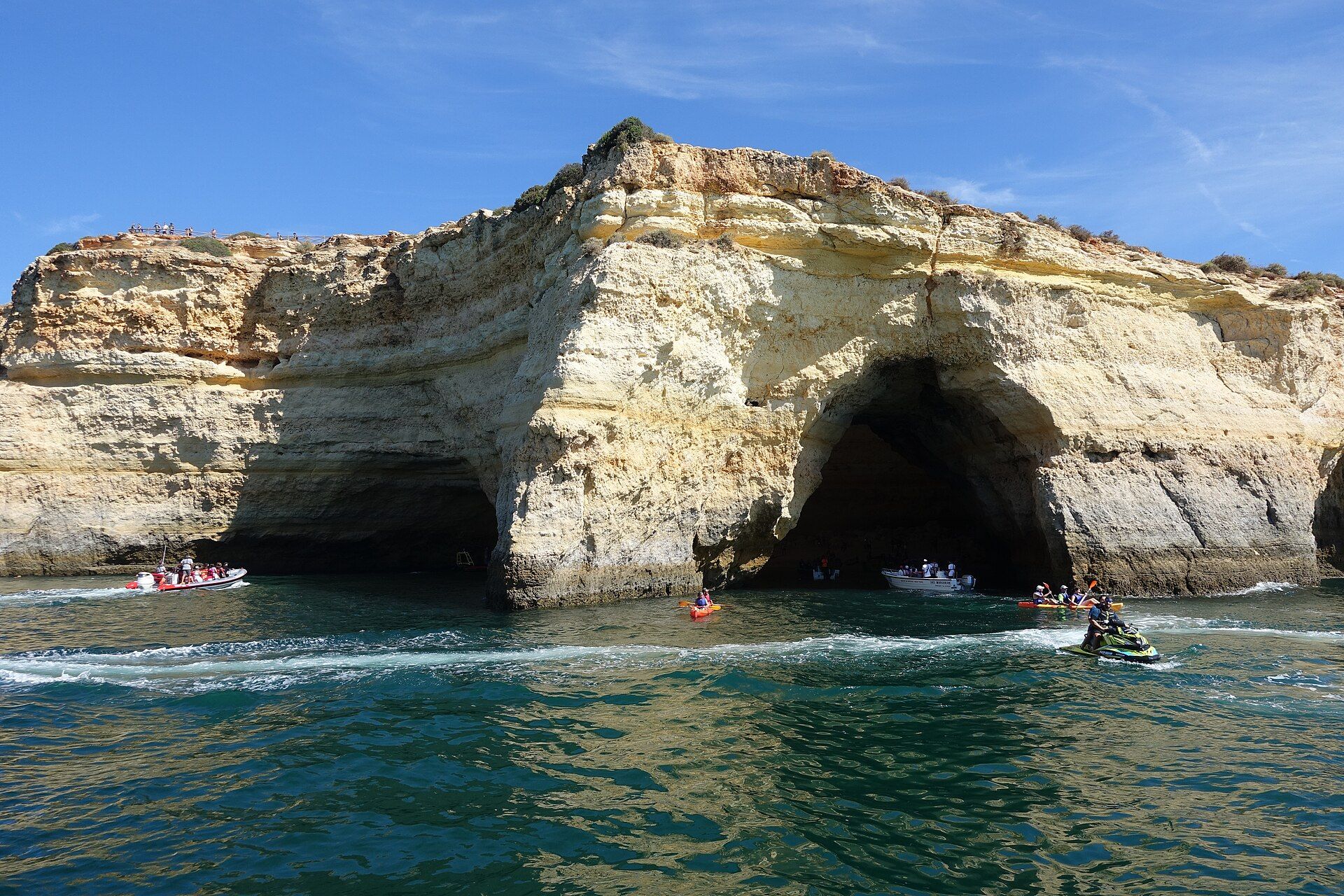
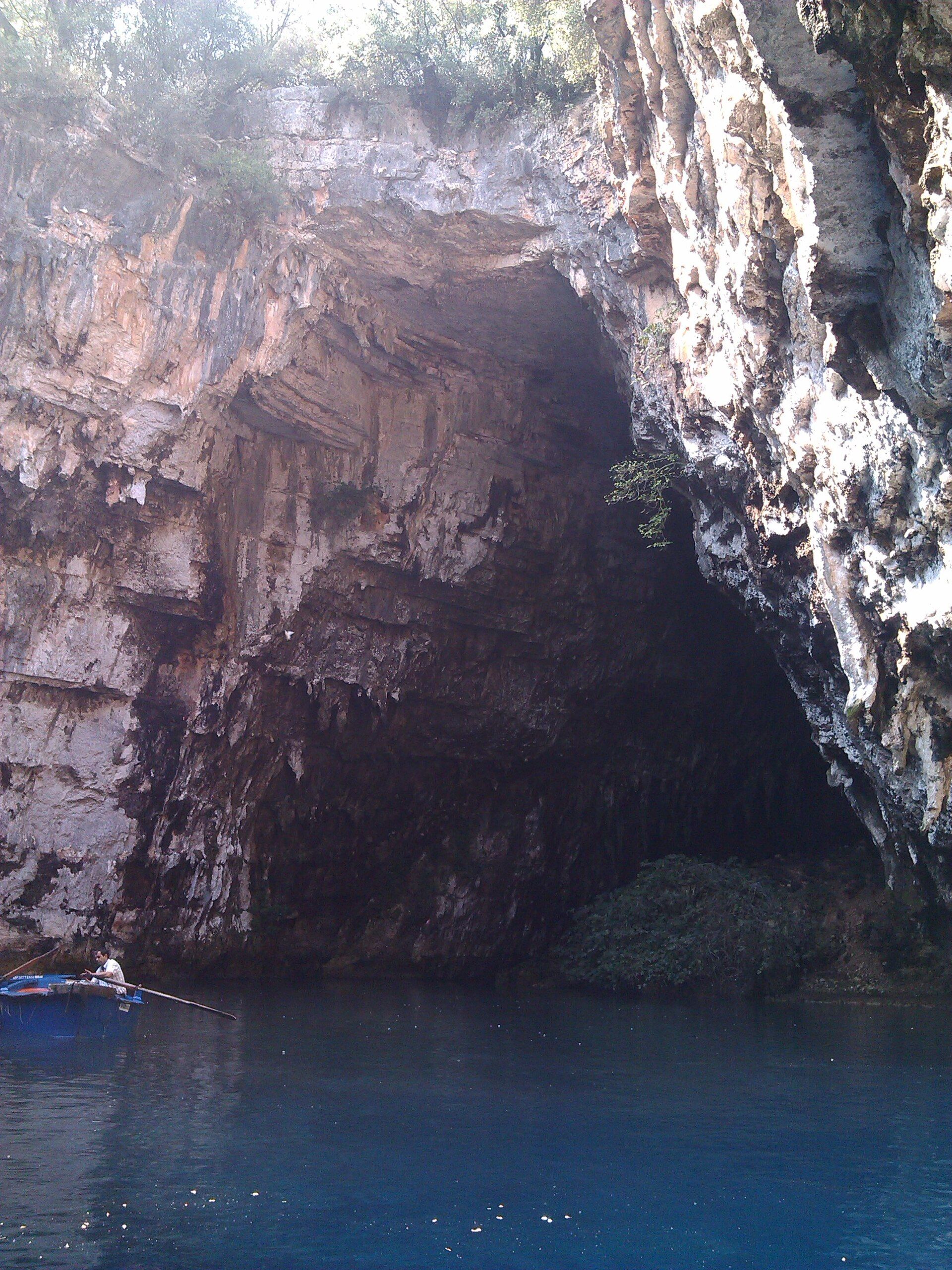
Off the far side of the island of Vis, about as far out into the Adriatic as Croatia reaches, lies the tiny island of Biševo — and on its shore, a sea cave that performs a daily trick of light. The Modra špilja, the Blue Cave, looks unremarkable from a boat: a low opening in a limestone cliff. Inside, around the middle of a sunny day, it becomes one of the most beautiful natural spaces in Europe.
The secret is a second entrance, hidden below the waterline. When the late-morning sun is high enough, its light floods through that submerged hole, passes up through the seawater, and bounces off the pale cave floor. The water strips out the warm colours and passes only the blue, so the whole chamber fills with a shimmering aquamarine glow, and anything beneath the surface flashes silver. It lasts only while the sun sits in the right part of the sky — roughly eleven to one on a clear day.
Local fishermen always knew the cave, but it entered the wider world in 1884, when a passage was blasted to let boats slip through the low entrance; it has been a protected natural monument since 1951. Reaching it today means a boat trip out past Vis to remote Biševo and a transfer into a small craft to duck through the narrow mouth — and, crucially, a calm sea, because the slightest swell shuts the cave completely. Time it right, and the few minutes inside are unforgettable.
Blue Cave of Biševo: common questions
How do you get to Blue Cave of Biševo?
From Split (SPU), via Vis or Komiža: Ferry from Split to Vis town — about 1.5–2.5 hours; Boat excursion from Vis or Komiza out to Bisevo — roughly 30–45 minutes. Total travel time: A half-day round trip; often a full day from Split.
When is the best time to visit Blue Cave of Biševo?
Late spring to summer (May–September) for calm seas and strong sun; the effect peaks roughly between 11 a.m. and 1 p.m. on clear, still days, and access is impossible in rough weather.
How long should you spend at Blue Cave of Biševo?
A few minutes inside the cave; a half-day for the whole excursion. Total travel time: A half-day round trip; often a full day from Split.
What should you bring to Blue Cave of Biševo?
A flexible day, since a swell can cancel entry with little notice Motion-sickness precautions for the open crossing to Bisevo Sun protection and water for the exposed boat trip Patience for timed-entry queues at the height of summer Realistic camera expectations — the eye sees the blue far better than a phone
Do you need a permit or guide for Blue Cave of Biševo?
Reachable only by boat, and only when the sea is calm enough to pass the low entrance. Entry is regulated with timed tickets in season, and visitors transfer into small licensed boats; excursions are cancelled outright in swell.
Is Blue Cave of Biševo crowded, and what are conditions like?
A very popular excursion; midday in summer brings queues of boats waiting for entry. A short open-sea crossing, then a brief, still passage inside the cave. Facilities: Cafes and operators at Komiza and Vis; nothing at the cave itself.
Added
More wonders to explore