🇫🇷 Natural wonders of France
A country of remarkable natural variety — from the high glaciers and granite spires of Mont Blanc and the Alps to volcanic uplands, wild coasts, and river gorges.
🗓️ Best time for nature: Summer (roughly June–September) for the high mountains and hiking; winter (December–April) for alpine skiing.
The lay of the land
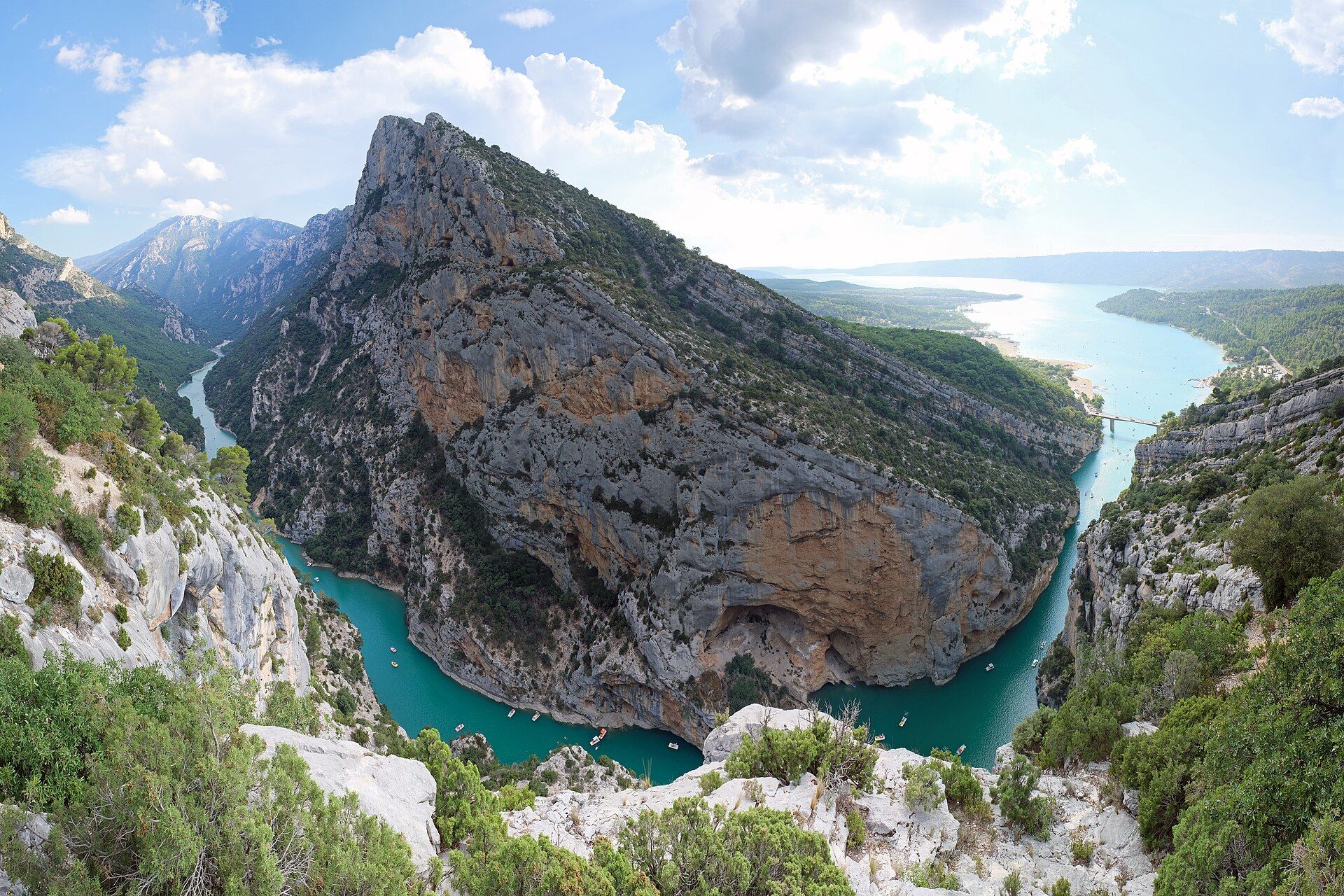
Beyond its famous cities and countryside, France holds some of Europe's most dramatic natural landscapes. Its southeastern border rises into the French Alps, crowned by Mont Blanc — at over 4,800 metres the highest peak in the Alps and western Europe — a world of glaciers, granite spires, and deep valleys centred on Chamonix, the birthplace of mountaineering. Elsewhere the land ranges from the extinct volcanoes of the Auvergne and the limestone gorges of the Verdon to the wild Atlantic and Mediterranean coasts, giving France a natural range as varied as any country in Europe.
Where to begin
-
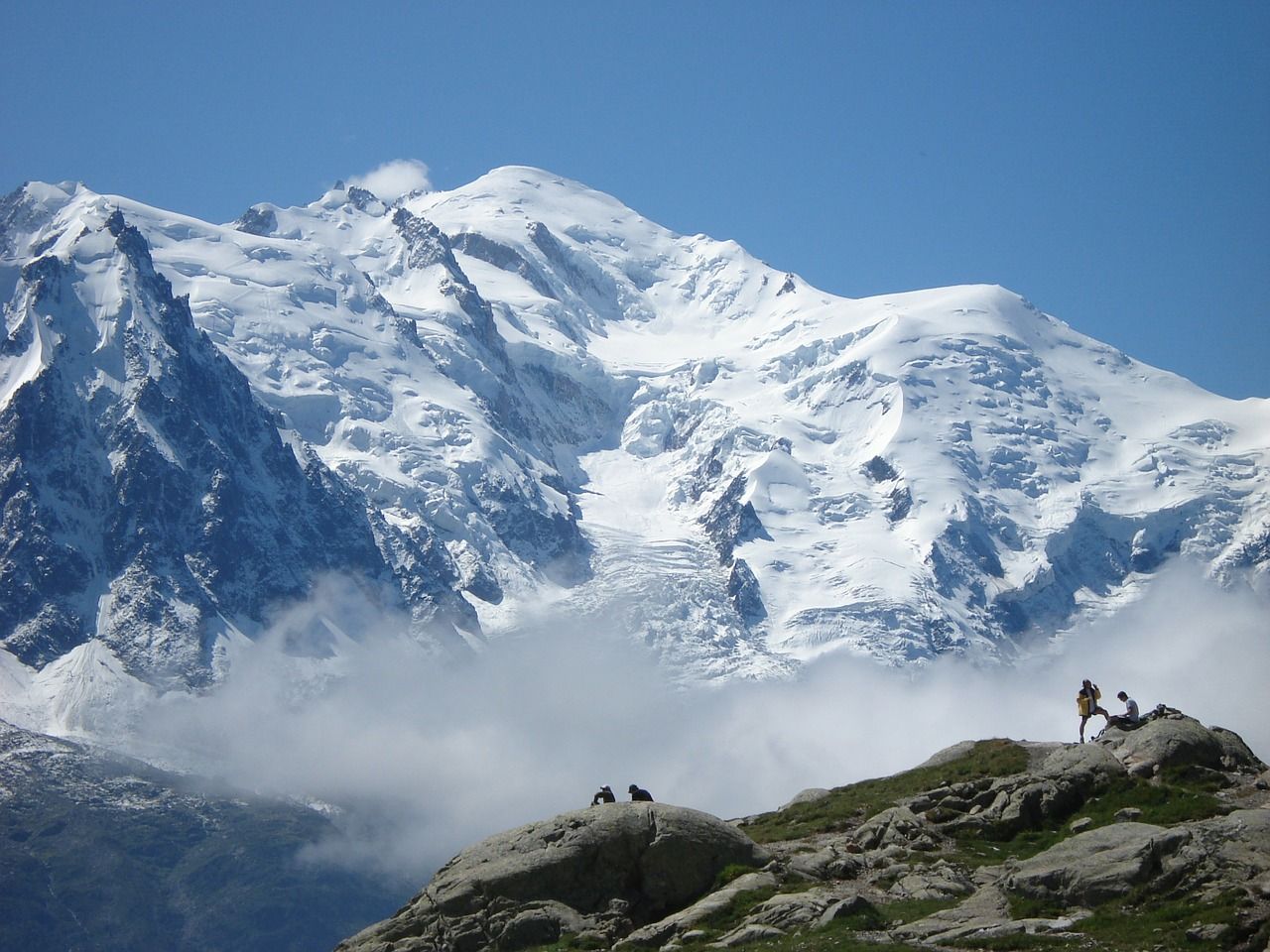
Mont Blanc
The highest peak in the Alps, above the historic town of Chamonix.
-
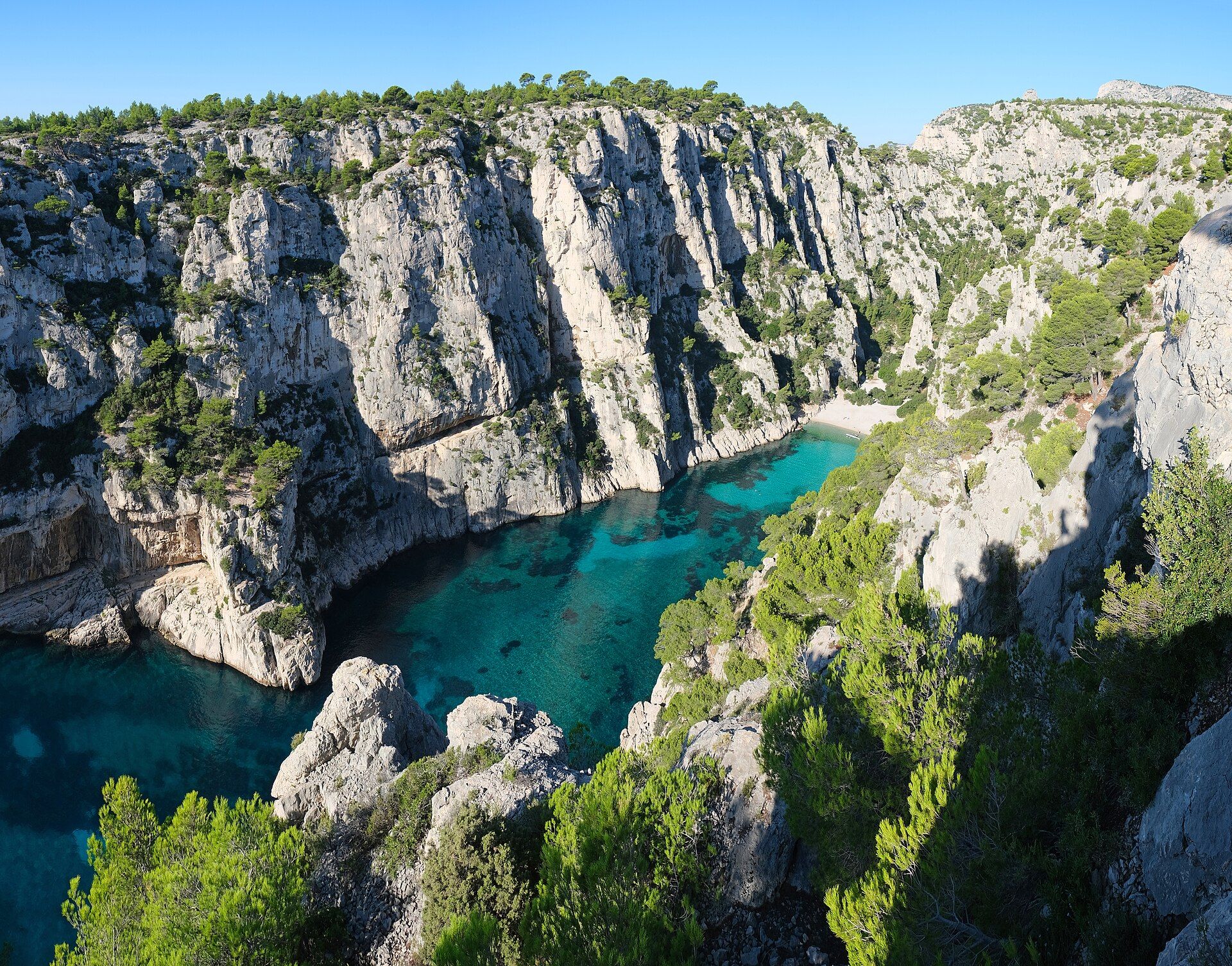
The Calanques
Turquoise limestone inlets on the Mediterranean coast near Marseille.
-
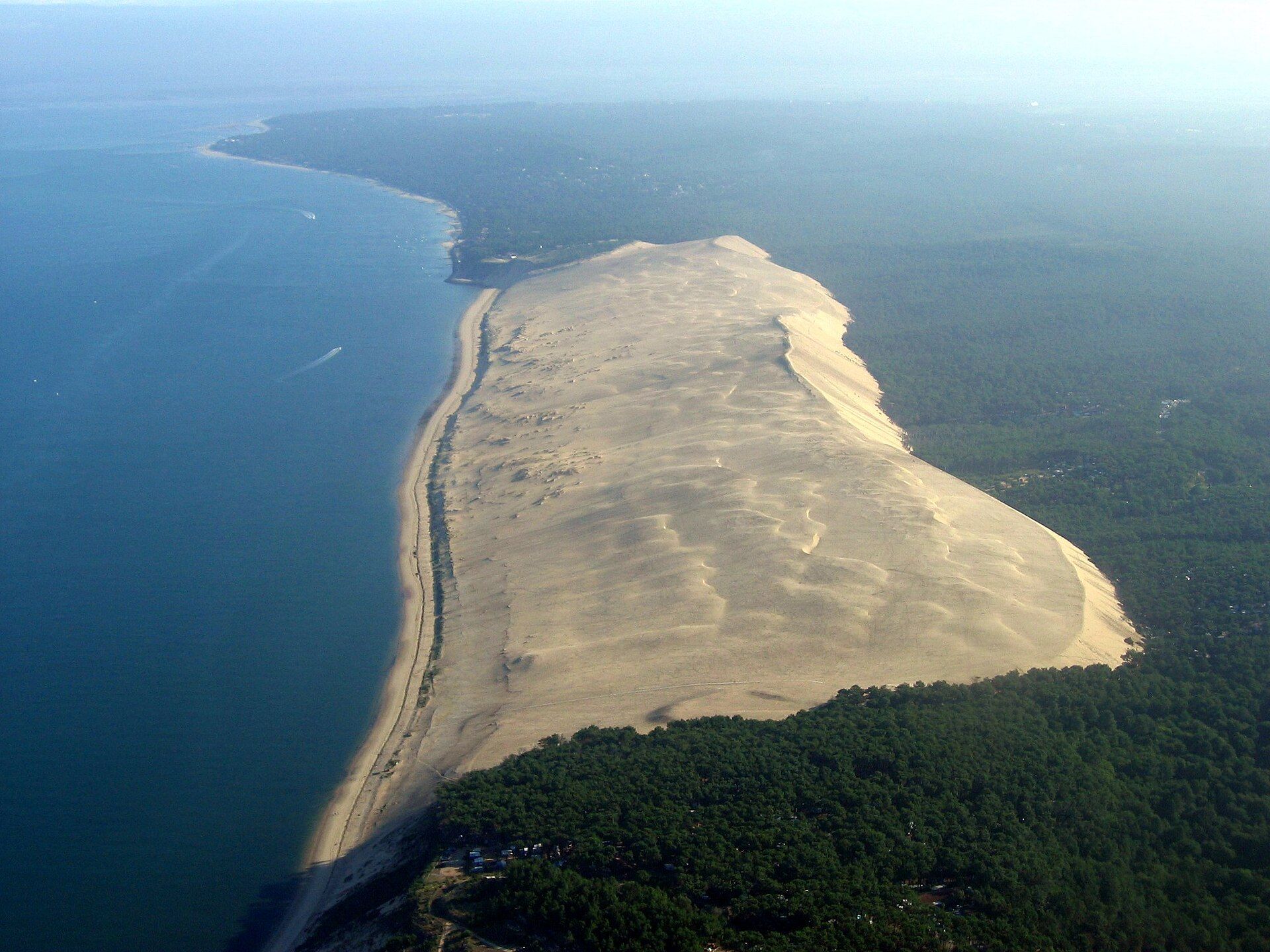
Dune du Pilat
Europe's tallest sand dune, between pine forest and the Atlantic.
A taste of the place
In the alpine regions, French cooking turns hearty: melted-cheese classics like fondue, raclette, and tartiflette, mountain charcuterie and Savoie cheeses, and herbal génépi — all part of France's deep and celebrated culinary tradition.
Traveling responsibly
- Reach the Mont Blanc massif easily from Geneva via Chamonix.
- Use the high cable cars for close mountain views without climbing.
- Come in summer for hiking and lifts, winter for world-class skiing.
Beyond its celebrated cities and countryside, France holds some of the most dramatic natural scenery in Europe. Its southeastern border climbs into the French Alps, crowned by Mont Blanc — at over 4,800 metres the highest peak in the Alps and western Europe — a world of glaciers, granite spires, and deep valleys centred on Chamonix, where modern mountaineering was born. From the extinct volcanoes of the Auvergne to the limestone gorges of the Verdon and two very different coasts, France’s natural range is as rich as its culture. This atlas chapter begins on the roof of the Alps.
Added Updated
All wonders in France
5 places