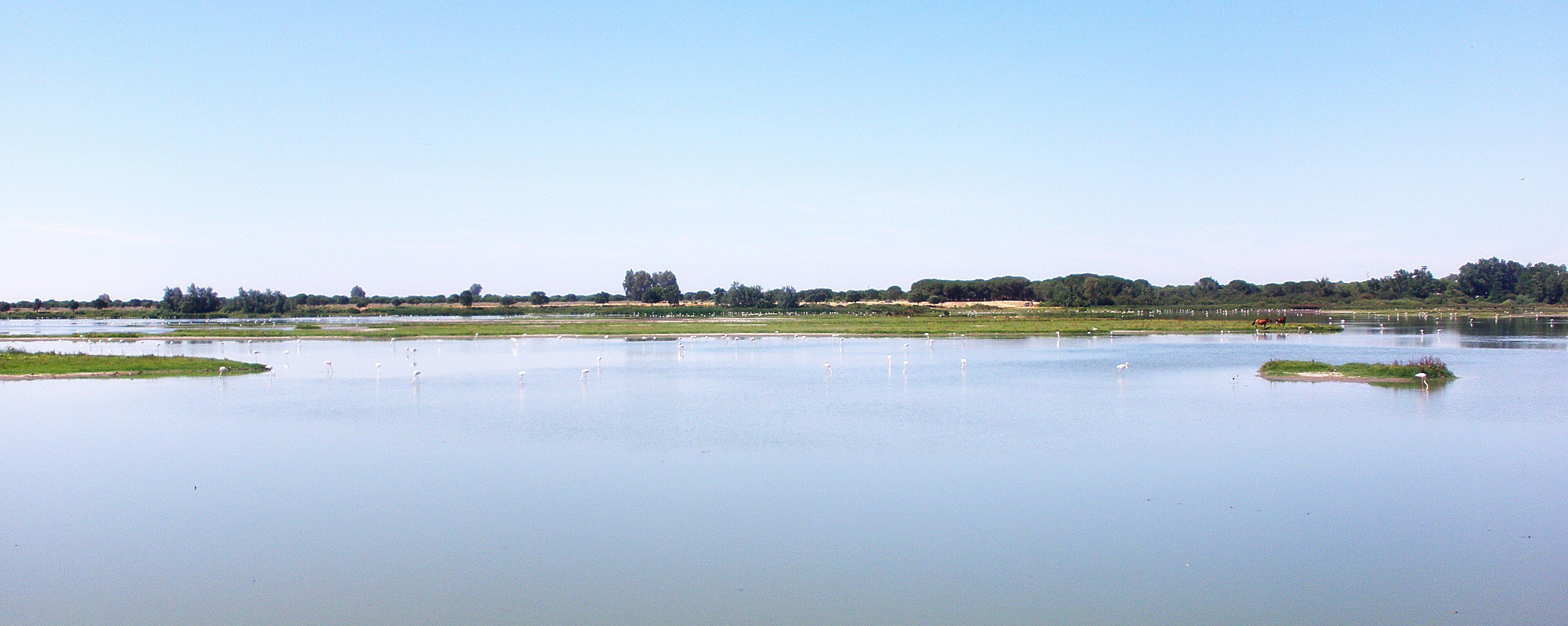
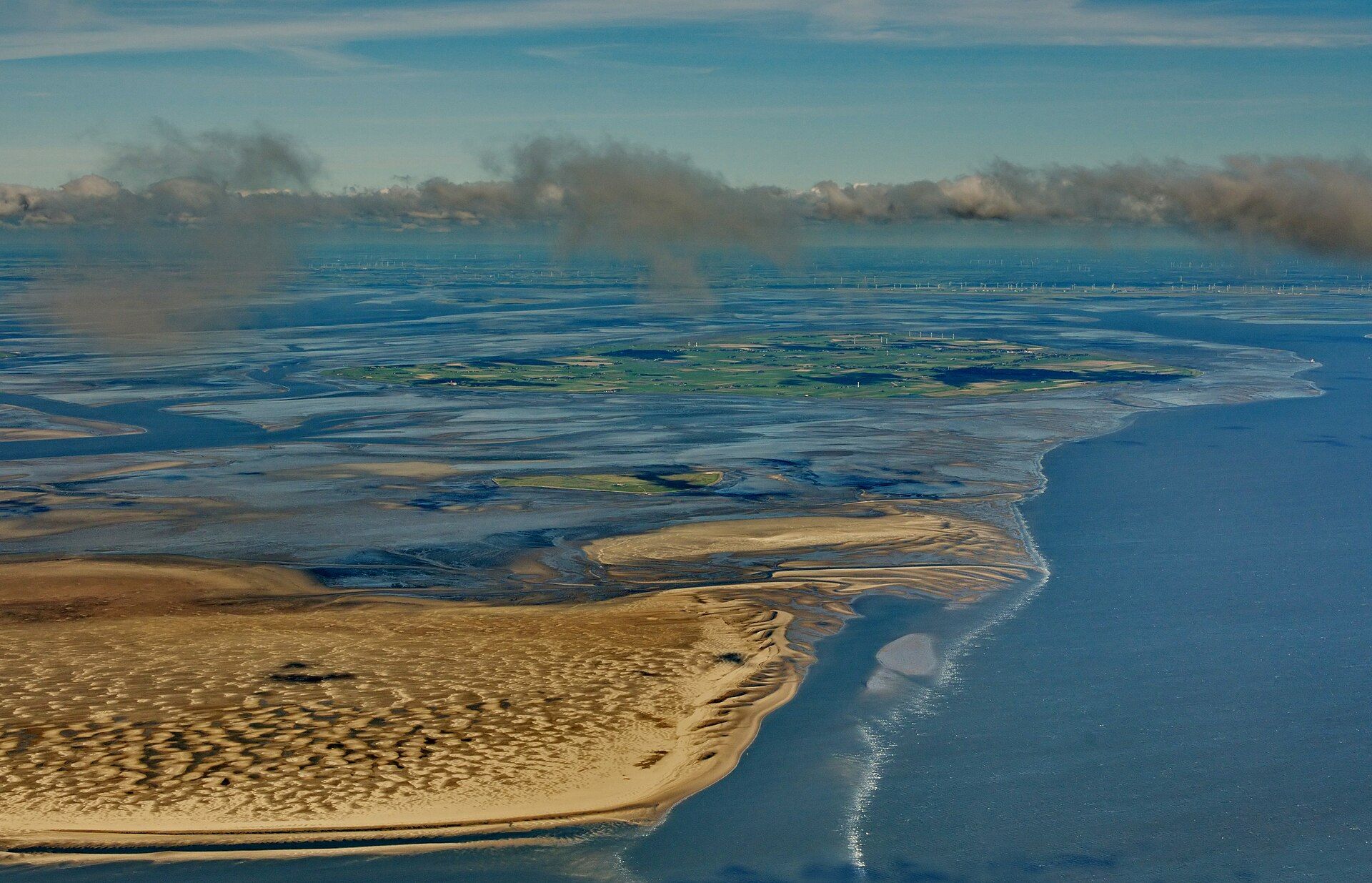
The marshes at the mouth of the Guadalquivir — one of Europe's most important wetlands, a staging post for millions of migrating birds, the stronghold of the Iberian lynx, and a place now visibly running short of water.
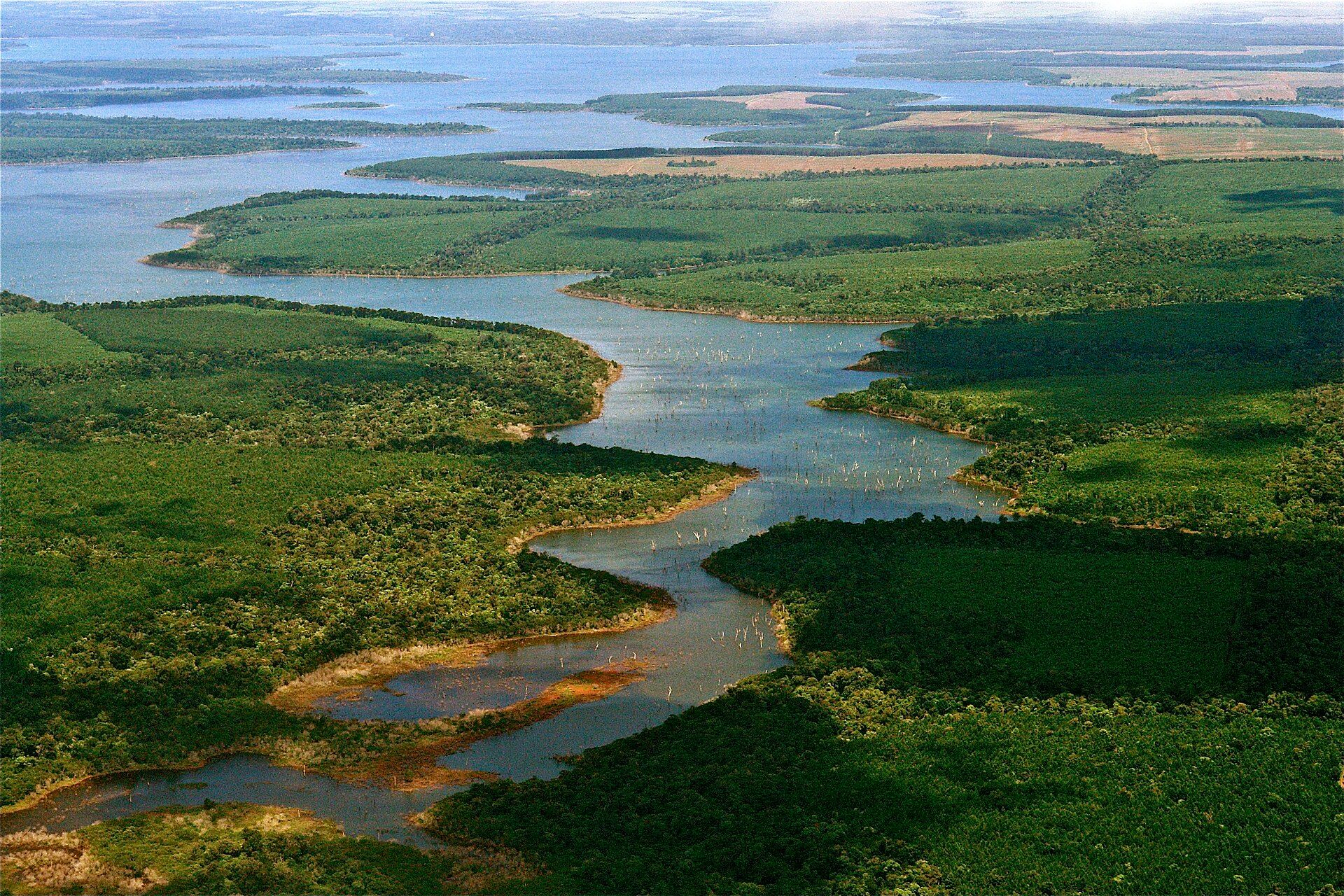
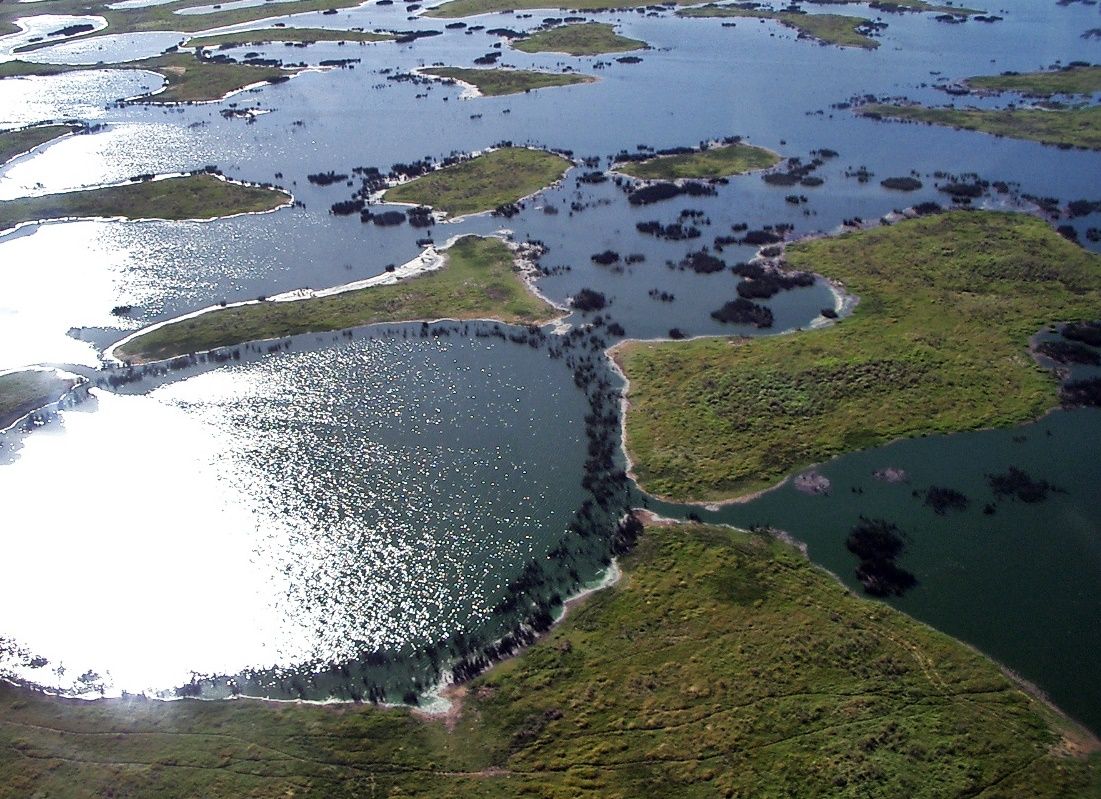
One of the largest freshwater wetlands on Earth — a vast mosaic of marsh, lagoon and floating island in northeast Argentina, and the stage for South America's most ambitious rewilding, which has returned the jaguar to the region after 70 years.
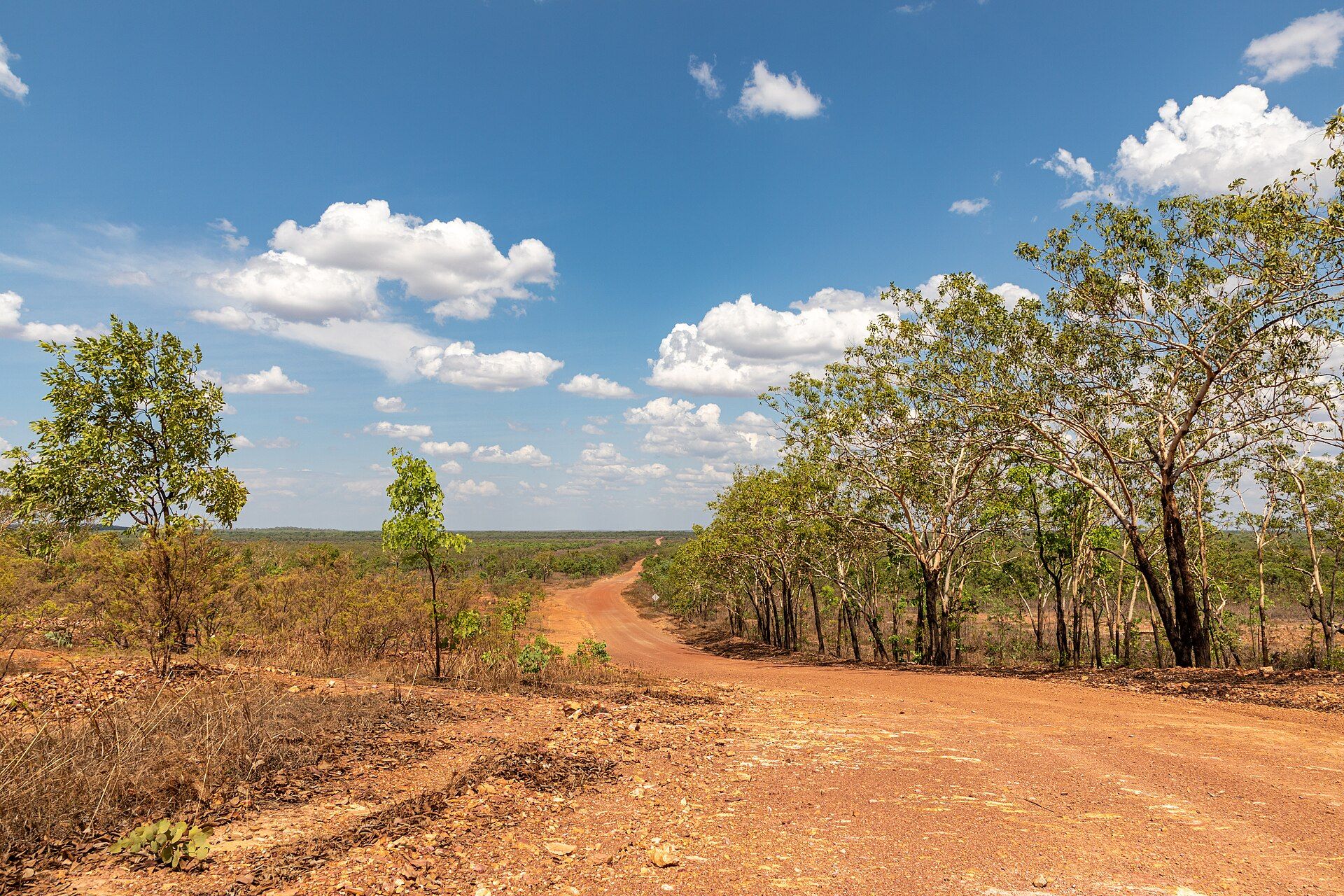
Australia's largest national park — a vast monsoonal landscape of floodplains, waterfalls, and stone country, alive with crocodiles and millions of birds, and holding some of the world's oldest rock art.
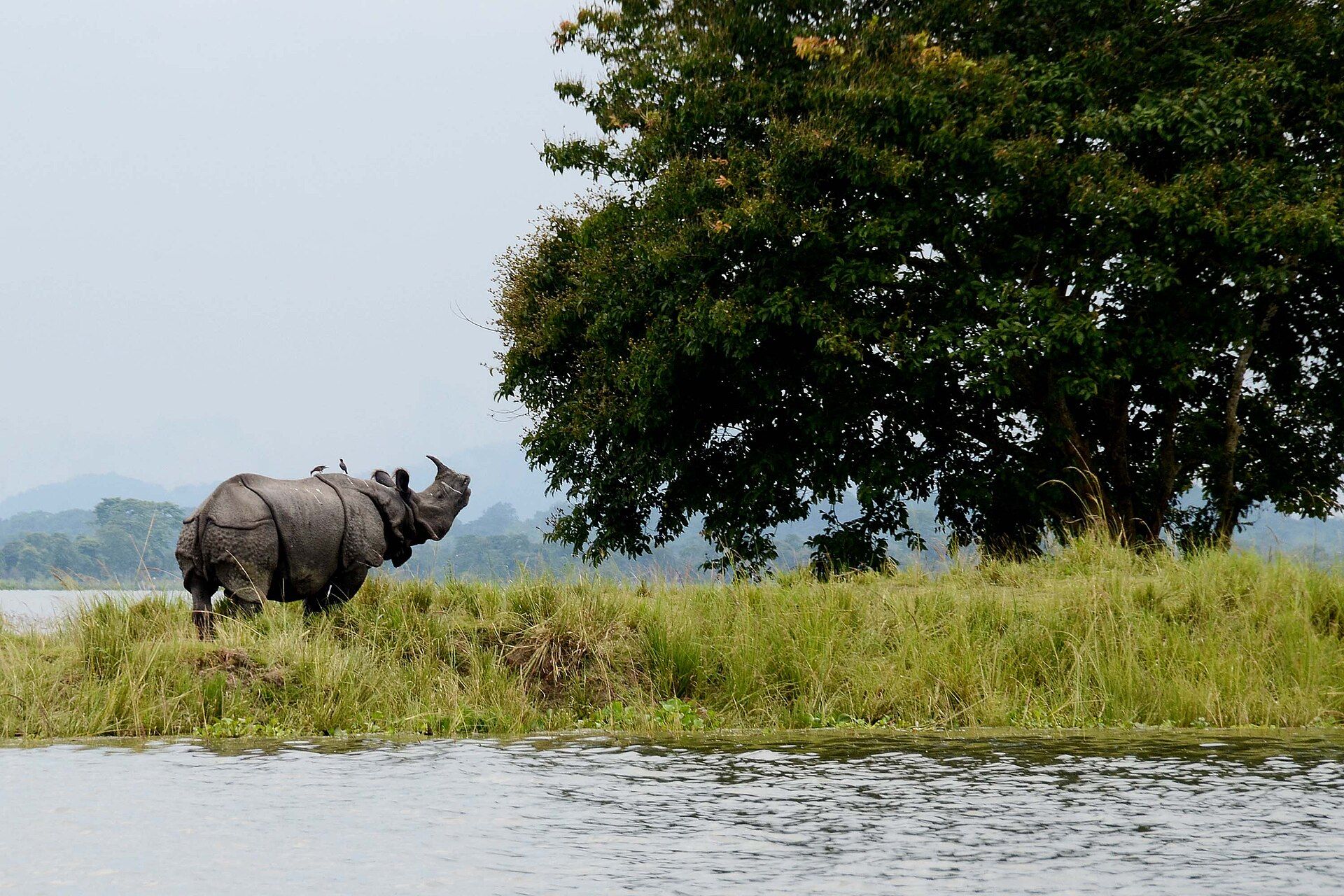
A vast floodplain of tall grass and marsh on the Brahmaputra — home to two-thirds of the world's great one-horned rhinos, plus tigers, elephants, and wild buffalo in astonishing numbers.
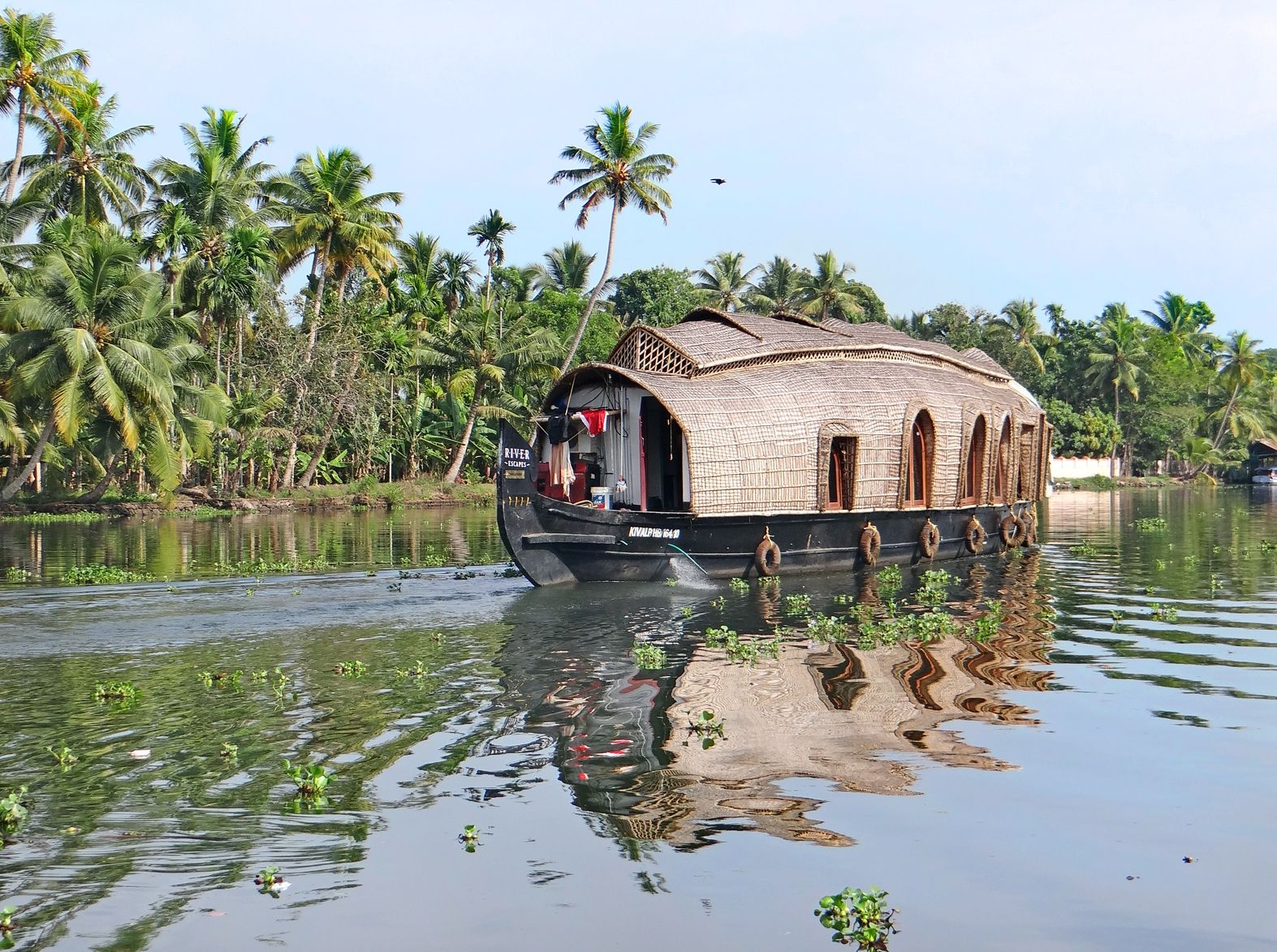
A 900-kilometre network of lagoons, lakes and canals running parallel to the Arabian Sea behind a chain of barrier islands — brackish, palm-fringed, and worked by rice barges converted into houseboats.
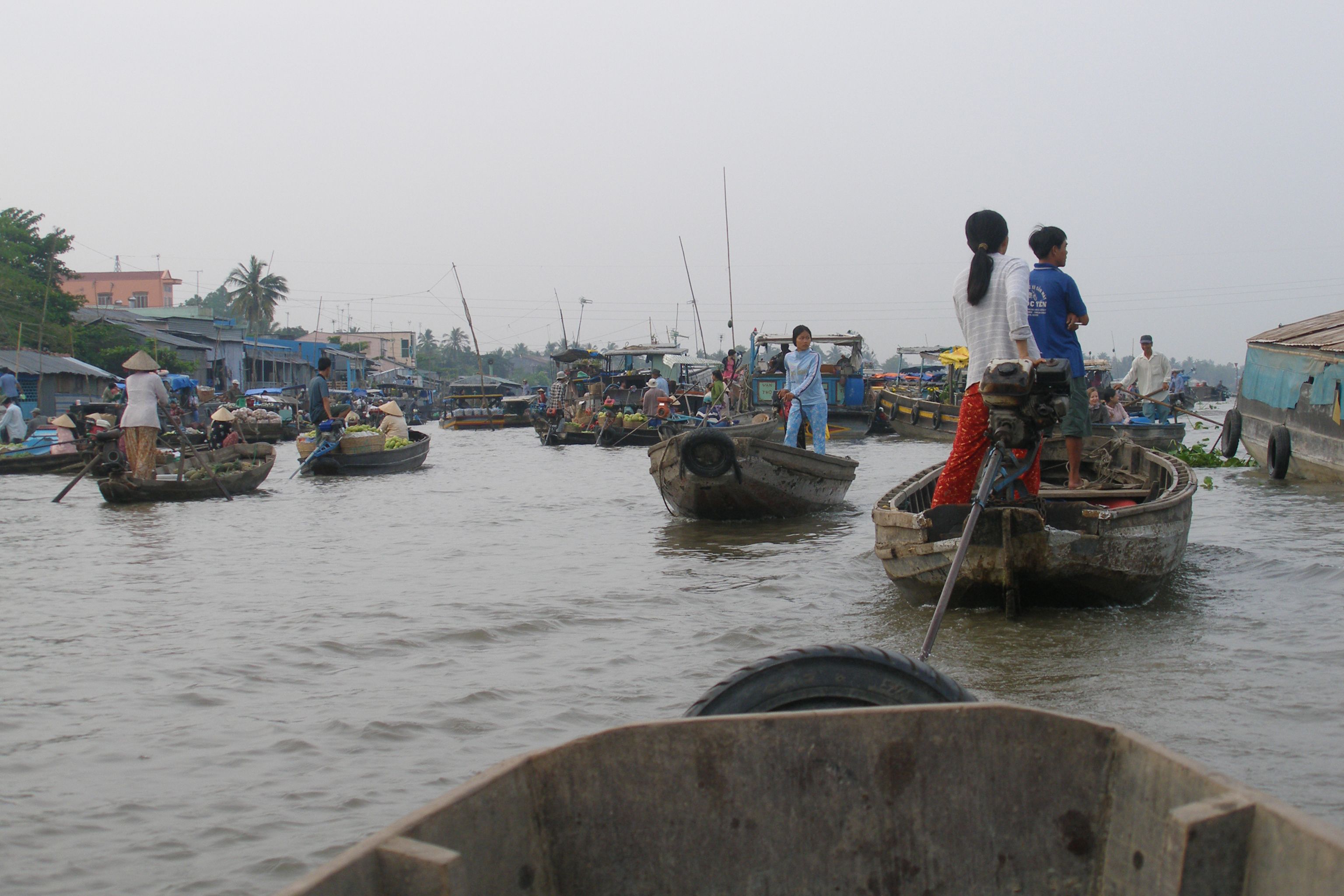
Some 40,000 square kilometres of river-built farmland where the Mekong finally reaches the sea — Vietnam's rice bowl, threaded by canals, and now sinking faster than the sea is rising.
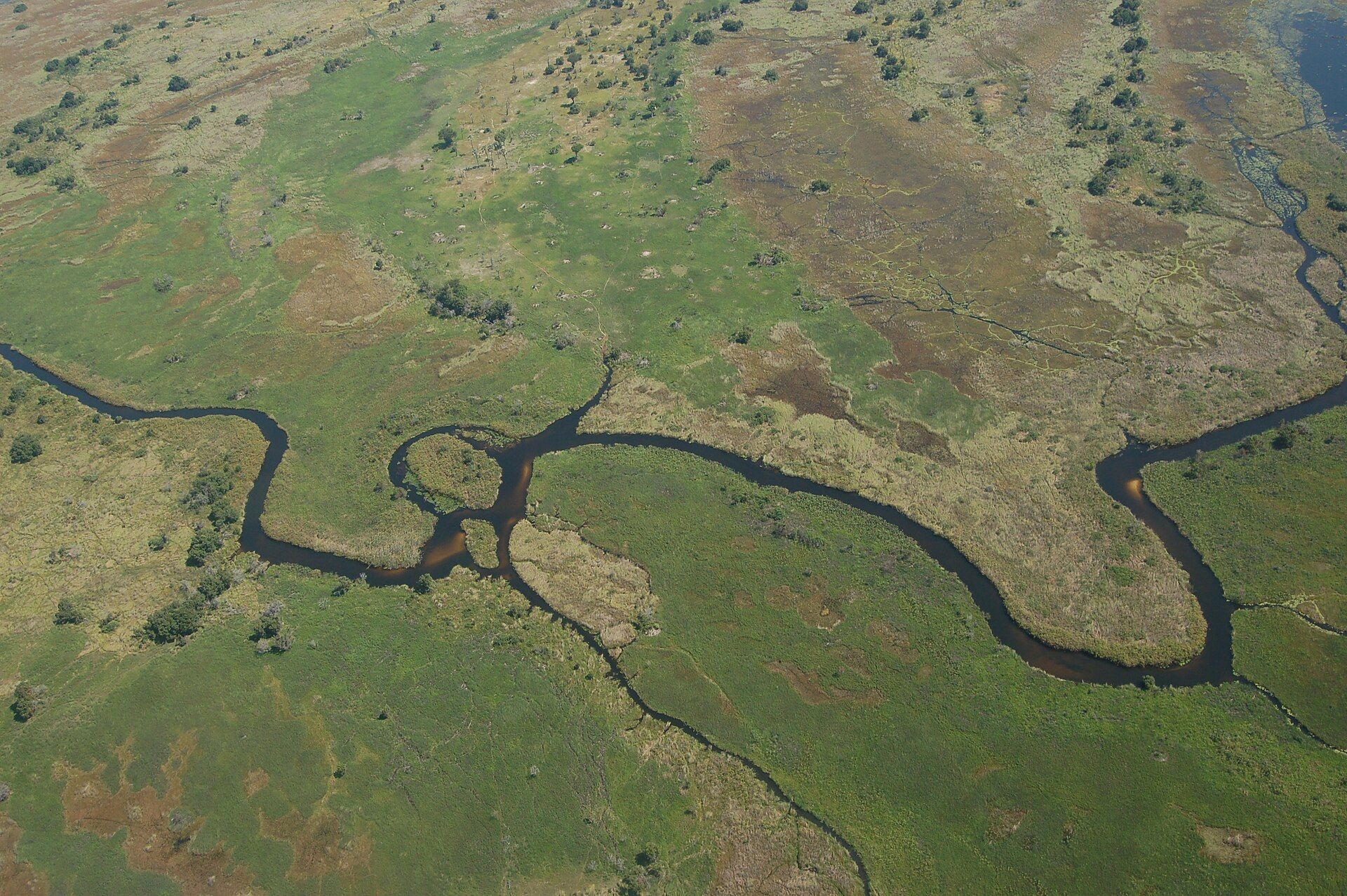
A river that never reaches the sea — the Okavango spills into the Kalahari to form a vast, ever-shifting inland delta of channels, islands, and lagoons that draws Africa's great wildlife into the heart of a desert.
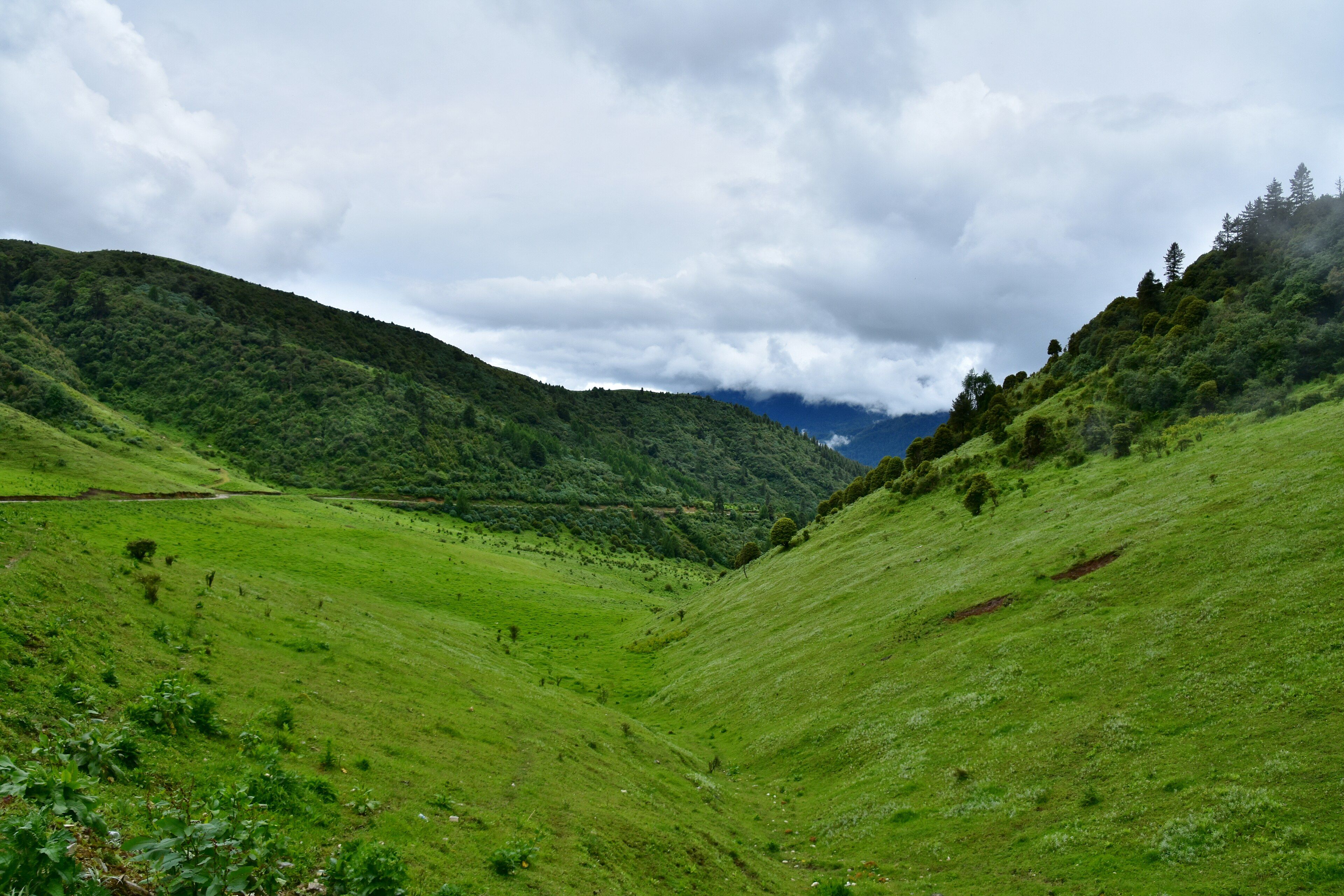
A broad glacial valley at 3,000 metres holding Bhutan's best-known marshland — where a few hundred black-necked cranes winter each year, and where the country buried its power lines underground rather than risk them flying into the wires.
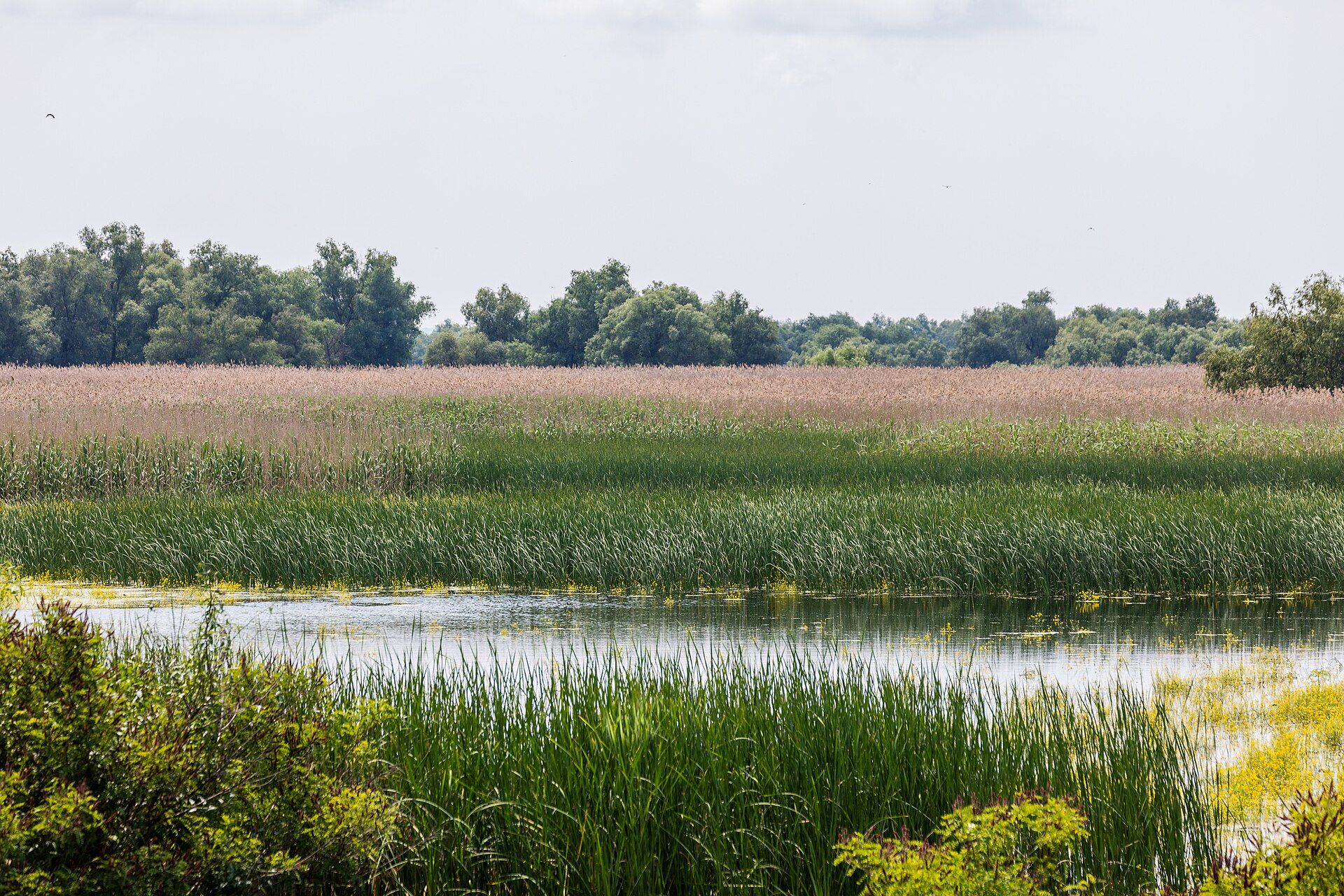
Where the Danube meets the Black Sea, eastern Romania
Europe's largest and best-preserved river delta — a vast, watery maze of reeds, channels, and lakes where the Danube fans into the Black Sea, and one of the continent's greatest bird havens.
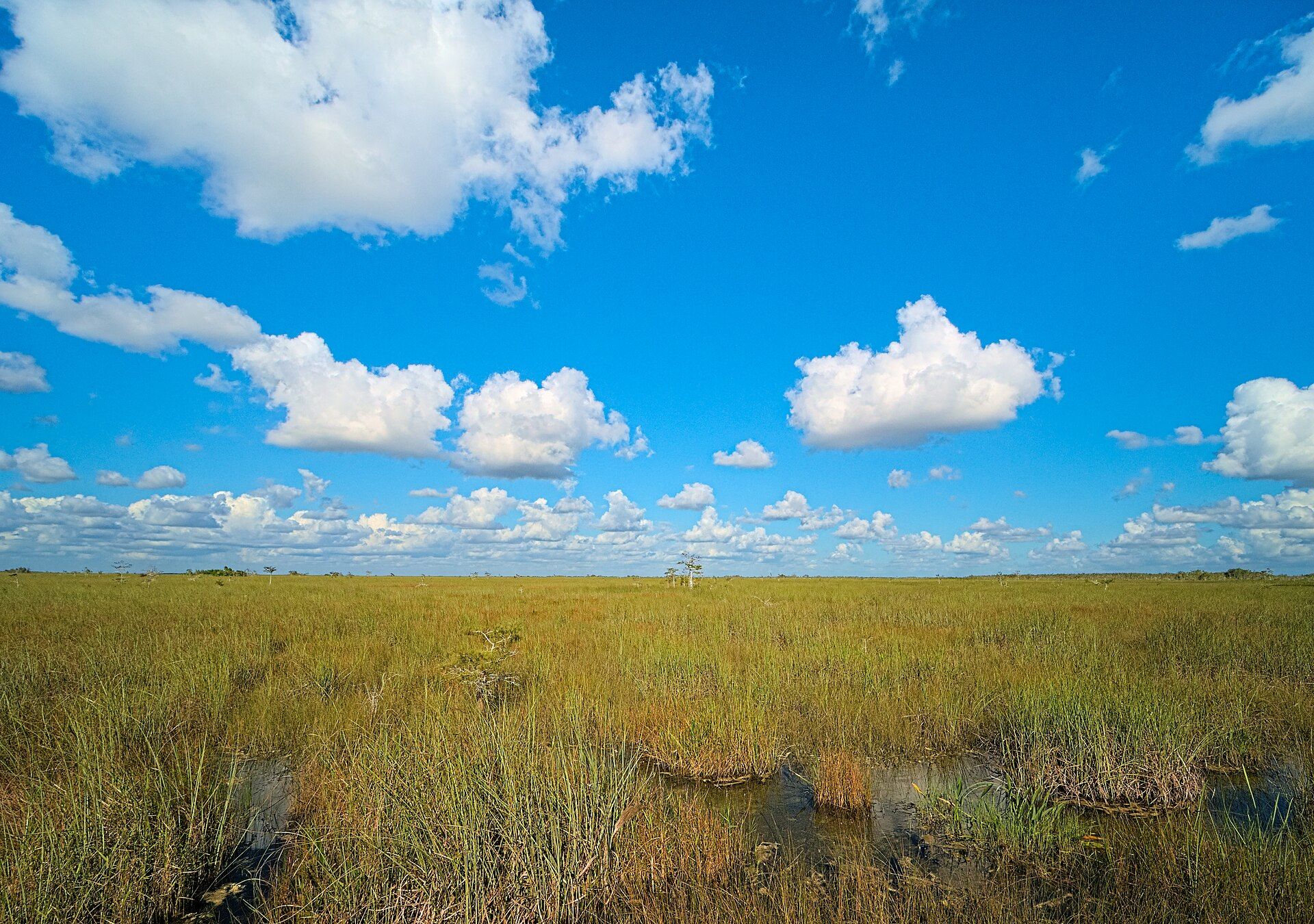
A vast, slow-moving 'river of grass' at the tip of Florida — a shallow, sawgrass-covered wetland the size of a small country, and the only place on Earth where alligators and crocodiles live side by side.
The world's largest tropical wetland — a vast seasonal floodplain that is the best place on Earth to see jaguars in the wild, teeming with caimans, capybaras, and millions of birds.
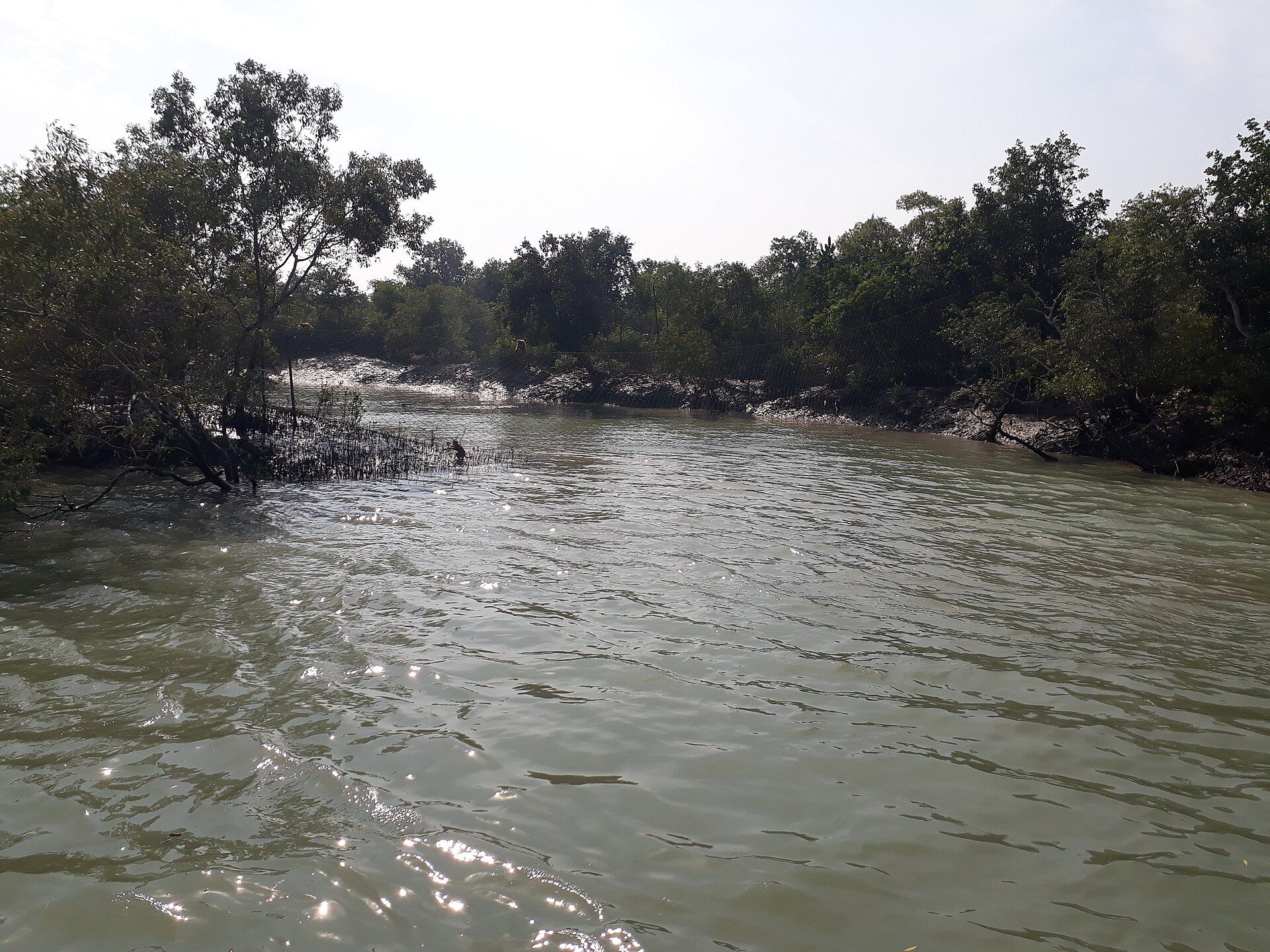
The largest mangrove forest on Earth — a vast, tidal labyrinth of channels and salt-tolerant trees at the mouth of the Ganges, and the last stronghold of the swimming Bengal tiger.