Mount Etna
📍 Sicily, Southern Italy
Europe's largest and most active volcano — a snow-capped, constantly rumbling giant looming over eastern Sicily, whose frequent eruptions have built astonishingly fertile slopes of vineyards and orchards.
What makes it marvelous
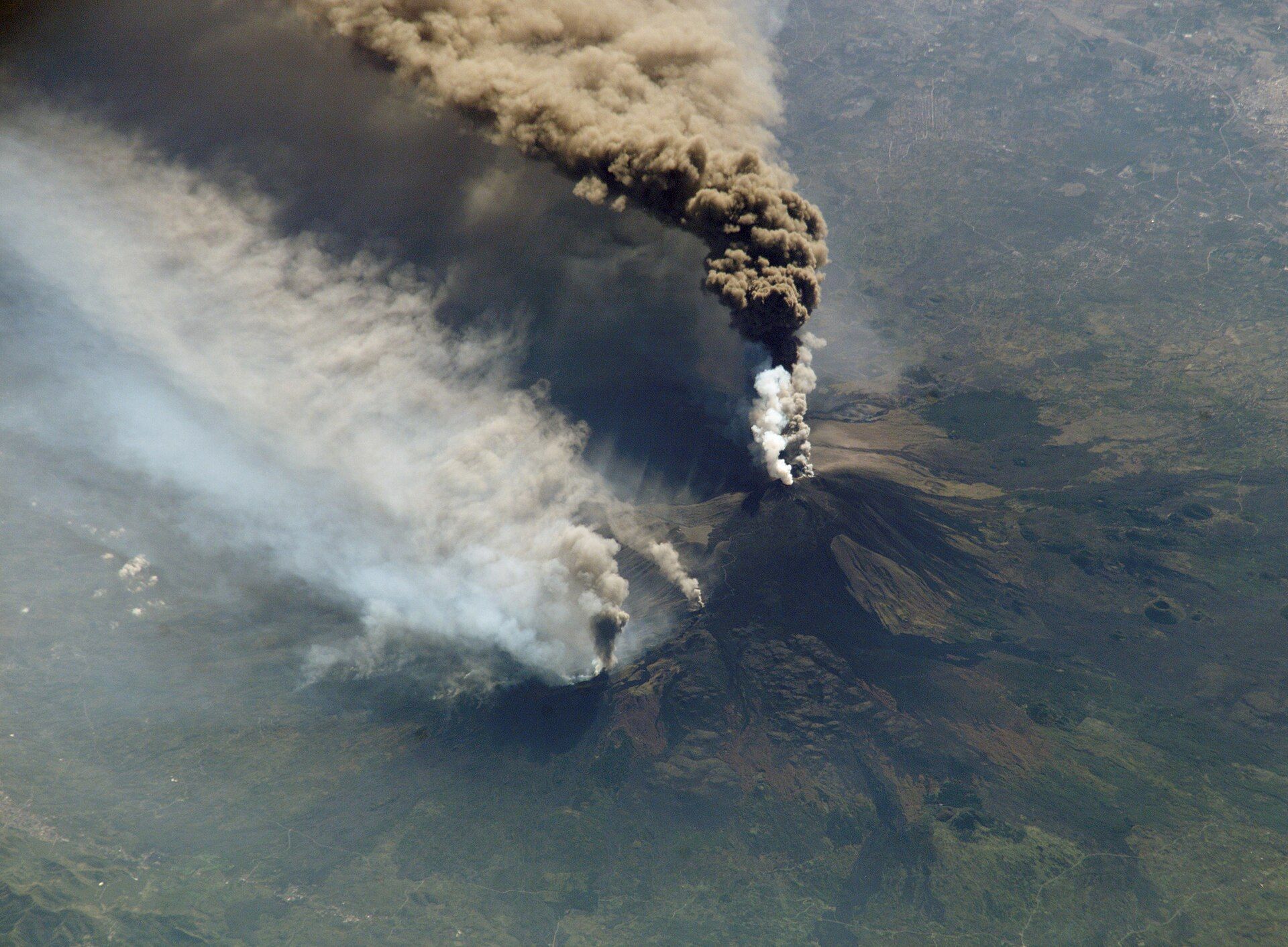
Etna rises about 3,350 metres (its exact height changes with each eruption) and has been active for hundreds of thousands of years, making it one of the most continuously documented volcanoes on Earth. Its near-constant Strombolian eruptions and lava flows are relatively (though not entirely) predictable, and the mineral-rich ash and lava weather into extraordinarily fertile soil — which is why its lower flanks are green with vines, olives, citrus, and pistachios.
Why visit
You can stand on a genuinely active volcano — hiking old lava fields and smoking craters, riding cable cars and 4x4s toward the summit zone, and often watching glowing eruptions at night from a safe distance. Below, Etna DOC wines grown in volcanic soil have made it a food-and-wine destination too.
What to know before you go
🗓️ Best time
April to June and September to October for mild hiking weather; winter brings skiing on its snowy upper slopes. Access to the summit craters depends on current volcanic activity.
🧭 Getting there & access
From Catania (airport nearby), by road to the Rifugio Sapienza (south) or Piano Provenzana (north), then cable car and guided 4x4/hiking. Summit-zone access is guide-only and activity-dependent.
Good to know
- Go with a licensed volcano guide for the upper zones and heed all activity advisories.
- Bring layers and sturdy boots — it can be hot below and freezing on top.
- Pair a hike with an Etna DOC winery tour on the fertile lower slopes.
Plan your visit
Moderate🧭 Getting there
From Catania (CTA), Sicily
- Fly → Catania (CTA)
- Drive or bus Catania → Rifugio Sapienza on the south side — roughly 1h–1h30
- Cable car, then 4x4 track → around 2,900m
- Guided walk to the upper craters — about 1h–2h on the mountain
- Total travel
- Under two hours from Catania to the cable car
- Time at site
- Half a day, or a full day with a guided ascent
- Access
- The lower slopes and the Sapienza area are freely accessible, but the summit craters are not: above roughly 2,900m you must be with an authorised alpine or volcanological guide, and the boundary moves with the volcano's behaviour. Etna is continuously active, and paroxysms close sections, halt the cable car and occasionally close Catania airport for ashfall. Nothing published in advance survives an eruptive episode. Check the INGV Osservatorio Etneo bulletins and the Parco dell'Etna position before you go up.
🎒 What to bring & consider
- Boots with a stiff sole — the ground is sharp, loose volcanic clinker that destroys trainers and turns ankles
- A dust mask and sealed eyewear for ash, which blows constantly on the upper slopes and is abrasive rather than merely dirty
- A proper windproof layer, because at 3,000m the wind is fierce and the temperature bears no relation to Catania
- Sun protection on bare black rock, which reflects heat back up at you even in cold air
- Flexibility in your plans: the upper mountain closes at short notice and the cable car stops in wind
👁️ What to expect
- Crowds
- Busy at Rifugio Sapienza and the Silvestri craters, which are a roadside stop. Thinner the higher you go, and the guided summit groups are small.
- Conditions
- Cold, windy, ash-blown and lunar above the treeline. Snow-covered and skiable in winter.
- Facilities
- Full at Sapienza — cable car, restaurants, shops, guide offices. Nothing above.
- The view
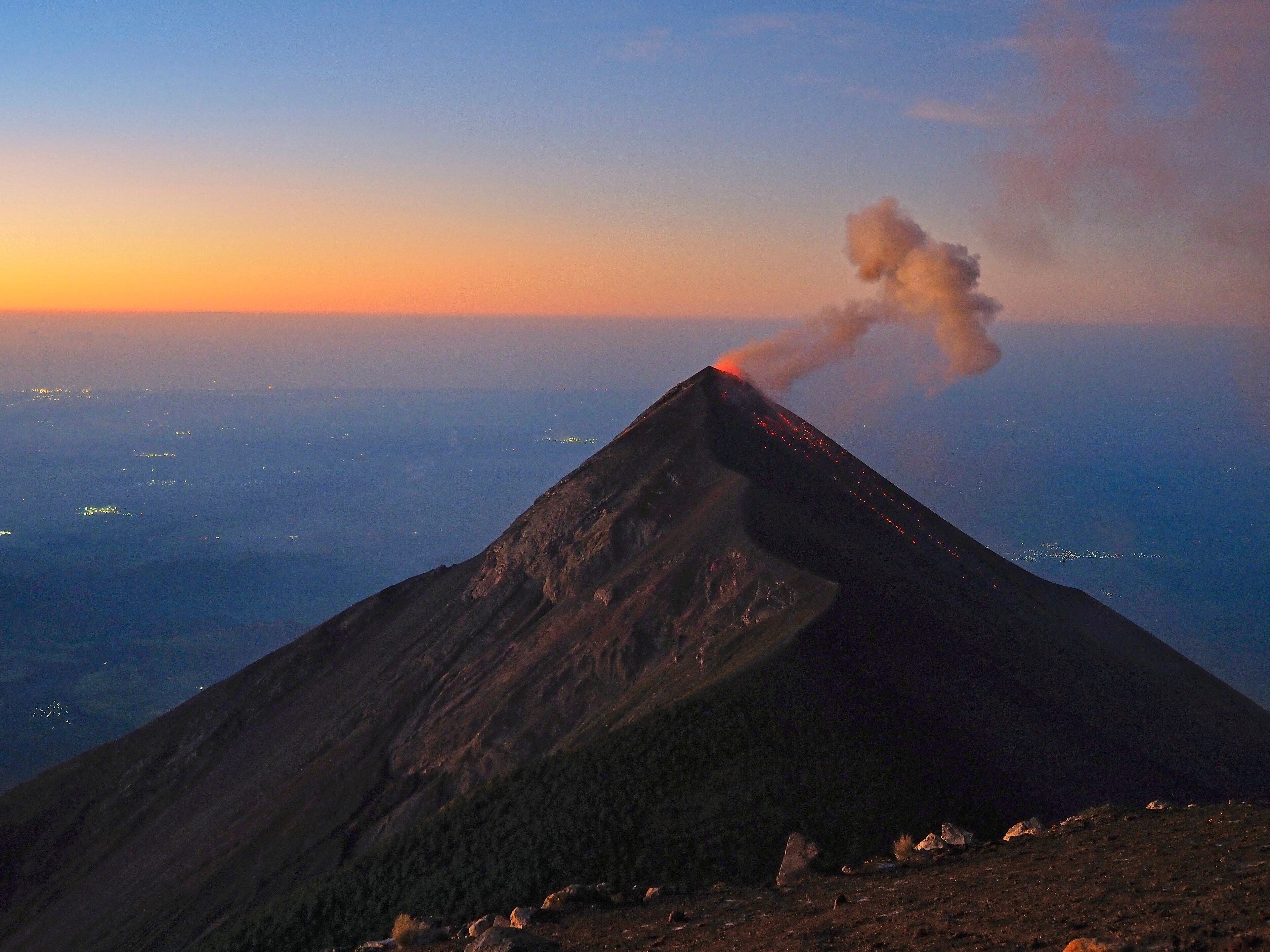
- Steaming summit craters with the Sicilian coast far below, or a night eruption seen from Taormina or the Valle del Bove. The night glow is the famous image and it depends entirely on what Etna is doing that week.
Times and requirements are approximate and change with season, weather, and local rules — confirm permits, fares, and schedules with operators before you travel.
Natural riches of the area
- Extremely fertile volcanic soils (vines, citrus, olives, pistachios)
- Ongoing lava, ash, and mineral deposition
- Geothermal heat and distinctive high-altitude ecosystems
- Snowpack feeding springs on a Mediterranean island
Local food
- Pistachios of Bronte
- Prized bright-green pistachios grown in Etna's volcanic soil, used in pesto and pastries.
- Etna DOC wine
- Elegant reds and whites from Nerello and Carricante vines on the volcanic slopes.
- Granita & arancini
- Sicilian classics — icy fruit granita and fried stuffed rice balls.
Etna dominates eastern Sicily the way few mountains dominate anywhere — a vast, snow-topped, smoking presence visible from Catania’s streets and the sea. It is Europe’s largest active volcano and one of the most active on the planet, erupting frequently enough that its summit height changes and its lava flows are among the most closely studied anywhere.
The paradox of Etna is that its violence is also its gift. Every eruption lays down mineral-rich ash and lava that weather into extraordinarily fertile ground, and Sicilians have farmed its flanks for millennia — vineyards, olives, citrus, and the celebrated green pistachios of Bronte. You can hike its lava fields and smoking craters (with a guide, and an eye on the day’s activity), then descend to taste wine grown from the very soil the volcano keeps renewing. Fire and fertility, in one mountain.
Mount Etna: common questions
How do you get to Mount Etna?
From Catania (CTA), Sicily: Fly → Catania (CTA); Drive or bus Catania → Rifugio Sapienza on the south side — roughly 1h–1h30; Cable car, then 4x4 track → around 2,900m; Guided walk to the upper craters — about 1h–2h on the mountain. Total travel time: Under two hours from Catania to the cable car.
When is the best time to visit Mount Etna?
April to June and September to October for mild hiking weather; winter brings skiing on its snowy upper slopes. Access to the summit craters depends on current volcanic activity.
How long should you spend at Mount Etna?
Half a day, or a full day with a guided ascent. Total travel time: Under two hours from Catania to the cable car.
What should you bring to Mount Etna?
Boots with a stiff sole — the ground is sharp, loose volcanic clinker that destroys trainers and turns ankles A dust mask and sealed eyewear for ash, which blows constantly on the upper slopes and is abrasive rather than merely dirty A proper windproof layer, because at 3,000m the wind is fierce and the temperature bears no relation to Catania Sun protection on bare black rock, which reflects heat back up at you even in cold air Flexibility in your plans: the upper mountain closes at short notice and the cable car stops in wind
Do you need a permit or guide for Mount Etna?
The lower slopes and the Sapienza area are freely accessible, but the summit craters are not: above roughly 2,900m you must be with an authorised alpine or volcanological guide, and the boundary moves with the volcano's behaviour. Etna is continuously active, and paroxysms close sections, halt the cable car and occasionally close Catania airport for ashfall. Nothing published in advance survives an eruptive episode. Check the INGV Osservatorio Etneo bulletins and the Parco dell'Etna position before you go up.
Is Mount Etna crowded, and what are conditions like?
Busy at Rifugio Sapienza and the Silvestri craters, which are a roadside stop. Thinner the higher you go, and the guided summit groups are small. Cold, windy, ash-blown and lunar above the treeline. Snow-covered and skiable in winter. Facilities: Full at Sapienza — cable car, restaurants, shops, guide offices. Nothing above.
Added Updated