🇵🇱 Natural wonders of Poland
A country of ancient forest, lake districts, and Baltic dunes, rising in the south to the Tatras — the highest and most alpine range of the Carpathians.
🗓️ Best time for nature: Late spring through early autumn (roughly May–September) for hiking and lakes; winter brings snow, ski touring, and a quiet beauty to the mountains.
The lay of the land
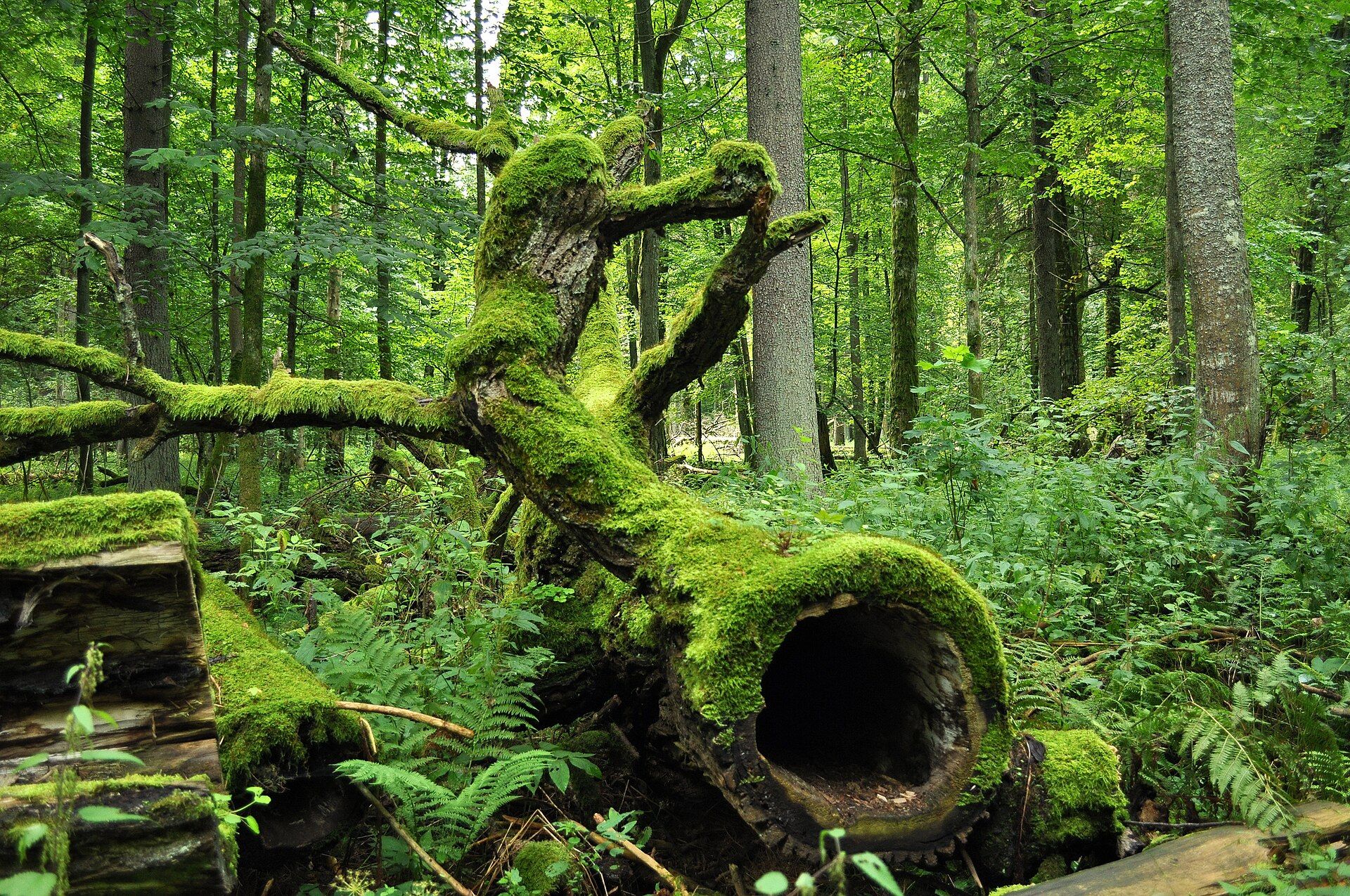
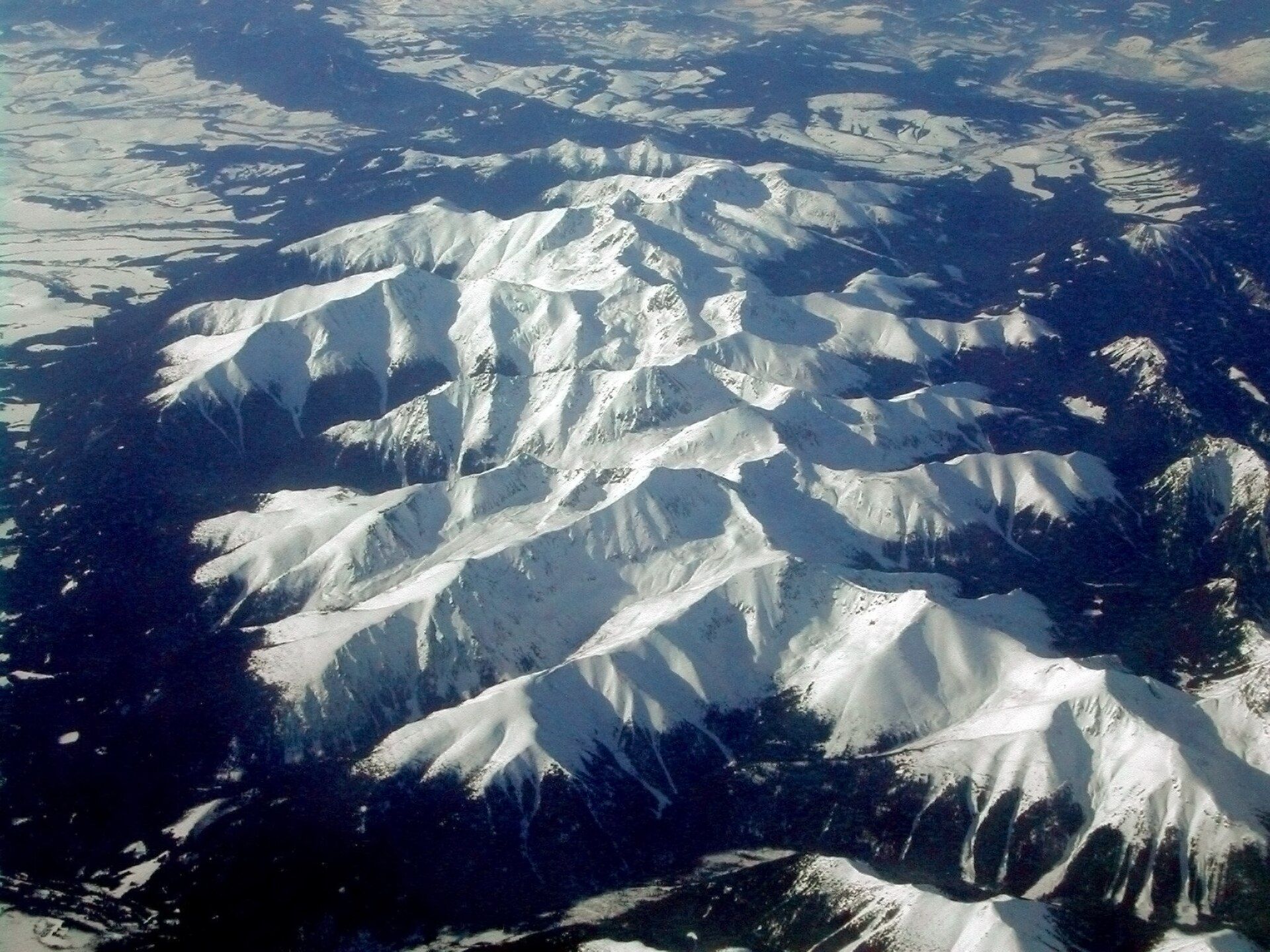
Poland's landscapes run from the shifting dunes and amber-strewn beaches of the Baltic coast, through the Masurian lake district and the primeval Białowieża Forest — one of the last great lowland old-growth woods in Europe, home to wild bison — to the mountains of the south. There the Tatras rise abruptly from the Carpathian foothills as a compact but genuinely alpine range of granite peaks, glacial tarns, and deep valleys, sheltering bears, wolves, lynx, and the endemic Tatra chamois.
Where to begin
-
Tatra Mountains
The alpine heart of the Carpathians — granite peaks and glacial lakes.
-
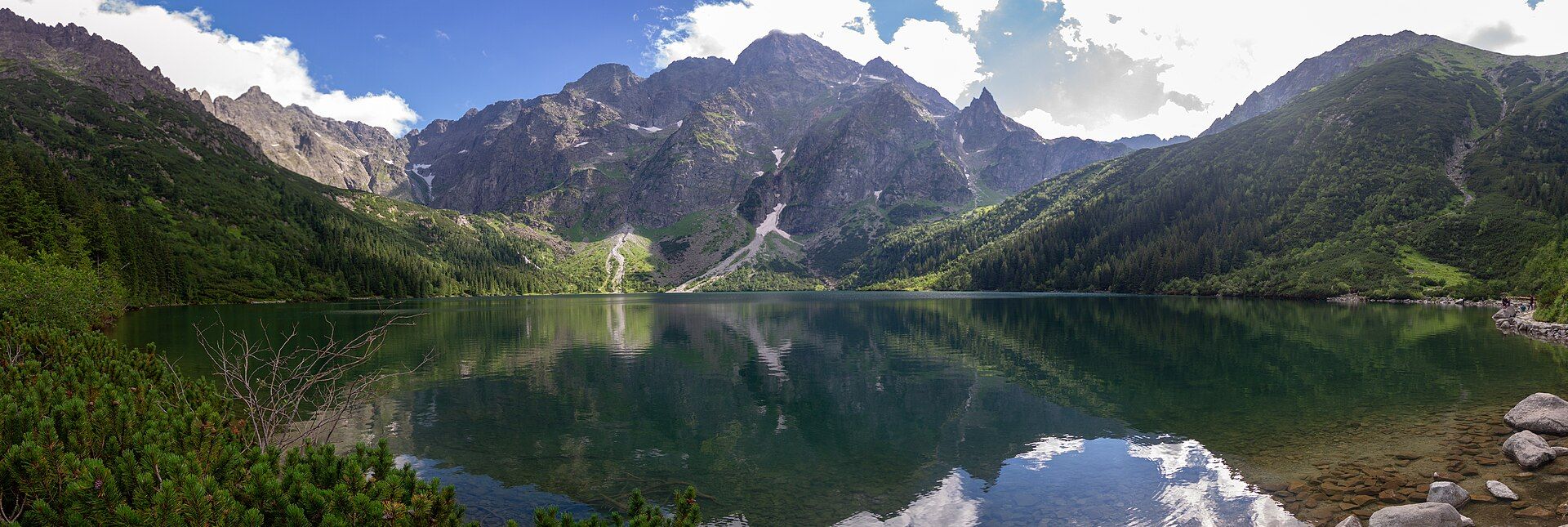
Morskie Oko
The 'Eye of the Sea' — the largest and best-loved lake of the Polish Tatras.
-
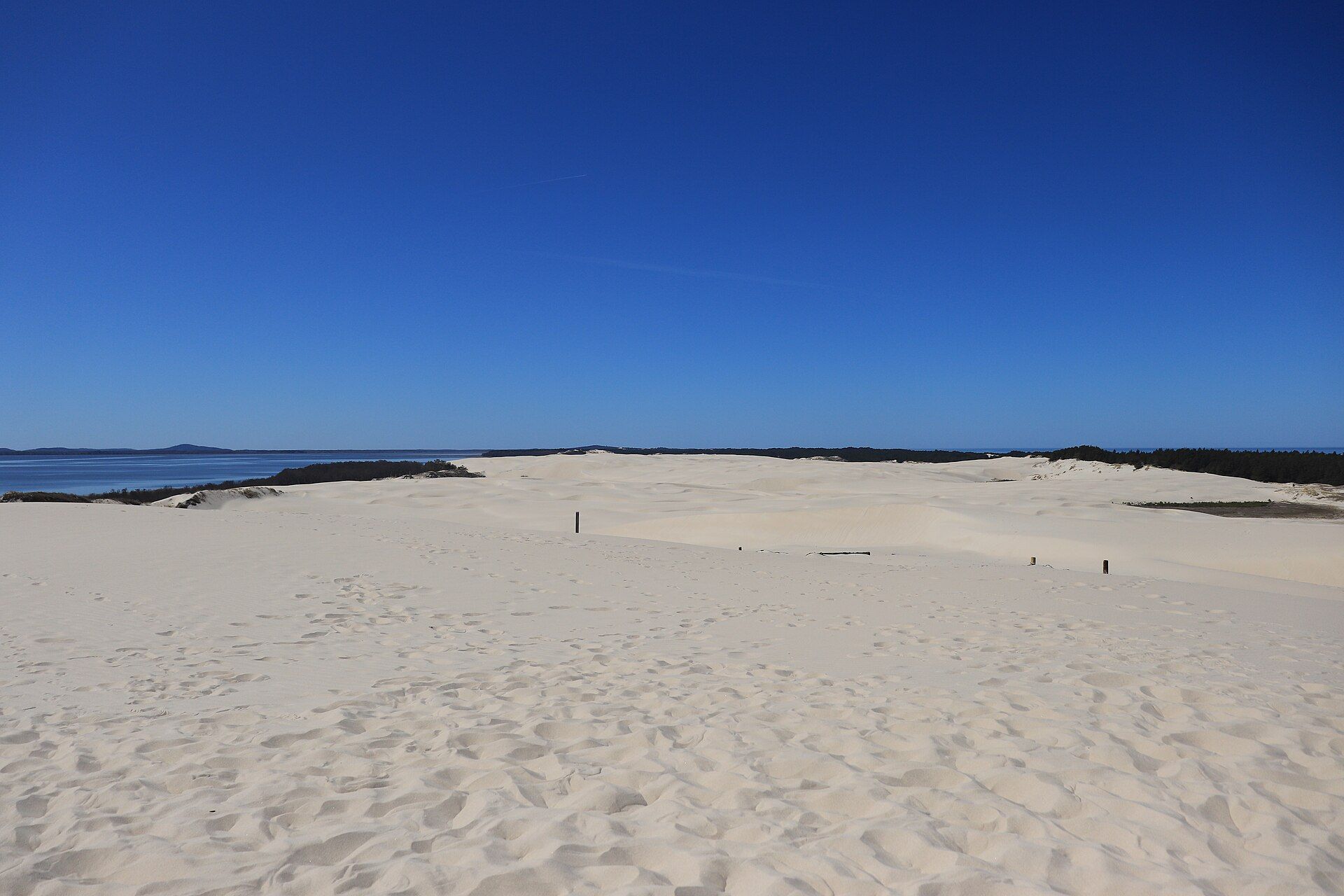
Słowiński Sand Dunes
Europe's largest wandering dunes, marching inland on the Baltic coast.
-
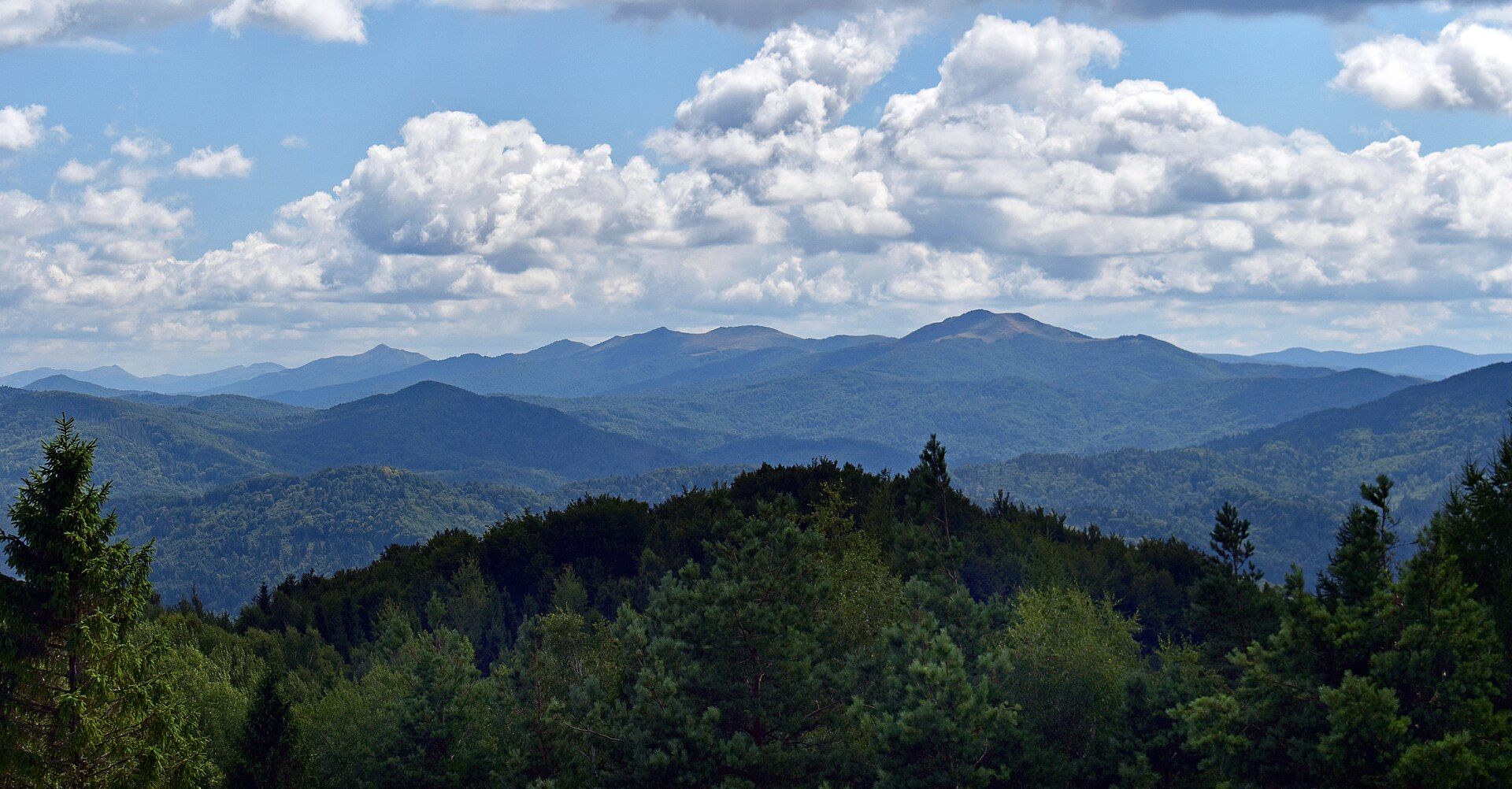
Bieszczady Mountains
Poland's wild south-east — open ridge meadows roamed by wolves and bison.
A taste of the place
Polish cooking is hearty and rooted in the seasons: żurek (sour rye soup), bigos (hunter's stew), pierogi, and rye bread, with the Tatra highlands adding smoked sheep's-milk oscypek cheese and Góral mountain dishes.
Traveling responsibly
- Base in Zakopane for the Polish Tatras and their trail network.
- Hike June–September; book mountain huts well in advance.
- Start the popular Morskie Oko trail early to beat the crowds.
Poland’s natural range runs from the shifting dunes and amber beaches of the Baltic, through the Masurian lakes and the primeval Białowieża Forest — one of Europe’s last great lowland old-growth woods, still roamed by wild bison — to the mountains of the far south. There the Tatras rise abruptly out of gentle Carpathian foothills as a compact but fully alpine range: granite spires, glacial tarns like the celebrated Morskie Oko, and forests holding bears, wolves, lynx, and chamois found nowhere else. This atlas chapter begins in those mountains.
Added Updated
All wonders in Poland
5 places