Lauterbrunnen Valley
📍 Bernese Oberland, Switzerland
A glacier-carved Alpine valley walled by sheer cliffs down which seventy-two waterfalls pour — including the free-falling Staubbach and the thundering Trümmelbach inside the mountain.
What makes it marvelous
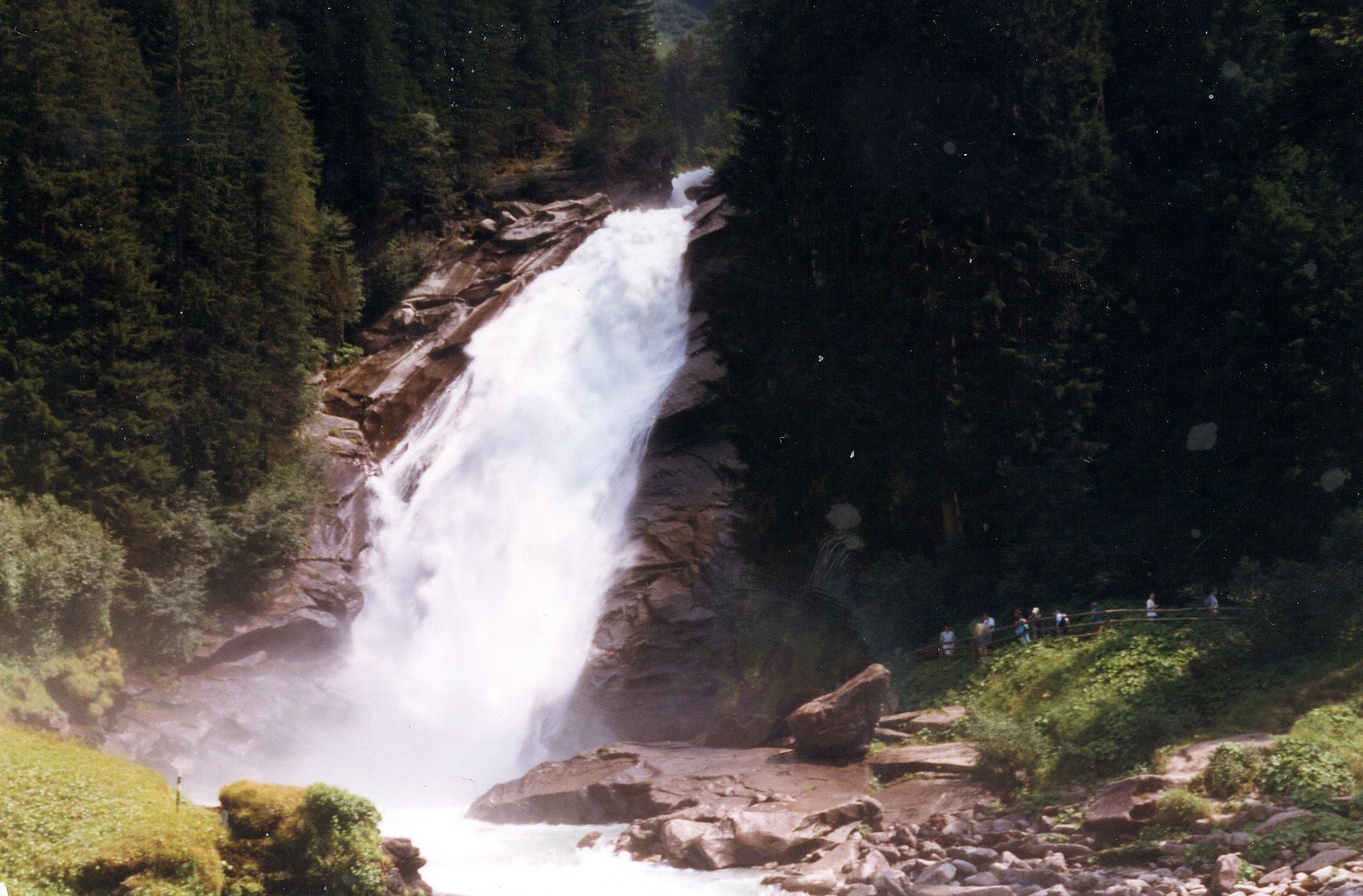
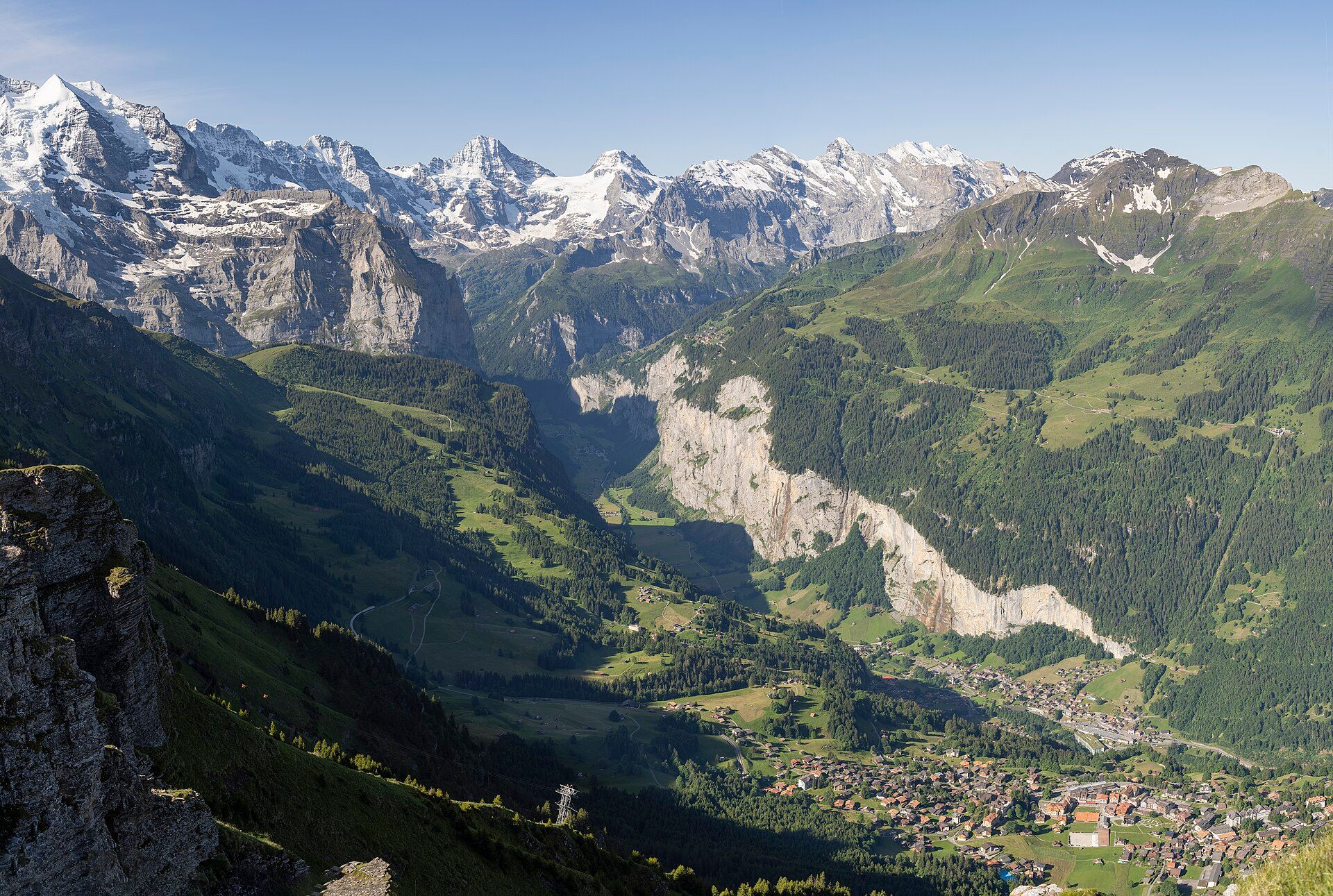
The Lauterbrunnen Valley is a textbook glacial trough: a flat green floor between vertical rock walls nearly a kilometre high, carved by an Ice Age glacier and left hanging so that the streams above spill straight off the cliff edges. Seventy-two waterfalls tumble into the valley, the most famous being the Staubbach Falls, which drops almost 300 metres in a single free fall, the wind often blowing it to mist. Hidden inside the mountain, the Trümmelbach Falls carry the meltwater of the great peaks above through a series of thundering rock chambers.
Why visit
Standing on the valley floor beneath cliffs streaming with waterfalls, with the snow peaks of the Jungfrau, Eiger, and Mönch beyond, is one of the Alps' most beautiful scenes — said to have inspired writers and filmmakers alike. Trails and cable cars climb to car-free villages like Wengen and Mürren perched on the rim, the Trümmelbach's internal falls can be visited by lift, and the whole valley is a gateway to the high Jungfrau region.
Still deciding?
Lauterbrunnen Valley comes up most often against these — each one weighs cost, effort, season and crowds side by side.
More views of Lauterbrunnen Valley
Additional photographs of the actual site — each freely licensed, with its photographer and licence credited.
What to know before you go
🗓️ Best time
Late spring to early autumn (roughly May–October), when snowmelt feeds the waterfalls at full force and the trails and lifts are open; the falls are strongest in early summer.
🧭 Getting there & access
In the Bernese Oberland, reached by train via Interlaken to Lauterbrunnen village. Cable cars and mountain railways climb to the clifftop villages and the high Jungfrau region; the valley floor is walkable and cyclable.
Good to know
- Come in early summer for the most powerful waterfalls from the snowmelt.
- Ride up to car-free Wengen or Mürren for the valley-and-peaks panorama.
- Don't miss the Trümmelbach Falls, reached by a lift inside the mountain.
Plan your visit
Easy🧭 Getting there
From Bern (BRN) or Zürich (ZRH), Switzerland
- Fly to Zürich or Bern, or arrive by train
- Train via Interlaken to Lauterbrunnen village
- Cable cars and mountain railways up to the clifftop villages
- Total travel
- A couple of hours from Zürich by train
- Time at site
- A day for the valley and falls; several for the wider Jungfrau region
- Access
- The valley is freely accessible on foot and by bike; the mountain railways, cable cars, and the Trümmelbach Falls lift are ticketed. Winter narrows options but the valley stays reachable.
🎒 What to bring & consider
- A rain layer for waterfall spray and quick Alpine weather changes
- Comfortable shoes for the valley walks and village paths
- Warm layers if you head up to the high villages or peaks
- A rail pass if exploring the wider Jungfrau region
👁️ What to expect
- Crowds
- Popular and busy in summer, especially near Staubbach and the station; the high villages and early mornings are calmer.
- Conditions
- Easy, flat walking on the valley floor; cable cars and trails climb steeply to the rim.
- Facilities
- Excellent — trains, cable cars, hotels, and restaurants throughout; car-free villages above.
- The view
- The Staubbach Falls or a cliff full of waterfalls with snow peaks beyond, from the valley floor. Early-summer snowmelt makes the falls their most dramatic.
Times and requirements are approximate and change with season, weather, and local rules — confirm permits, fares, and schedules with operators before you travel.
Natural riches of the area
- A glacier-carved U-shaped valley with near-vertical walls
- Seventy-two waterfalls, including the free-falling Staubbach
- The glacier-fed Trümmelbach Falls inside the mountain
- Alpine meadows beneath the Jungfrau, Eiger, and Mönch
Local food
- Rösti
- Crisp pan-fried grated potatoes, a Swiss comfort-food classic.
- Cheese fondue
- Melted Alpine cheese for dipping bread — the quintessential mountain meal.
The Lauterbrunnen Valley is one of the most beautiful places in the Alps, and a perfect illustration of what glaciers can carve. An Ice Age glacier gouged out this deep, flat-floored trough and left the side valleys hanging high above, so that streams pour straight off vertical cliffs nearly a kilometre tall. Seventy-two waterfalls fall into the valley in all; the most famous, the Staubbach Falls, drops almost 300 metres in a single free fall, so airy that the wind blows it into drifting mist. Deep inside the mountain, the Trümmelbach Falls channel the meltwater of the Jungfrau, Eiger, and Mönch through a roaring succession of rock chambers.
To stand on the green valley floor, cliffs streaming with waterfalls on either side and snow peaks rising beyond, is unforgettable — a scene said to have inspired writers and filmmakers. Cable cars and mountain railways climb to car-free villages like Wengen and Mürren on the rim, with grandstand views over the whole valley, and the Trümmelbach’s hidden falls can be reached by a lift bored into the rock. Gateway to the high Jungfrau region, Lauterbrunnen is Switzerland’s valley of waterfalls at its most spectacular.
Lauterbrunnen Valley: common questions
How do you get to Lauterbrunnen Valley?
From Bern (BRN) or Zürich (ZRH), Switzerland: Fly to Zürich or Bern, or arrive by train; Train via Interlaken to Lauterbrunnen village; Cable cars and mountain railways up to the clifftop villages. Total travel time: A couple of hours from Zürich by train.
When is the best time to visit Lauterbrunnen Valley?
Late spring to early autumn (roughly May–October), when snowmelt feeds the waterfalls at full force and the trails and lifts are open; the falls are strongest in early summer.
How long should you spend at Lauterbrunnen Valley?
A day for the valley and falls; several for the wider Jungfrau region. Total travel time: A couple of hours from Zürich by train.
What should you bring to Lauterbrunnen Valley?
A rain layer for waterfall spray and quick Alpine weather changes Comfortable shoes for the valley walks and village paths Warm layers if you head up to the high villages or peaks A rail pass if exploring the wider Jungfrau region
Do you need a permit or guide for Lauterbrunnen Valley?
The valley is freely accessible on foot and by bike; the mountain railways, cable cars, and the Trümmelbach Falls lift are ticketed. Winter narrows options but the valley stays reachable.
Is Lauterbrunnen Valley crowded, and what are conditions like?
Popular and busy in summer, especially near Staubbach and the station; the high villages and early mornings are calmer. Easy, flat walking on the valley floor; cable cars and trails climb steeply to the rim. Facilities: Excellent — trains, cable cars, hotels, and restaurants throughout; car-free villages above.
Added
More wonders to explore