🇦🇹 Natural wonders of Austria
An alpine country of glaciated peaks, high valleys, and limestone karst — riddled with caves, including the largest ice cave on Earth.
🗓️ Best time for nature: Summer and early autumn (roughly June–September) for hiking, alpine passes, and cave visits; winter is a world-class ski season.
The lay of the land
The Alps cover most of Austria, rising to glaciated peaks above deep valleys, alpine pastures, and clear mountain lakes. Much of the range here is limestone, and where limestone meets abundant water the result is karst: the country is honeycombed with caves and underground rivers. The most remarkable is Eisriesenwelt near Werfen, the largest ice cave in the world, where meltwater freezes inside the mountain into towering columns and frozen waterfalls. Beyond the mountains lie the Danube valley and, in the east, the shallow steppe lake of Neusiedl with its rich birdlife.
Where to begin
-
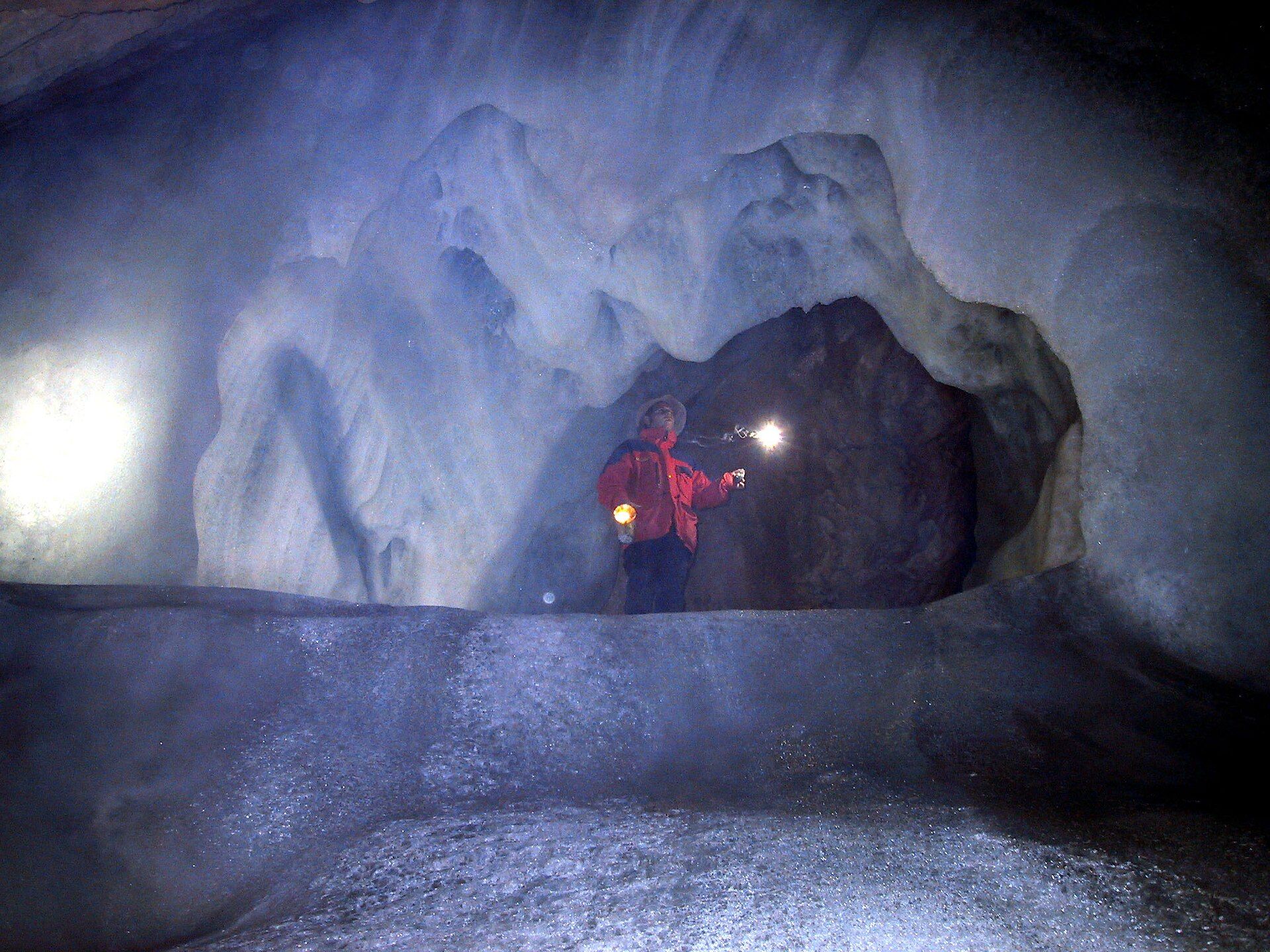
Eisriesenwelt
The largest ice cave on Earth, inside an Alpine mountain.
-
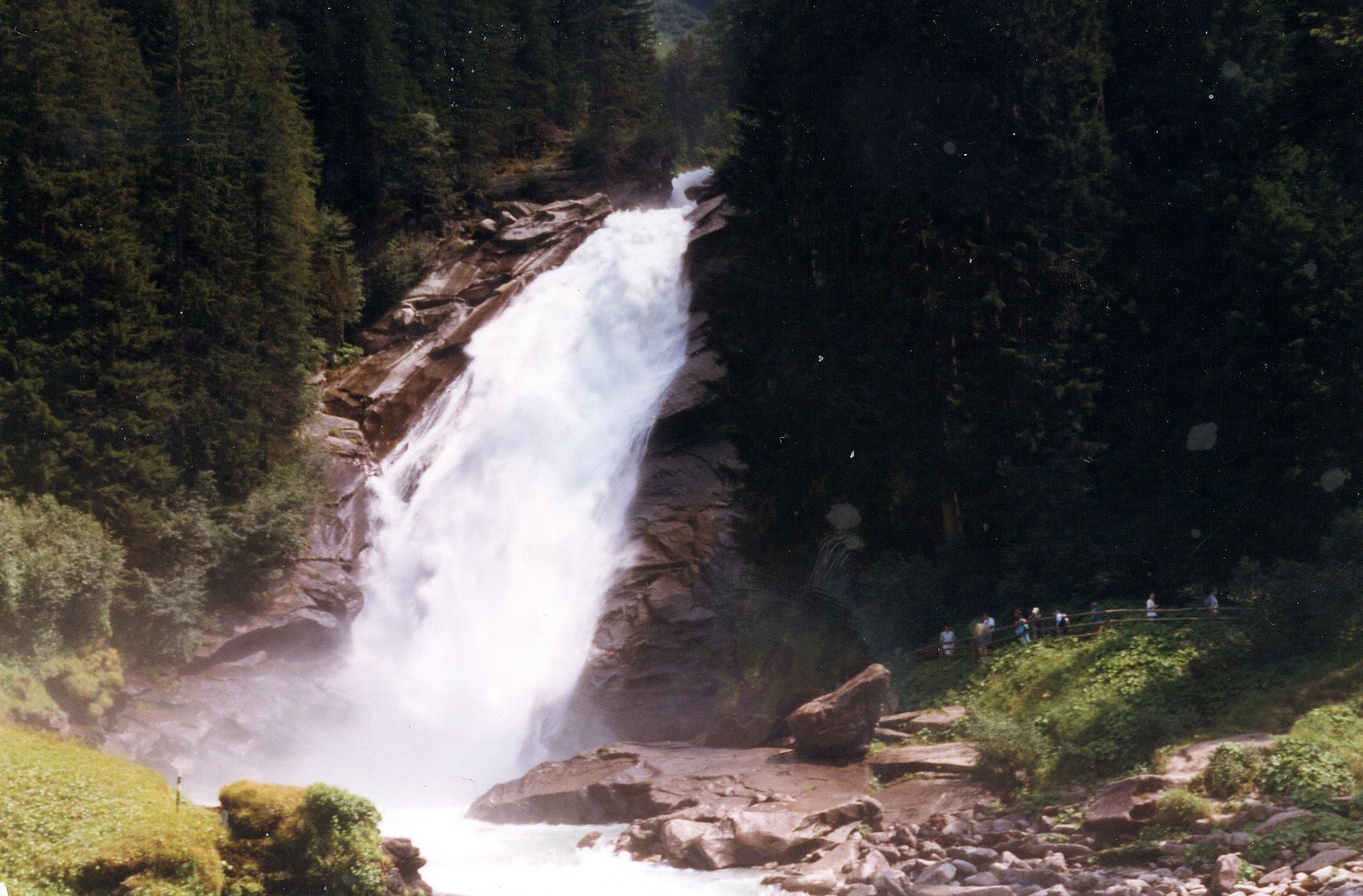
Krimml Waterfalls
Europe's tallest waterfall, dropping 380 metres in three tiers.
-
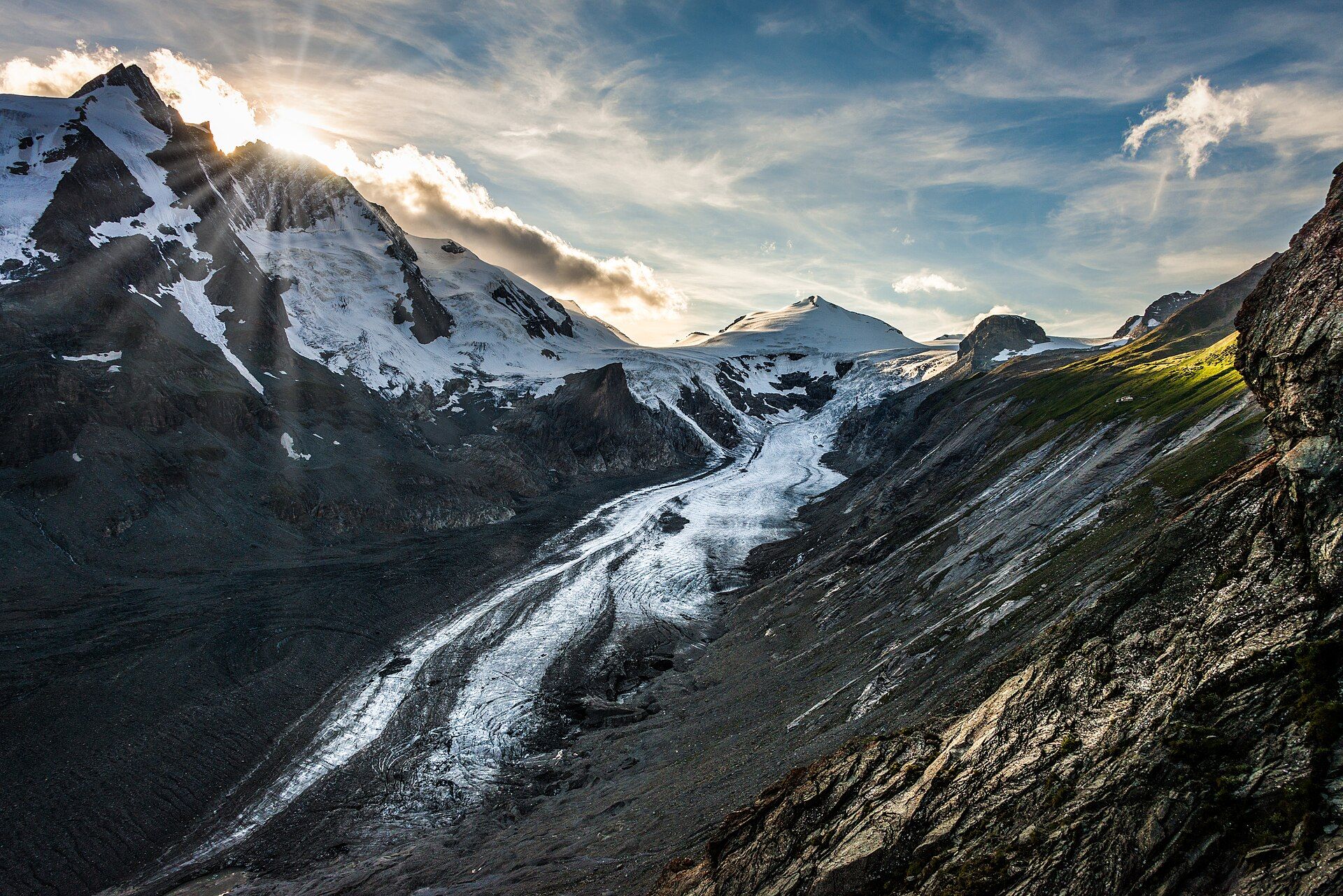
Pasterze Glacier
Austria's longest glacier, beneath the country's highest peak.
-
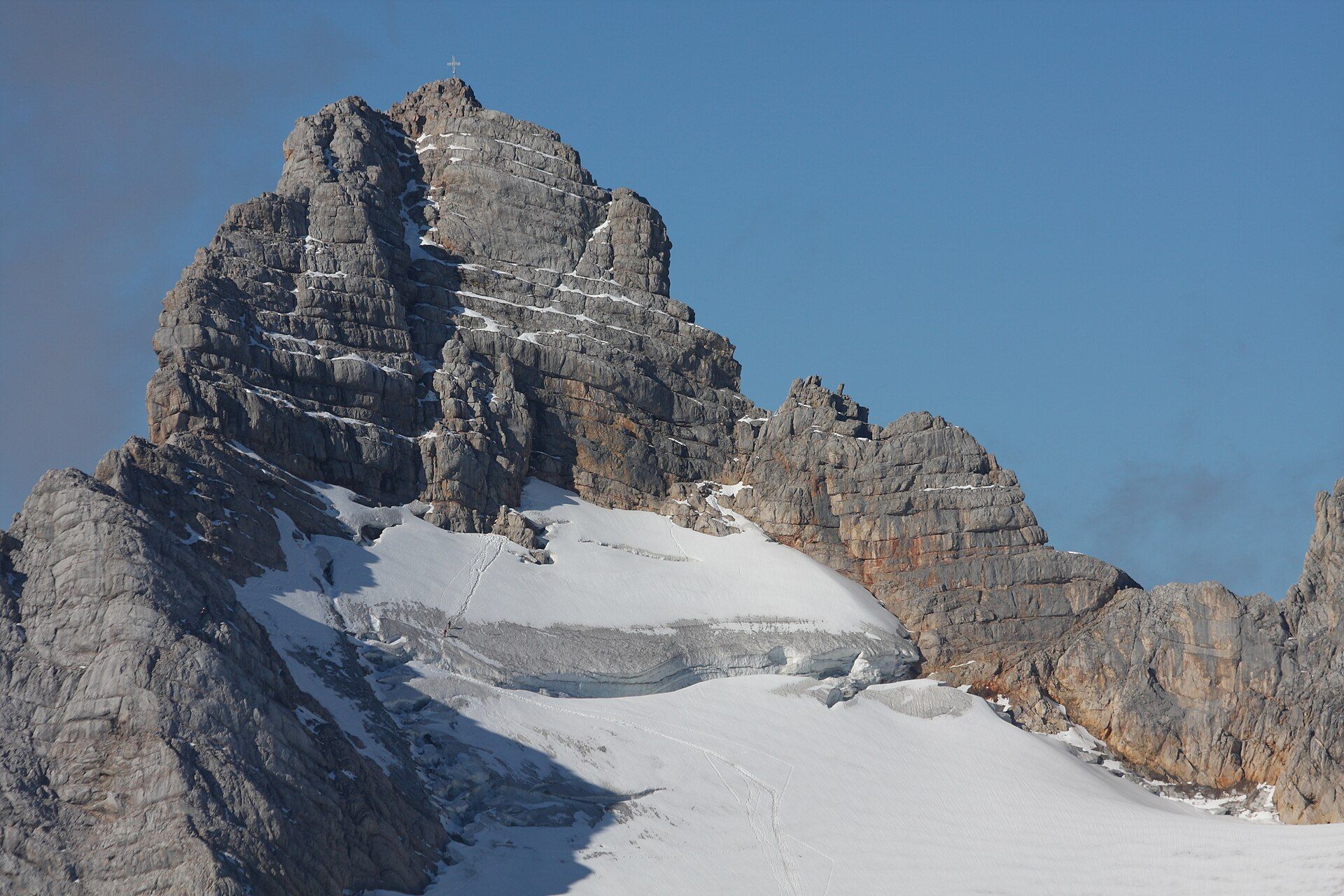
Dachstein
A limestone massif of glaciers, giant ice caves and skywalks.
A taste of the place
Austrian cooking is hearty alpine fare: dumplings (Knödel), cured speck, mountain cheeses from summer pasture milk, and famous sweets like Salzburger Nockerl and strudel.
Traveling responsibly
- Eisriesenwelt opens roughly May–October only; dress warmly for the ice.
- Reach the cave from Salzburg via Werfen, cable car, and a cliff path.
- Summer suits hiking and caves; winter is for skiing.
The Alps cover most of Austria, lifting glaciated peaks above deep valleys, alpine pastures, and clear mountain lakes. Much of the range here is limestone, and where limestone meets plentiful water you get karst — so the country is honeycombed with caves and underground rivers. The most extraordinary is Eisriesenwelt near Werfen, the largest ice cave on Earth, where meltwater seeping into a chilled mountain freezes into towering columns and frozen waterfalls that survive the summer. This atlas chapter begins inside that world of ice giants.
Added Updated
All wonders in Austria
4 places