Peneda-Gerês National Park
📍 Northern Portugal, on the Spanish border
Portugal's only national park — a wild expanse of 300-million-year-old granite mountains, oak forest, peat bog, and plunging rivers in the far north, home to Iberian wolves, wild ponies, and roaming long-horned cattle.
What makes it marvelous
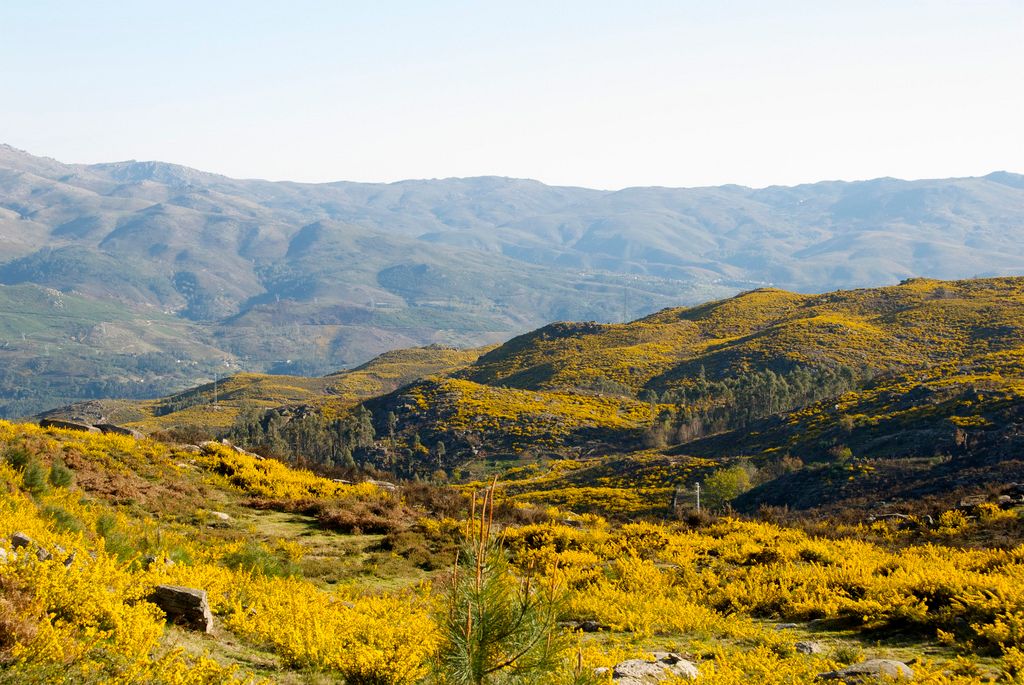
Established in 1971, Peneda-Gerês is the sole national park in Portugal, spanning roughly 700 km² of the country's mountainous northwest against the Spanish frontier. Its bones are ancient granite — heights around 300 million years old, sculpted by glaciers and weather into domes, boulder fields, and knife-edged ridges rising to about 1,545 m. Between them lie regenerating oak woods, upland peat bogs, and clear rivers that pool and fall through the valleys. The park is a refuge for wildlife that has vanished from much of Europe: the Iberian wolf, roe and red deer, golden eagles, otters, and the garrano, a hardy native pony that runs semi-wild here. Long-horned Barrosã cattle graze the high pastures, and stone-built villages with communal granaries (espigueiros) speak to a way of life shaped by this stern, beautiful land.
Why visit
This is Portugal at its wildest and greenest — a landscape of misty granite peaks, waterfalls tumbling into swimmable pools, and ancient villages where old ways endure. Hiking to a hidden cascade, spotting wild garrano ponies on a ridge, or soaking in a riverside pool beneath the mountains offers a side of Portugal few visitors ever see.
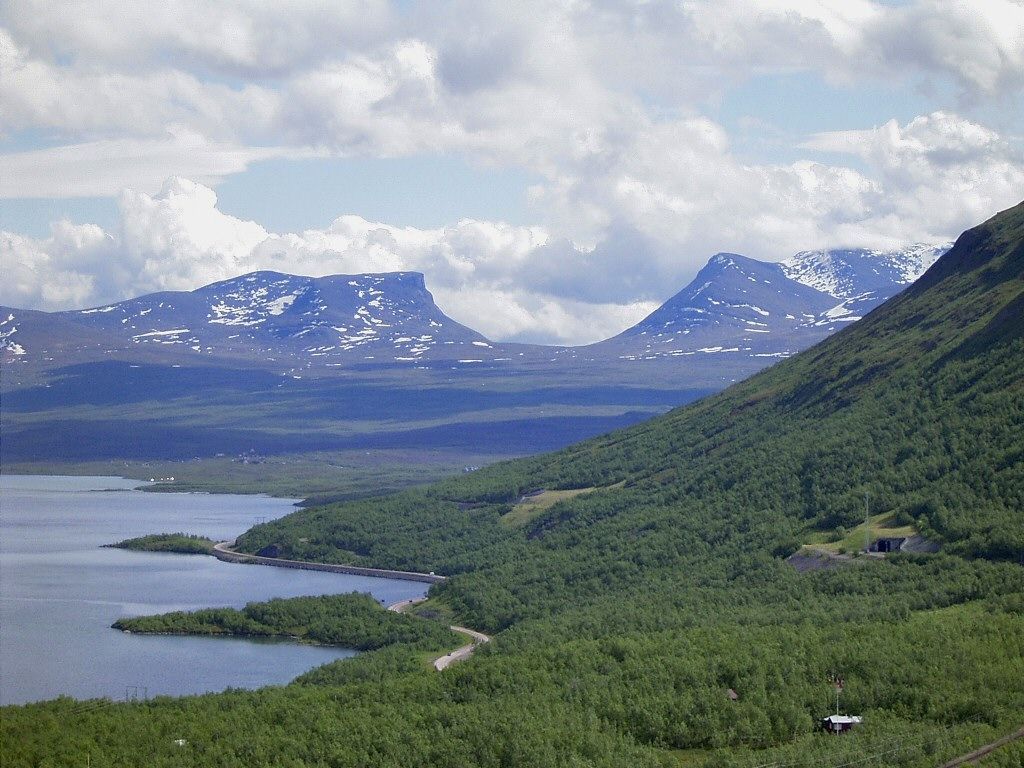
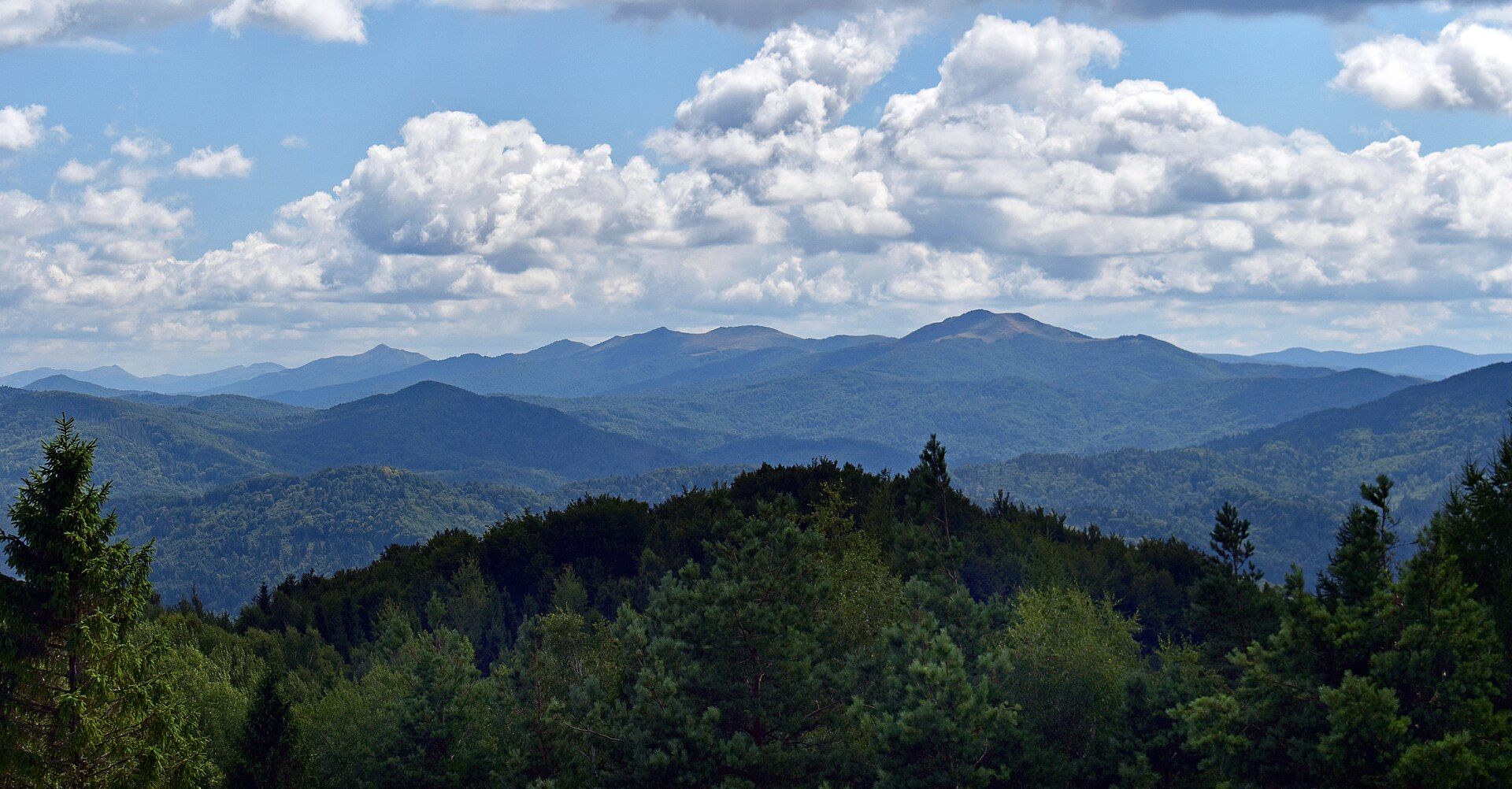
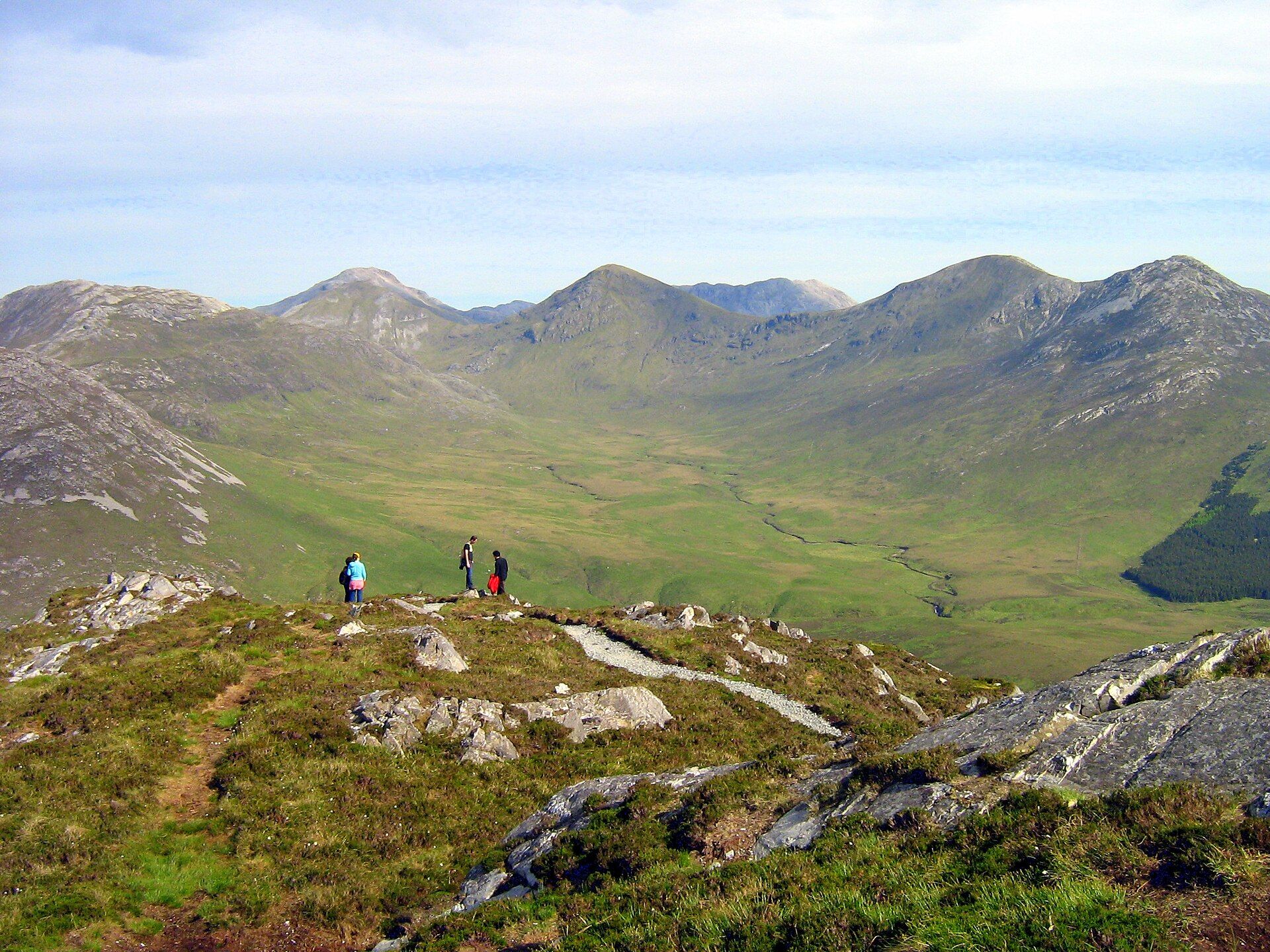
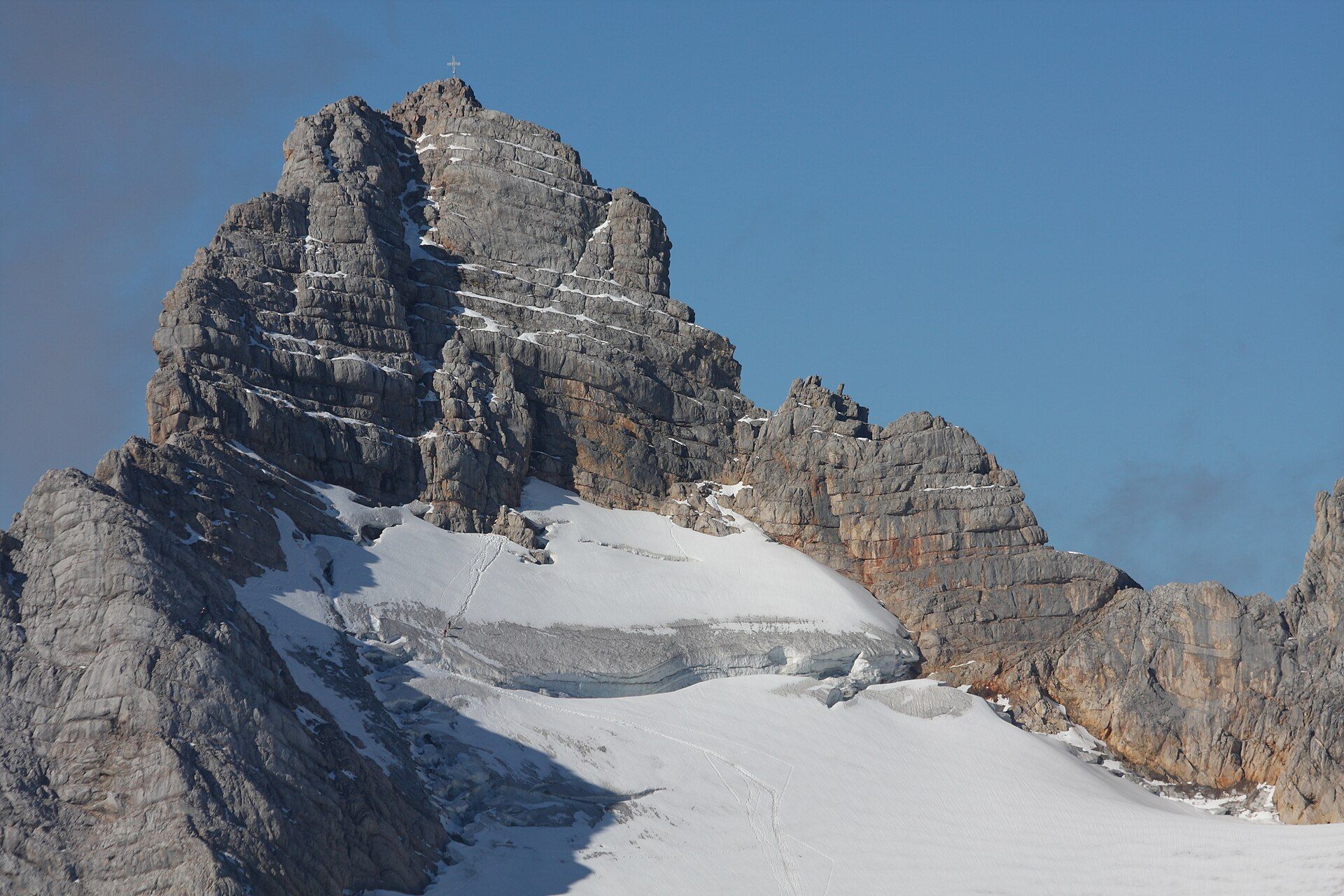
More views of Peneda-Gerês National Park
Additional photographs of the actual site — each freely licensed, with its photographer and licence credited.
What to know before you go
🗓️ Best time
Late spring to early autumn (May–September) for warm days, full waterfalls after the spring melt, and the best hiking and river-swimming; winters are cold, wet, and often snowy on the heights.
🧭 Getting there & access
Reached from Braga or Porto in the northwest; main gateways include the spa village of Gerês, Campo do Gerês, and the Peneda and Soajo highlands. A car is by far the easiest way to explore.
Good to know
- Base yourself in Gerês or Soajo and explore by car — public transport is sparse.
- Seek out the river pools and cascades for a swim after a hot day's walk.
- Give wolves and wild ponies space; this is a working landscape as well as a park.
Plan your visit
Moderate🧭 Getting there
From Porto (OPO), via Braga
- Fly to Porto, then drive north toward Braga — about 1 hour
- Braga up into the park at Gerês or Soajo — roughly another hour
- Total travel
- Around 2 hours from Porto
- Time at site
- 2–4 days to walk, swim, and explore the villages
- Access
- The park is open and free to enter, but it is large, mountainous, and thinly served by public transport — a car is all but essential. Some sensitive zones restrict access to protect wildlife; respect signed closures.
🎒 What to bring & consider
- A car, or a tour — the park is spread out and buses are rare
- Layers and waterproofs; mountain weather shifts quickly even in summer
- Sturdy footwear for granite trails and riverbank scrambles
- Swim kit for the river pools, and water for hot ridge walks
- Respect and distance around wolves, cattle, and wild ponies
👁️ What to expect
- Crowds
- Gerês village and the roadside cascades get busy in summer; the high trails stay wild and quiet.
- Conditions
- Real mountain hiking — rocky, exposed, and steep in places, with rewarding river pools.
- Facilities
- Guesthouses and restaurants in Gerês and Soajo; little once you are up on the mountain.
- The view
- Misty granite peaks and a wild pony on a ridge reward an early start before the cloud lifts.
Times and requirements are approximate and change with season, weather, and local rules — confirm permits, fares, and schedules with operators before you travel.
Natural riches of the area
- Ancient granite mountains shaped by glaciers
- Native oak forest, upland peat bogs, and heath
- Clear rivers, waterfalls, and swimmable pools
- Iberian wolves, golden eagles, and semi-wild garrano ponies
Local food
- Sarrabulho
- A rich Minho dish of pork cooked with cumin and blood-thickened rice or porridge.
- Barrosã beef
- Prized meat from the long-horned cattle raised on the park's high pastures.
- Vinho Verde
- The young, lightly sparkling green wine of Portugal's northwest.
In the far north of Portugal, hard against the Spanish border, the country keeps its one and only national park — and its wildest corner. Peneda-Gerês, established in 1971, sprawls across some 700 square kilometres of granite mountains whose bones are 300 million years old, ground and polished by ancient glaciers into domes, tors, and long ridges that top out around 1,545 metres.
Between the heights lies a mosaic of regenerating oak forest, upland peat bog, and clear rivers that gather into pools and spill over cascades. It is a stronghold for wildlife that has disappeared from much of the continent: the Iberian wolf still hunts here, golden eagles ride the thermals, and the garrano — a small, tough native pony — runs semi-wild on the slopes. Long-horned Barrosã cattle graze the high pastures much as they have for centuries.
That deep human history is part of the park’s character. Granite villages cluster in the valleys, their communal granaries raised on stone stilts against damp and rodents, and old Roman roads still thread the passes. For the visitor, Peneda-Gerês offers a Portugal almost nobody pictures: misty peaks, hidden waterfalls with pools to swim in, and a sense of genuine wilderness a couple of hours from the vineyards of the Douro.
Peneda-Gerês National Park: common questions
How do you get to Peneda-Gerês National Park?
From Porto (OPO), via Braga: Fly to Porto, then drive north toward Braga — about 1 hour; Braga up into the park at Gerês or Soajo — roughly another hour. Total travel time: Around 2 hours from Porto.
When is the best time to visit Peneda-Gerês National Park?
Late spring to early autumn (May–September) for warm days, full waterfalls after the spring melt, and the best hiking and river-swimming; winters are cold, wet, and often snowy on the heights.
How long should you spend at Peneda-Gerês National Park?
2–4 days to walk, swim, and explore the villages. Total travel time: Around 2 hours from Porto.
What should you bring to Peneda-Gerês National Park?
A car, or a tour — the park is spread out and buses are rare Layers and waterproofs; mountain weather shifts quickly even in summer Sturdy footwear for granite trails and riverbank scrambles Swim kit for the river pools, and water for hot ridge walks Respect and distance around wolves, cattle, and wild ponies
Do you need a permit or guide for Peneda-Gerês National Park?
The park is open and free to enter, but it is large, mountainous, and thinly served by public transport — a car is all but essential. Some sensitive zones restrict access to protect wildlife; respect signed closures.
Is Peneda-Gerês National Park crowded, and what are conditions like?
Gerês village and the roadside cascades get busy in summer; the high trails stay wild and quiet. Real mountain hiking — rocky, exposed, and steep in places, with rewarding river pools. Facilities: Guesthouses and restaurants in Gerês and Soajo; little once you are up on the mountain.
Added
More wonders to explore