Doñana
📍 Andalusia, southwestern Spain
The marshes at the mouth of the Guadalquivir — one of Europe's most important wetlands, a staging post for millions of migrating birds, the stronghold of the Iberian lynx, and a place now visibly running short of water.
What makes it marvelous
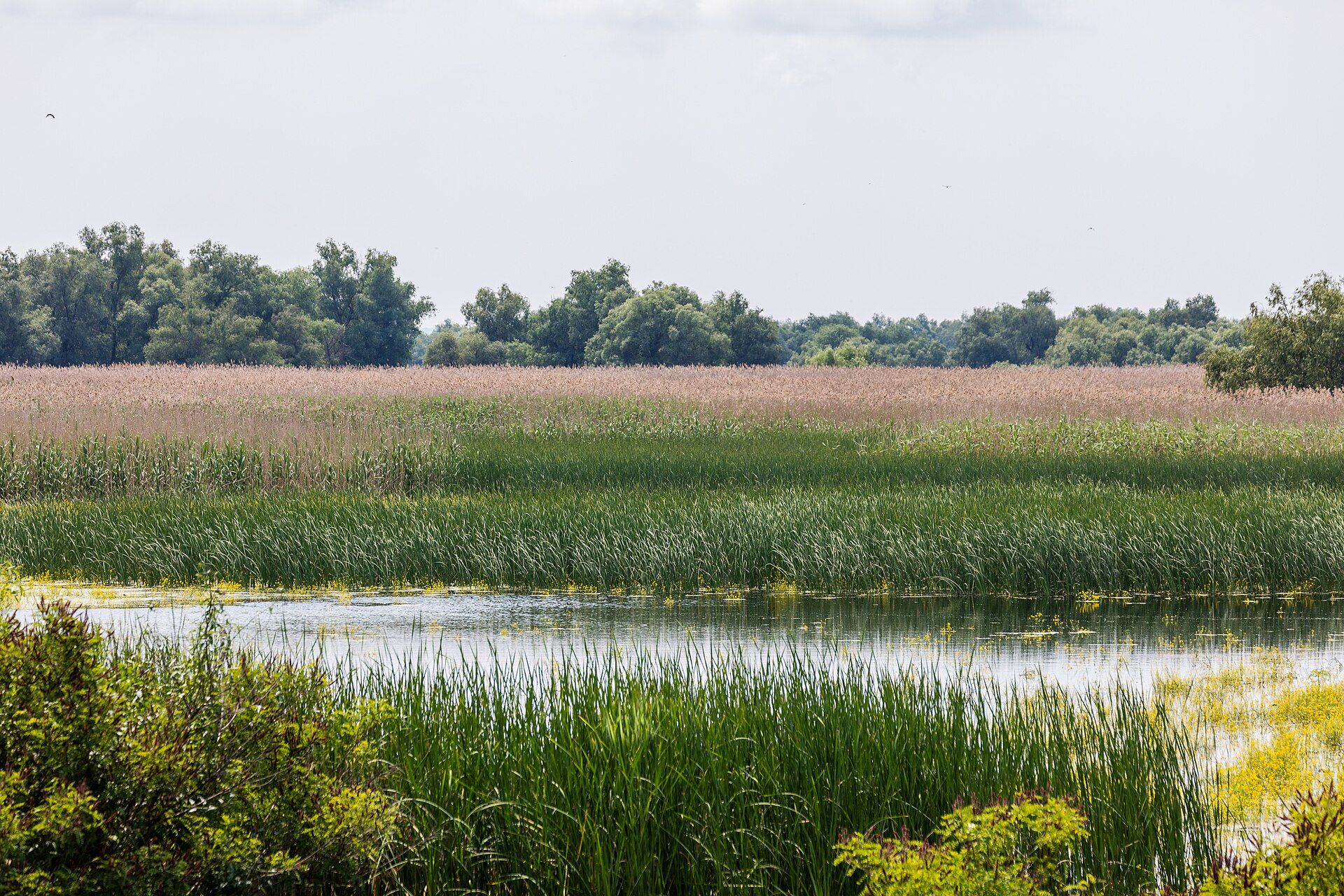
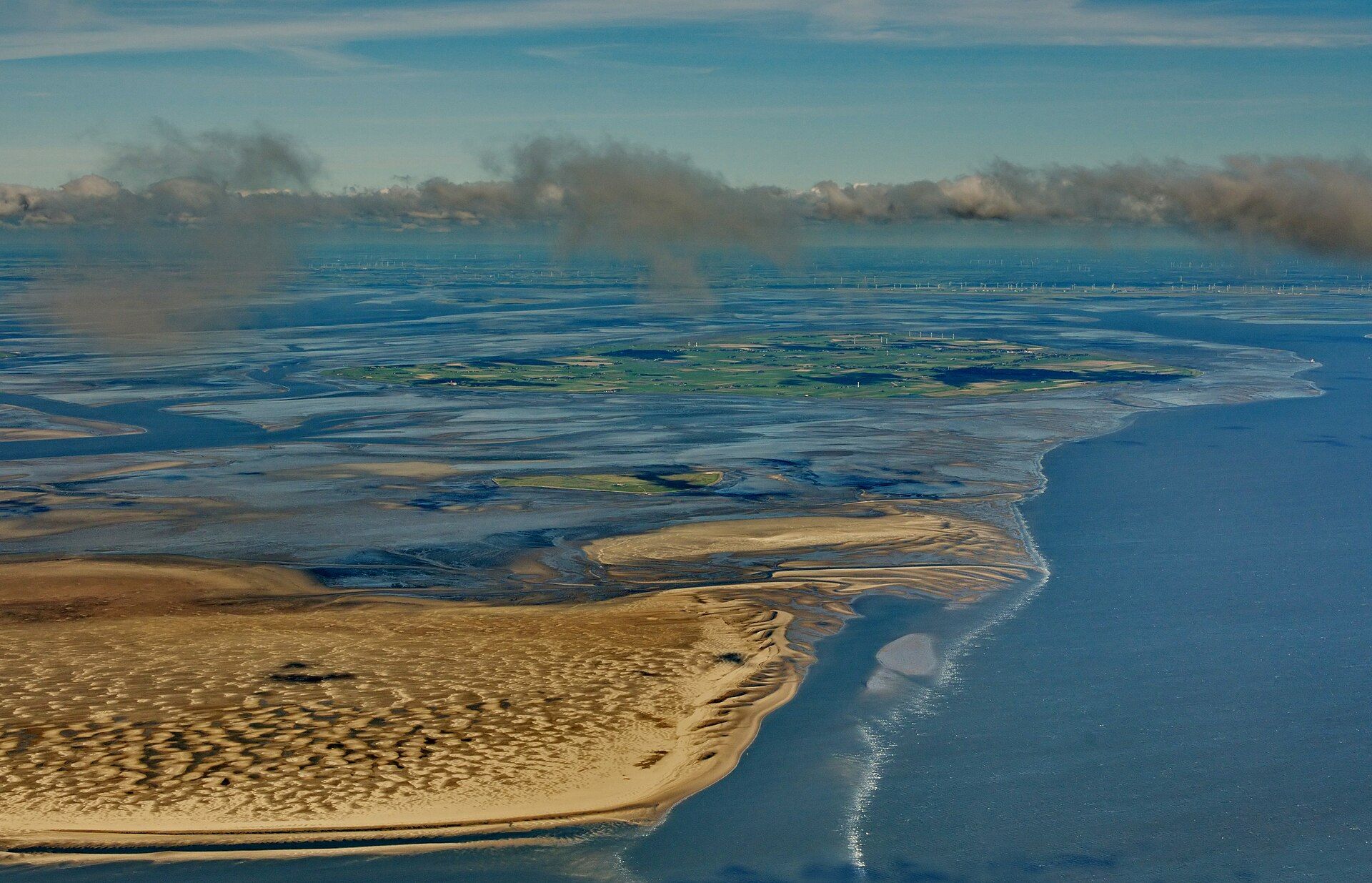
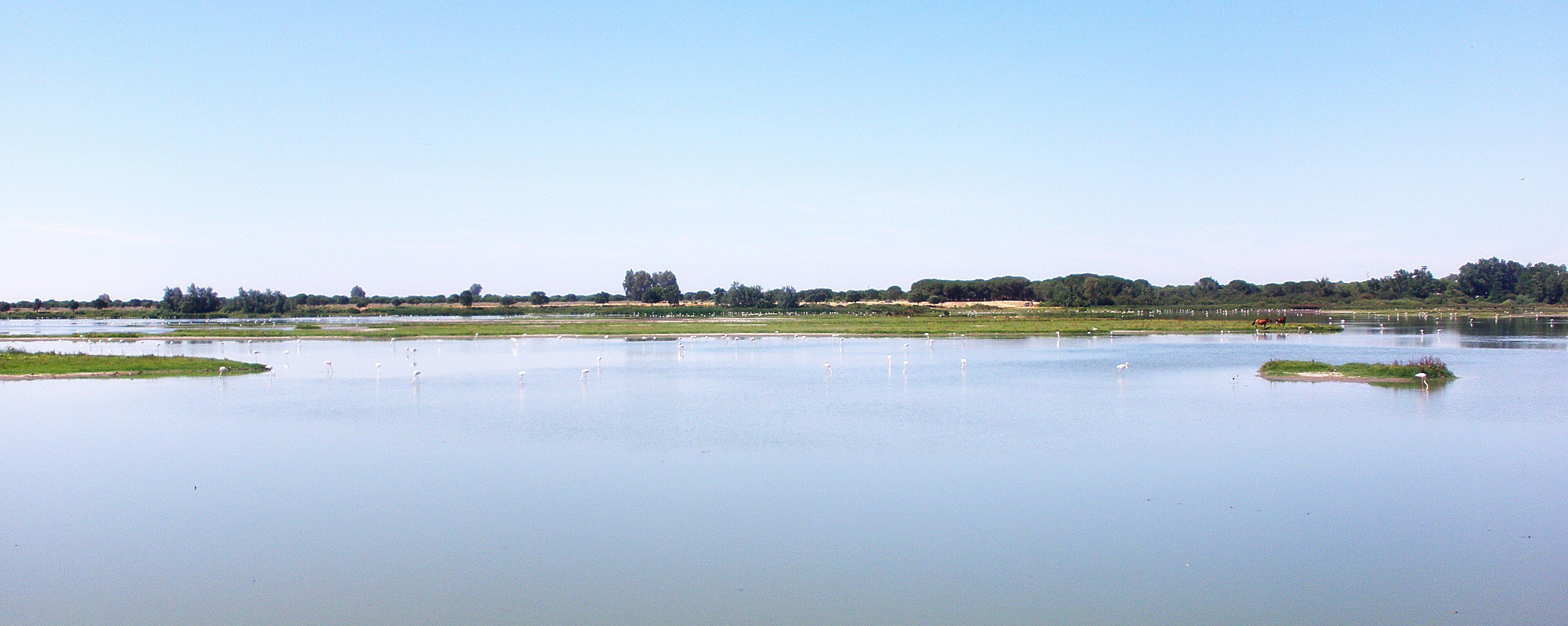
Doñana sits where the Guadalquivir meets the Atlantic, and its value comes from being the last large piece of a wetland system that once covered far more of the delta. Three habitats interlock: the marismas, seasonal marshes that flood in winter and dry to cracked mud by late summer; a belt of shifting coastal dunes that migrate inland over the pine woods; and the cotos, stabilised sandy scrub between them. That seasonal rhythm is what makes it matter internationally — Doñana lies on the flyway between Europe and Africa, and the flooded marsh feeds enormous numbers of migrating and wintering waterbirds each year. It is also the core refuge of the Iberian lynx, which fell below a hundred animals in the early 2000s and has since recovered substantially, with Doñana a key source population. UNESCO inscribed it in 1994.
Why visit
It is the best birdwatching in western Europe, and unusually legible: from the visitor centres you can watch flamingos, spoonbills, herons and raptors over open marsh without a guide. Guided 4x4 trips run into the restricted core where the dunes and the lynx habitat are, and the contrast between wet-season marsh and dry-season cracked mud makes it two very different places depending when you come.
What to know before you go
🗓️ Best time
Winter and spring, roughly November to April, when the marshes hold water and the bird numbers are highest — spring also brings breeding plumage and migrants. By late summer much of the marsh has dried out entirely and the spectacle largely disappears.
🧭 Getting there & access
About an hour from Seville or Huelva by road. The El Acebuche visitor centre is the main access point, with free boardwalks and hides. Entry to the protected core is only by booked guided 4x4 tour or authorised operator; independent driving into the reserve is not permitted.
Good to know
- Come between November and April — outside that window the marsh may simply be dry.
- Book the guided 4x4 into the core well ahead; independent access is not allowed.
- Bring a scope or good binoculars; much of the birdlife is at distance over open water.
- The free hides at El Acebuche and José Antonio Valverde are excellent and cost nothing.
Plan your visit
Easy🧭 Getting there
From Seville (SVQ), Andalusia, Spain
- Fly into Seville or Faro
- Drive about an hour to El Rocío or Matalascañas
- Walk the free boardwalks and hides at El Acebuche
- Join a booked 4x4 tour to enter the restricted core
- Total travel
- About an hour from Seville
- Time at site
- A full day minimum; two if you want both the marsh hides and the core
- Access
- The visitor centres, boardwalks and hides are free and open to all. The protected core requires a booked guided tour with an authorised operator — private vehicles cannot enter. Some areas close seasonally to protect breeding birds.
🎒 What to bring & consider
- Binoculars or a spotting scope, which make the difference here
- Sun protection and water; the marsh edge is open and hot from spring onward
- Insect repellent for the marsh boardwalks at dawn and dusk
- A booking reference for the 4x4 if you want the core
- Realistic timing — a dry marsh in August is a very different visit
👁️ What to expect
- Crowds
- The El Rocío end gets busy at weekends and around the town's large spring events, when accommodation books out for miles; the hides stay quiet on weekdays.
- Conditions
- Flat, hot and exposed in summer; mild and often wet in winter, which is when the marsh is at its best.
- Facilities
- Several visitor centres with hides, parking and toilets; villages nearby for food and lodging.
- The view
- Flamingos and spoonbills on flooded marsh in low winter light from the Valverde hides.
Times and requirements are approximate and change with season, weather, and local rules — confirm permits, fares, and schedules with operators before you travel.
Natural riches of the area
- Seasonal marismas at the mouth of the Guadalquivir
- A migrating dune belt advancing inland over pine woodland
- A crucial staging point on the Europe–Africa bird flyway
- Core habitat for the Iberian lynx and the Spanish imperial eagle
- Cotos — stabilised sand scrub between marsh and dune
Local food
- Gambas de Huelva
- Prawns from the Atlantic coast just west of the park, usually simply boiled.
- Jamón ibérico de Jabugo
- Acorn-fed ham cured in the Huelva sierra inland from the marshes.
- Choco frito
- Fried cuttlefish, a staple along this stretch of the Andalusian coast.
- Manzanilla
- Dry sherry from Sanlúcar de Barrameda, directly across the estuary.
Doñana is what is left of a much larger wetland at the mouth of the Guadalquivir, and it works on a seasonal rhythm. The marismas flood through winter and shrink to cracked mud by late summer; a belt of coastal dunes marches slowly inland over the pine woods behind the beach; and between the two lies the coto, a stabilised sand scrub that holds the park’s most famous resident. Because it sits directly on the flyway between Europe and Africa, the flooded marsh feeds enormous numbers of migrating and wintering waterbirds — which is the reason it carries a UNESCO listing, a Biosphere designation and Ramsar status all at once.
It is also the stronghold of the Iberian lynx. The species fell below a hundred animals in the early 2000s and has since recovered to well over a thousand across its range, with Doñana one of the source populations that made that possible. The harder part of the story is water. The aquifer that floods the marshes extends far beyond the park boundary and has been drawn down heavily for surrounding agriculture, so the marismas have been drying earlier and less completely filling in recent years — a pressure UNESCO has repeatedly raised. The park is still magnificent in a wet winter. It is a noticeably thinner experience in a dry one, and which you get is no longer purely a matter of season.
Doñana: common questions
How do you get to Doñana?
From Seville (SVQ), Andalusia, Spain: Fly into Seville or Faro; Drive about an hour to El Rocío or Matalascañas; Walk the free boardwalks and hides at El Acebuche; Join a booked 4x4 tour to enter the restricted core. Total travel time: About an hour from Seville.
When is the best time to visit Doñana?
Winter and spring, roughly November to April, when the marshes hold water and the bird numbers are highest — spring also brings breeding plumage and migrants. By late summer much of the marsh has dried out entirely and the spectacle largely disappears.
How long should you spend at Doñana?
A full day minimum; two if you want both the marsh hides and the core. Total travel time: About an hour from Seville.
What should you bring to Doñana?
Binoculars or a spotting scope, which make the difference here Sun protection and water; the marsh edge is open and hot from spring onward Insect repellent for the marsh boardwalks at dawn and dusk A booking reference for the 4x4 if you want the core Realistic timing — a dry marsh in August is a very different visit
Do you need a permit or guide for Doñana?
The visitor centres, boardwalks and hides are free and open to all. The protected core requires a booked guided tour with an authorised operator — private vehicles cannot enter. Some areas close seasonally to protect breeding birds.
Is Doñana crowded, and what are conditions like?
The El Rocío end gets busy at weekends and around the town's large spring events, when accommodation books out for miles; the hides stay quiet on weekdays. Flat, hot and exposed in summer; mild and often wet in winter, which is when the marsh is at its best. Facilities: Several visitor centres with hides, parking and toilets; villages nearby for food and lodging.
Added
More wonders to explore