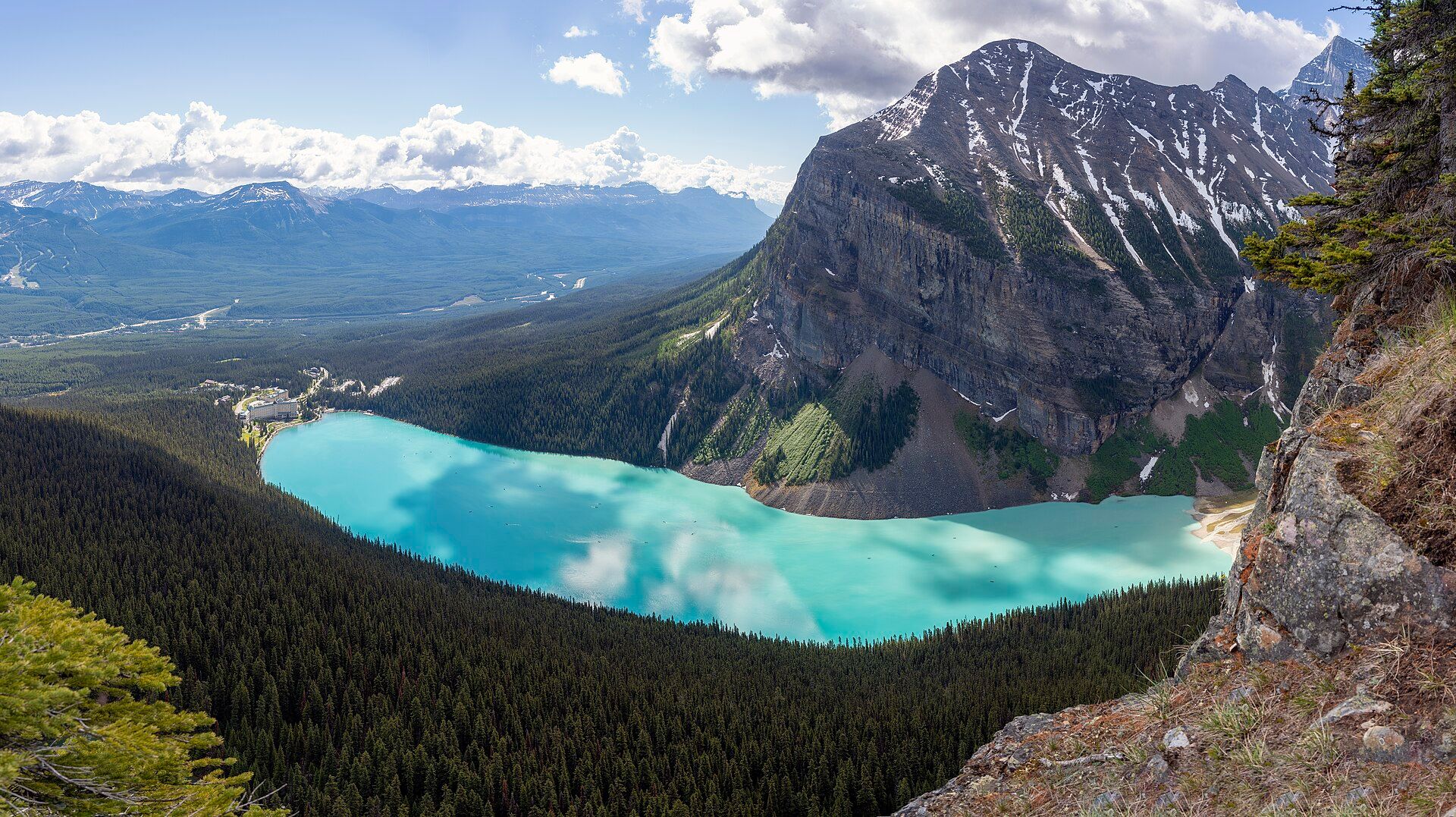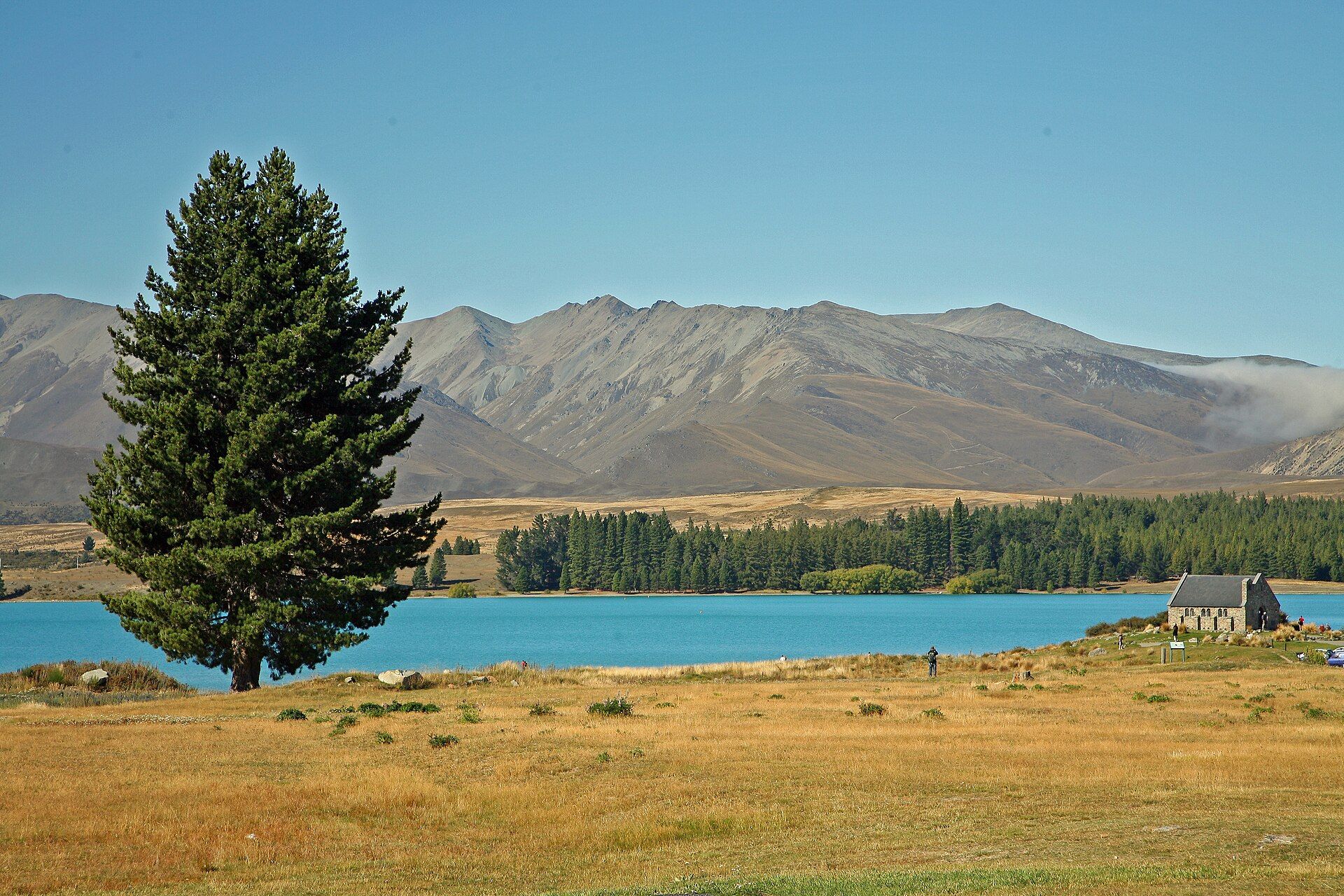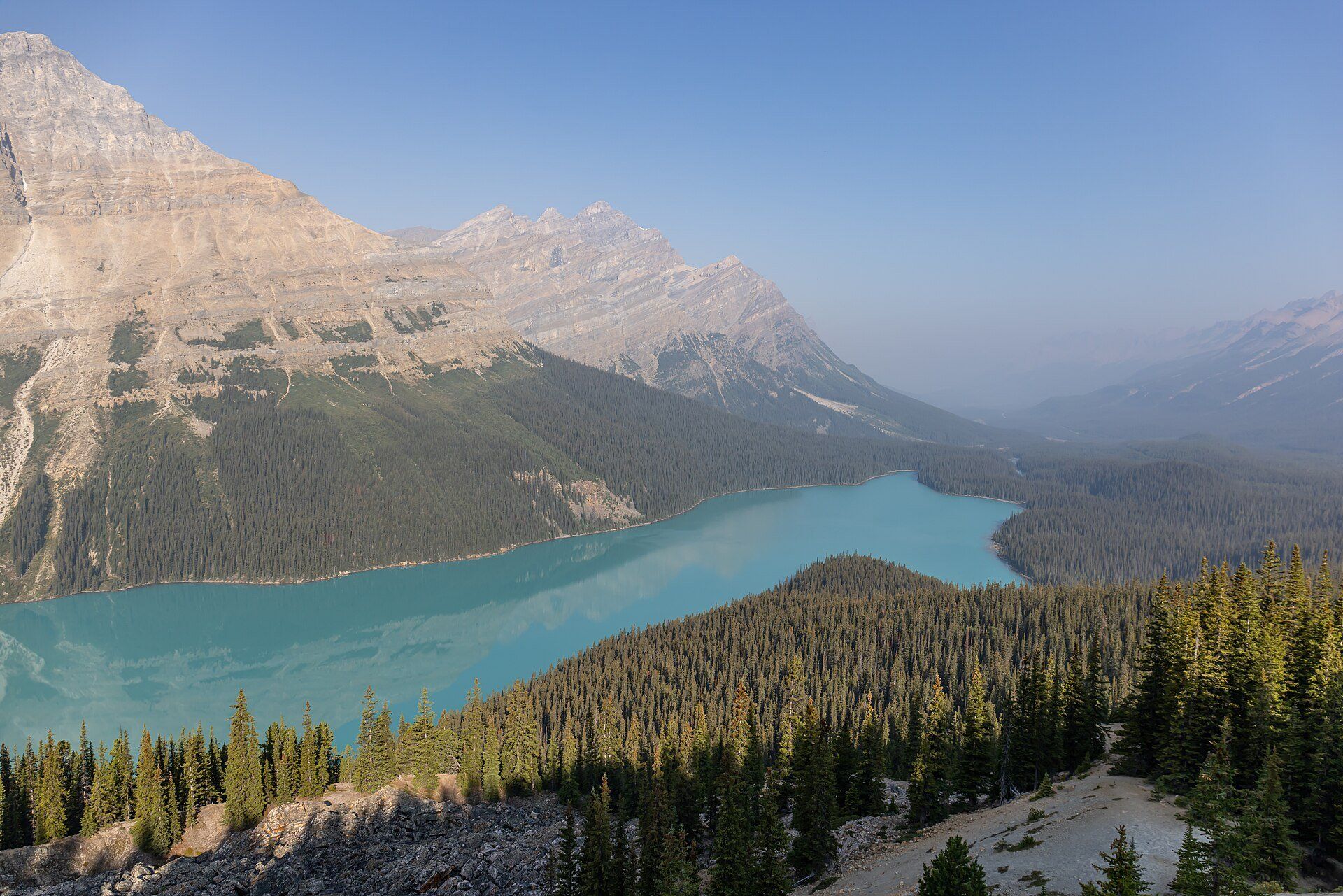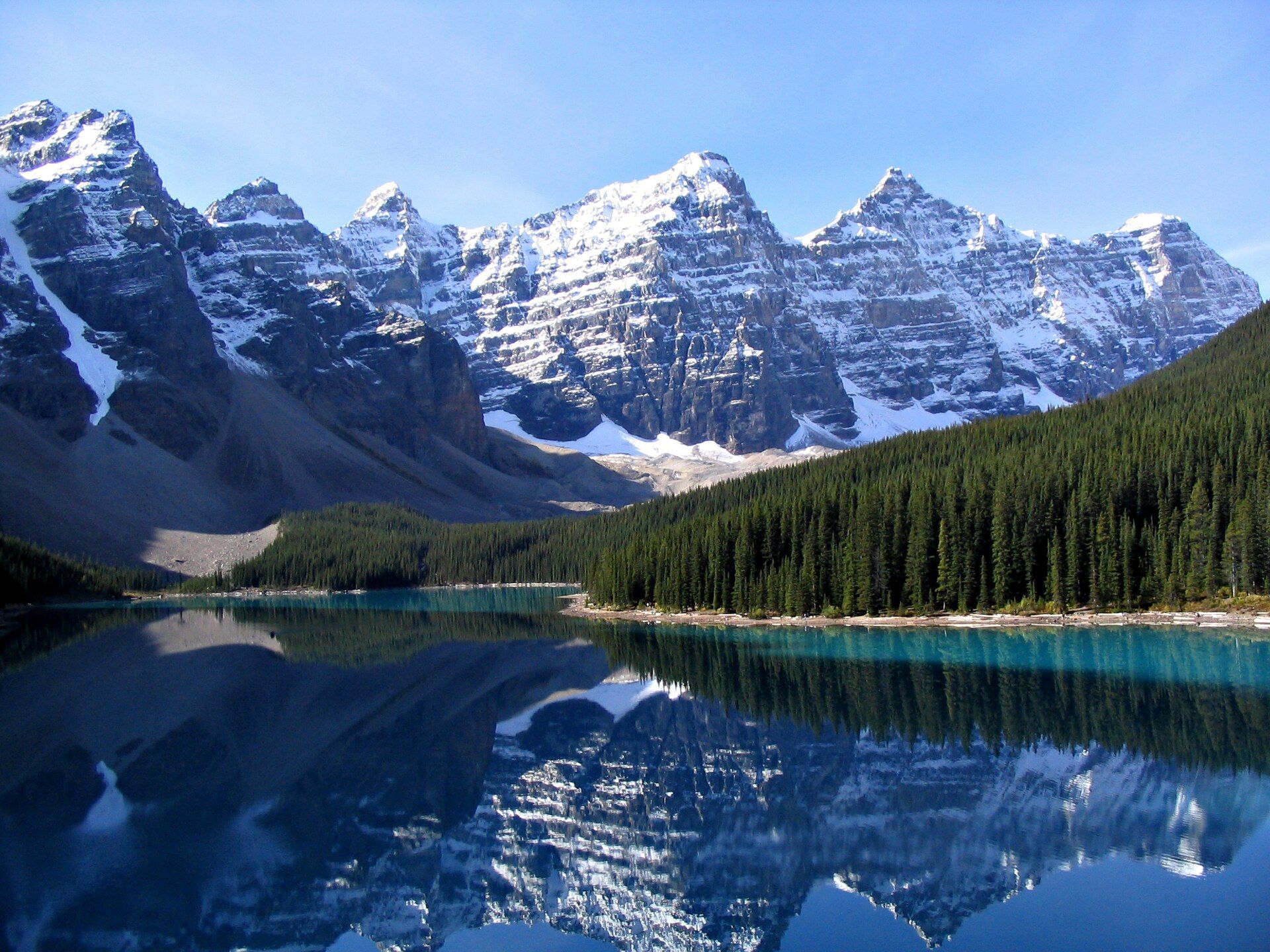
The turquoise glacial lakes of the Canadian Rockies — Moraine Lake beneath the Valley of the Ten Peaks and nearby Lake Louise — where glacier-ground rock flour turns the water an electric blue-green beneath snow-capped mountains.
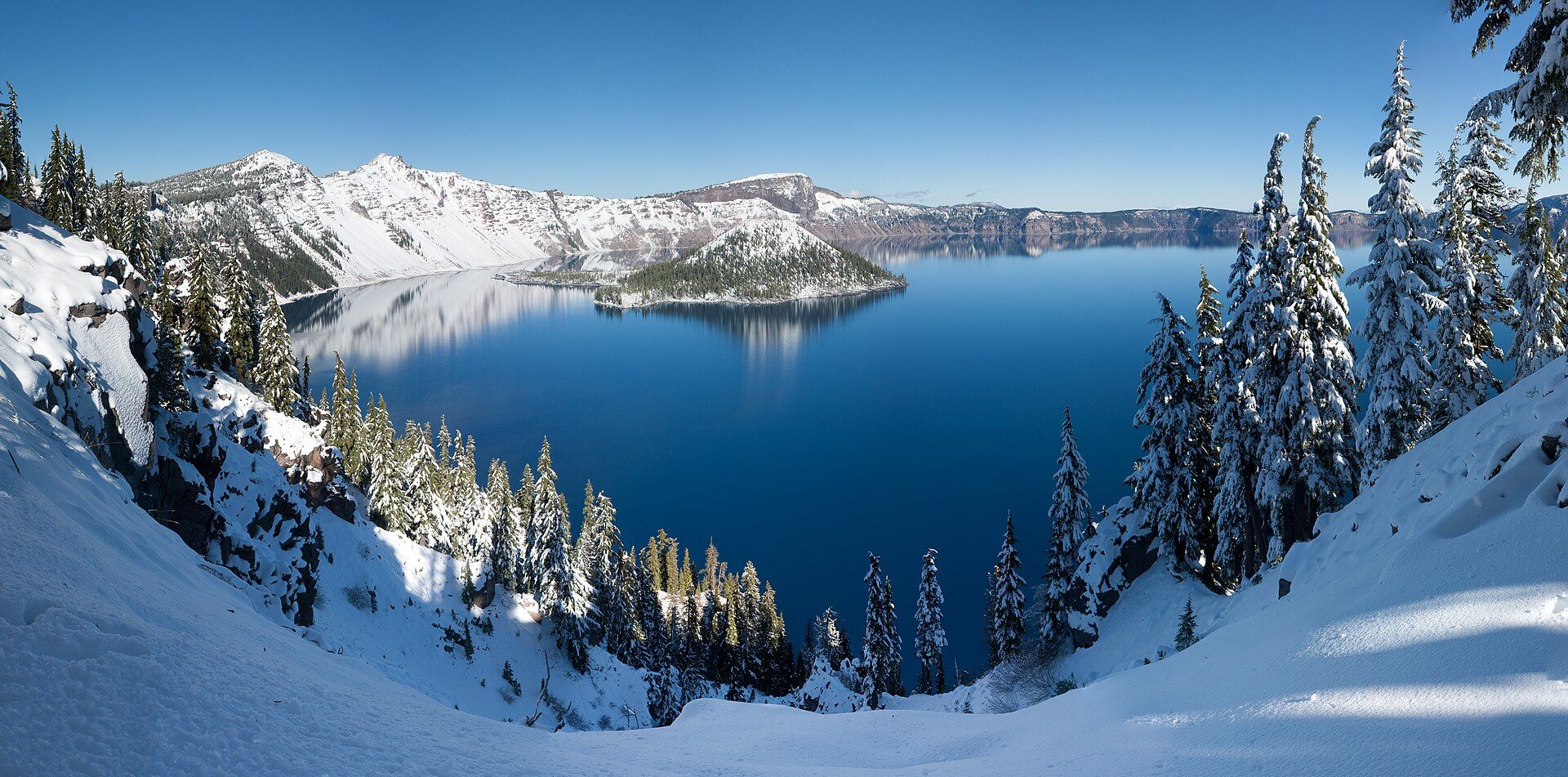
The deepest lake in the United States — a caldera of astonishing, luminous blue, formed when a great volcano collapsed and filled with nothing but rain and snow.
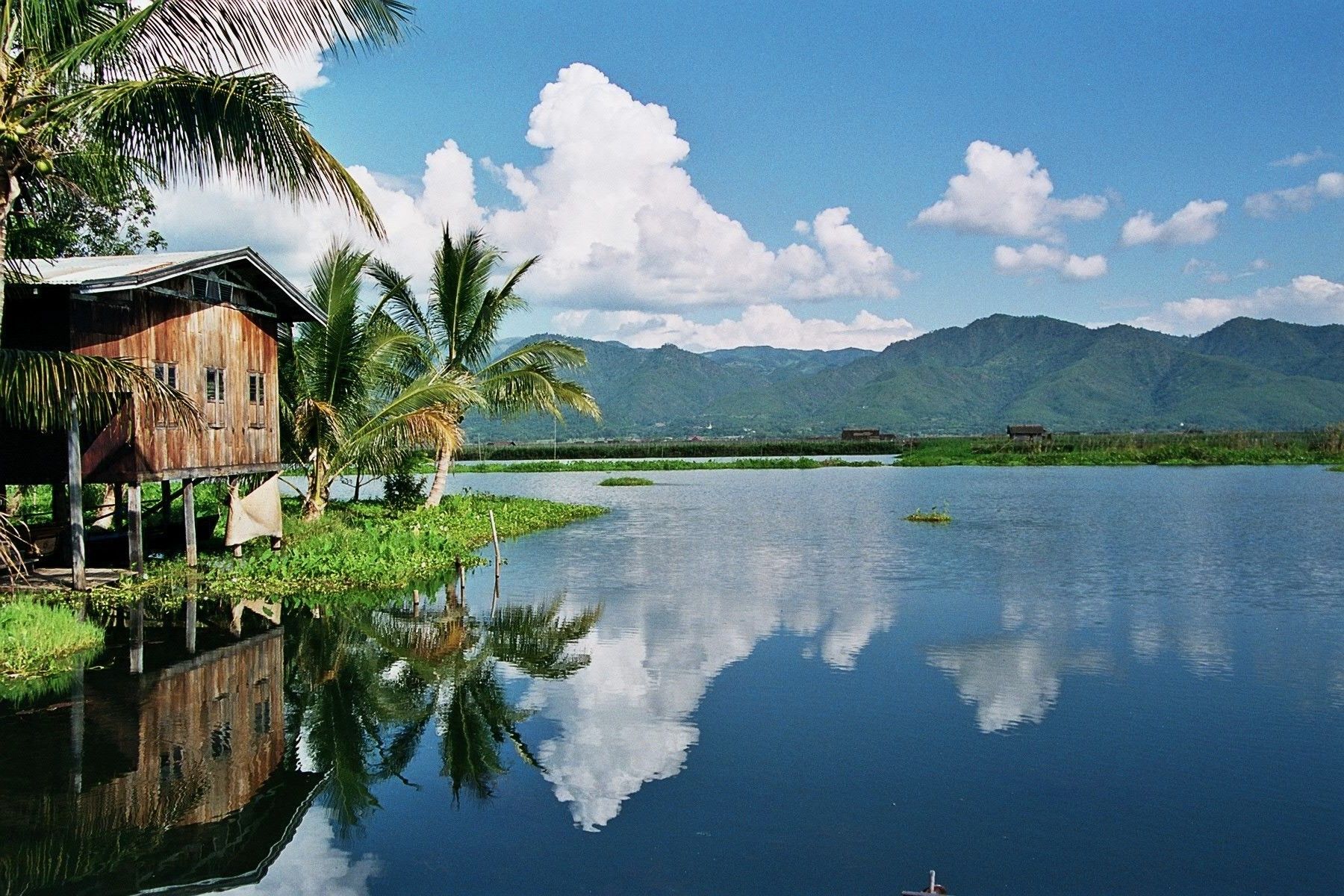
A vast, shallow highland lake in the Shan hills where fishermen row standing on one leg, whole villages stand on stilts, and gardens float on the water itself.
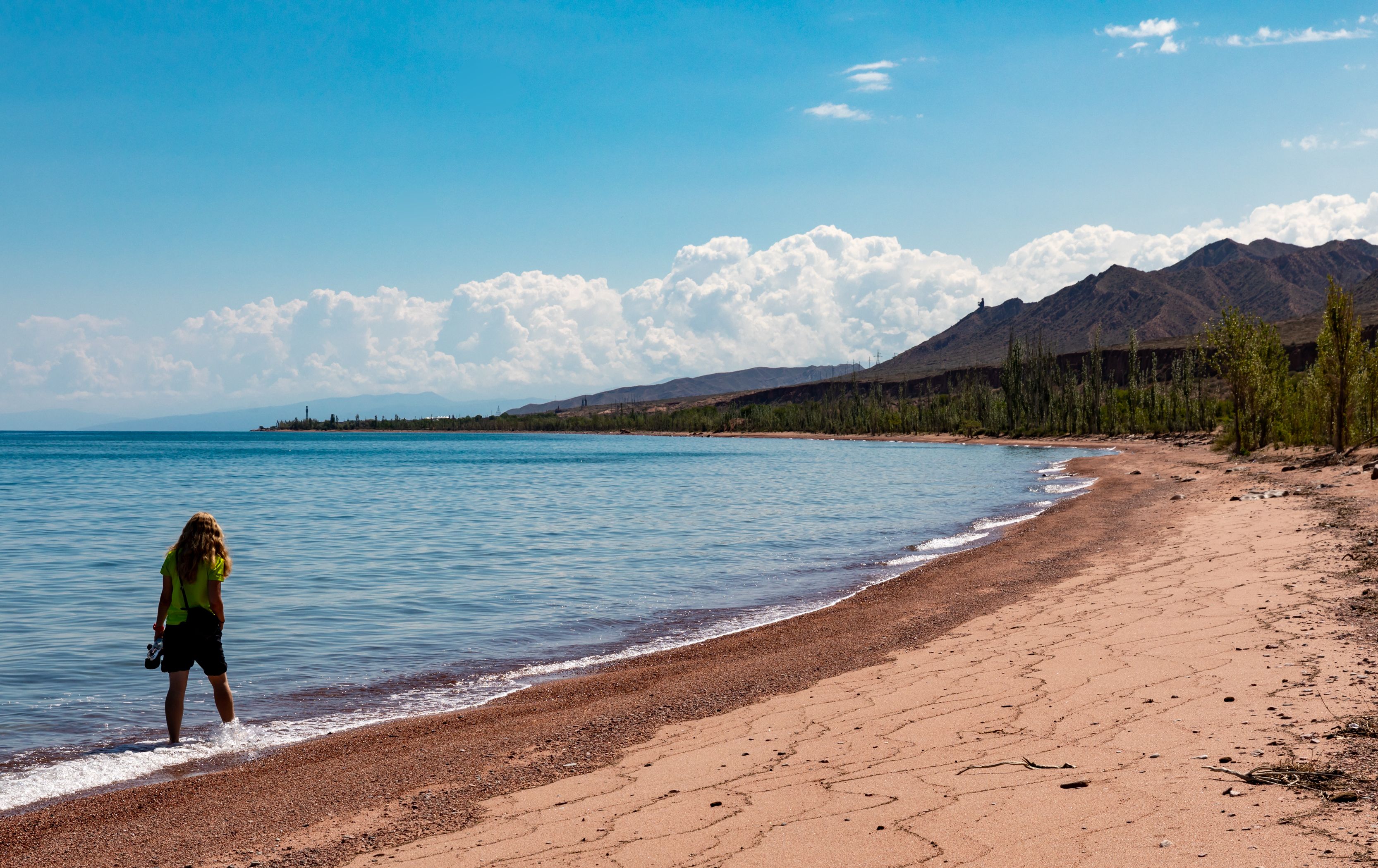
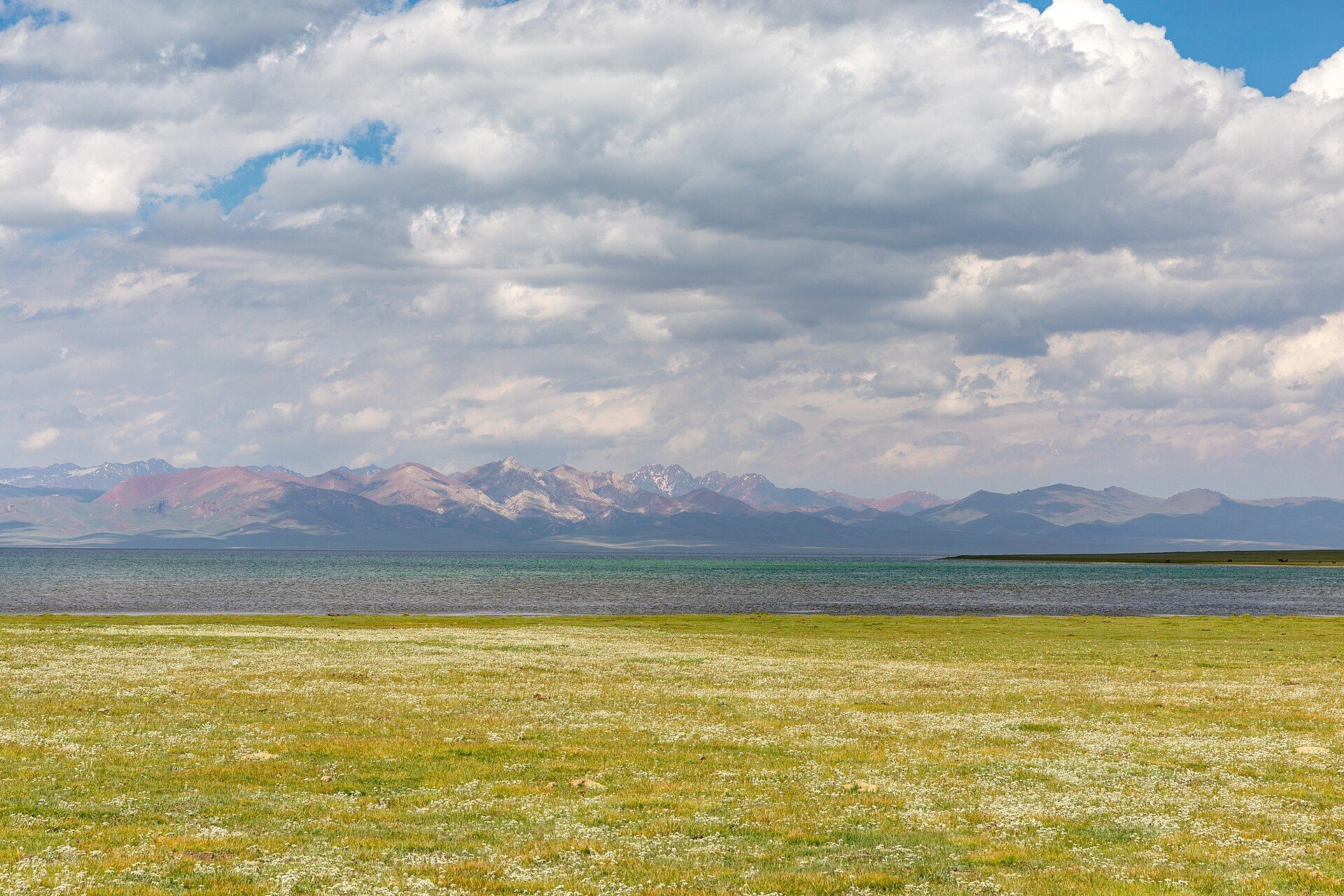
A vast, slightly saline mountain lake ringed by the snow peaks of the Tian Shan — the world's second-largest alpine lake, 182 kilometres long, and warm enough that it never freezes despite sitting at 1,607 metres.
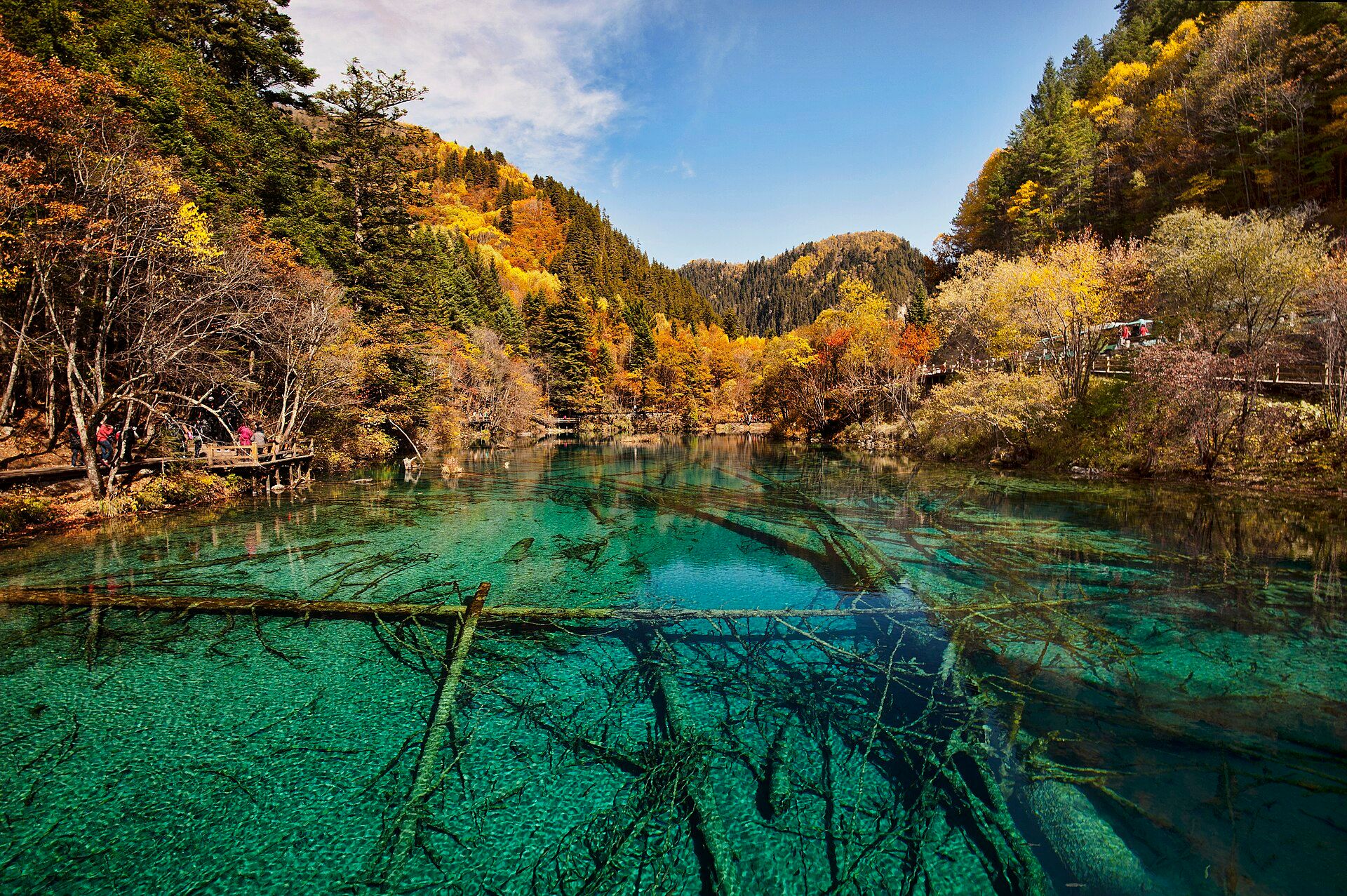
A valley of impossibly blue and turquoise lakes, terraced waterfalls, and travertine pools stepping down from snow peaks on the edge of the Tibetan Plateau.
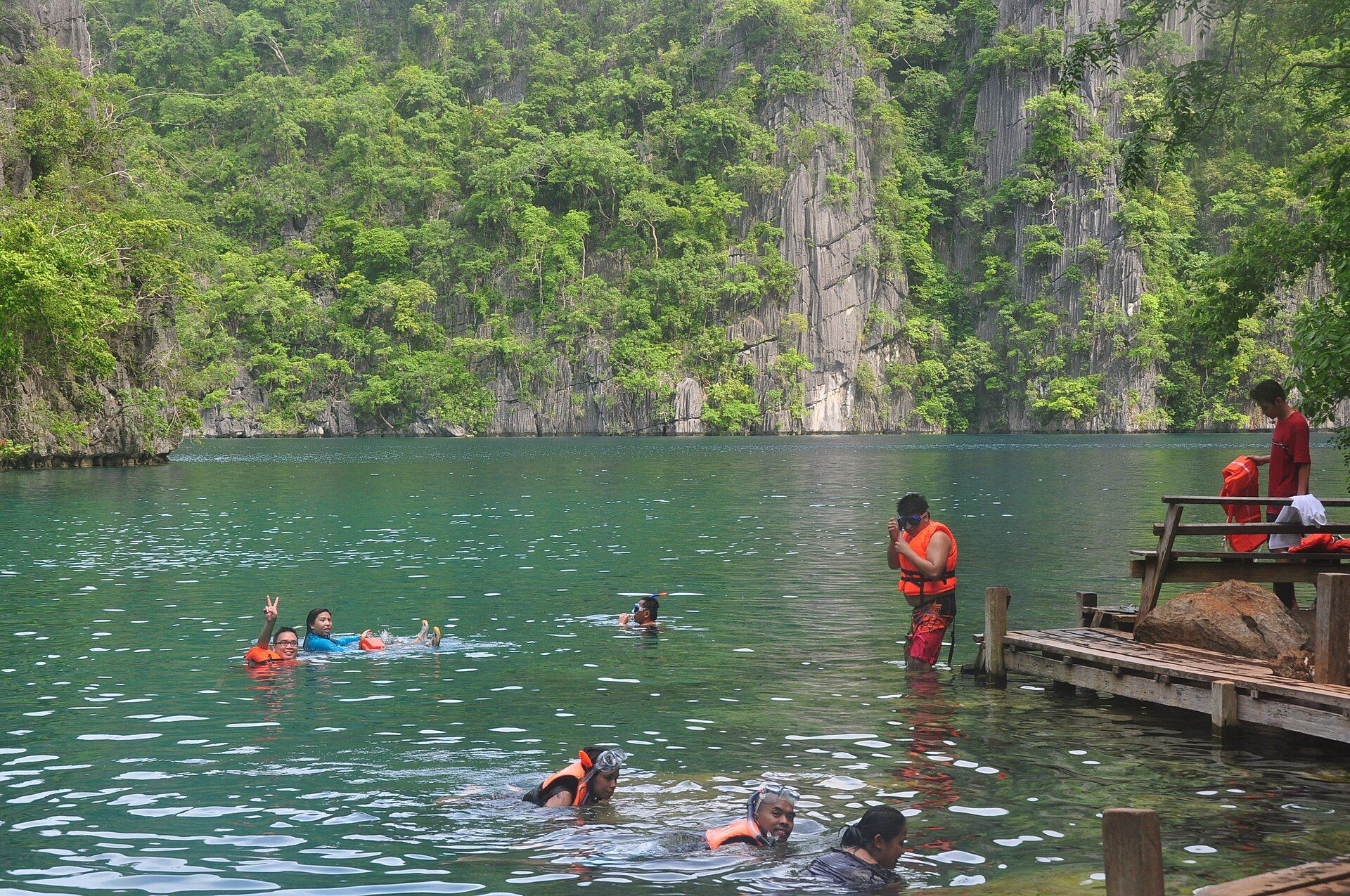
Often called the cleanest lake in the Philippines — a jewel-clear brackish lake cradled by limestone cliffs on Coron Island, reached by a short climb over a saddle with one of the country's most photographed viewpoints.
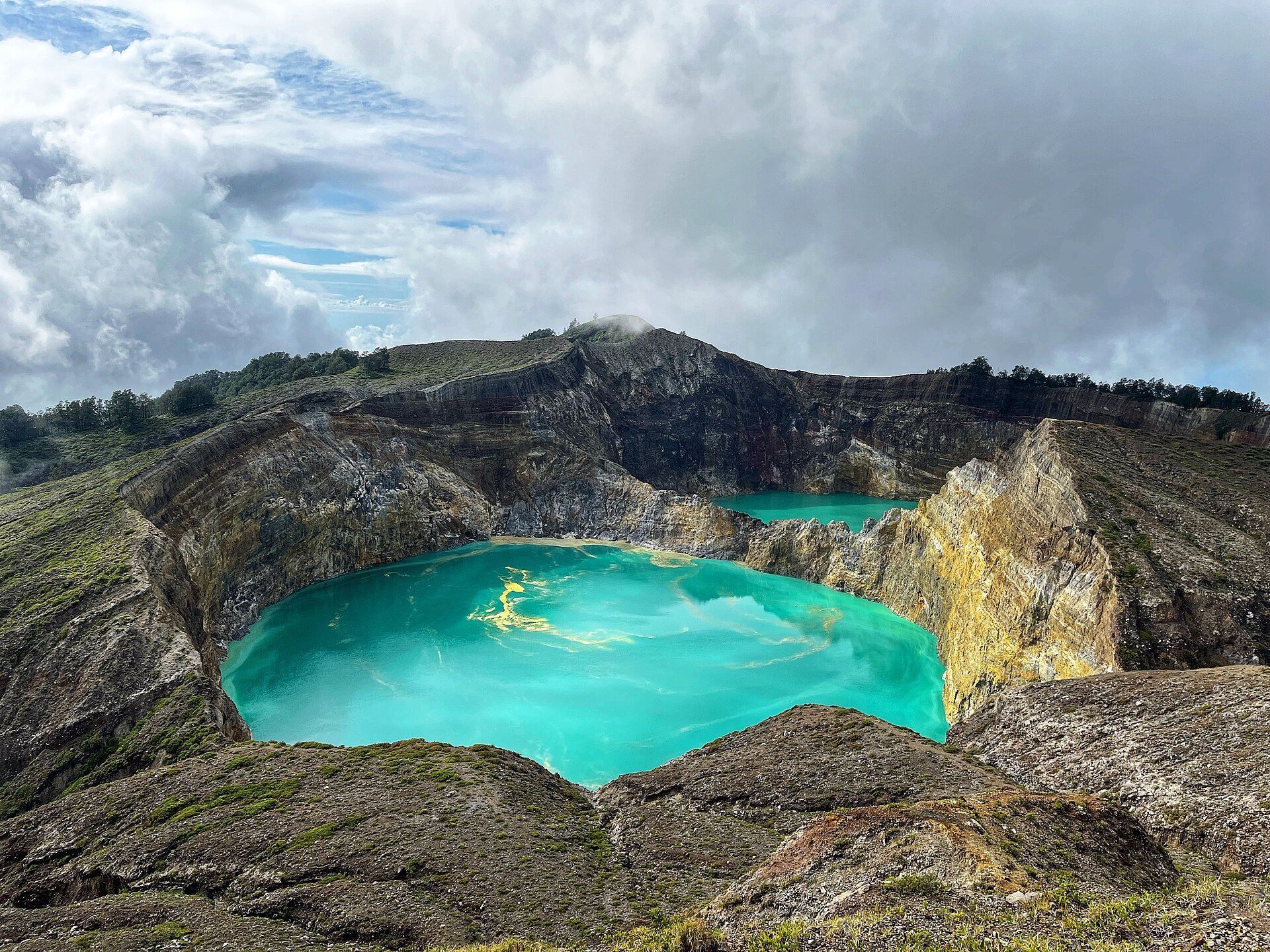
A volcano on the island of Flores crowned by three crater lakes that change colour independently and unpredictably — turquoise, green, black, brown, or red — each tied in local belief to the resting place of departed souls.
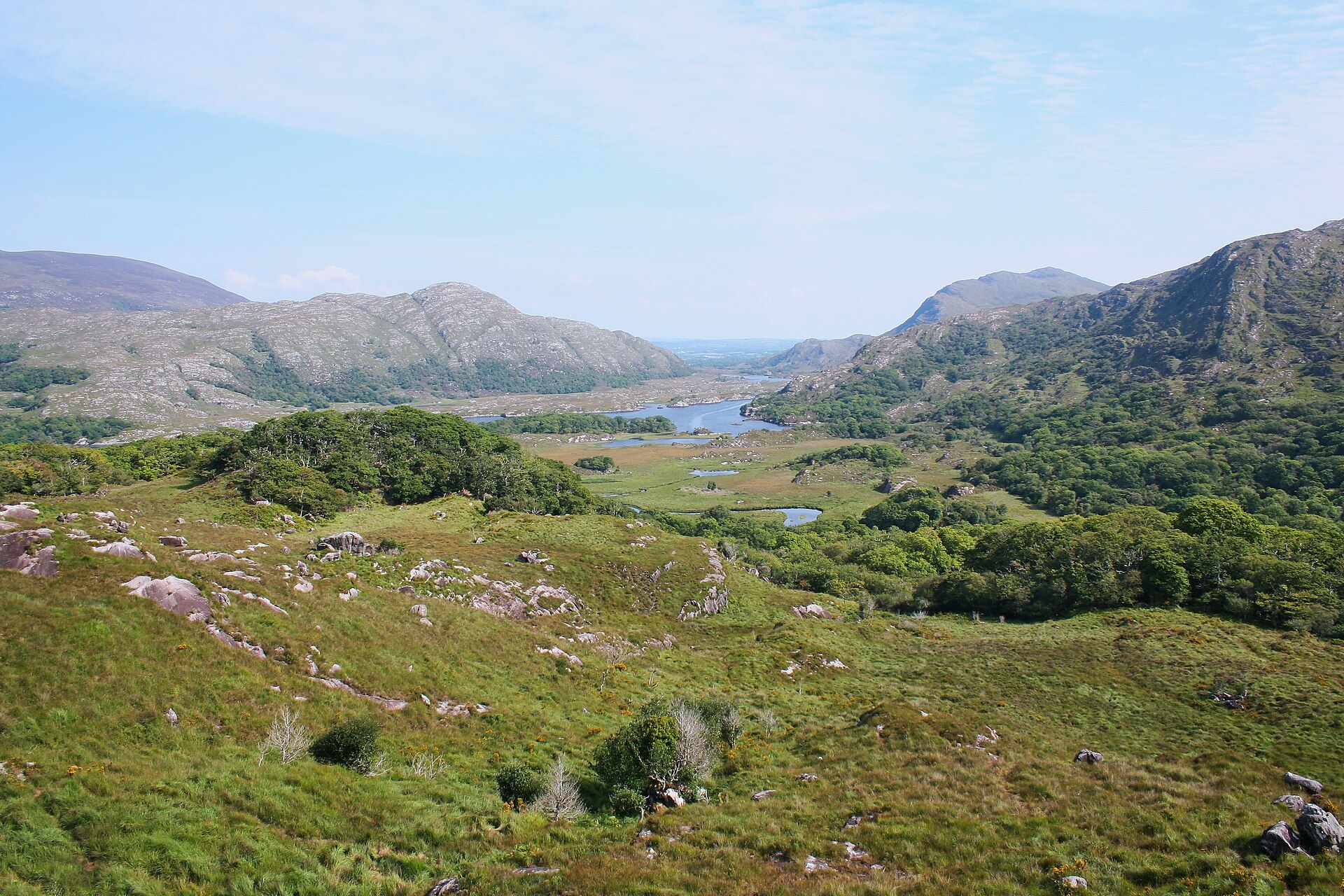
Ireland's first national park — a storied landscape of lakes, ancient oak woods and mountains around Killarney, home to the country's only wild red deer herd and its largest surviving native forest.
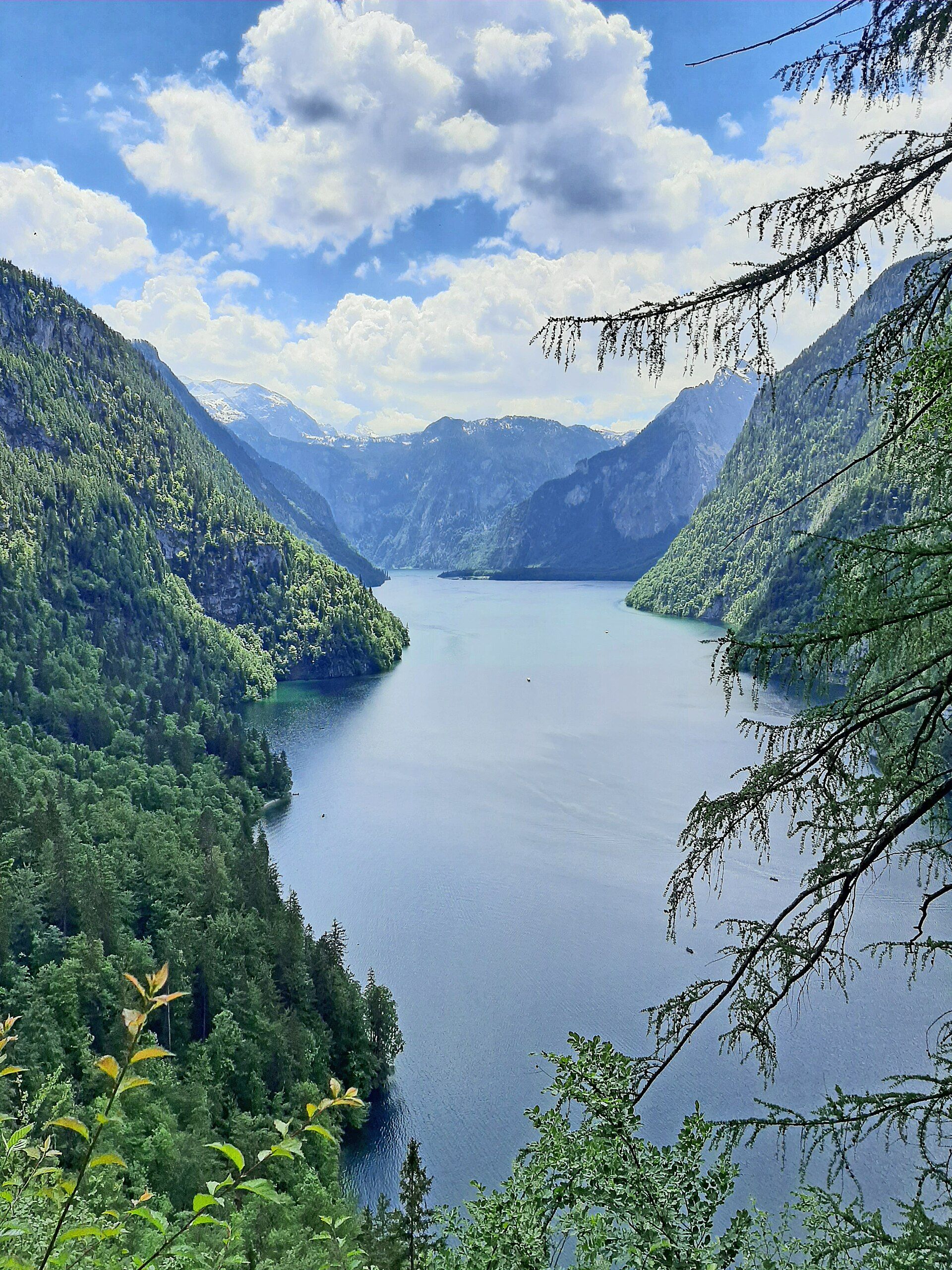
A deep, emerald, fjord-like lake hemmed by sheer alpine cliffs in Berchtesgaden National Park — so clean that only silent electric boats are allowed to cross it.
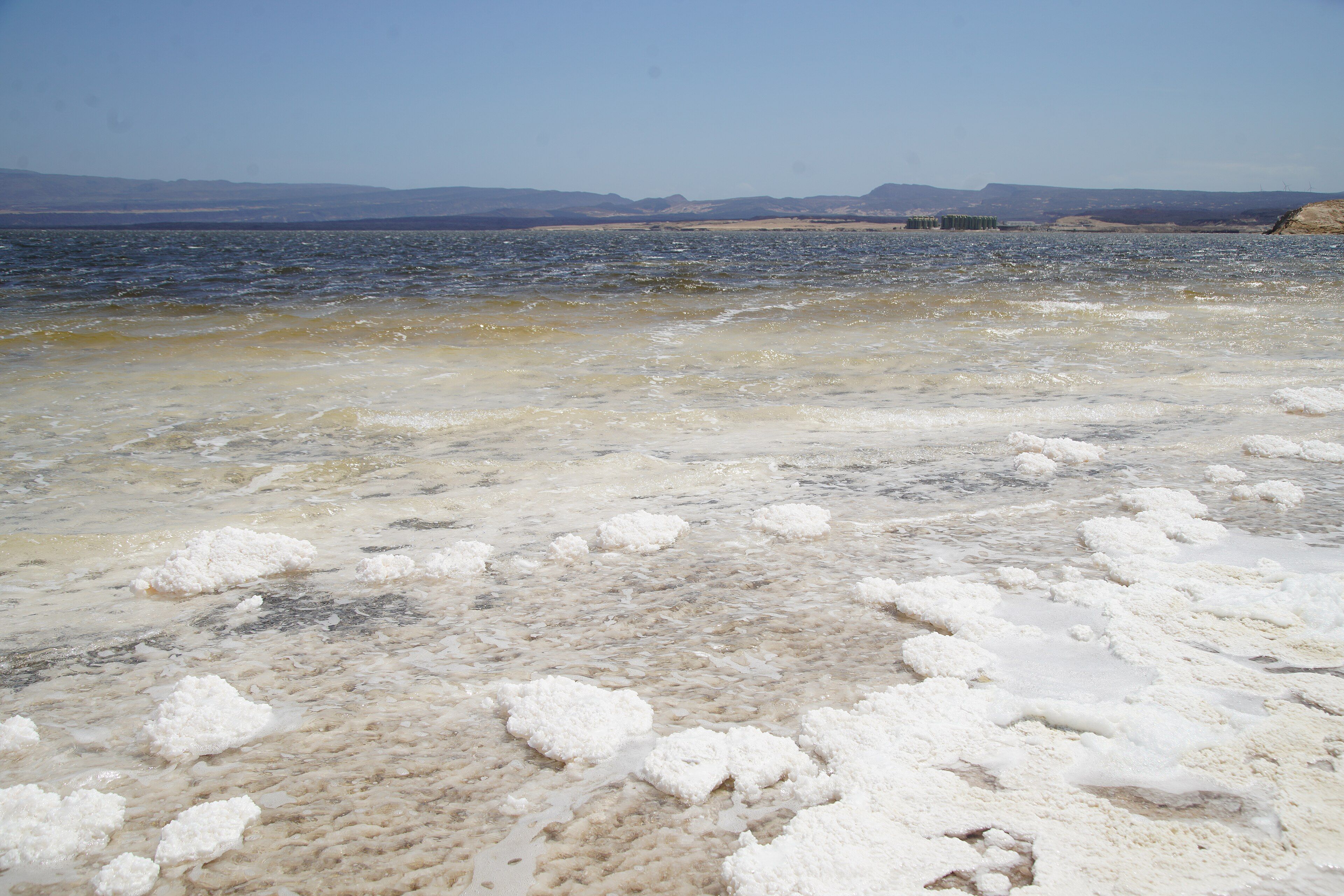
The lowest point on land in Africa — a lake 155 metres below sea level with no outlet, so saline that the salt has crystallised into a plain sixty metres deep along its western shore.
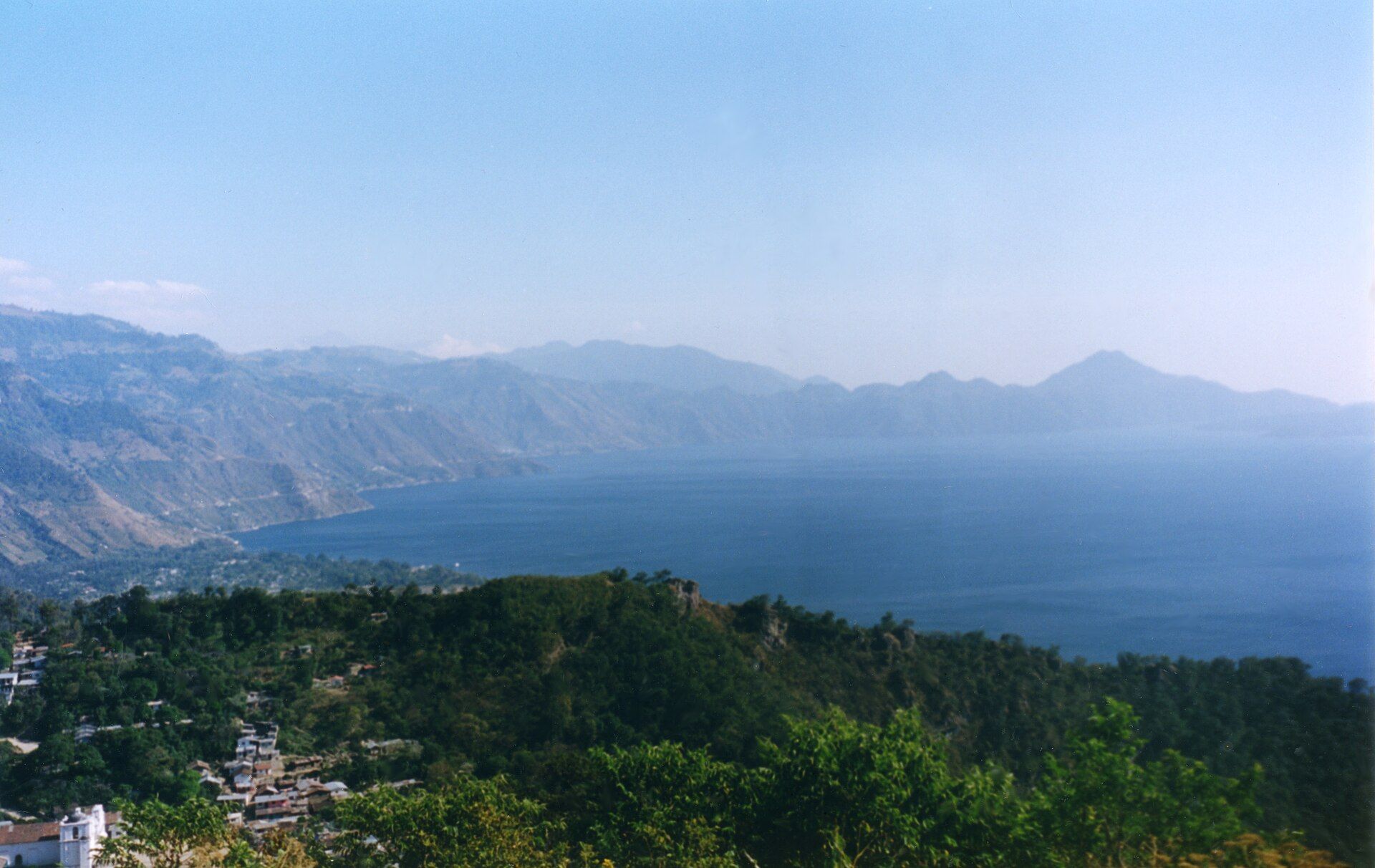
A deep blue volcanic lake cradled in a highland caldera and ringed by three perfect volcanic cones and Maya villages — long called one of the most beautiful lakes on Earth.
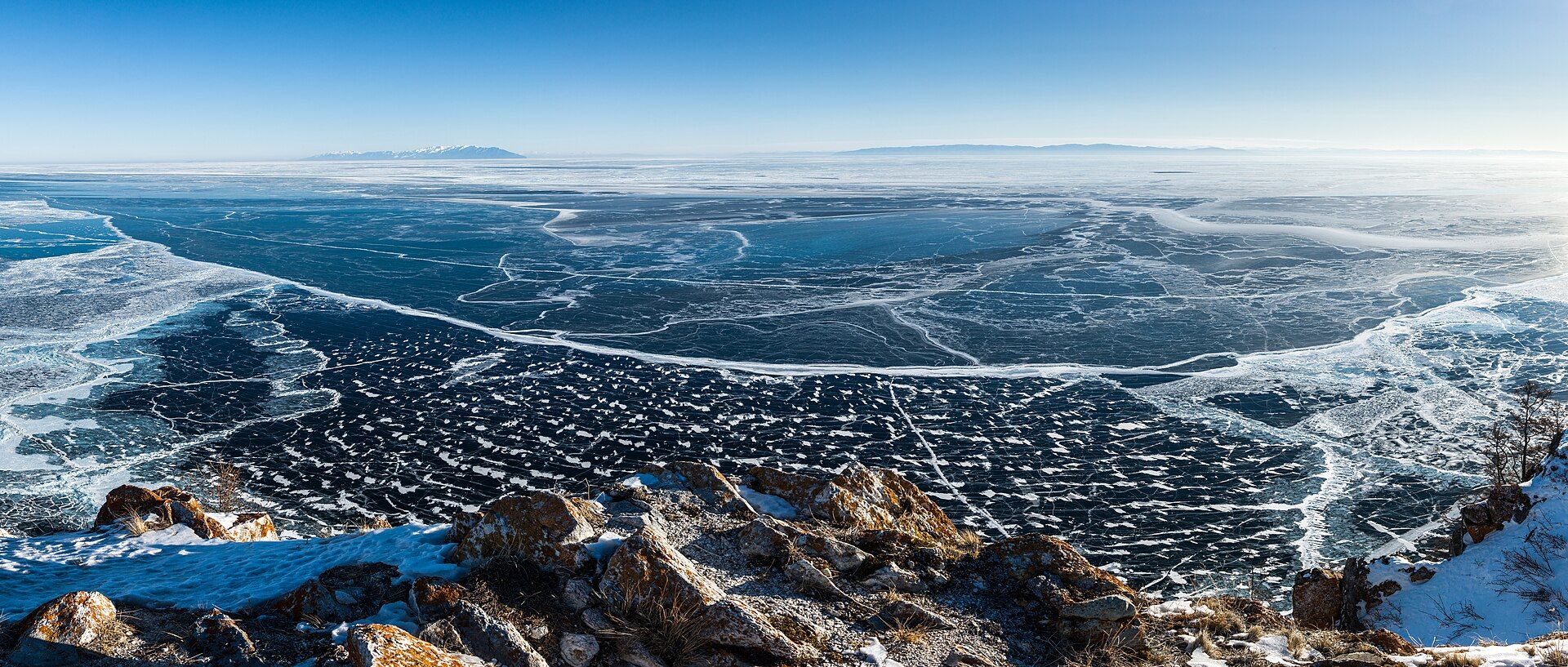
The deepest and oldest lake on Earth — a vast Siberian sea holding a fifth of the world's unfrozen fresh water, its waters so clear you can see 40 metres down, and freezing each winter into sheets of turquoise ice.
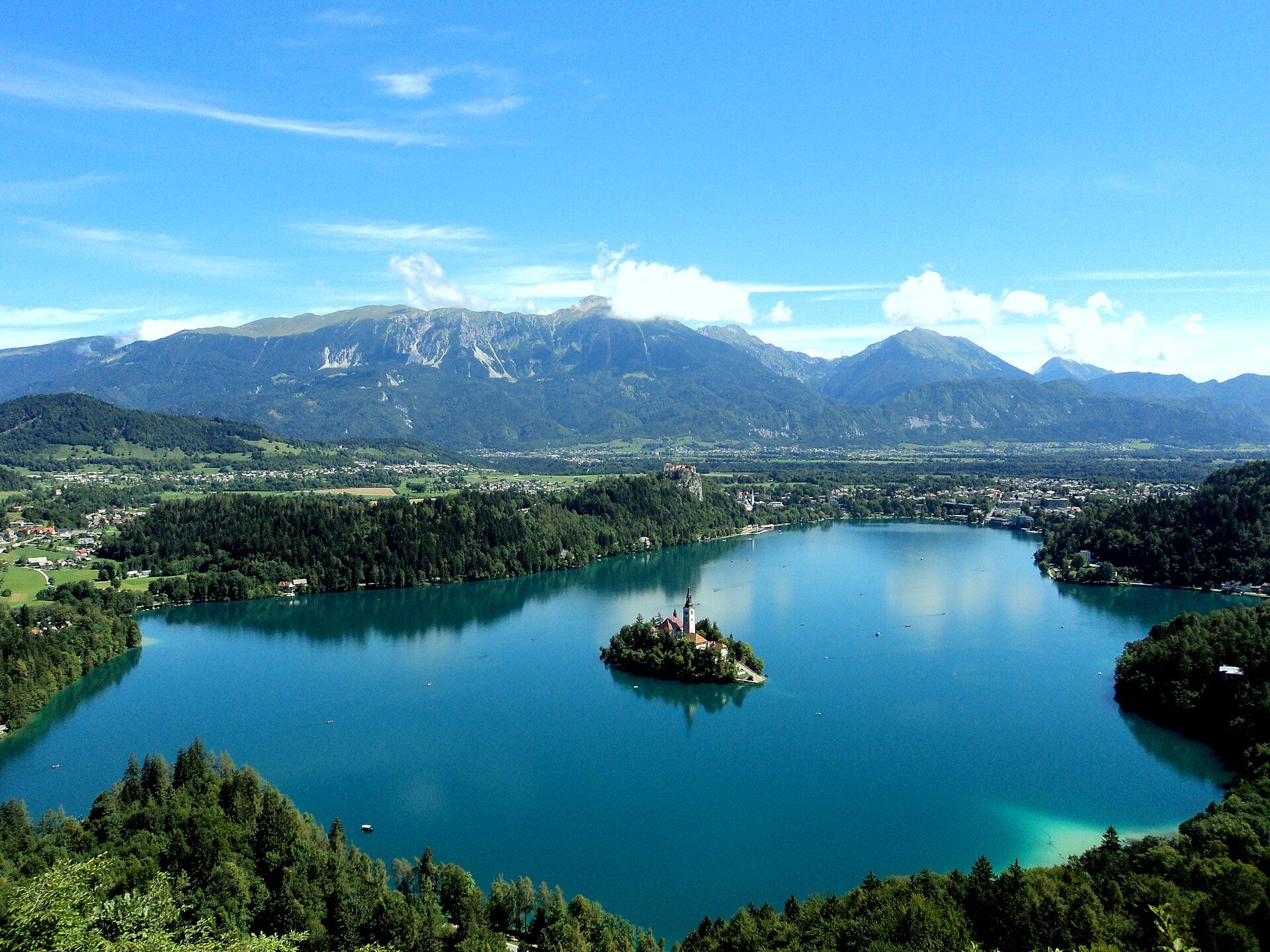
A serene glacial lake with a tiny church-topped island at its heart, cupped beneath a clifftop castle and the peaks of the Julian Alps — one of the most picture-perfect scenes in Europe.
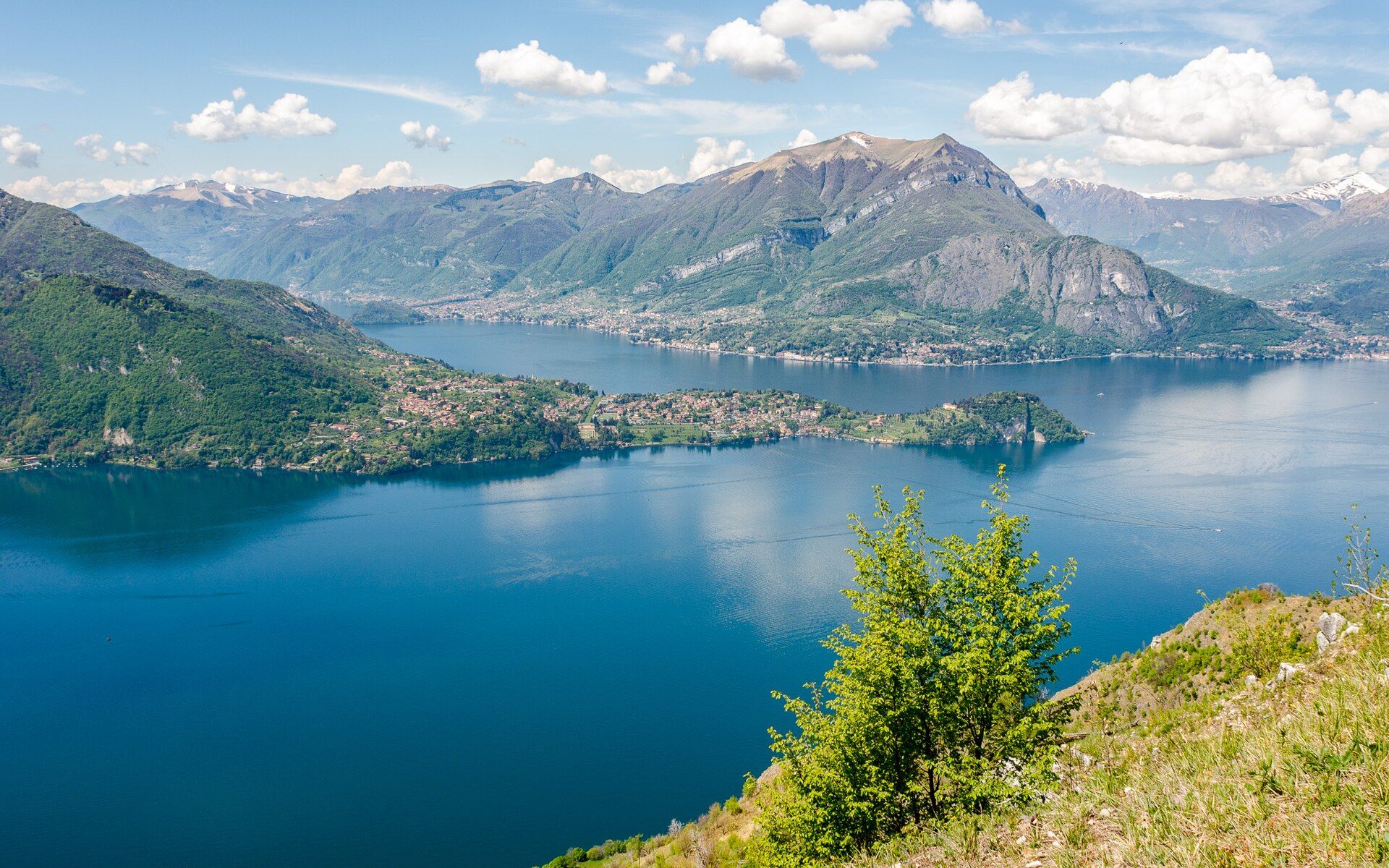
A deep, inverted-Y-shaped glacial lake beneath the southern Alps, ringed by steep wooded mountains, cliff-clinging villages, and centuries of grand lakeside villas.
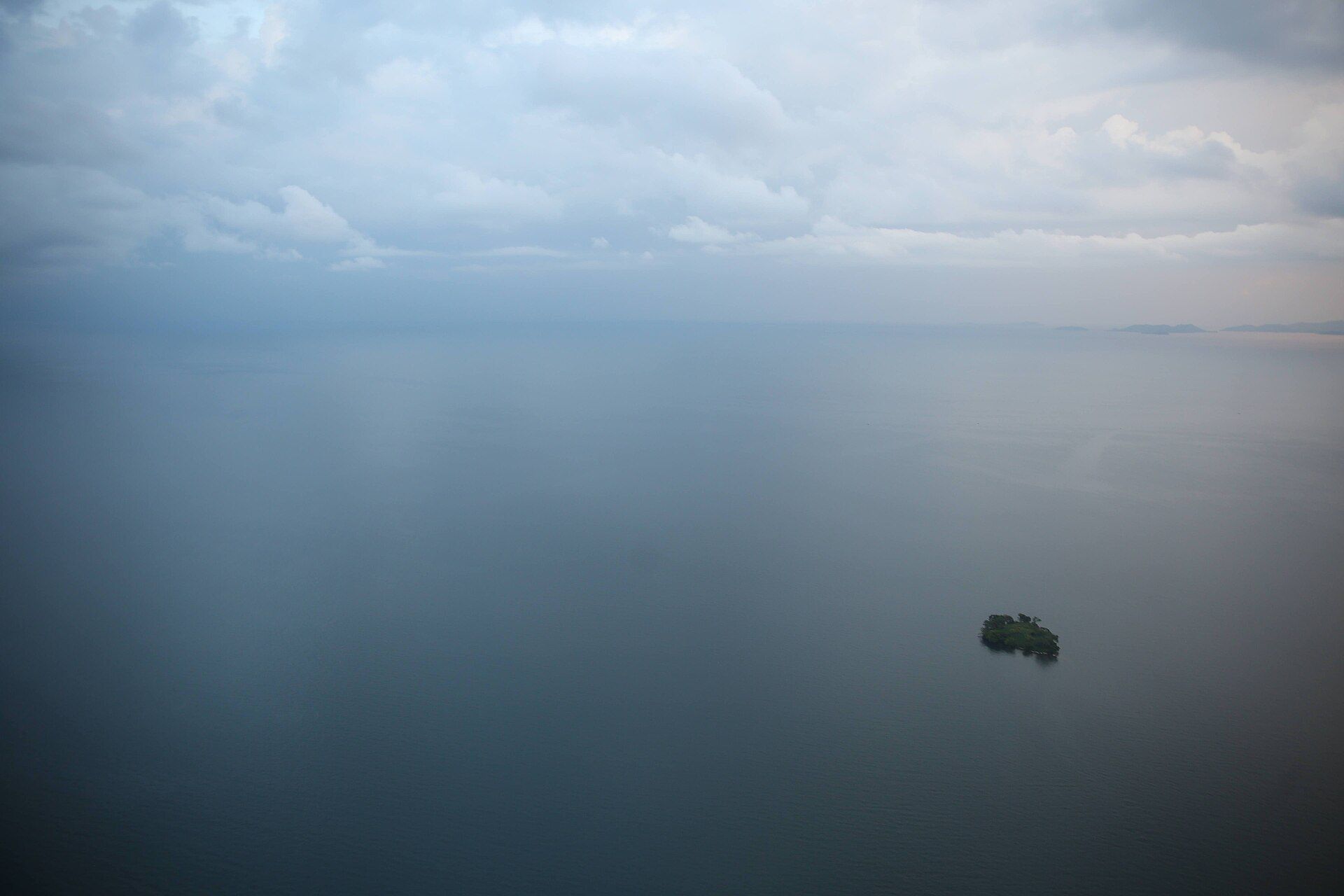
A deep, calm African Great Lake cradled in the rift between Rwanda and the Congo — ringed by terraced green hills and holding one of the world's most unusual reserves of dissolved gas.
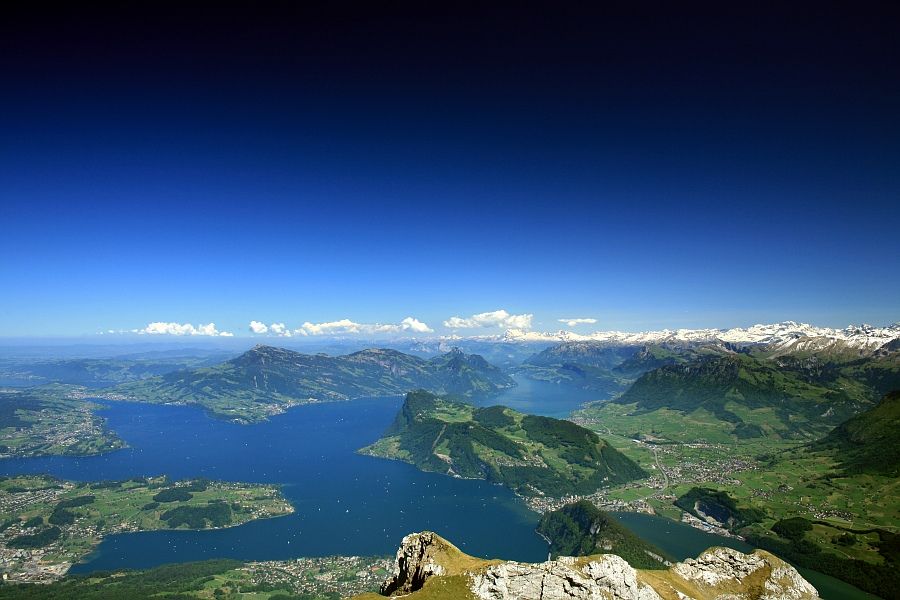
Central Switzerland (cantons of Lucerne, Nidwalden, Obwalden, Schwyz, Uri)
A many-armed alpine lake at the heart of Switzerland — 114 square kilometres of deep blue-green water winding between the peaks of Rigi, Pilatus, and the Uri Alps, ringed by lakeside towns and the meadow where the Swiss Confederation was born.
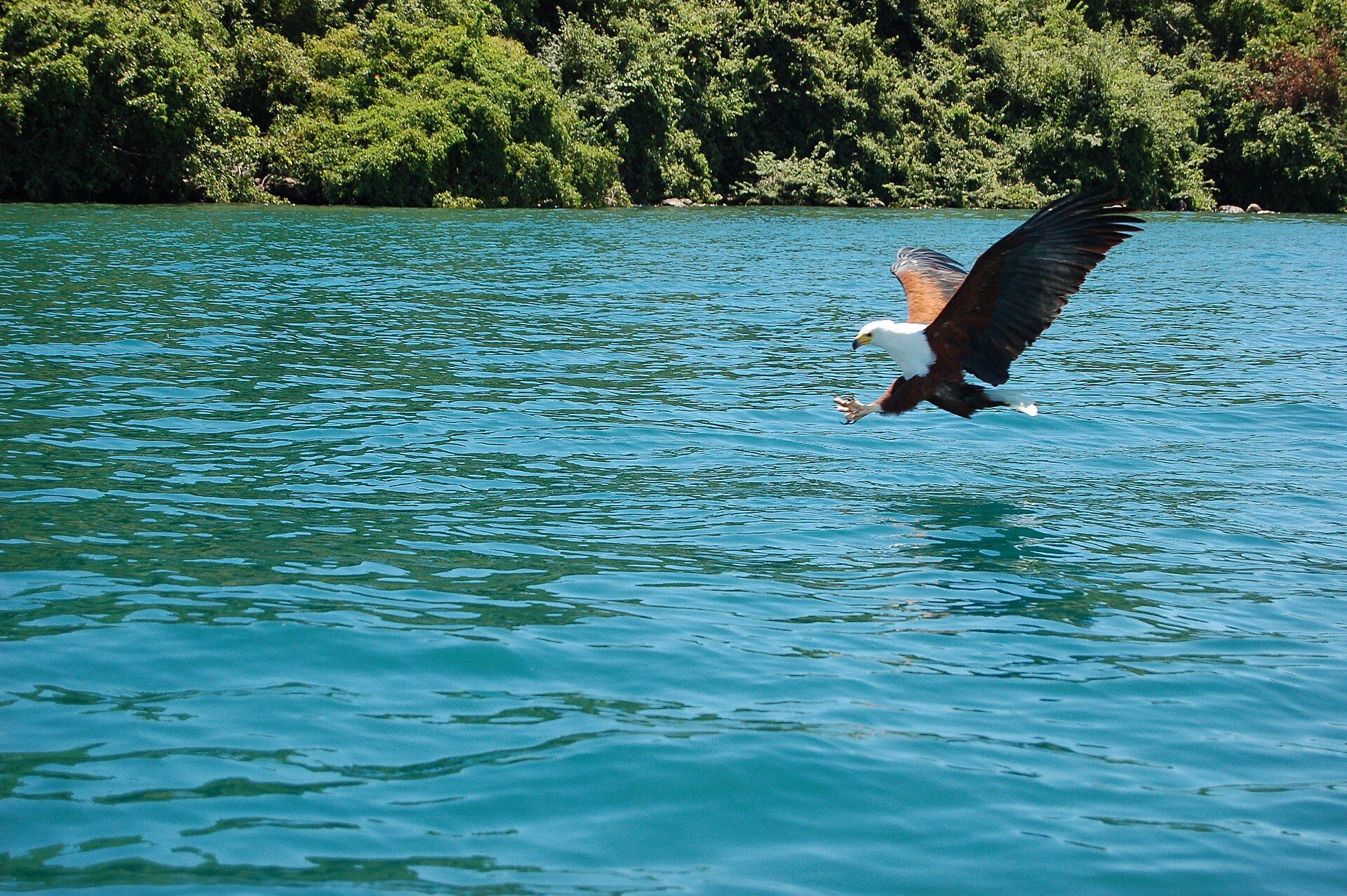
A vast Rift Valley lake holding more fish species than any other lake on Earth — hundreds of brilliantly coloured cichlids found nowhere else, in water clear as glass.
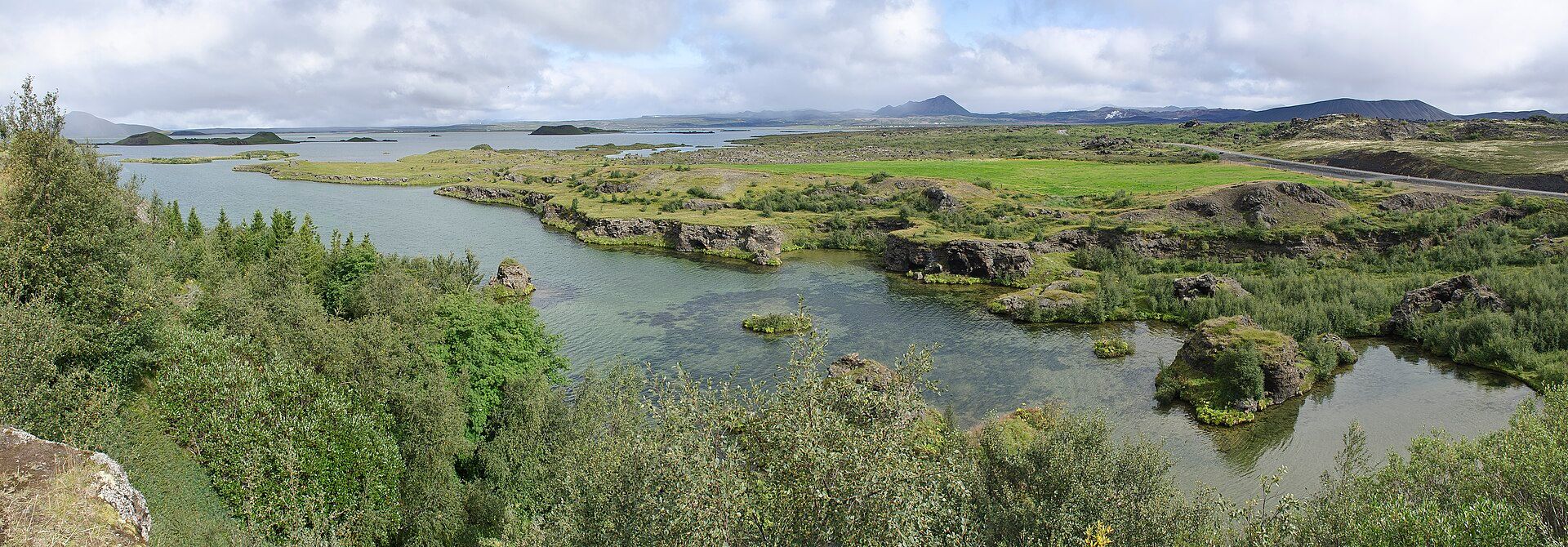
A shallow, volcanic lake ringed by craters, lava fields and steaming ground — one of Europe's richest waterfowl habitats, alive with ducks in summer and framed by pseudocraters, twisted lava pillars and geothermal steam.
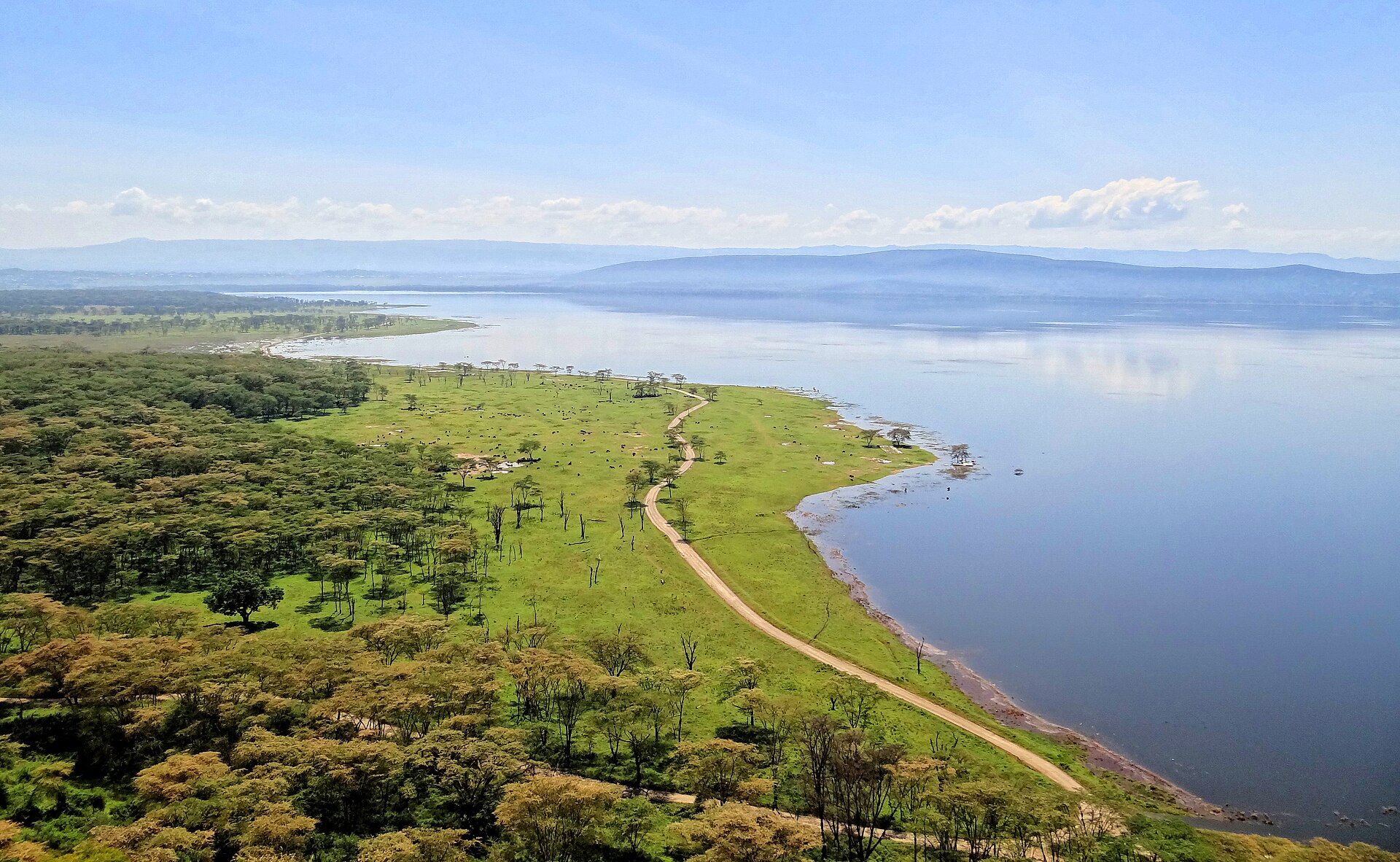
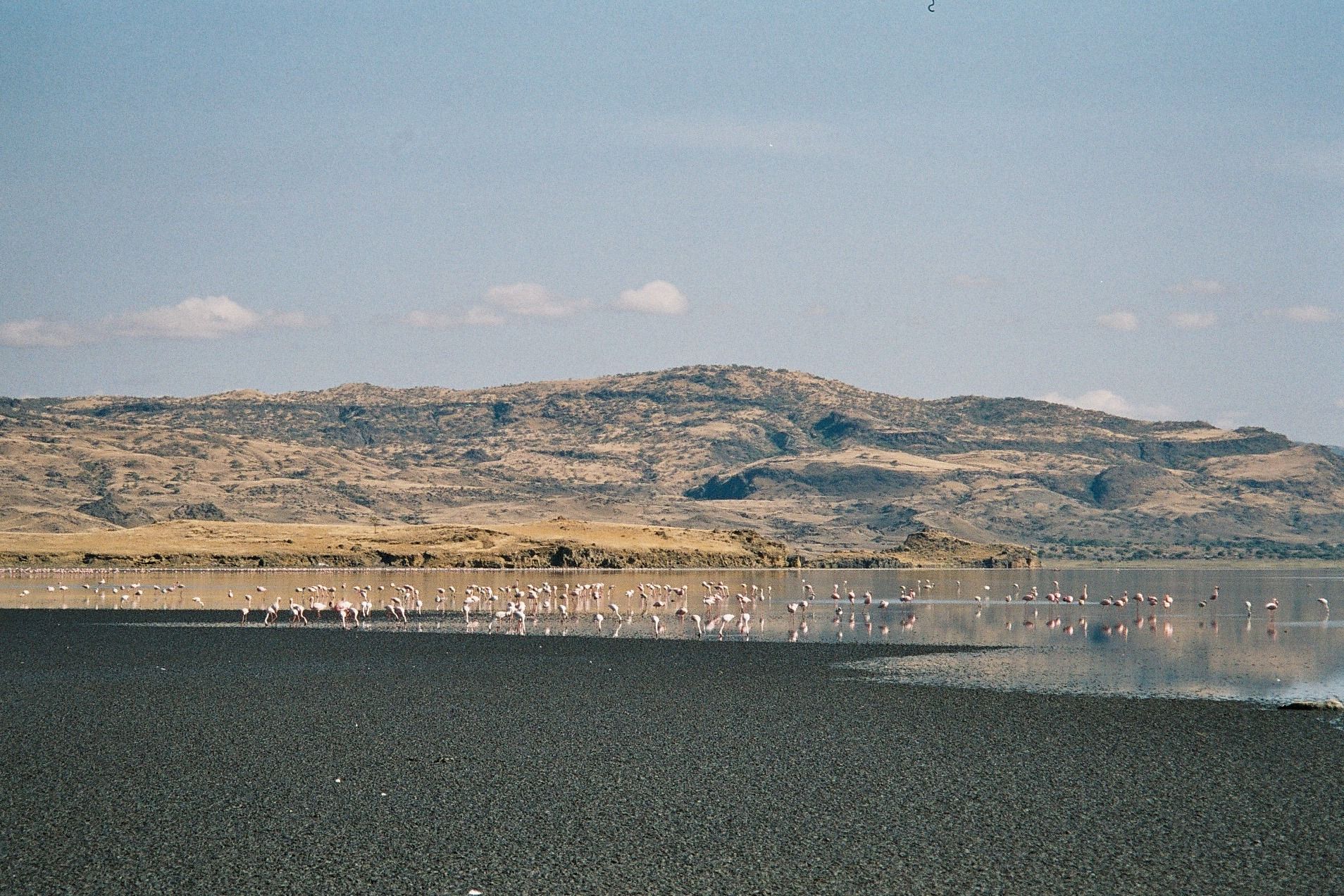
A shallow soda lake in Kenya's Rift Valley, famous for shimmering pink shorelines of flamingos and as a stronghold sanctuary for both black and white rhinos.
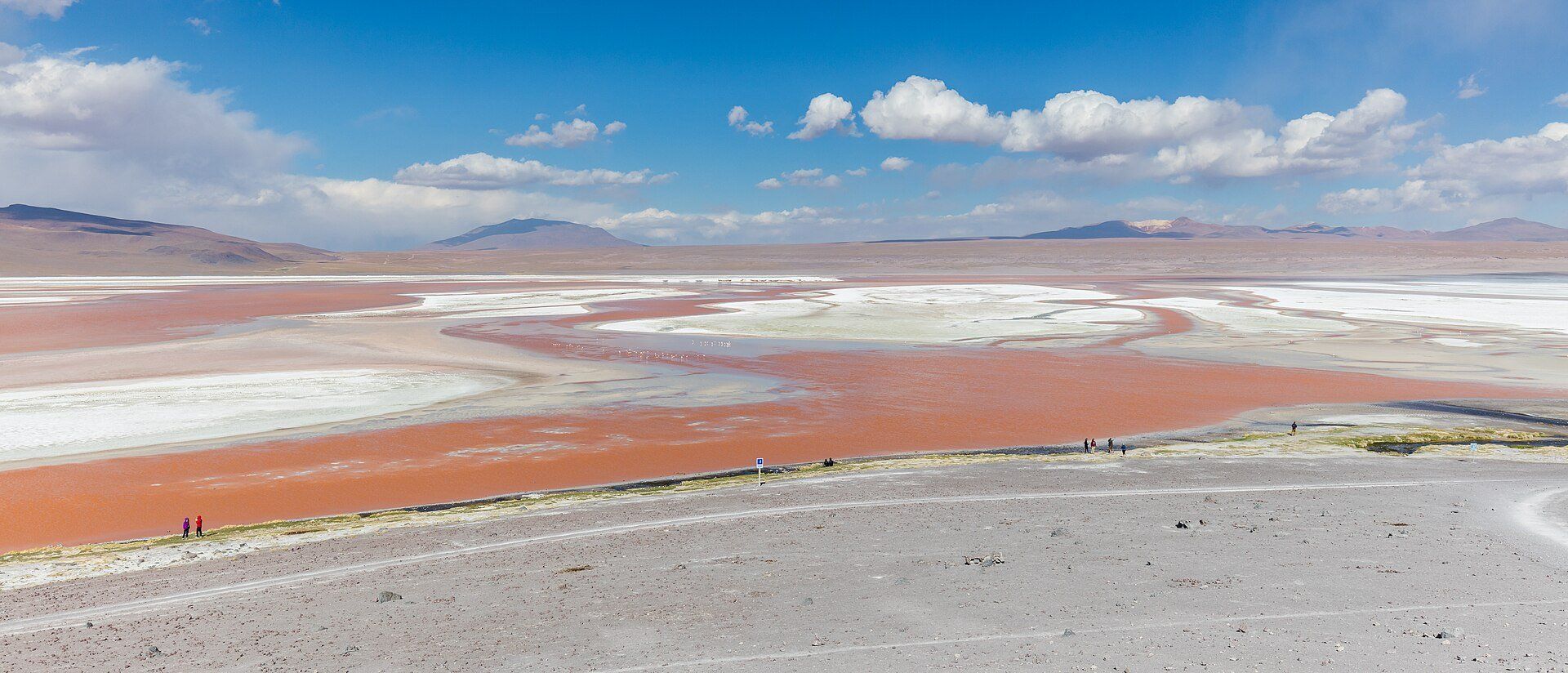
A caustic soda lake that burns blood-red with salt-loving microbes — lethal to most life, yet the single most important breeding ground on Earth for lesser flamingos.
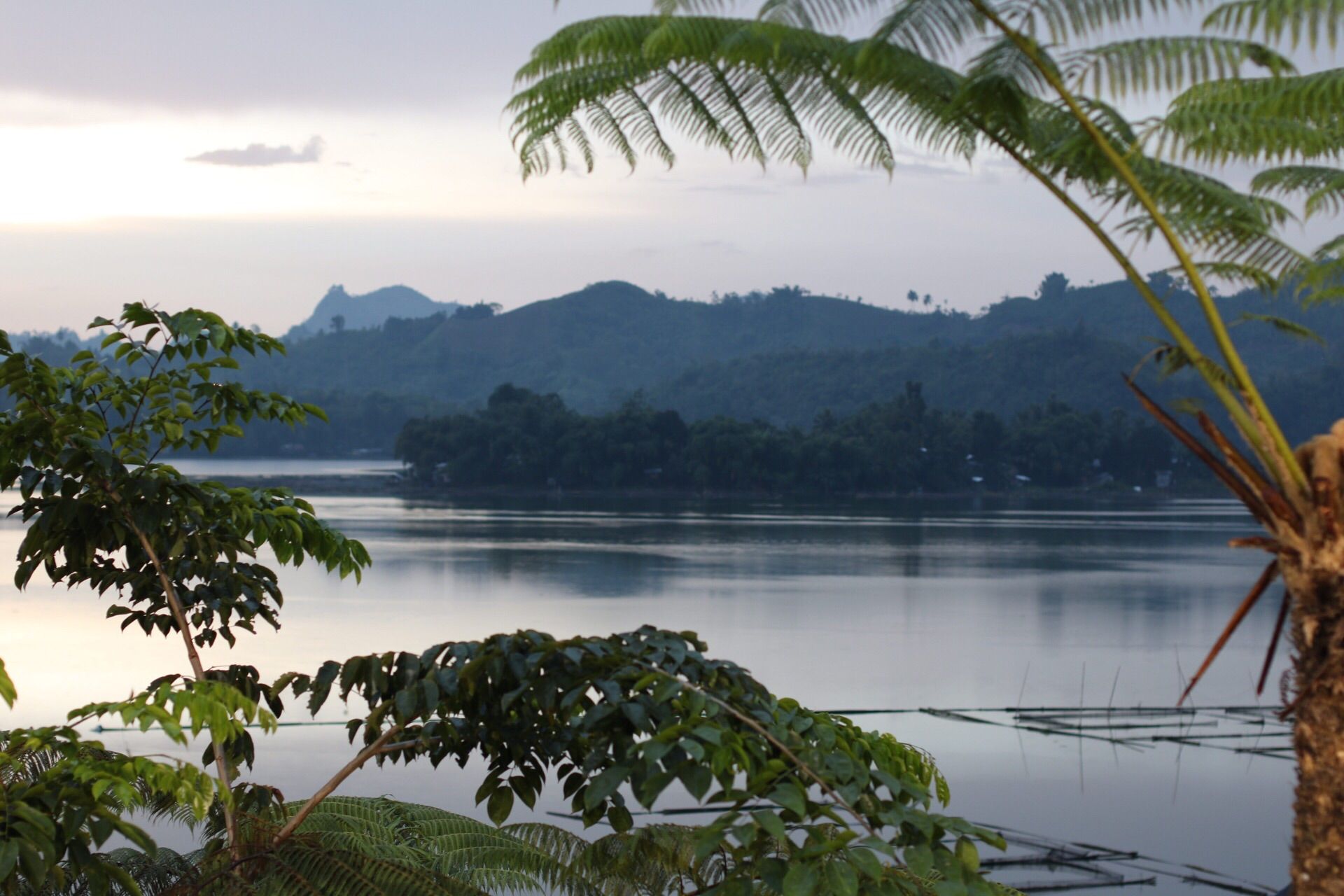
A serene highland lake wreathed in morning mist, feeding a chain of seven waterfalls through the mountains — the ancestral home of the T'boli people and one of Mindanao's most soulful landscapes.
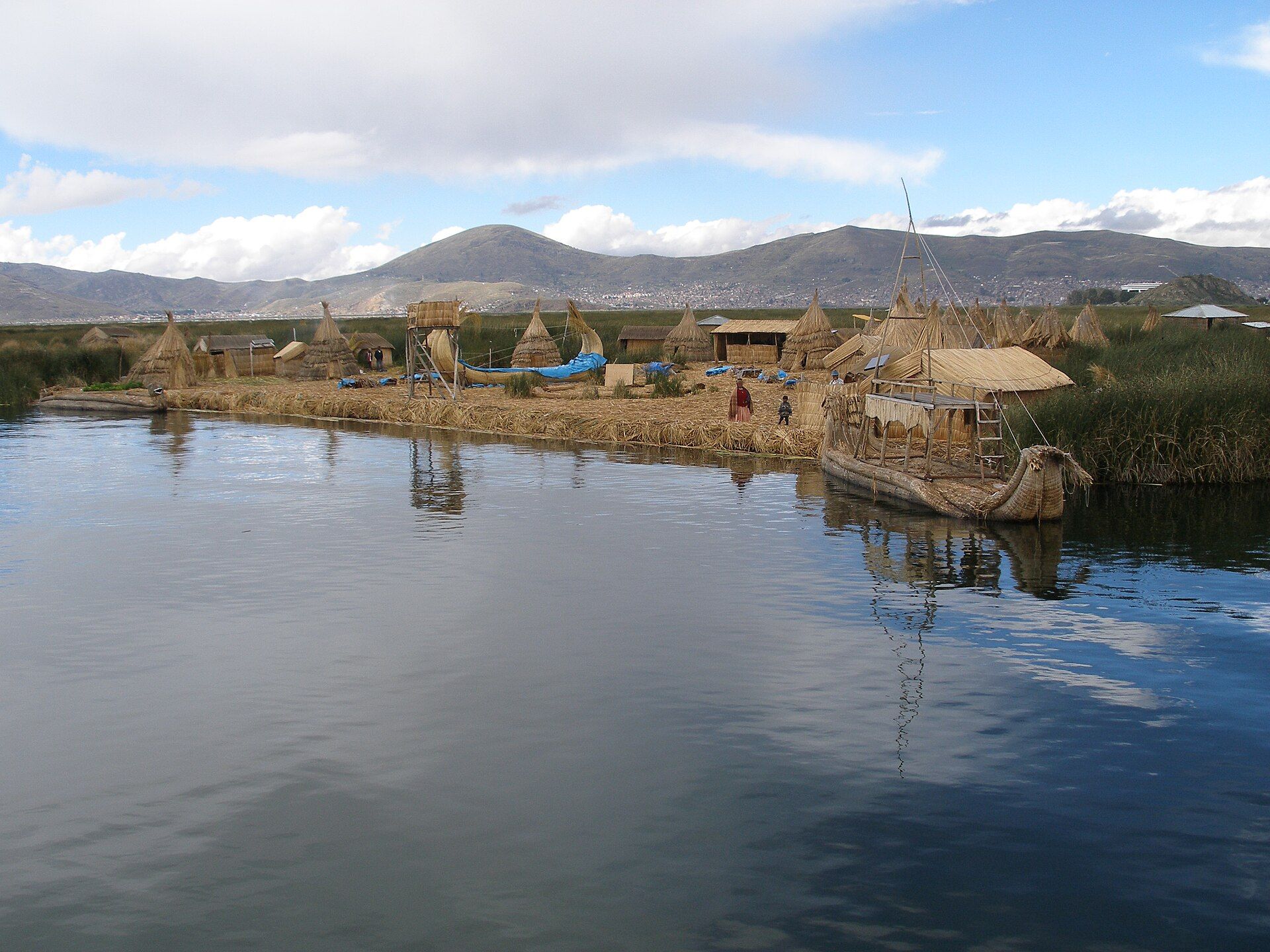
The highest large navigable lake on Earth — a vast, luminous inland sea at 3,812 metres in the Andes, ringed by snow peaks and dotted with floating reed islands.
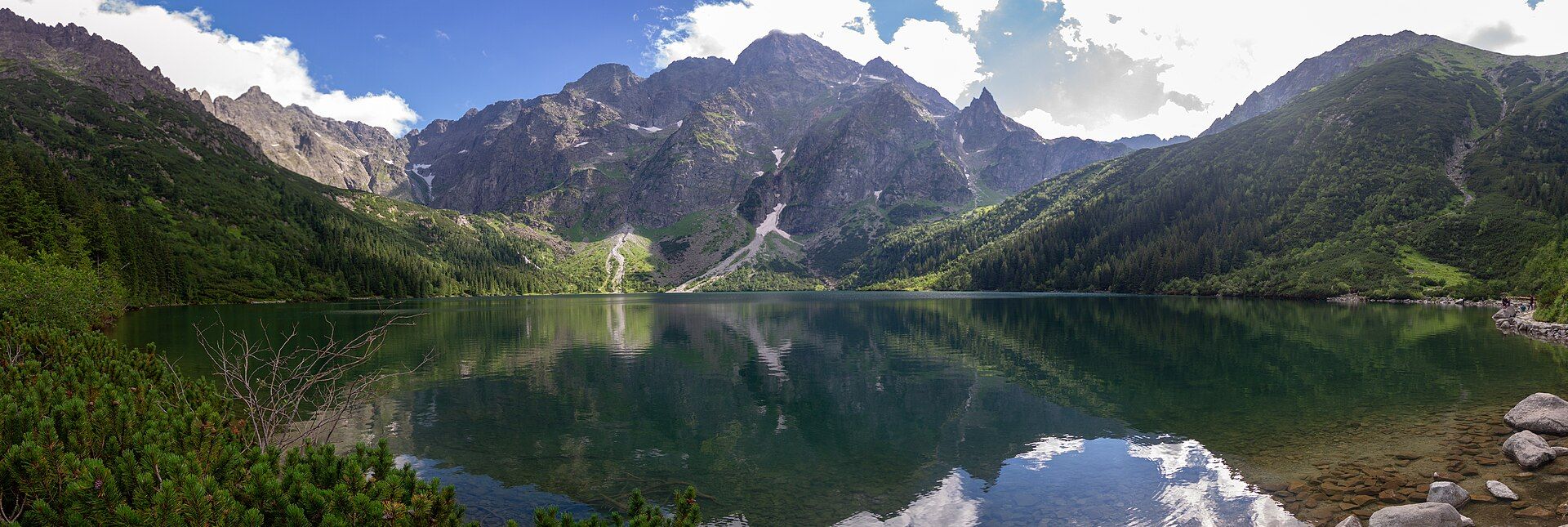
The largest and most beloved lake of the Polish Tatras — a clear alpine tarn cradled beneath the sheer Mięguszowieckie peaks, its name, the 'Eye of the Sea', matched by water clear enough to see many metres down.
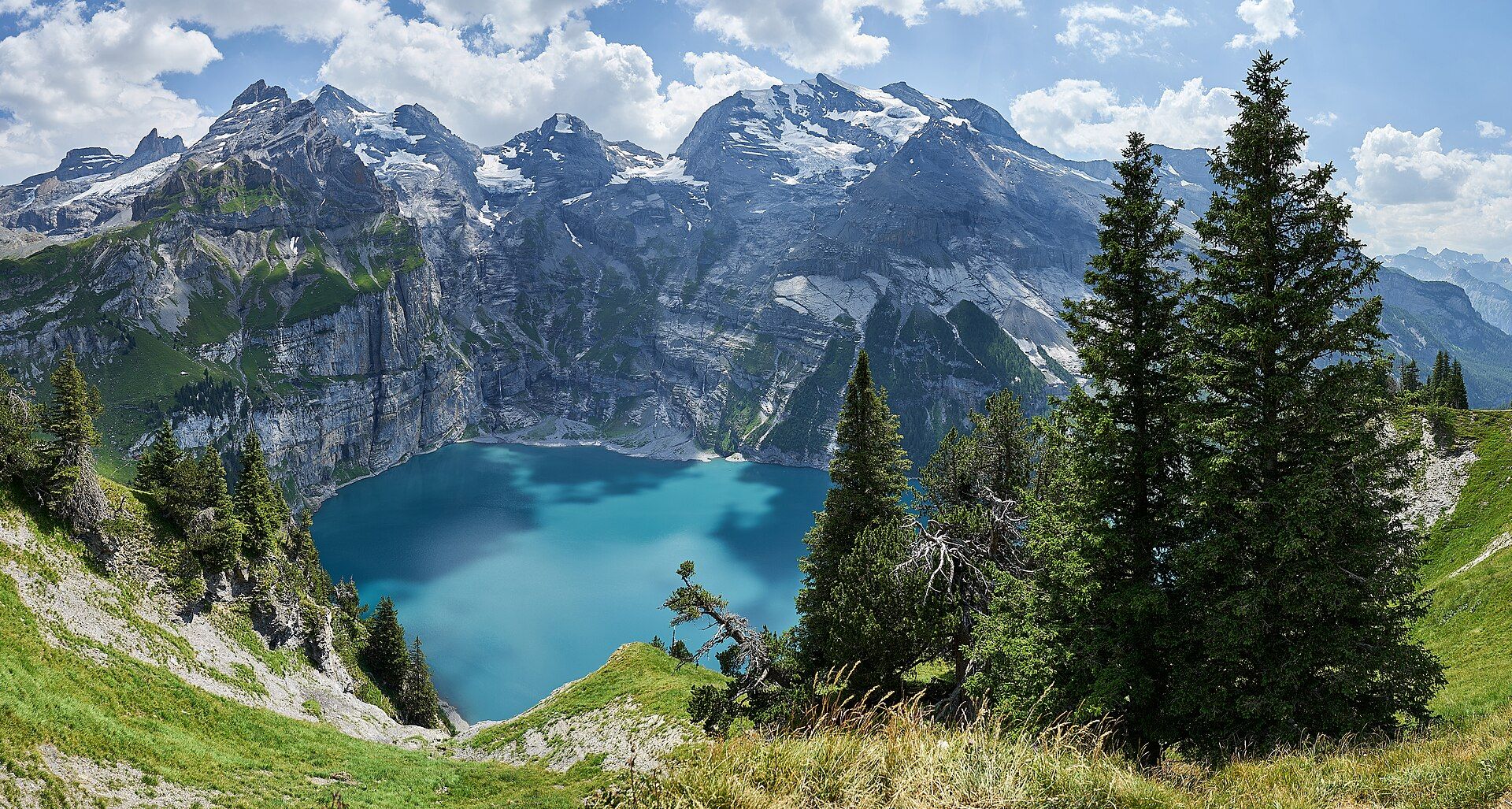
A turquoise mountain lake cupped beneath the snow-streaked Blüemlisalp peaks — part of the UNESCO Jungfrau-Aletsch World Heritage area, reached by gondola and a short walk high above Kandersteg.
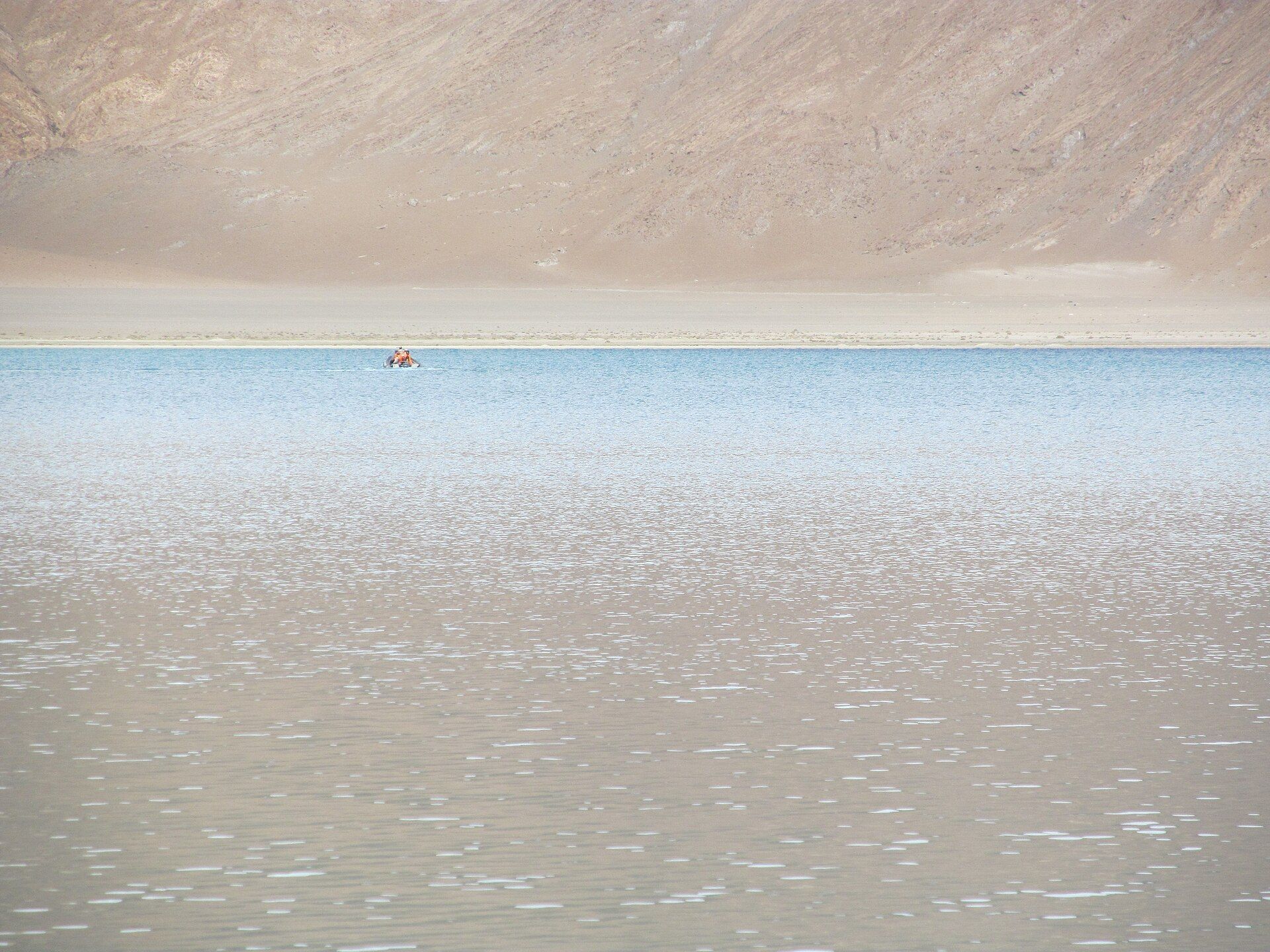
A vast high-altitude lake on the Tibetan Plateau whose waters shift through unearthly blues and greens beneath the bare, colossal mountains of Ladakh at over 4,300 metres.
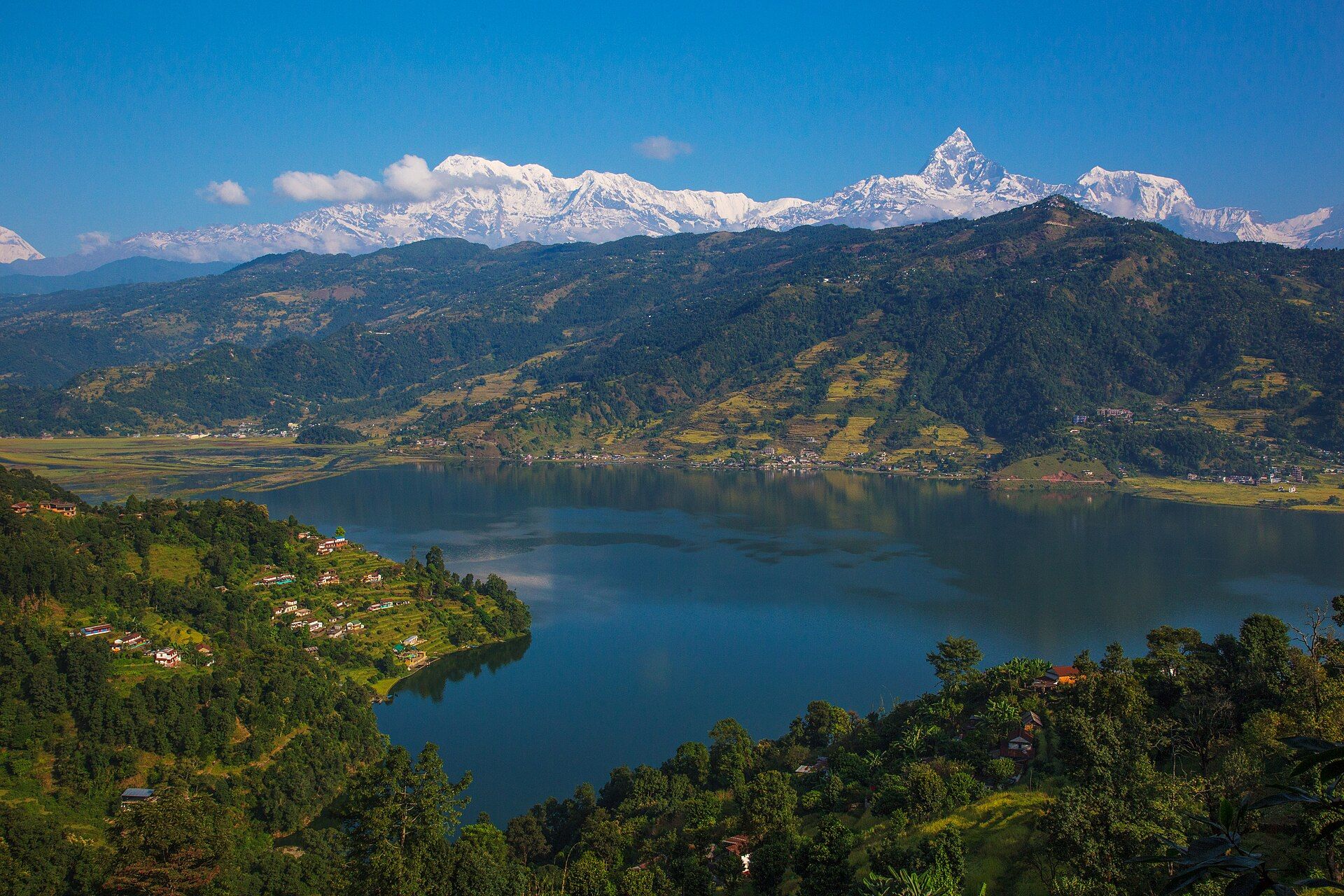
A serene lake at Pokhara that mirrors the snow peaks of the Annapurna range — including the sharp fishtail summit of Machapuchare — with a small temple island at its heart.
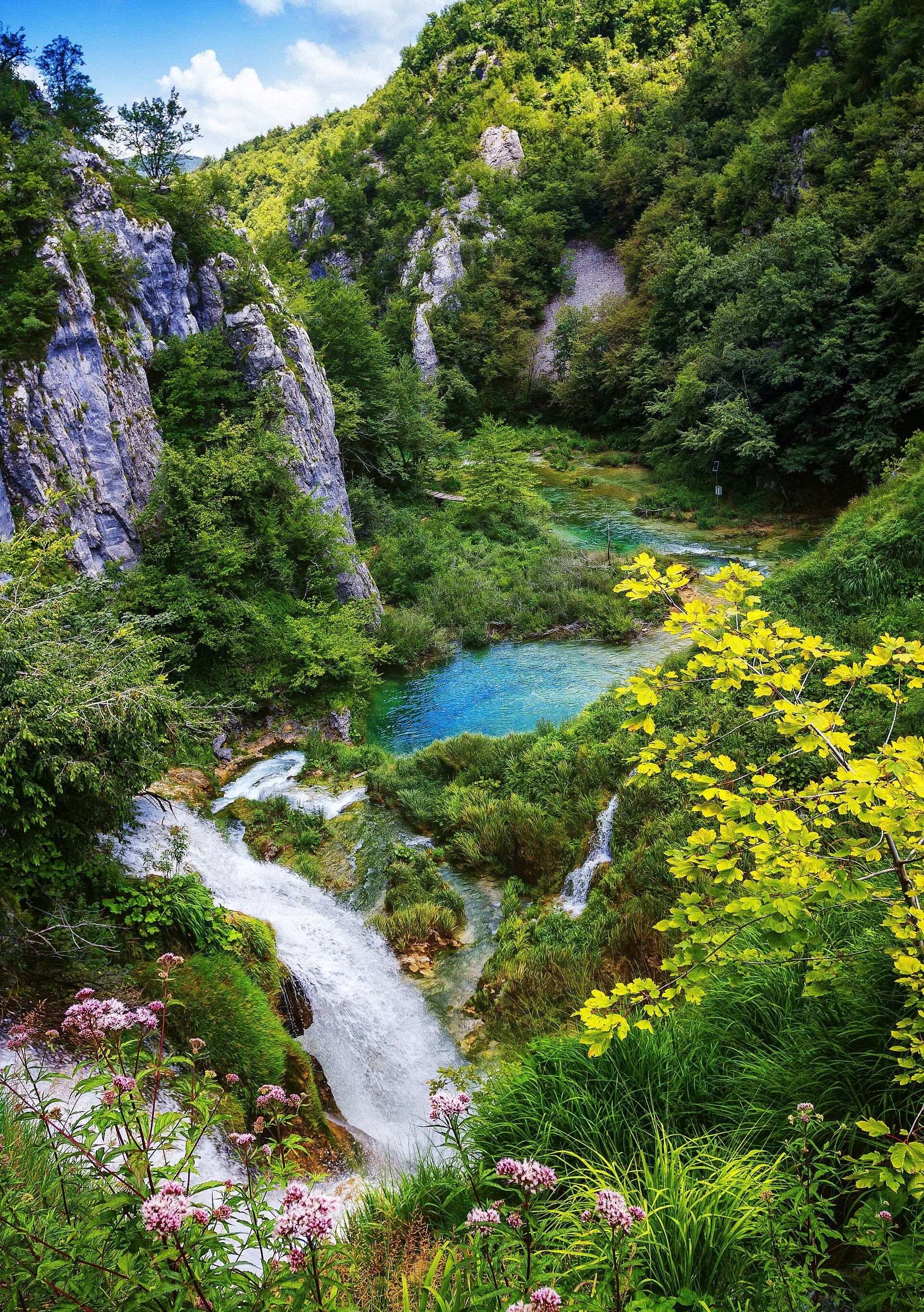
A staircase of sixteen turquoise lakes tumbling one into the next over natural travertine dams and countless waterfalls, threaded by boardwalks through lush forest — Croatia's oldest and most beloved national park.
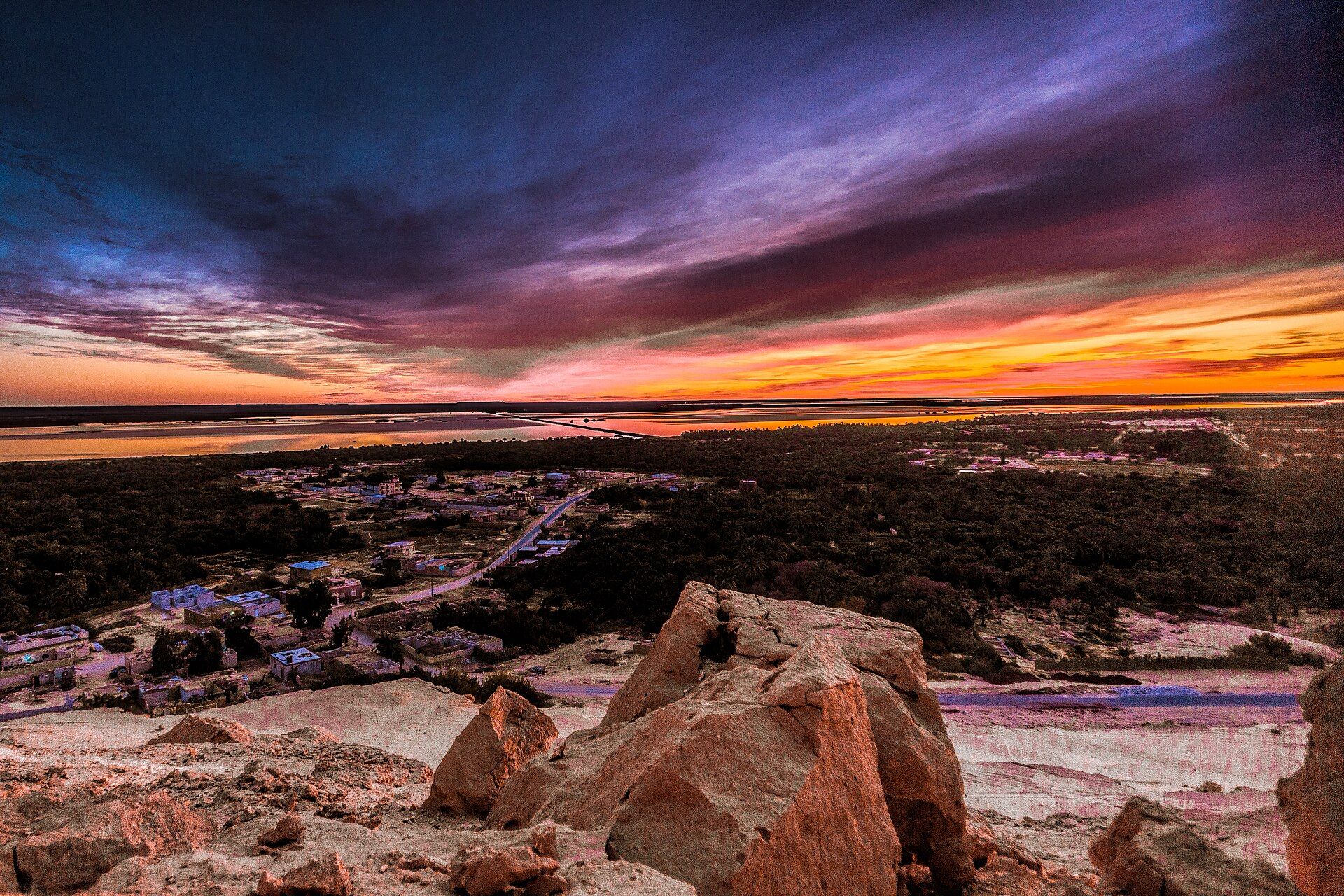
A remote desert oasis of palm groves, freshwater springs, and turquoise salt lakes in Egypt's far west — an ancient island of green ringed by the dunes of the Great Sand Sea.
A vast alpine lake on a high Tian Shan plateau, ringed by summer pastures where nomadic herders raise their yurts — a serene, roadless world of grass, water, and sky at 3,000 metres.
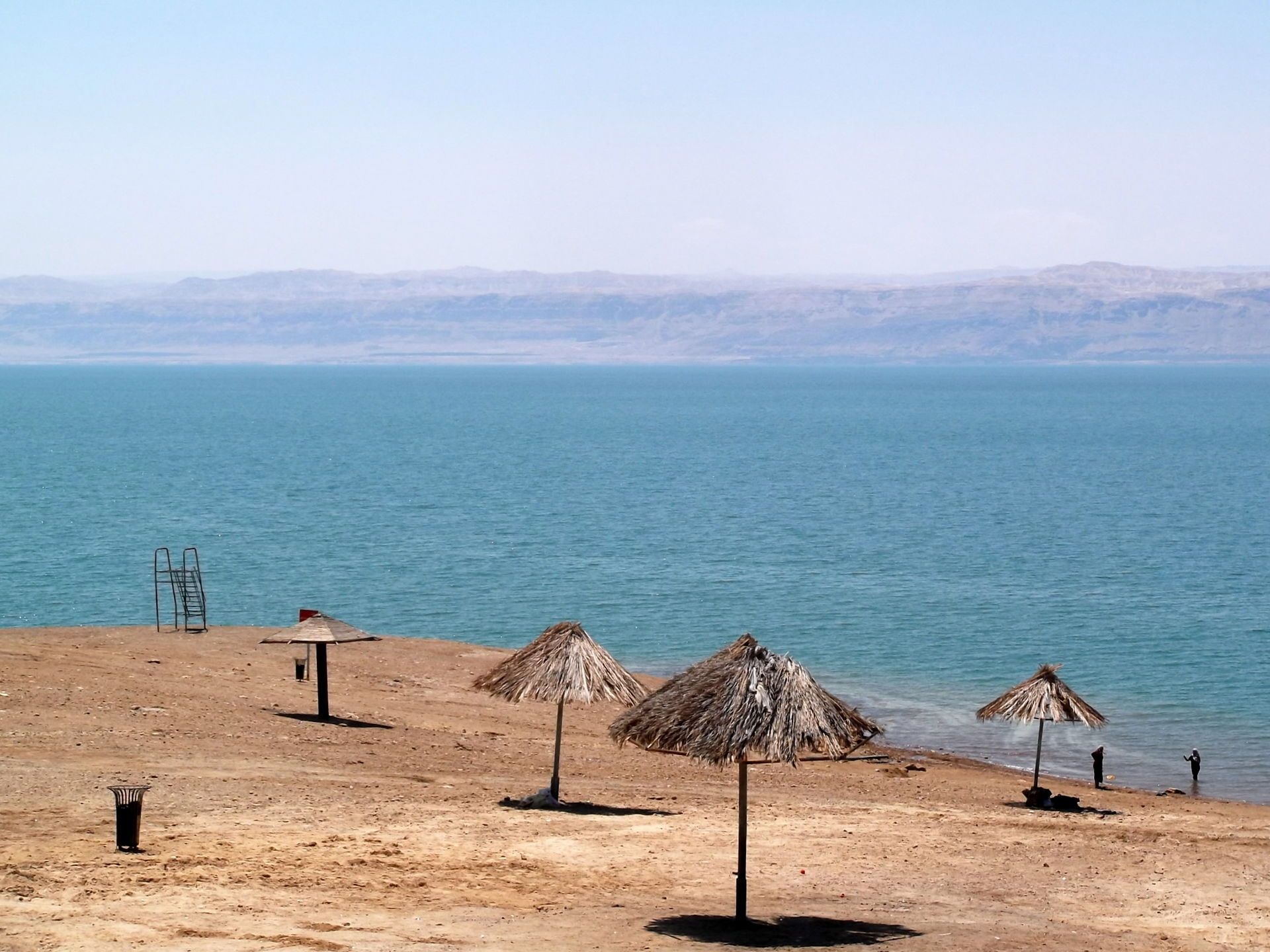
The lowest point on the surface of the Earth — a hypersaline lake so dense with salt and minerals that swimmers float effortlessly, cradled in the desert far below sea level.
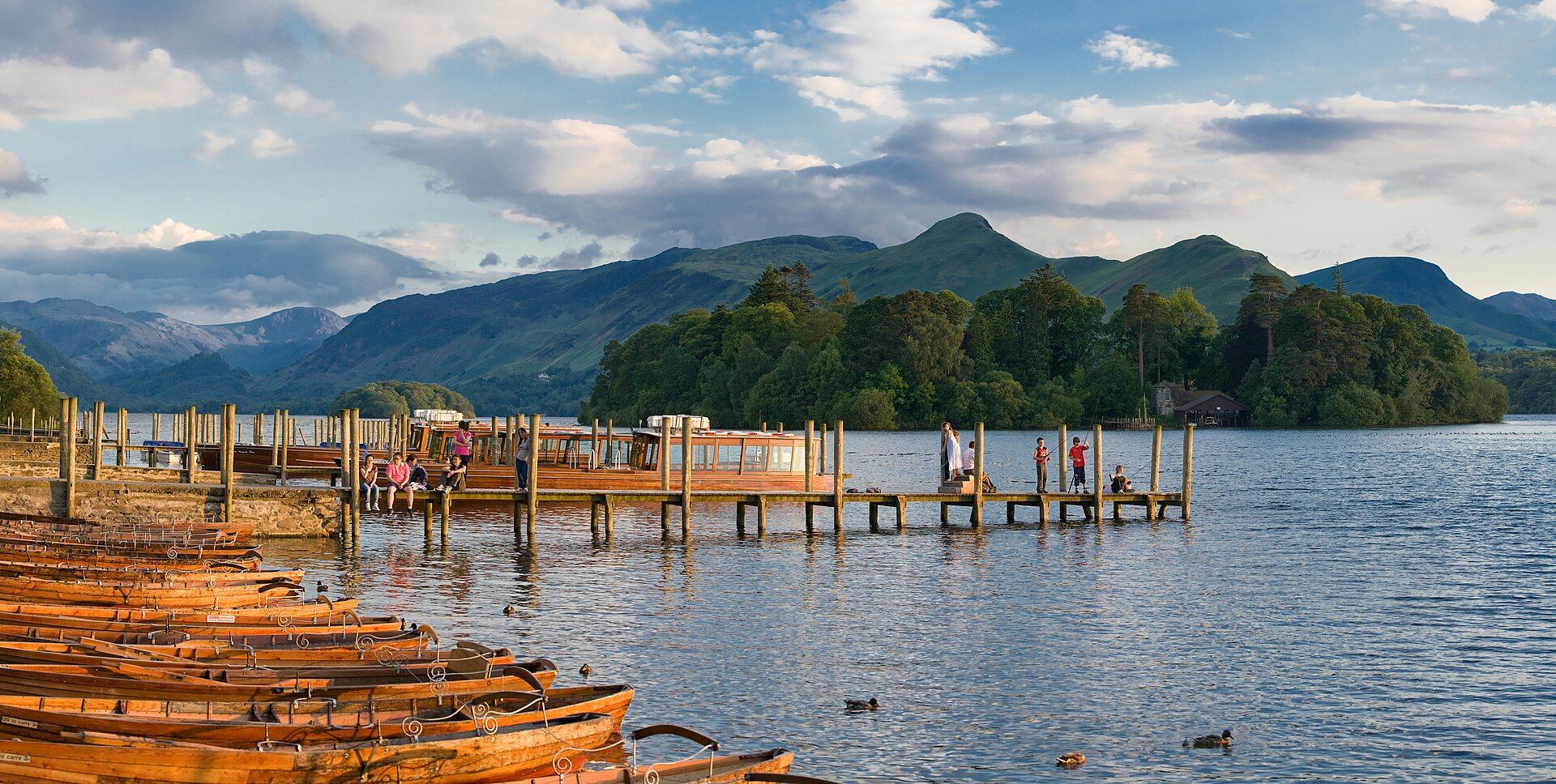
England's largest national park and a UNESCO World Heritage cultural landscape — a compact country of glacier-carved fells, ribbon lakes and stone-walled valleys that shaped English ideas of the picturesque.
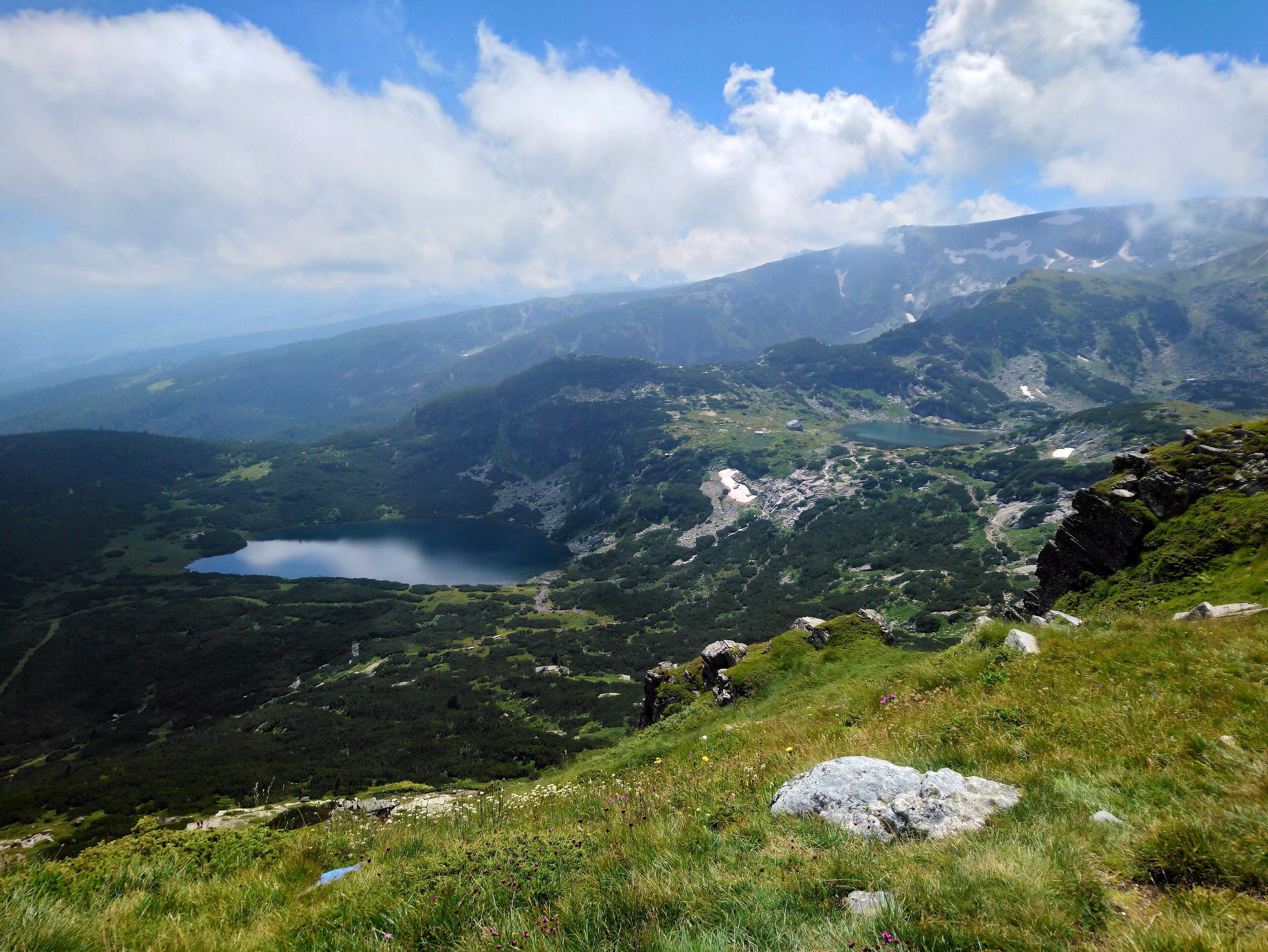
Rila National Park, Rila Mountains, southwestern Bulgaria
Seven glacial tarns arranged one above the other on a mountain staircase between 2,100 and 2,500 metres, each named for the shape the ice left it in — the Eye, the Kidney, the Tear, the Twin.
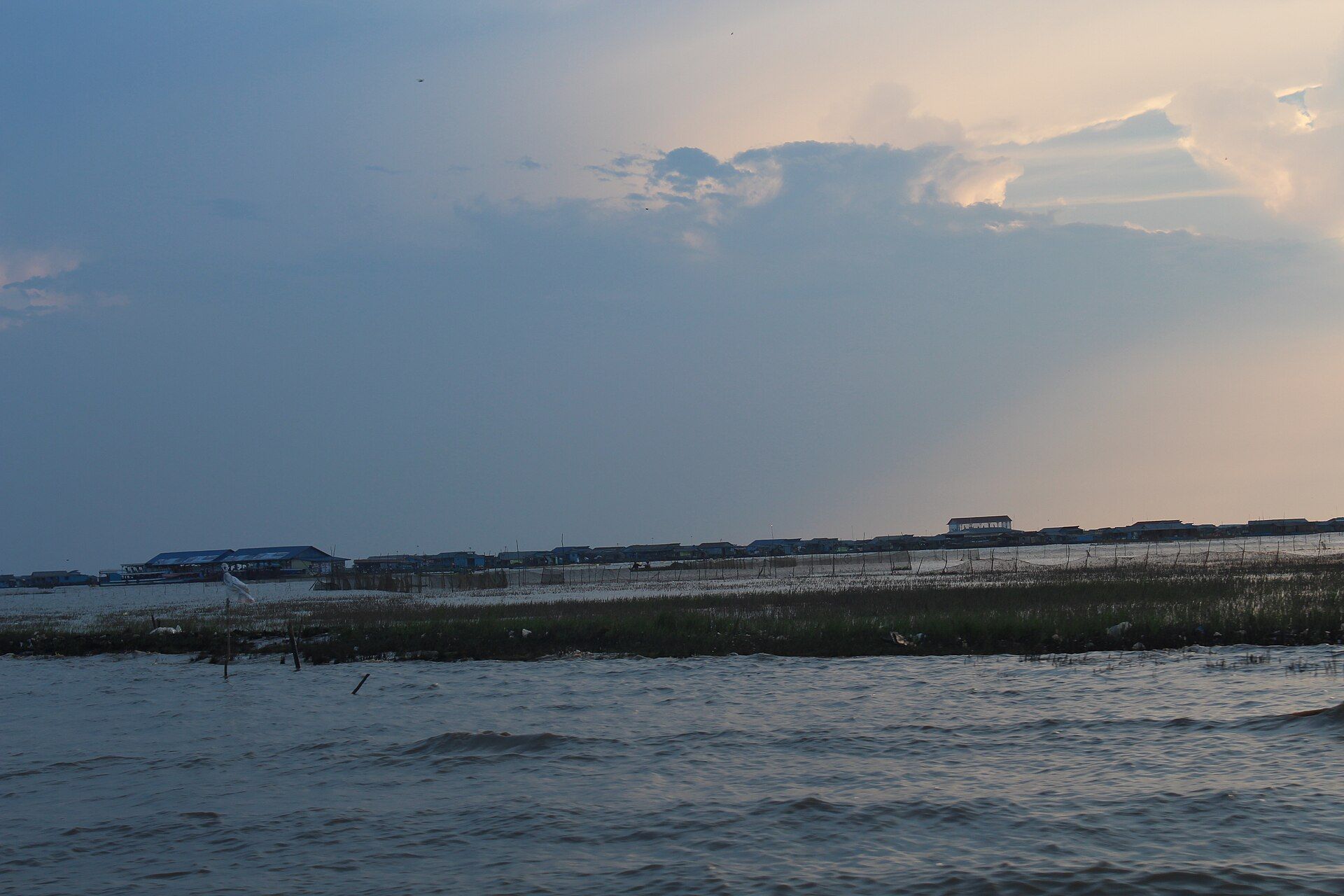
Southeast Asia's largest freshwater lake — a vast, life-giving body of water that swells enormously each monsoon when its own river reverses course and flows backwards.