🇮🇹 Natural wonders of Italy
A land of alpine peaks and active volcanoes, where fossil-reef mountains glow at dawn in the north and Europe's largest volcano smokes over fertile Sicilian slopes in the south.
🗓️ Best time for nature: June to September for alpine hiking in the Dolomites and mild weather on Etna; December to March for skiing in the north. Spring and autumn are quieter and often lovely.
The lay of the land
Italy's natural drama comes from its position where the African and European plates collide. That collision raised the Alps — including the pale, fossil-rich limestone of the Dolomites, once a tropical coral sea — and fuels a chain of volcanoes down the peninsula and islands, of which Sicily's Etna is the largest and most active in Europe. Between the heights lie glacial lakes, alpine meadows, and, on volcanic soils, some of the most productive farmland in the Mediterranean. It is a country where mountains, fire, and fertility sit side by side.
Where to begin
-
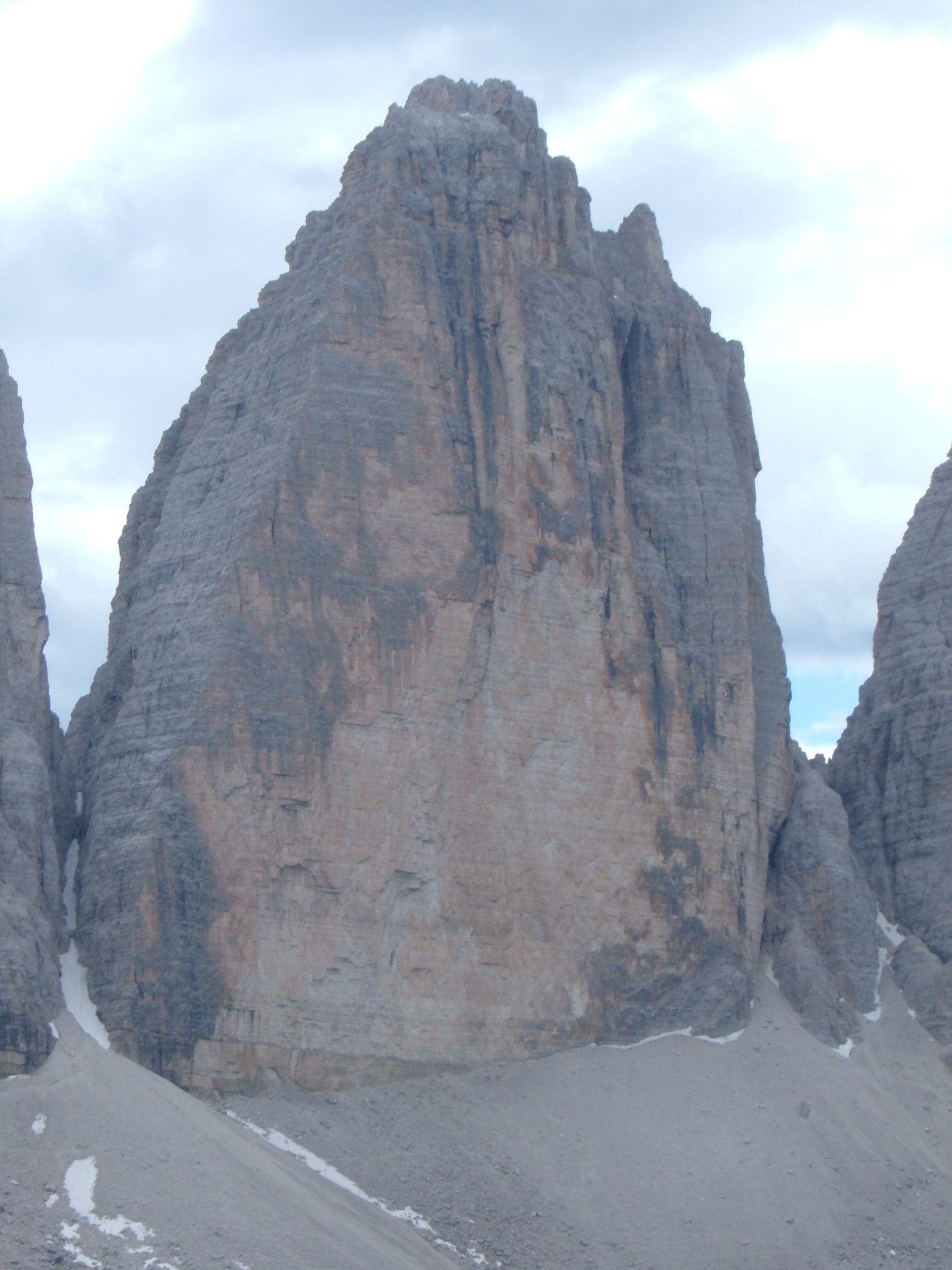
The Dolomites
Pale limestone spires that blush pink at dawn above emerald alpine meadows.
-
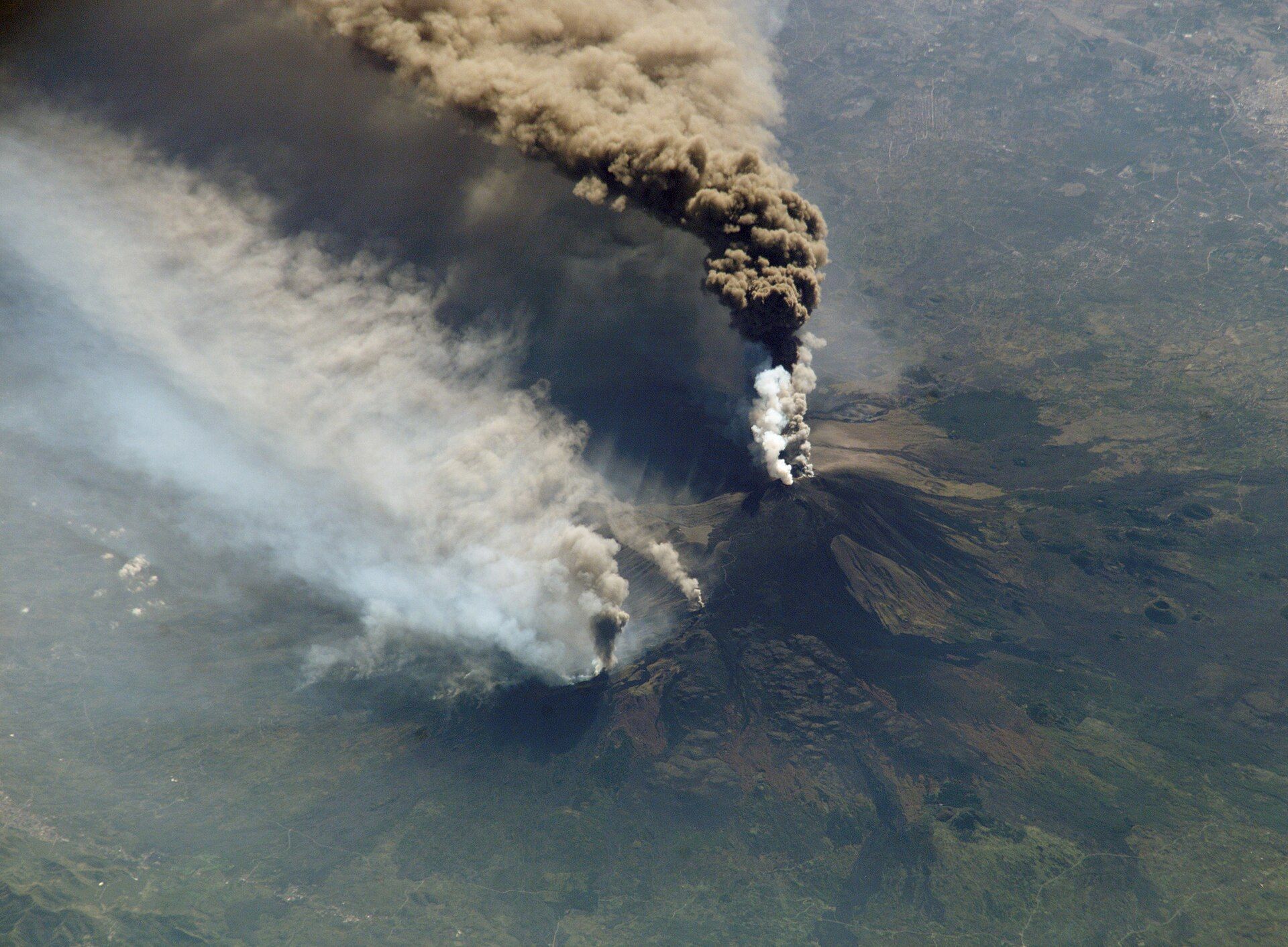
Mount Etna
Europe's largest active volcano, its fertile slopes green with vines and pistachios.
-
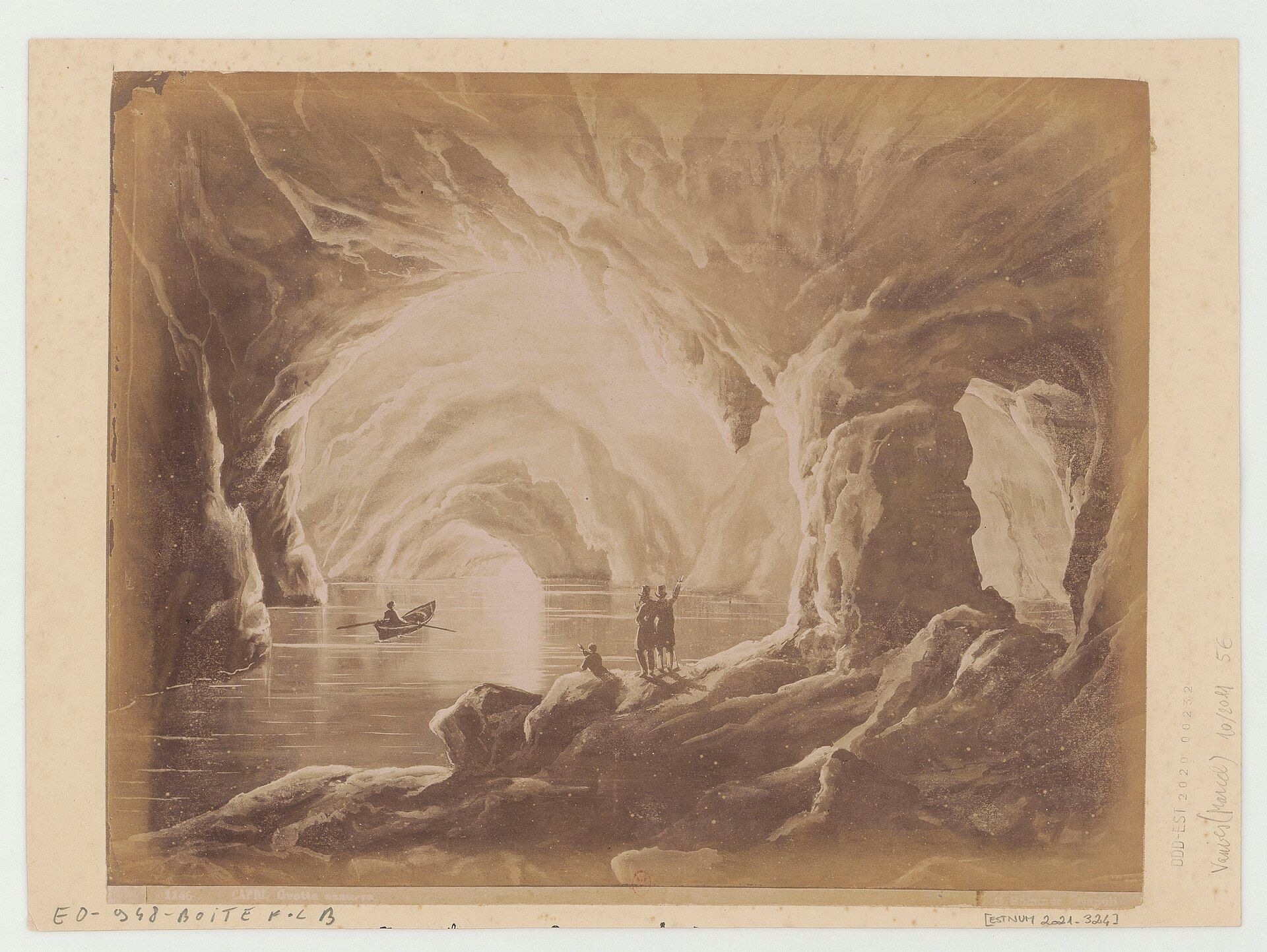
The Blue Grotto
A Capri sea cave lit electric blue by refracted sunlight.
-
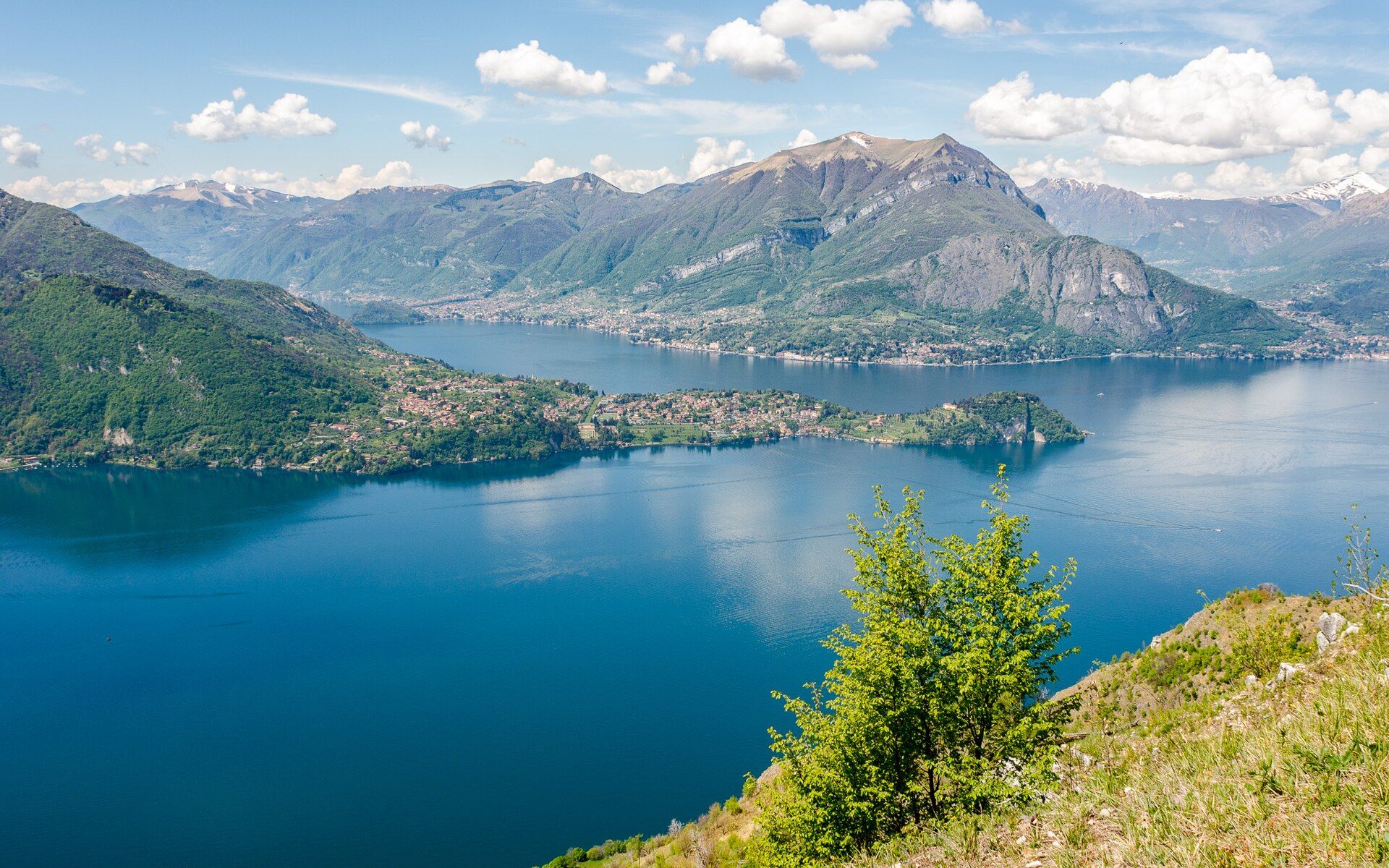
Lake Como
A deep glacier-carved lake beneath the Alps, ringed by villas and villages.
A taste of the place
Italian food is famously regional, and its landscapes show on the plate. In the alpine north, Tyrolean dumplings, speck, and mountain cheeses reflect the high pastures; on Etna's volcanic slopes, Sicily grows prized Bronte pistachios, citrus, olives, and distinctive Etna DOC wines. From strudel in the Alps to granita in Sicily, the food maps directly onto the geology and climate of each place.
Traveling responsibly
- In the Dolomites, book mountain huts (rifugi) ahead and start hikes early to avoid storms.
- On Etna, use a licensed volcano guide for the upper zones and heed activity advisories.
- Combine nature with the local food and wine — it's part of the landscape here.
- Shoulder seasons (late spring, early autumn) offer great weather with fewer crowds.
Italy’s wild side is a story of colliding continents. The slow crash of the African and European plates threw up the Alps and lit a chain of volcanoes down the peninsula, giving the country an extraordinary range of natural wonders in a compact space. In the north, the Dolomites — pale spires made from an ancient coral sea — catch the low sun and blush rose at dawn and dusk. In the south, Sicily’s Etna smokes almost continuously, Europe’s largest and most restless volcano.
The through-line is the link between landscape and life. Volcanic soils and alpine pastures produce some of the Mediterranean’s best food and wine, so exploring Italy’s mountains and volcanoes is inseparable from tasting what grows on them. This atlas opens Italy’s chapter with its two most iconic natural landmarks, north and south.
Added Updated
All wonders in Italy
4 places