🇭🇷 Natural wonders of Croatia
A country of clear water and karst — from the terraced turquoise lakes and living travertine dams of Plitvice to a long, island-strewn Adriatic coast.
🗓️ Best time for nature: Spring (April–June) for full waterfalls at Plitvice; autumn for colour and fewer crowds; the coast shines in summer.
The lay of the land
Croatia sits on a great belt of limestone, and water is its sculptor. Inland, the Plitvice Lakes step down a forested valley over natural travertine dams — rock literally built by mineral-rich water and living organisms — in a chain of sixteen turquoise lakes and countless waterfalls. The Dinaric karst continues to caves, rivers, and springs, while the Adriatic coast is fringed with more than a thousand islands. Forests here still shelter bears, wolves, and lynx.
Where to begin
-
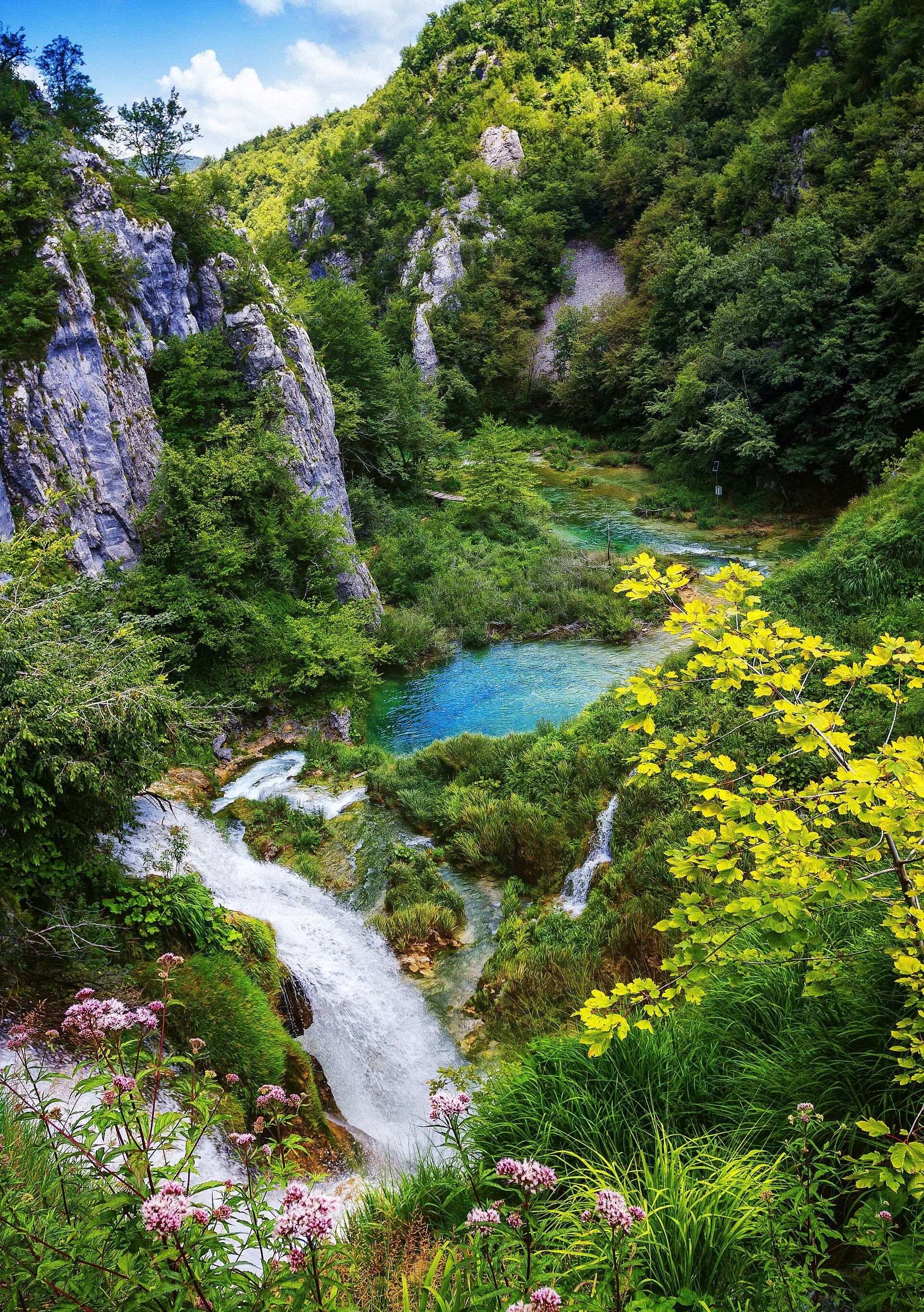
Plitvice Lakes
Sixteen turquoise lakes cascading over living travertine dams.
-
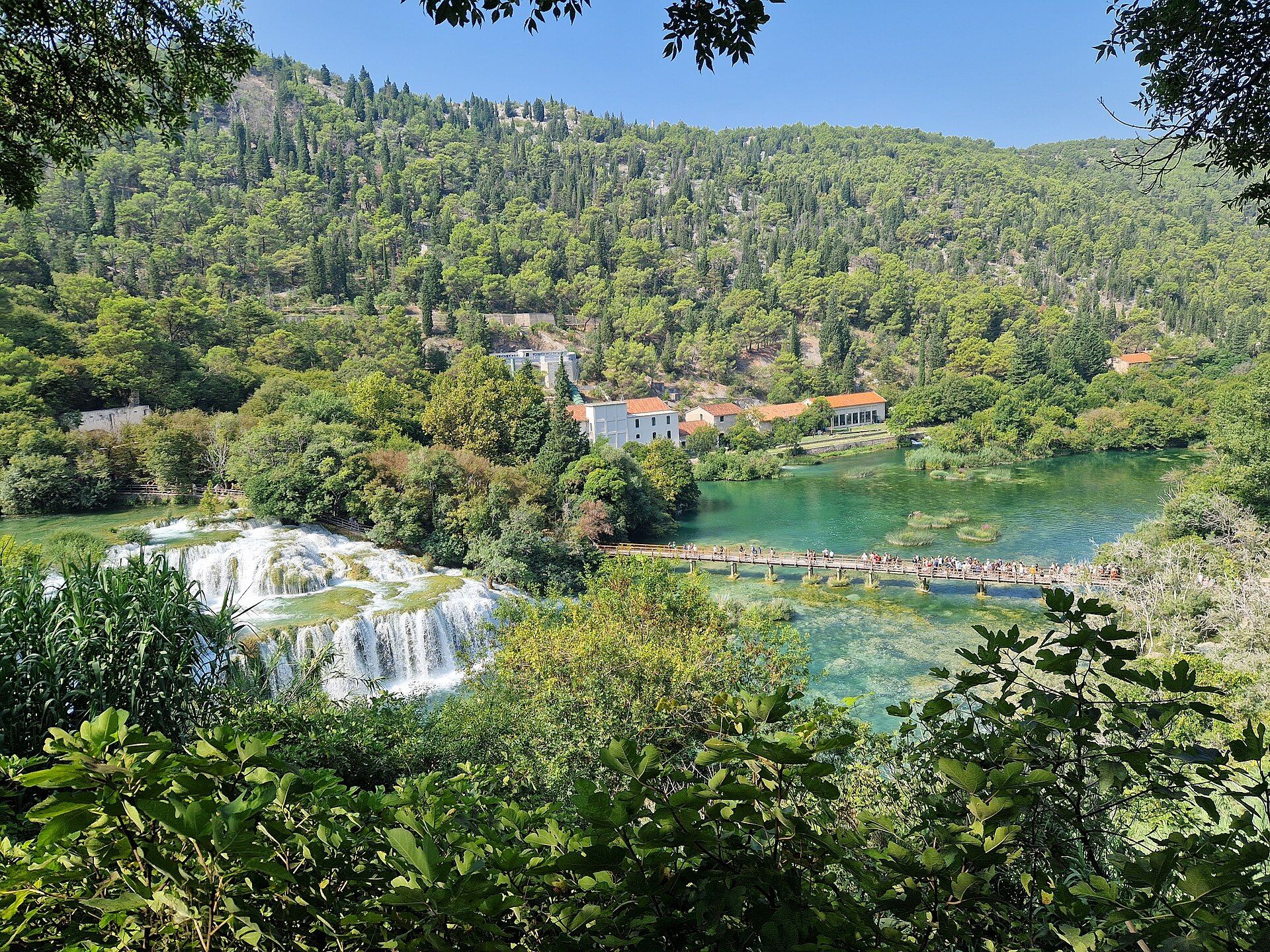
Krka National Park
A river that builds its own waterfalls in staircases of living travertine.
-
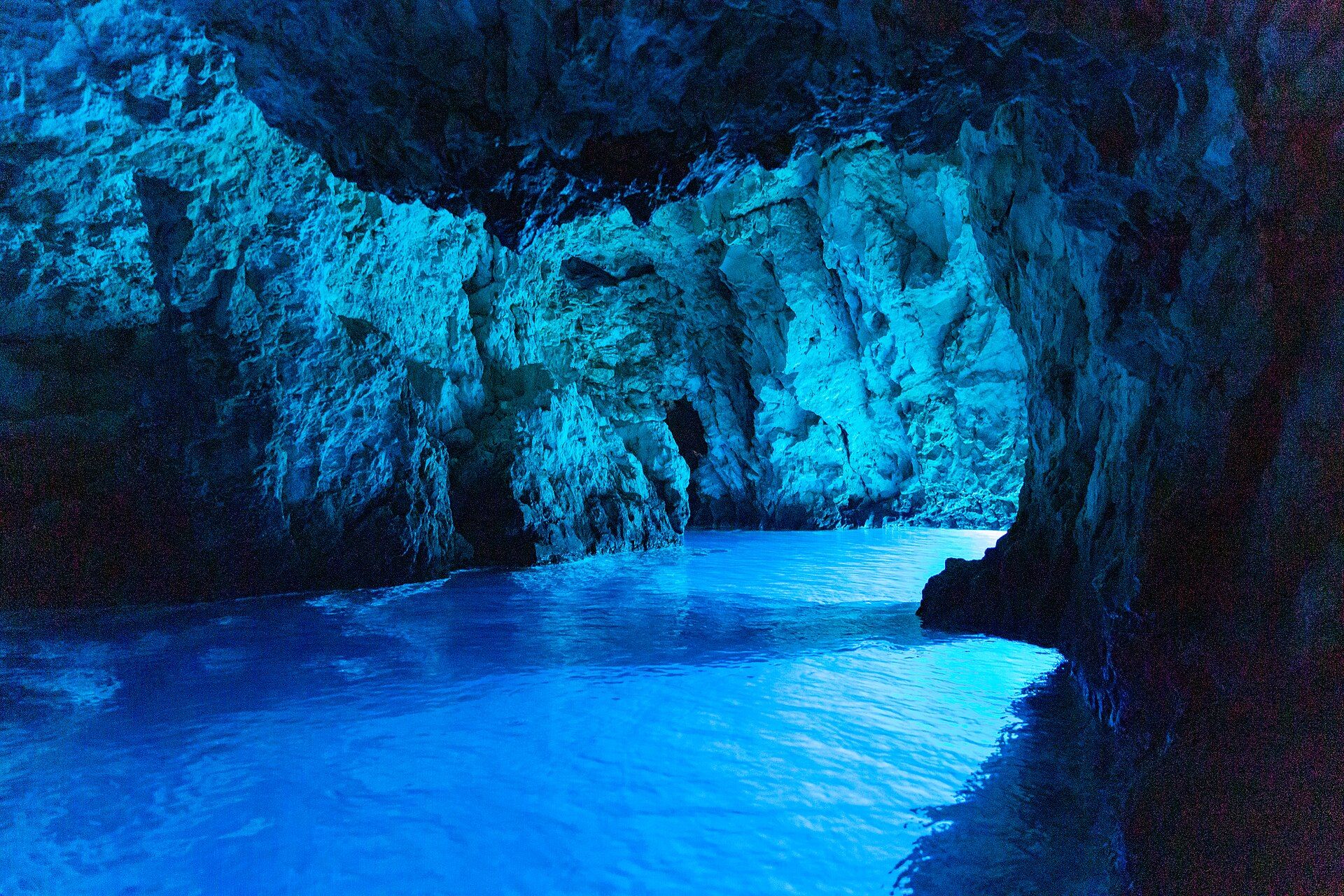
Blue Cave of Biševo
A sea cave that glows electric blue when midday sun floods it from below.
-
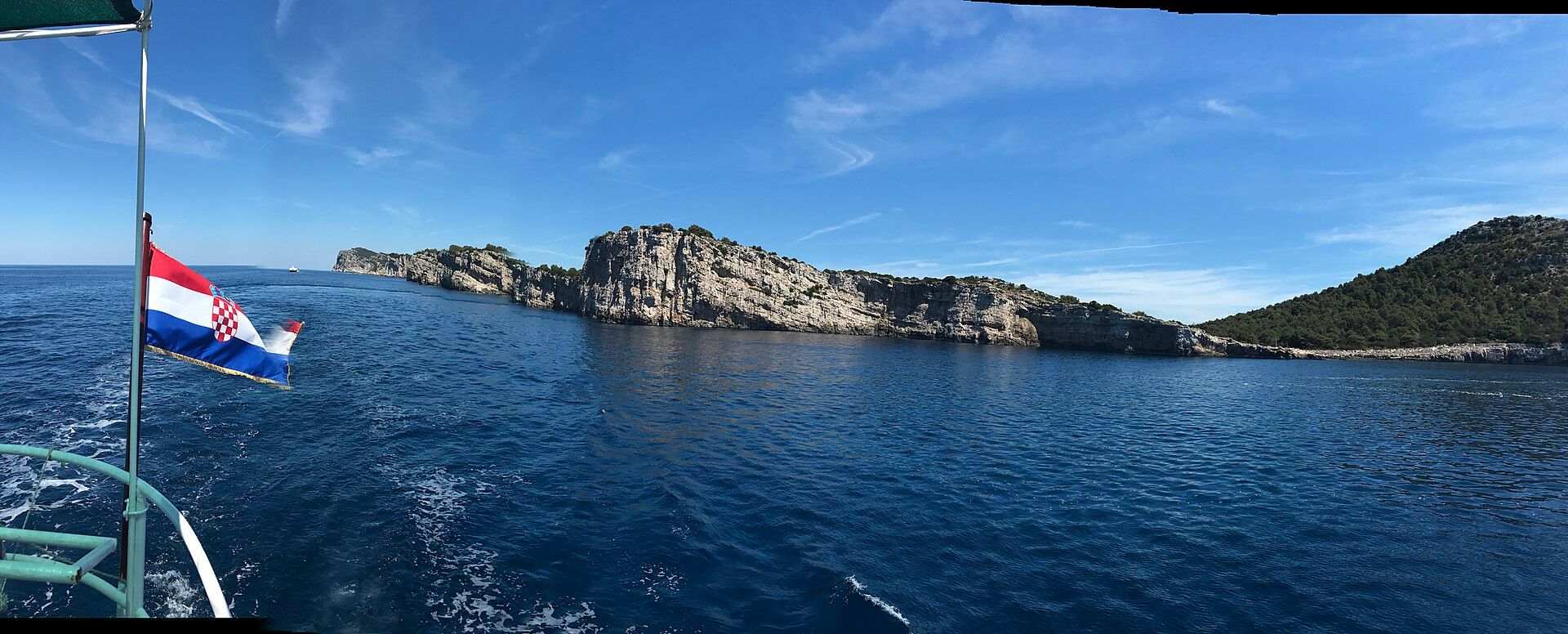
Kornati Islands
The Adriatic's densest archipelago, its seaward cliffs falling sheer into deep water.
A taste of the place
Croatian cooking splits between hearty inland fare — peka (meat and vegetables slow-cooked under embers), freshwater trout, and cheese pastry (štrukli) — and a Mediterranean coast of seafood, olive oil, and wine.
Traveling responsibly
- Arrive early at Plitvice to walk the boardwalks before the crowds.
- Stay on the walkways — swimming is banned to protect the fragile travertine.
- Spring snowmelt makes the waterfalls most powerful.
Croatia is limestone country, and water is what makes it beautiful. At the Plitvice Lakes, sixteen turquoise pools step down a forested valley over dams of travertine — rock that is quite literally alive, built up as mineral-rich water reacts with moss and microbes — linked by waterfalls at every turn. This atlas begins Croatia’s chapter in that water-world, with the wider Dinaric karst and the island-strewn Adriatic coast to follow.
Added Updated
All wonders in Croatia
4 places