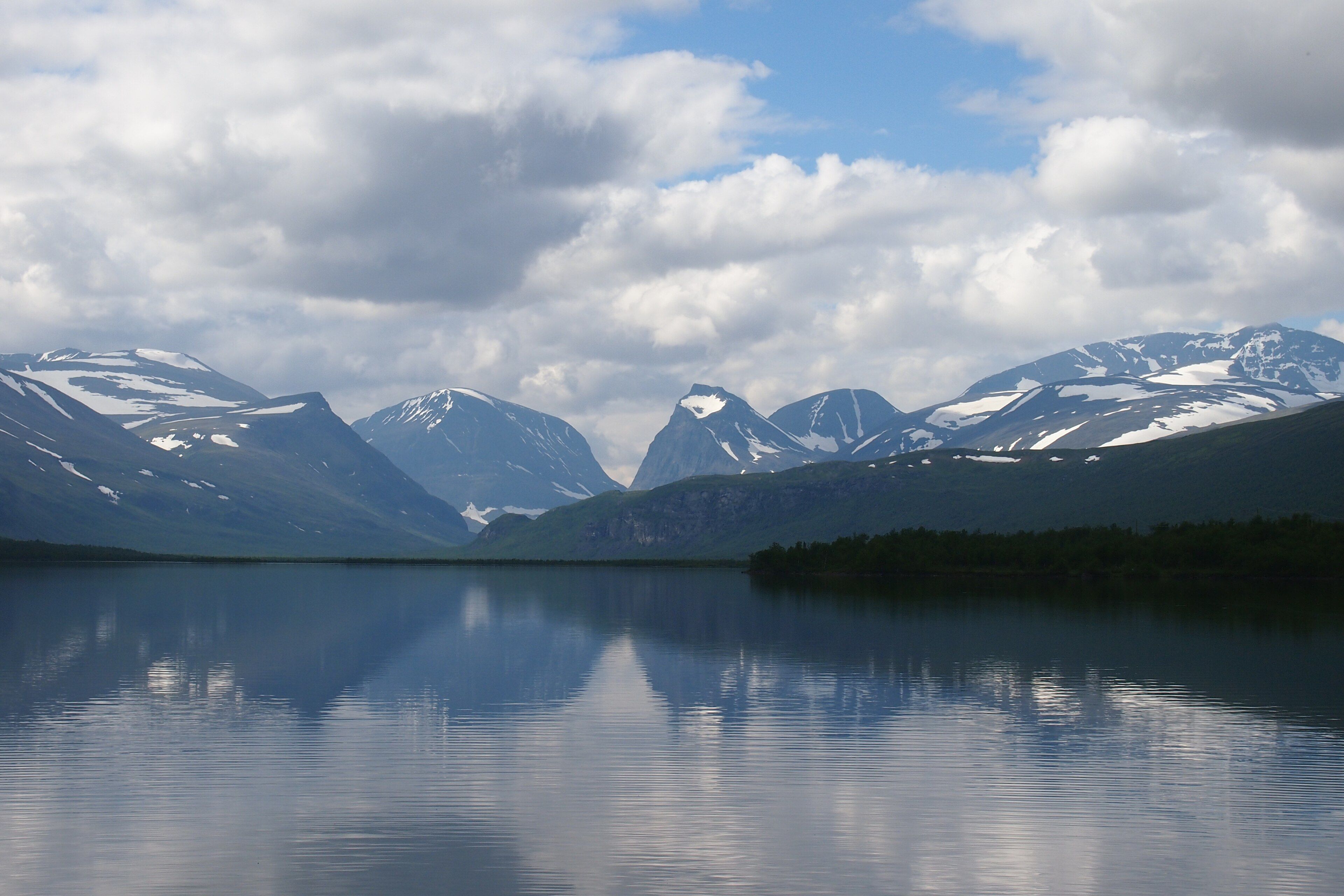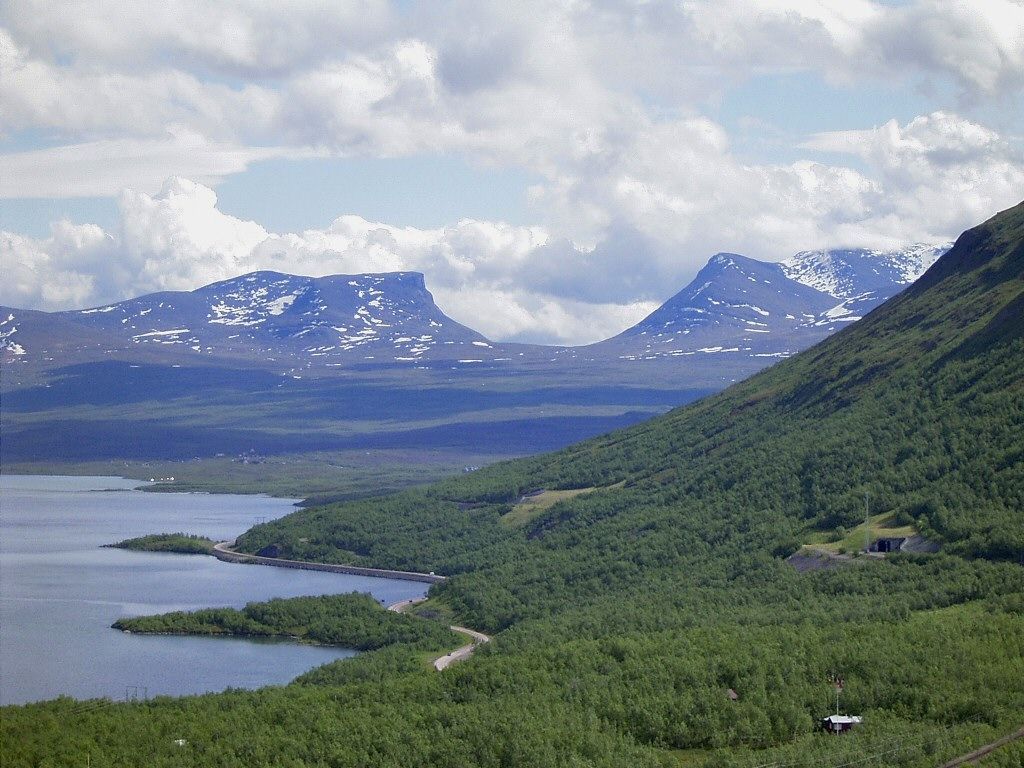
A national park in the far north of Swedish Lapland famous for some of the clearest skies on Earth — and, beneath them, one of the world's finest windows onto the northern lights.
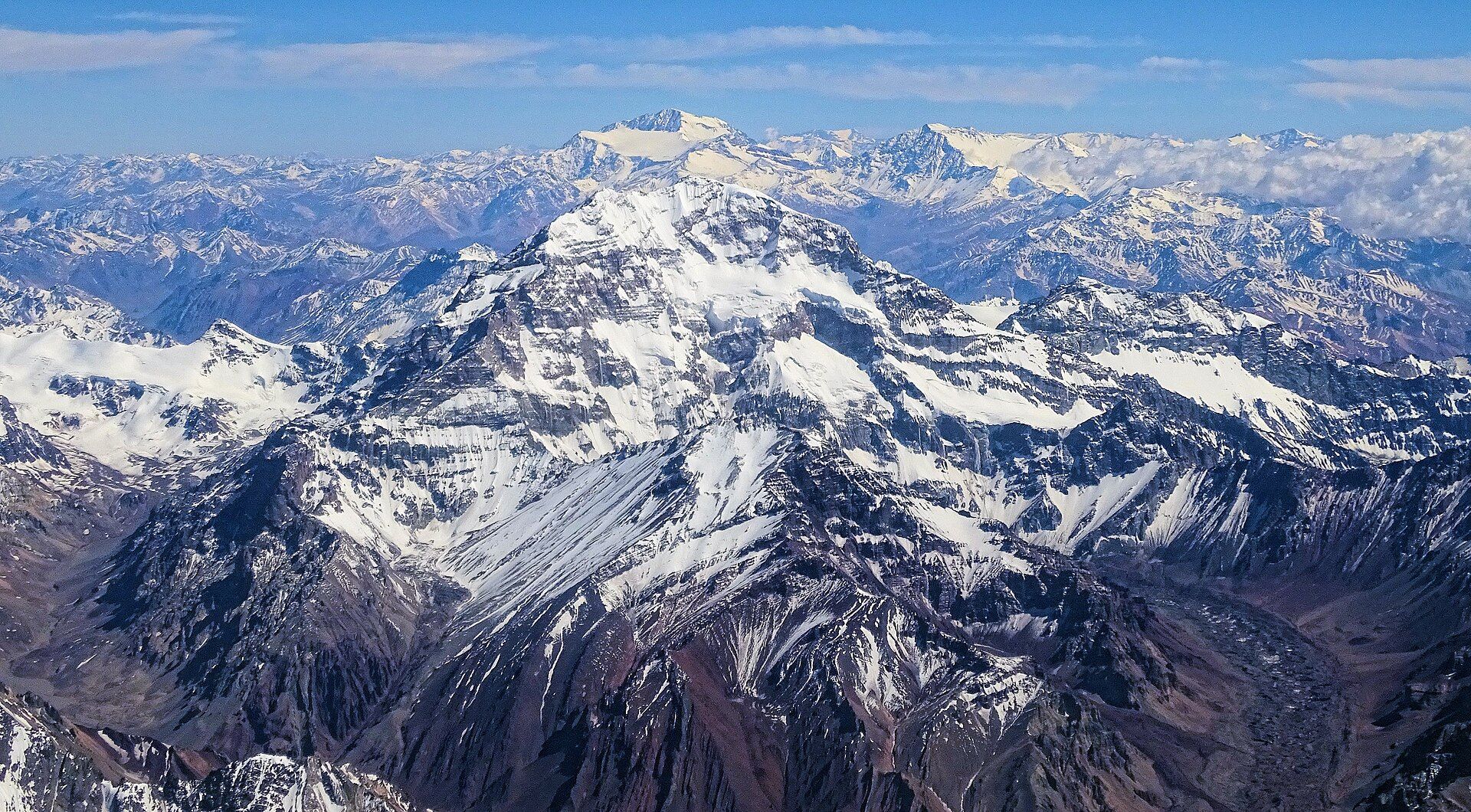
Aconcagua Provincial Park, Mendoza Province, Argentina
The highest mountain in the Americas and the loftiest peak outside Asia — a colossal Andean massif of rock, snow and thin air near Mendoza, and the most accessible of the world's Seven Summits.
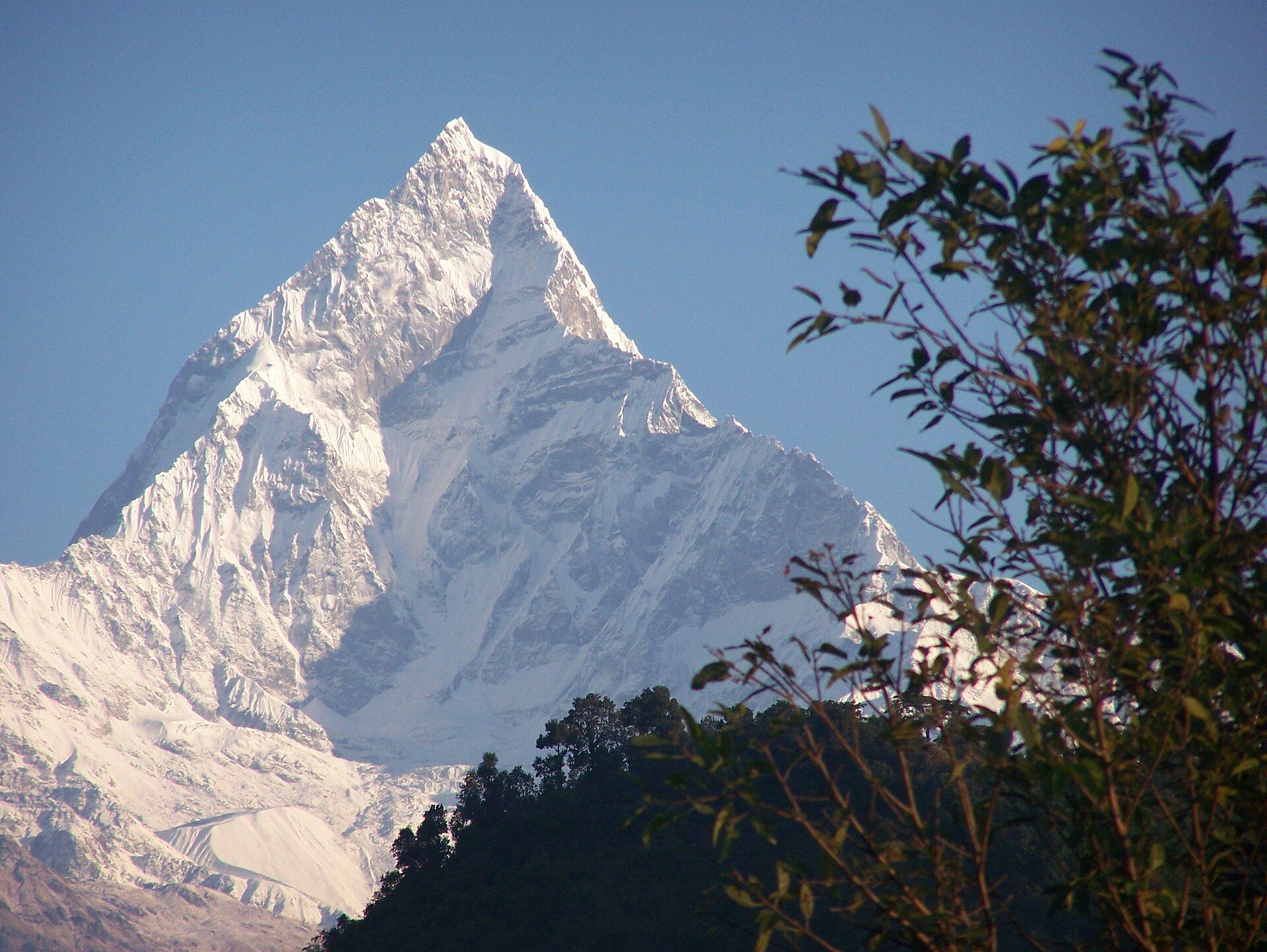
A high glacial amphitheatre ringed by a wall of 7,000- and 8,000-metre Himalayan giants — the beating heart of one of the world's great treks, reached through rhododendron forest and terraced hills.
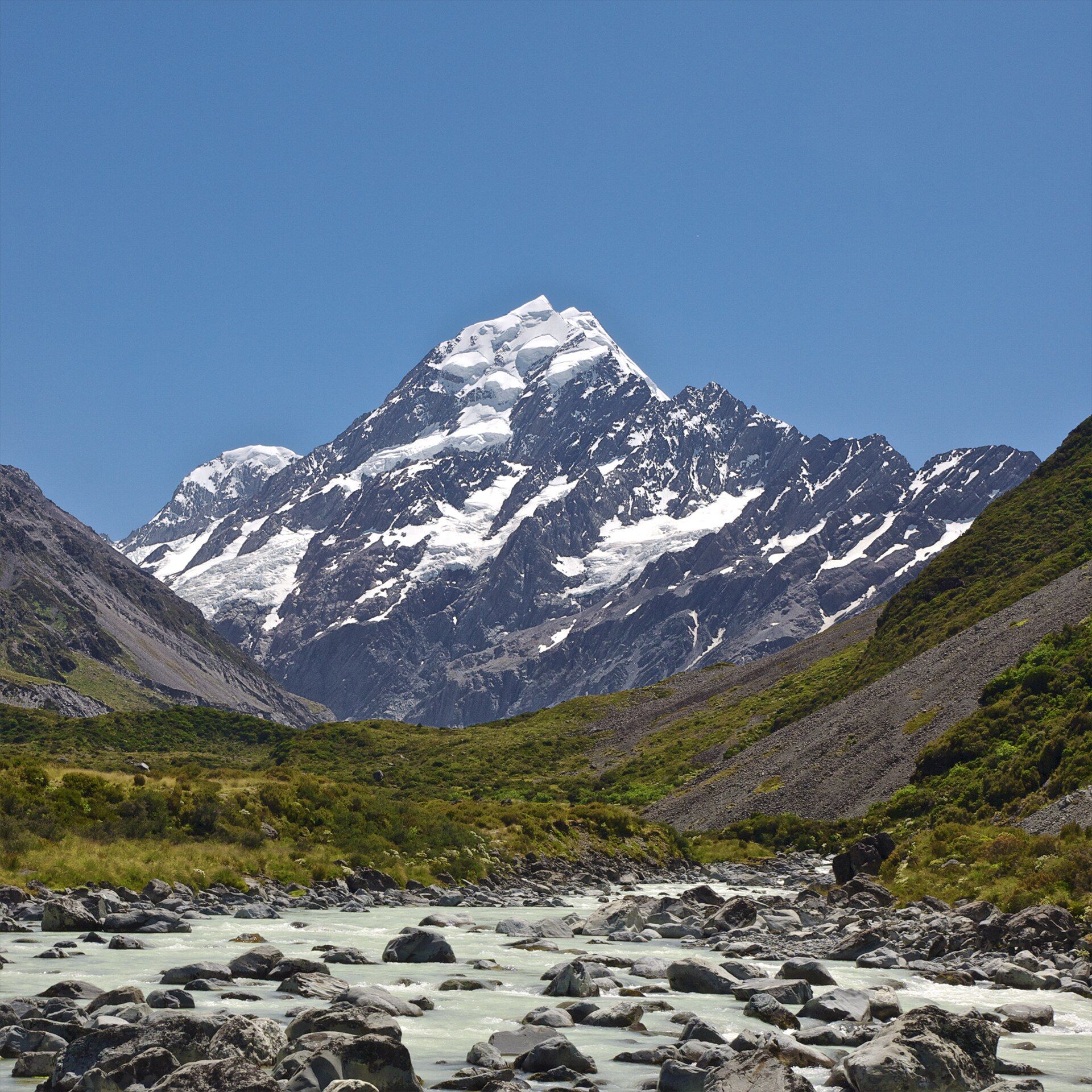
New Zealand's highest peak — a snow-and-ice pyramid rising above glacier-fed turquoise lakes and the country's longest glacier, in the heart of the Southern Alps' greatest concentration of high mountains.
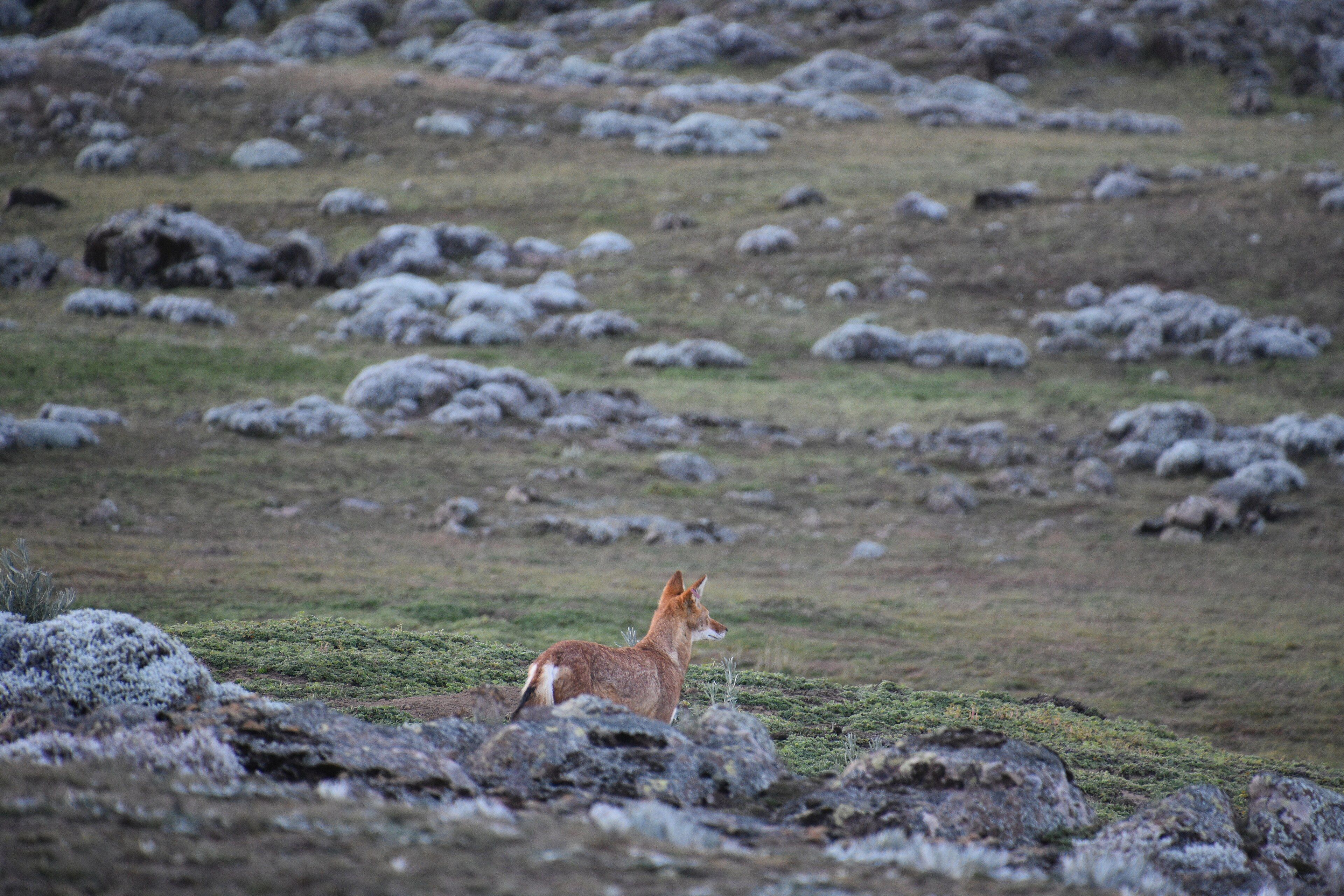
The largest stretch of Afroalpine habitat anywhere on Earth — a treeless plateau above 4,000 metres holding more than half the world's Ethiopian wolves, with cloud forest falling away down its southern side.
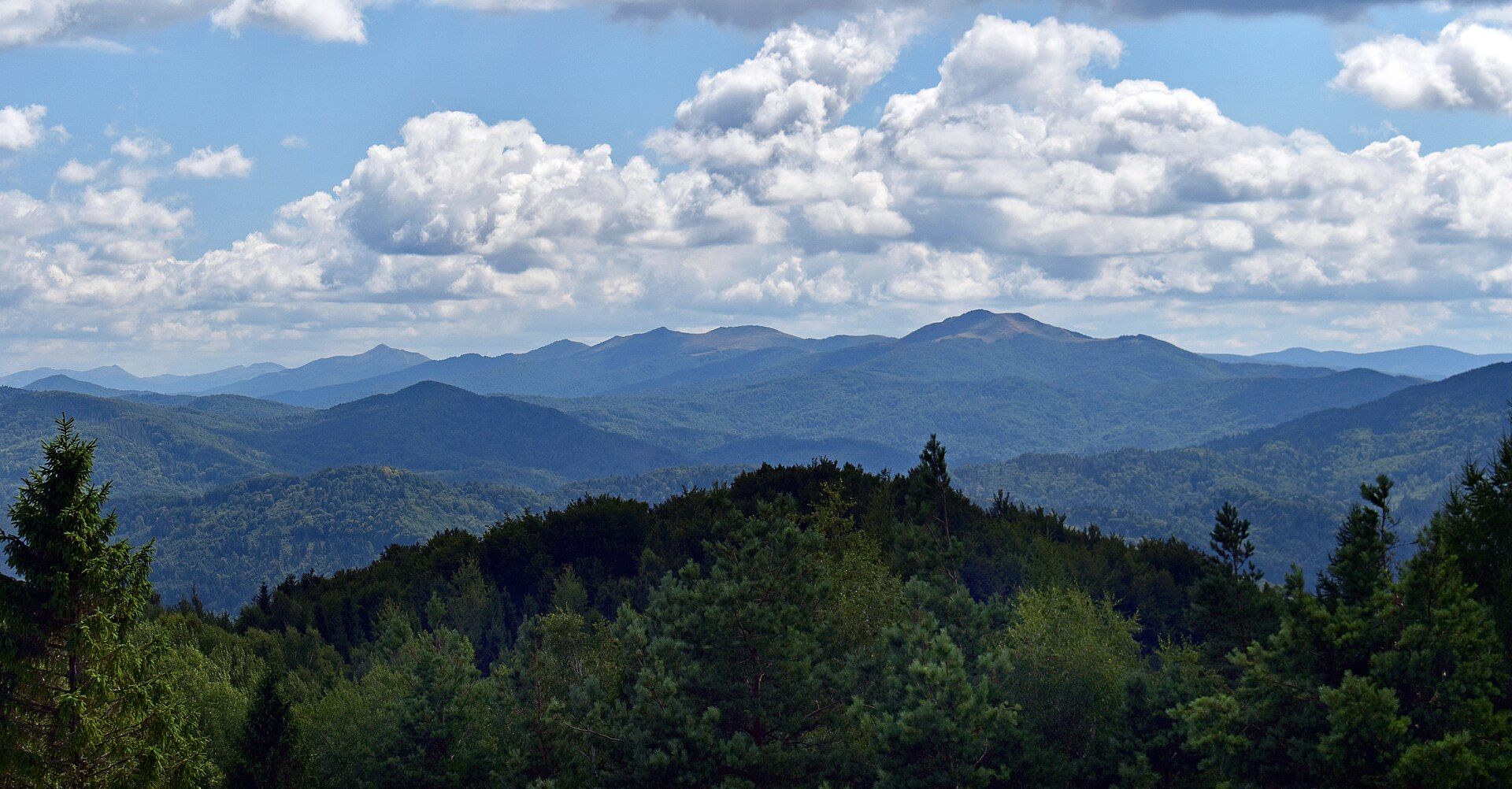
Poland's wild south-eastern corner — rolling forested ridges of the Eastern Carpathians crowned by open, treeless mountain meadows called połoniny, where wolves, lynx, bison and brown bears still roam.
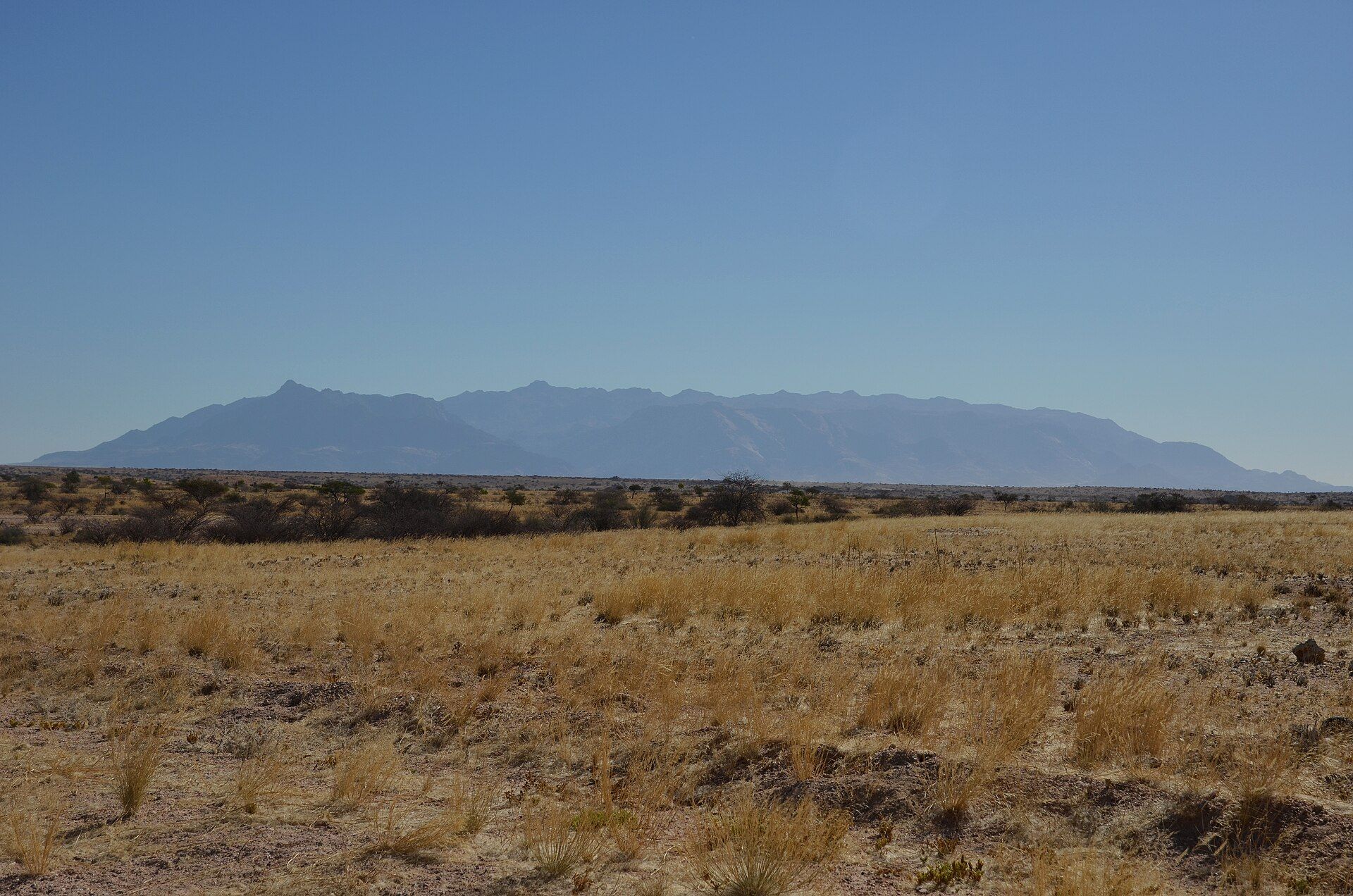
Namibia's highest mountain — a huge granite dome standing alone above the desert, its 'Fire Mountain' name earned from the glow of sunset on its flanks, and home to the famous 'White Lady' among thousands of ancient rock paintings.
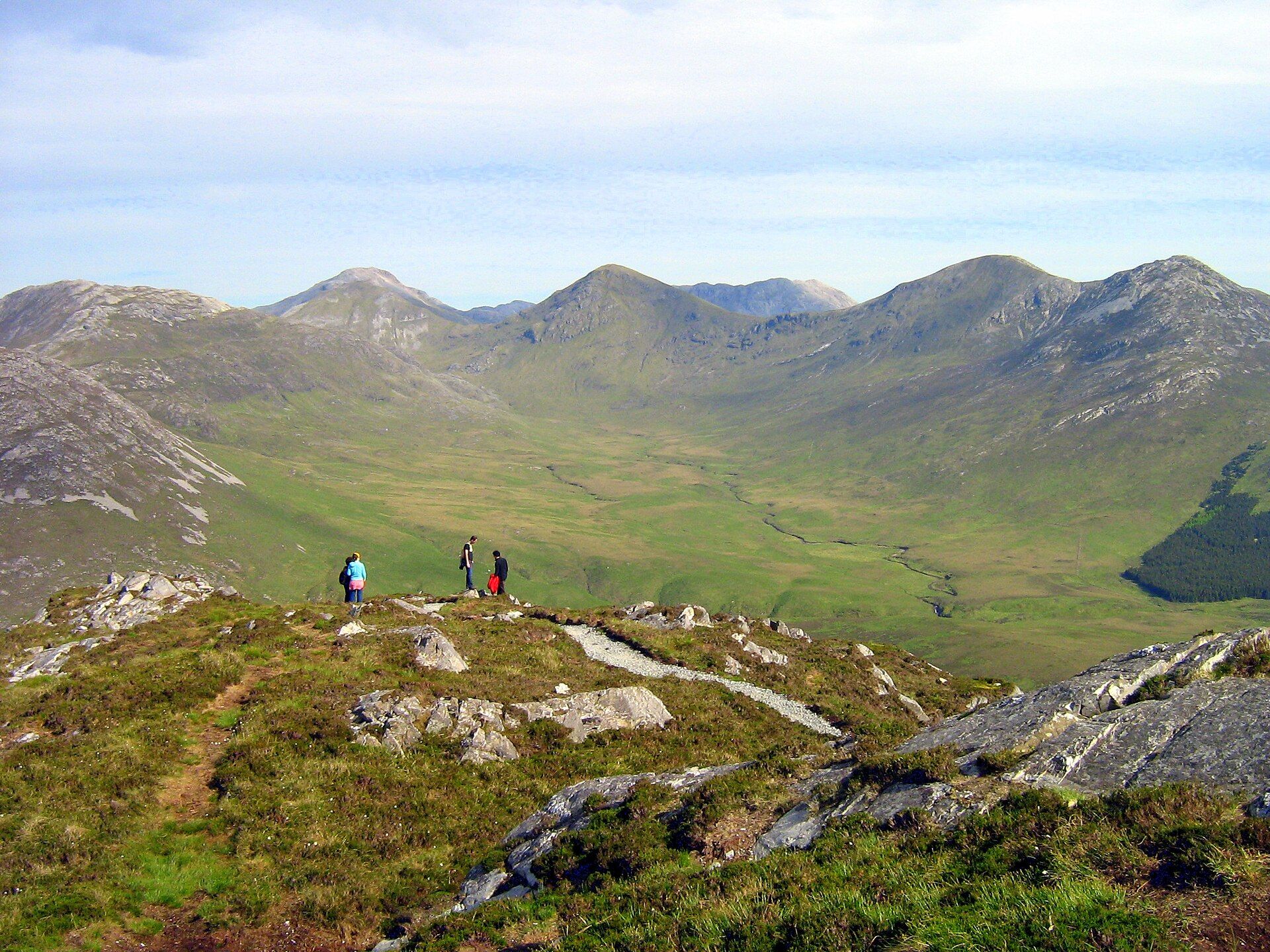
A compact wilderness on Ireland's rugged west coast — bog, heath and quartzite mountains of the Twelve Bens, where Connemara ponies graze and boardwalk trails climb Diamond Hill for sweeping Atlantic views.
Salzkammergut, Upper Austria / Styria / Salzburg, Austria
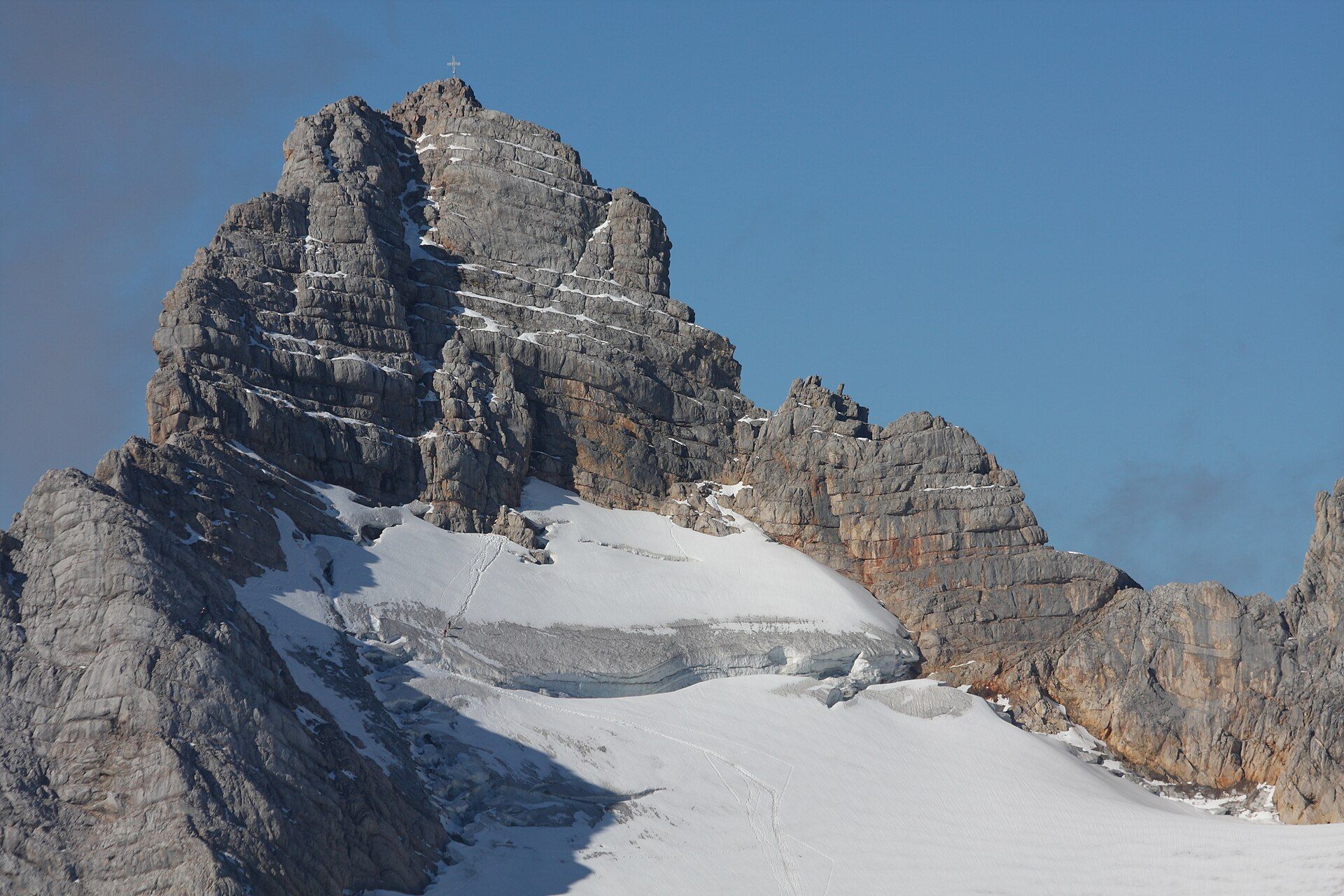
A great limestone massif crowning the Salzkammergut, where the Northern Alps' easternmost glaciers cling below the 2,995-metre Hoher Dachstein, and giant ice caves honeycomb the pale rock above the lakes of the Salzkammergut.
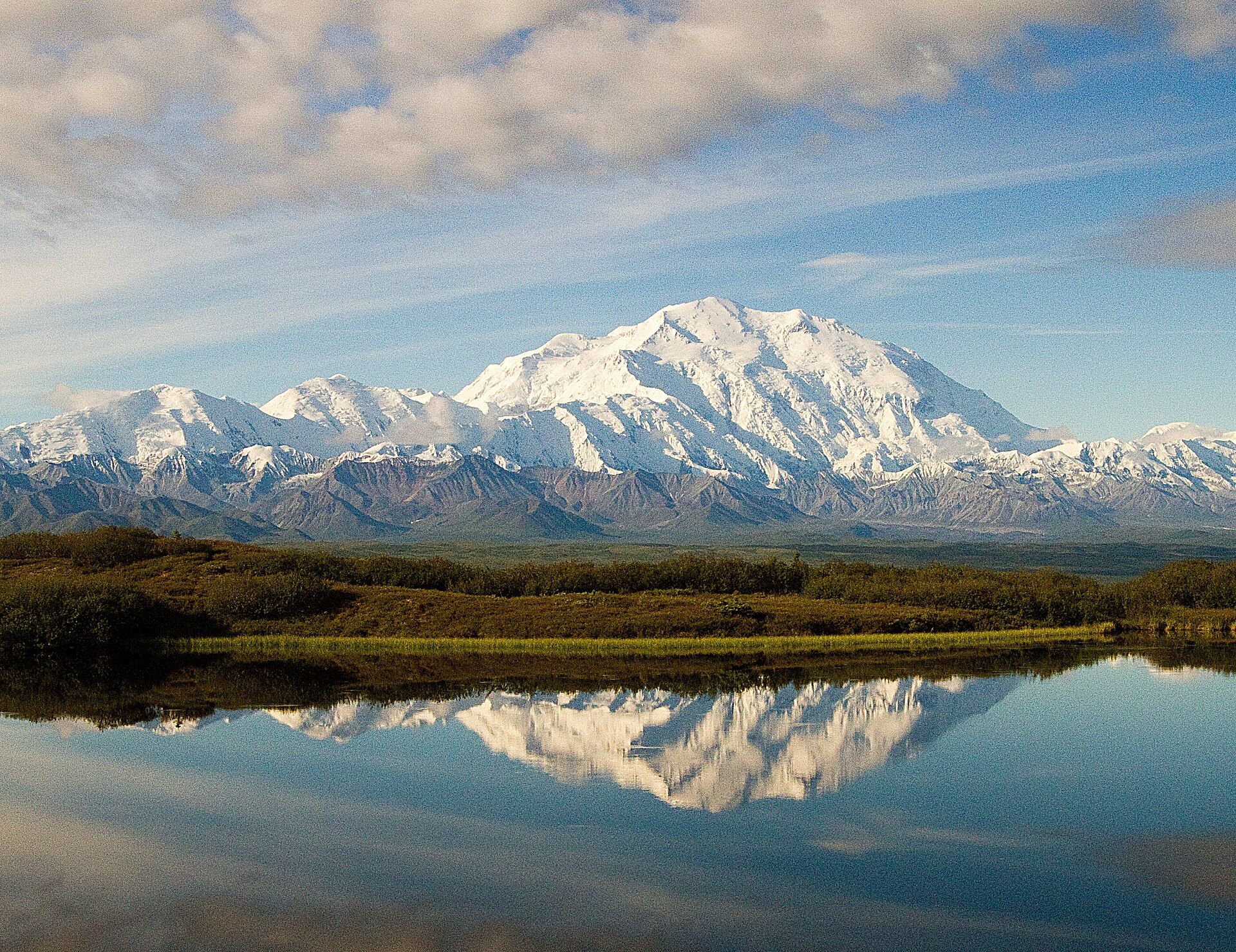
The highest peak in North America — a 6,190-metre wall of rock and ice towering over the Alaskan wilderness, so tall its base-to-summit rise is among the greatest of any mountain on Earth.
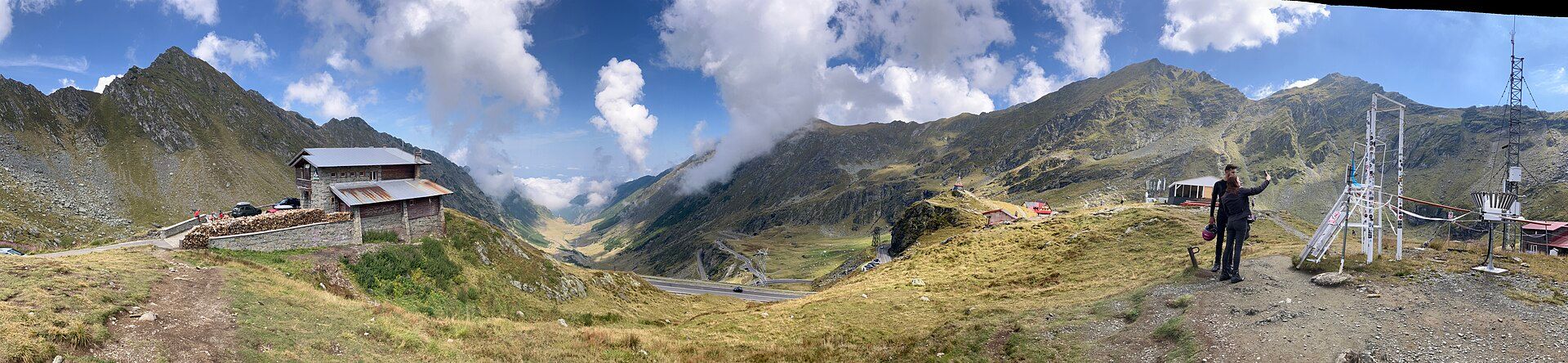
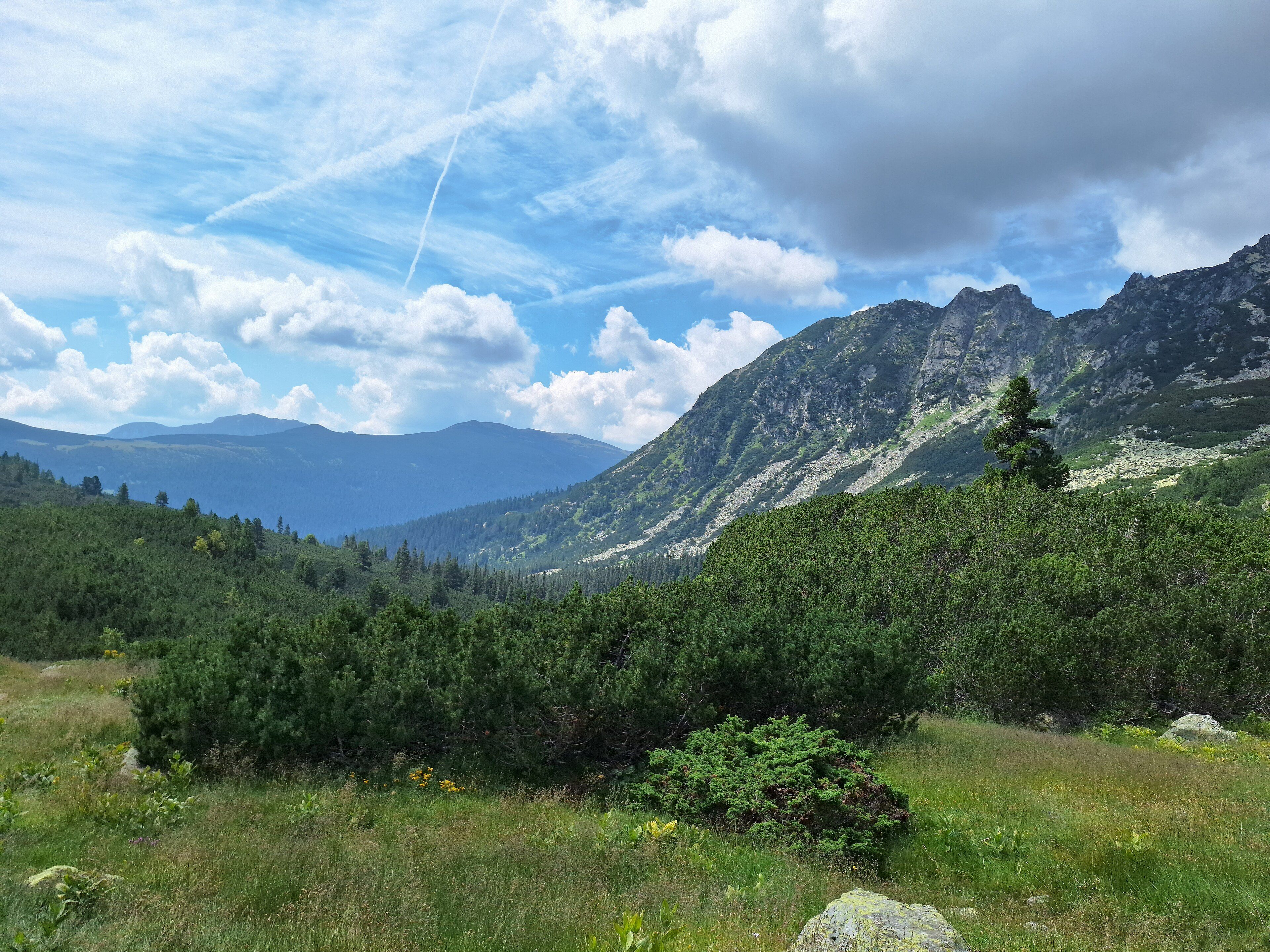
Romania's highest mountains — a wall of glacier-carved peaks and cirque lakes in the Carpathians — crossed by the Transfăgărășan, one of the world's most spectacular alpine roads.
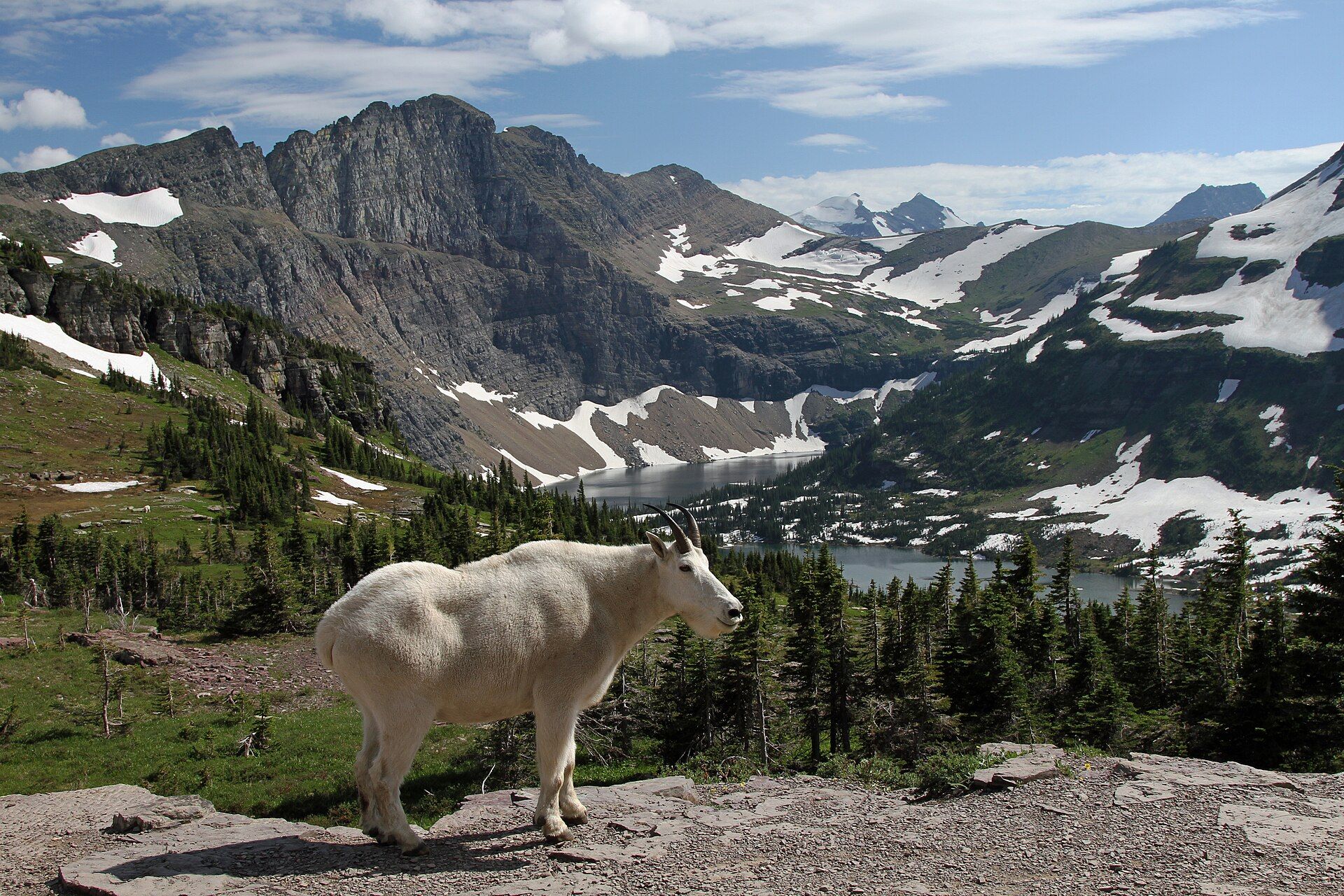
The 'Crown of the Continent' — a wilderness of knife-edged peaks, hanging valleys, turquoise glacial lakes, and alpine meadows in the northern Rockies, crossed by one of the world's great mountain roads.
Lochaber, Scottish Highlands, Scotland, United Kingdom
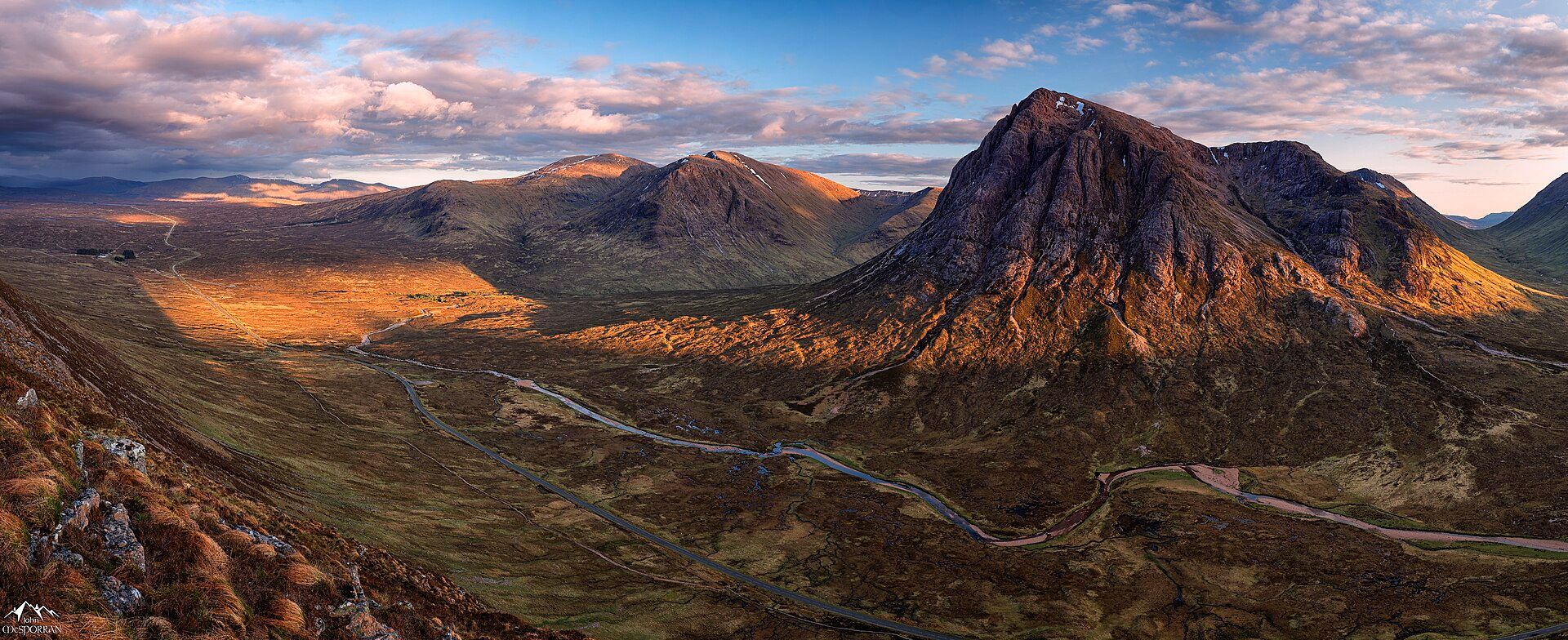
Scotland's most dramatic glen — a deep, glacier-scoured valley walled by brooding peaks and knife-edge ridges, as famous for its beauty as for the 1692 massacre that darkens its name.
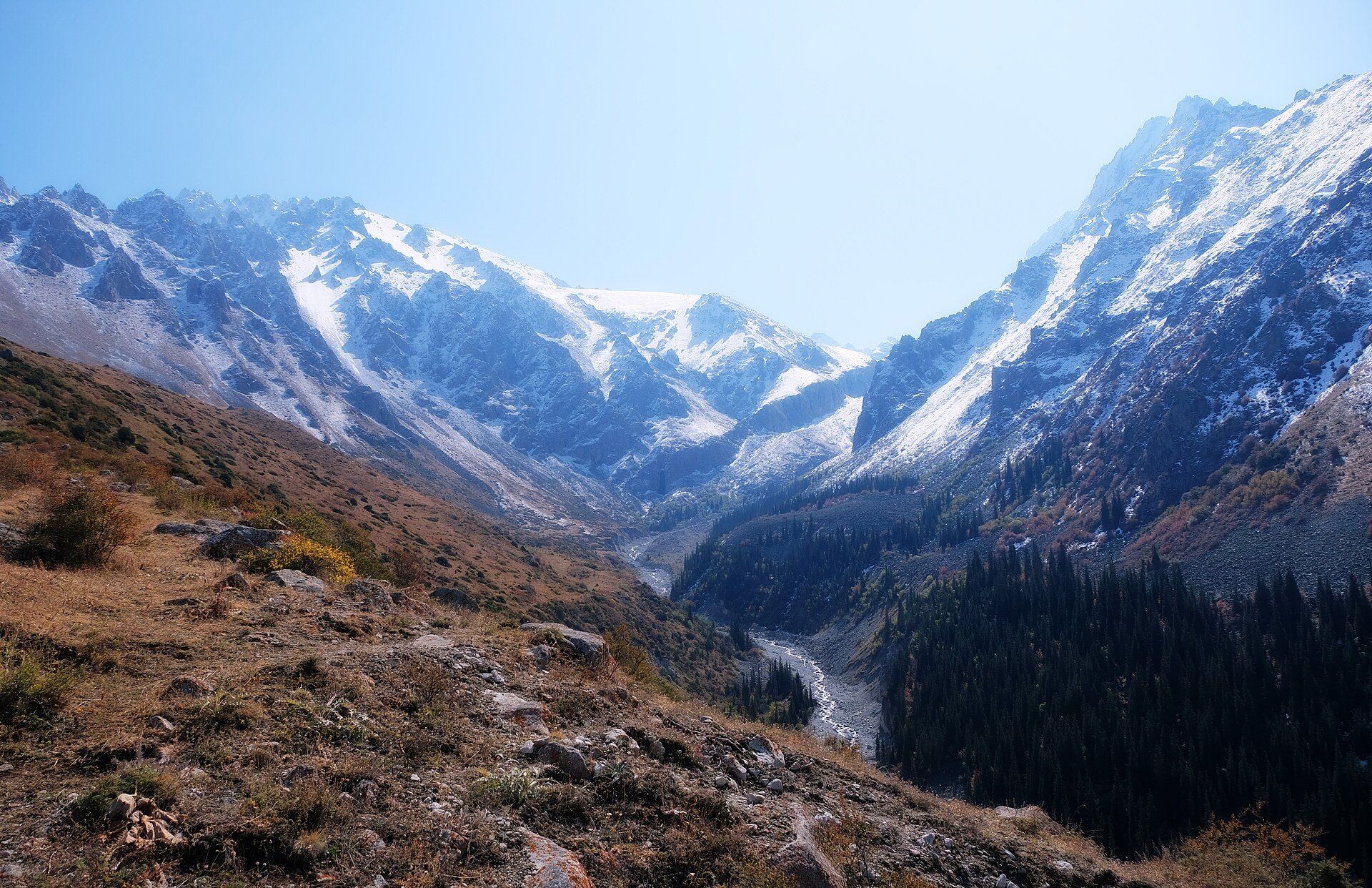
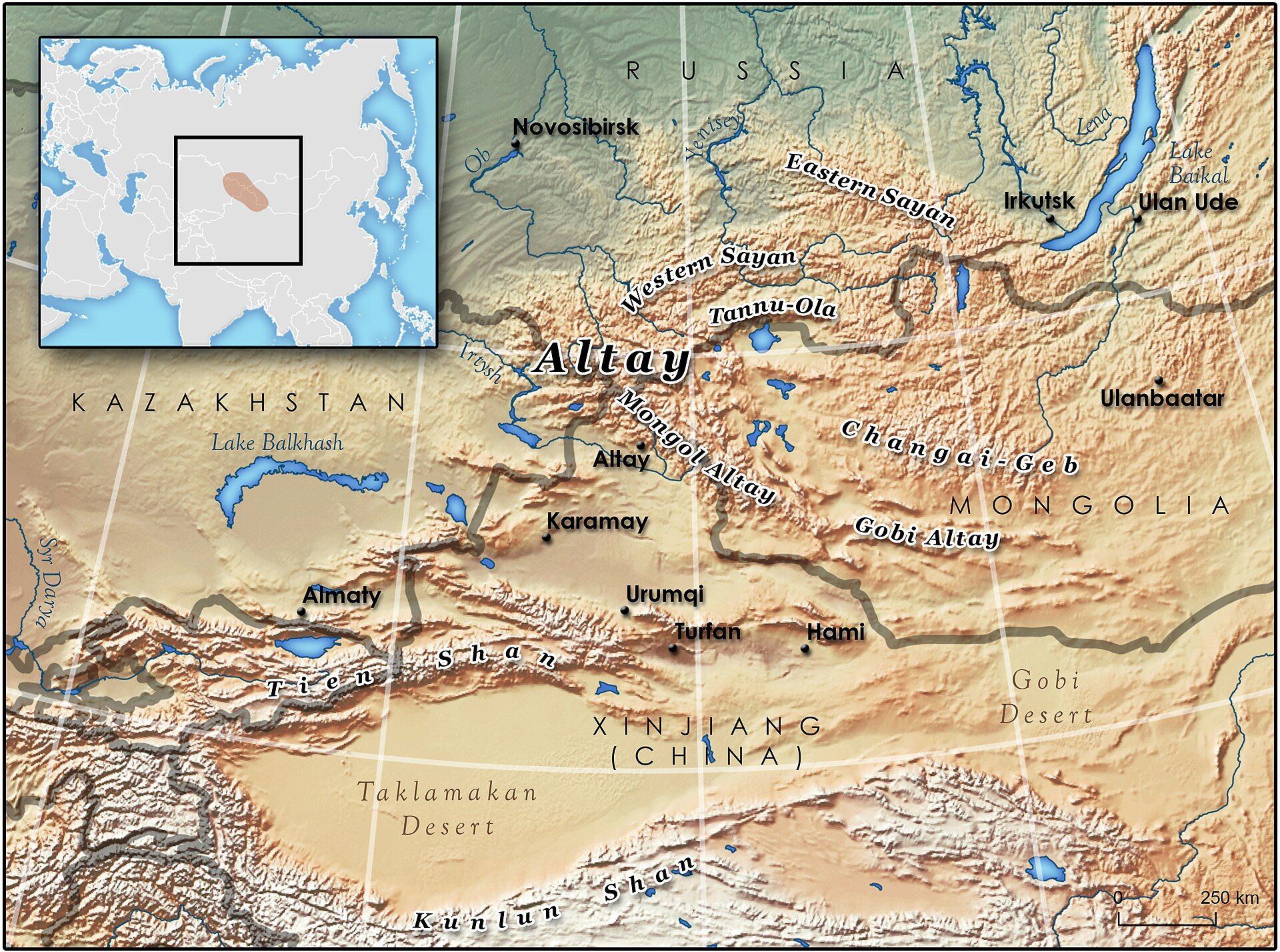
Where Siberia, Mongolia, Kazakhstan, and China meet — glaciated peaks above turquoise rivers and steppe, holding the most complete sequence of vegetation zones in the region.
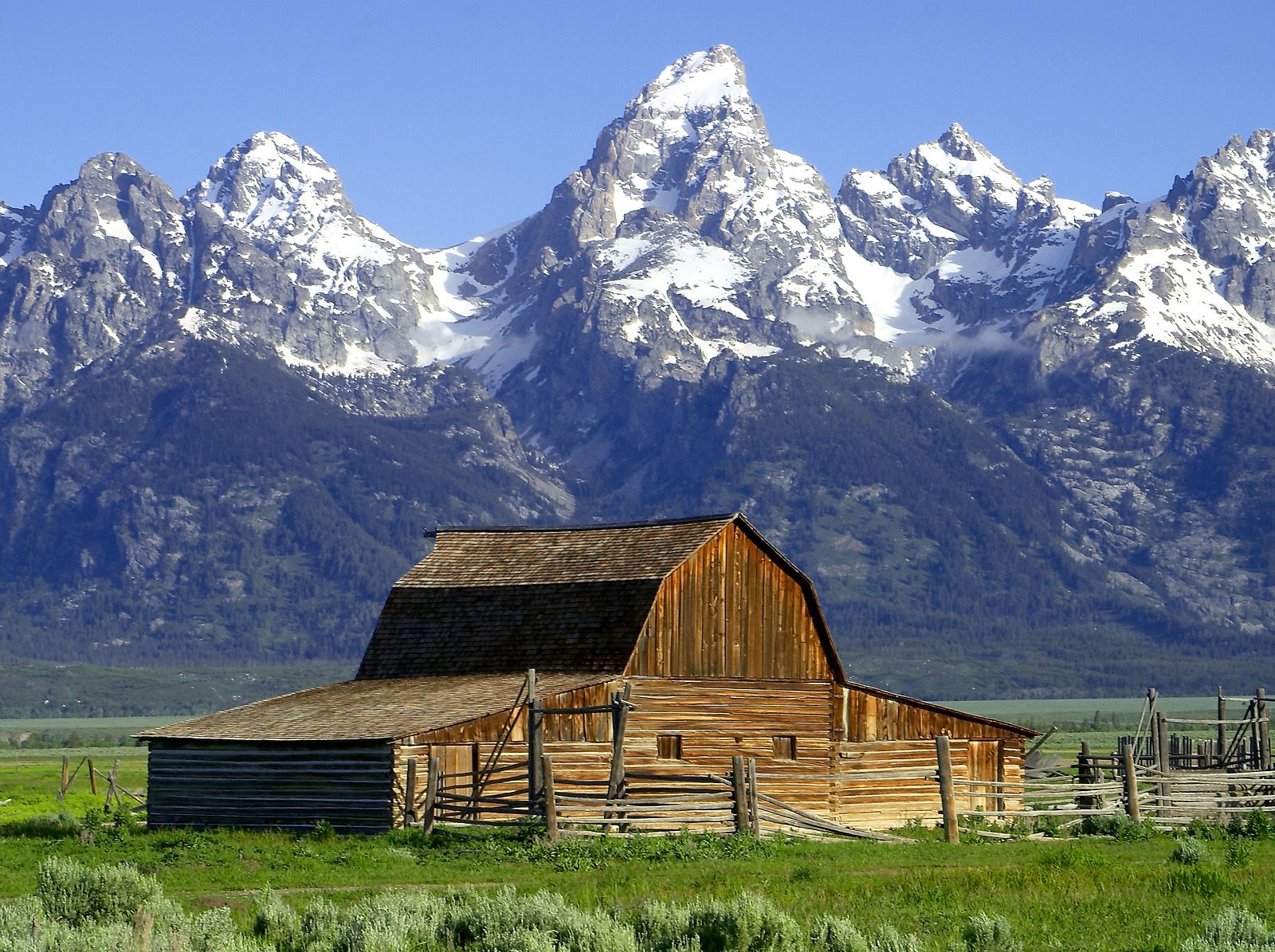
A wall of jagged granite peaks erupting straight from a flat valley floor with no foothills — the most abruptly dramatic mountain front in North America, mirrored in glacial lakes.
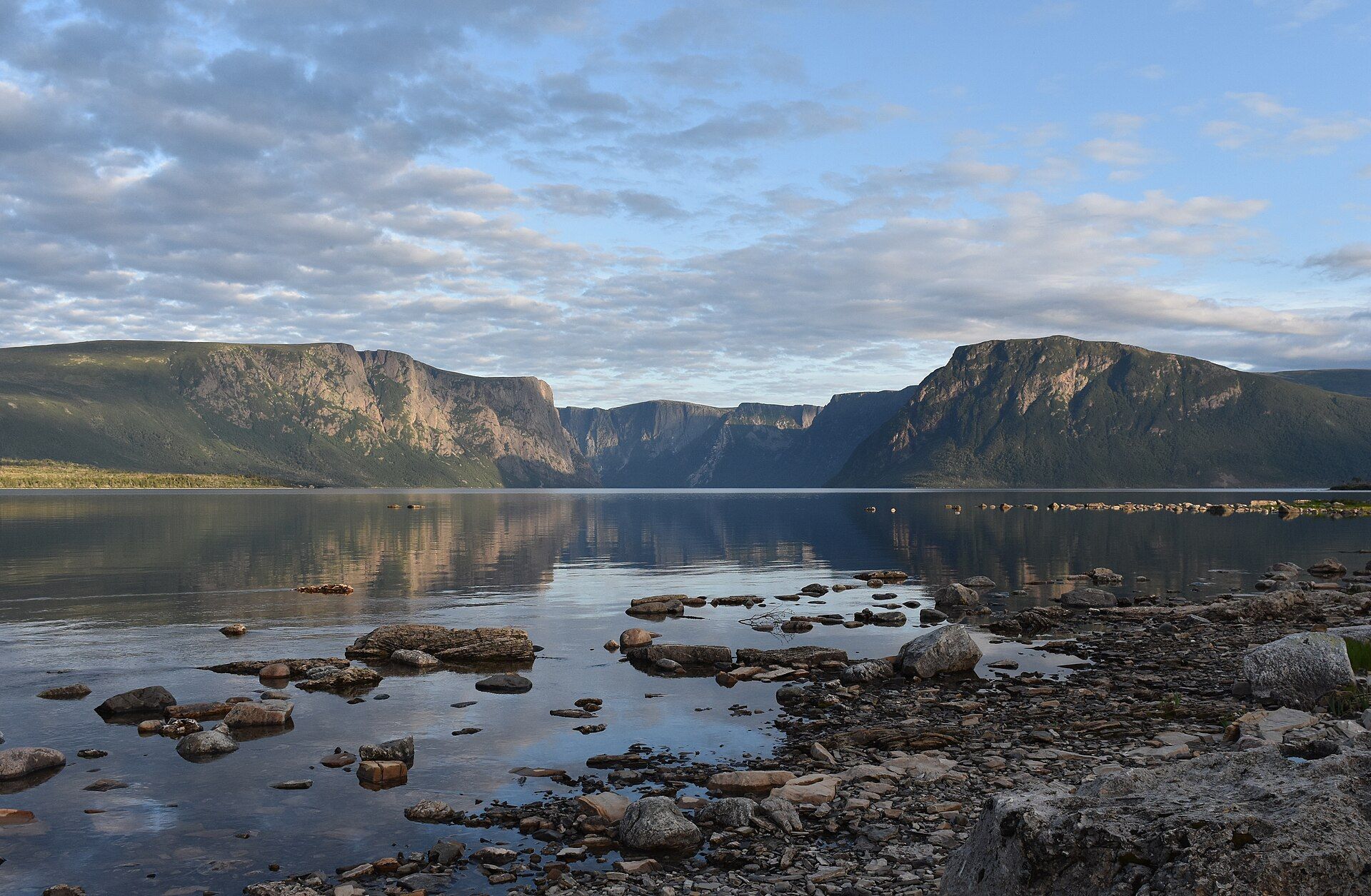
A dramatic Newfoundland wilderness of landlocked fjords and bare orange mountains — where a slice of the Earth's mantle lies exposed at the surface, helping prove the theory of plate tectonics.
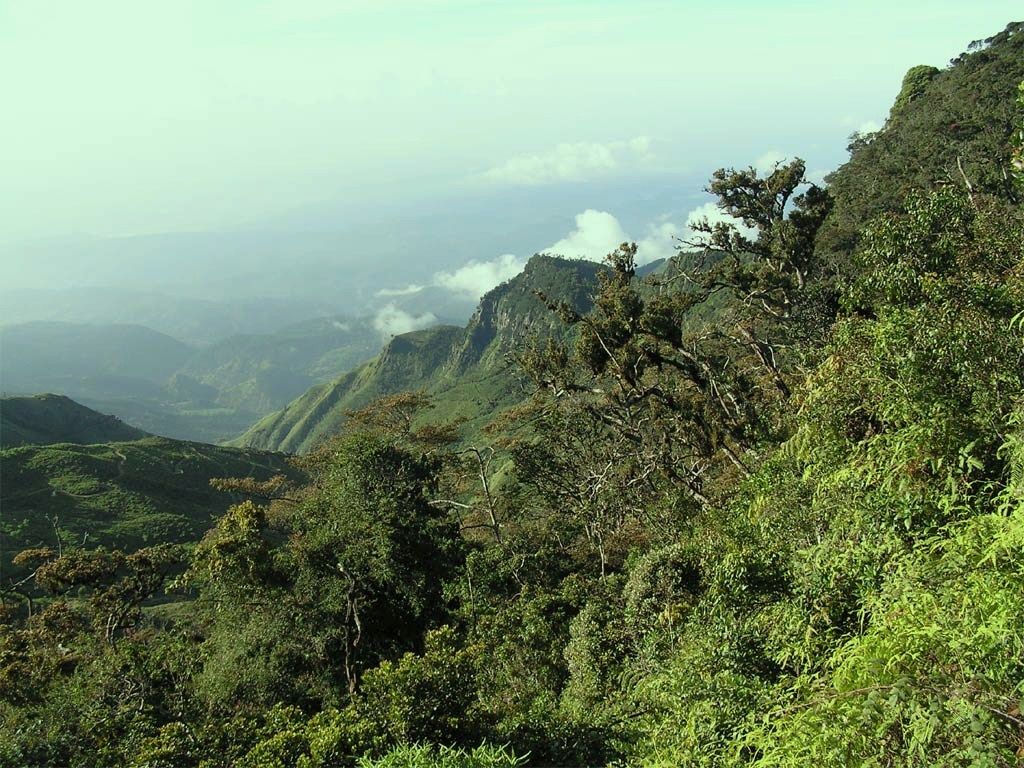
A high, misty plateau of montane grassland and cloud forest in Sri Lanka's highlands, ending abruptly at World's End — a sheer escarpment that drops nearly 900 metres to the plains.
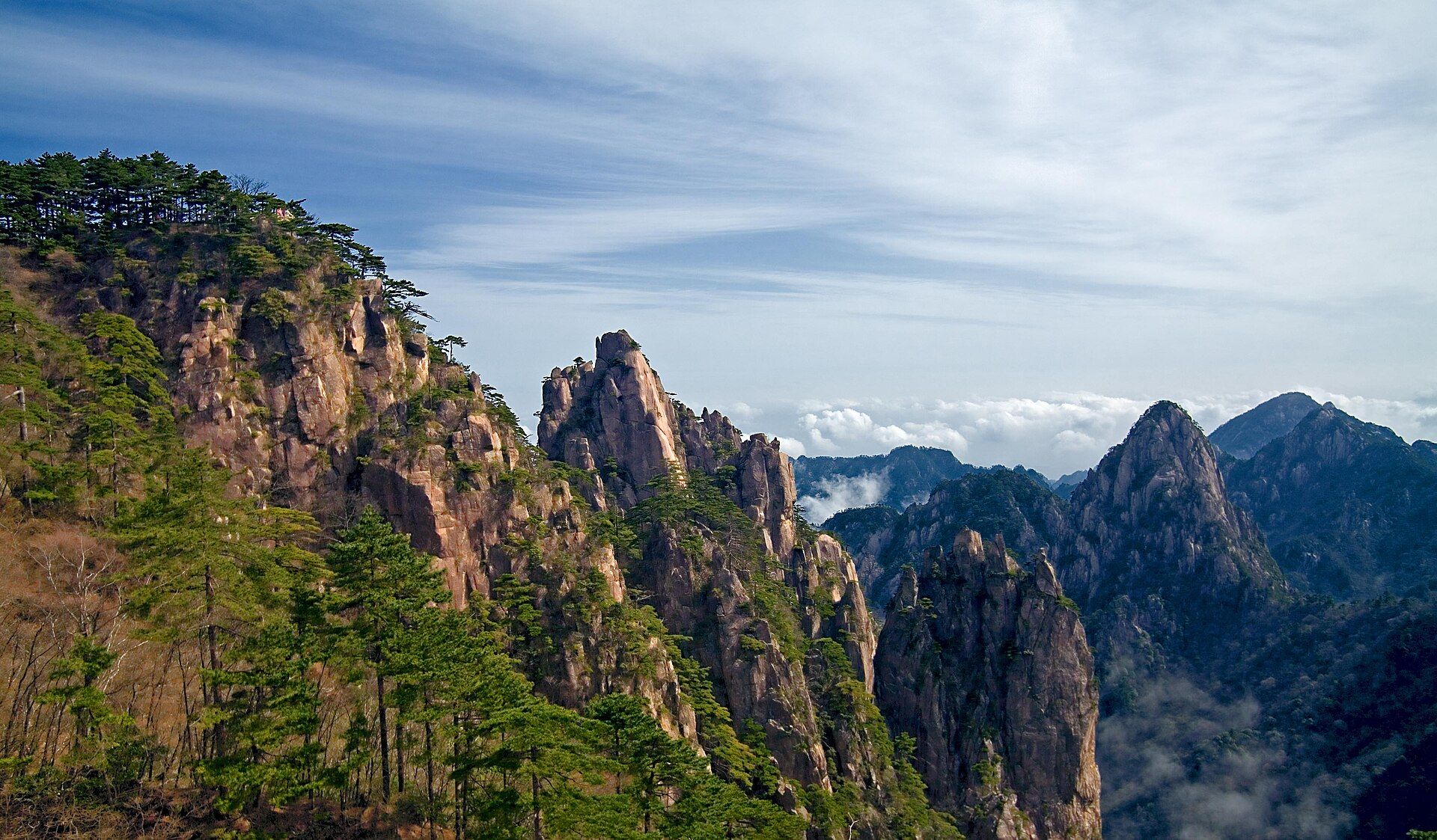
The 'Yellow Mountains' — a range of granite peaks and wind-sculpted pines that rise from seas of cloud, the landscape that inspired centuries of Chinese painting and poetry.
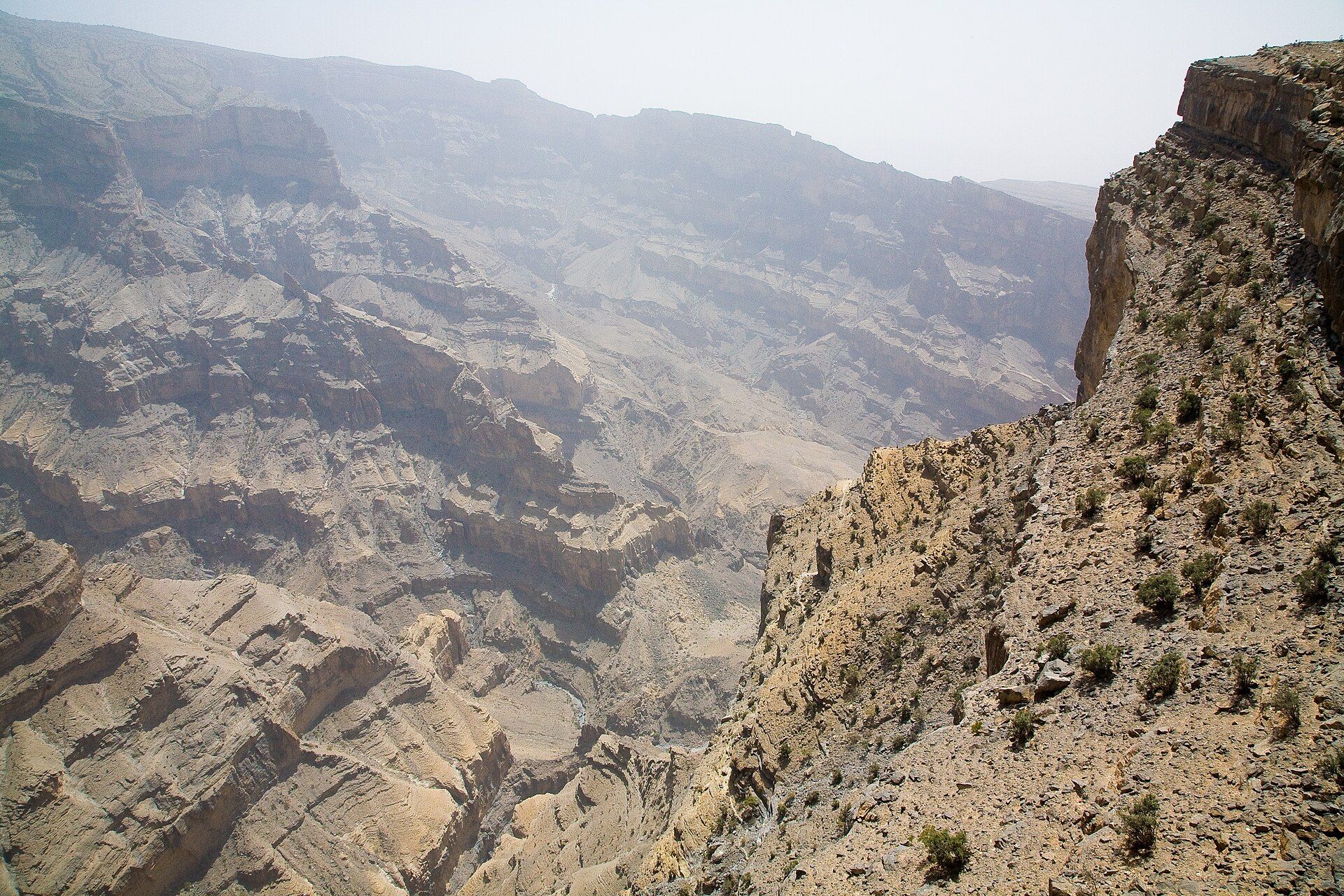
Oman's highest mountain, whose sheer rim plunges into the vast Wadi Ghul — the 'Grand Canyon of Arabia' — a mile-deep gorge of banded rock and vertiginous cliffs.
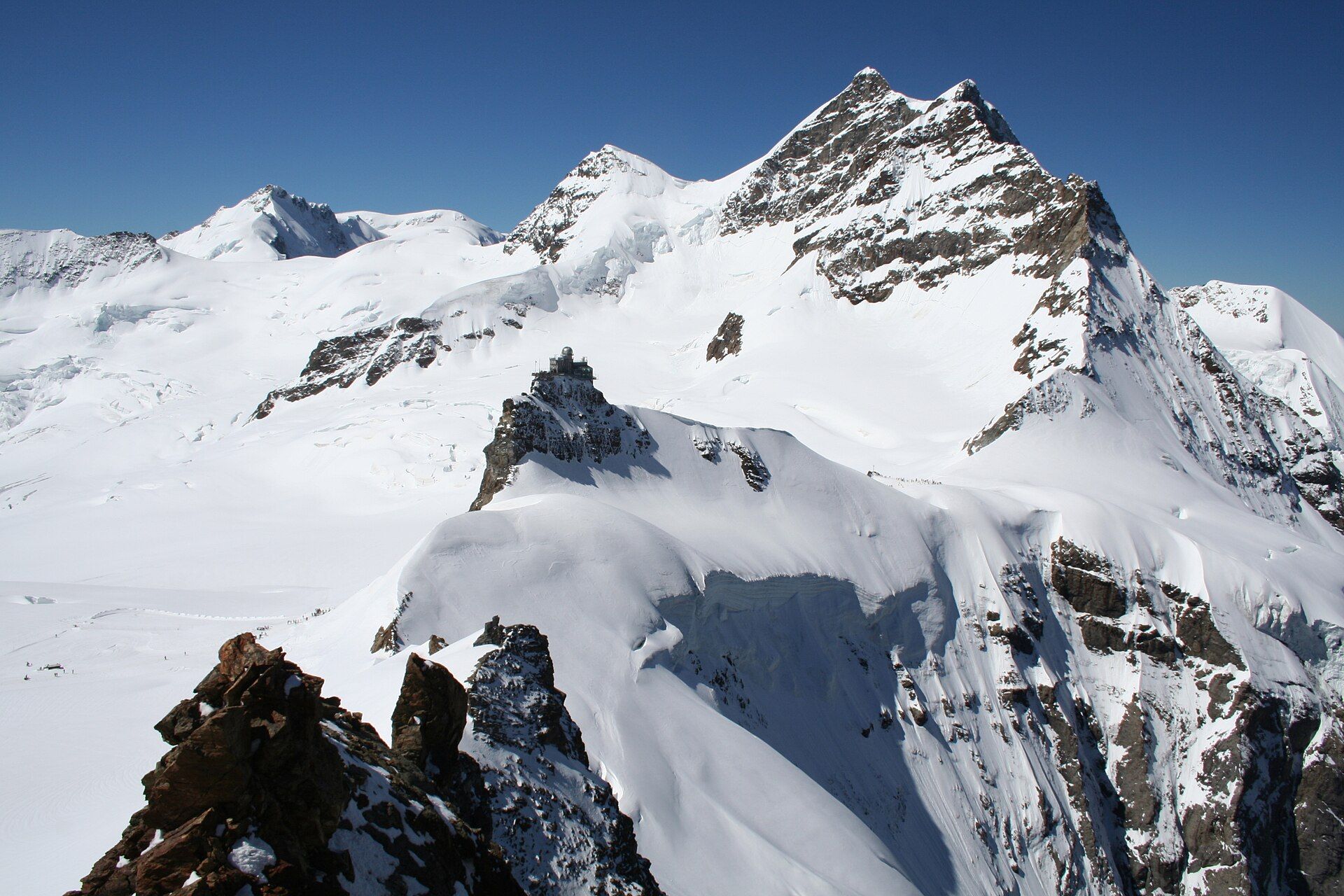
One of the great peaks of the Bernese Alps at 4,158 metres — reached, uniquely, by a cog railway tunnelled through the mountain to the Jungfraujoch, the 'Top of Europe', overlooking the head of the Aletsch Glacier.
Sweden's highest mountain, whose summit changed places because the old one is made of ice — the glacier-capped south peak has melted below the bare rock of the north peak, and researchers measure the difference every summer.
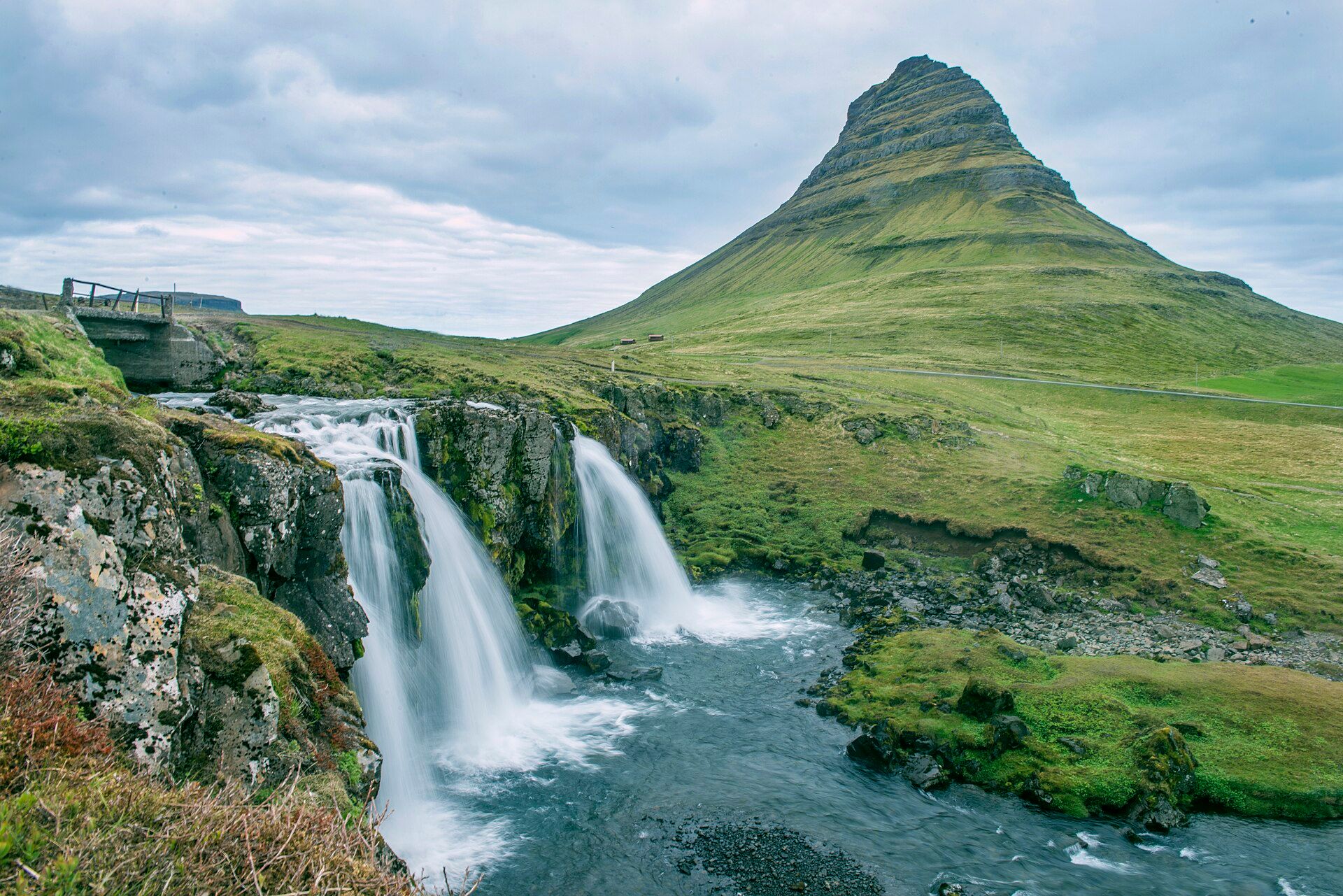
Grundarfjörður, Snæfellsnes Peninsula, West Iceland
A steep, symmetrical 463-metre peak rising alone from the sea on the Snæfellsnes Peninsula — often called the most photographed mountain in Iceland, most famously with the small tiered waterfall Kirkjufellsfoss in the foreground.
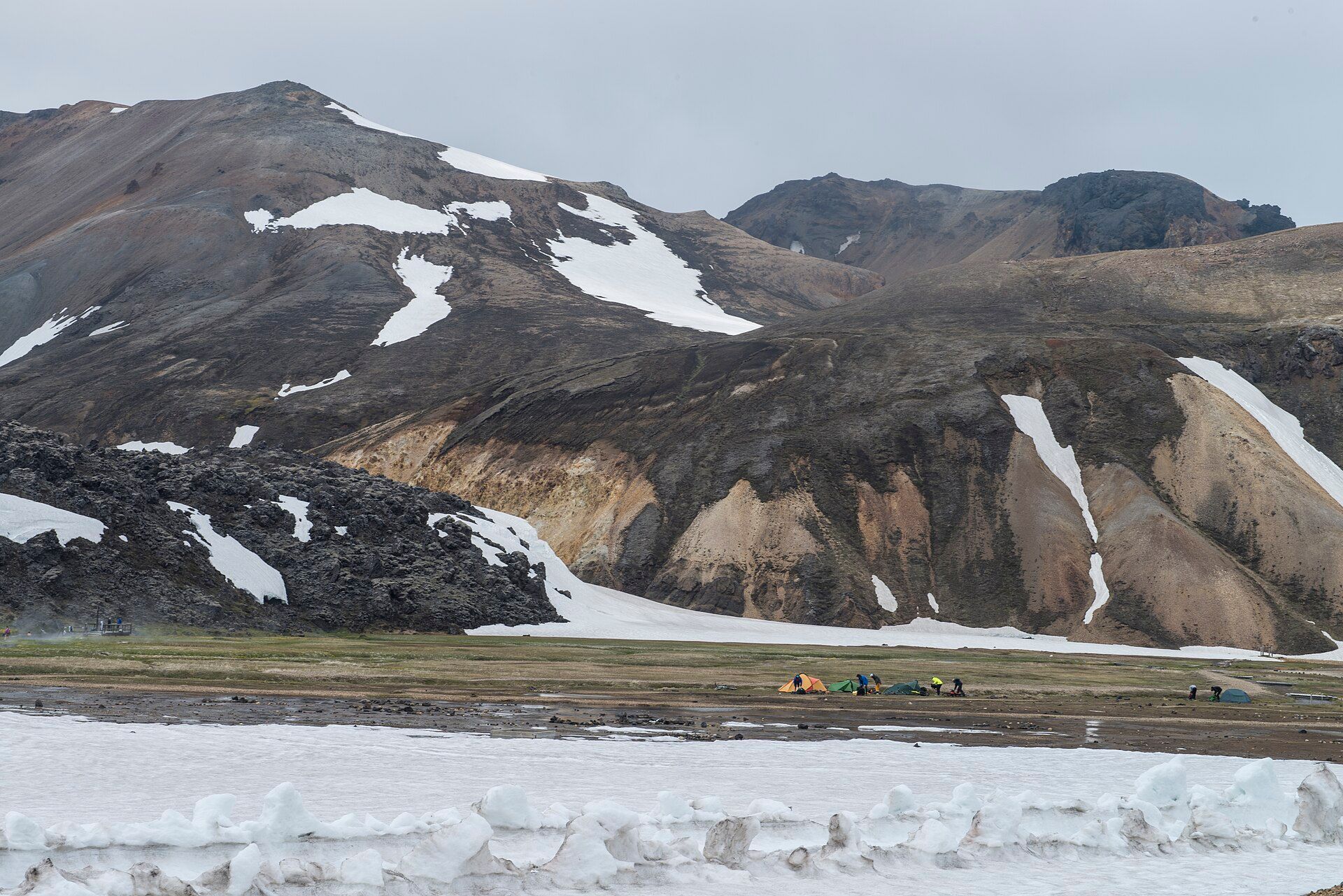
Rhyolite mountains streaked in red, pink, green, and gold above black lava fields and steaming hot springs — the most colourful landscape in Iceland's remote interior highlands.
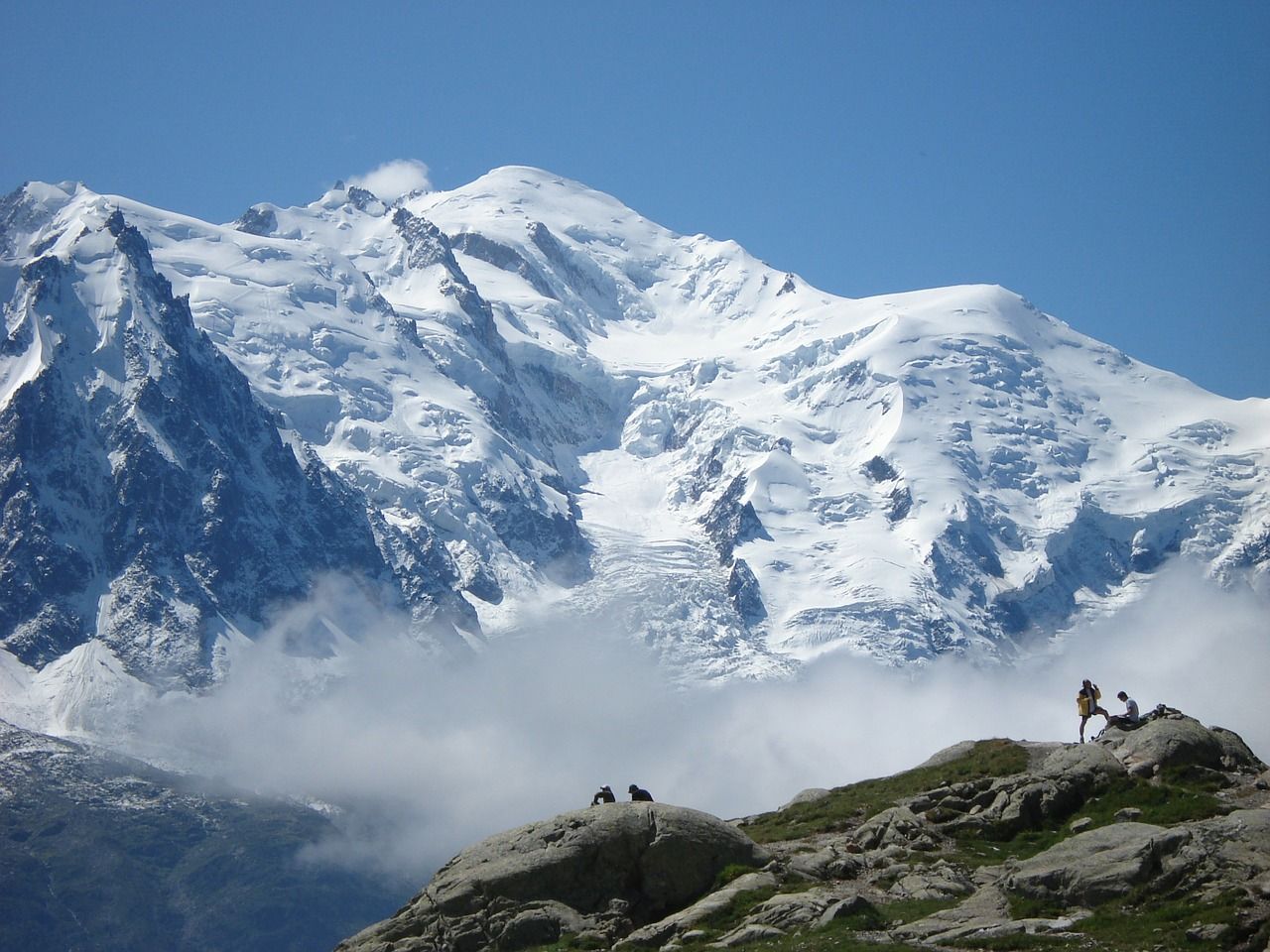
The highest peak in the Alps and western Europe — a great dome of snow and ice above Chamonix, ringed by glaciers, granite spires, and the birthplace of mountaineering.
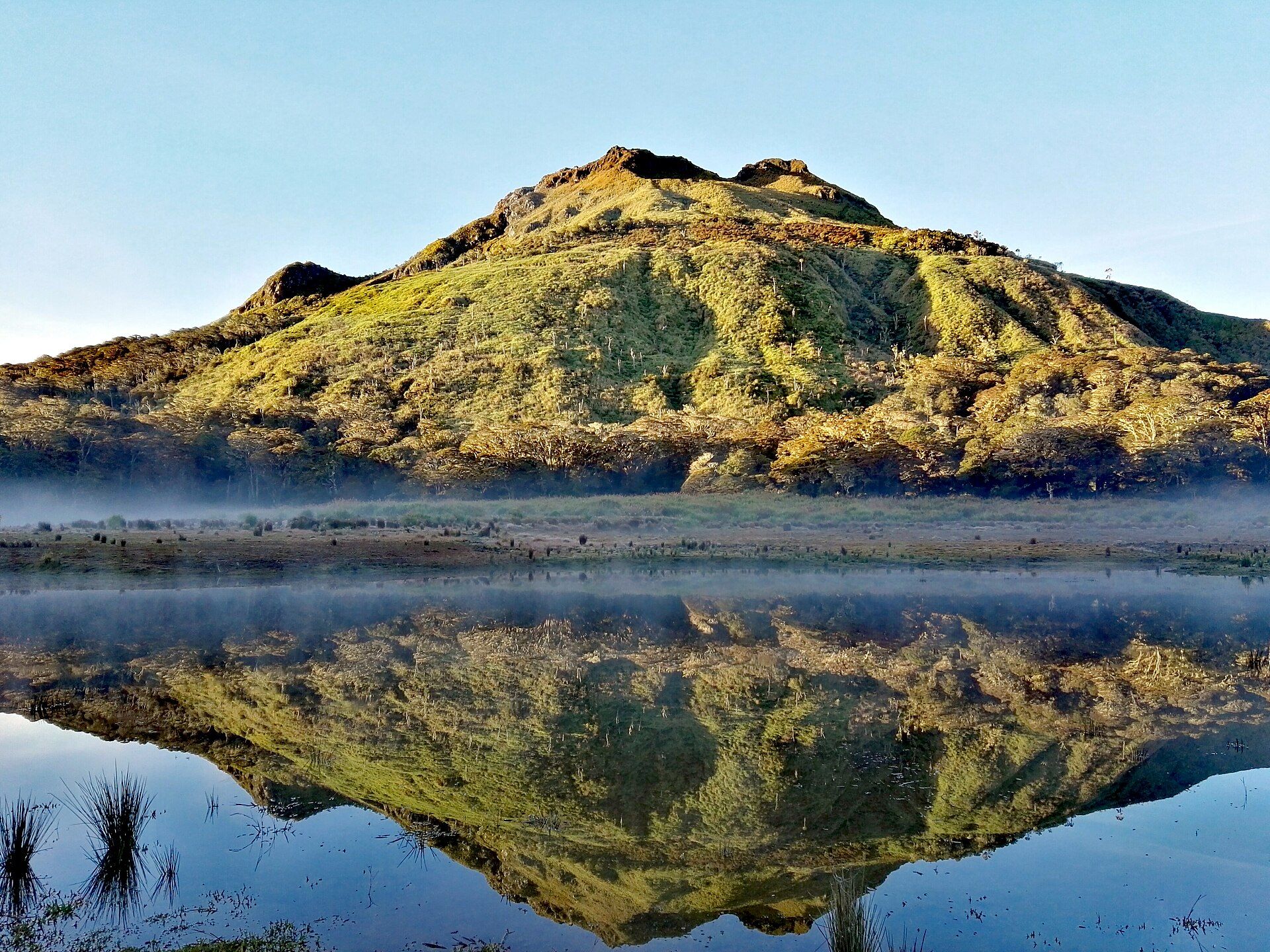
The highest mountain in the Philippines at 2,954 metres — a potentially active volcano whose slopes hold sulfur vents, a summit boulder field, crater lakes, and one of the country's most important refuges for the Philippine eagle.
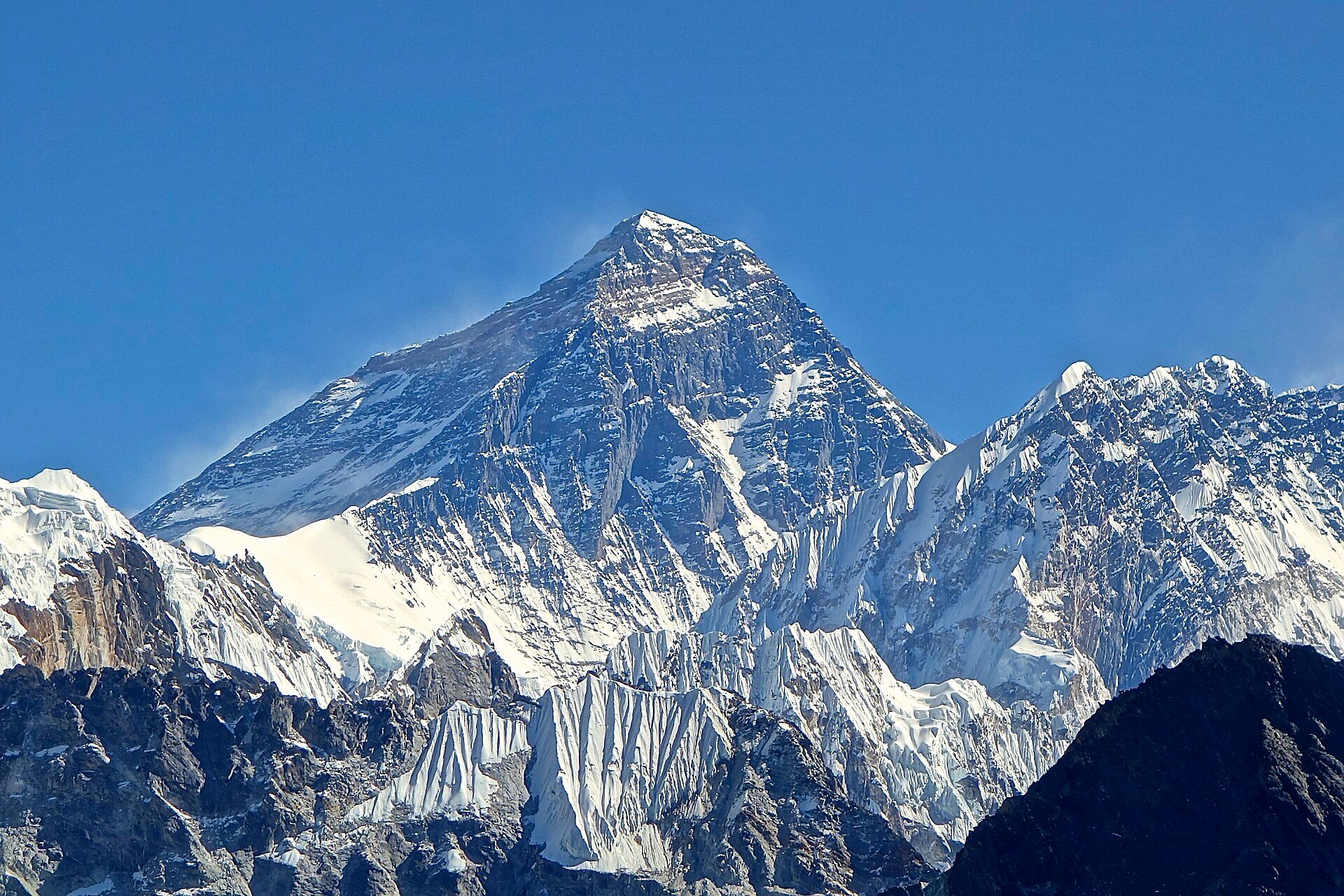
The highest point on Earth — 8,849 metres above sea level, where the Himalaya's collision-built peaks reach into the 'death zone', drawing climbers and trekkers to the roof of the world.
Los Glaciares National Park, Santa Cruz, Argentina
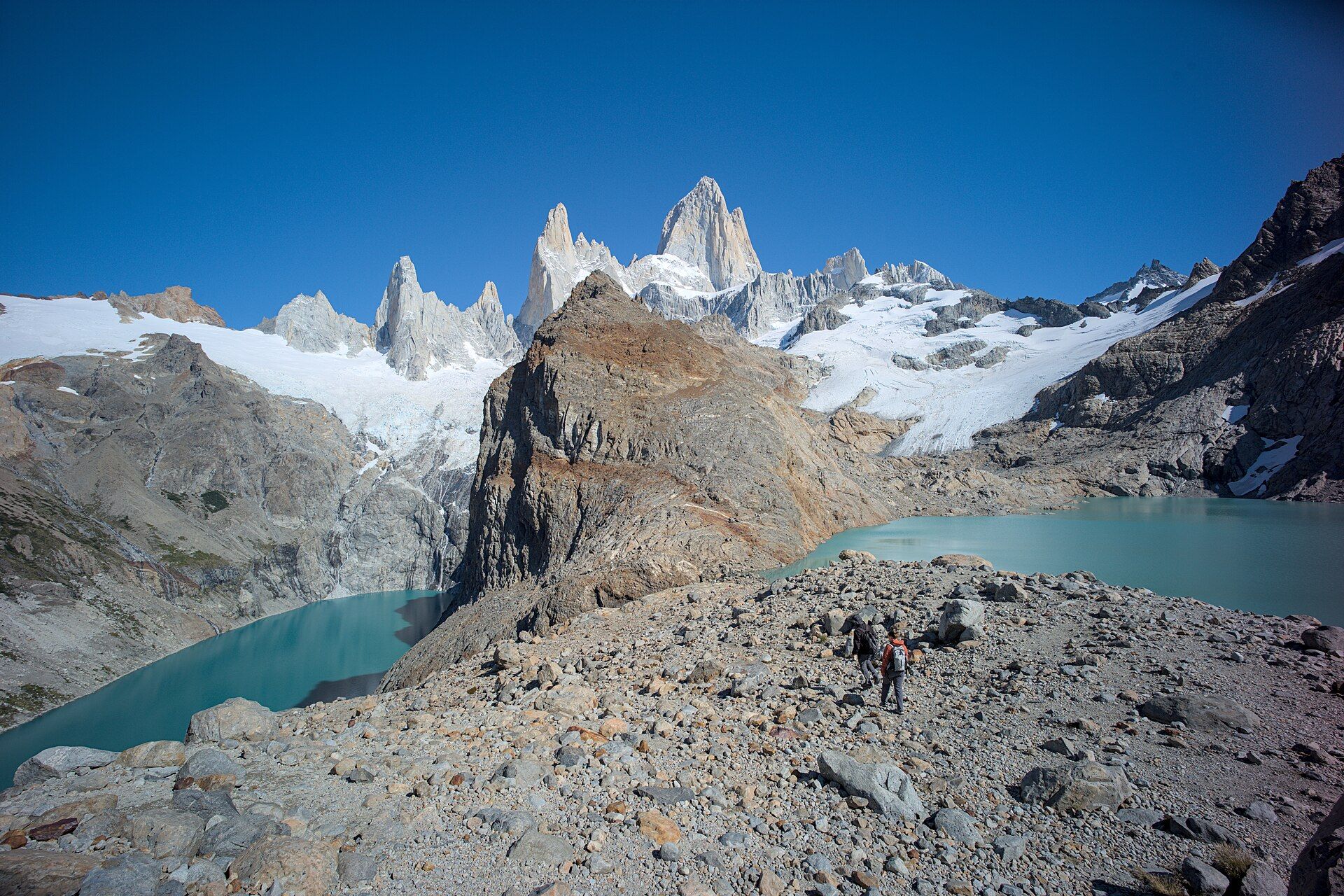
A sheer granite spire on the Argentina–Chile border towering above El Chaltén in Los Glaciares National Park — one of the most dramatic and technically feared peaks on Earth, wreathed in the cloud the first peoples read as smoke.
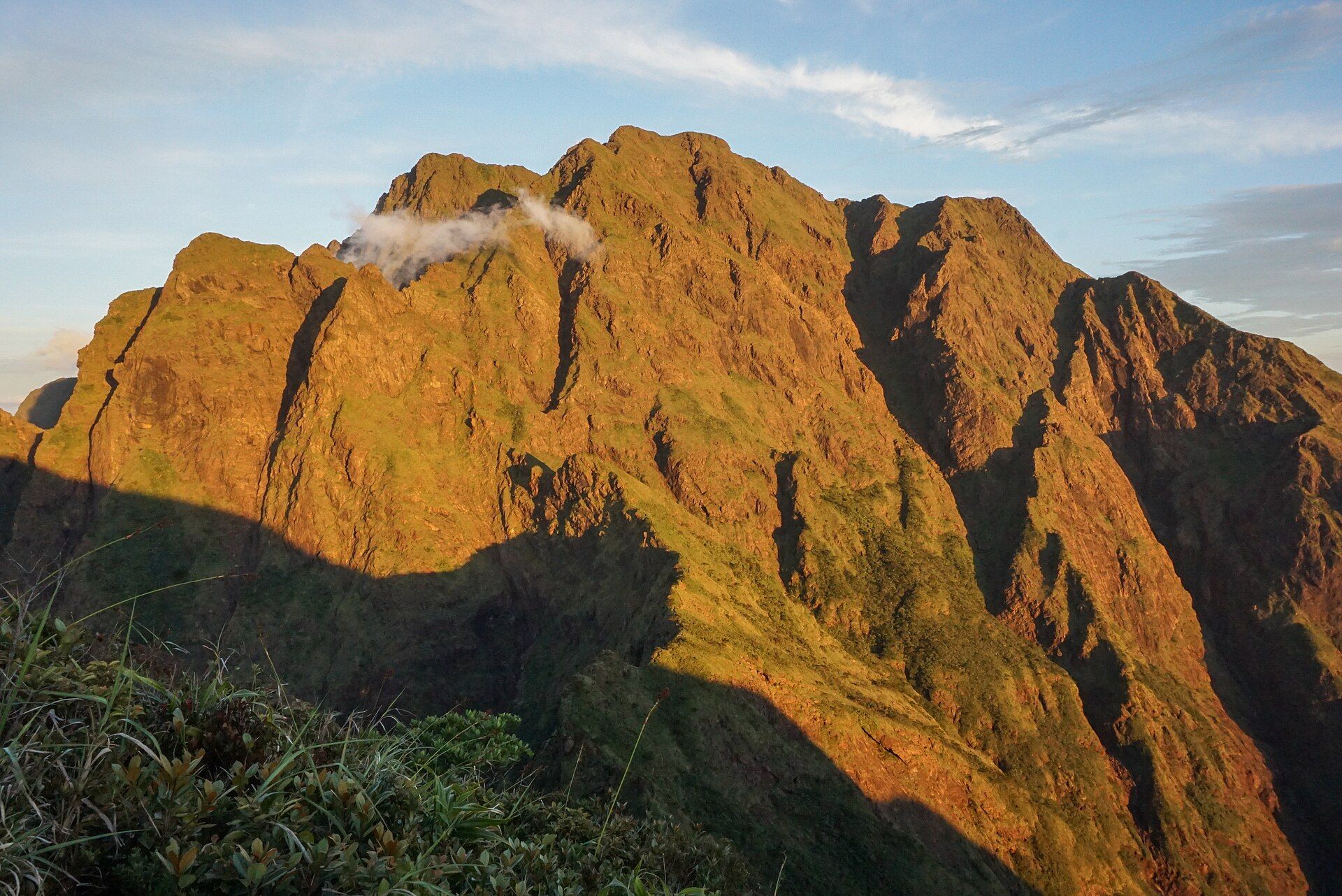
A jagged, saw-toothed peak crowning Sibuyan — an island so ecologically intact it's called the 'Galápagos of Asia' — offering one of the most technical and rewarding climbs in the Philippines.
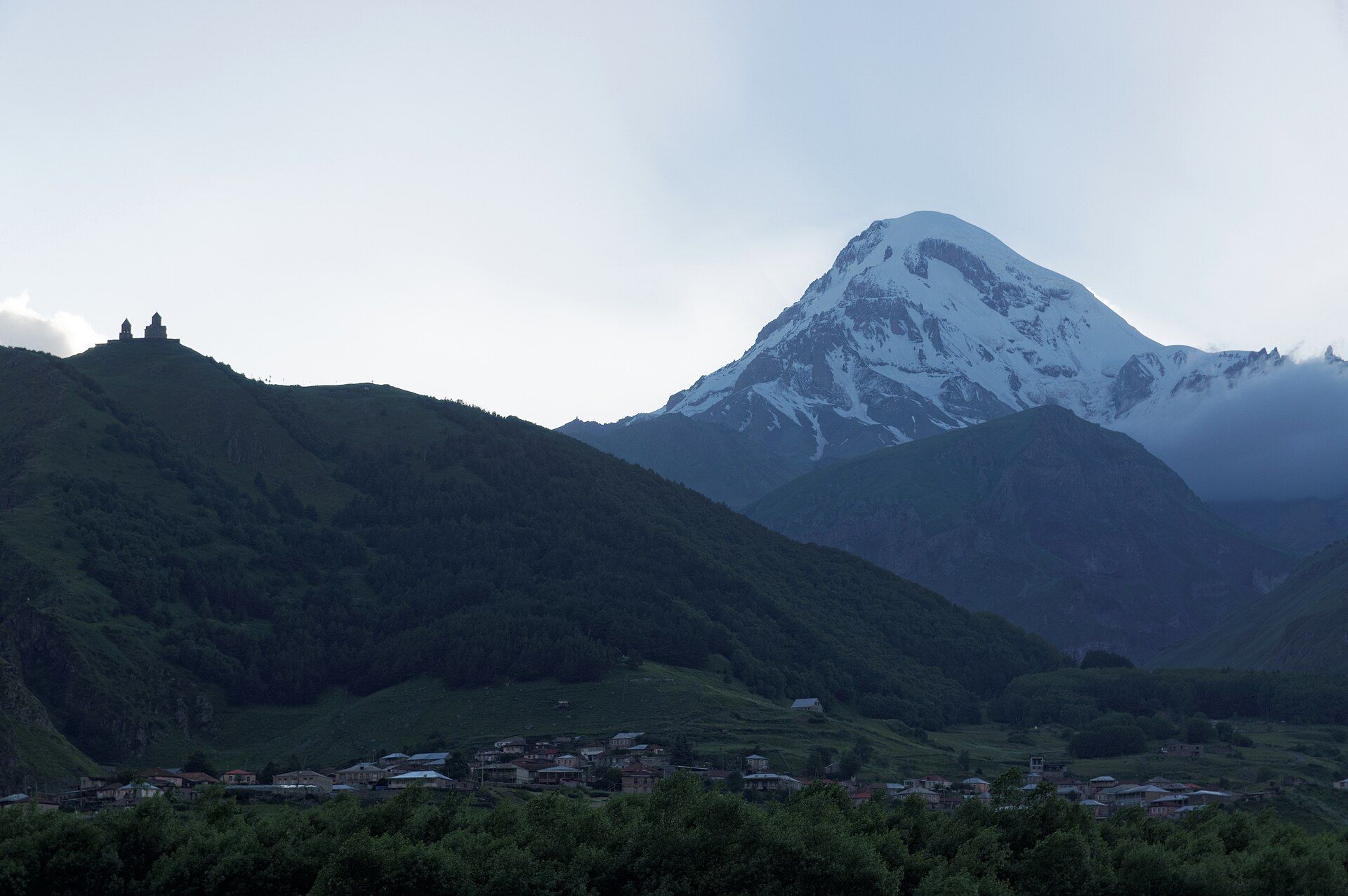
A glacier-clad 5,000-metre volcano in the Greater Caucasus, above which a lone medieval church stands on a green ridge — one of the most iconic mountain scenes in the Caucasus.
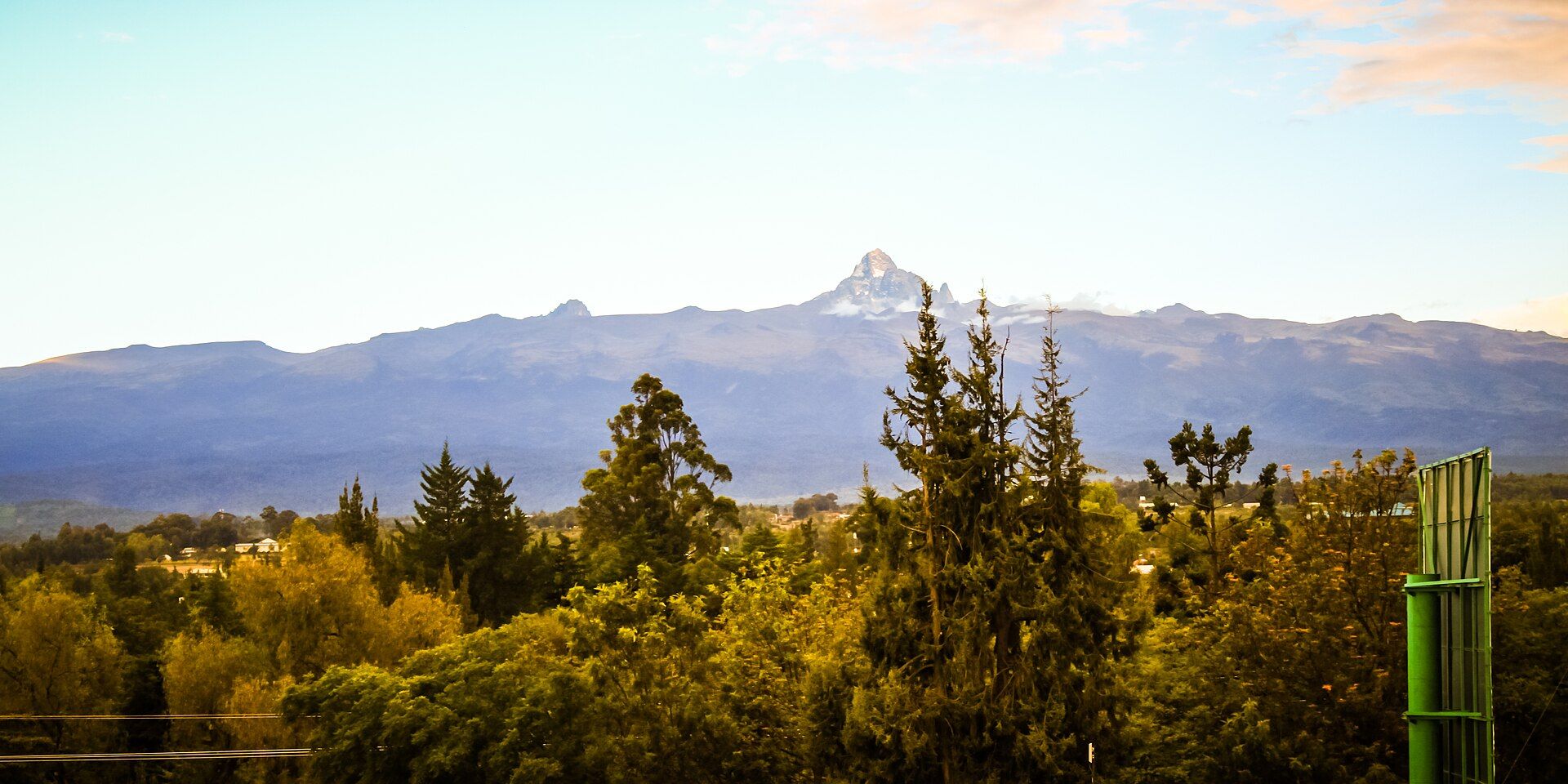
Africa's second-highest peak — the eroded core of an ancient volcano, crowned with glaciers on the equator and ringed by bizarre giant plants found nowhere else.
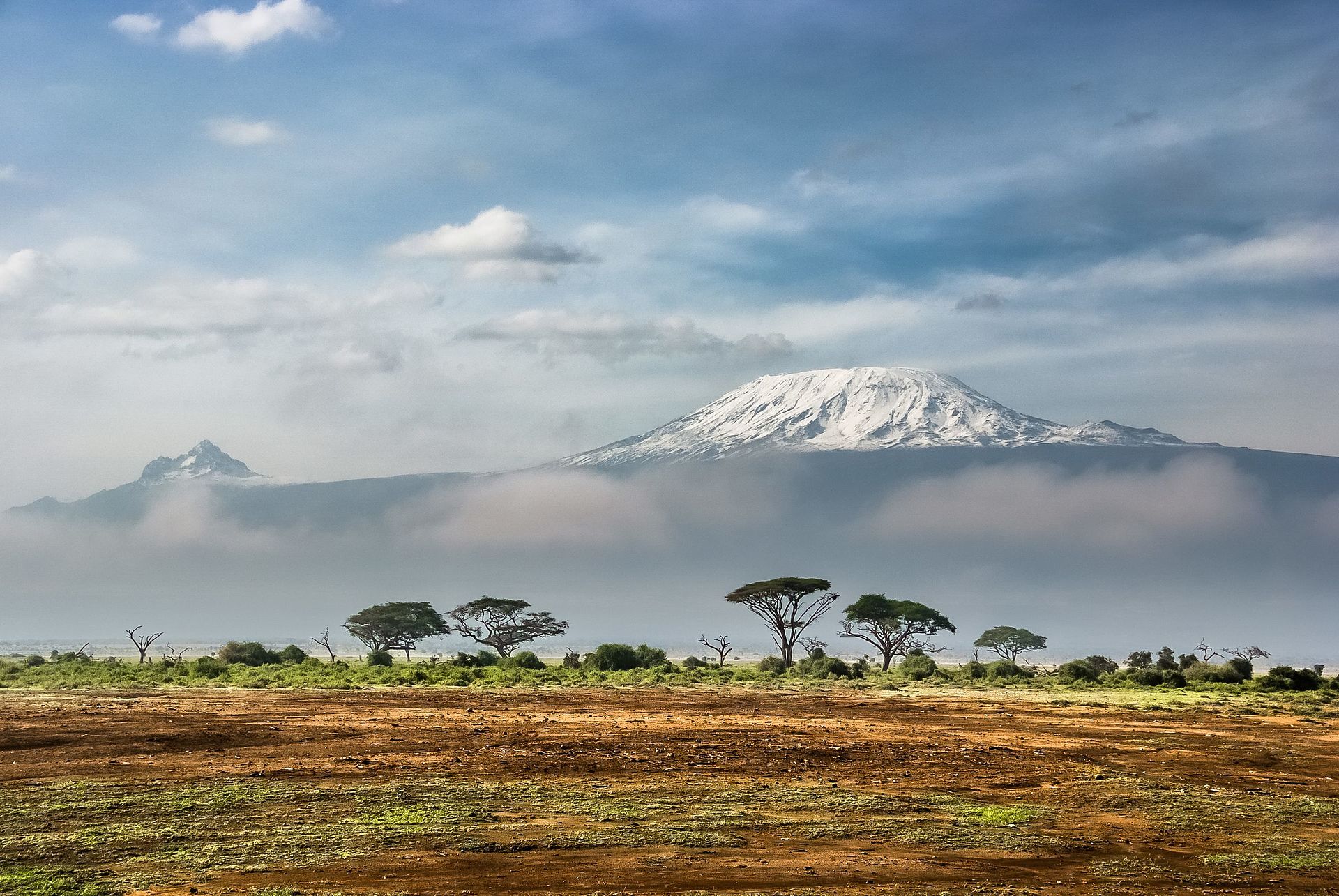
The highest mountain in Africa and the tallest free-standing mountain on Earth — a snow-capped volcanic giant rising alone from the savanna to 5,895 metres, climbable without technical gear yet crowned with vanishing equatorial glaciers.
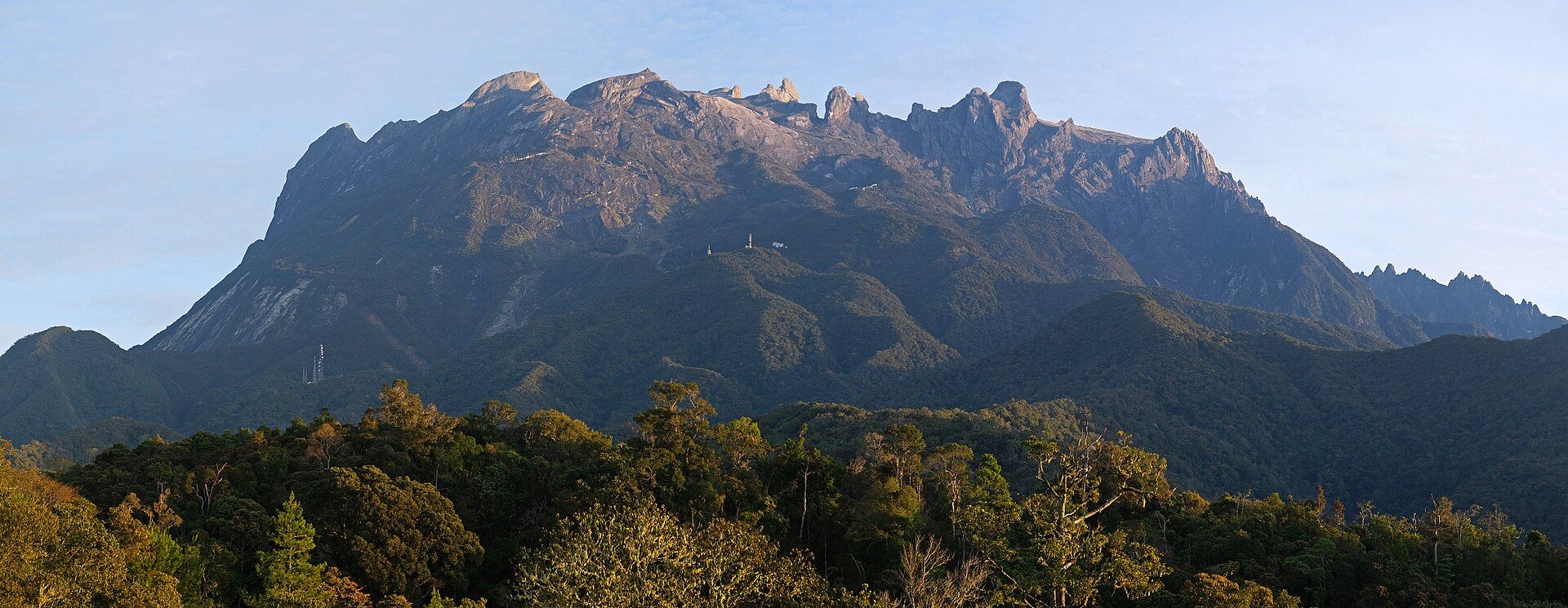
The highest peak in Southeast Asia's island world — a granite giant on Borneo, ringed by one of the richest concentrations of plant life on Earth, from giant Rafflesia flowers to carnivorous pitcher plants.
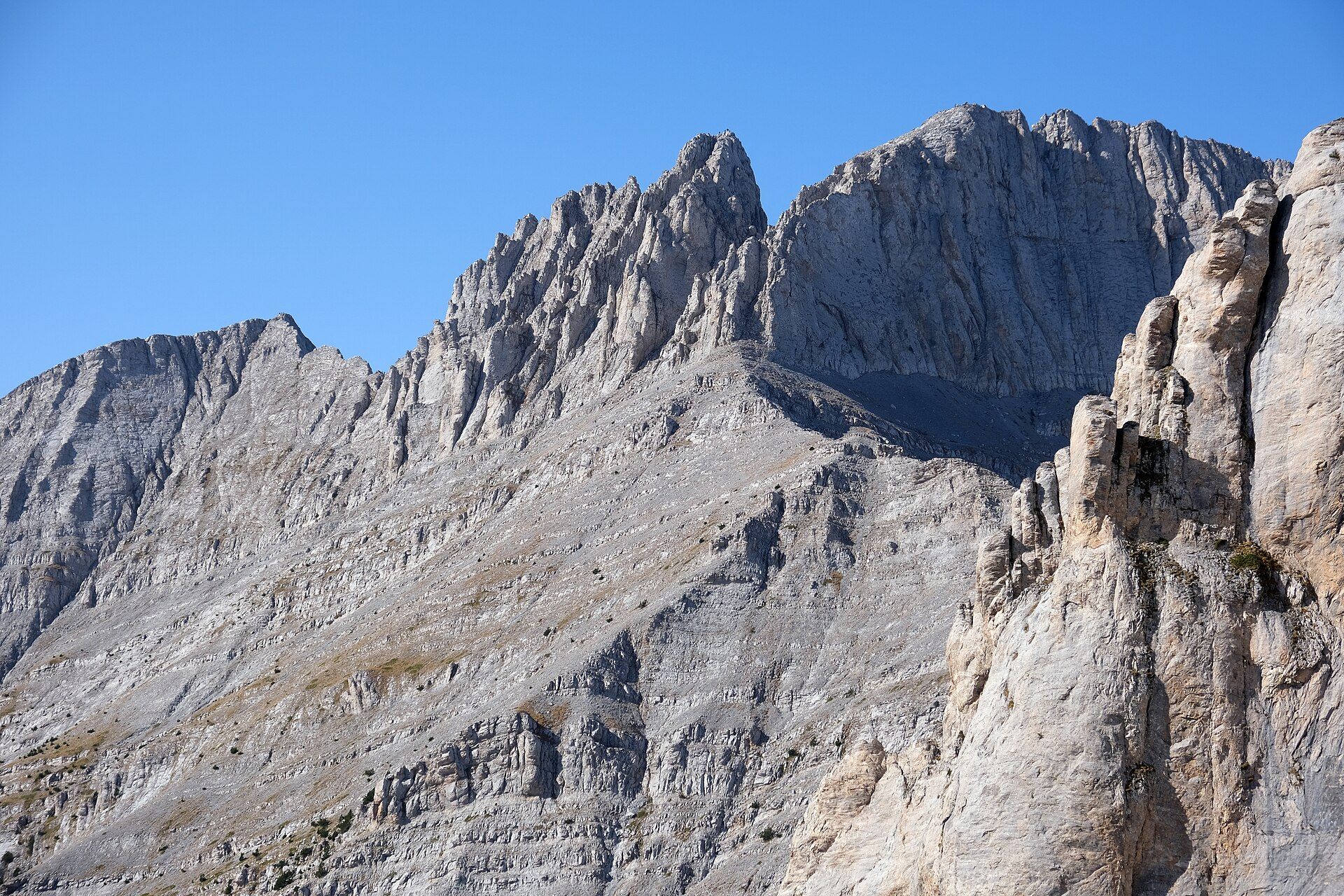
Between Thessaly and Macedonia, near Litochoro, Greece
The highest mountain in Greece — a limestone massif of more than fifty peaks that climbs almost 2,900 metres within twenty kilometres of the Aegean shore, cut by deep gorges and protected as the country's first national park.
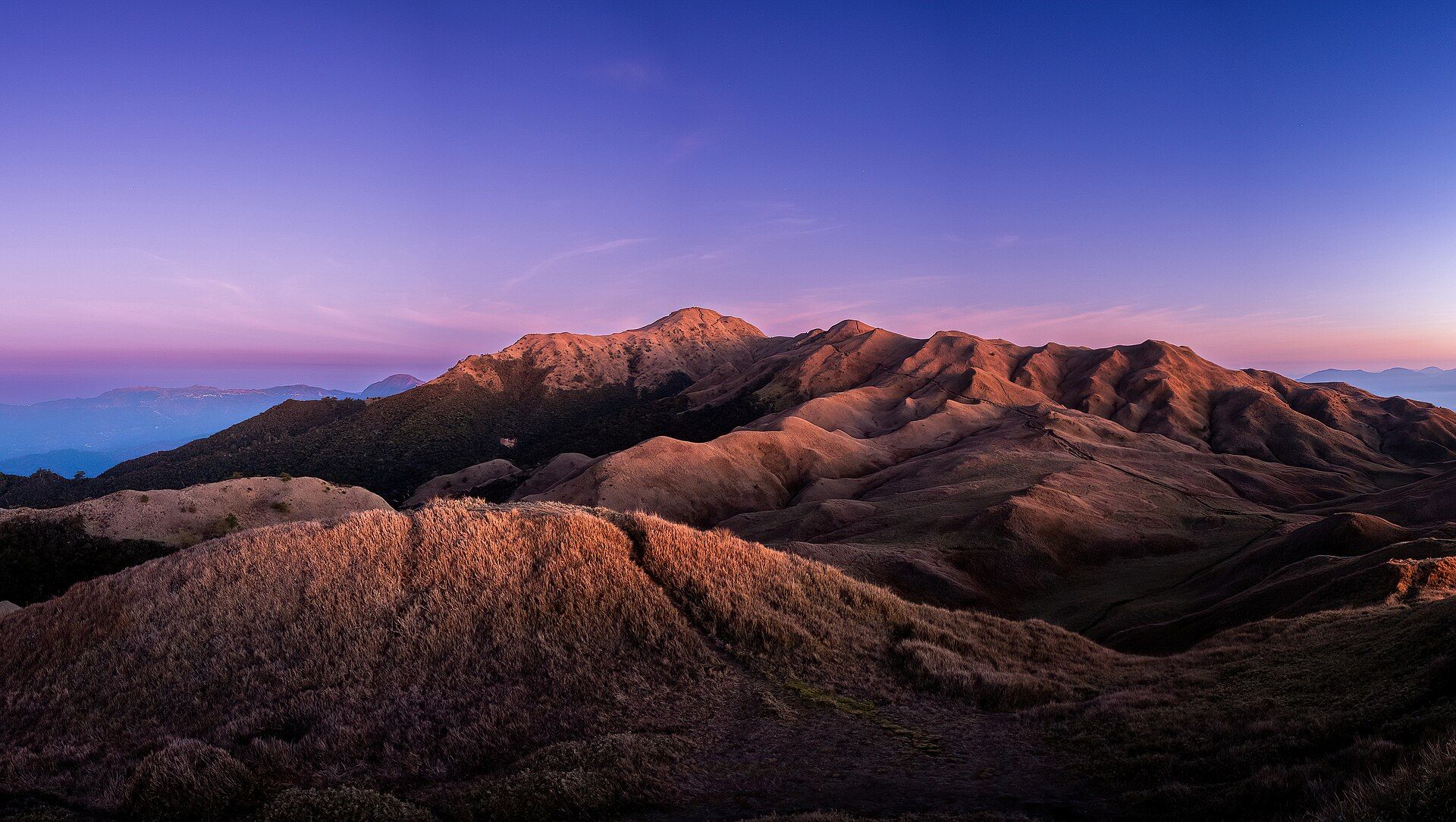
Luzon's highest peak at 2,922 metres, famous for its dawn 'sea of clouds' — a rolling white ocean seen from a summit of dwarf bamboo grassland high in the Cordillera.
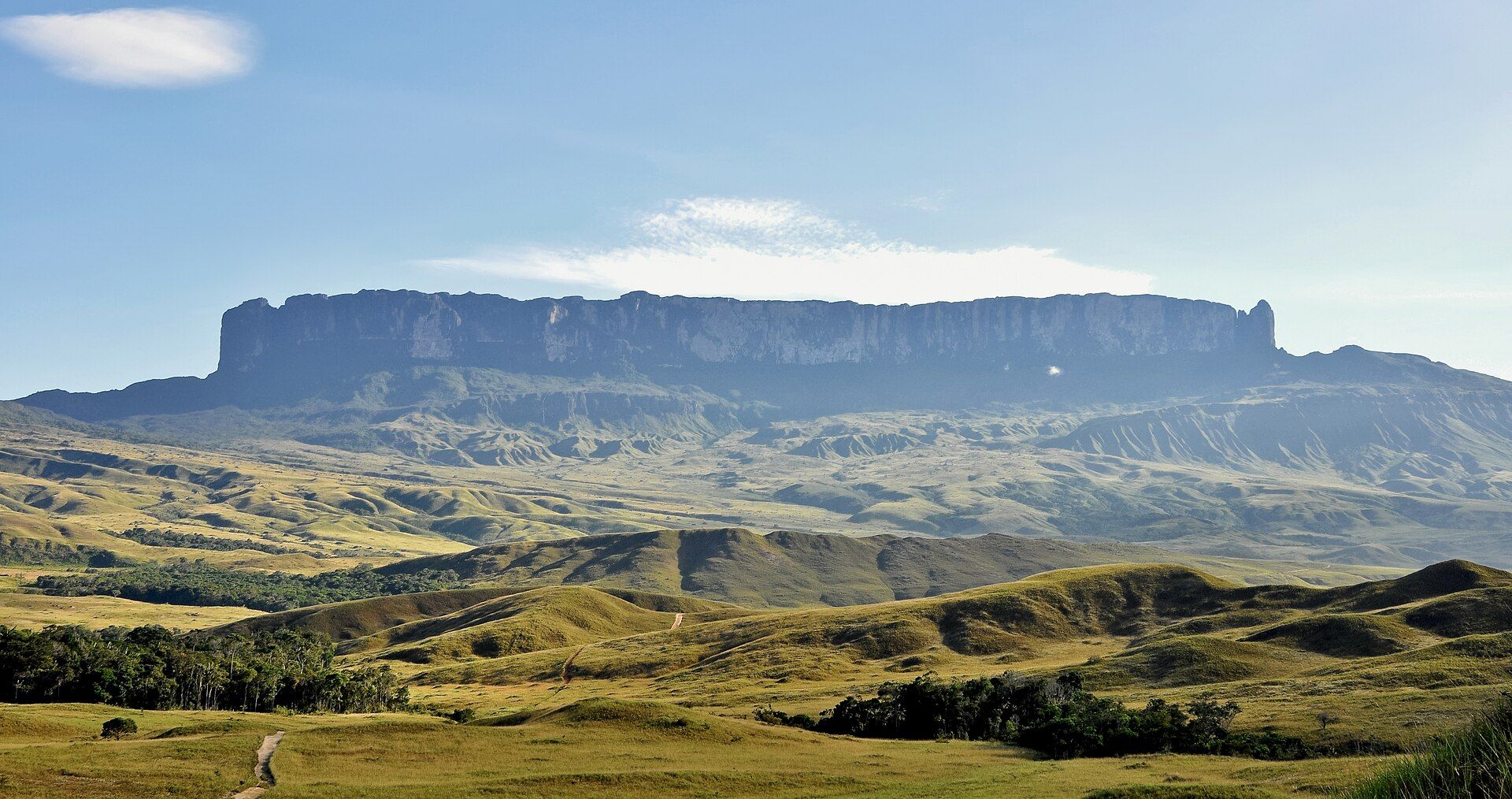
A vast, cloud-wrapped table mountain rising in sheer 400-metre cliffs above the jungle — a 'lost world' plateau of black rock, endemic plants, and waterfalls spilling into the void.
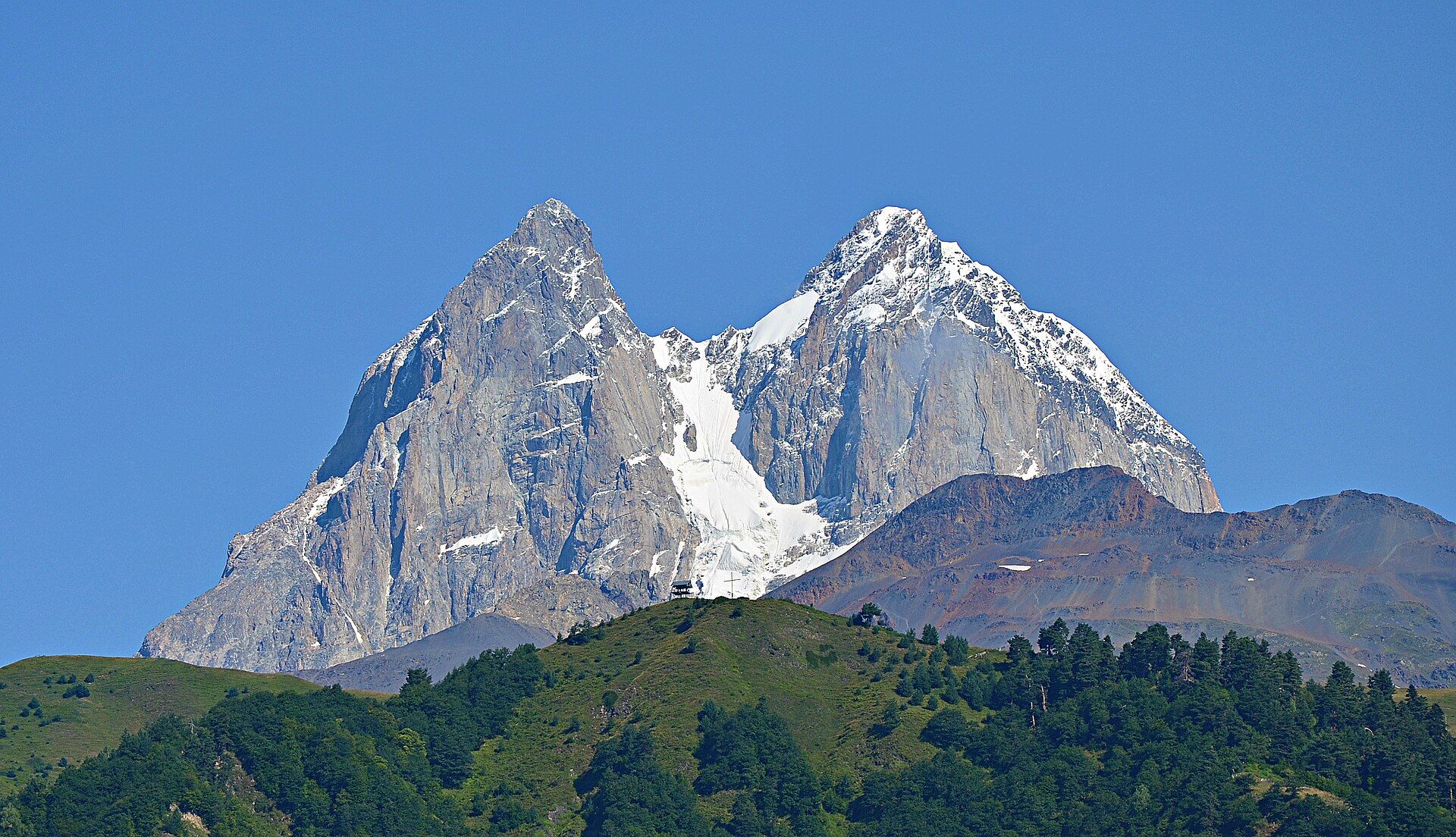
The twin-horned peak that dominates Georgian Svaneti — 4,710 metres of granite and hanging ice known as the Matterhorn of the Caucasus, and widely held to be the hardest serious climb in the range.
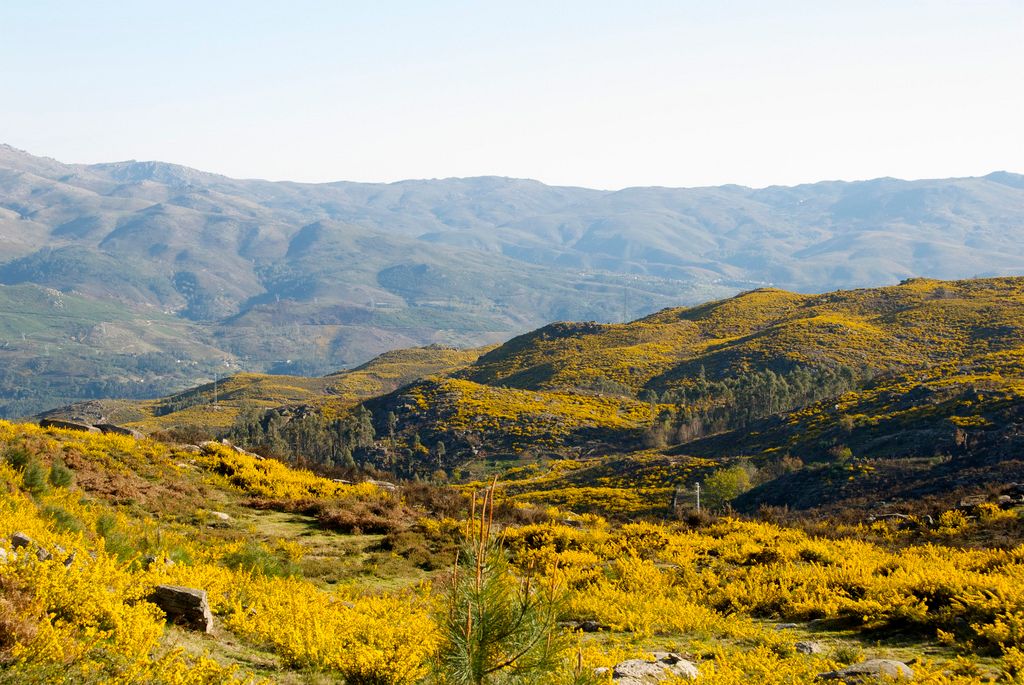
Portugal's only national park — a wild expanse of 300-million-year-old granite mountains, oak forest, peat bog, and plunging rivers in the far north, home to Iberian wolves, wild ponies, and roaming long-horned cattle.
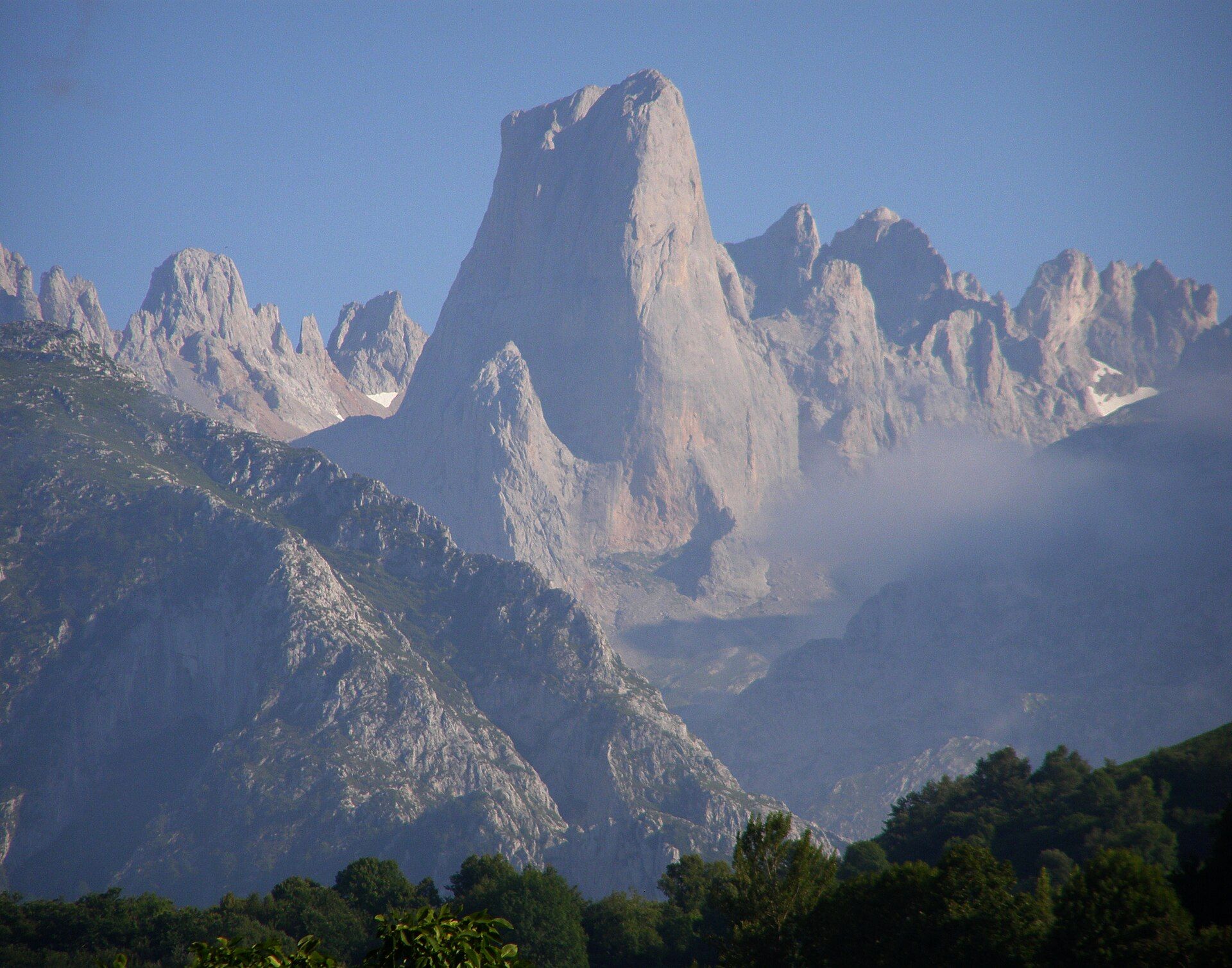
A compact range of sheer limestone peaks rising to 2,600 metres barely 20 kilometres from the Atlantic — glacier-carved gorges, karst towers, and Spain's first national park.
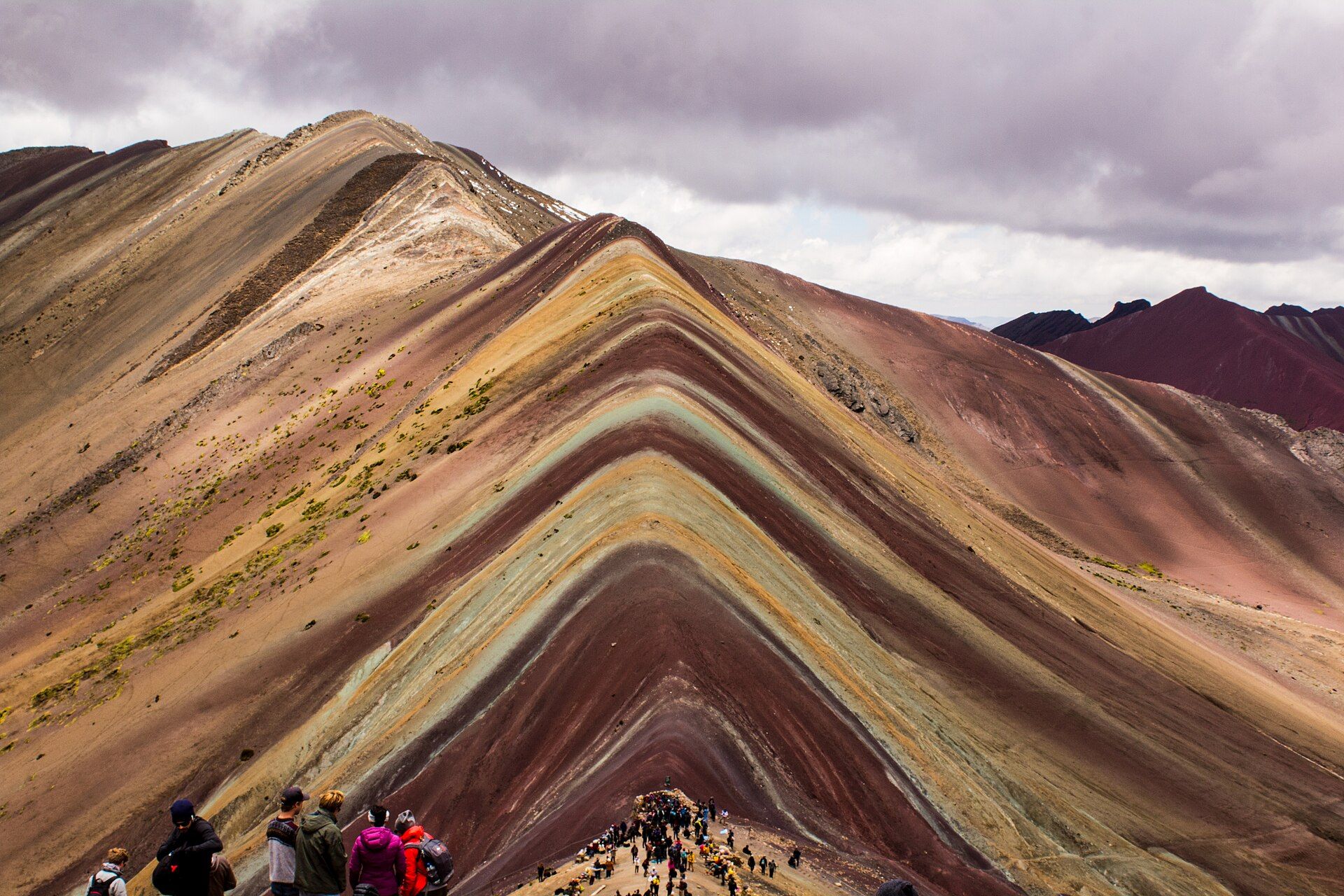
A high Andean ridge striped in bands of red, gold, green, and turquoise — mineral-stained sediments laid bare at over 5,000 metres, one of the most colourful mountains on Earth.
Retezat Mountains, Hunedoara County, Southern Carpathians, Romania
Romania's first national park, declared in 1935 — sixty peaks above 2,300 metres, around eighty glacial lakes scattered between them, and some of the last untouched old-growth forest in Europe.
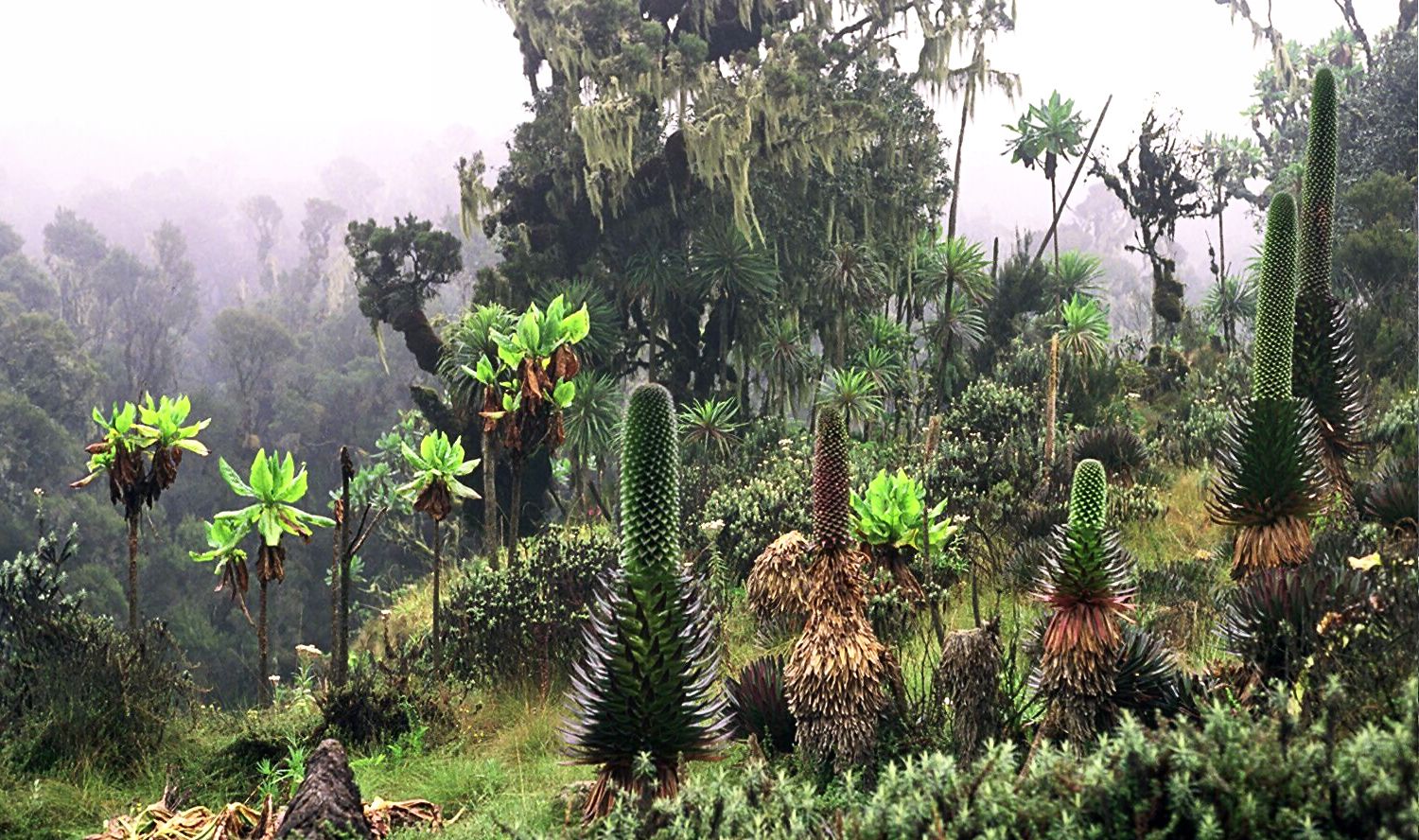
The 'Mountains of the Moon' — Africa's highest range not born of volcanism, carrying equatorial glaciers above a surreal bog world of giant heathers and lobelias.
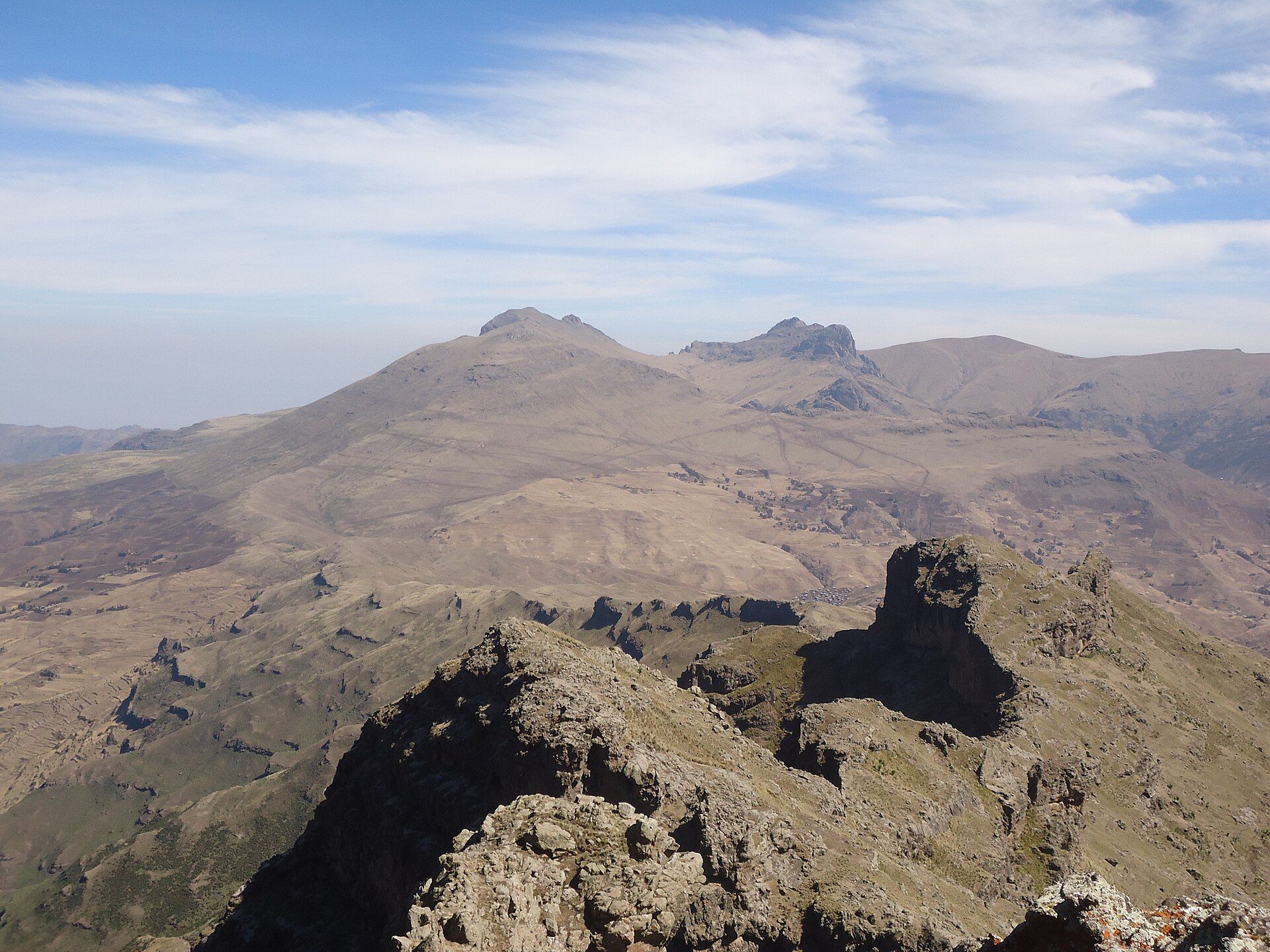
A dramatic highland escarpment of jagged pinnacles and mile-deep gorges — the 'Roof of Africa' — home to gelada monkeys, walia ibex, and Ethiopian wolves found nowhere else.
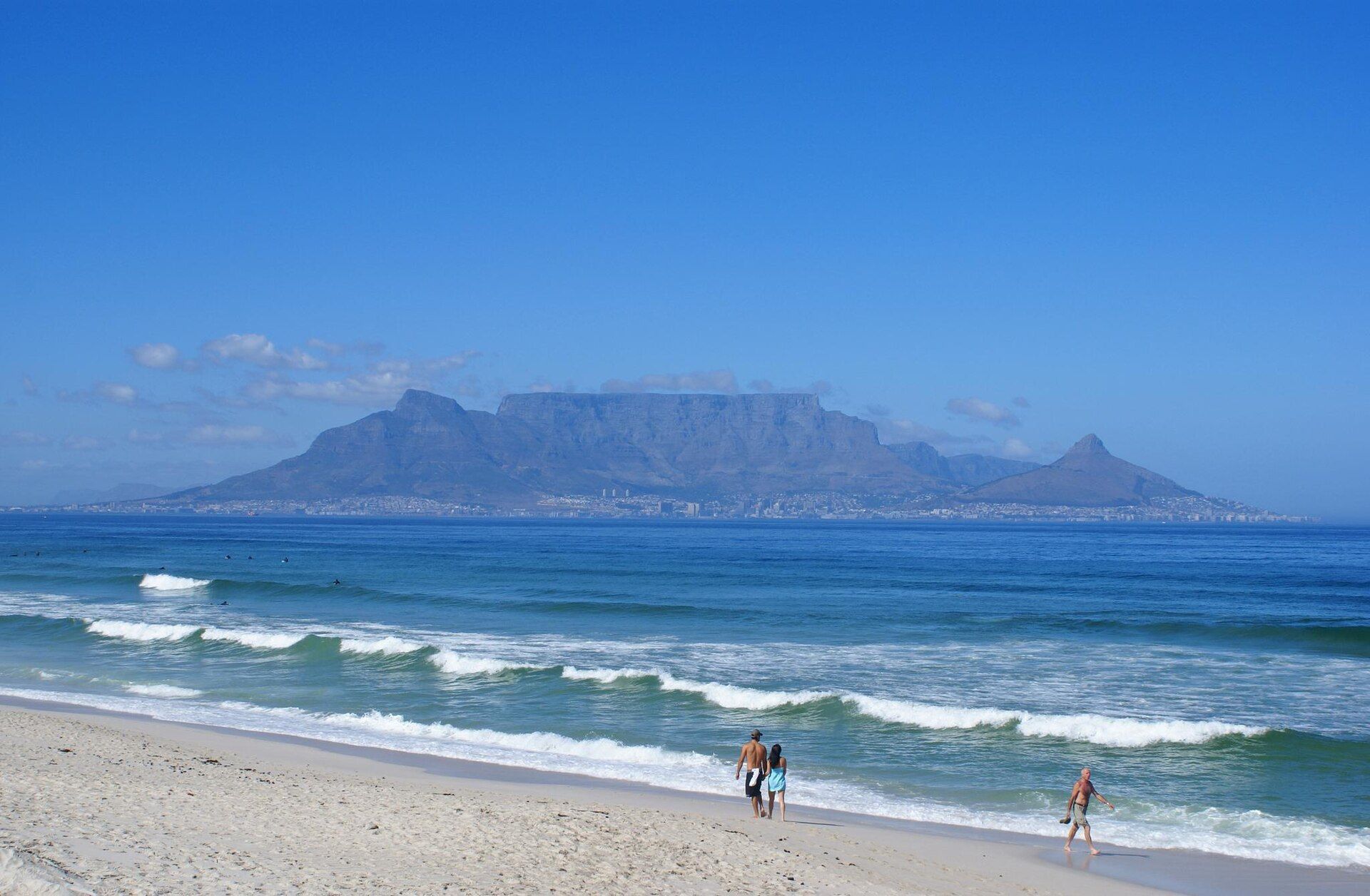
The flat-topped sandstone massif that presides over Cape Town — a sheer-sided landmark often draped in a 'tablecloth' of cloud, and the heart of a plant kingdom so rich it is unique on Earth.
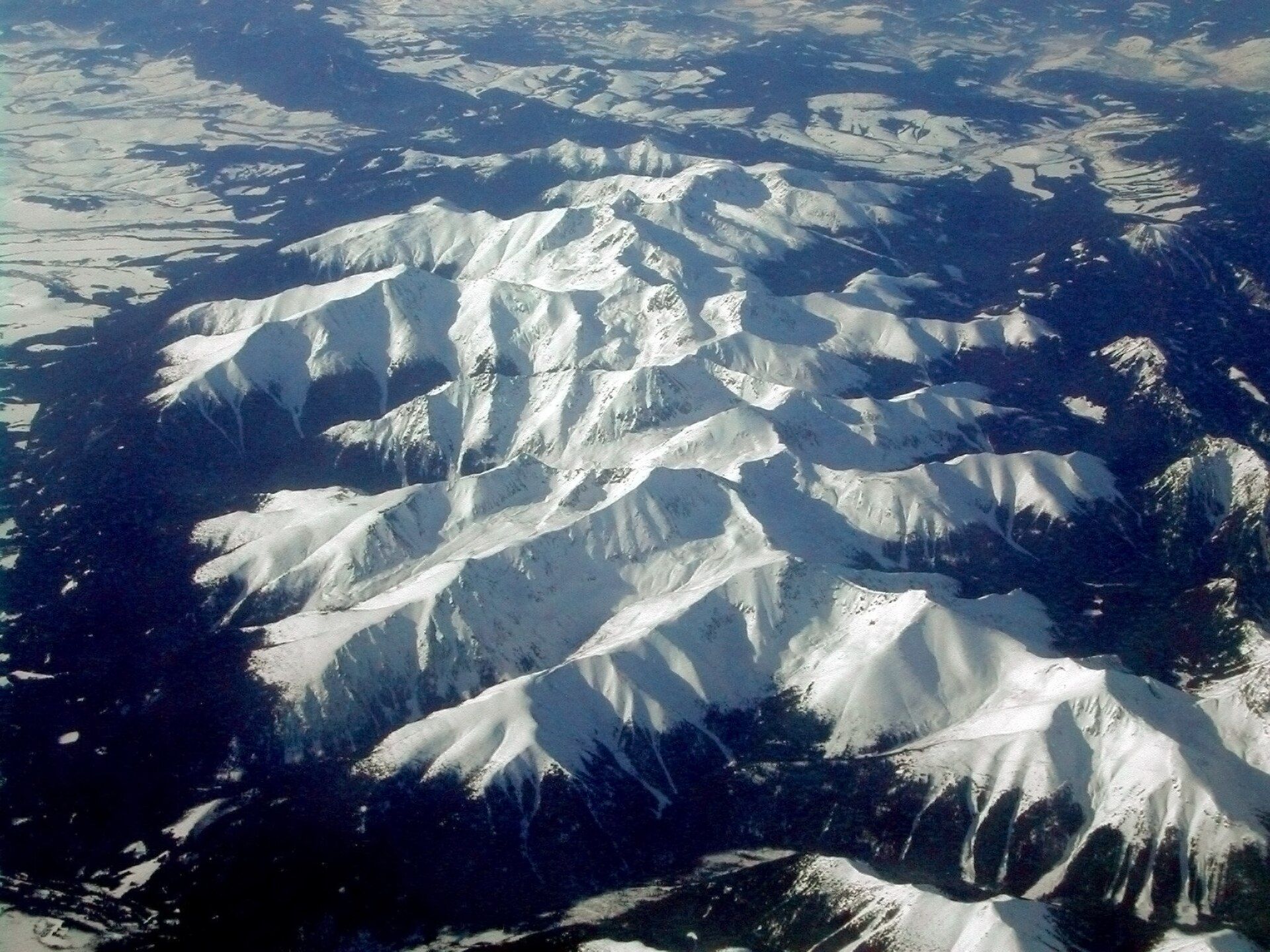
The highest range of the Carpathians — a compact alpine world of granite spires, glacial lakes, and deep valleys, home to bears, wolves, lynx, and the rare Tatra chamois.
A green, misty mountain range in Saudi Arabia's southwest — terraced highlands and juniper forests, cooled by monsoon cloud, that overturn every expectation of the desert kingdom.
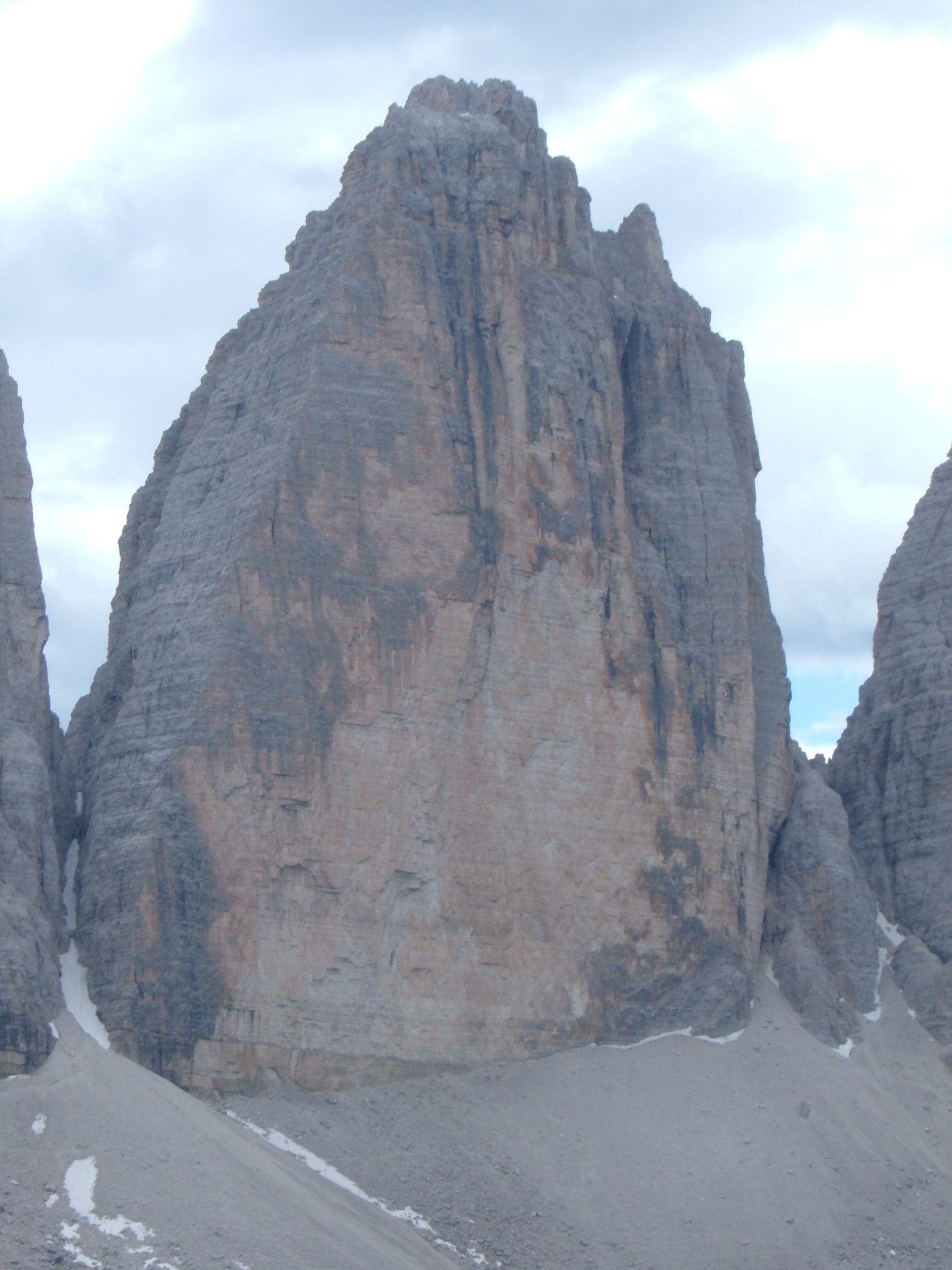
A range of pale limestone towers, sheer walls, and jagged spires in the Italian Alps that glow rose and gold at dawn and dusk — the famous 'enrosadira' — above green alpine meadows and turquoise lakes.
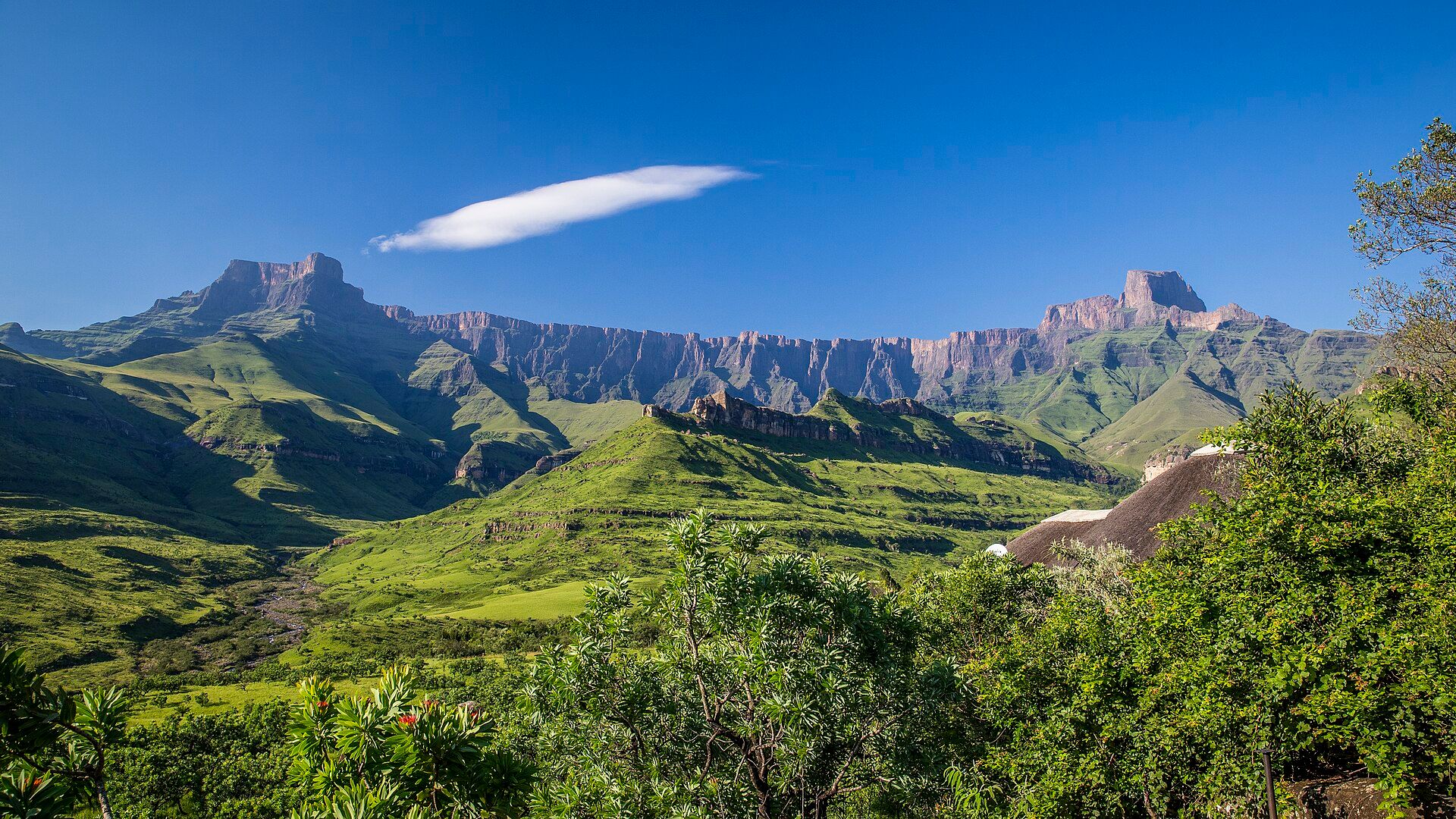
South Africa's great basalt rampart — a UNESCO World Heritage range of soaring escarpment walls, plunging waterfalls and the world's richest gallery of San rock art, rising along the border with Lesotho.
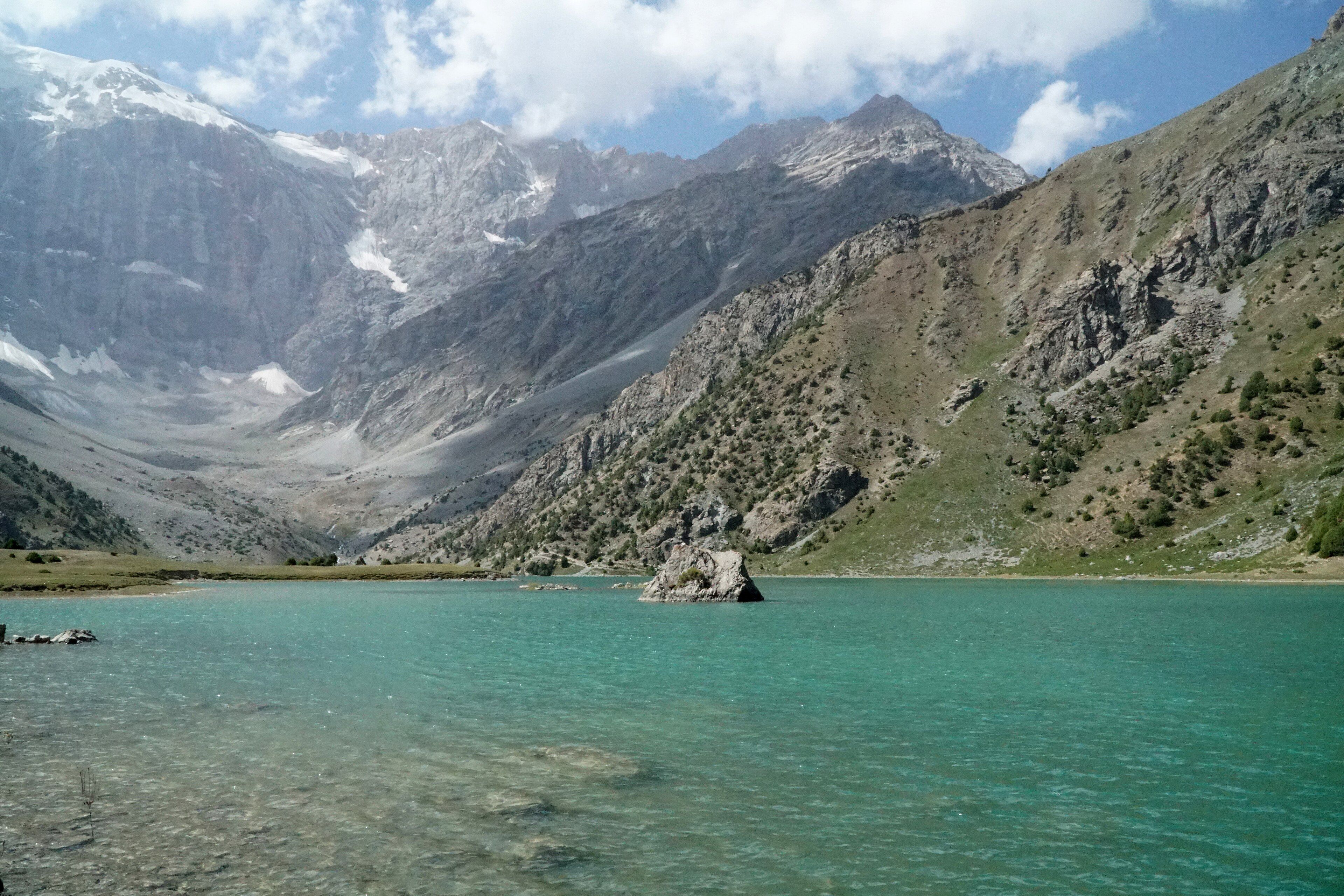
About a hundred peaks in a compact block of the western Pamir-Alay, a dozen of them above 5,000 metres, with turquoise lakes dammed by landslides sitting under the walls.
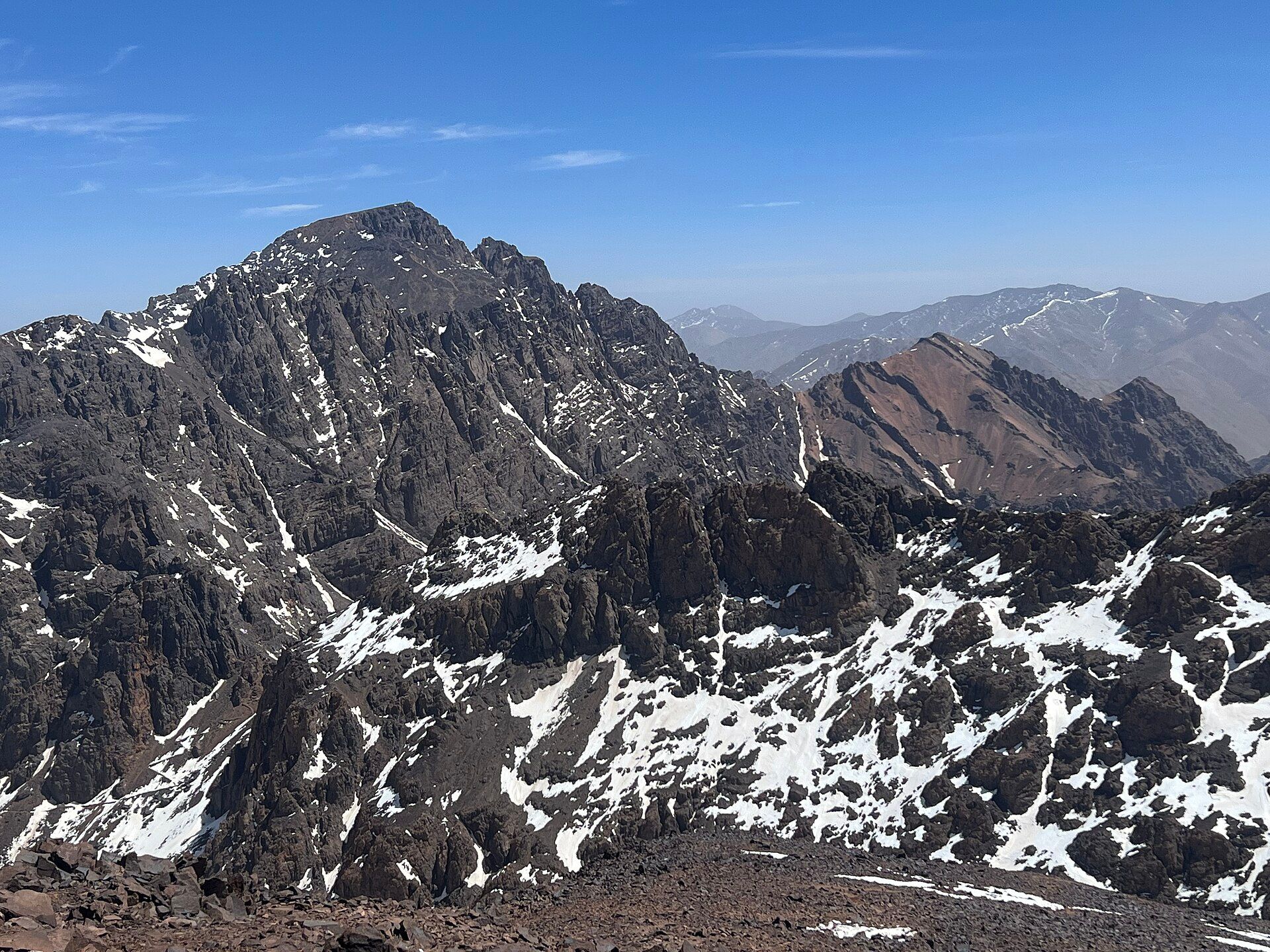
The rugged spine of Morocco — a snow-topped range of bare rock and Berber villages rising south of Marrakesh to Jbel Toubkal, at 4,167 m the highest peak in North Africa and the Arab world.
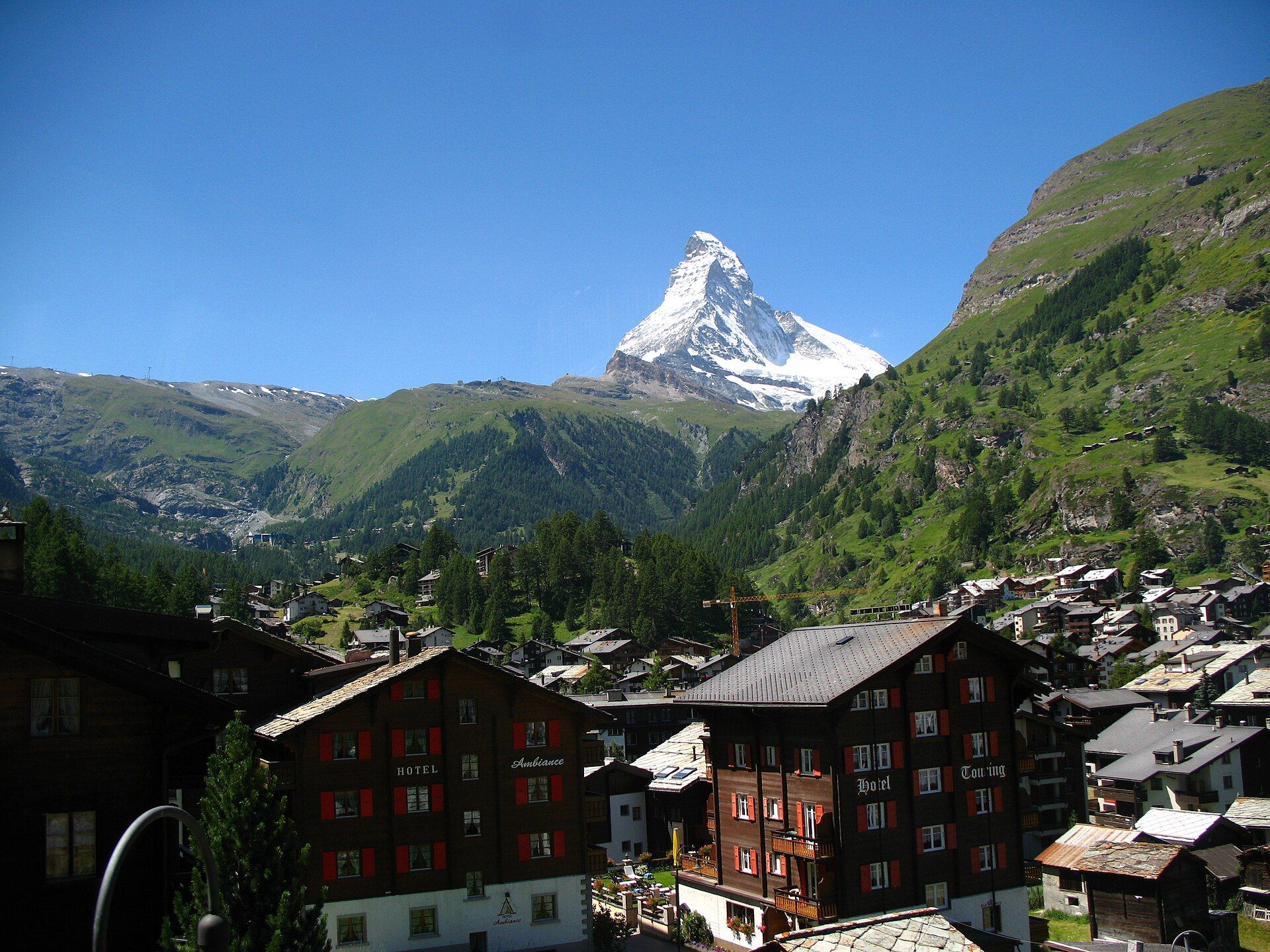
The most iconic peak in the Alps — a near-perfect rock pyramid rising in isolation above Zermatt, its four steep faces aligned almost to the compass points, mirrored in still alpine lakes.
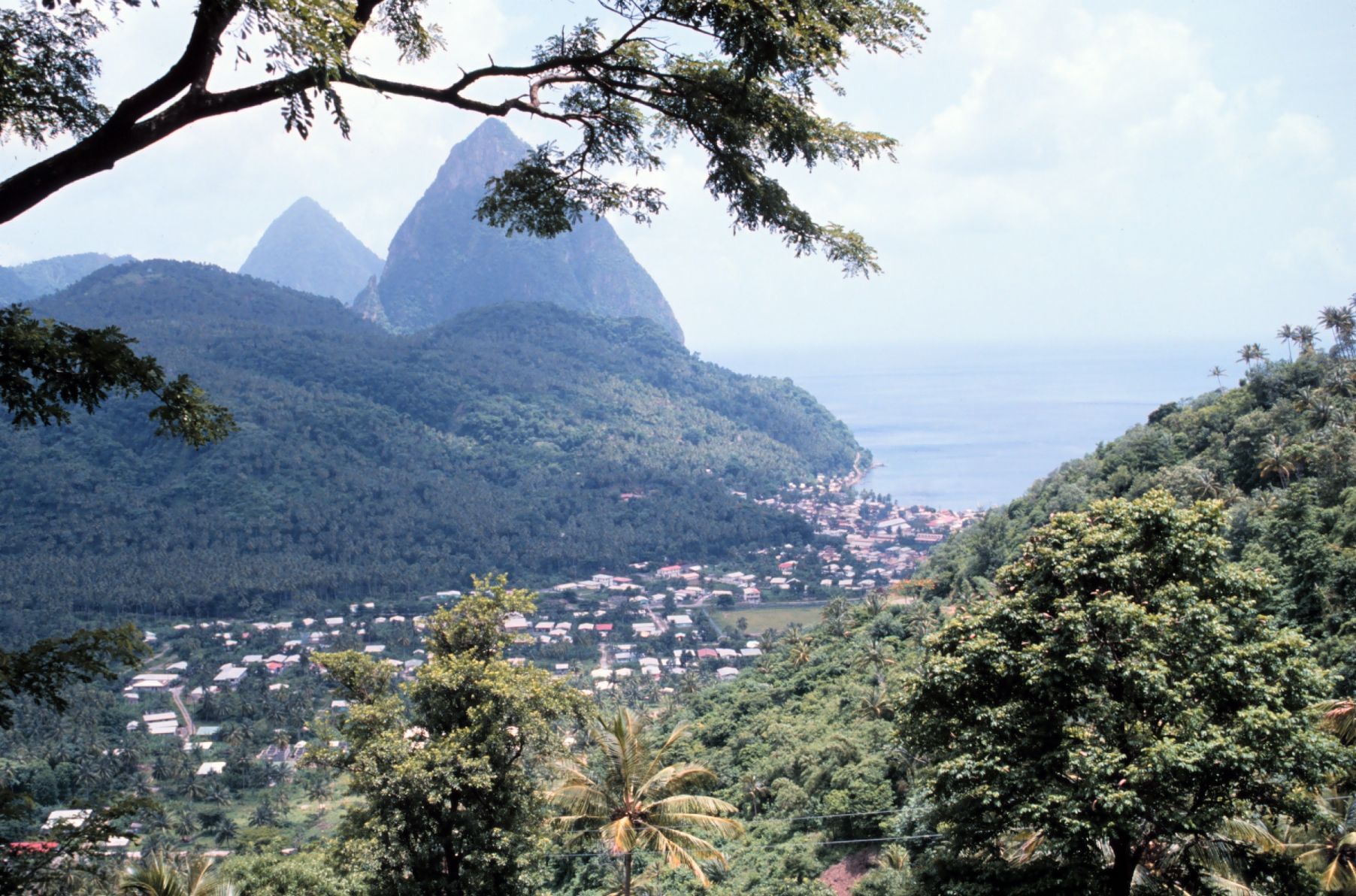
Two dramatic volcanic spires rising straight from the Caribbean Sea — the twin cones of Gros Piton and Petit Piton, cloaked in rainforest, that have become the emblem of Saint Lucia.
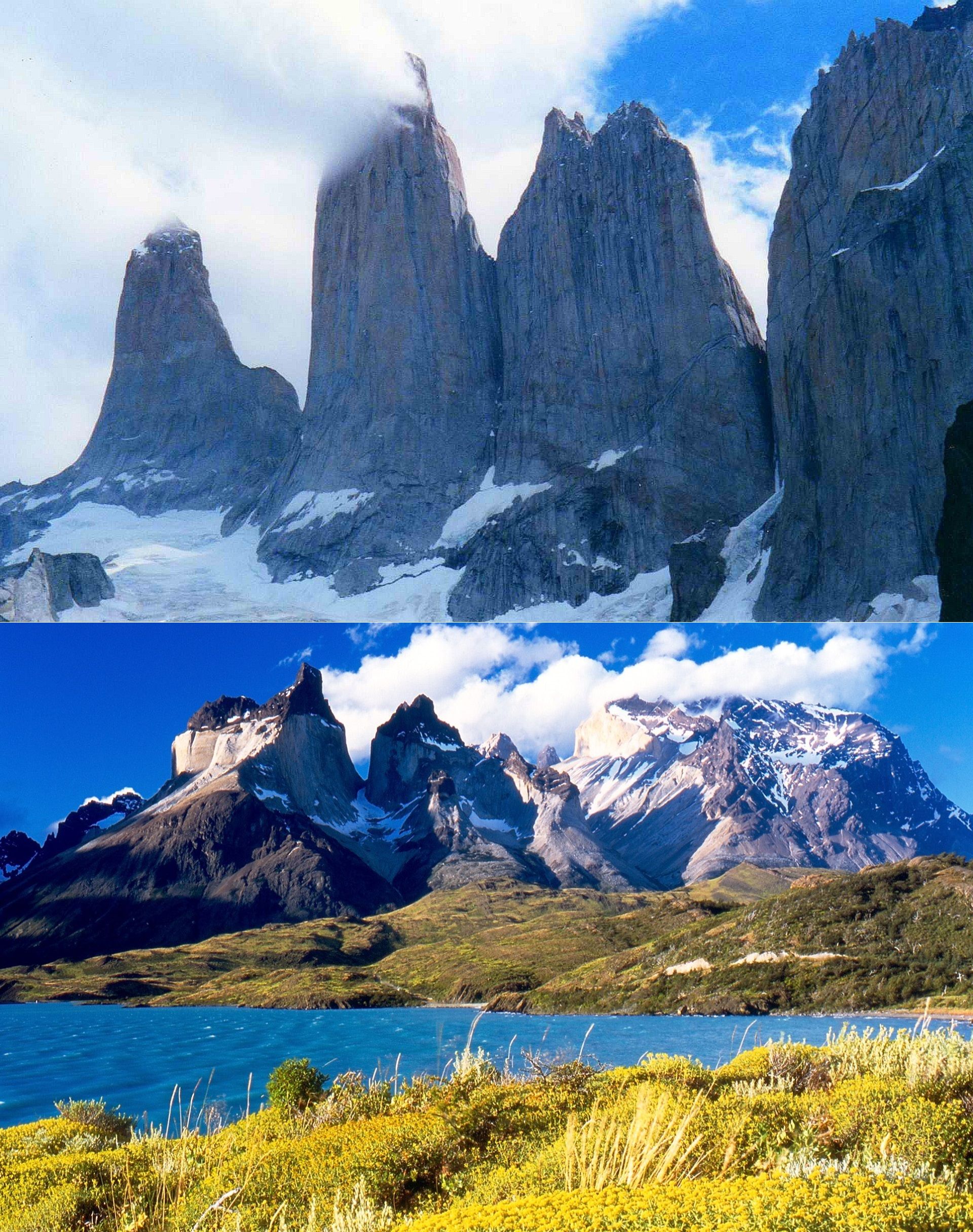
The signature landscape of Chilean Patagonia — three sheer granite towers rising above windswept steppe, glacial lakes, and hanging glaciers, roamed by guanacos, condors, and pumas.
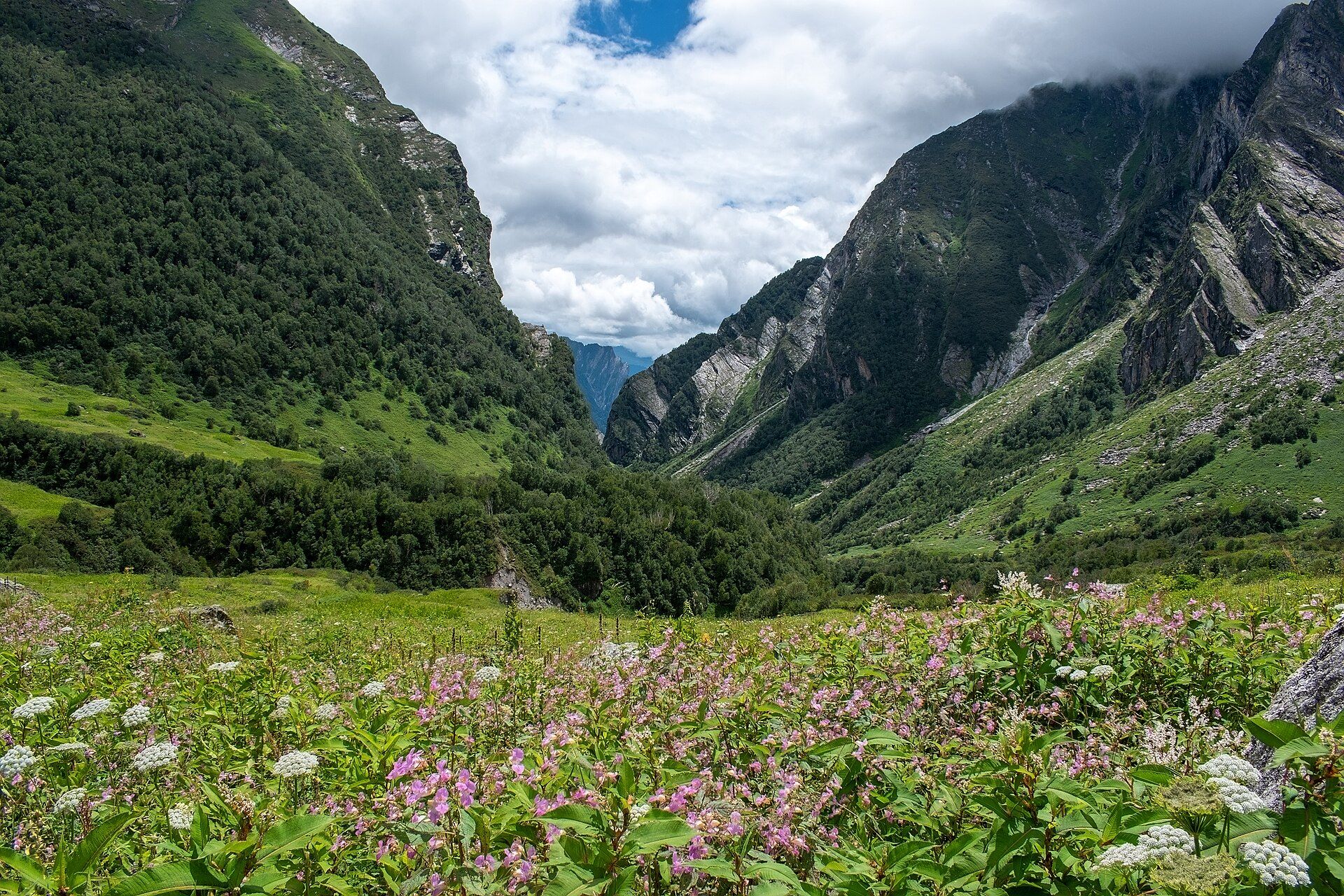
A high Himalayan valley that erupts each monsoon into a carpet of alpine wildflowers — hundreds of species blooming beneath snow peaks and glaciers in one of the world's great floral spectacles.
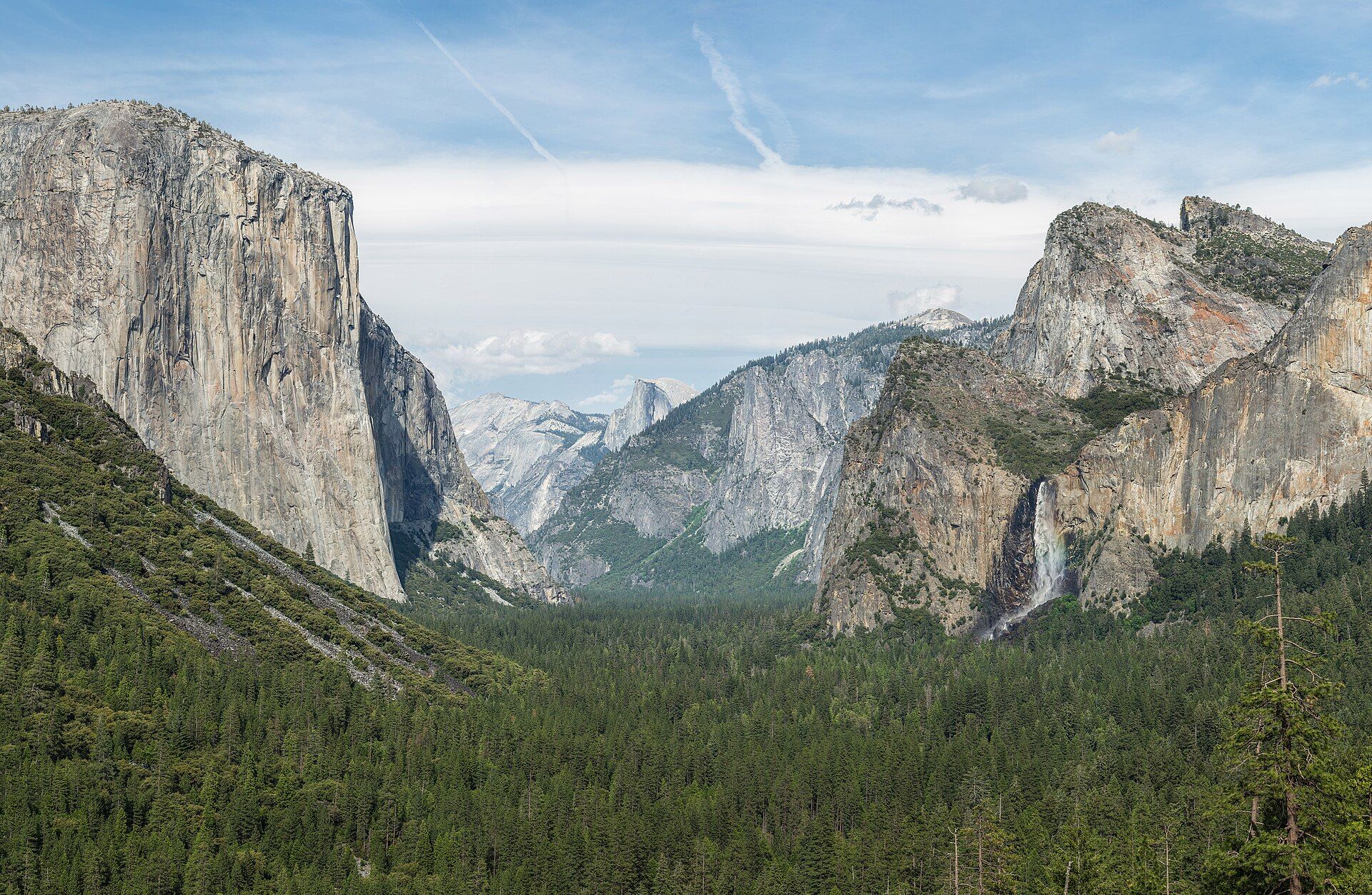
A glacier-carved granite valley of sheer cliffs and thundering waterfalls in California's Sierra Nevada — home to the monoliths of El Capitan and Half Dome, and groves of giant sequoias, the largest trees on Earth.
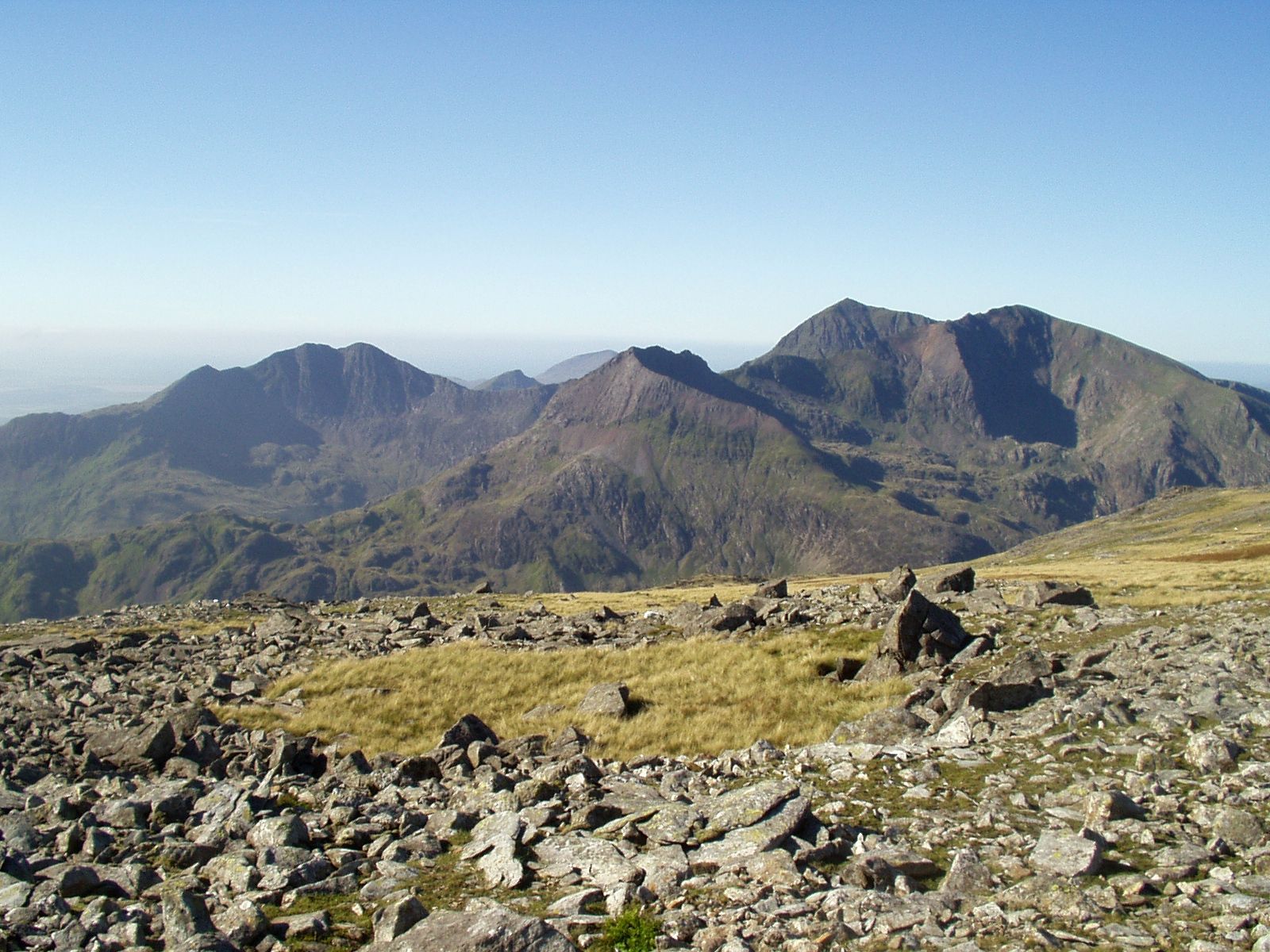
The rugged mountain heart of Wales — a national park of glacier-hewn peaks, glacial lakes and Welsh-speaking valleys crowned by Yr Wyddfa (Snowdon), the highest mountain in England and Wales.