The Lake District
📍 Cumbria, North West England, United Kingdom
England's largest national park and a UNESCO World Heritage cultural landscape — a compact country of glacier-carved fells, ribbon lakes and stone-walled valleys that shaped English ideas of the picturesque.
What makes it marvelous
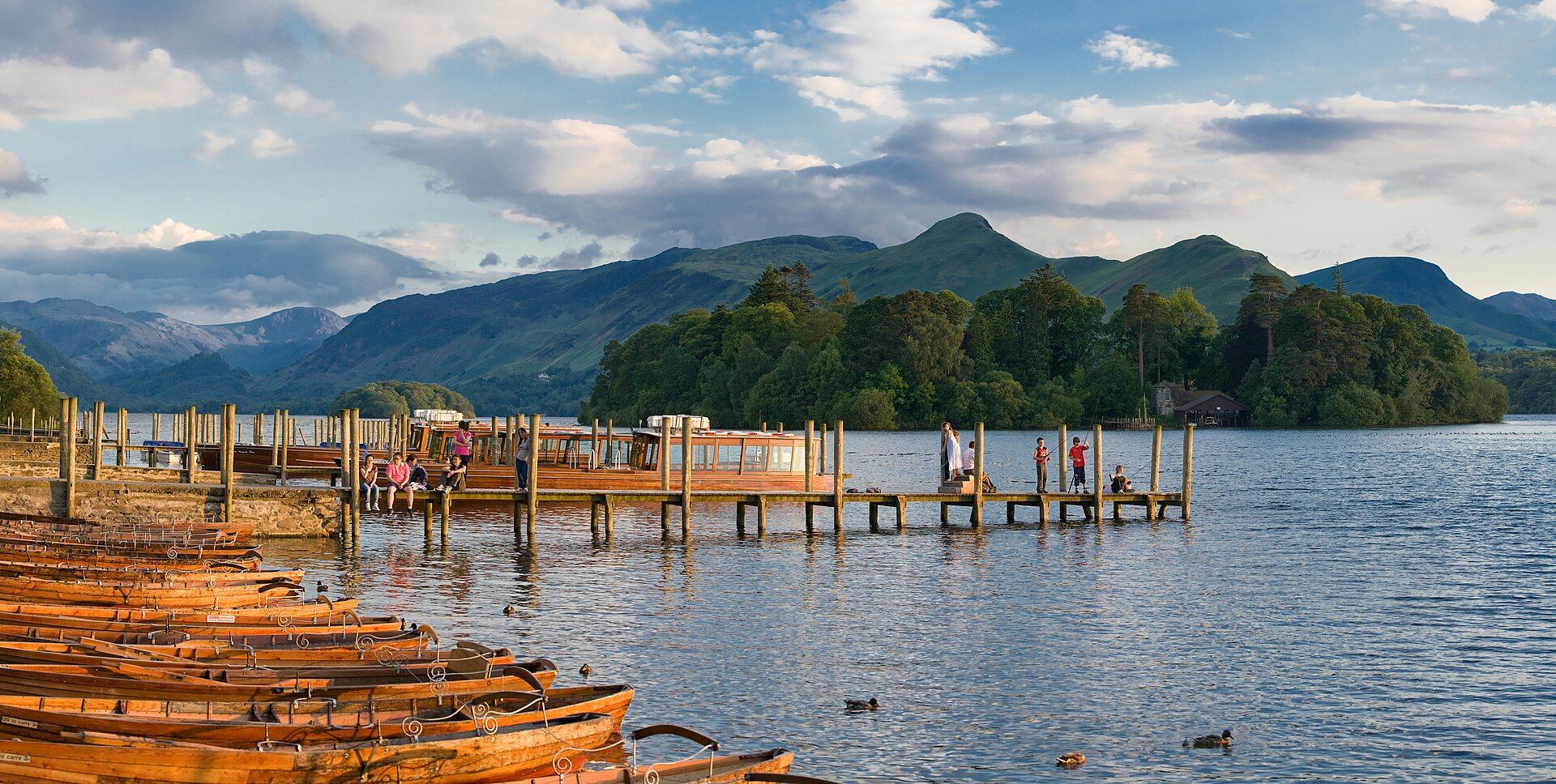
The Lake District packs England's highest ground and deepest water into one radial knot of mountains. Ice-age glaciers ground out the U-shaped valleys and gouged the long, narrow lakes that fan out from the central massif like spokes — Windermere, England's largest natural lake; Wastwater, its deepest at 79 m; Ullswater, Derwentwater and Coniston among them. At the hub rises Scafell Pike, at 978 m the highest mountain in England. Two centuries of hill-farming, drystone walling and Herdwick sheep grazing wove the human landscape into the geology so completely that UNESCO inscribed the whole park in 2017 as a cultural landscape — the birthplace of the Romantic movement and of the modern idea of landscape conservation.
Why visit
This is walking country at its most storied: a lifetime of fells, tarns and passes within a two-hour drive of each other, threaded by the poems of Wordsworth and the tales of Beatrix Potter. You can climb Scafell Pike in a hard day, row out onto a mirror-still lake at dawn, or simply follow a valley of drystone walls between whitewashed farms and slate villages.
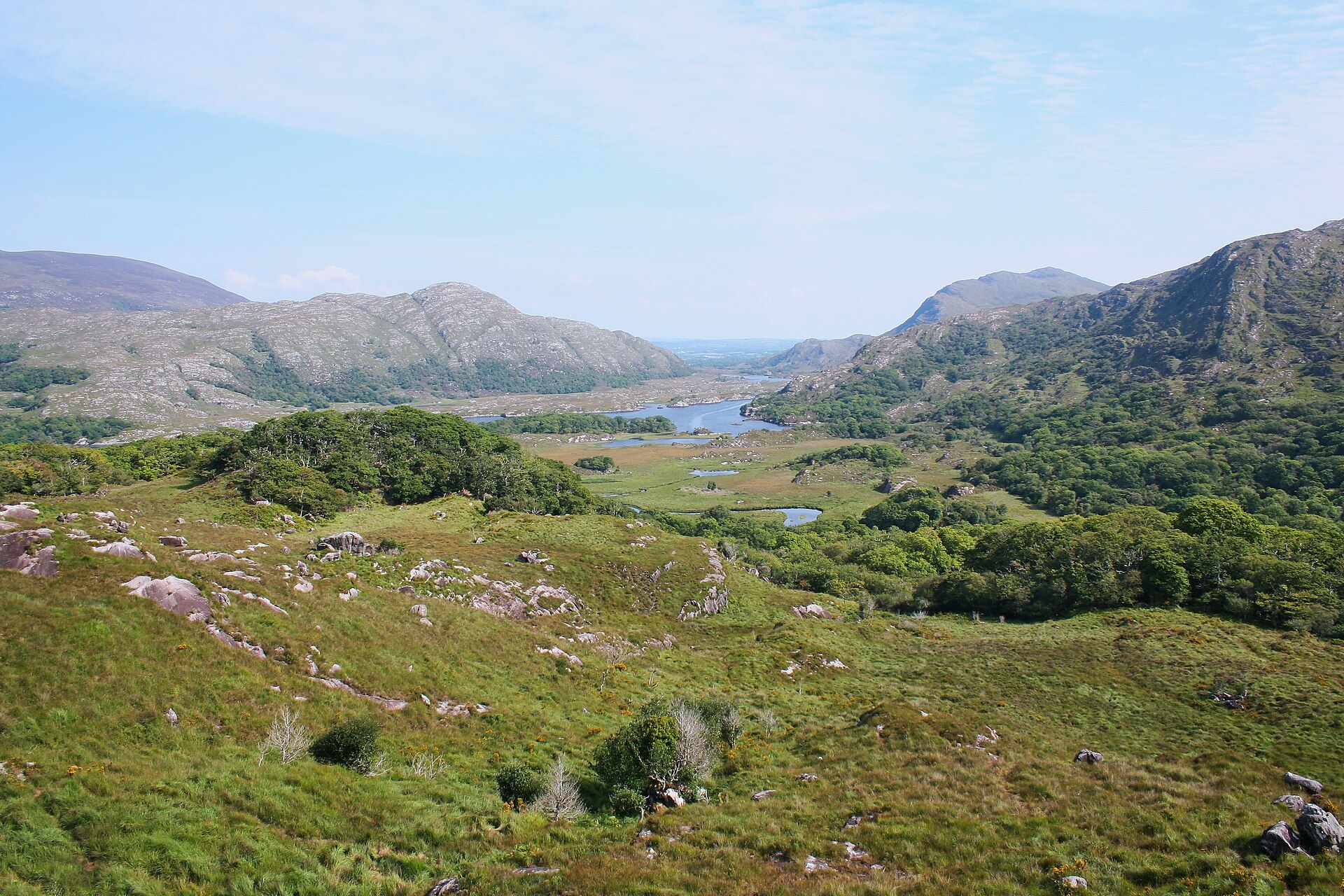
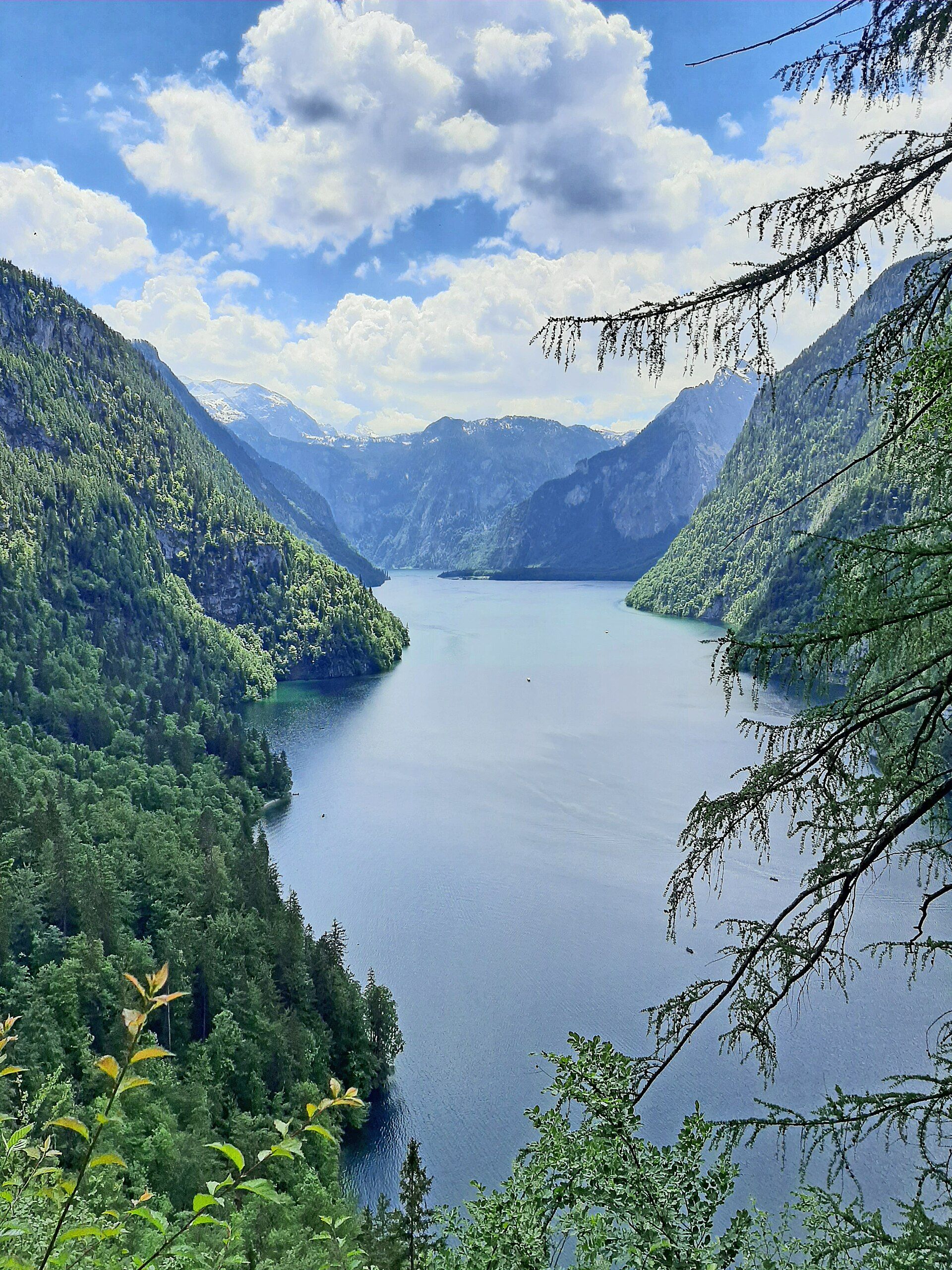
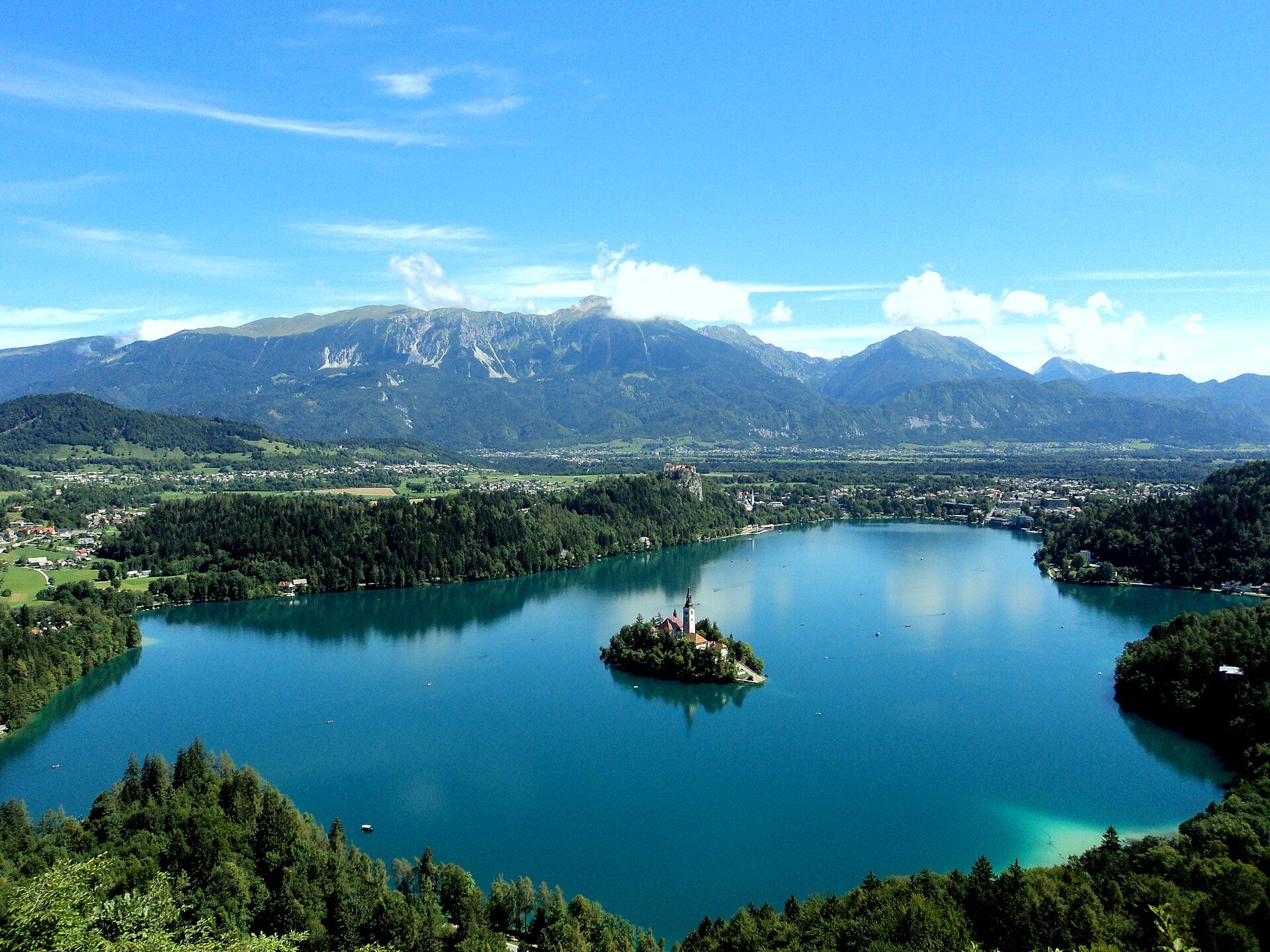
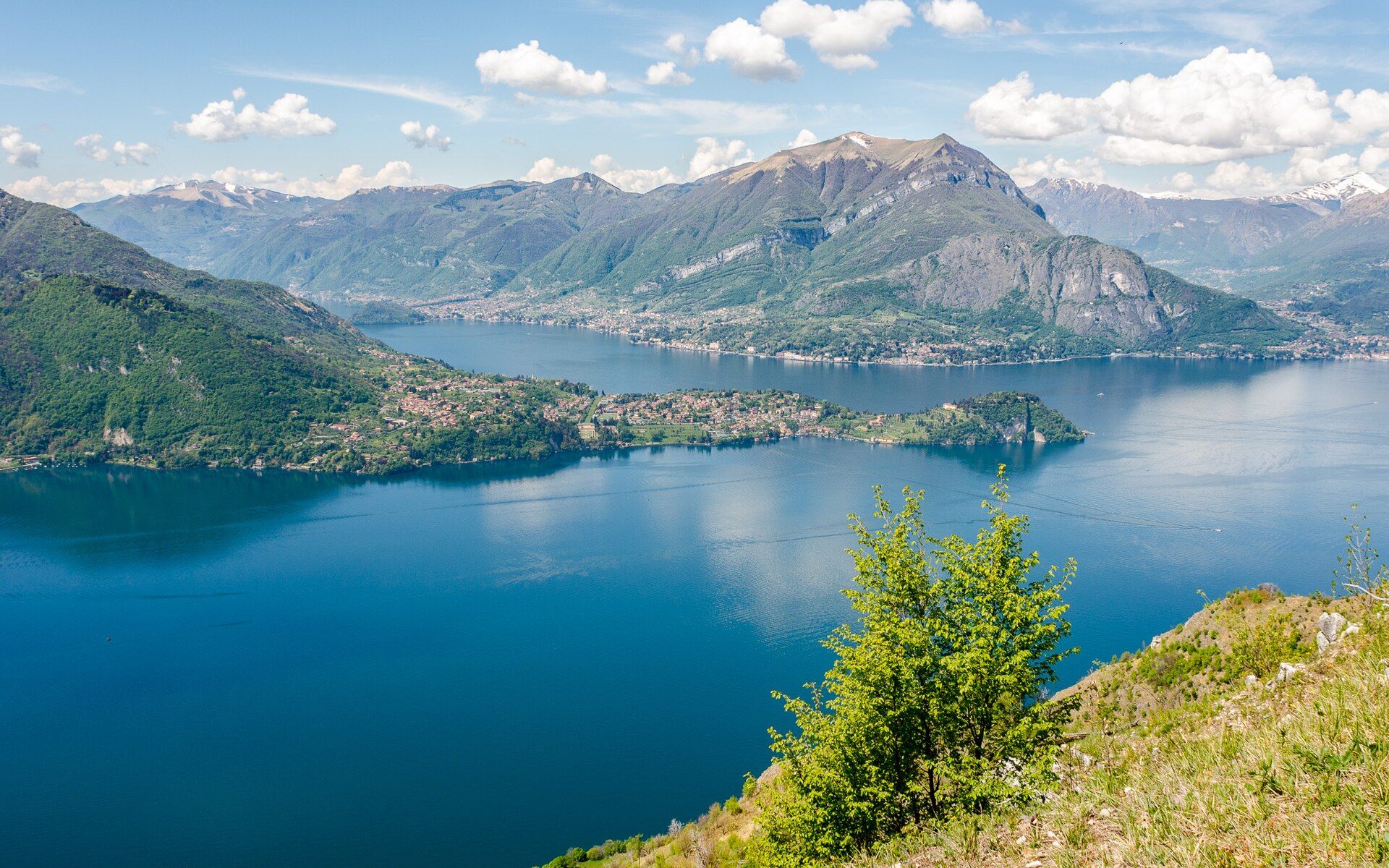
More views of The Lake District
Additional photographs of the actual site — each freely licensed, with its photographer and licence credited.
What to know before you go
🗓️ Best time
Late spring to early autumn (May–September) brings the longest days and the most settled weather; July–August are busiest. The fells hold rain in any season, so pack for weather that changes by the hour.
🧭 Getting there & access
The M6 skirts the eastern edge; Windermere has a direct rail branch from Oxenholme on the West Coast Main Line. Penrith, Kendal and Windermere are the main gateways, with lake ferries and seasonal bus links inside the park.
Good to know
- Weather turns fast on the tops — carry waterproofs, warm layers, map and compass even in summer.
- Park-and-ride or lake launches spare you the worst of the valley-road congestion in peak season.
- Start popular summits like Scafell Pike or Helvellyn early to beat crowds and afternoon cloud.
Plan your visit
Moderate🧭 Getting there
From Penrith or Oxenholme rail; Windermere and Keswick as valley bases
- Train to Oxenholme or Penrith on the West Coast Main Line, then branch or bus into the park
- By car, exit the M6 at Kendal (south) or Penrith (north) — roughly 1 hour to the central valleys
- Total travel
- About 3 hours from Manchester; 4–5 from London by train
- Time at site
- Two to four days to sample fells, lakes and villages
- Access
- The national park is open and free to roam on foot; there are no entry gates. Some car parks, lake launches and attractions charge, and honeypot valleys fill early in summer.
🎒 What to bring & consider
- Full waterproofs and warm layers for sudden mountain weather
- Proper walking boots for wet, rocky fell paths
- Map and compass (or GPS) for higher walks where cloud descends fast
- Cash for small village shops and honesty-box car parks
👁️ What to expect
- Crowds
- Honeypots like Windermere, Ambleside and Scafell Pike are busy in summer; quieter valleys stay peaceful.
- Conditions
- Green, wet and mild — rain is frequent and the highest fells are genuinely mountainous.
- Facilities
- Excellent — market towns, inns, outdoor shops and well-marked paths throughout.
- The view
- Dawn light on a still lake, before the breeze and the day-trippers arrive.
Times and requirements are approximate and change with season, weather, and local rules — confirm permits, fares, and schedules with operators before you travel.
Natural riches of the area
- Glacier-carved ribbon lakes, including England's largest (Windermere) and deepest (Wastwater)
- England's highest mountains, crowned by Scafell Pike at 978 m
- Native Herdwick sheep pastures and ancient drystone-walled valleys
- Upland tarns, oak and birch woodland, and red-squirrel strongholds
Local food
- Cumberland sausage
- A long coiled pork sausage, traditionally sold by length rather than links.
- Grasmere gingerbread
- A dense, spicy cross between biscuit and cake, made in the village since 1854.
- Sticky toffee pudding
- The rich date sponge popularised at a Cartmel-area hotel in the Lakes.
The Lake District is England’s mountain heart folded into a surprisingly small space — a radial cluster of glacier-cut valleys and long, narrow lakes that spread out from a central knot of high fells. Within a couple of hours’ drive you pass from Windermere, the country’s largest natural lake, to the foot of Scafell Pike, at 978 metres its highest mountain, and on to the dark, deep trench of Wastwater.
The ice ages did the sculpting; people did the rest. Centuries of hill-farming with hardy Herdwick sheep, drystone walling and slate-quarrying wove a human pattern so tightly into the landscape that UNESCO inscribed the whole park in 2017 as a cultural landscape. It was here, too, that Wordsworth and the Romantics taught Britain to see mountains as beautiful rather than merely forbidding, and here that some of the earliest ideas of landscape conservation took root.
For visitors it remains, above all, walking country — a lifetime of summits, passes and lakeshore paths, best met with good boots, honest waterproofs and a willingness to let the weather write the day.
The Lake District: common questions
How do you get to The Lake District?
From Penrith or Oxenholme rail; Windermere and Keswick as valley bases: Train to Oxenholme or Penrith on the West Coast Main Line, then branch or bus into the park; By car, exit the M6 at Kendal (south) or Penrith (north) — roughly 1 hour to the central valleys. Total travel time: About 3 hours from Manchester; 4–5 from London by train.
When is the best time to visit The Lake District?
Late spring to early autumn (May–September) brings the longest days and the most settled weather; July–August are busiest. The fells hold rain in any season, so pack for weather that changes by the hour.
How long should you spend at The Lake District?
Two to four days to sample fells, lakes and villages. Total travel time: About 3 hours from Manchester; 4–5 from London by train.
What should you bring to The Lake District?
Full waterproofs and warm layers for sudden mountain weather Proper walking boots for wet, rocky fell paths Map and compass (or GPS) for higher walks where cloud descends fast Cash for small village shops and honesty-box car parks
Do you need a permit or guide for The Lake District?
The national park is open and free to roam on foot; there are no entry gates. Some car parks, lake launches and attractions charge, and honeypot valleys fill early in summer.
Is The Lake District crowded, and what are conditions like?
Honeypots like Windermere, Ambleside and Scafell Pike are busy in summer; quieter valleys stay peaceful. Green, wet and mild — rain is frequent and the highest fells are genuinely mountainous. Facilities: Excellent — market towns, inns, outdoor shops and well-marked paths throughout.
Added
More wonders to explore