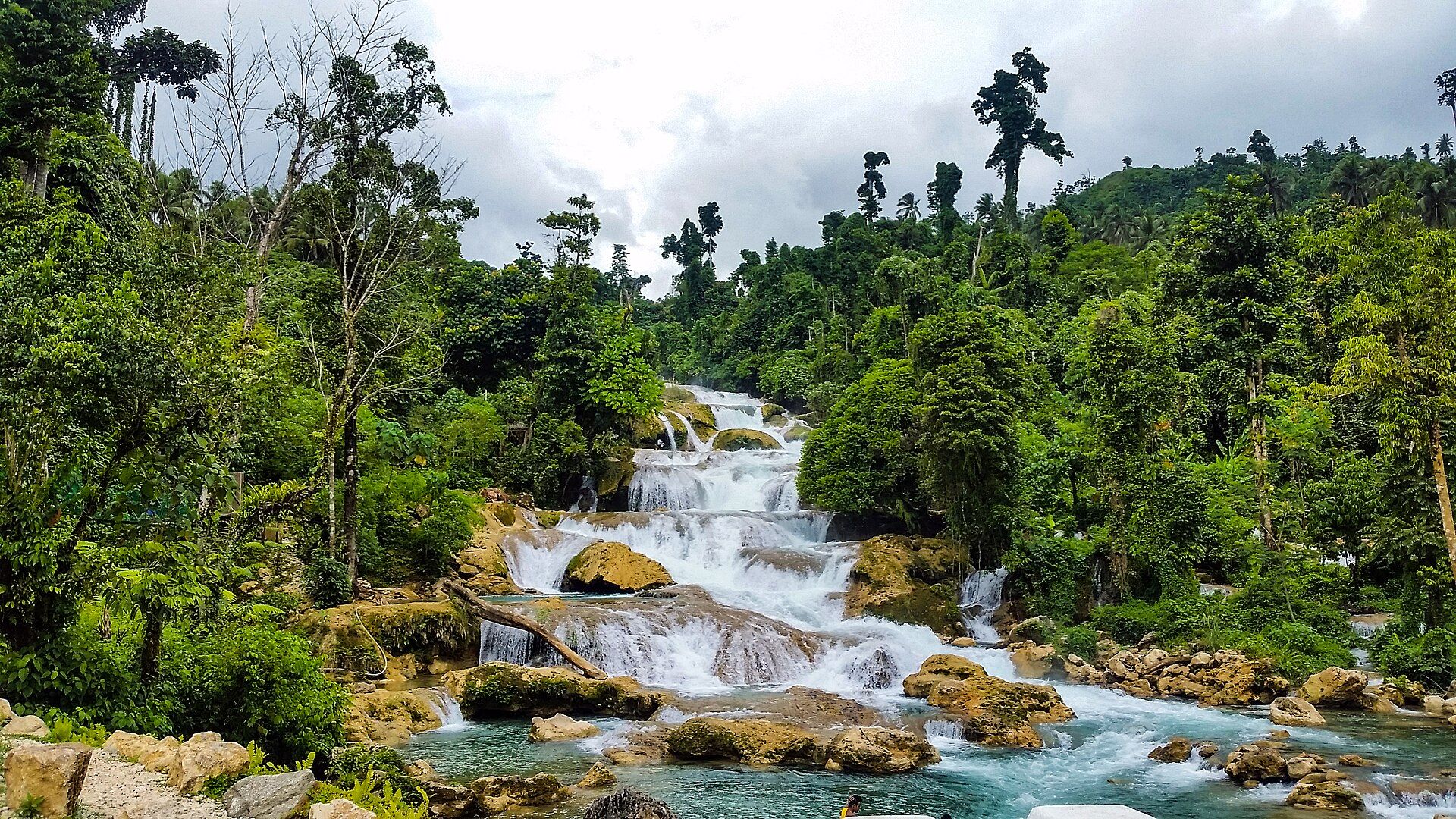
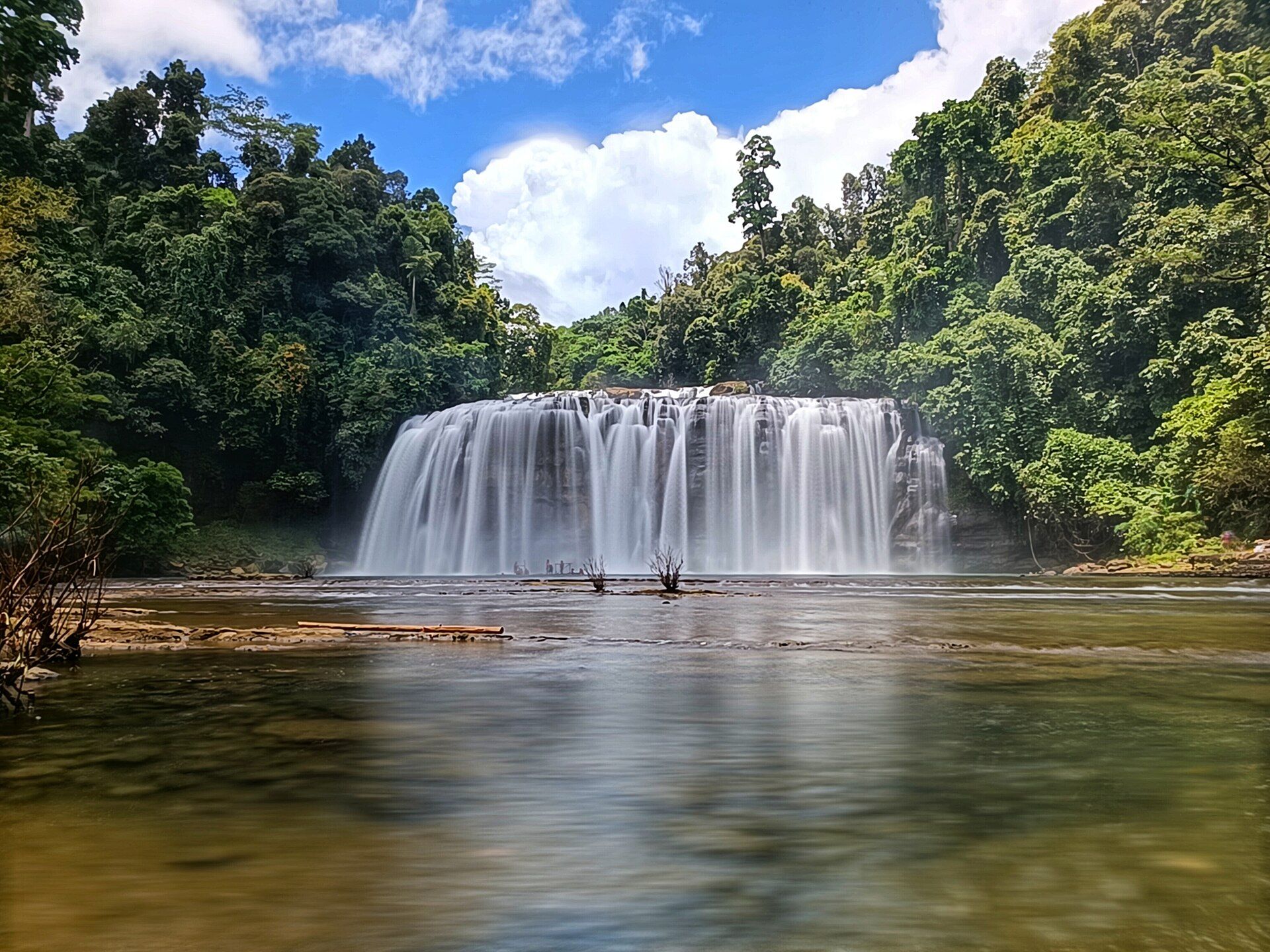
A towering 'stairway' waterfall in eastern Mindanao where the Cateel River tumbles down a long series of cascades — often described as a natural staircase of dozens of tiers dropping through rainforest.
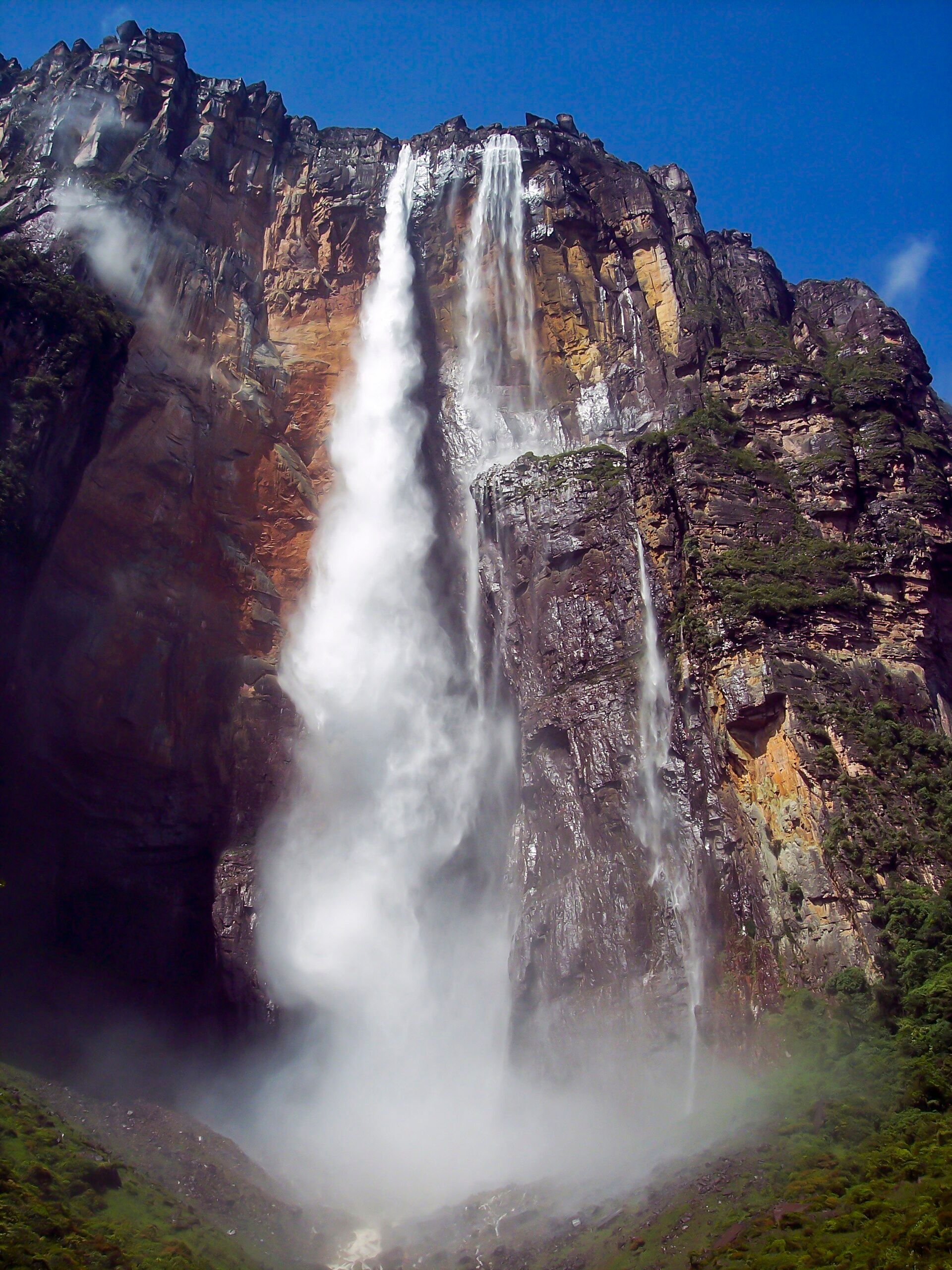
The tallest waterfall on Earth — a ribbon of water that plunges 979 metres from the rim of a flat-topped tepui, so high it dissolves into mist long before it reaches the ground.
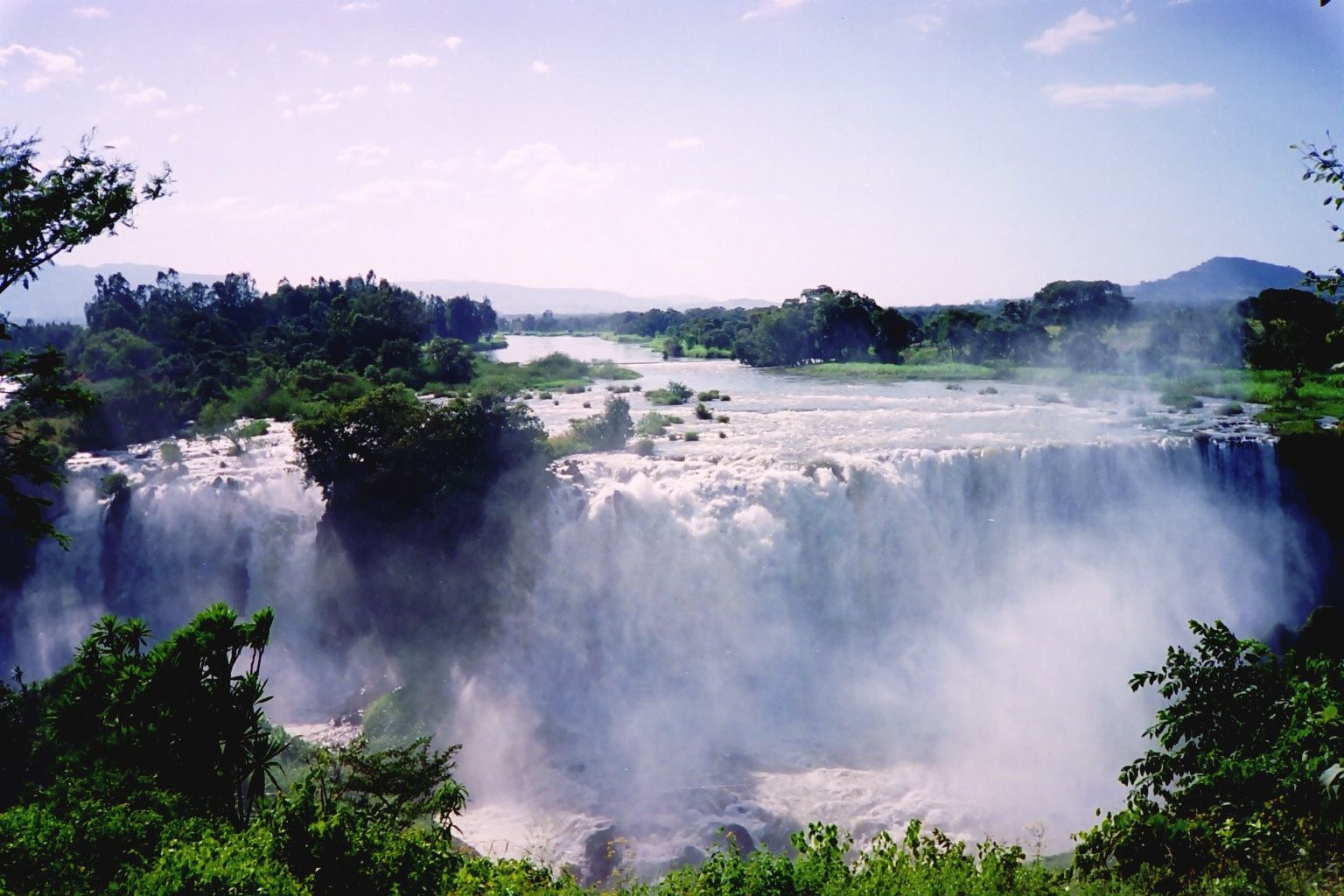
'The Great Smoke' — a broad curtain of water thundering off the Ethiopian plateau near the source of the Blue Nile, throwing up mist and rainbows in the rainy season.
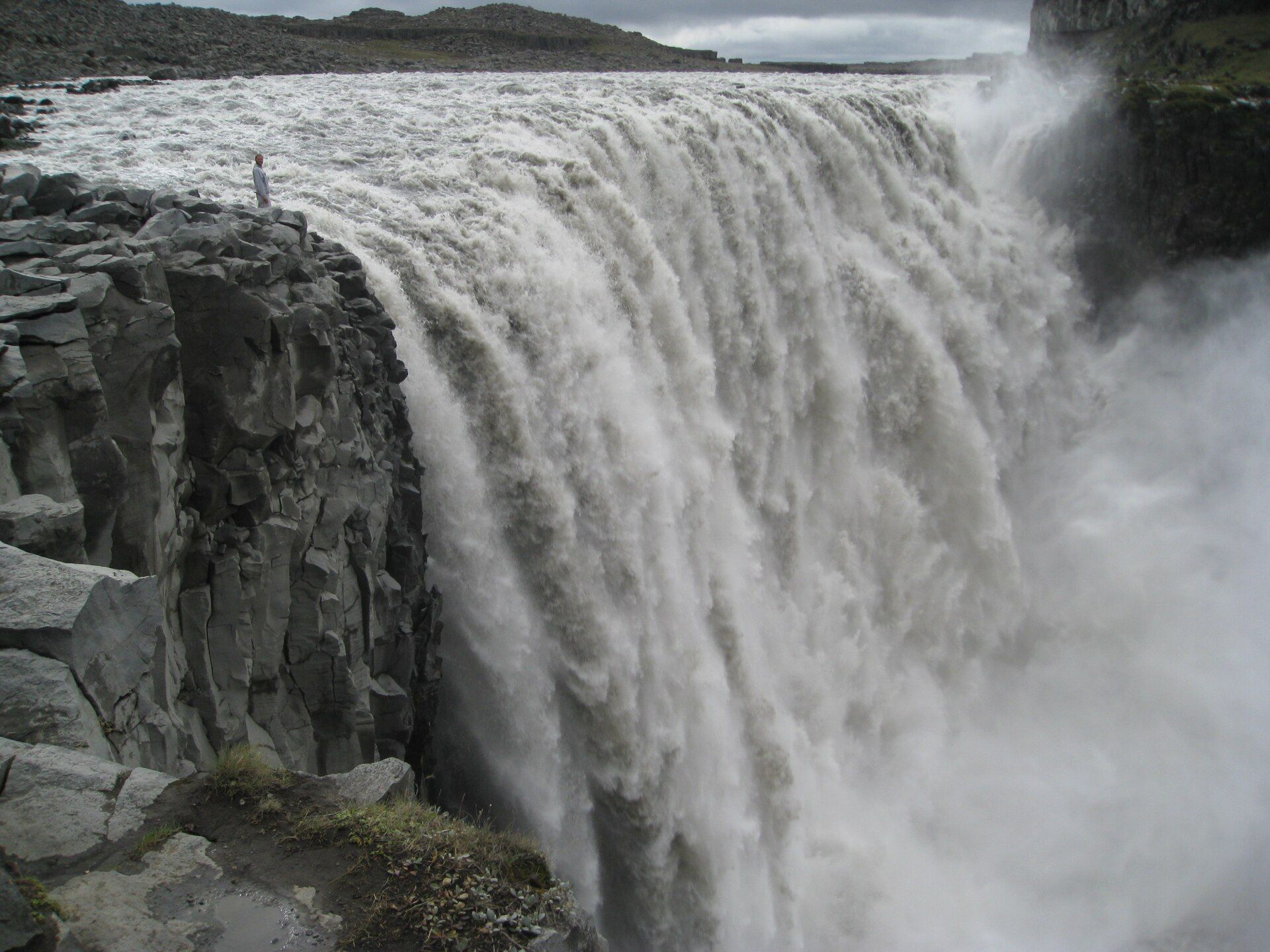
Jökulsárgljúfur, Vatnajökull National Park, Northeast Iceland
Often called the most powerful waterfall in Europe — a grey glacial river hurling itself 44 metres into a black canyon, 100 metres wide and so loud the ground shakes and spray drifts for hundreds of metres.
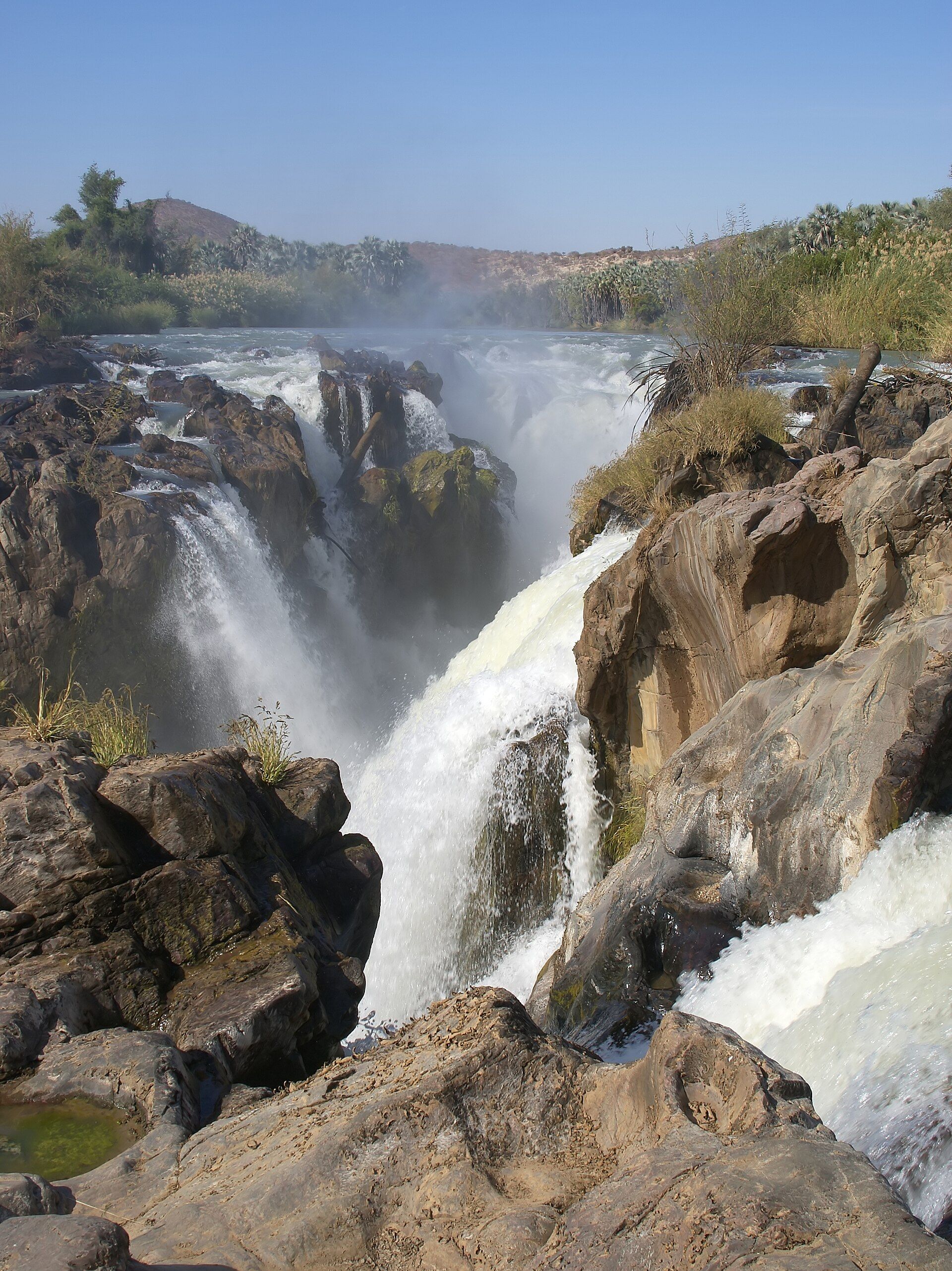
A wide scatter of waterfalls where the Kunene River breaks over rock on the remote Angolan border — braided channels tumbling among baobabs and palms in one of the least-visited corners of Namibia, and Himba homeland.
A seven-tiered waterfall tumbling through jungle into a chain of emerald-green pools, each one held back by natural travertine dams that the stream builds as it flows.
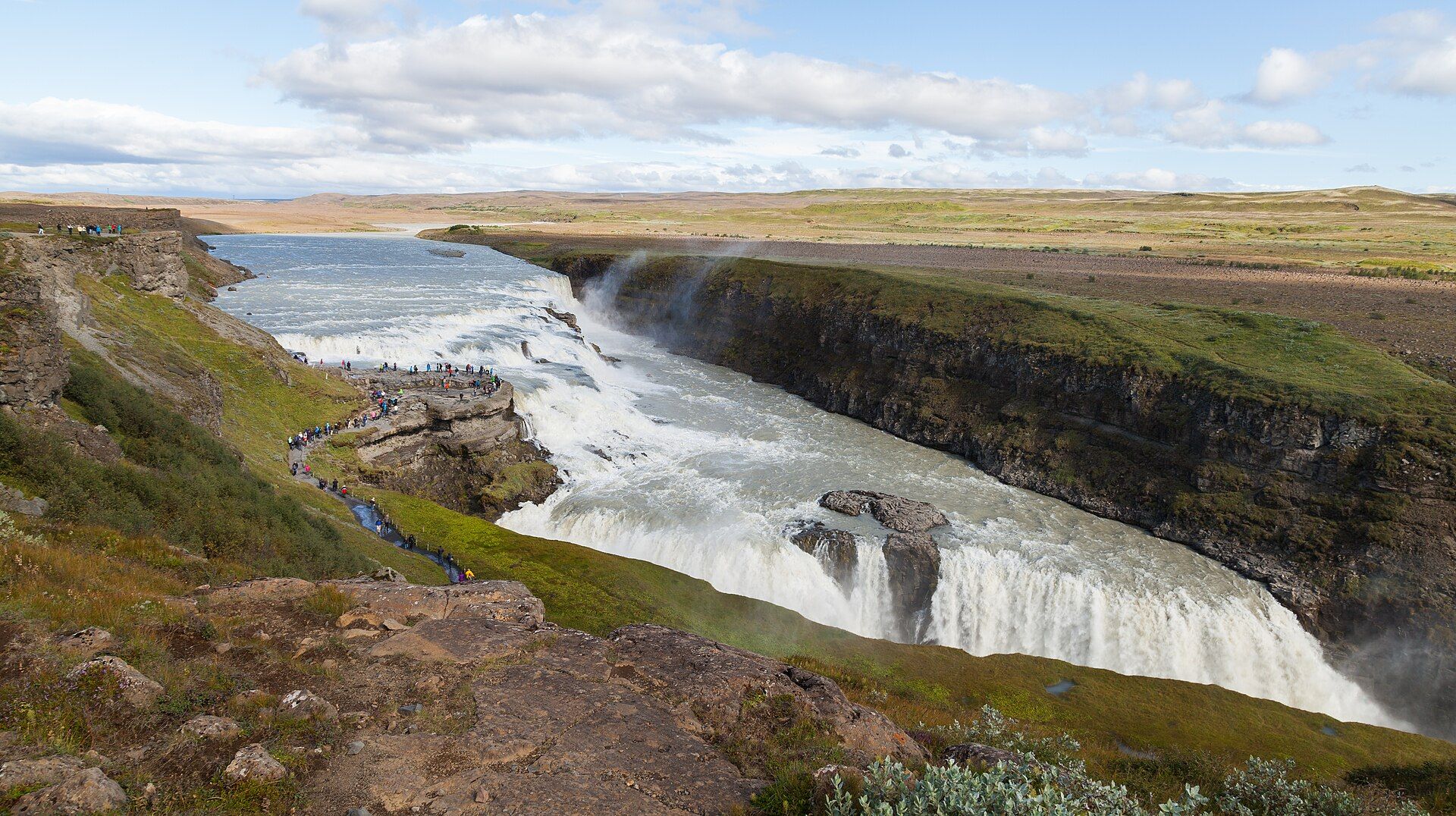
Iceland's most famous waterfall — the glacial Hvítá river plunges in two dramatic stepped tiers into a rugged canyon, throwing up spray that catches the sun in near-constant rainbows.
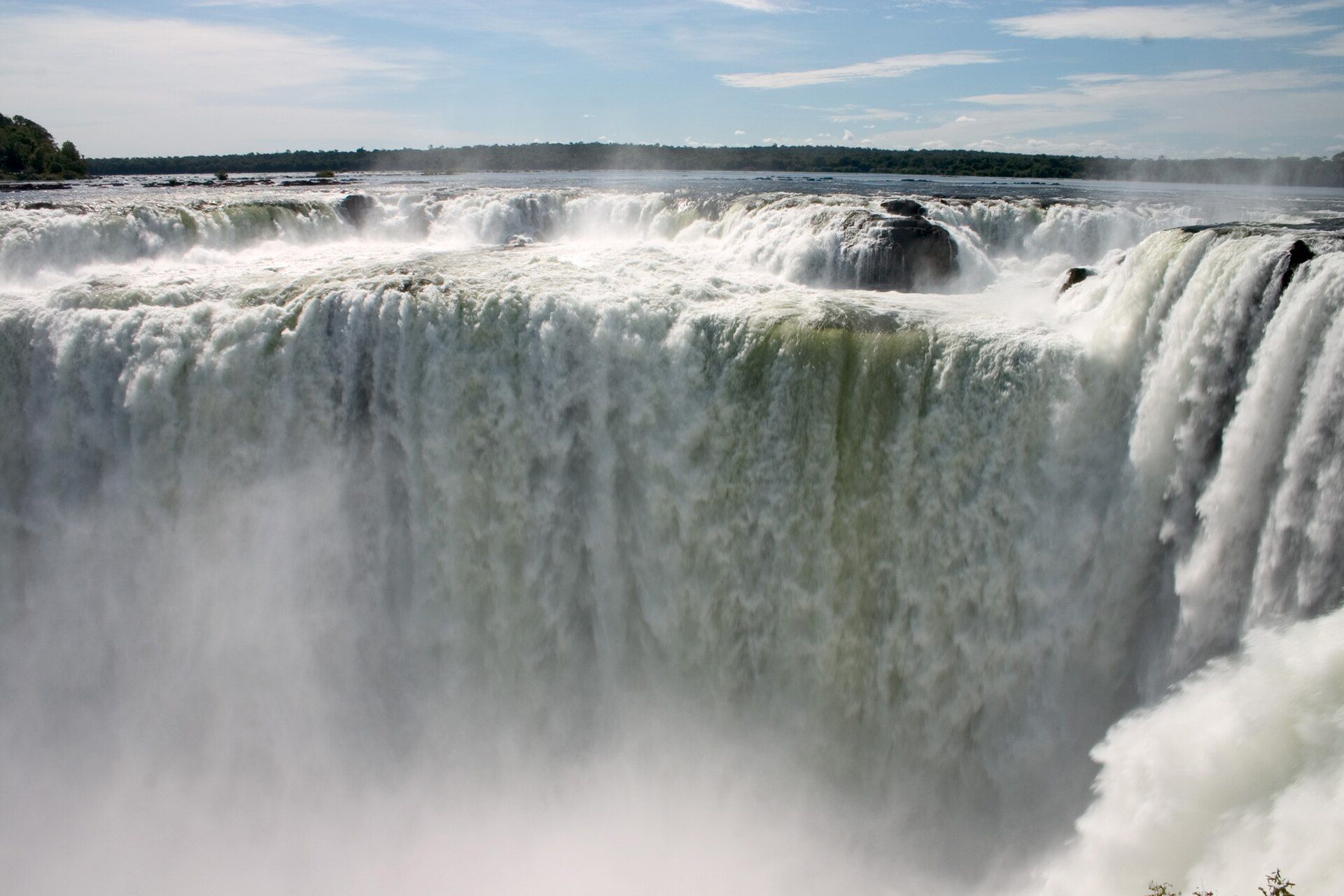
A thundering wall of water on the Brazil–Argentina border — hundreds of individual falls spread across nearly three kilometres of jungle, culminating in the vast horseshoe chasm of the Devil's Throat.
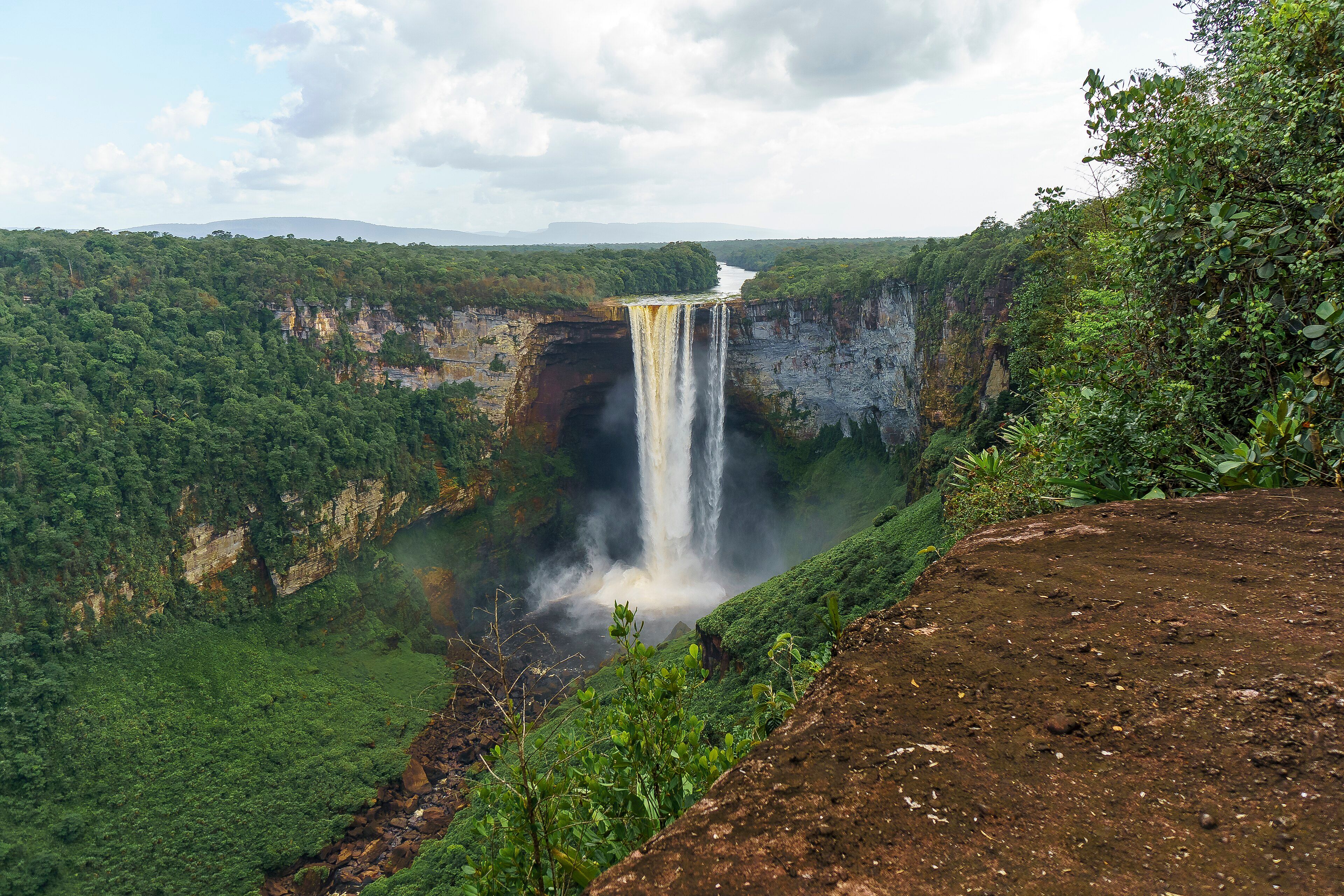
Kaieteur National Park, Potaro-Siparuni, central Guyana
A single 226-metre drop of the Potaro River into rainforest gorge — roughly five times the height of Niagara, carrying enough water to make it one of the most powerful waterfalls on Earth, and with almost nothing built around it.
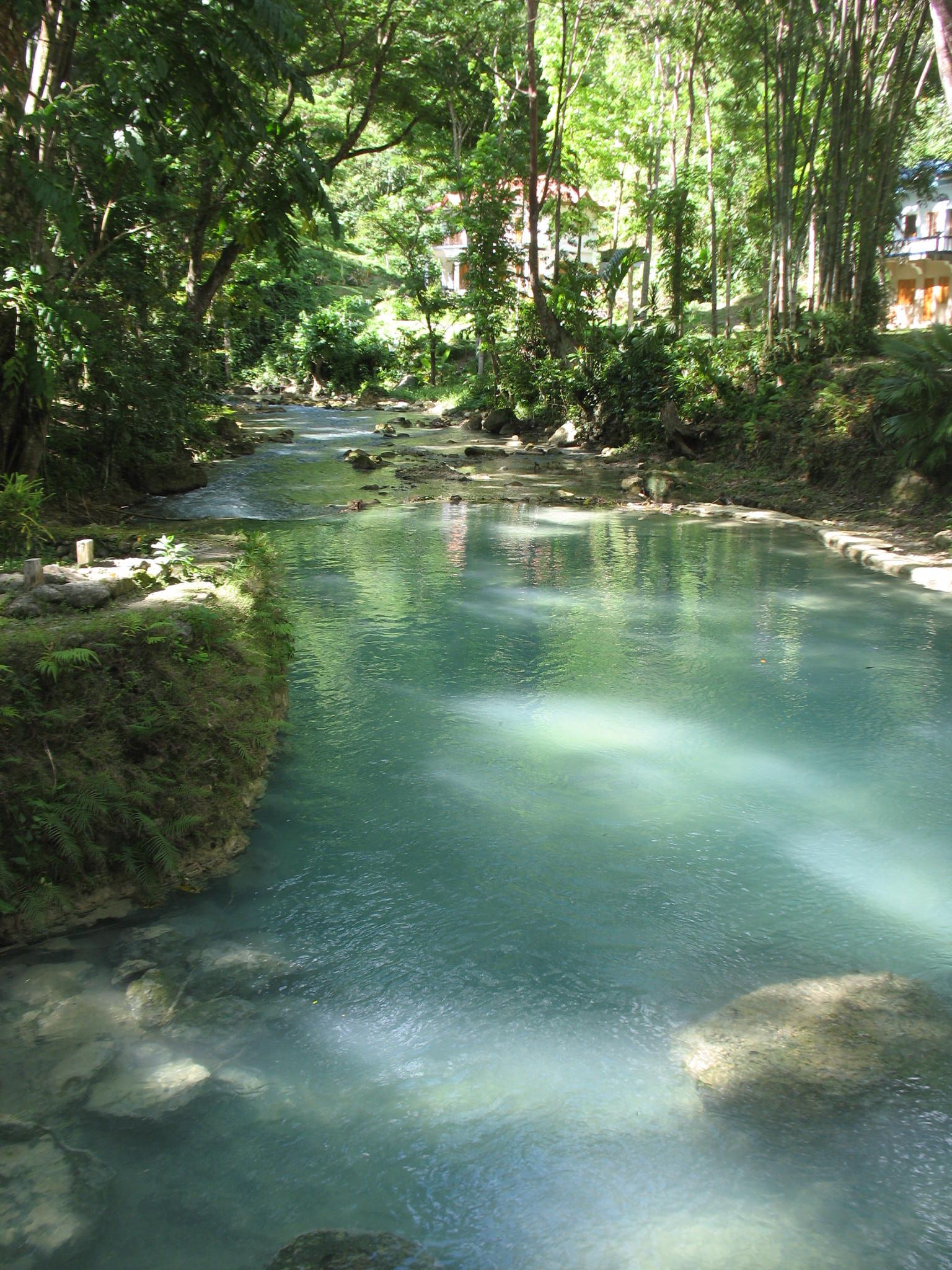
A tiered waterfall in southern Cebu whose pools glow an almost unreal turquoise — the colour a gift of the limestone the spring-fed river runs through on its way to the sea.
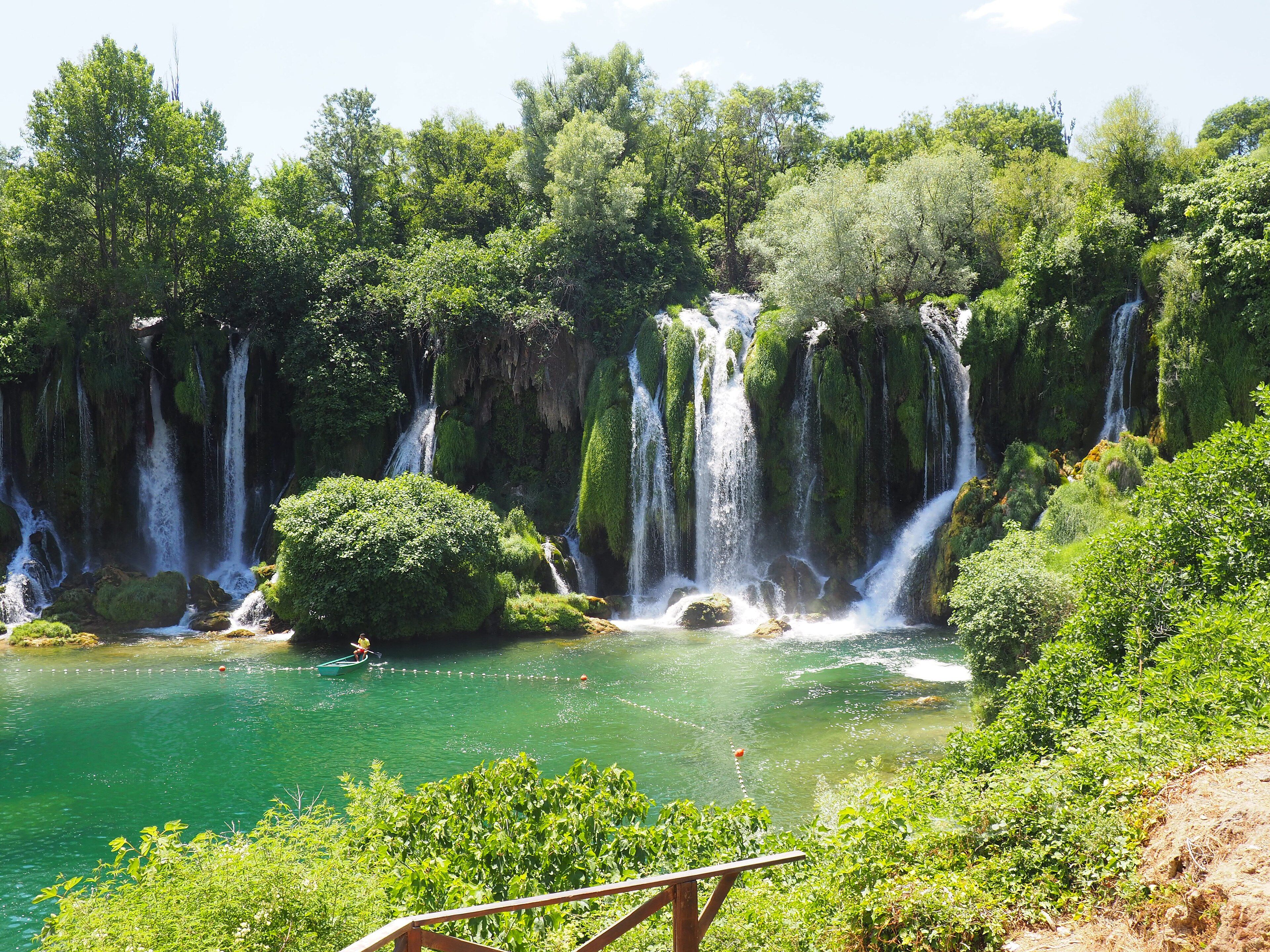
Trebižat River, near Ljubuški, Herzegovina, Bosnia and Herzegovina
A 25-metre curtain of water spread across an amphitheatre of moss and living rock in the karst of Herzegovina — a waterfall that is still building itself out of the river it carries.
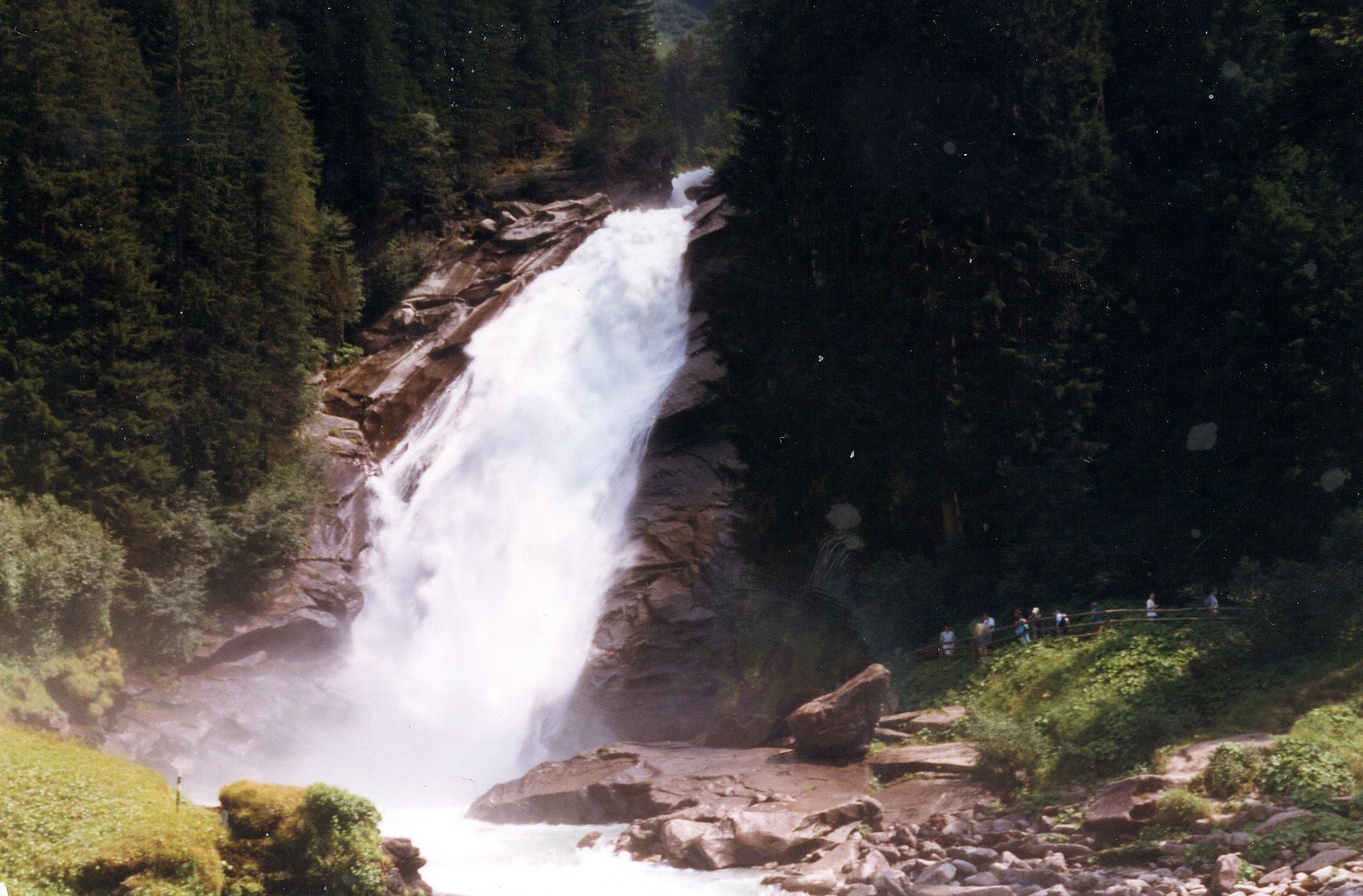
Austria's highest waterfall and the tallest in Europe — the Krimmler Ache river thrown 380 metres down the mountainside in three great tiers, roaring through pine forest in the High Tauern National Park.
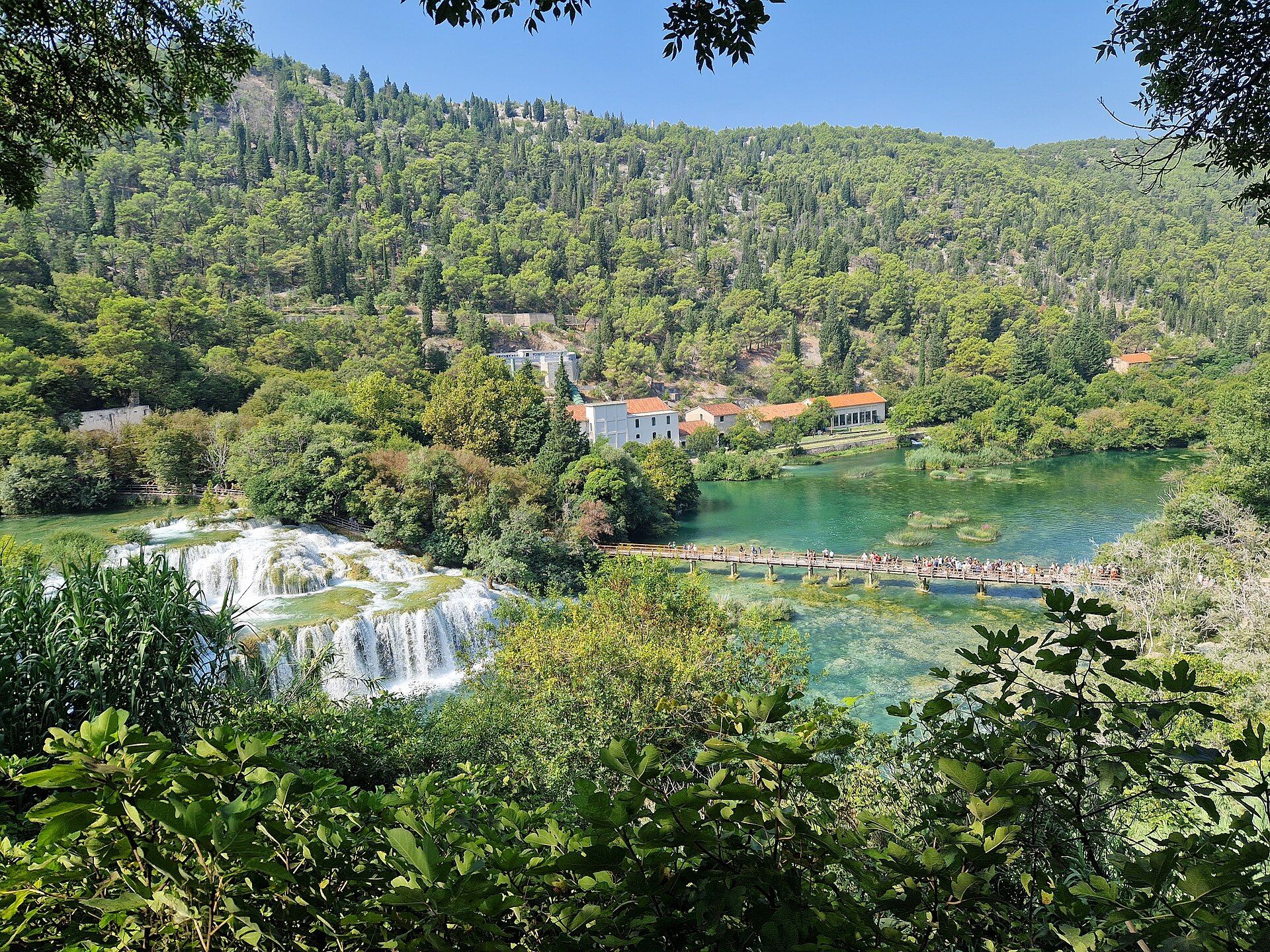
A Dalmatian river that builds its own waterfalls — the Krka lays down travertine barriers of living rock as it flows, culminating in Skradinski Buk, a broad staircase of cascades tumbling over seventeen natural steps.
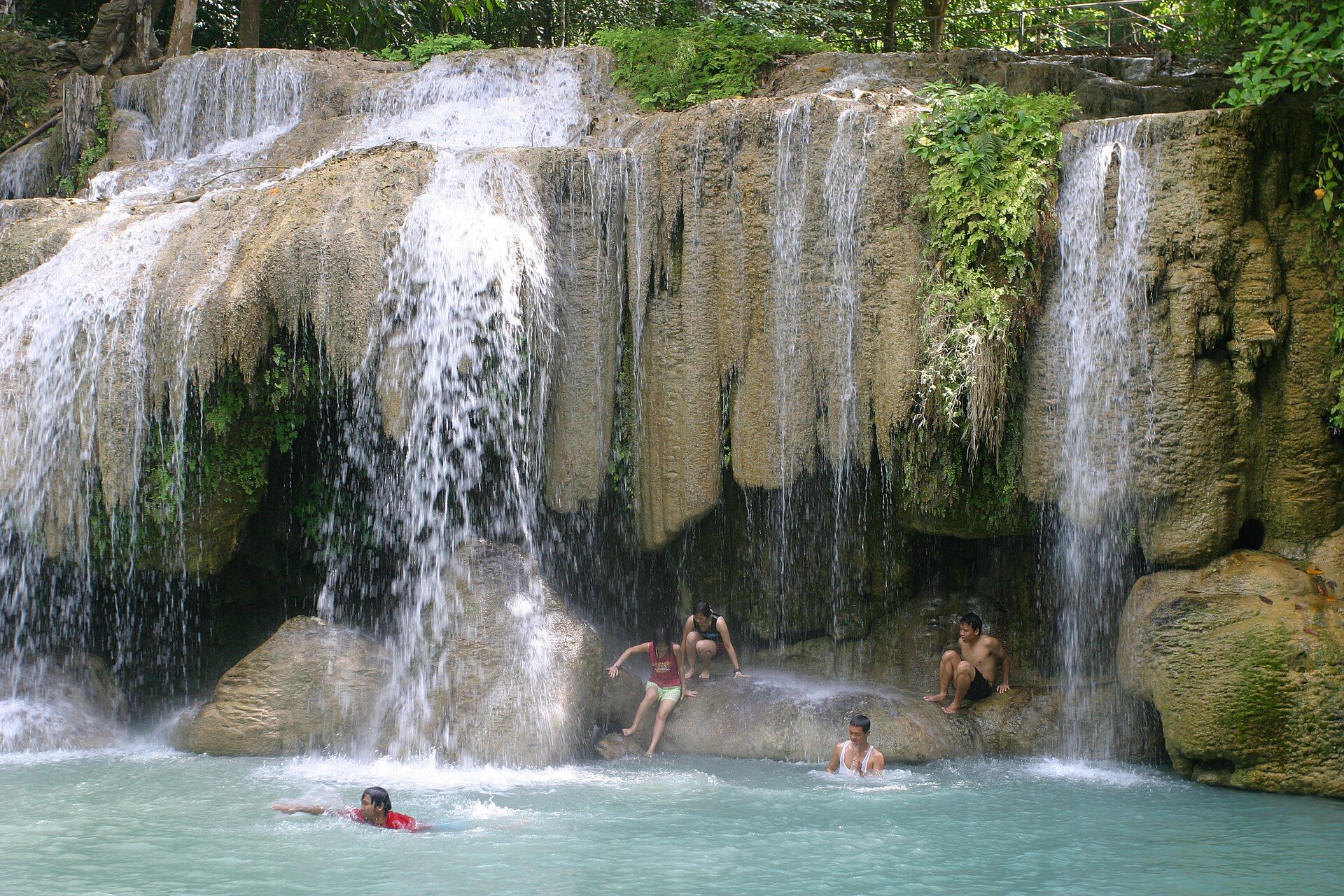
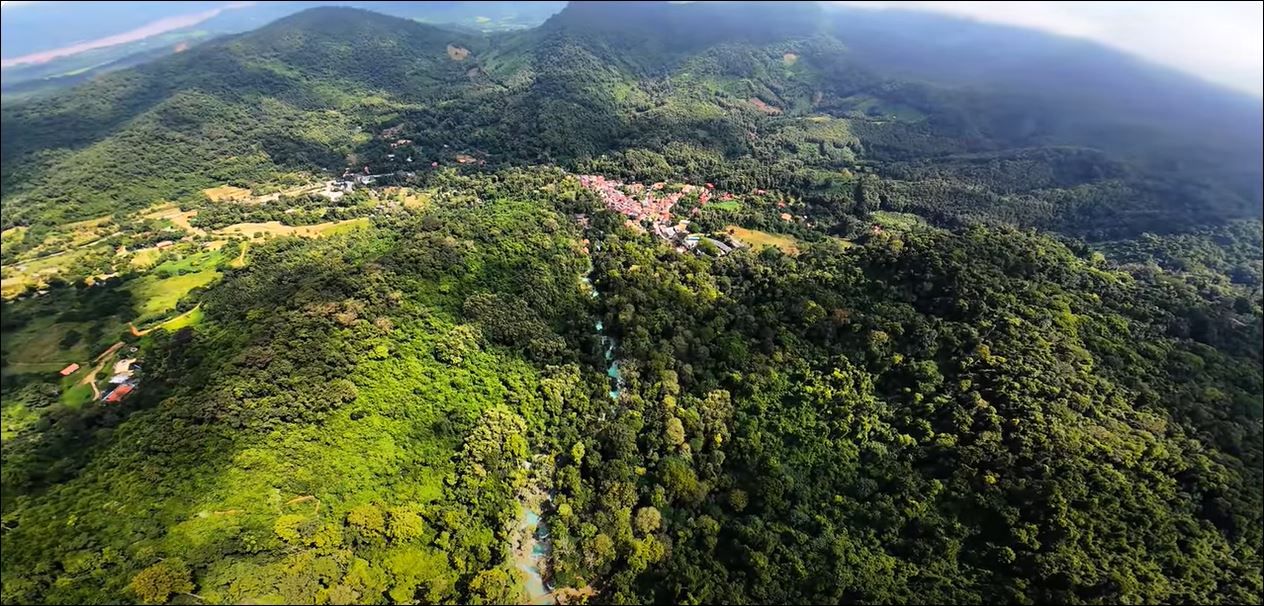
A three-tiered jungle waterfall near Luang Prabang that spills over pale travertine into a staircase of impossibly turquoise pools, cool and clear enough to swim in.
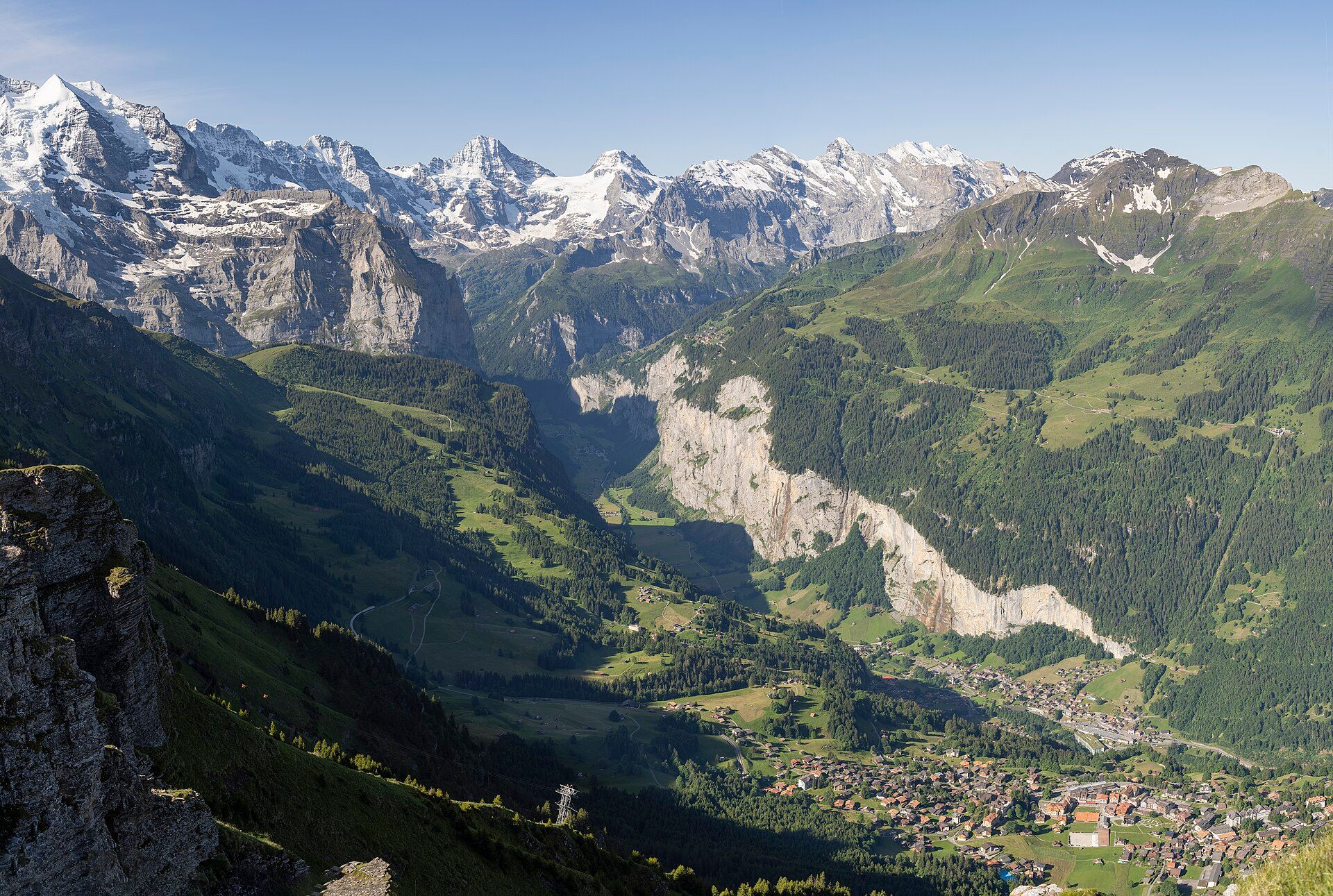
A glacier-carved Alpine valley walled by sheer cliffs down which seventy-two waterfalls pour — including the free-falling Staubbach and the thundering Trümmelbach inside the mountain.
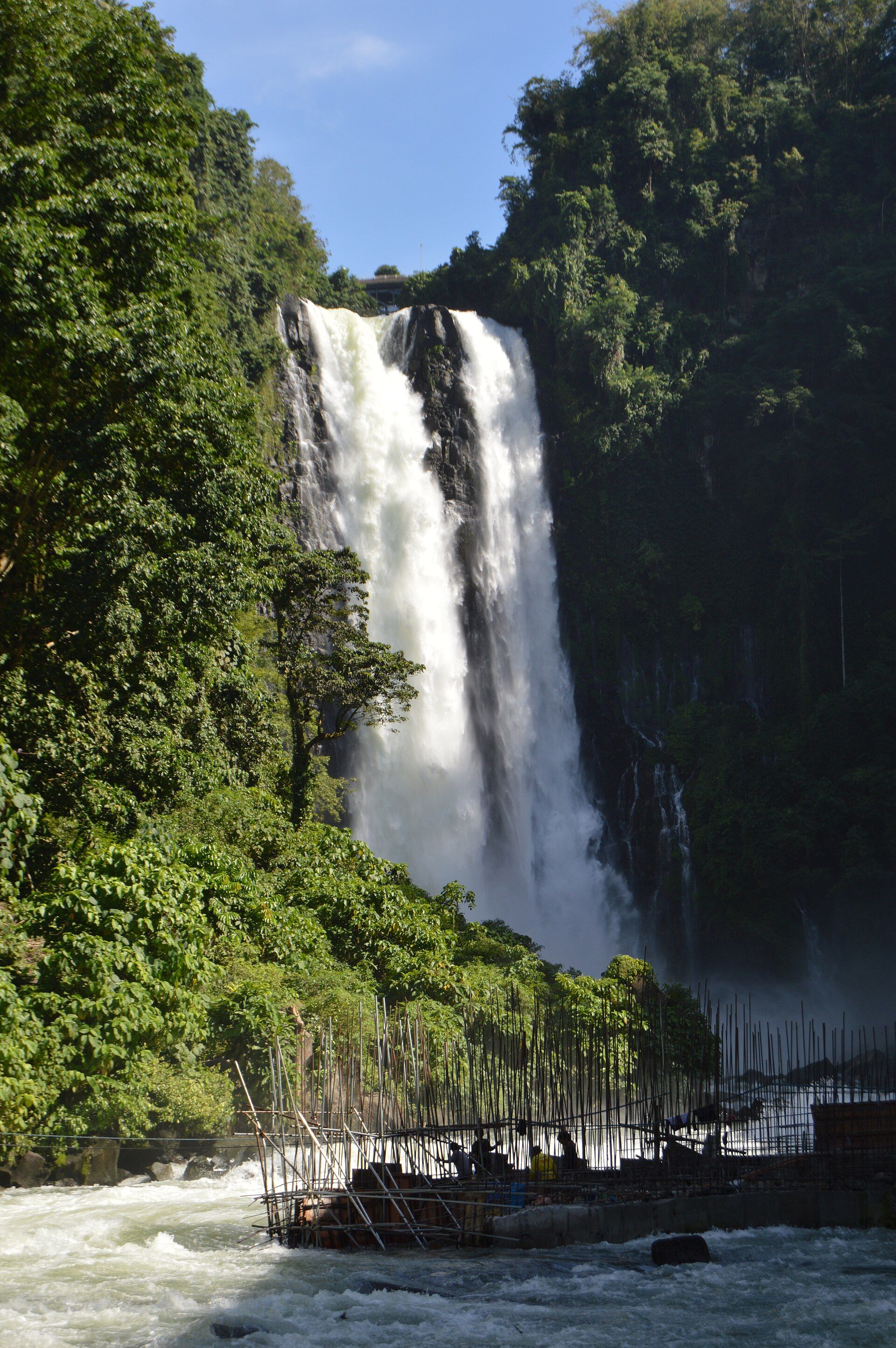
A powerful twin waterfall on the Agus River — nearly 100 metres of thundering white water that both dazzles visitors and drives a hydroelectric plant powering much of Mindanao.
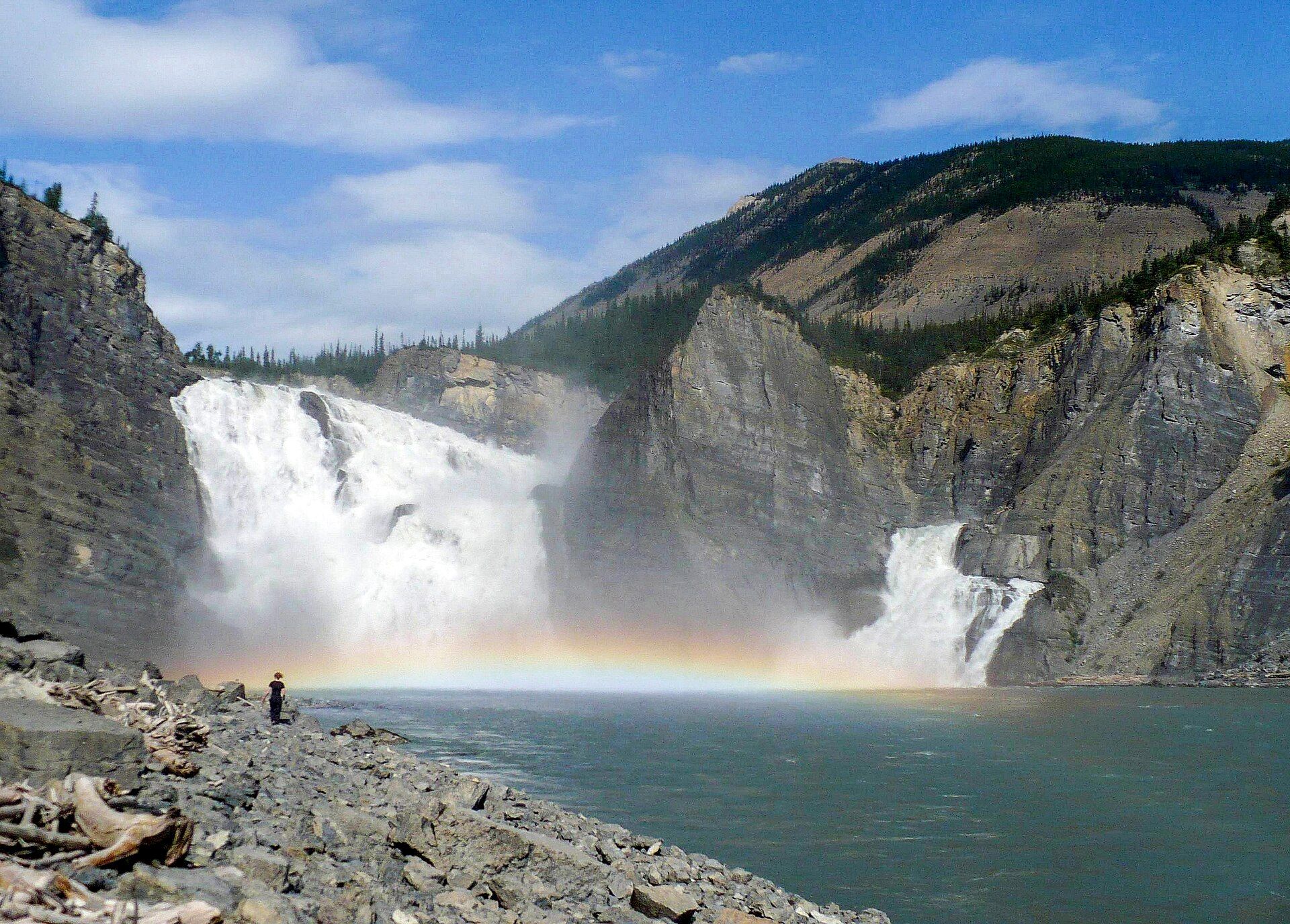
A remote subarctic wilderness of deep river canyons, hot springs, and Virginia Falls — a thundering cataract twice the height of Niagara — reachable only by float plane or canoe deep in Canada's north.
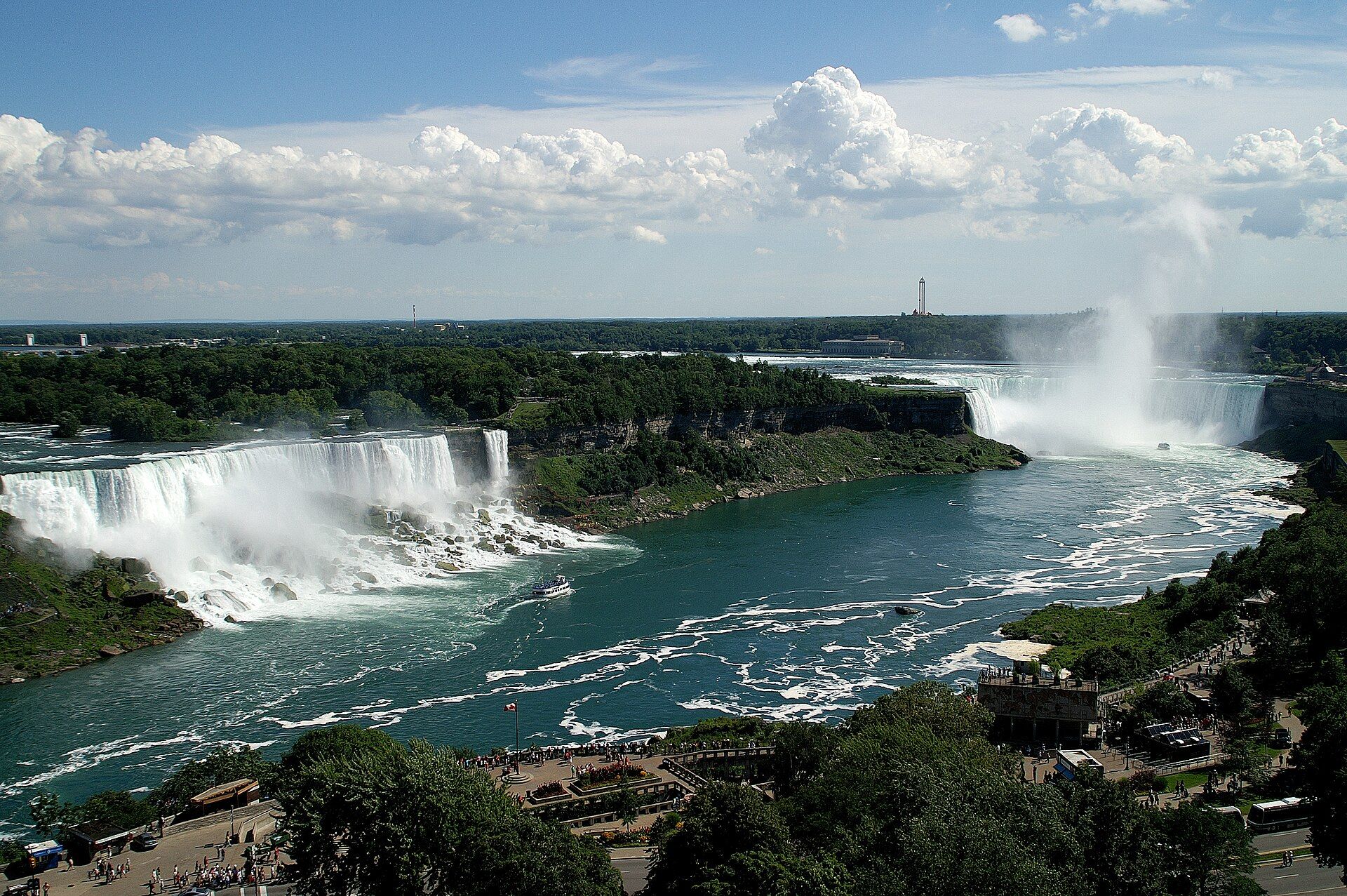
Not the tallest falls, but among the most powerful on Earth — three waterfalls on the Niagara River between the Great Lakes, where a colossal volume of water plunges over a cliff in a permanent roar of mist.
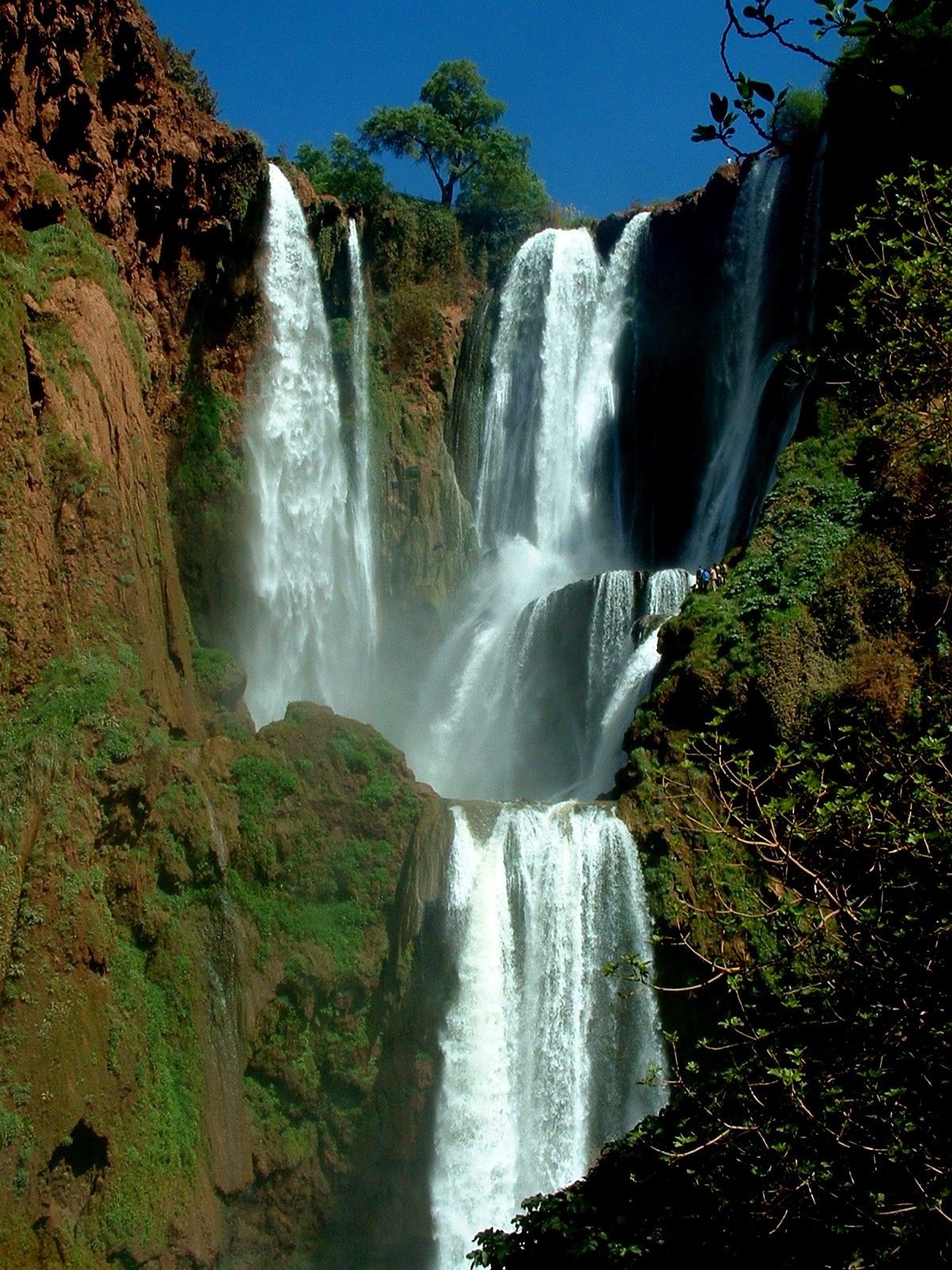
North Africa's tallest waterfall — a 110-metre triple cascade tumbling over red cliffs into a green river gorge in the Middle Atlas, wreathed in rainbows, olive groves and wild Barbary macaques.
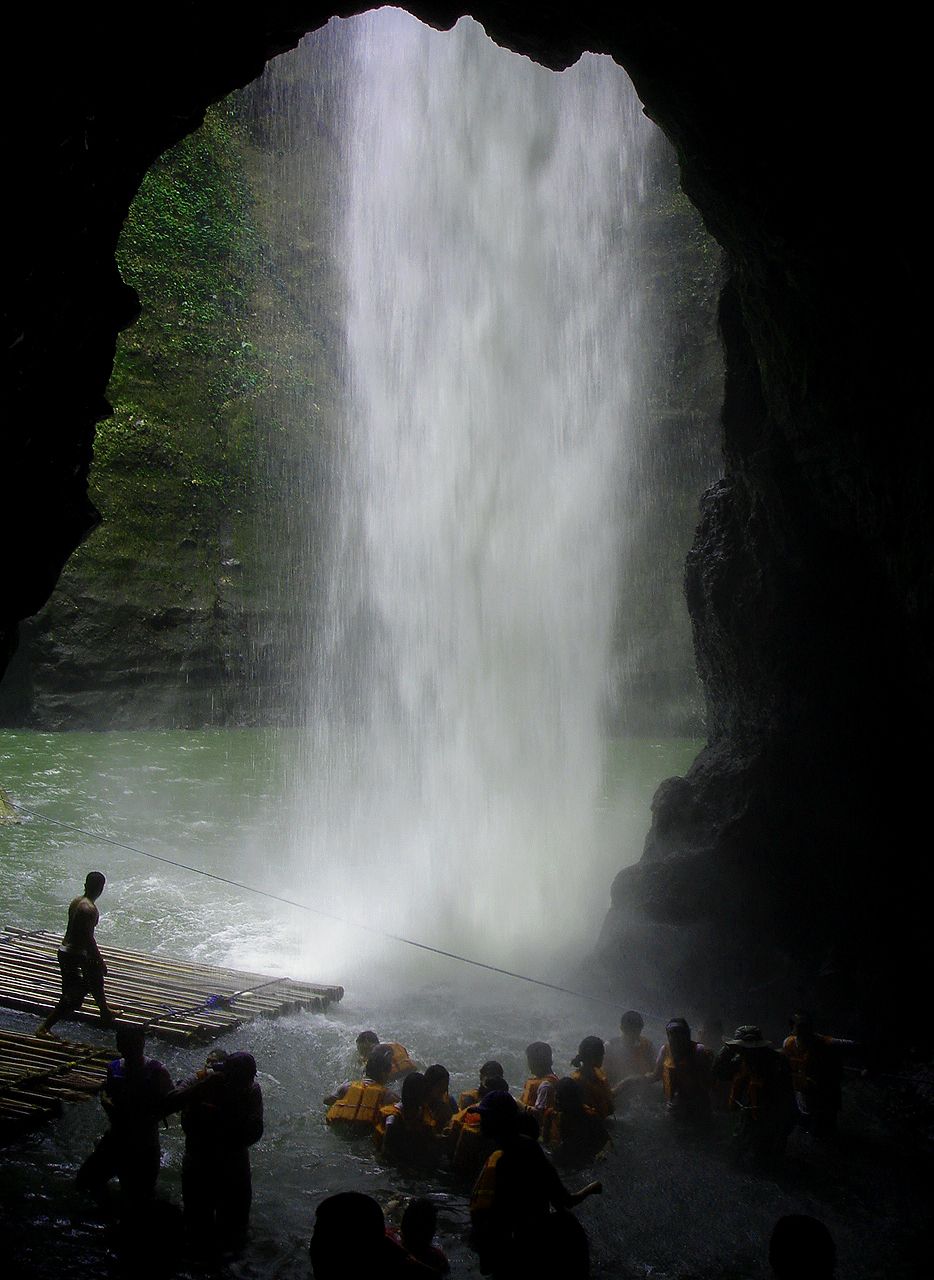
One of Luzon's most famous waterfalls, reached by a thrilling paddled canoe journey up a gorge of jungle cliffs and rapids — where skilled boatmen 'shoot the rapids' back downstream.
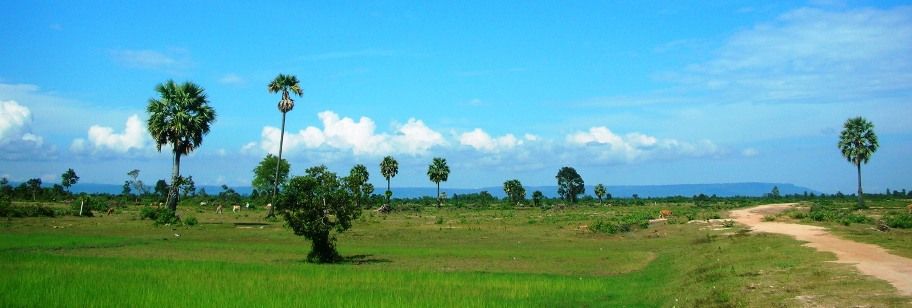
A forested sandstone plateau northeast of Angkor where a wide waterfall pours into jungle pools, and the riverbed upstream is carved with a thousand ancient sculptures beneath the flowing water.
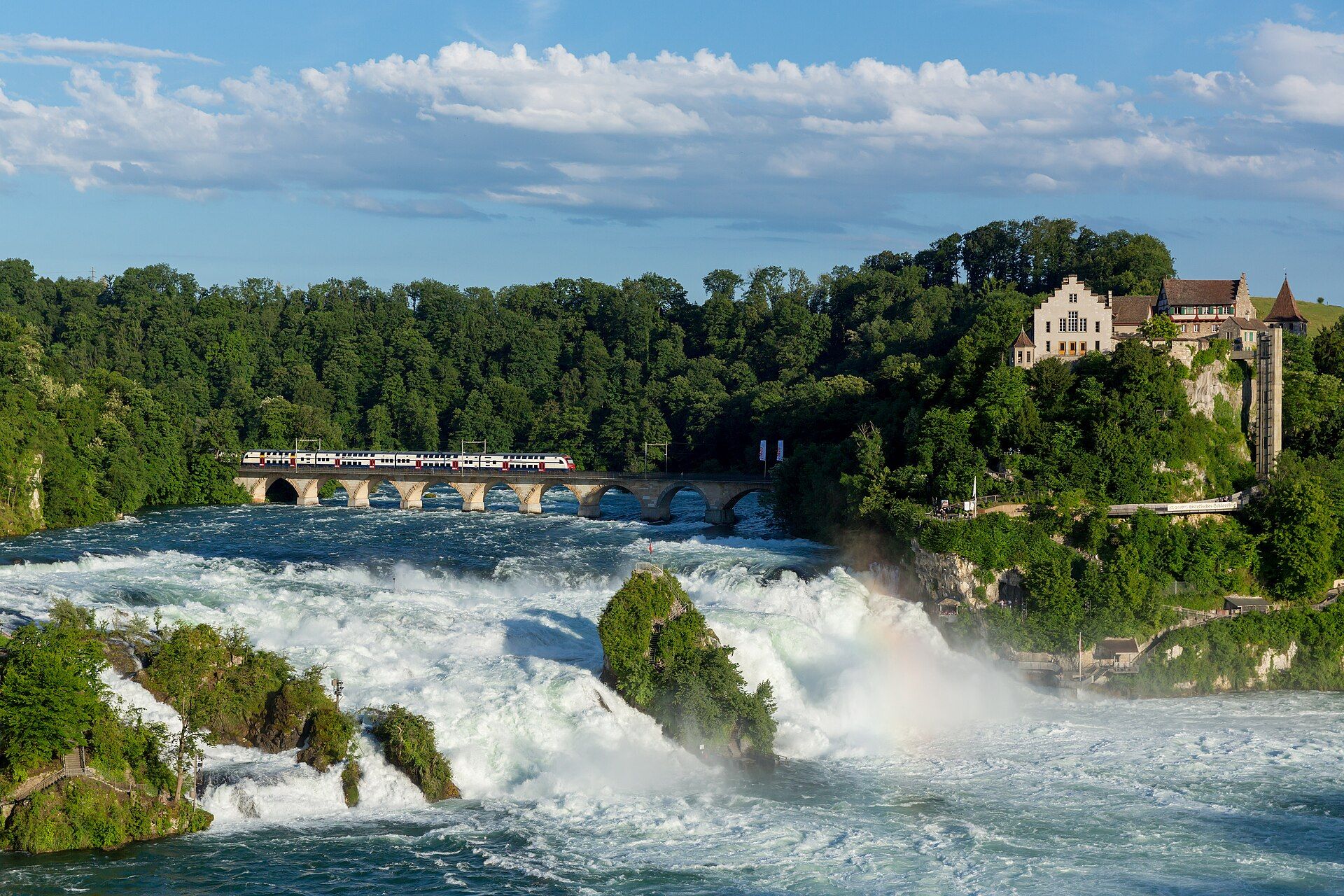
The largest waterfall in Europe by volume — 150 metres of the Rhine thundering over a 23-metre ledge around a rock pinnacle you can climb, in a green gorge below a hilltop castle.
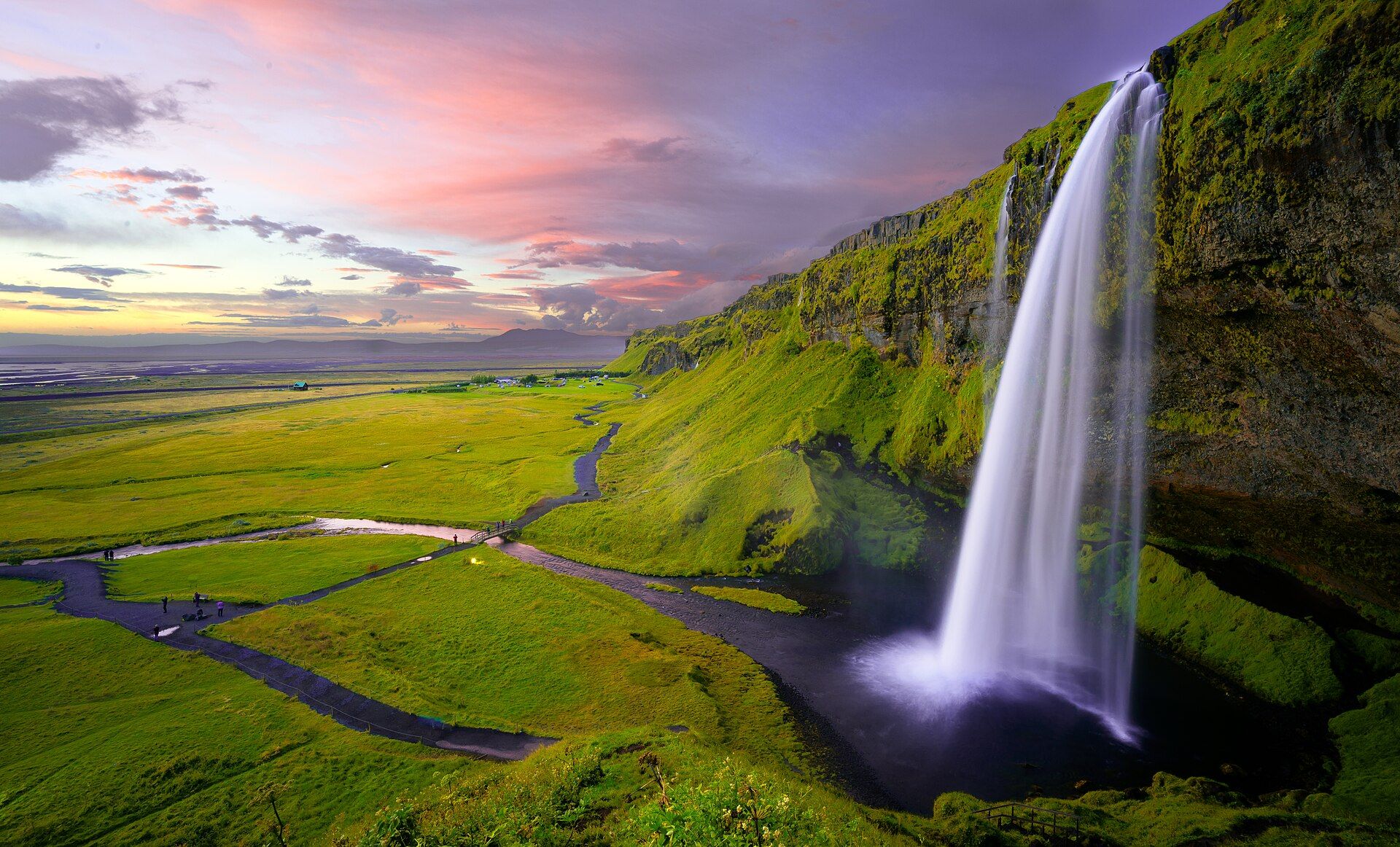
The waterfall you can walk behind — a slender 60-metre ribbon on the Seljalandsá river, fed by the Eyjafjallajökull ice cap, dropping over a former sea cliff into a mossy amphitheatre with a footpath that loops right around behind the falling water.
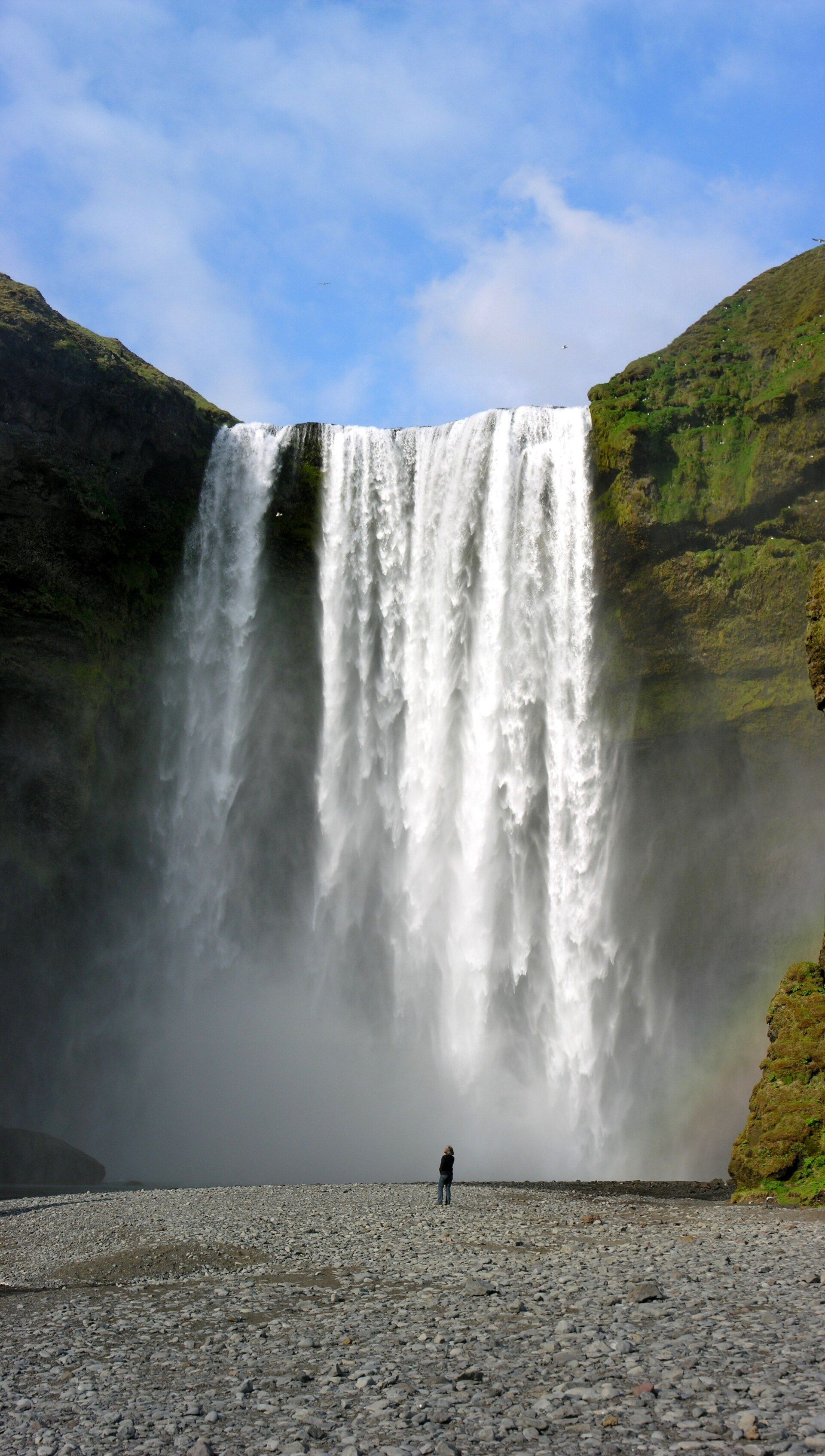
One of Iceland's biggest and best-loved waterfalls — a 60-metre curtain about 25 metres wide on the Skógá river, dropping over what was once a sea cliff and throwing up so much spray that a rainbow hangs in front of it on almost any sunny day.
Skaftafell, Vatnajökull National Park, South Iceland
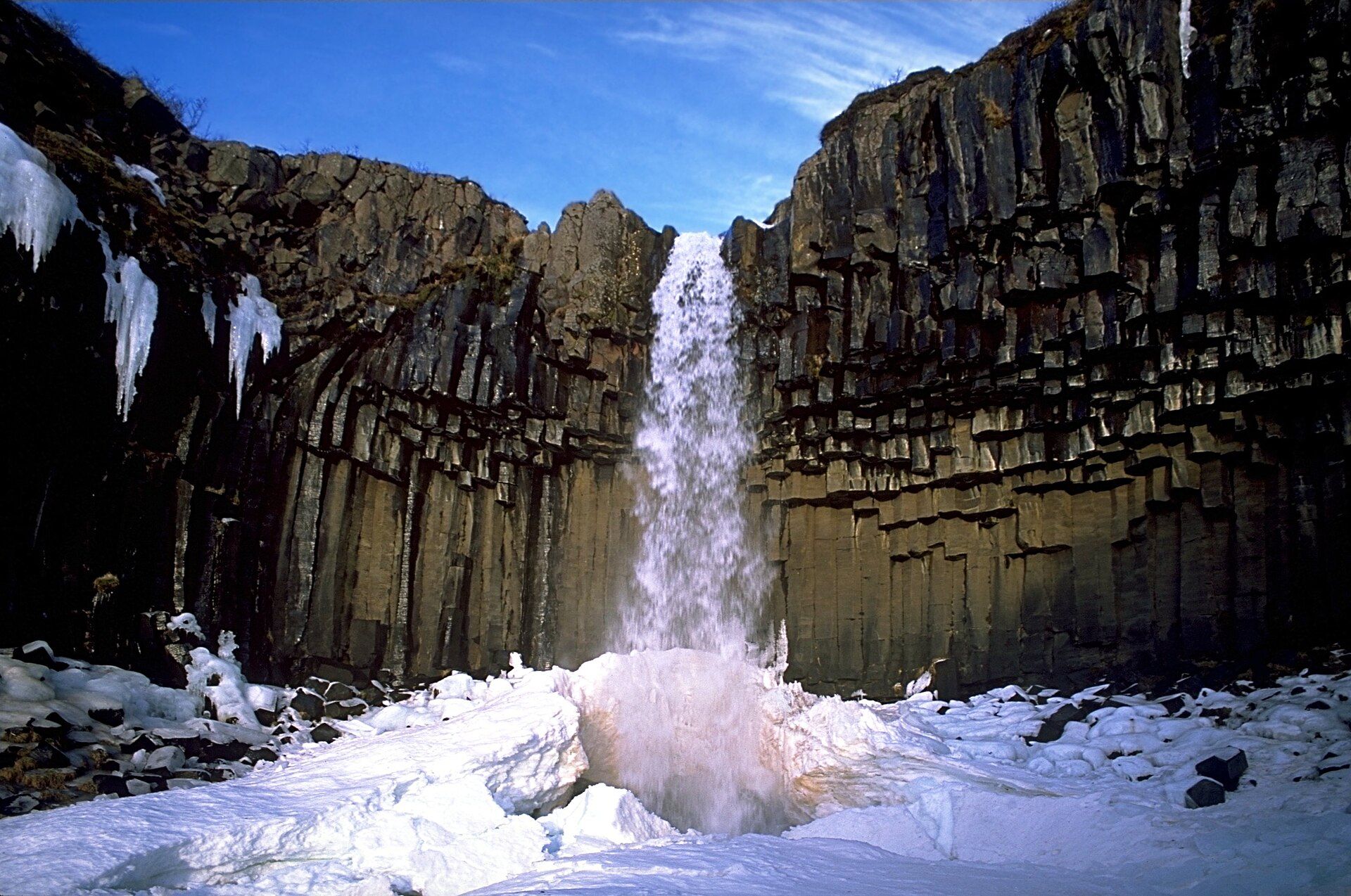
The 'Black Falls' — a slender 20-metre waterfall in Skaftafell framed by a wall of dark, hexagonal basalt columns that hang like organ pipes above the plunge pool, one of the most distinctive waterfalls in Iceland.
A broad, multi-tiered curtain of water often called the 'Niagara of the Philippines' — up to 95 metres wide, spilling in white sheets through the rainforest of eastern Mindanao, frequently crowned by a midday rainbow.
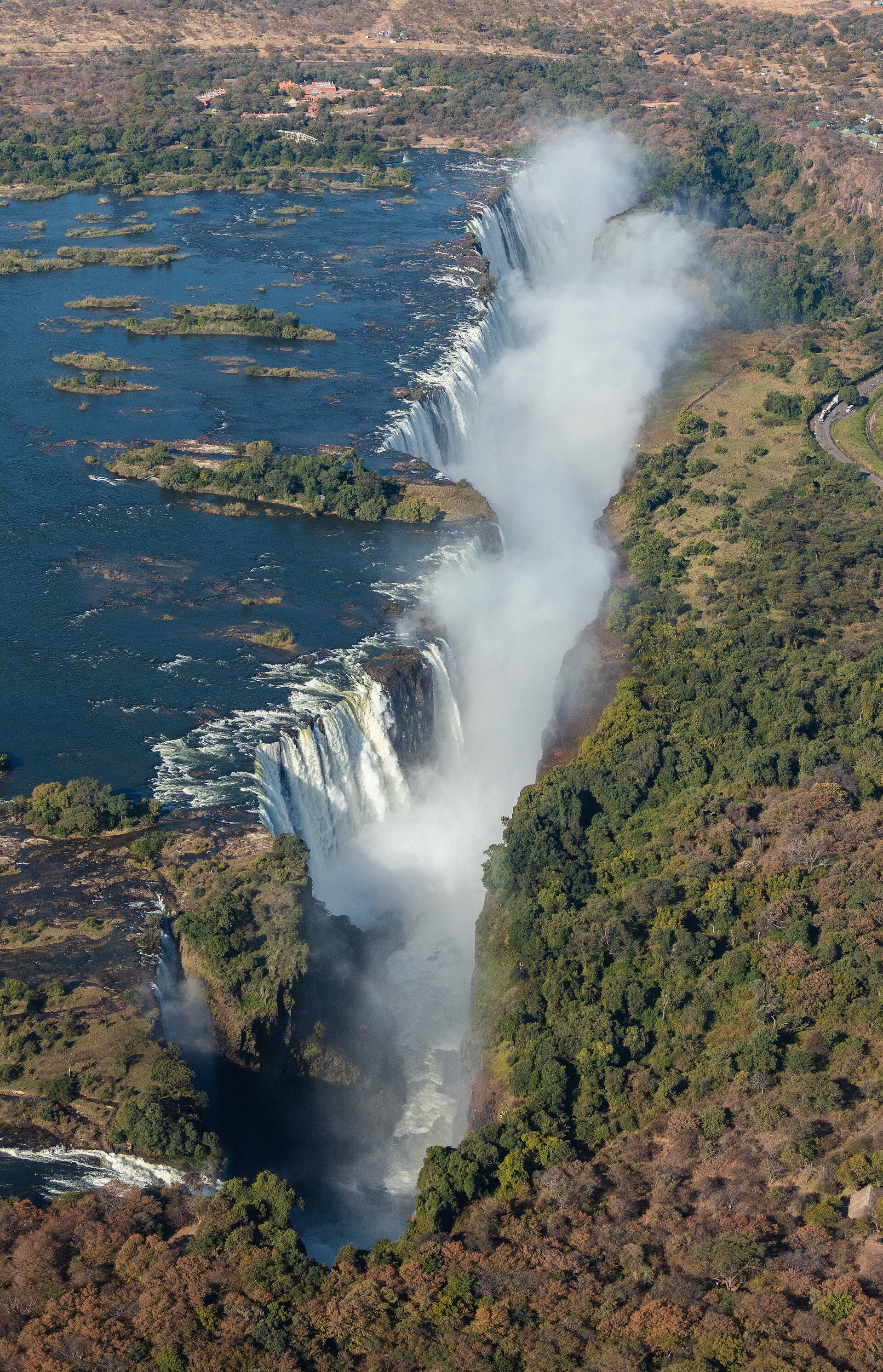
Known locally as Mosi-oa-Tunya, 'the smoke that thunders' — the Zambezi River drops over a 1.7-kilometre-wide precipice to form the largest single sheet of falling water on Earth, wrapped in a self-made rainforest of spray.
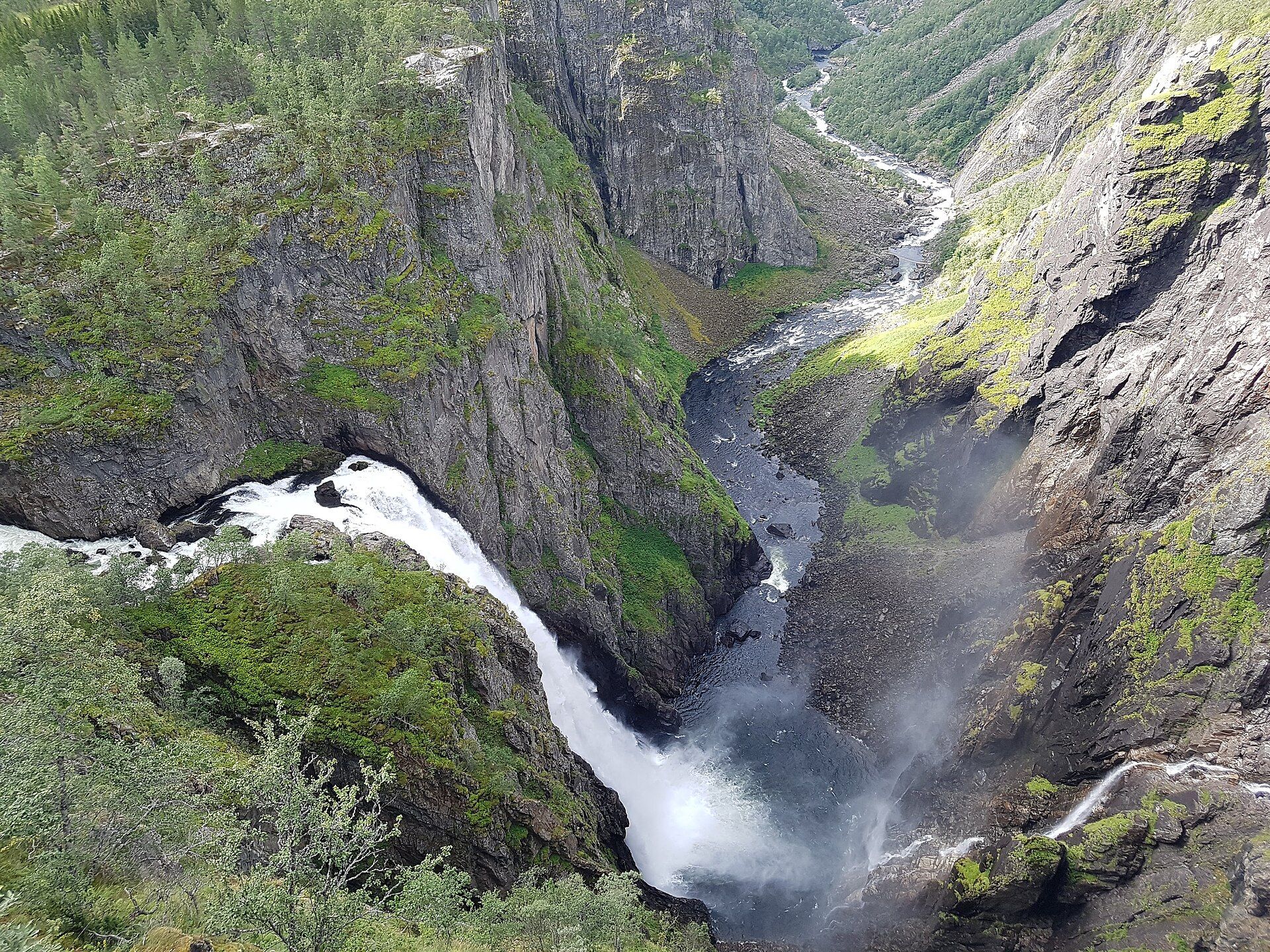
Norway's most celebrated waterfall — a river flung off the edge of the Hardangervidda plateau, dropping around 180 metres into the raw rock gorge of Måbødalen, now ringed by a dramatic stepped bridge and clifftop viewpoints.