The Calanques
📍 Between Marseille and Cassis, Provence, France
A string of steep white-limestone inlets on the Mediterranean coast near Marseille — hidden turquoise coves walled by sun-bleached cliffs, reached on foot or by boat.
What makes it marvelous
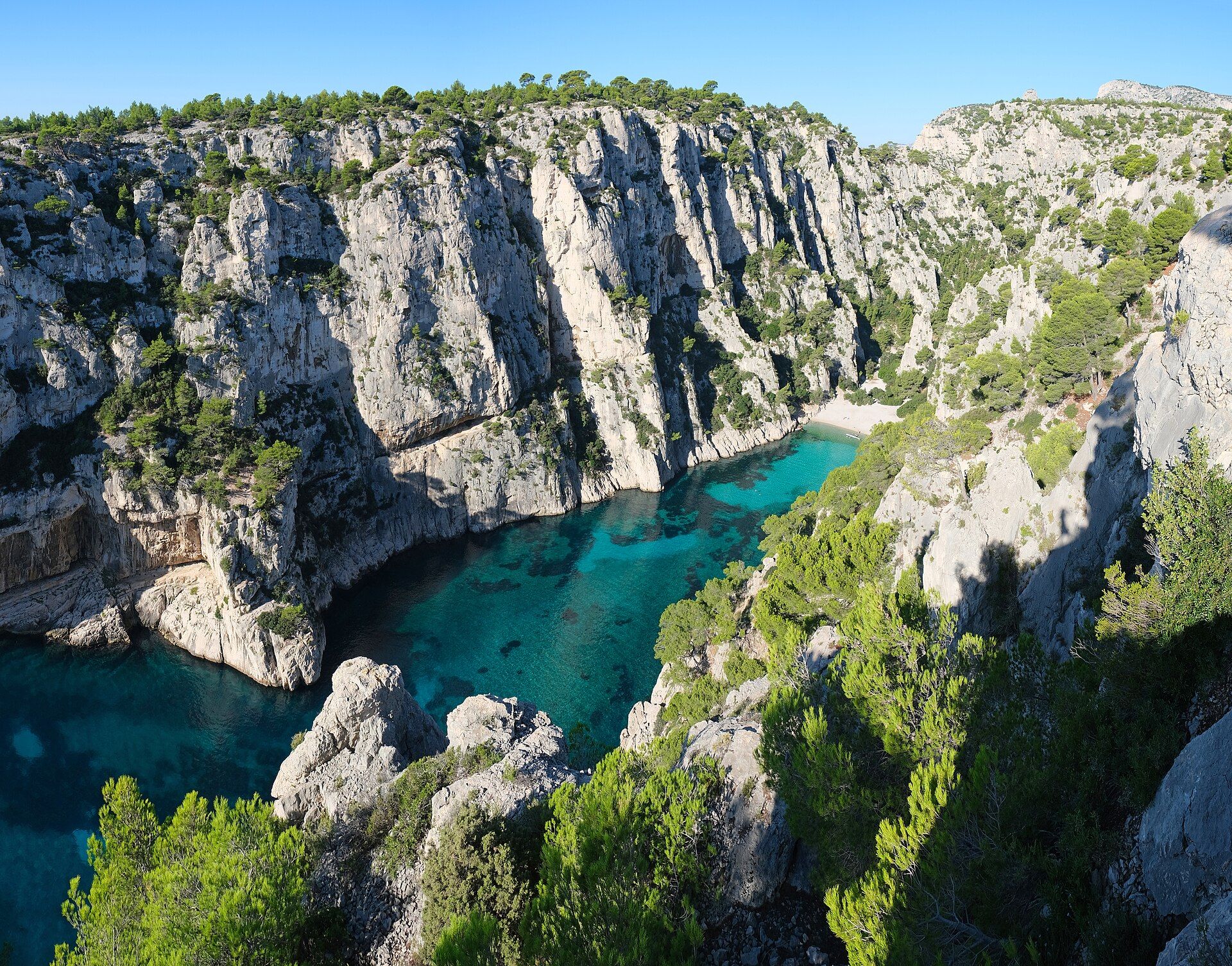
The Calanques are narrow, fjord-like inlets carved into the white limestone coast of Provence, where the sea has flooded steep valleys between towering cliffs. The rock — pale, sun-bleached, and dropping sheer into water of astonishing turquoise and deep blue — was laid down as an ancient seabed and later sculpted by rivers and the sea. Strung along the coast between Marseille and Cassis and protected as a national park, coves like En-Vau, Sormiou, and Port-Pin shelter tiny beaches beneath the cliffs.
Why visit
Hiking the rugged trails from cove to cove, then dropping down to swim in a hidden turquoise inlet framed by white cliffs and pine, is one of the Mediterranean's great experiences. Boats from Cassis and Marseille cruise the calanques from the water, kayakers thread the coves, and climbers work the limestone walls — all within sight of France's second city, yet feeling wonderfully wild.
More views of The Calanques
Additional photographs of the actual site — each freely licensed, with its photographer and licence credited.
What to know before you go
🗓️ Best time
Late spring and early autumn for warm swimming and open trails without the summer heat; in high summer, trails often close on days of extreme wildfire risk.
🧭 Getting there & access
On the coast between Marseille and Cassis in Provence, both easily reached by train or road. The calanques are explored on foot from trailheads, by boat tours from Cassis and Marseille, or by kayak; some require a long, hot walk in.
Good to know
- Check summer trail closures — access is barred on high-wildfire-risk days.
- Carry plenty of water and sun protection; there is little shade on the walks.
- For an easier visit, take a boat tour from Cassis rather than the long hike.
Plan your visit
Moderate🧭 Getting there
From Marseille (MRS), Provence, France
- Fly or take the train to Marseille or Cassis
- Reach a calanque trailhead, boat pier, or kayak launch
- Hike, cruise, or paddle between the coves
- Total travel
- A day trip from Marseille or Cassis
- Time at site
- Half a day to a full day for the trails and swimming
- Access
- The national park is free to enter on foot, but trails close on high-wildfire-risk summer days; check the daily status. Boat tours and kayak hire from Cassis and Marseille are ticketed. Some coves need a long, exposed walk.
🎒 What to bring & consider
- Plenty of water and sun protection — trails are hot and shadeless
- Sturdy shoes for rocky, steep coastal paths
- Swimwear and a small towel for the coves
- A check of the day's trail-closure status in summer
👁️ What to expect
- Crowds
- Very popular in summer, especially the accessible coves; spring, autumn, and early mornings are calmer.
- Conditions
- Rocky, steep, exposed hiking to reach the coves, then swimming in cool, clear water.
- Facilities
- Full services in Marseille and Cassis; nothing at most coves — carry what you need.
- The view
- A turquoise cove framed by white cliffs and pine, such as En-Vau, in bright light. Late spring and early autumn avoid the crowds and the heat.
Times and requirements are approximate and change with season, weather, and local rules — confirm permits, fares, and schedules with operators before you travel.
Natural riches of the area
- Fjord-like limestone inlets and sheer white cliffs
- Turquoise Mediterranean coves and small beaches
- Aleppo pine, scrub, and rare cliff plants
- Seabirds and clear, life-rich coastal waters
Local food
- Bouillabaisse
- Marseille's celebrated saffron-scented fish stew, served with rouille.
- Pastis
- The anise apéritif of Provence, sipped diluted with cold water.
The Calanques are one of the Mediterranean’s most beautiful stretches of coast, hidden in plain sight beside France’s second-largest city. Along the shore between Marseille and Cassis, the sea has flooded steep valleys cut into pale limestone, leaving a series of narrow, fjord-like inlets — the calanques — walled by sheer white cliffs and floored with water of brilliant turquoise and deep blue. Coves such as En-Vau, Sormiou, and Port-Pin shelter tiny beaches at the foot of the rock, fringed with hardy pine.
Reaching them is part of the reward. Rugged trails climb over the headlands and drop into the coves, where you can swim in clear water beneath the cliffs; boats cruise the coast from Cassis and Marseille; and kayakers thread the inlets from the sea. Protected as a national park, and so close to a great city yet feeling genuinely wild, the Calanques reward the effort of the walk with some of the finest swimming and coastal scenery in Provence.
The Calanques: common questions
How do you get to The Calanques?
From Marseille (MRS), Provence, France: Fly or take the train to Marseille or Cassis; Reach a calanque trailhead, boat pier, or kayak launch; Hike, cruise, or paddle between the coves. Total travel time: A day trip from Marseille or Cassis.
When is the best time to visit The Calanques?
Late spring and early autumn for warm swimming and open trails without the summer heat; in high summer, trails often close on days of extreme wildfire risk.
How long should you spend at The Calanques?
Half a day to a full day for the trails and swimming. Total travel time: A day trip from Marseille or Cassis.
What should you bring to The Calanques?
Plenty of water and sun protection — trails are hot and shadeless Sturdy shoes for rocky, steep coastal paths Swimwear and a small towel for the coves A check of the day's trail-closure status in summer
Do you need a permit or guide for The Calanques?
The national park is free to enter on foot, but trails close on high-wildfire-risk summer days; check the daily status. Boat tours and kayak hire from Cassis and Marseille are ticketed. Some coves need a long, exposed walk.
Is The Calanques crowded, and what are conditions like?
Very popular in summer, especially the accessible coves; spring, autumn, and early mornings are calmer. Rocky, steep, exposed hiking to reach the coves, then swimming in cool, clear water. Facilities: Full services in Marseille and Cassis; nothing at most coves — carry what you need.
Added
More wonders to explore
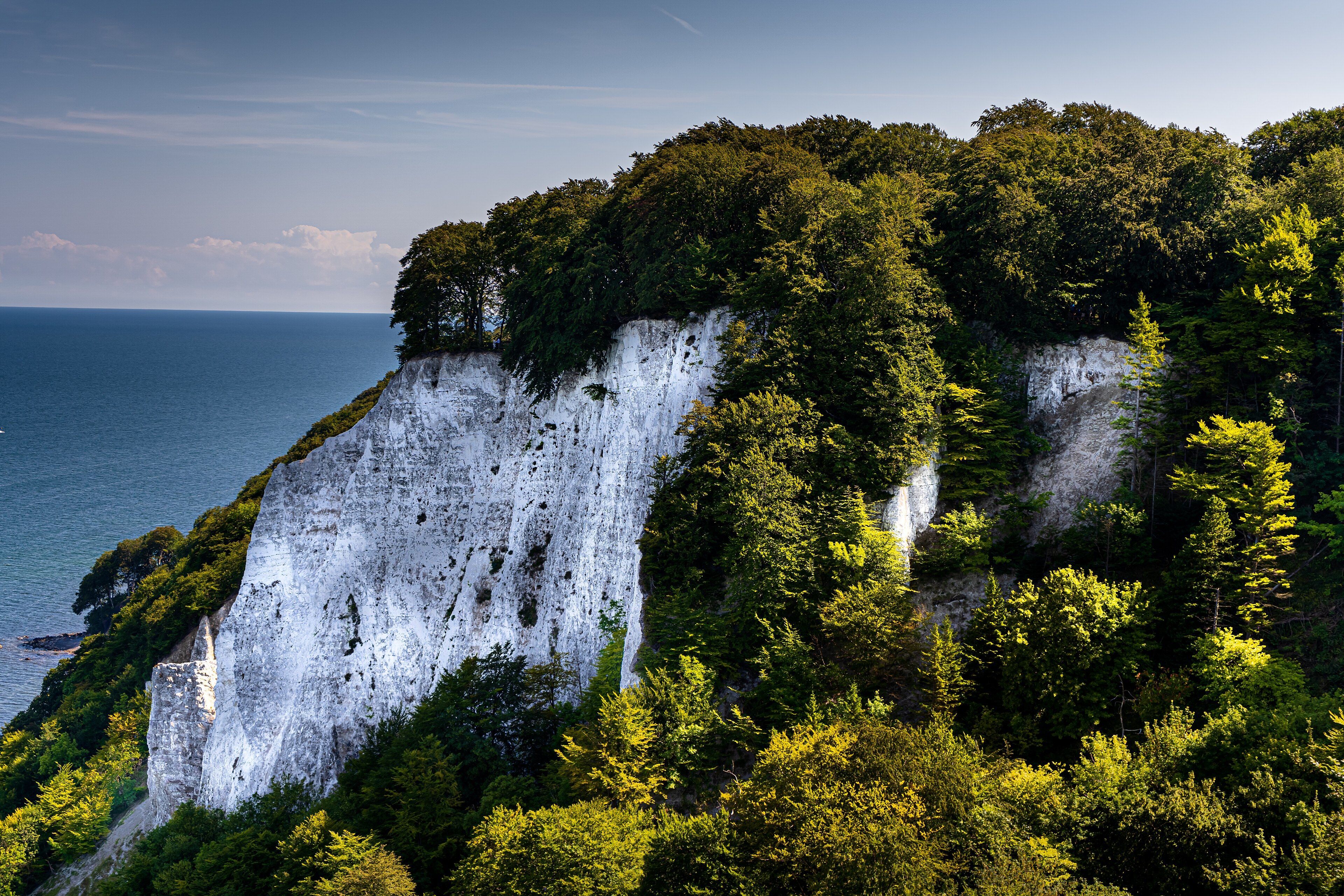
Jasmund Chalk Cliffs
Jasmund National Park, Rügen, Mecklenburg-Vorpommern, Germany
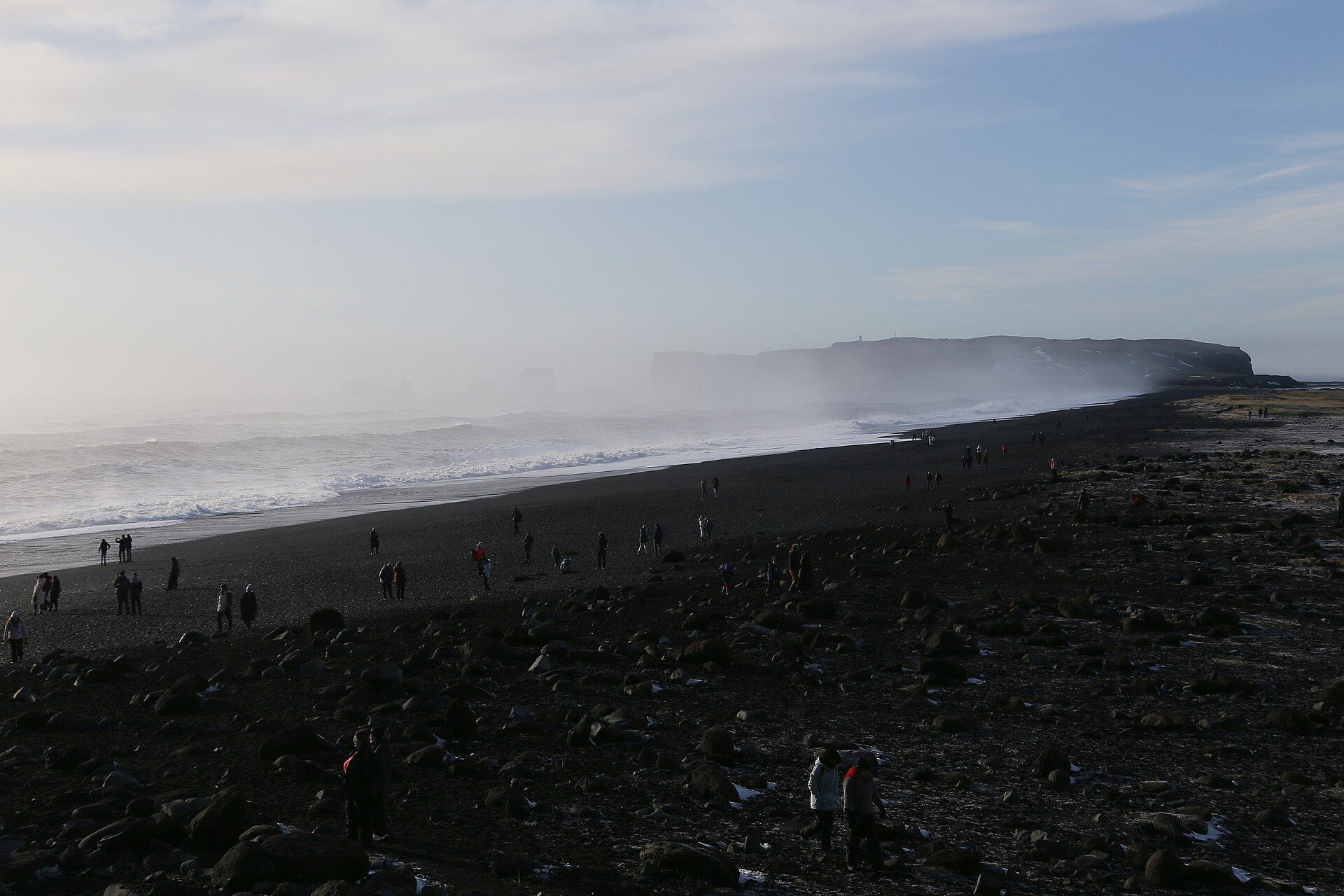
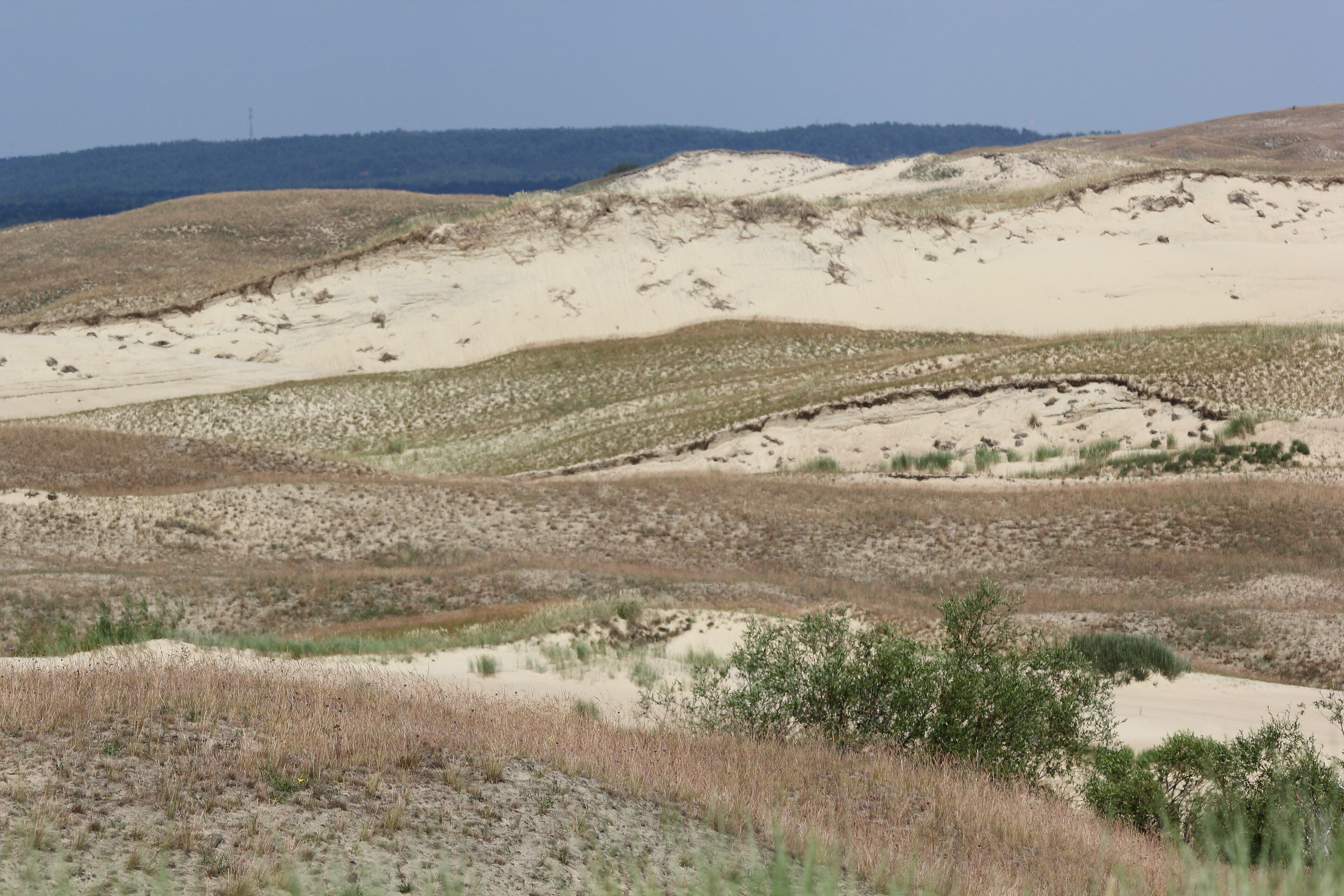
The Curonian Spit
Klaipėda County, western Lithuania, extending into Kaliningrad Oblast
Acadia National Park
Mount Desert Island, the Schoodic Peninsula and Isle au Haut on the coast of Maine, USA, beside Bar Harbor