The Danube Delta
📍 Where the Danube meets the Black Sea, eastern Romania
Europe's largest and best-preserved river delta — a vast, watery maze of reeds, channels, and lakes where the Danube fans into the Black Sea, and one of the continent's greatest bird havens.
What makes it marvelous
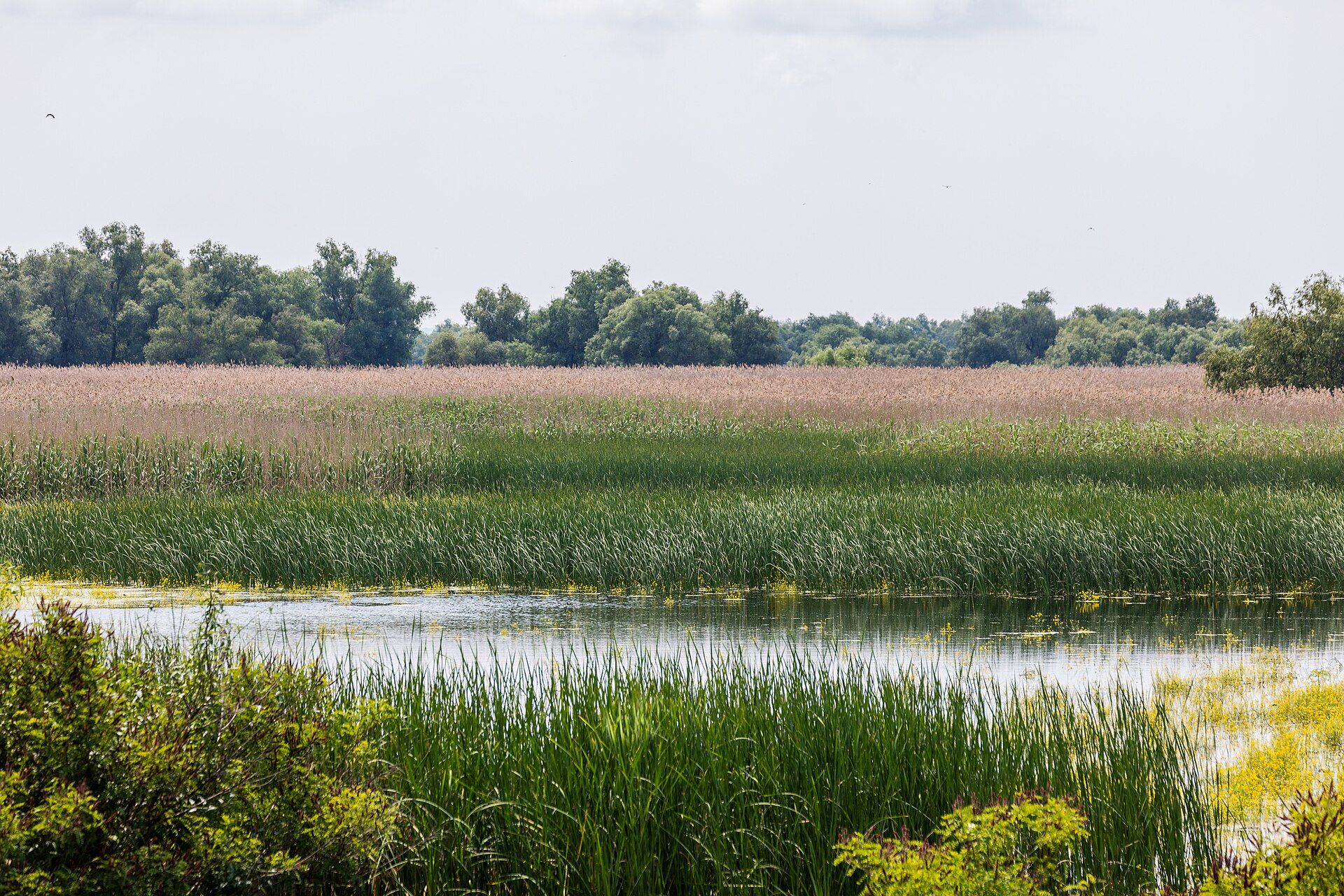
After a journey of nearly 2,900 kilometres across Europe, the Danube ends here, splitting into three main arms and countless side channels that spread into a labyrinth of reedbeds, lakes, marshes, and floating islands before reaching the Black Sea. The result is the largest and best-preserved delta in Europe, still growing seaward as the river drops its sediment. This immense wetland is a UNESCO World Heritage Site and Biosphere Reserve, and one of the richest wildlife habitats on the continent — above all for birds.
Why visit
Gliding by boat through the delta's channels, walled by tall reeds and opening onto lily-covered lakes, is a serene immersion in a world of water and wings. It hosts one of the largest colonies of great white pelicans outside Africa, along with pygmy cormorants, herons, egrets, and hundreds of other species, making it a paradise for birdwatchers and photographers. Remote fishing villages, some reachable only by water, add a timeless human dimension to a landscape shaped entirely by the river.
More views of The Danube Delta
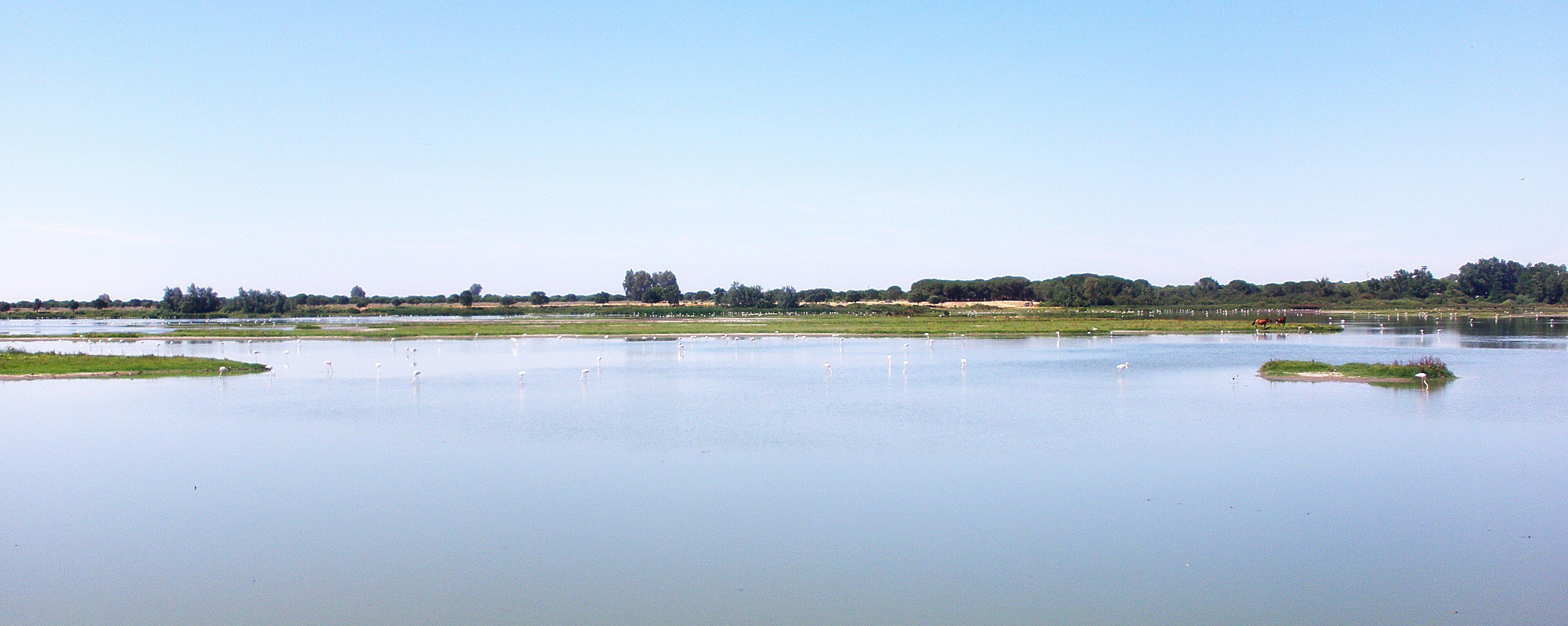
Additional photographs of the actual site — each freely licensed, with its photographer and licence credited.
What to know before you go
🗓️ Best time
Late spring to early summer (roughly April–June) for peak birdlife and nesting; the whole warm season is good for boat trips, while winter is cold and quiet.
🧭 Getting there & access
Reached via the town of Tulcea in eastern Romania, the gateway to the delta, from which passenger boats and small hired craft head into the channels. Some villages are only accessible by water; guided boat tours are the usual way in.
Good to know
- Explore in a small, quiet boat with a local guide to reach the birdlife.
- Come in late spring for the pelicans and the greatest activity.
- Bring binoculars, sun protection, and strong insect repellent.
Plan your visit
Easy🧭 Getting there
From Tulcea, eastern Romania
- Fly to Bucharest, then road to Tulcea — several hours
- From Tulcea, board a passenger boat or hire a small craft with a guide
- Explore the channels, lakes, and villages by water
- Total travel
- A long journey from Bucharest; best as a multi-day trip
- Time at site
- 2–3 days to explore the channels and birdlife properly
- Access
- The Biosphere Reserve charges a small entry permit, usually included in tours. Much of the delta is reachable only by boat; strict rules protect the core zones. Guided boat trips from Tulcea or delta villages are the practical way in.
🎒 What to bring & consider
- Binoculars and a zoom camera for the birds
- Sun protection, a hat, and strong insect repellent
- A light layer for cool, breezy mornings on the water
- Cash for the permit, boats, and village stays
👁️ What to expect
- Crowds
- The main channels see tour boats in summer; the quieter backwaters are peaceful and wild.
- Conditions
- Gentle boat travel through reeds and open lakes; hot, buggy, and exposed in summer.
- Facilities
- Hotels and services in Tulcea; simple guesthouses in the delta villages.
- The view
- Pelicans lifting off a reed-fringed lake, or a boat threading a channel walled in reeds. Soft early or late light and the spring nesting season are ideal.
Times and requirements are approximate and change with season, weather, and local rules — confirm permits, fares, and schedules with operators before you travel.
Natural riches of the area
- Europe's largest, best-preserved river delta
- Vast reedbeds, channels, lakes, and floating islands
- Huge colonies of pelicans and other waterbirds
- Rich fisheries and a still-growing sediment landscape
Local food
- Fish borș
- A sour Danube fish soup, the delta's signature dish.
- Grilled Danube fish
- Carp, pike, and catfish fresh from the delta's waters.
The Danube Delta is where one of Europe’s greatest rivers comes to an end — and, in doing so, creates one of its greatest wildernesses. After nearly 2,900 kilometres flowing across the continent, the Danube splits into three main arms and a vast web of side channels that spread into reedbeds, lakes, marshes, and floating islands before finally reaching the Black Sea. It is the largest and best-preserved delta in Europe, still building seaward as the river lays down its sediment, and it is protected as both a UNESCO World Heritage Site and a Biosphere Reserve.
For all its scale, the delta is best felt from a small boat, sliding through channels walled by tall reeds that suddenly open onto lakes carpeted with water lilies. This is one of the continent’s supreme bird habitats — home to one of the largest colonies of great white pelicans outside Africa, and to herons, egrets, cormorants, and hundreds of other species — a paradise for birdwatchers. Scattered fishing villages, some reachable only by water, live to the rhythm of the river. Serene, teeming, and shaped entirely by moving water, the Danube Delta is a wetland wonder without equal in Europe.
The Danube Delta: common questions
How do you get to The Danube Delta?
From Tulcea, eastern Romania: Fly to Bucharest, then road to Tulcea — several hours; From Tulcea, board a passenger boat or hire a small craft with a guide; Explore the channels, lakes, and villages by water. Total travel time: A long journey from Bucharest; best as a multi-day trip.
When is the best time to visit The Danube Delta?
Late spring to early summer (roughly April–June) for peak birdlife and nesting; the whole warm season is good for boat trips, while winter is cold and quiet.
How long should you spend at The Danube Delta?
2–3 days to explore the channels and birdlife properly. Total travel time: A long journey from Bucharest; best as a multi-day trip.
What should you bring to The Danube Delta?
Binoculars and a zoom camera for the birds Sun protection, a hat, and strong insect repellent A light layer for cool, breezy mornings on the water Cash for the permit, boats, and village stays
Do you need a permit or guide for The Danube Delta?
The Biosphere Reserve charges a small entry permit, usually included in tours. Much of the delta is reachable only by boat; strict rules protect the core zones. Guided boat trips from Tulcea or delta villages are the practical way in.
Is The Danube Delta crowded, and what are conditions like?
The main channels see tour boats in summer; the quieter backwaters are peaceful and wild. Gentle boat travel through reeds and open lakes; hot, buggy, and exposed in summer. Facilities: Hotels and services in Tulcea; simple guesthouses in the delta villages.
Added
More wonders to explore