Vikos Gorge
📍 Zagori, Pindus Mountains, Epirus, Greece
Listed by Guinness as the deepest gorge in the world relative to its width — a plunging limestone chasm in the Pindus Mountains of northern Greece, at the heart of the stone-village country of Zagori.
What makes it marvelous
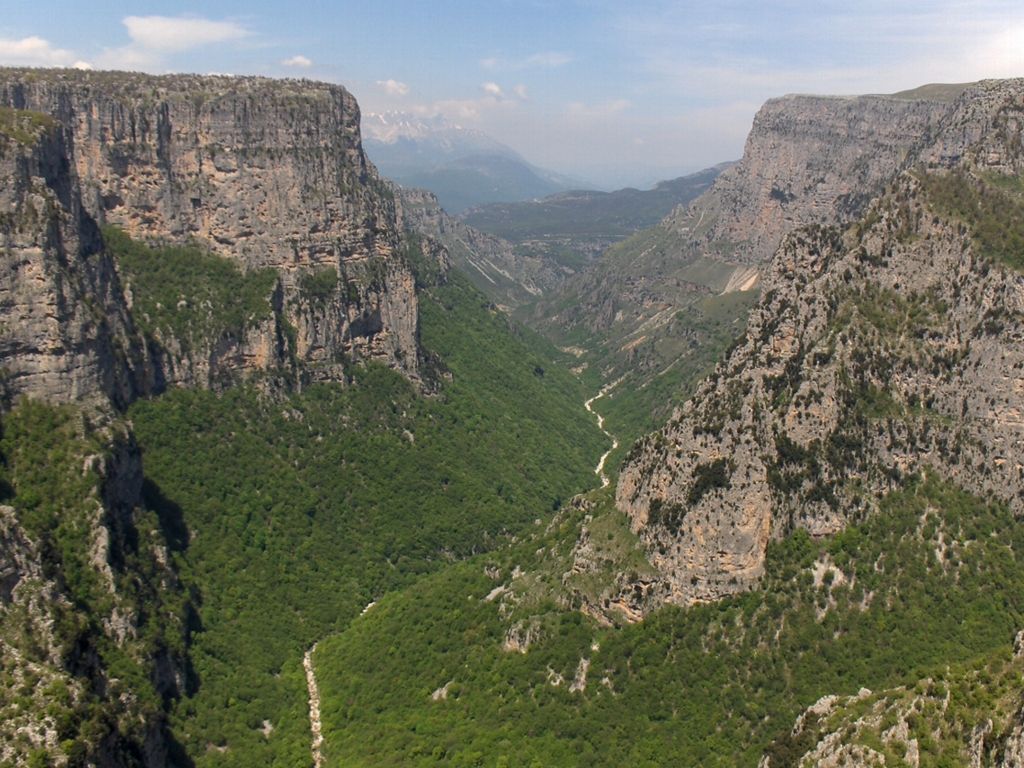
The Vikos Gorge slices the southern flank of Mount Tymfi for roughly 12 kilometres of its most dramatic stretch, its walls falling as much as 900 metres to a floor that in places is little wider than the river itself. It is this ratio of depth to narrowness that earned it a Guinness World Record as the deepest gorge on Earth relative to its width. Carved by the Voidomatis, one of the cleanest rivers in Europe, the gorge anchors the Vikos–Aoös National Park and a UNESCO Global Geopark, protecting a wealth of forest, alpine meadow and more than a thousand plant species — a botanical richness that made these mountains famous for their village healers.
Why visit
The gorge is the centrepiece of Zagori, a region of 46 stone-built villages linked by old arched packhorse bridges and cobbled paths. You can gaze into the abyss from the balcony-like Oxya and Beloi viewpoints, hike the demanding trail through the gorge floor from Monodendri to the springs of Voidomatis, or simply wander the timeless villages perched on its rim. In 2023 the wider Zagori landscape was inscribed as a UNESCO World Heritage cultural landscape.
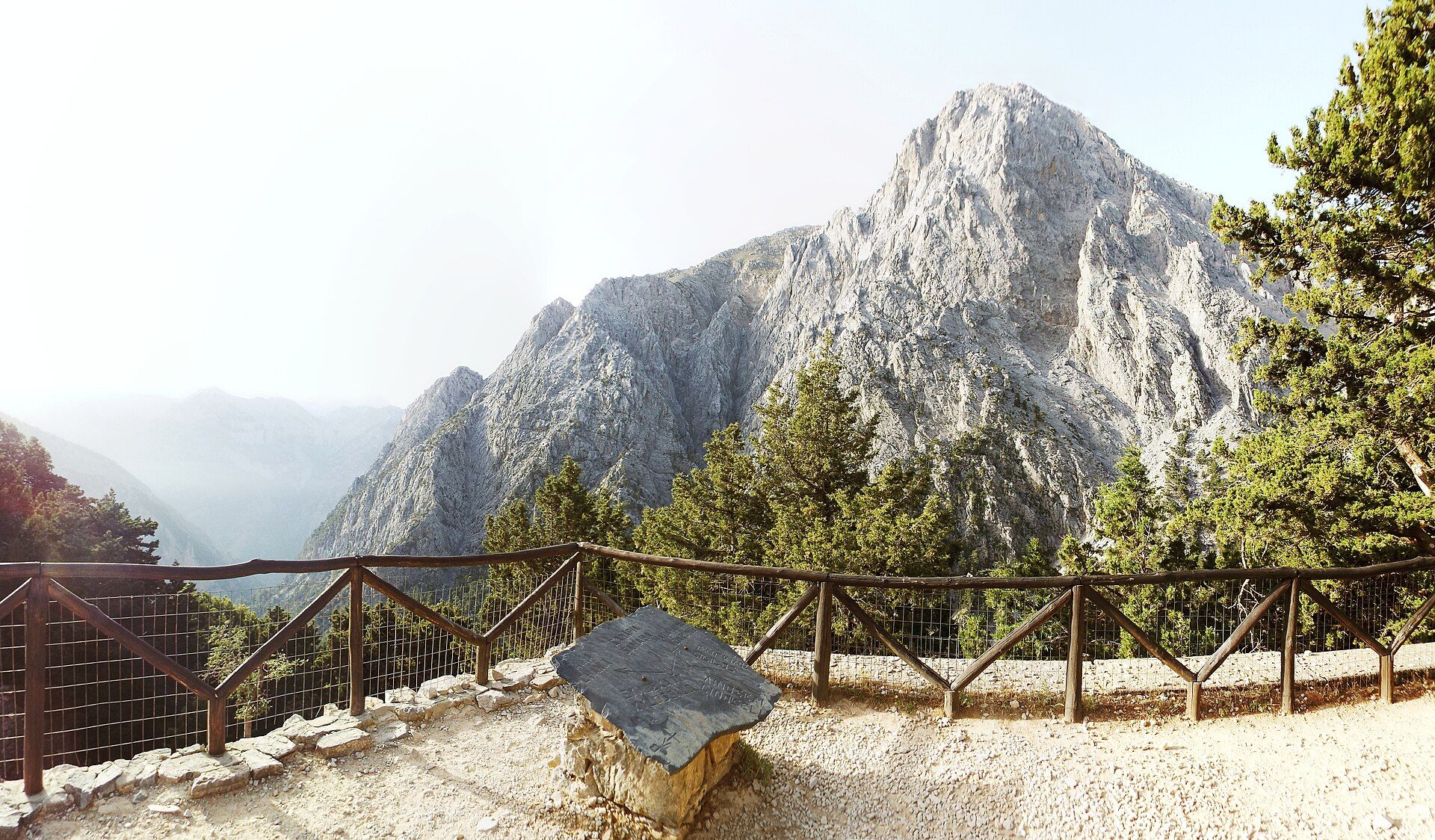
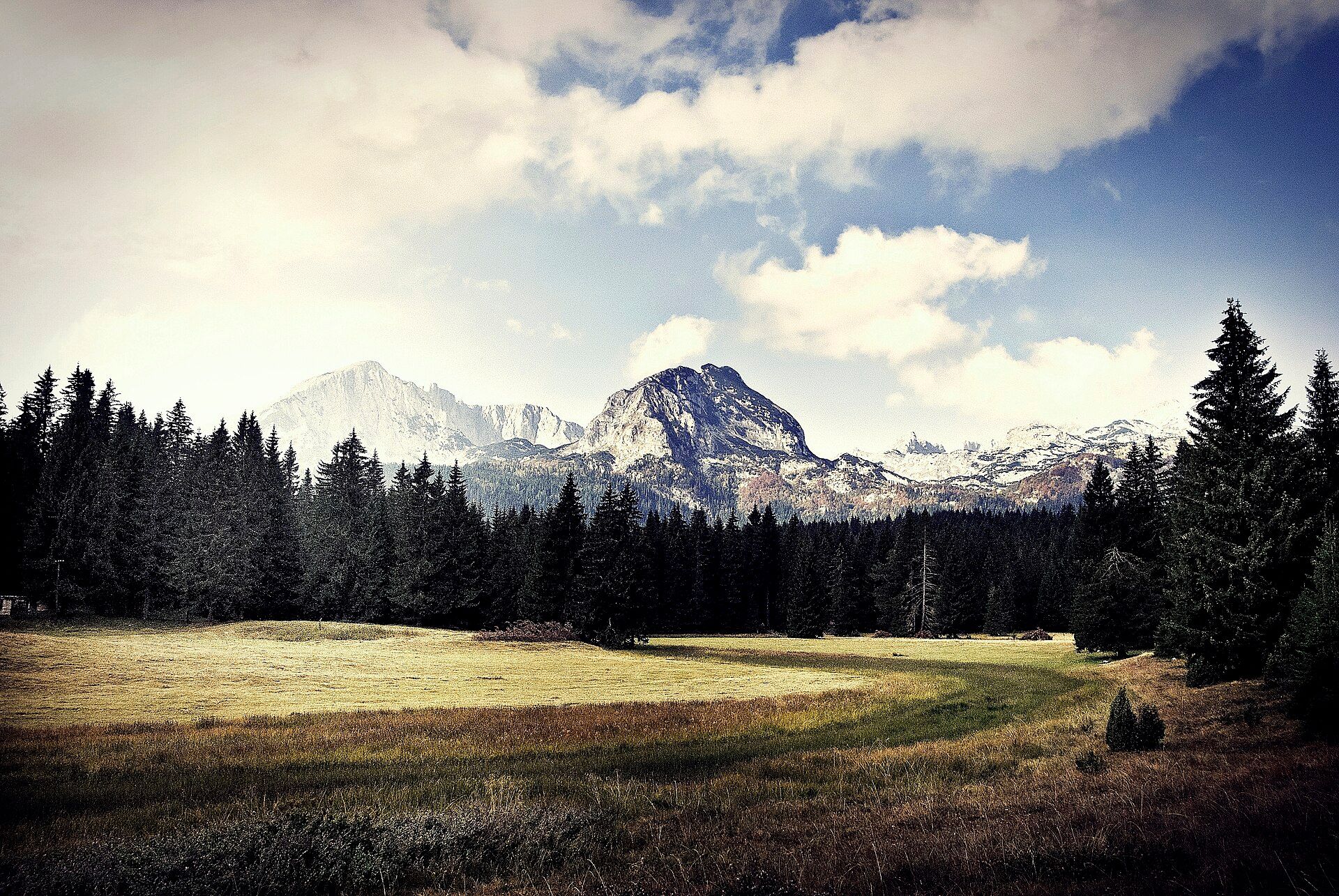
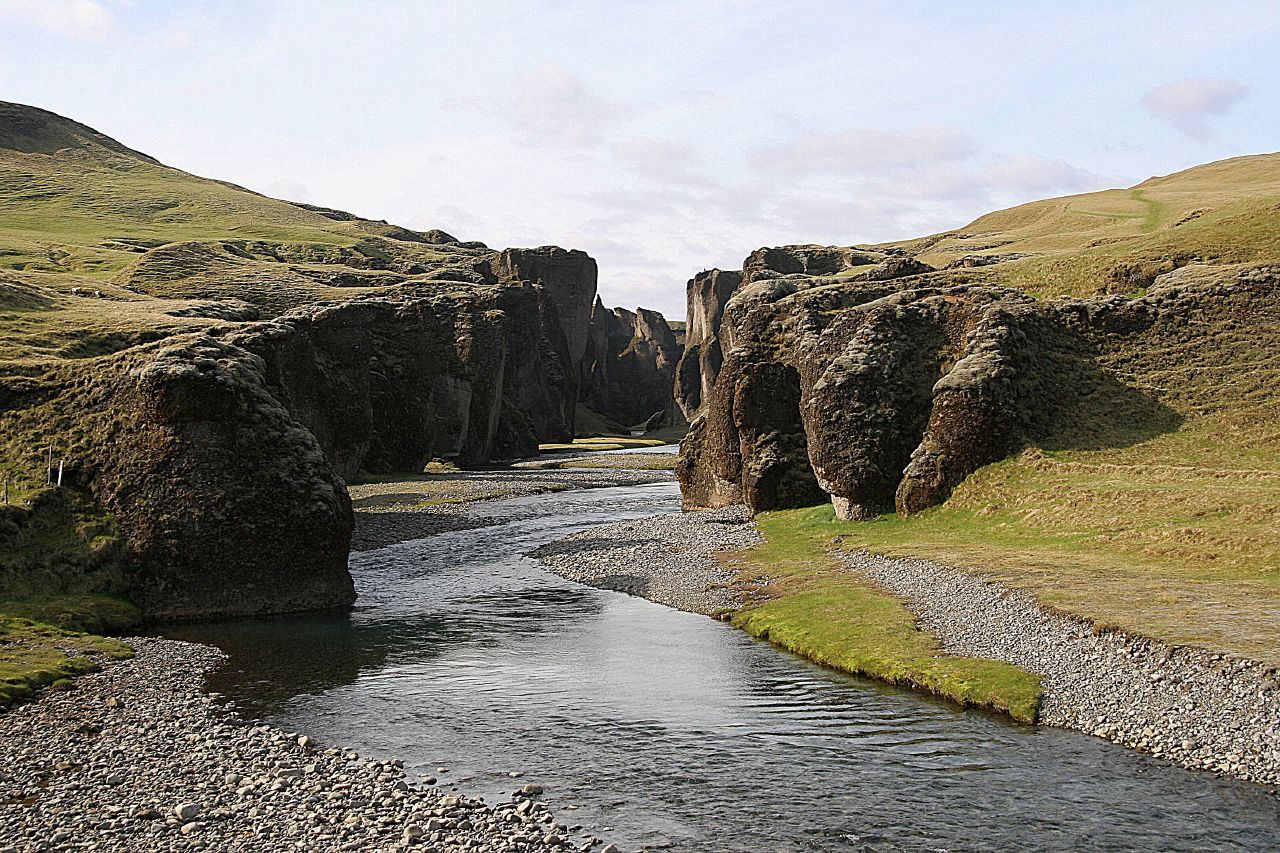
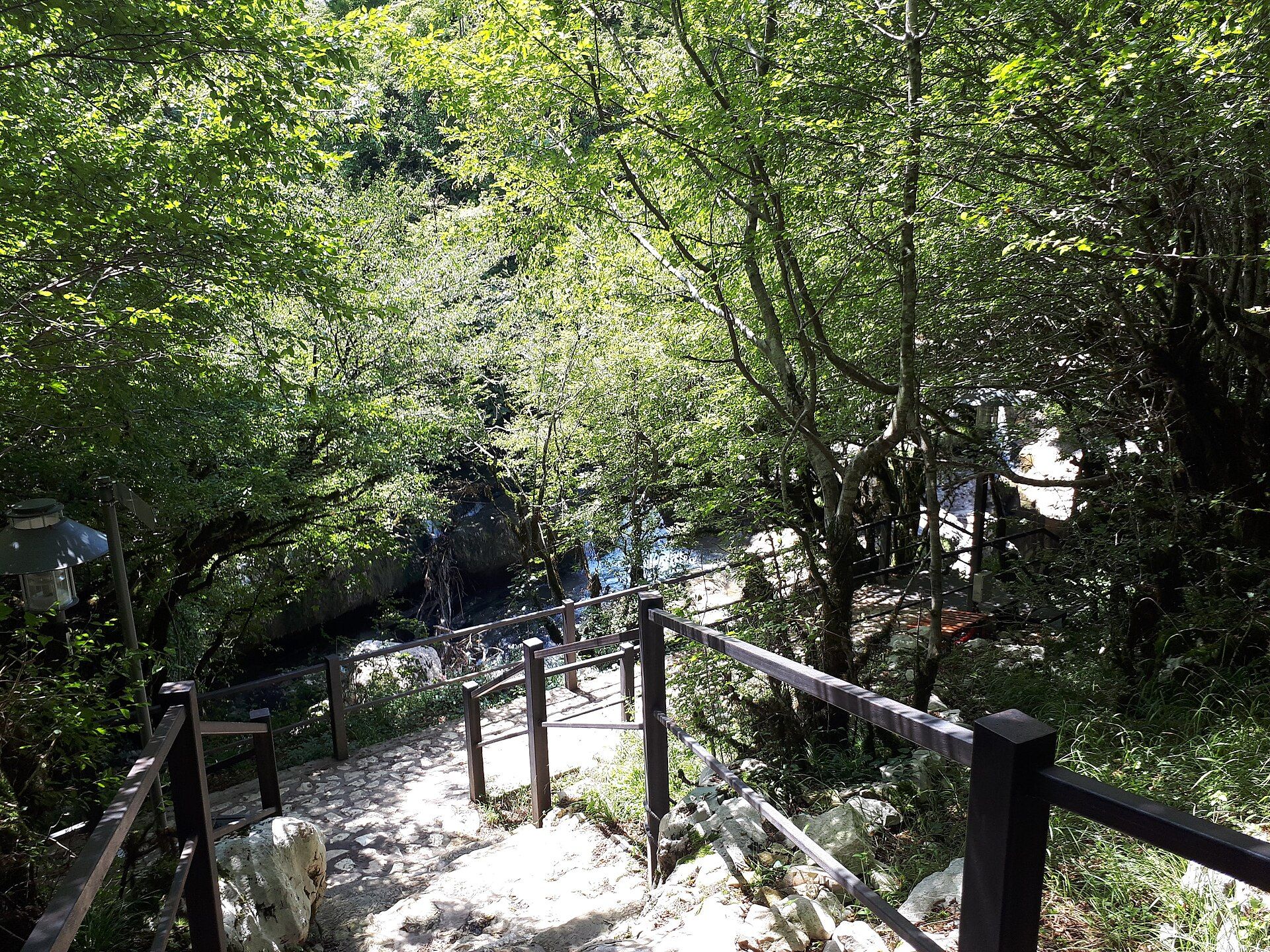
More views of Vikos Gorge
Additional photographs of the actual site — each freely licensed, with its photographer and licence credited.
What to know before you go
🗓️ Best time
Late spring to early autumn — roughly May to October — for the best trail conditions; spring adds wildflowers and full rivers, autumn brings colour to the forests.
🧭 Getting there & access
Reached by road from Ioannina into the Zagori villages; Monodendri, Vikos village and the Oxya and Beloi viewpoints are the main access points to the rim and the through-trail.
Good to know
- The full gorge traverse is a long, strenuous day on rough ground — start early and carry plenty of water.
- For the views without the descent, drive to the Oxya or Beloi balconies above the gorge.
- Weather in the high Pindus changes fast; carry layers even in summer.
Plan your visit
Strenuous🧭 Getting there
From Ioannina (airport IOA)
- Drive from Ioannina into the Zagori villages — about 40 minutes to an hour to Monodendri
- Walk the rim to the Oxya or Beloi viewpoints, or descend the through-trail from Monodendri
- Total travel
- About an hour from Ioannina to the trailheads
- Time at site
- A few hours for viewpoints; a full, hard day for the gorge traverse
- Access
- The park is open and free; the gorge-floor trail is long and demanding, while the rim viewpoints are easily reached by road and short walks.
🎒 What to bring & consider
- Sturdy boots and hiking poles for the rough gorge floor
- Ample water — sources are limited until the springs at the far end
- Layers for fast-changing mountain weather
- A map or GPS track for the through-hike
👁️ What to expect
- Crowds
- The viewpoints draw visitors; the gorge floor stays quiet and committing.
- Conditions
- Steep, rocky mountain hiking with big drops and a long river-level stretch.
- Facilities
- Tavernas and guesthouses in the Zagori villages; nothing on the gorge floor.
- The view
- The gorge plunging away from the Oxya balcony, or the villages of Vikos and Monodendri on the rim.
Times and requirements are approximate and change with season, weather, and local rules — confirm permits, fares, and schedules with operators before you travel.
Natural riches of the area
- A limestone gorge up to about 900 m deep and exceptionally narrow
- The Voidomatis, among the cleanest rivers in Europe
- Beech and pine forest, alpine meadow and over a thousand plant species
- Brown bears, wolves and chamois in the wider Pindus range
Local food
- Pita
- Epirus is famous for its savoury filled pies — greens, cheese or meat in thin pastry.
- Zagori trout
- Freshwater trout from the cold mountain streams.
- Tsipouro
- The distilled grape spirit of northern Greece, sipped with meze.
The Vikos Gorge is one of the most spectacular chasms in Europe — and, by the Guinness Book of Records, the deepest gorge in the world relative to its width. Cut into the southern flank of Mount Tymfi in the Pindus Mountains of northern Greece, its walls fall as much as 900 metres to a floor that in places is barely wider than the river threading through it.
That river, the Voidomatis, is among the cleanest in Europe, and the gorge it carved sits at the core of the Vikos–Aoös National Park and a UNESCO Global Geopark. The steep, sheltered walls hold beech and pine forest, alpine meadow and more than a thousand species of plant — a botanical wealth that once made the healers of these mountains renowned across Greece.
The gorge is also the heart of Zagori, a region of 46 stone villages joined by arched packhorse bridges and cobbled trails, inscribed by UNESCO in 2023. Visitors can peer into the void from the balcony-like viewpoints at Oxya and Beloi, take on the strenuous traverse of the gorge floor, or simply wander the timeless villages perched on its rim.
Vikos Gorge: common questions
How do you get to Vikos Gorge?
From Ioannina (airport IOA): Drive from Ioannina into the Zagori villages — about 40 minutes to an hour to Monodendri; Walk the rim to the Oxya or Beloi viewpoints, or descend the through-trail from Monodendri. Total travel time: About an hour from Ioannina to the trailheads.
When is the best time to visit Vikos Gorge?
Late spring to early autumn — roughly May to October — for the best trail conditions; spring adds wildflowers and full rivers, autumn brings colour to the forests.
How long should you spend at Vikos Gorge?
A few hours for viewpoints; a full, hard day for the gorge traverse. Total travel time: About an hour from Ioannina to the trailheads.
What should you bring to Vikos Gorge?
Sturdy boots and hiking poles for the rough gorge floor Ample water — sources are limited until the springs at the far end Layers for fast-changing mountain weather A map or GPS track for the through-hike
Do you need a permit or guide for Vikos Gorge?
The park is open and free; the gorge-floor trail is long and demanding, while the rim viewpoints are easily reached by road and short walks.
Is Vikos Gorge crowded, and what are conditions like?
The viewpoints draw visitors; the gorge floor stays quiet and committing. Steep, rocky mountain hiking with big drops and a long river-level stretch. Facilities: Tavernas and guesthouses in the Zagori villages; nothing on the gorge floor.
Added
More wonders to explore