🇸🇪 Natural wonders of Sweden
A long northern country of Arctic wilderness, forest, and archipelago — from the aurora skies of Lapland to a Baltic coast still rising out of the sea.
🗓️ Best time for nature: Summer (June–September) for hiking, islands, and the midnight sun; the dark winter months for the northern lights in Lapland.
The lay of the land
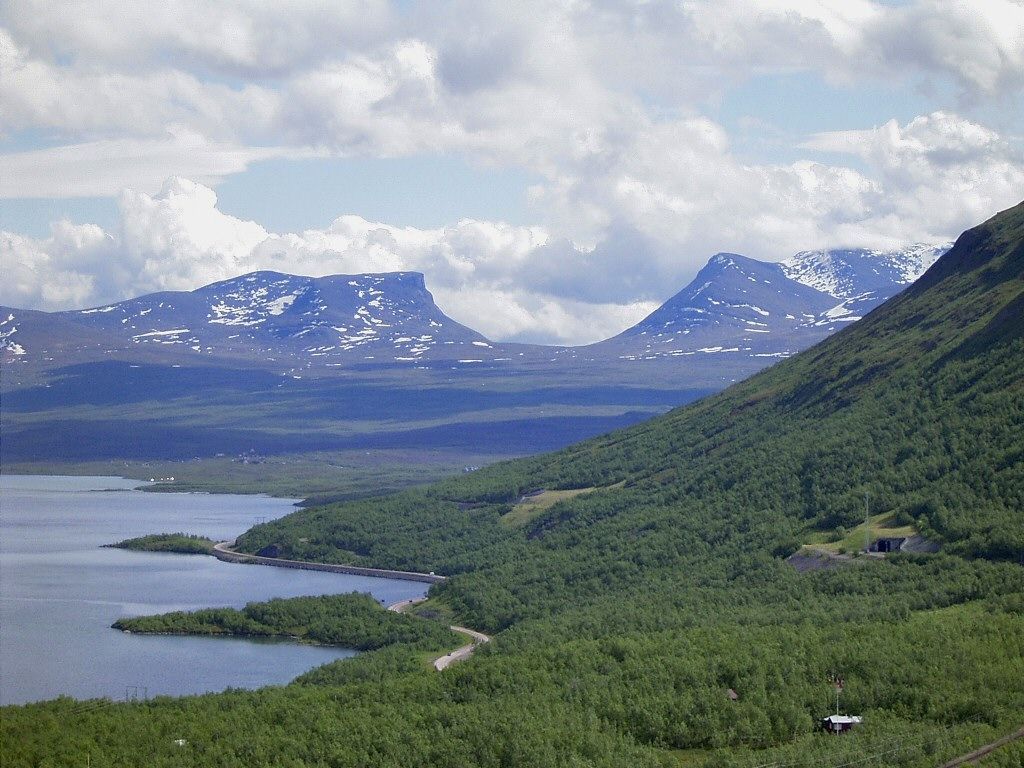
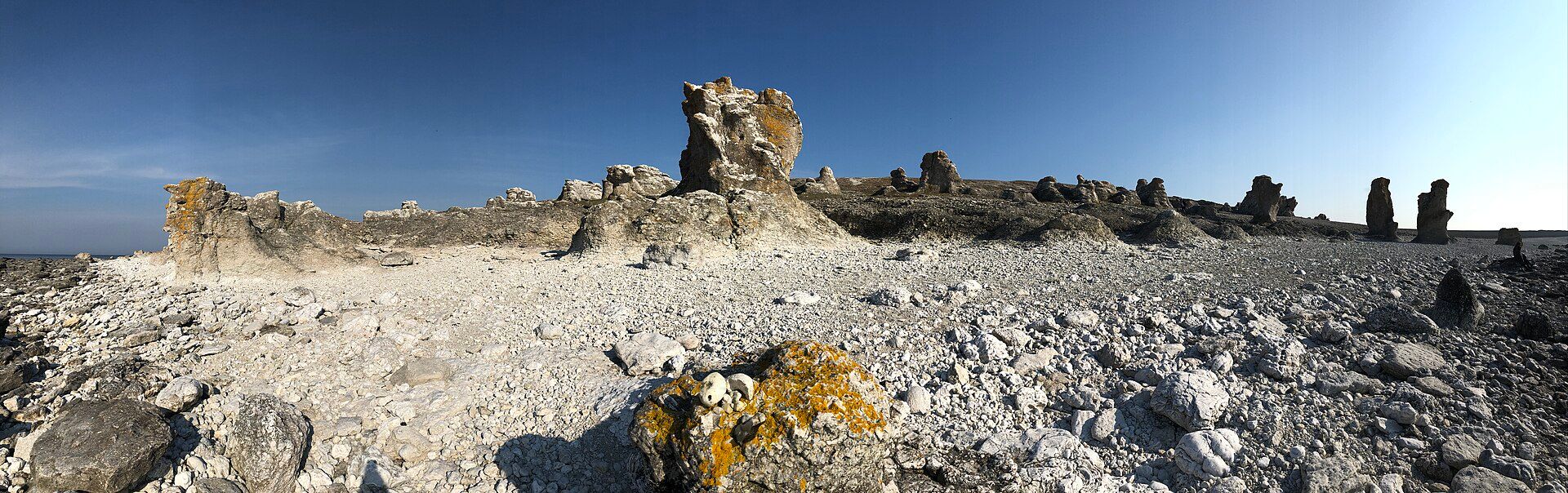
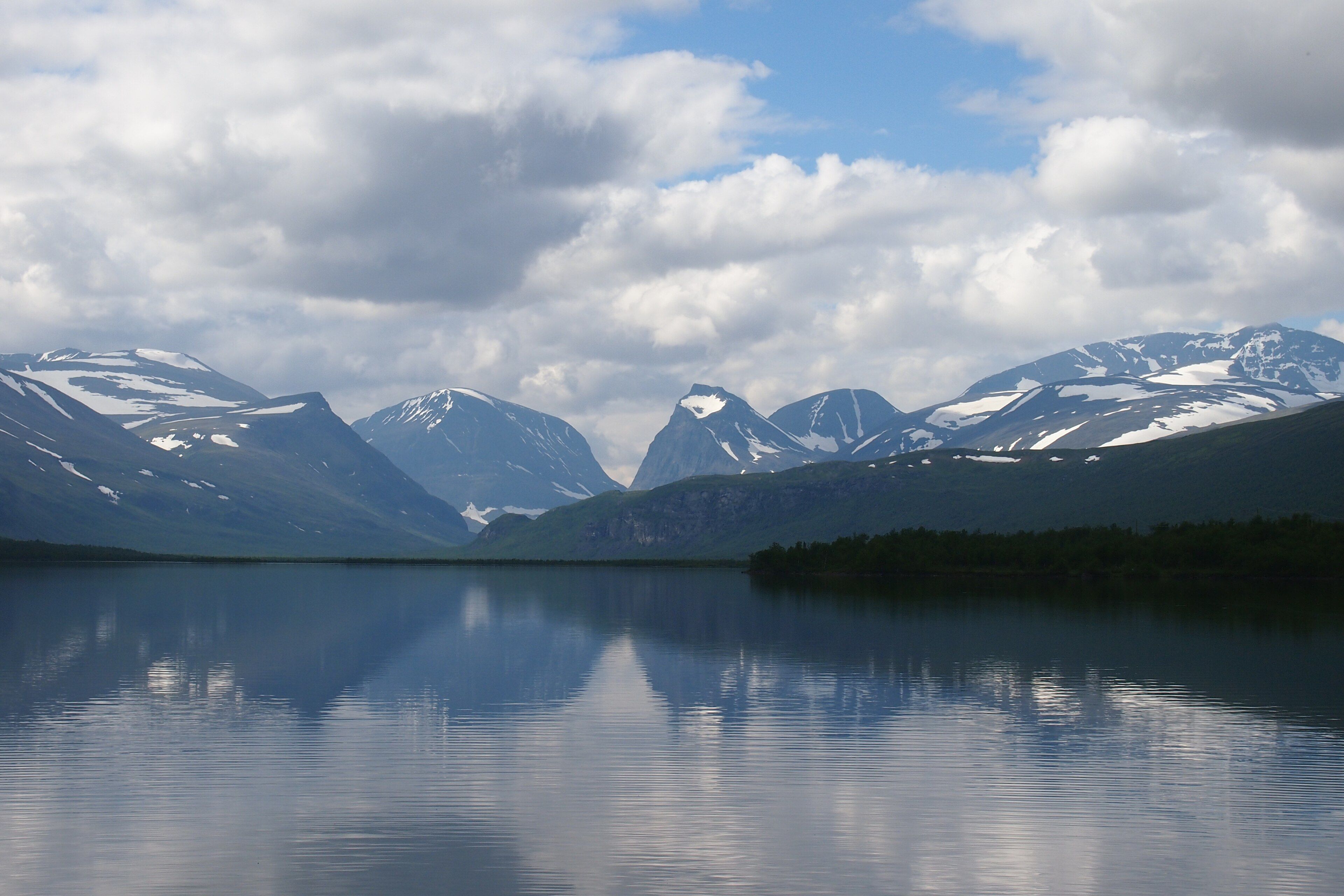
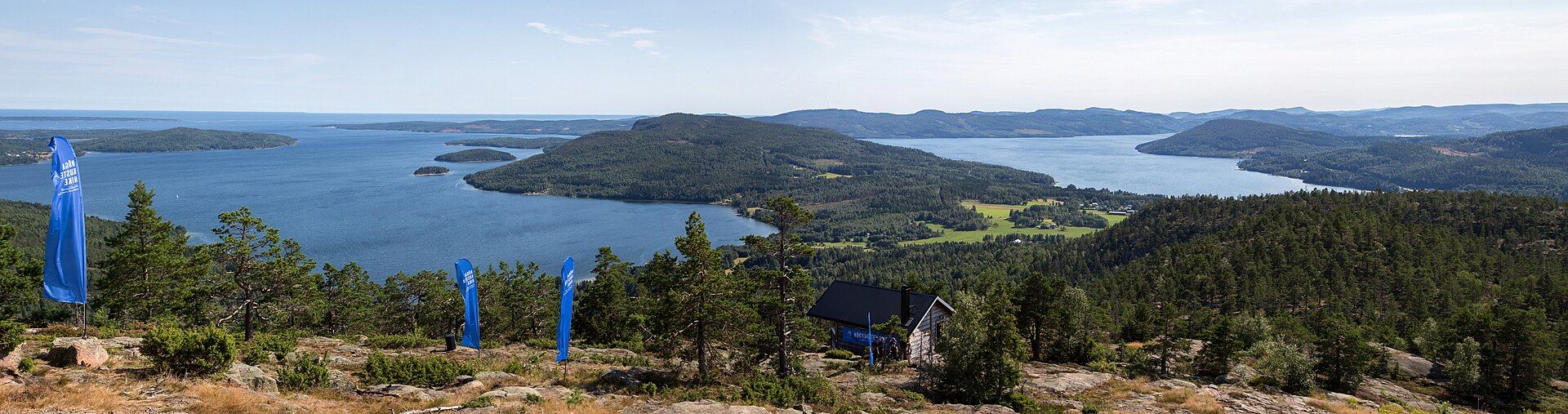
Sweden stretches from the Baltic almost to the Arctic Ocean, and its nature changes with it. The far north is Lapland, a wilderness of mountains, lakes, and tundra where Abisko's clear skies frame the aurora. The long coast is fringed with archipelagos, including the High Coast that is still rebounding from the Ice Age, and the limestone island of Gotland with its sculpted sea stacks. Between them lie vast forests, thousands of lakes, and a culture with a deep right-to-roam relationship to the outdoors.
Where to begin
-
Abisko
Arctic Lapland's clearest skies — a premier window on the northern lights.
-
The High Coast
A Baltic coast rising out of the sea, the greatest land uplift on Earth.
-
Gotland & the Raukar
Sweden's largest island, ringed by weathered limestone sea stacks.
A taste of the place
Swedish food leans on the forest and sea — lingonberries, cloudberries, Arctic char, cured and fermented herring, and game — with a strong coffee-and-pastry (fika) tradition.
Traveling responsibly
- Chase the aurora in Lapland's dark season; hike and island-hop in summer.
- Sweden's right of public access lets you roam and camp responsibly on most land.
- Distances are large — the far north is a long journey from the south.
Sweden runs from the Baltic almost to the Arctic Ocean, and its wonders span that whole reach: the aurora skies of Abisko in Arctic Lapland, the still-rising shore of the High Coast, and the sculpted limestone sea stacks of Gotland. This atlas begins Sweden’s chapter with those three, with its forests, lakes, and southern archipelagos still to come.
Added
All wonders in Sweden
4 places