Svalbard
📍 Svalbard archipelago, Arctic Ocean
A High Arctic archipelago of glaciers, jagged peaks, and frozen fjords roughly midway between Norway and the North Pole — the realm of the polar bear, under months of midnight sun and polar night.
What makes it marvelous
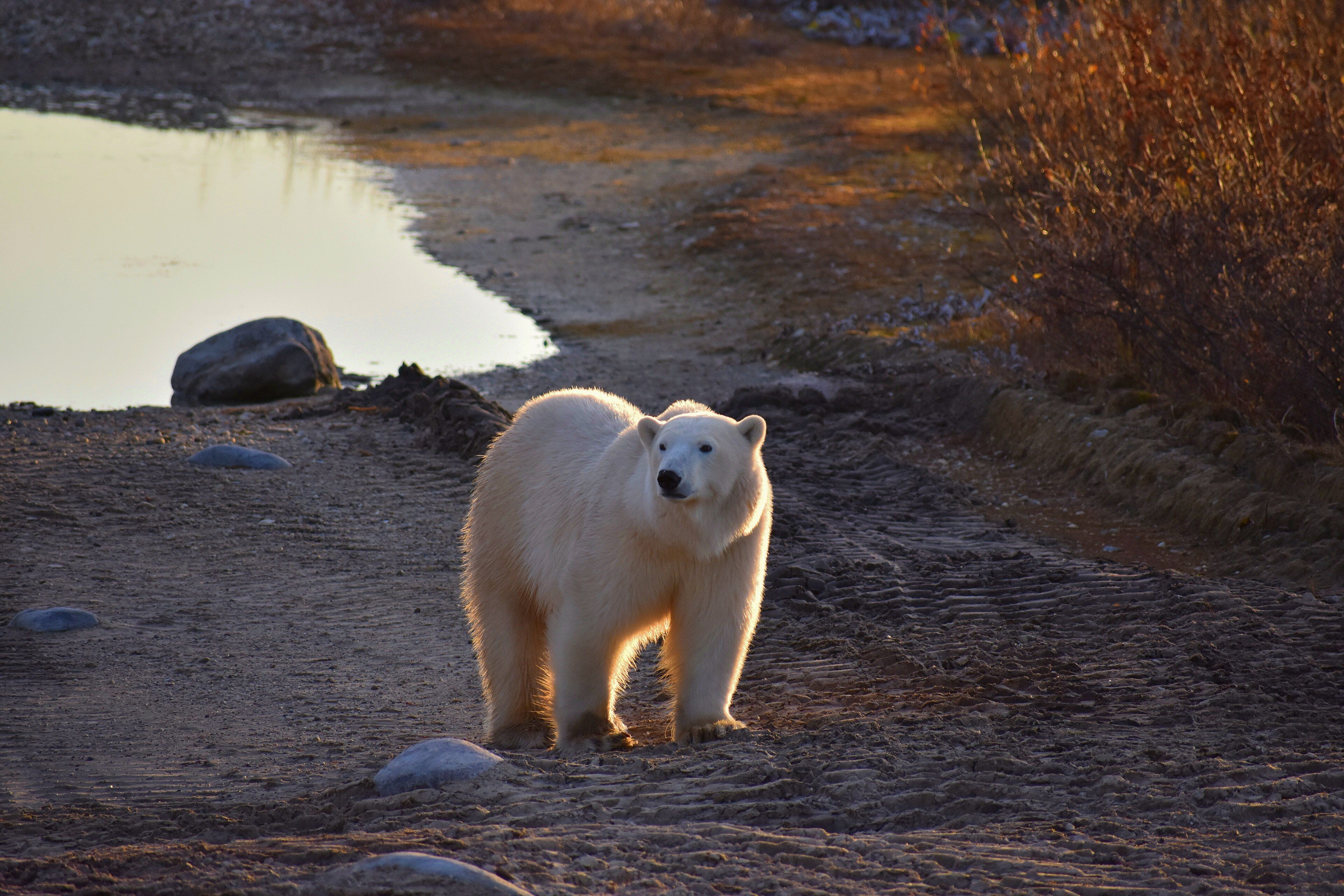
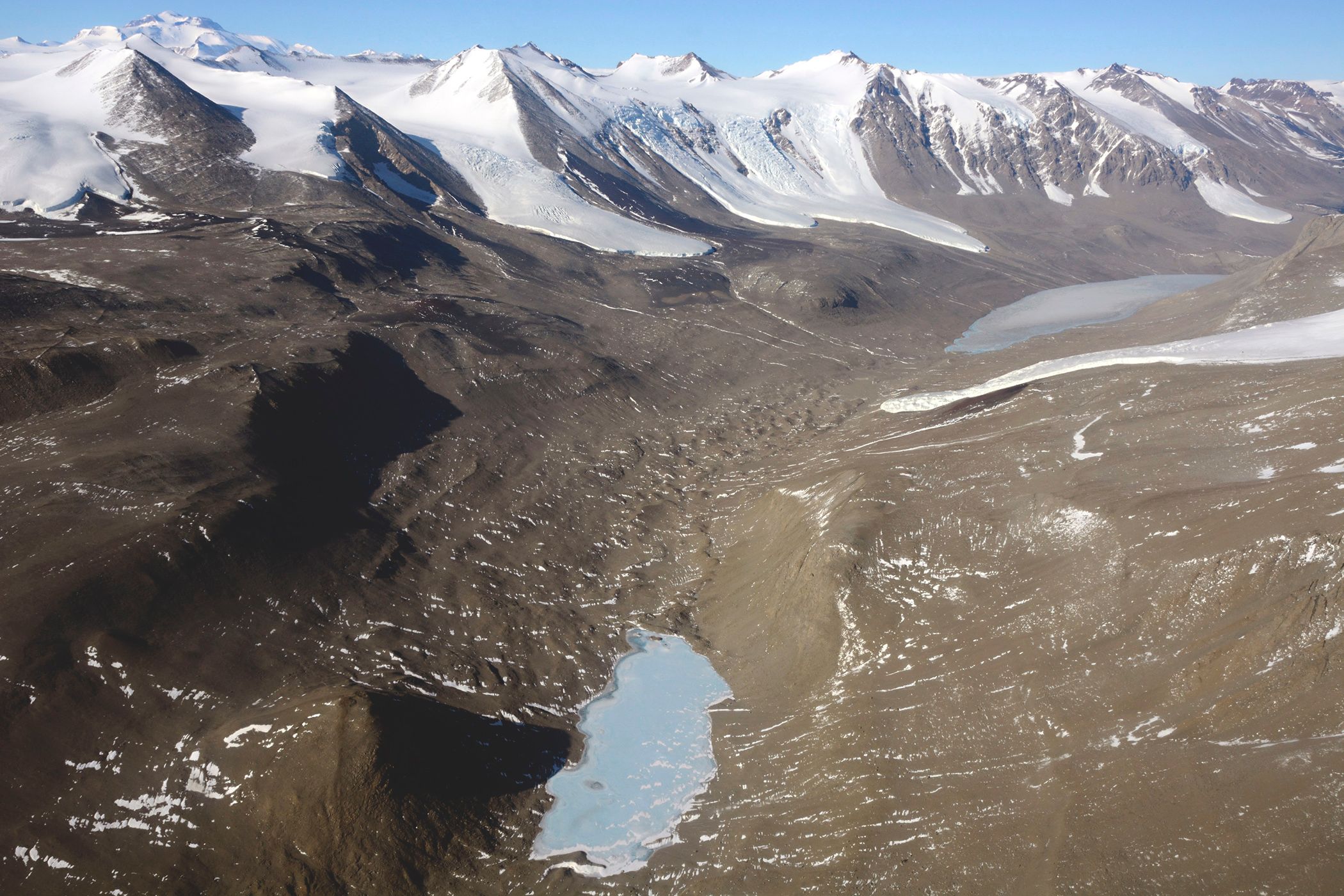
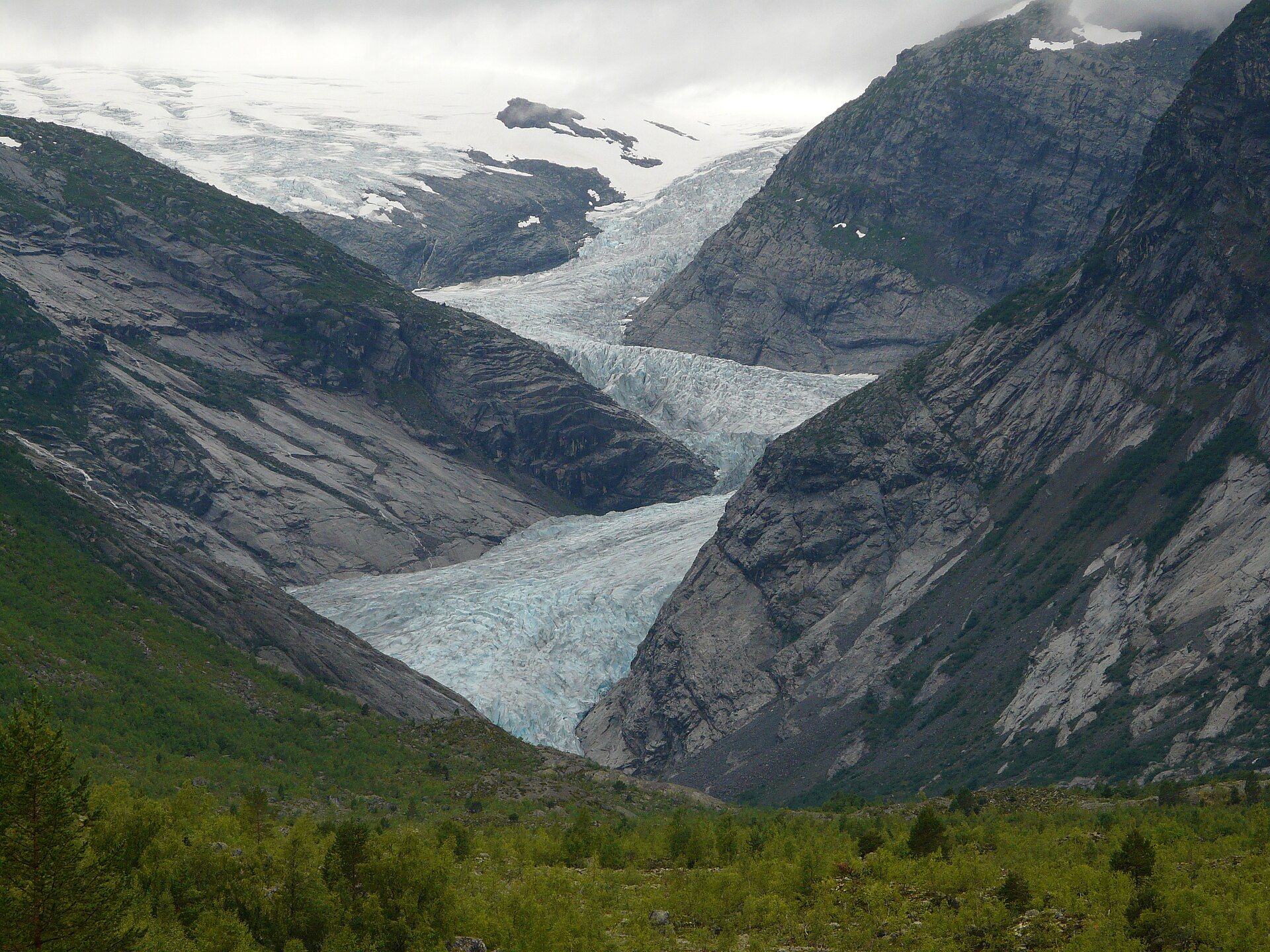
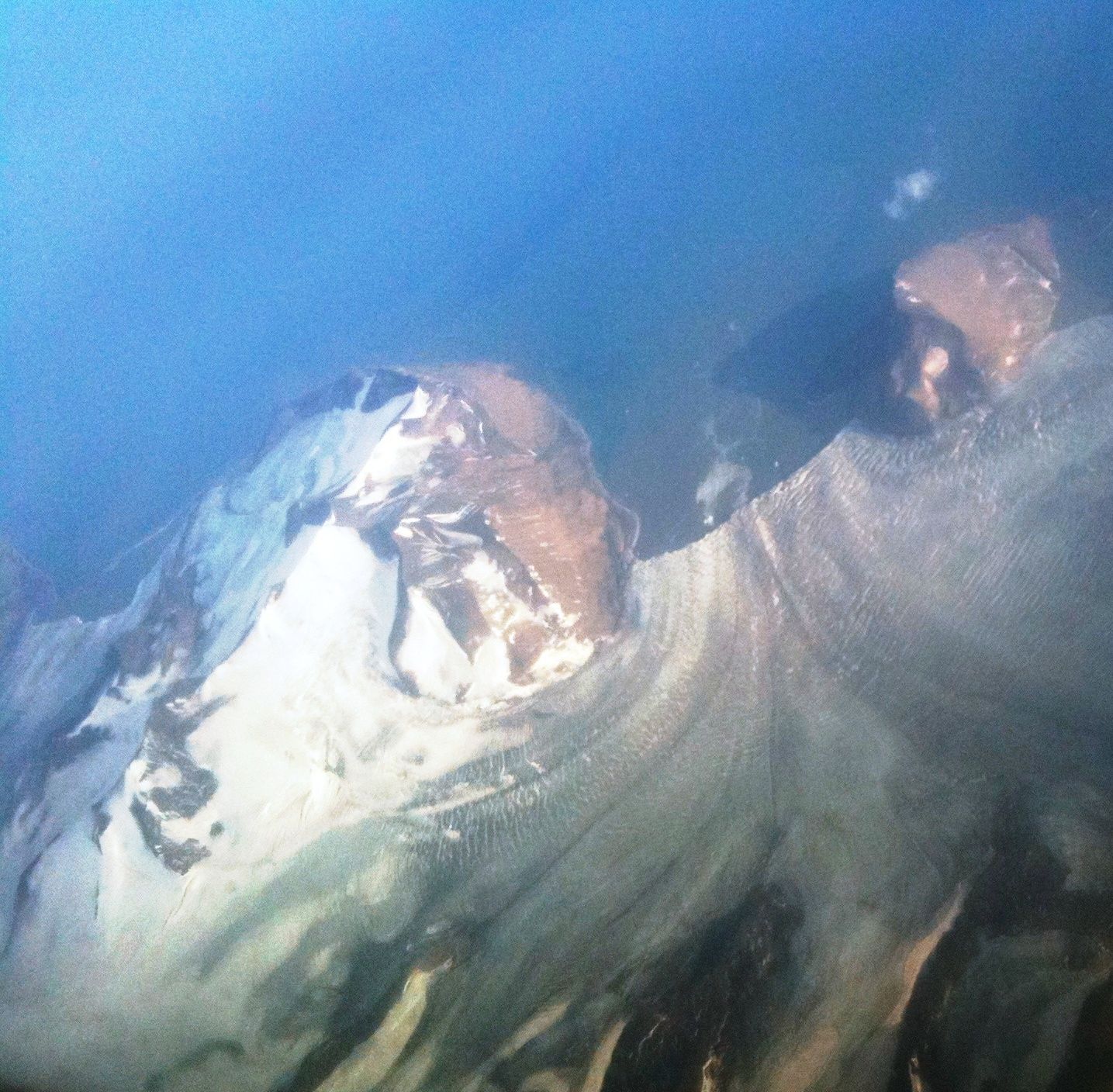
Svalbard lies deep in the High Arctic, roughly halfway between mainland Norway and the North Pole, and much of it is a frozen wilderness of glaciers, sharp mountains, and ice-choked fjords — around 60% of the land is glacier. Despite the extreme latitude it is astonishingly alive: it is one of the best places on Earth to see polar bears in the wild (which here outnumber people), along with walrus, Arctic fox, reindeer, and, in the brief summer, vast seabird colonies and whales feeding in the rich cold seas. The light is extraordinary — months of unbroken midnight sun in summer, and the deep blue-black polar night in winter, lit by the aurora. Remote, raw, and strictly protected, Svalbard is one of the most accessible windows onto the true High Arctic.
Why visit
Cruising past calving glaciers and haul-outs of walrus, scanning the pack ice for polar bears, and experiencing the midnight sun or polar night make Svalbard one of the most thrilling and accessible Arctic wildernesses on Earth.
Still deciding?
Svalbard comes up most often against these — each one weighs cost, effort, season and crowds side by side.
What to know before you go
🗓️ Best time
Summer (roughly June–August) for boat expeditions, wildlife, and the midnight sun; late winter and spring (March–May) for snow travel, dog-sledding, and the polar light.
🧭 Getting there & access
Reached by air to Longyearbyen (from mainland Norway); beyond the town, travel is by expedition ship in summer or snowmobile and dog-sled in winter, always with guides due to polar-bear safety.
Good to know
- Travel outside settlements only with guides — polar bears are a real danger.
- Come in summer for boat-based wildlife, or spring for snow travel and light.
- Respect strict environmental rules; the Arctic ecosystem is fragile.
Plan your visit
Expedition🧭 Getting there
From Longyearbyen (LYR), via Oslo or Tromso
- Fly Oslo → Longyearbyen — roughly 3h, often via Tromso
- Everything beyond the settlement is reached by boat, snowmobile or dog sled
- Expedition voyages around the archipelago run several days to two weeks
- Total travel
- Most of a day from mainland Europe
- Time at site
- 4–7 days; expedition cruises run considerably longer
- Access
- Longyearbyen itself is open. Leaving the settlement area brings you under Svalbard's wildlife and safety rules, which include polar bear protection requirements and, for much of the archipelago, notification or insurance obligations administered by the Governor of Svalbard. The rules have been tightened in recent years — check the Governor's current guidance rather than older accounts, and in practice go with a licensed operator.
🎒 What to bring & consider
- Cold-weather clothing rated for genuine Arctic conditions, including wind — hypothermia, not scenery, is the limiting factor here
- A guide or operator equipped for polar bear protection; walking out unaccompanied is neither legal nor sensible
- Eye protection against snow glare, which is severe under the midnight sun
- An accepting attitude to the light: continuous daylight in summer, continuous darkness in winter, and no negotiating with either
- Insurance that covers Arctic search and rescue
👁️ What to expect
- Crowds
- Very few visitors, concentrated in Longyearbyen. Outside it you may see no one for days.
- Conditions
- Cold, wind and ice govern everything. Itineraries change daily and landings are cancelled without ceremony.
- Facilities
- Longyearbyen has hotels, restaurants and shops. Beyond it there is essentially nothing.
- The view
- Wildlife sightings — bears especially — are genuinely uncertain and no operator can promise them. Ice, light and landscape are the reliable rewards.
Times and requirements are approximate and change with season, weather, and local rules — confirm permits, fares, and schedules with operators before you travel.
Natural riches of the area
- A glacier-covered High Arctic archipelago near the North Pole
- One of the world's best places to see wild polar bears
- Walrus, Arctic fox, reindeer, and huge summer seabird colonies
- Midnight sun, polar night, and the northern lights
Local food
- Arctic game
- Svalbard reindeer and other northern game feature on local menus.
- Cold-water seafood
- Fish and shellfish from the surrounding Arctic seas.
- Surprising fine dining
- Longyearbyen is known for accomplished restaurants despite its remoteness.
Svalbard is the true High Arctic within reach. Lying roughly halfway between mainland Norway and the North Pole, this frozen archipelago is a wilderness of glaciers, jagged peaks, and ice-choked fjords — around 60% of it buried in ice. Yet for all its severity, it teems with life: it is one of the finest places on Earth to see wild polar bears, which here outnumber people, along with walrus, Arctic fox, reindeer, and, in the short summer, cliffs packed with seabirds and whales in the cold seas.
The light alone is worth the journey — months of unbroken midnight sun in summer, and in winter a deep polar night lit by the aurora. Beyond the small town of Longyearbyen, travel means expedition ship, snowmobile, or dog-sled, always with a guide because of the bears. Remote, raw, and strictly protected, Svalbard offers one of the most accessible and thrilling windows onto the frozen top of the world.
Svalbard: common questions
How do you get to Svalbard?
From Longyearbyen (LYR), via Oslo or Tromso: Fly Oslo → Longyearbyen — roughly 3h, often via Tromso; Everything beyond the settlement is reached by boat, snowmobile or dog sled; Expedition voyages around the archipelago run several days to two weeks. Total travel time: Most of a day from mainland Europe.
When is the best time to visit Svalbard?
Summer (roughly June–August) for boat expeditions, wildlife, and the midnight sun; late winter and spring (March–May) for snow travel, dog-sledding, and the polar light.
How long should you spend at Svalbard?
4–7 days; expedition cruises run considerably longer. Total travel time: Most of a day from mainland Europe.
What should you bring to Svalbard?
Cold-weather clothing rated for genuine Arctic conditions, including wind — hypothermia, not scenery, is the limiting factor here A guide or operator equipped for polar bear protection; walking out unaccompanied is neither legal nor sensible Eye protection against snow glare, which is severe under the midnight sun An accepting attitude to the light: continuous daylight in summer, continuous darkness in winter, and no negotiating with either Insurance that covers Arctic search and rescue
Do you need a permit or guide for Svalbard?
Longyearbyen itself is open. Leaving the settlement area brings you under Svalbard's wildlife and safety rules, which include polar bear protection requirements and, for much of the archipelago, notification or insurance obligations administered by the Governor of Svalbard. The rules have been tightened in recent years — check the Governor's current guidance rather than older accounts, and in practice go with a licensed operator.
Is Svalbard crowded, and what are conditions like?
Very few visitors, concentrated in Longyearbyen. Outside it you may see no one for days. Cold, wind and ice govern everything. Itineraries change daily and landings are cancelled without ceremony. Facilities: Longyearbyen has hotels, restaurants and shops. Beyond it there is essentially nothing.
Added
More wonders to explore