Isle of Skye
📍 Inner Hebrides, Scotland
A wild Hebridean island of jagged black peaks, mist-wrapped pinnacles, and sea cliffs — the most dramatic scenery in Scotland, stitched with waterfalls, lochs, and ancient rock.
What makes it marvelous
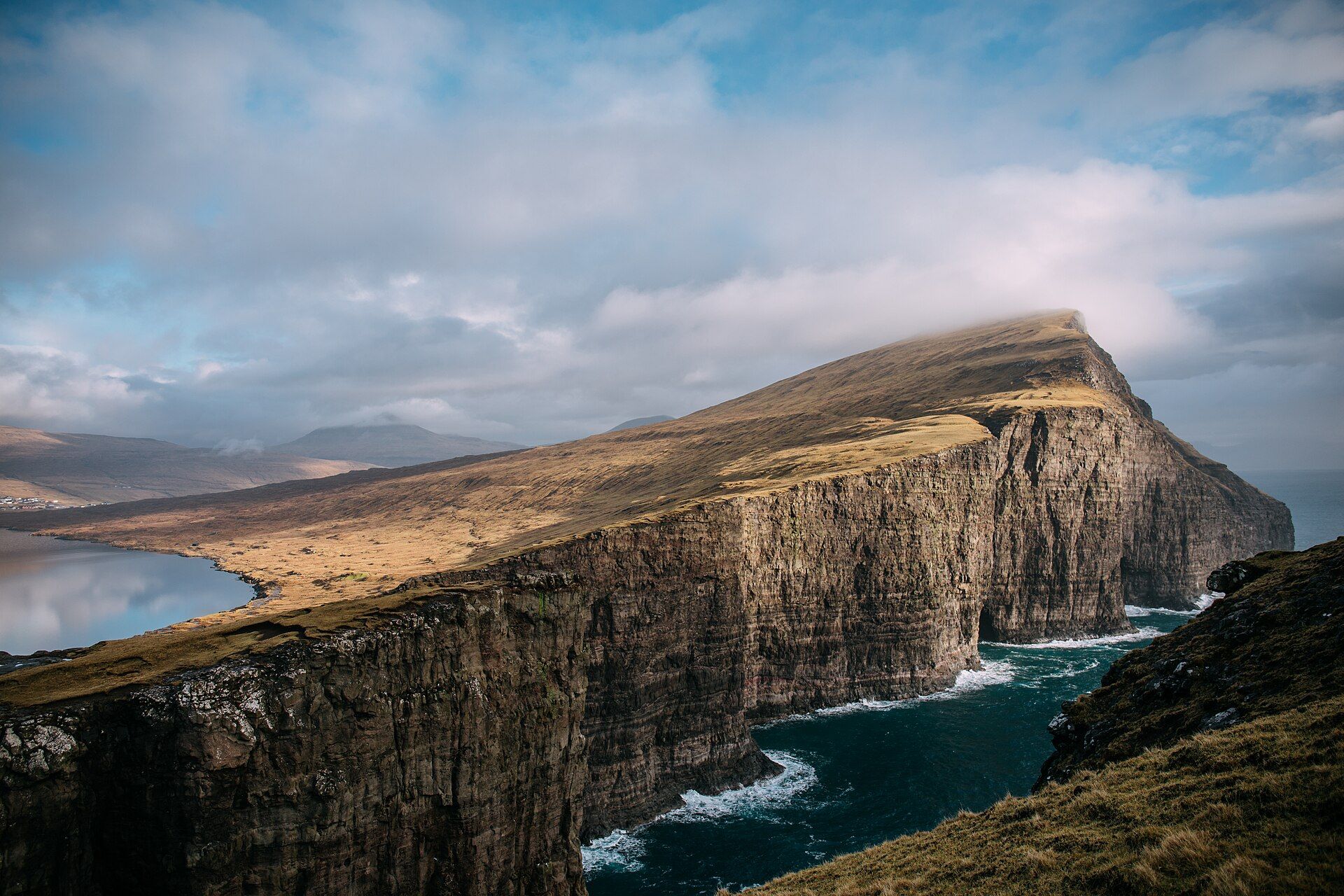
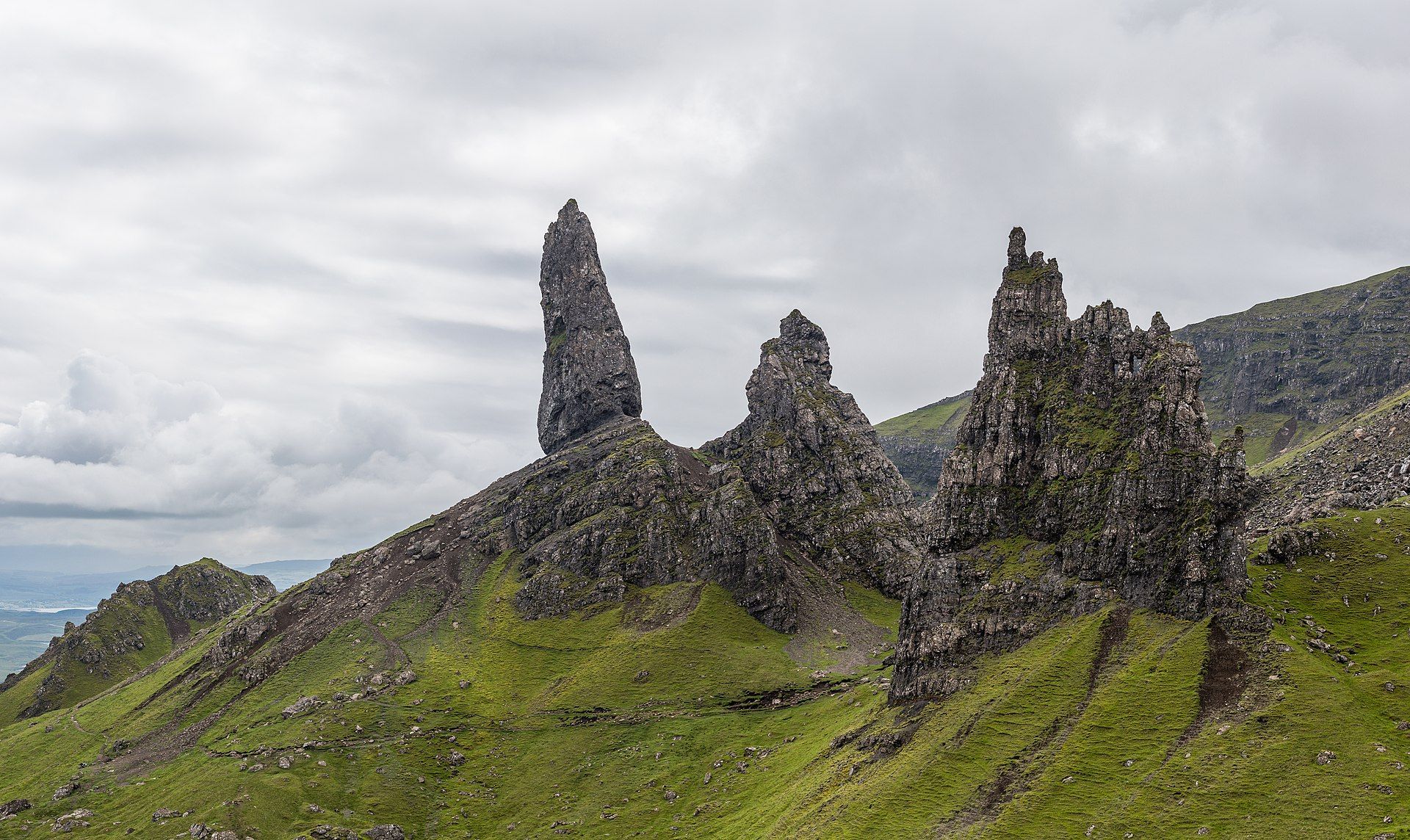
Skye packs an astonishing range of dramatic landscapes into one Hebridean island. Its spine is the Cuillin, a ridge of jagged black gabbro peaks that form the most demanding mountain terrain in Britain, often wreathed in cloud. Elsewhere the land erupts into surreal rock: the toppling pinnacles and hidden plateau of the Quiraing, the lone spire of the Old Man of Storr, and the basalt columns and plunging waterfall of Kilt Rock. The coast is a saga of sea cliffs, skerries, and clear pools like the Fairy Pools beneath the mountains. Shaped by ancient volcanoes and grinding glaciers and lashed by Atlantic weather, Skye is a place where the light and cloud change by the minute, and where Highland scenery reaches its most theatrical.
Why visit
Few places pack so much drama into so small an area — jagged peaks, weird rock towers, waterfalls, and sea cliffs, all under fast-moving Highland skies. It is a landscape photographer's dream and a walker's paradise.
What to know before you go
🗓️ Best time
Late spring to early autumn (roughly May–September) for the longest days and best walking weather; even then, come prepared for rain, wind, and midges in summer.
🧭 Getting there & access
In the Inner Hebrides off Scotland's west coast, reached by the road bridge from the mainland or by ferry; a car is the best way to explore the scattered sights, with many short walks.
Good to know
- Allow several days and expect fast-changing weather — pack waterproofs.
- Start popular walks like the Quiraing and Fairy Pools early to beat crowds.
- The Cuillin ridge is serious mountaineering; hire a guide for the peaks.
Plan your visit
Moderate🧭 Getting there
From Inverness (INV) or Glasgow (GLA)
- Fly to Inverness or Glasgow
- Drive Inverness → Skye via the Skye Bridge — roughly 2h30–3h
- From Glasgow it is about 5h; distances on the island itself are slow, single-track and longer than they look
- Total travel
- Half a day from Inverness, most of a day from Glasgow
- Time at site
- 3–4 days; a week if you want the Cuillin as well
- Access
- Open access under Scottish access rights, with charged car parks at the honeypots — the Quiraing, the Old Man of Storr and the Fairy Pools. The Cuillin ridge is serious mountaineering ground, not hillwalking, and the gabbro plays havoc with compasses. Some estates ask walkers to avoid the hills during the autumn deer stalking season.
🎒 What to bring & consider
- Full waterproofs — Skye is one of the wettest places in Britain and "it will clear up" usually does not
- Boots with ankle support for boggy, rocky ground that eats trainers
- Midge repellent and ideally a head net from roughly June to September; the midges here defeat cheerfulness faster than the rain
- A paper map and compass as well as a phone, because signal drops across most of the island
- Patience with single-track roads and the discipline to use passing places properly
👁️ What to expect
- Crowds
- The Storr and Fairy Pools car parks fill from mid-morning through summer. Walk half an hour in any direction and the crowds vanish.
- Conditions
- Wet, boggy, rocky paths, badly eroded in places. Weather turns fast and visibility can drop to nothing.
- Facilities
- Portree has everything. Elsewhere fuel, food and cash machines are sparse and close early.
- The view
- Skye trades on dramatic light between squalls rather than blue sky — the good photographs come from bad weather clearing, so go out anyway.
Times and requirements are approximate and change with season, weather, and local rules — confirm permits, fares, and schedules with operators before you travel.
Natural riches of the area
- The Cuillin — Britain's most rugged mountain ridge
- Surreal rock landforms (Quiraing, Old Man of Storr)
- Sea cliffs, waterfalls, and clear mountain pools
- A geology of ancient volcanoes and glacial carving
Local food
- Fresh Hebridean seafood
- Langoustines, scallops, oysters, and crab from Skye's cold waters.
- Highland lamb & venison
- Reared and hunted across the Scottish Highlands.
- Island whisky
- Skye's Talisker, a peaty single malt made on the shore of Loch Harport.
Skye concentrates the drama of the Highlands into a single Hebridean island. Its backbone is the Cuillin, a ridge of jagged black peaks that form the most rugged mountain terrain in Britain, more often than not wreathed in cloud. Around them the land throws up some of the strangest rock scenery anywhere: the toppling pinnacles of the Quiraing, the lone spire of the Old Man of Storr, and the basalt cliffs and waterfall of Kilt Rock plunging straight into the sea.
Below the mountains lie clear pools and tumbling burns like the Fairy Pools, and the coast unspools in sea cliffs, skerries, and hidden bays. Carved by ancient volcanoes and glaciers and endlessly reworked by Atlantic weather, Skye is a place where cloud and light shift by the minute and every bend brings a new view. It is the most theatrical scenery in Scotland — a paradise for walkers and photographers alike.
Isle of Skye: common questions
How do you get to Isle of Skye?
From Inverness (INV) or Glasgow (GLA): Fly to Inverness or Glasgow; Drive Inverness → Skye via the Skye Bridge — roughly 2h30–3h; From Glasgow it is about 5h; distances on the island itself are slow, single-track and longer than they look. Total travel time: Half a day from Inverness, most of a day from Glasgow.
When is the best time to visit Isle of Skye?
Late spring to early autumn (roughly May–September) for the longest days and best walking weather; even then, come prepared for rain, wind, and midges in summer.
How long should you spend at Isle of Skye?
3–4 days; a week if you want the Cuillin as well. Total travel time: Half a day from Inverness, most of a day from Glasgow.
What should you bring to Isle of Skye?
Full waterproofs — Skye is one of the wettest places in Britain and "it will clear up" usually does not Boots with ankle support for boggy, rocky ground that eats trainers Midge repellent and ideally a head net from roughly June to September; the midges here defeat cheerfulness faster than the rain A paper map and compass as well as a phone, because signal drops across most of the island Patience with single-track roads and the discipline to use passing places properly
Do you need a permit or guide for Isle of Skye?
Open access under Scottish access rights, with charged car parks at the honeypots — the Quiraing, the Old Man of Storr and the Fairy Pools. The Cuillin ridge is serious mountaineering ground, not hillwalking, and the gabbro plays havoc with compasses. Some estates ask walkers to avoid the hills during the autumn deer stalking season.
Is Isle of Skye crowded, and what are conditions like?
The Storr and Fairy Pools car parks fill from mid-morning through summer. Walk half an hour in any direction and the crowds vanish. Wet, boggy, rocky paths, badly eroded in places. Weather turns fast and visibility can drop to nothing. Facilities: Portree has everything. Elsewhere fuel, food and cash machines are sparse and close early.
Added
More wonders to explore