🇷🇴 Natural wonders of Romania
A country of high Carpathian mountains, one of Europe's greatest river deltas, and karst caves holding ancient ice — with some of the continent's last great wildlife.
🗓️ Best time for nature: Summer (roughly June–September) for the high mountains and the alpine road; spring and early summer for the birdlife of the Danube Delta.
The lay of the land
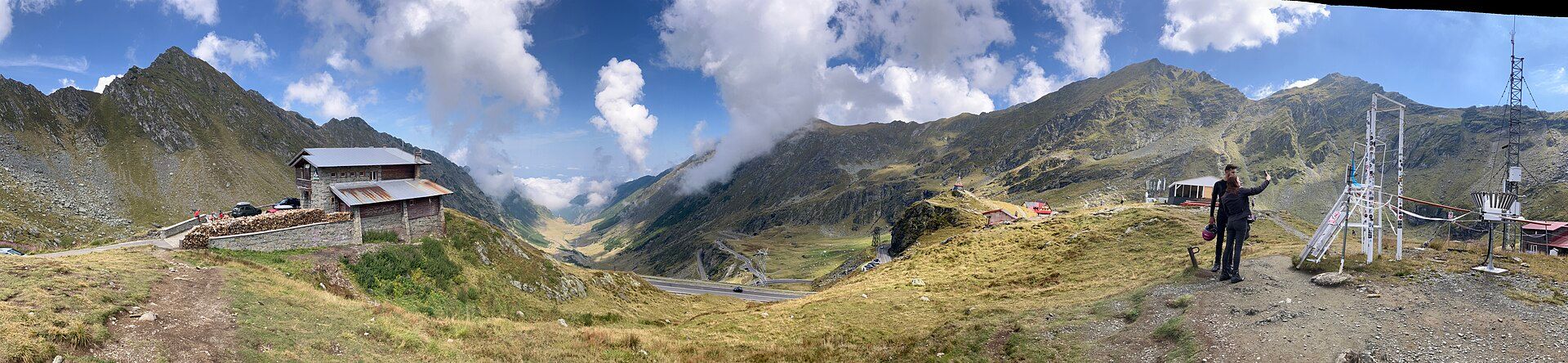
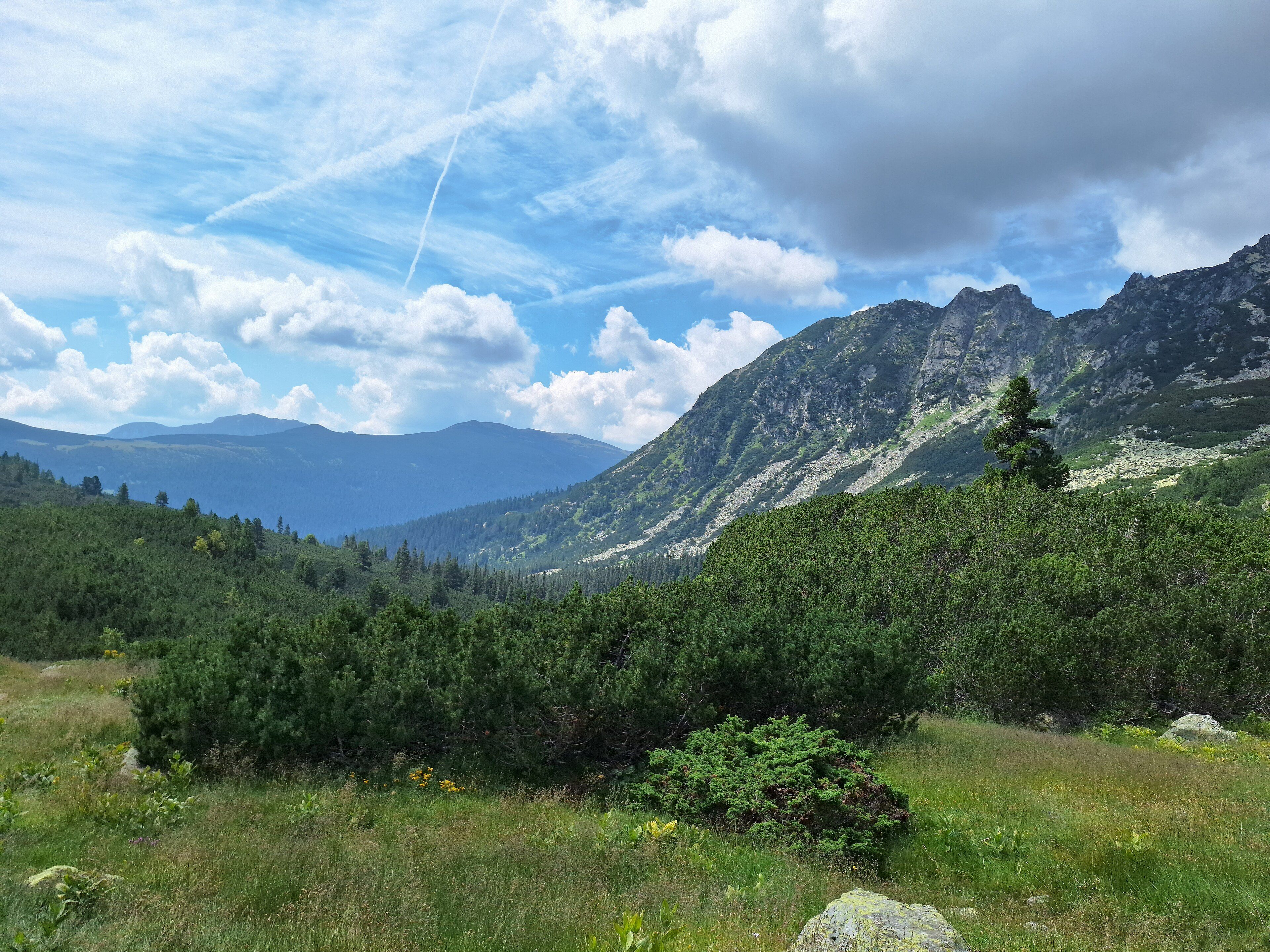
The Carpathian Mountains sweep through the heart of Romania, rising highest in the glacier-carved Făgăraș range and crossed by the spectacular Transfăgărășan road. To the east, the Danube ends its long journey in Europe's largest delta, a vast wetland teeming with birds. In the western Apuseni Mountains, karst plateaus hide gorges and caves, including one that holds a great underground glacier. Together with extensive forests, these mountains shelter some of Europe's last strongholds of brown bear, wolf, and lynx.
Where to begin
-
Făgăraș Mountains & the Transfăgărășan
Romania's highest peaks and cirque lakes, crossed by a spectacular alpine road.
-
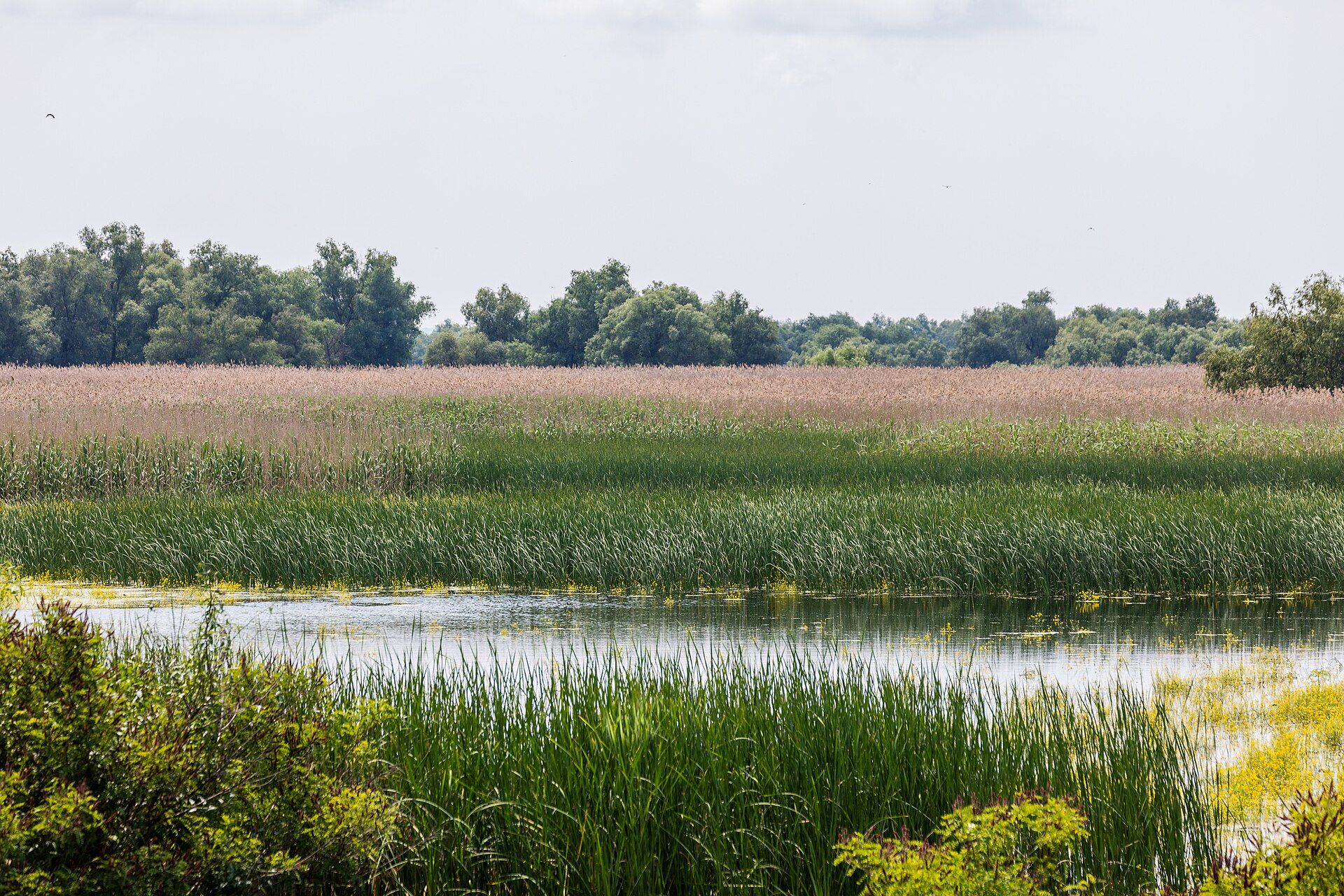
The Danube Delta
Europe's largest, best-preserved river delta and a great bird haven.
-
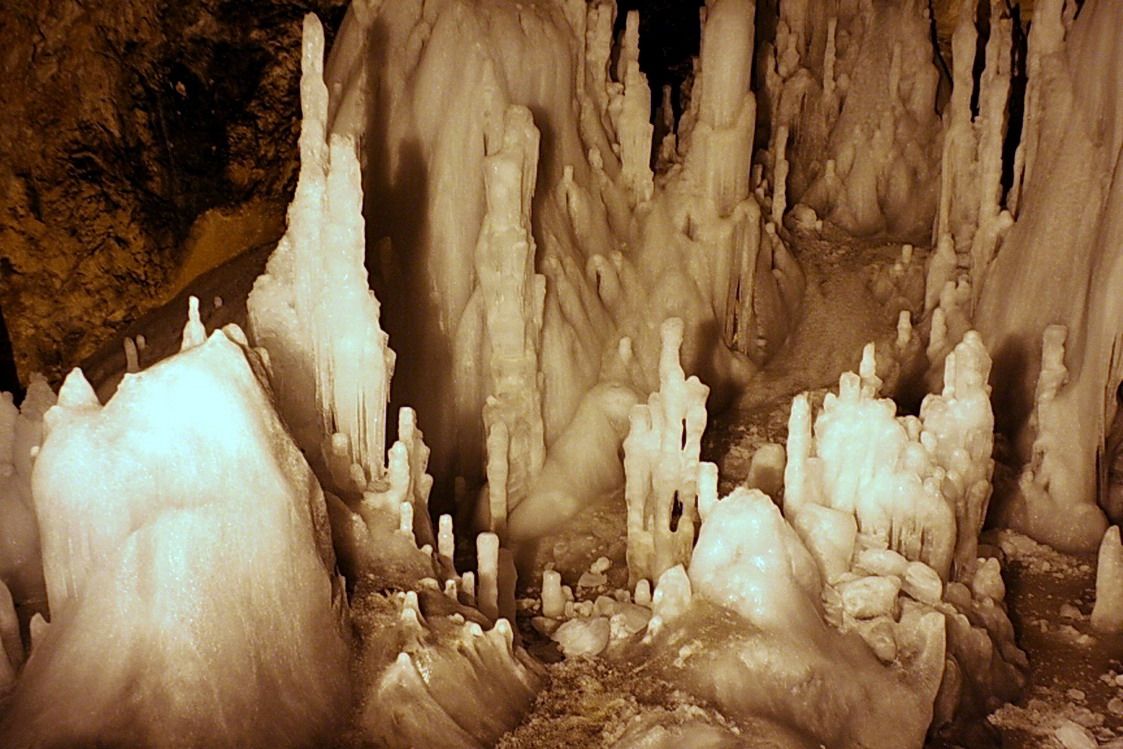
Scărișoara Ice Cave
An Apuseni cave holding one of the world's largest underground glaciers.
A taste of the place
Romanian food is hearty and rustic — stuffed cabbage rolls (sarmale), cornmeal mămăligă, grilled meats, sour soups, and freshwater fish from the delta and rivers.
Traveling responsibly
- Drive the high Transfăgărășan only in its short summer opening.
- Explore the Danube Delta by small boat with a local guide for the best birdlife.
- In the Carpathians, keep a respectful distance from bears and never feed them.
Romania’s wonders run from mountain to marsh to underground ice. The Carpathians rise to their highest in the Făgăraș range, crossed by the dramatic Transfăgărășan road; the Danube ends in Europe’s greatest delta; and in the Apuseni Mountains a cave holds an ancient glacier. This atlas begins Romania’s chapter with those three, with its gorges, forests, and Carpathian wildlife still to come.
Added
All wonders in Romania
4 places