Finnish Lapland
📍 Northern Finland, above the Arctic Circle
A vast Arctic wilderness of snow-blanketed forest, frozen lakes, and open fell — where the northern lights dance through the long polar nights and the summer sun never sets.
What makes it marvelous
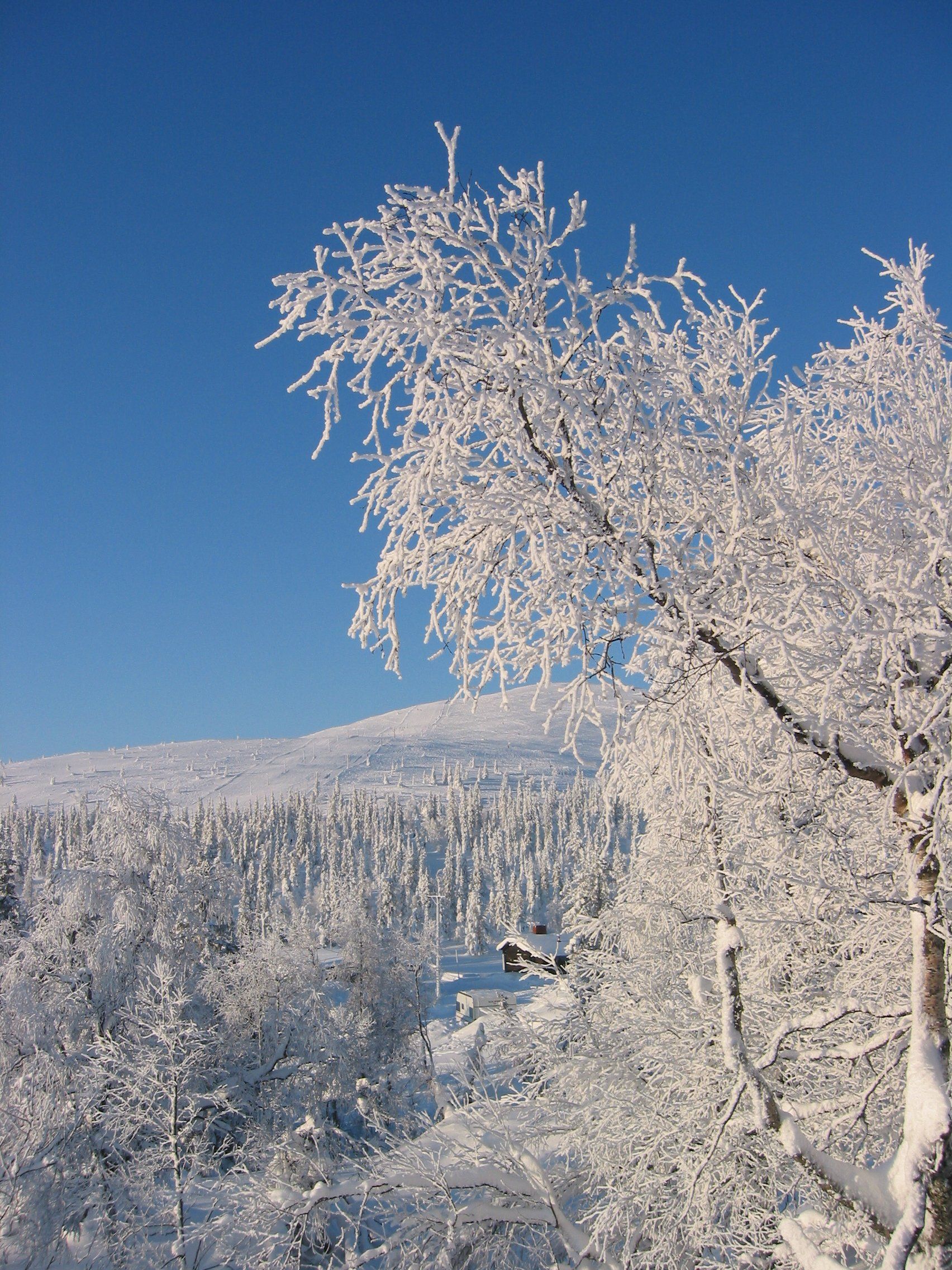
Lapland lies within the auroral zone, where charged particles from the sun, funnelled by Earth's magnetic field, collide with the upper atmosphere to make the sky ripple in green, violet, and red — the aurora borealis, visible here on many clear nights through the dark half of the year. Its landscape is shaped by ice and extreme seasons: boreal taiga forest, glacially scoured fells, and thousands of frozen lakes and mires. Above the Arctic Circle, the sun stays up around the clock at midsummer (the midnight sun) and vanishes for weeks in midwinter (the polar night).
Why visit
It's one of the most reliable and beautiful places on Earth to see the northern lights, set against pristine snow and silence. Reindeer herding by the Indigenous Sámi, husky and reindeer sleds, frozen-lake stillness, and the surreal light of the polar seasons make it magical in both winter and the endless summer day.
What to know before you go
🗓️ Best time
Roughly late August to early April for aurora viewing (dark, clear skies); December–March for deep snow and winter activities; June–July for the midnight sun.
🧭 Getting there & access
Via Arctic hubs like Rovaniemi, Ivalo, or Kittilä in northern Finland (by air or overnight train), then on to wilderness lodges and villages.
Good to know
- Aurora needs dark, clear skies — get away from town lights and be patient.
- Dress in serious layers; Arctic winter cold is extreme.
- Respect Sámi culture and reindeer-herding lands.
Plan your visit
Easy🧭 Getting there
From Rovaniemi (RVN), Ivalo (IVL) or Kittilä (KTT)
- Fly Helsinki → Rovaniemi, Ivalo or Kittilä — roughly 1h20–1h40
- Or take the overnight train Helsinki → Rovaniemi — about 12 hours
- Transfer to your lodge or resort — typically 15 minutes to an hour
- Total travel
- A short flight or a night on the train from Helsinki
- Time at site
- Four or five nights, because the aurora is a numbers game
- Access
- No permits needed, and Finland's everyman's right allows walking, foraging and camping widely on uncultivated land. What governs the trip is season and daylight: the aurora season runs roughly from September to March, the polar night around Christmas leaves the far north with no sunrise at all, and by June there is no darkness whatsoever. Husky, reindeer and snowmobile activities are booked well ahead in December and around New Year.
🎒 What to bring & consider
- Insulated winter boots rated well below freezing, worn with wool rather than cotton socks — cold feet are what ends aurora nights, and −30°C happens
- A full thermal layering system rather than a single thick coat, since you move between sauna-warm interiors and deep cold repeatedly
- Spare camera batteries carried against your body, because lithium cells die within minutes in that cold
- Several nights in the area, as clear skies and aurora activity have to coincide and one night is a coin flip
- A tripod if you want aurora photographs, which are all long exposures whatever your phone claims
👁️ What to expect
- Crowds
- Rovaniemi is busy around Christmas. Head further north to Inari or Utsjoki and it empties out.
- Conditions
- Very cold, very dark in midwinter, and startlingly bright with snow-reflected light in the few hours of blue twilight.
- Facilities
- Excellent — resorts, glass igloos, guided activities, and full towns at Rovaniemi and Ivalo.
- The view
- The aurora over snow-loaded spruce, which needs a clear sky, an active night and somewhere away from town lights. The green arc is often fainter to the eye than to the camera, which is worth knowing so the first sighting is not a disappointment.
Times and requirements are approximate and change with season, weather, and local rules — confirm permits, fares, and schedules with operators before you travel.
Natural riches of the area
- Position within the auroral zone (northern lights)
- Boreal taiga forest, fells, and thousands of lakes and mires
- Reindeer and Arctic wildlife; Sámi herding traditions
- The extreme seasons of midnight sun and polar night
Local food
- Sautéed reindeer
- Poronkäristys — reindeer with mashed potato and lingonberry, a Lapland staple.
- Arctic char & salmon
- Cold-water fish from the region's clean lakes and rivers.
- Cloudberries & lingonberries
- Arctic berries gathered from the forests and mires.
Finnish Lapland is the Arctic at its most enchanting — a vast wilderness of snow-heavy forest, frozen lakes, and rolling open fells, wrapped for much of the year in a deep, clean silence. It sits squarely within the auroral zone, so on clear nights through the dark half of the year the sky comes alive with the northern lights: curtains of green, violet, and red made when particles from the sun strike the upper atmosphere, guided by Earth’s magnetic field.
The land is defined by ice and extreme seasons. Above the Arctic Circle, midsummer brings the midnight sun, when daylight never ends, and midwinter the polar night, when it barely comes at all. Reindeer move across the snow, herded as they long have been by the Indigenous Sámi, and the whole region feels made for slow wonder — chasing the aurora, gliding behind huskies, or simply standing in the Arctic hush. It is one of Europe’s great wild places, magical in both its endless day and its shimmering night.
Finnish Lapland: common questions
How do you get to Finnish Lapland?
From Rovaniemi (RVN), Ivalo (IVL) or Kittilä (KTT): Fly Helsinki → Rovaniemi, Ivalo or Kittilä — roughly 1h20–1h40; Or take the overnight train Helsinki → Rovaniemi — about 12 hours; Transfer to your lodge or resort — typically 15 minutes to an hour. Total travel time: A short flight or a night on the train from Helsinki.
When is the best time to visit Finnish Lapland?
Roughly late August to early April for aurora viewing (dark, clear skies); December–March for deep snow and winter activities; June–July for the midnight sun.
How long should you spend at Finnish Lapland?
Four or five nights, because the aurora is a numbers game. Total travel time: A short flight or a night on the train from Helsinki.
What should you bring to Finnish Lapland?
Insulated winter boots rated well below freezing, worn with wool rather than cotton socks — cold feet are what ends aurora nights, and −30°C happens A full thermal layering system rather than a single thick coat, since you move between sauna-warm interiors and deep cold repeatedly Spare camera batteries carried against your body, because lithium cells die within minutes in that cold Several nights in the area, as clear skies and aurora activity have to coincide and one night is a coin flip A tripod if you want aurora photographs, which are all long exposures whatever your phone claims
Do you need a permit or guide for Finnish Lapland?
No permits needed, and Finland's everyman's right allows walking, foraging and camping widely on uncultivated land. What governs the trip is season and daylight: the aurora season runs roughly from September to March, the polar night around Christmas leaves the far north with no sunrise at all, and by June there is no darkness whatsoever. Husky, reindeer and snowmobile activities are booked well ahead in December and around New Year.
Is Finnish Lapland crowded, and what are conditions like?
Rovaniemi is busy around Christmas. Head further north to Inari or Utsjoki and it empties out. Very cold, very dark in midwinter, and startlingly bright with snow-reflected light in the few hours of blue twilight. Facilities: Excellent — resorts, glass igloos, guided activities, and full towns at Rovaniemi and Ivalo.
Added
More wonders to explore