Mount Olympus
📍 Between Thessaly and Macedonia, near Litochoro, Greece
The highest mountain in Greece — a limestone massif of more than fifty peaks that climbs almost 2,900 metres within twenty kilometres of the Aegean shore, cut by deep gorges and protected as the country's first national park.
What makes it marvelous
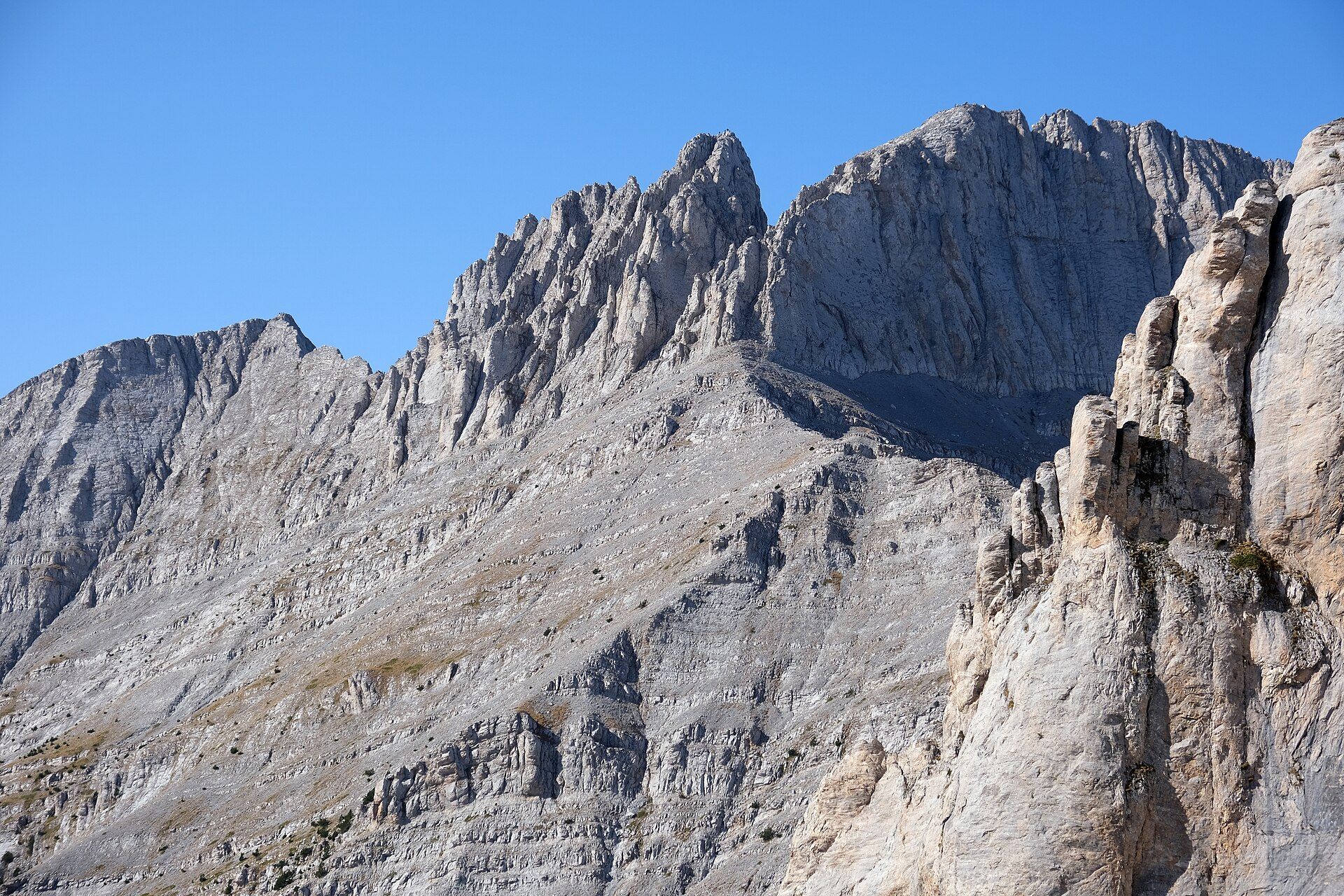
Olympus rises almost straight from the coast to its summit Mytikas at 2,917 metres, the highest point in Greece and one of the sharpest sea-to-summit rises in Europe — the shoreline of the Thermaic Gulf lies less than twenty kilometres away. It is not a single cone but a great massif of marine limestone and marble, laid down as a carbonate platform and then thrust up and stacked by the collision that built the Hellenide mountain chain; its more than fifty summits, sheer buttresses and plunging ravines were carved afterwards by water, frost and small Pleistocene glaciers that left cirques below the highest tops. Rain and snowmelt sink into the soluble rock and re-emerge as the springs that feed the Enipeas Gorge. That relief also stacks a full ladder of climate zones onto one mountain, from Mediterranean scrub through oak and beech to black and Bosnian pine at the treeline and alpine grassland above. Made Greece's first national park in 1938 and a UNESCO Biosphere Reserve, it shelters more than 1,700 plant species, several of which grow nowhere else.
Why visit
Few mountains let you walk from a Mediterranean beach to alpine rock in a single trip. Walkers follow the Enipeas Gorge up from the town of Litochoro, crossing and re-crossing the river past waterfalls and pools to the springs at Prionia, then climb through beech and towering pine to the high refuges. Above the treeline the mountain turns to bare limestone, and the final scramble onto Mytikas is airy and exposed. Even from the coast it is a constant presence, snow-streaked into early summer and often the only thing on the horizon holding cloud.
More views of Mount Olympus
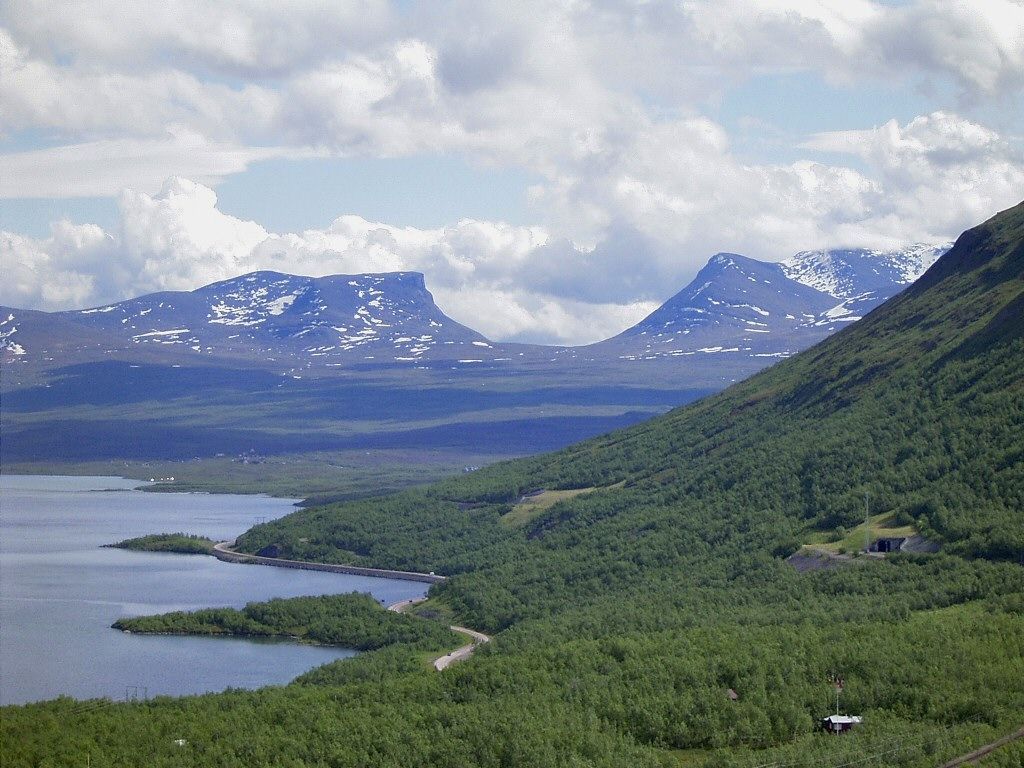
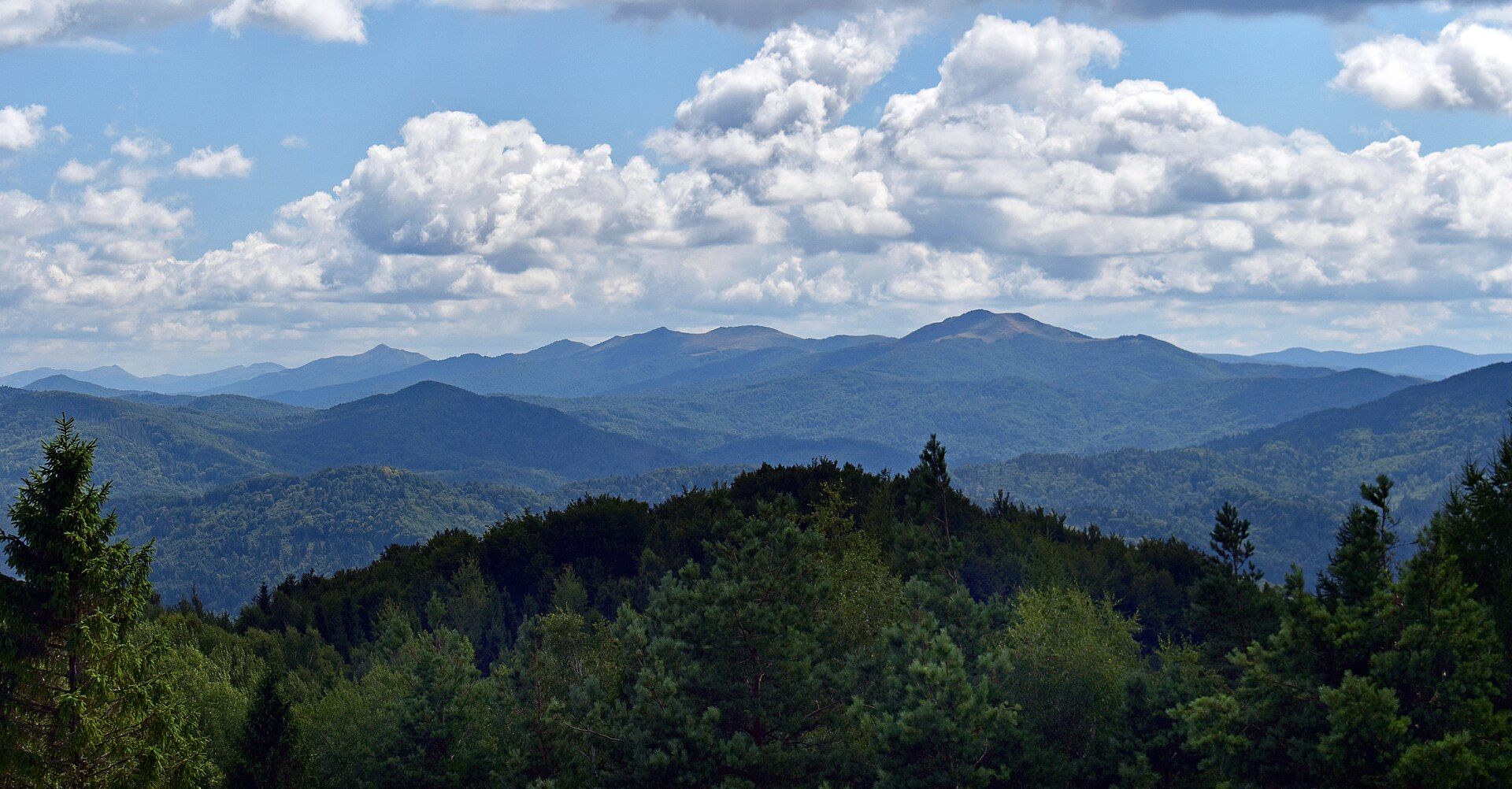
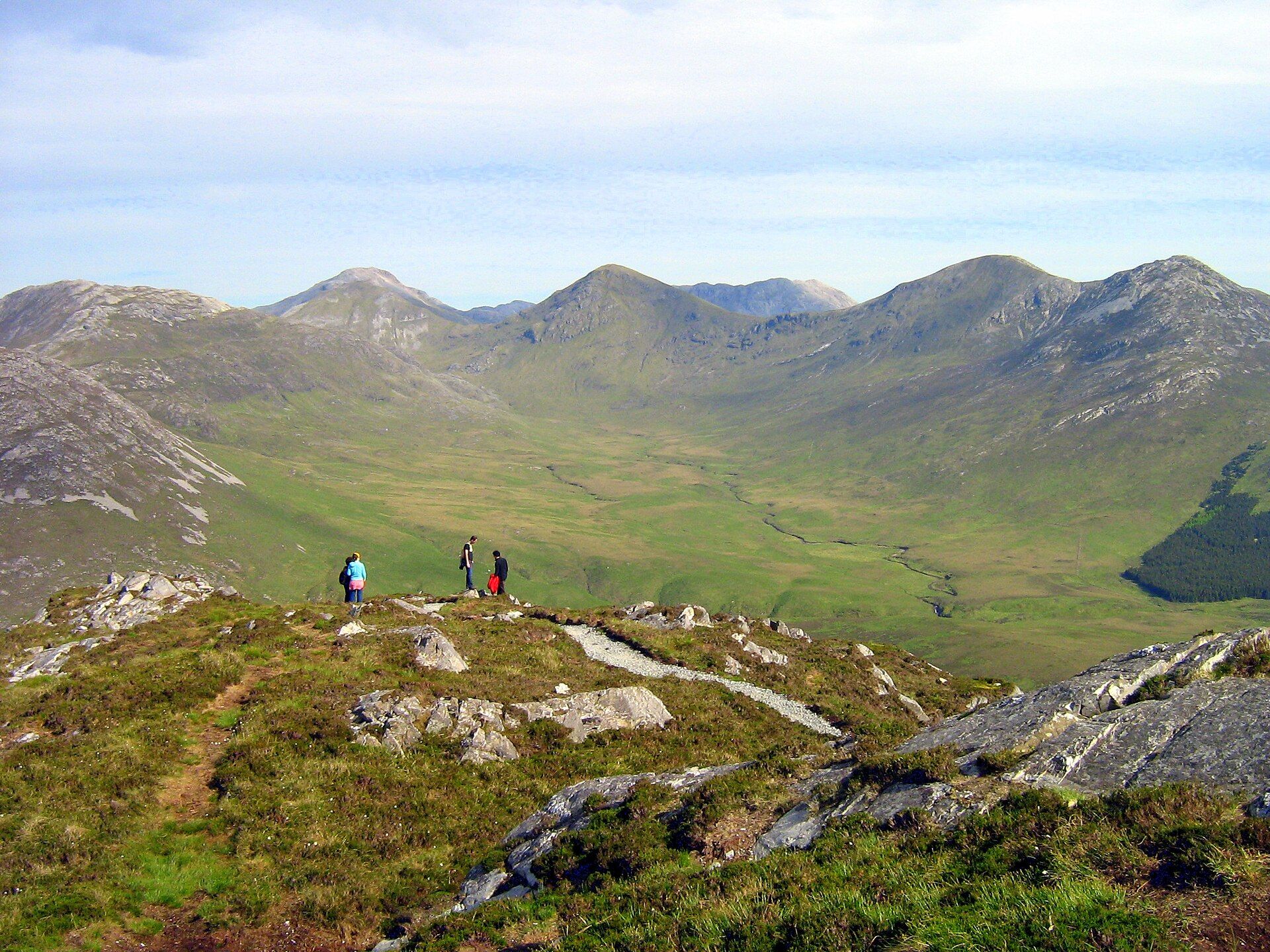
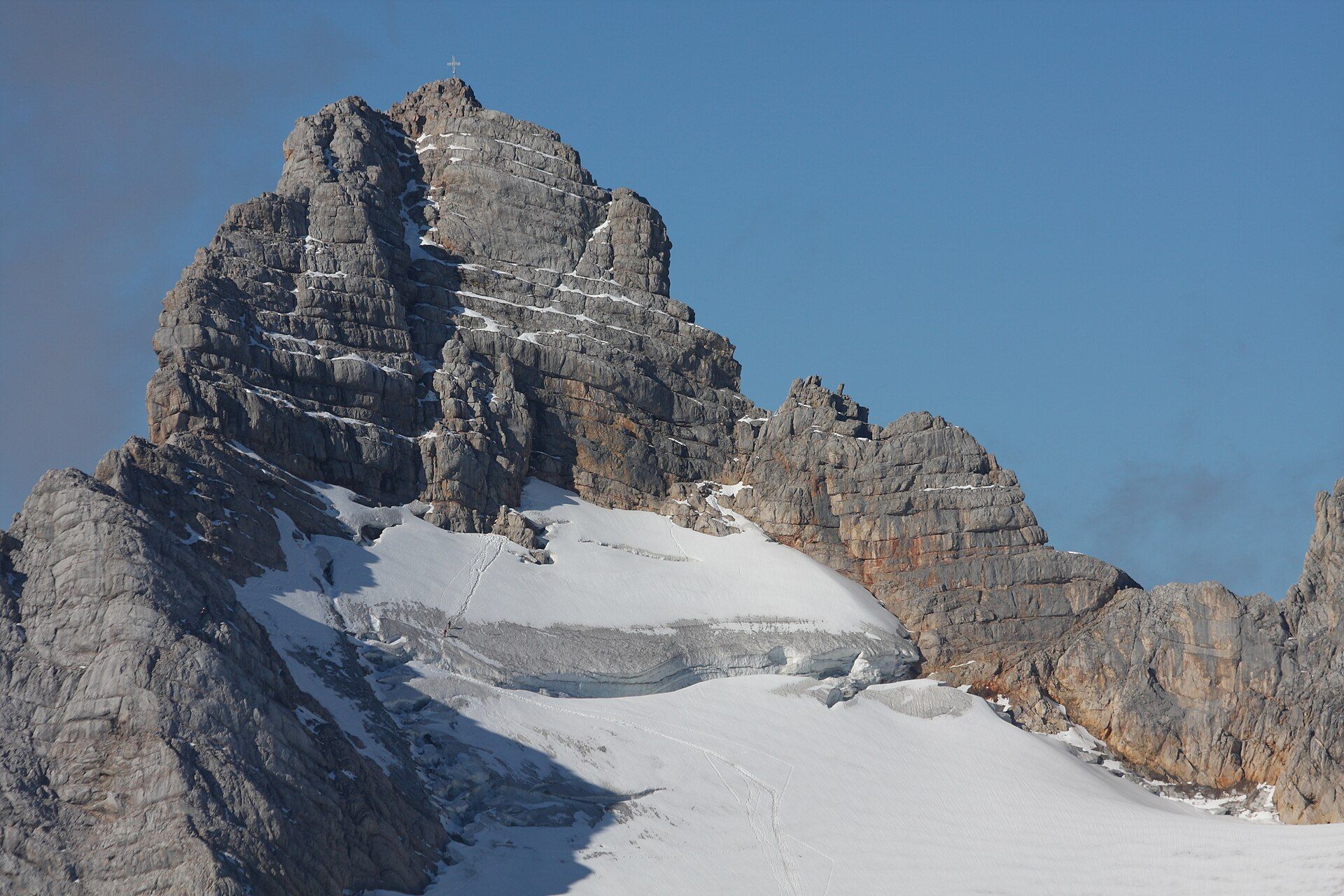
Additional photographs of the actual site — each freely licensed, with its photographer and licence credited.
What to know before you go
🗓️ Best time
Late June to early October for the high trails and summit, once the snow has cleared; the refuges typically operate in these months, and winter turns the tops into serious alpine terrain.
🧭 Getting there & access
The main gateway is the coastal town of Litochoro; a road climbs to the Prionia trailhead, from where paths lead to the mountain refuges and the summits.
Good to know
- The final approach to Mytikas is an exposed grade-2 scramble — only for those comfortable with steep, airy rock.
- Book the mountain refuges ahead in summer and break the climb over two days to acclimatise and enjoy it.
- Mountain weather turns quickly; carry layers, and avoid the summit ridge in storms.
Plan your visit
Expedition🧭 Getting there
From Litochoro (via Thessaloniki, airport SKG)
- Reach Litochoro on the coast, then drive the mountain road up to the Prionia trailhead
- Hike to the refuges, staying overnight before the summit push to Mytikas
- Total travel
- About an hour from Litochoro to the Prionia trailhead
- Time at site
- Two days for a refuge-based summit; a day for the Enipeas Gorge alone
- Access
- The park is open and free; the summit of Mytikas is an exposed scramble, and the high refuges operate mainly in summer.
🎒 What to bring & consider
- A head for heights and basic scrambling ability for Mytikas
- Warm and windproof layers even in summer
- A refuge booking and enough water between springs
- Sturdy boots and an early start for the summit day
👁️ What to expect
- Crowds
- The refuges and summit are busy on fine summer weekends; the gorge is quieter.
- Conditions
- Long forest and alpine ascent finishing in exposed rock; fast mountain weather.
- Facilities
- Staffed refuges in season; full services in Litochoro.
- The view
- The summit ridge above a sea of cloud, or the Enipeas Gorge from the Litochoro trail.
Times and requirements are approximate and change with season, weather, and local rules — confirm permits, fares, and schedules with operators before you travel.
Natural riches of the area
- A limestone and marble massif of more than fifty peaks, topped by Mytikas at 2,917 m
- The Enipeas Gorge, its waterfalls, and the karst springs at Prionia
- Forests of oak, beech, black pine and Bosnian pine rising to alpine grassland
- Over 1,700 plant species, several found only on this mountain
- Balkan chamois, roe deer, wild boar and nesting birds of prey on the high crags
Local food
- Pita souvlaki
- Grilled meat wrapped in warm flatbread, a staple of the towns below.
- Olympus mountain tea
- An herbal infusion of dried Sideritis gathered on the slopes.
- Local honey
- Honey from the mountain's pine and wildflower slopes.
Mount Olympus is the steepest thing Greece has. Its summit, Mytikas, stands 2,917 metres above sea level — the highest point in the country — and the shore of the Thermaic Gulf is less than twenty kilometres away, which makes the rise from beach to summit one of the abruptest in Europe. It is not one peak but a whole massif: more than fifty summits, sheer walls, and ravines dropping away between them, with the Enipeas Gorge slicing back into the range from the coastal plain.
The rock explains the shape. Olympus is built of limestone and marble — carbonate sediment laid down on a shallow sea floor, then thrust upward and stacked into slices by the continental collision that raised the Hellenide chain running the length of Greece. Water did the rest. The stone dissolves, so rain and snowmelt vanish into it and re-emerge lower down as the springs that keep the Enipeas running through a Greek summer; frost prised the summit crags into their spires and buttresses; and small glaciers during the Pleistocene scooped the cirques that still hold snow into June below the highest tops.
That vertical scale stacks a full ladder of climates onto a single mountain. Mediterranean scrub on the lower slopes gives way to oak, then beech, then black pine, and finally the gnarled Bosnian pines that hold the treeline at around 2,000 metres before the ground turns to bare limestone and alpine grassland. The result is an unusual botanical concentration for such a small area — more than 1,700 plant species, several of which grow nowhere else on Earth — along with Balkan chamois on the high ground and eagles working the updraughts off the cliffs. Greece made Olympus its first national park in 1938, and it is now also a UNESCO Biosphere Reserve.
Walkers approach from the coastal town of Litochoro, following the Enipeas up through the gorge past waterfalls, swimming pools and the monastery of Agios Dionysios to the springs at Prionia, then climbing through forest to the high refuges. The final scramble onto Mytikas is airy, exposed rock, reserved for the sure-footed — and on a clear morning the view from it takes in the Aegean on one side and the mountains of Thessaly on the other.
Mount Olympus: common questions
How do you get to Mount Olympus?
From Litochoro (via Thessaloniki, airport SKG): Reach Litochoro on the coast, then drive the mountain road up to the Prionia trailhead; Hike to the refuges, staying overnight before the summit push to Mytikas. Total travel time: About an hour from Litochoro to the Prionia trailhead.
When is the best time to visit Mount Olympus?
Late June to early October for the high trails and summit, once the snow has cleared; the refuges typically operate in these months, and winter turns the tops into serious alpine terrain.
How long should you spend at Mount Olympus?
Two days for a refuge-based summit; a day for the Enipeas Gorge alone. Total travel time: About an hour from Litochoro to the Prionia trailhead.
What should you bring to Mount Olympus?
A head for heights and basic scrambling ability for Mytikas Warm and windproof layers even in summer A refuge booking and enough water between springs Sturdy boots and an early start for the summit day
Do you need a permit or guide for Mount Olympus?
The park is open and free; the summit of Mytikas is an exposed scramble, and the high refuges operate mainly in summer.
Is Mount Olympus crowded, and what are conditions like?
The refuges and summit are busy on fine summer weekends; the gorge is quieter. Long forest and alpine ascent finishing in exposed rock; fast mountain weather. Facilities: Staffed refuges in season; full services in Litochoro.
Added Updated
More wonders to explore