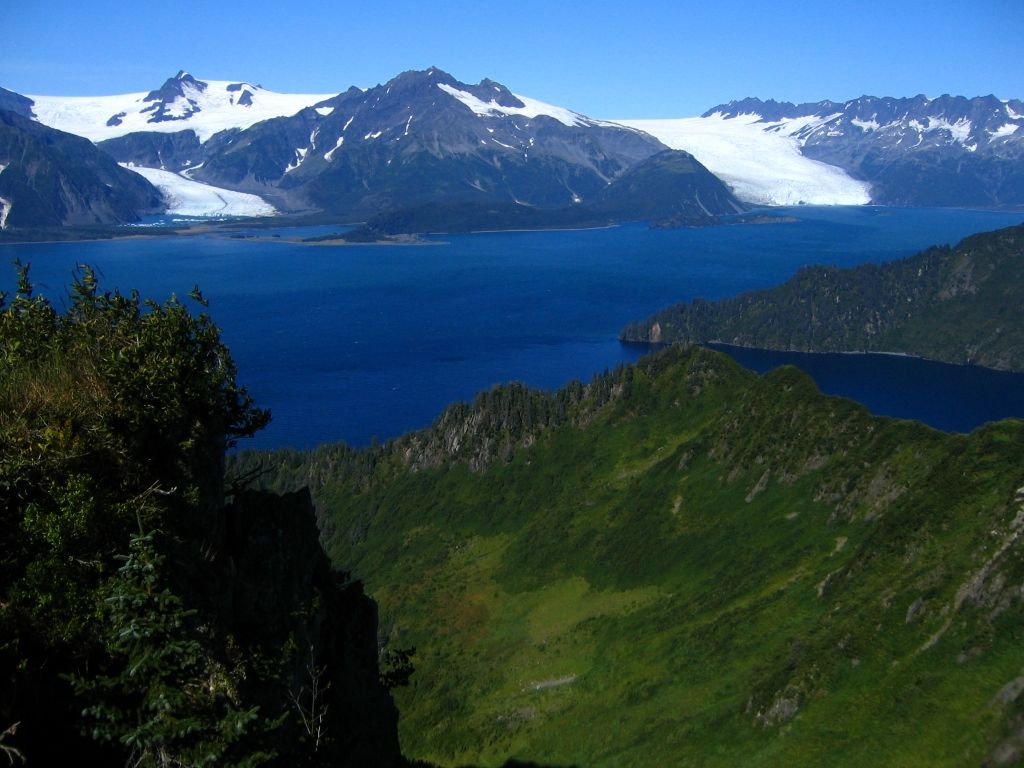
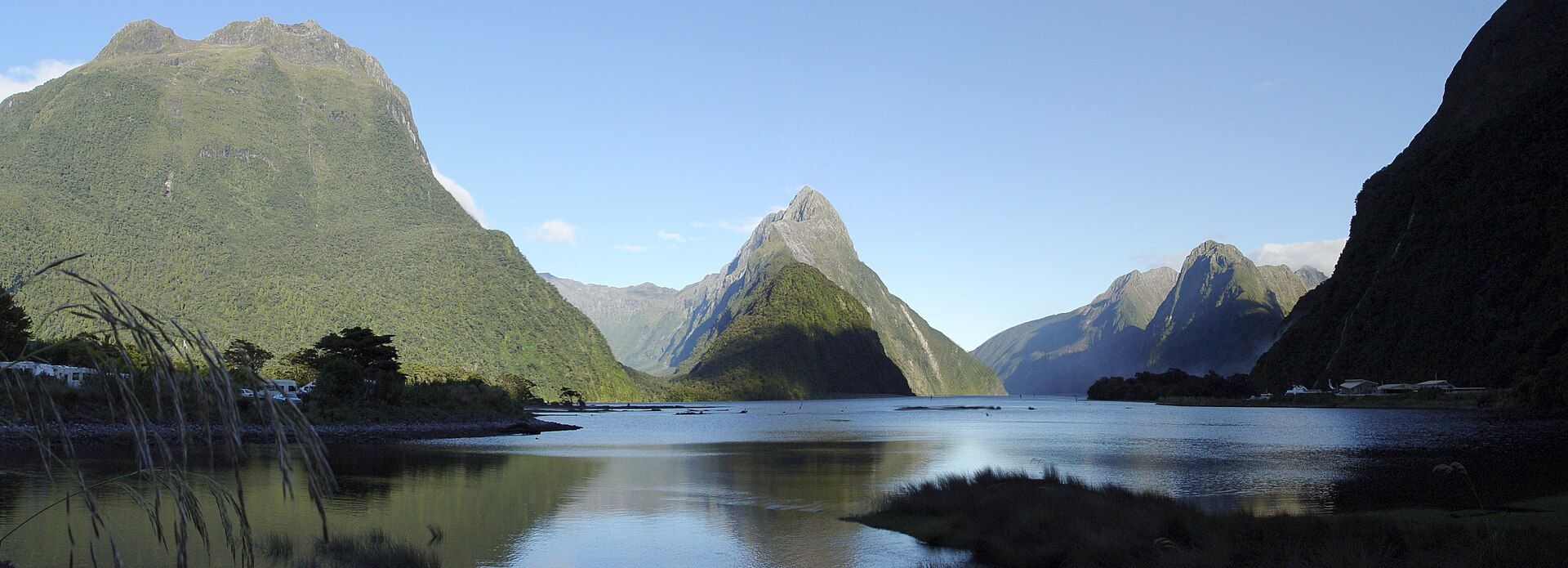
Nærøyfjord
📍 Aurland, Vestland, Western Norway
The narrowest fjord in the world open to cruising — a slender, UNESCO-listed arm of the great Sognefjord, squeezed to barely 250 metres between cliffs that climb well over a kilometre straight from the water.
What makes it marvelous
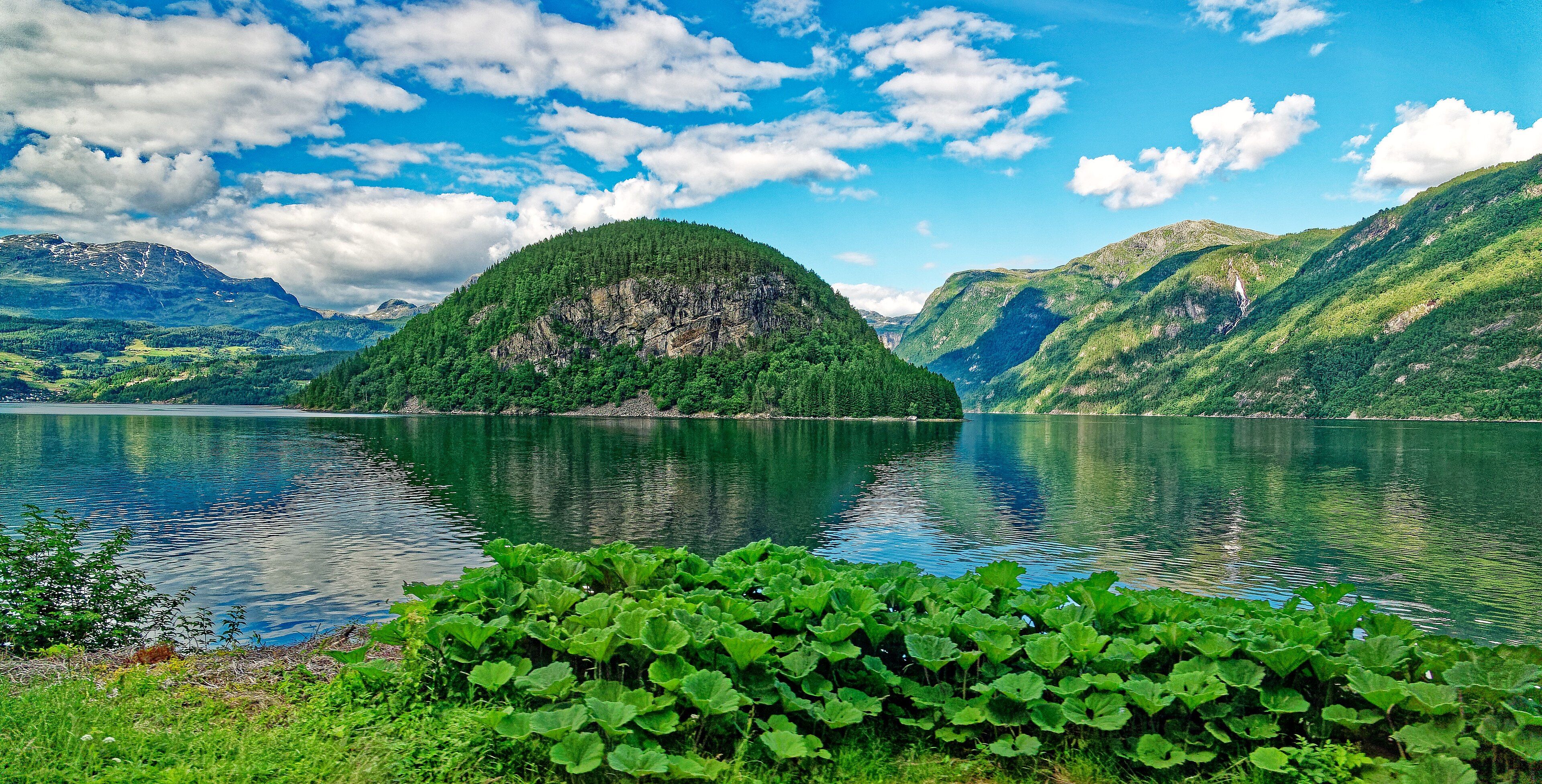
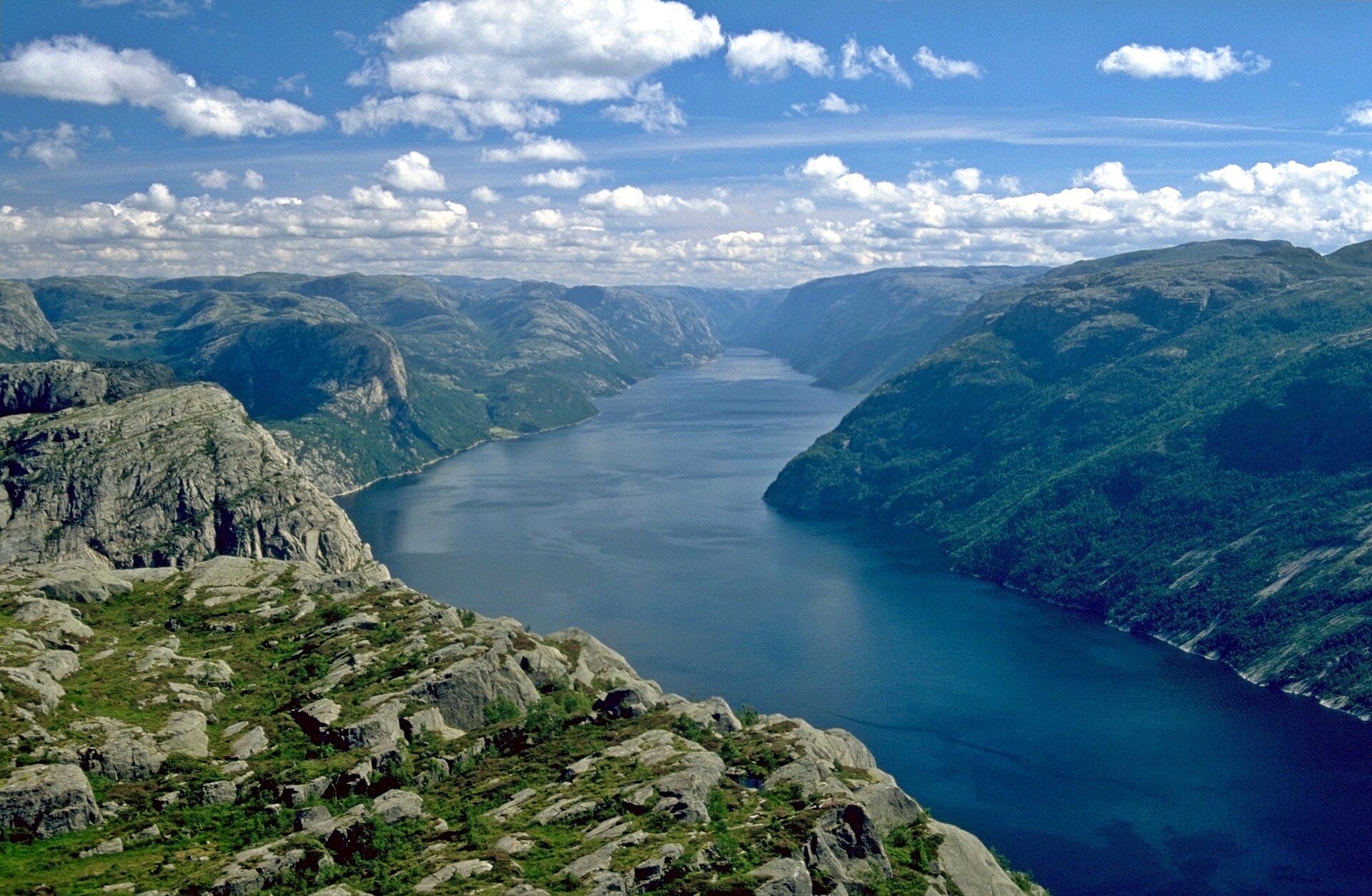
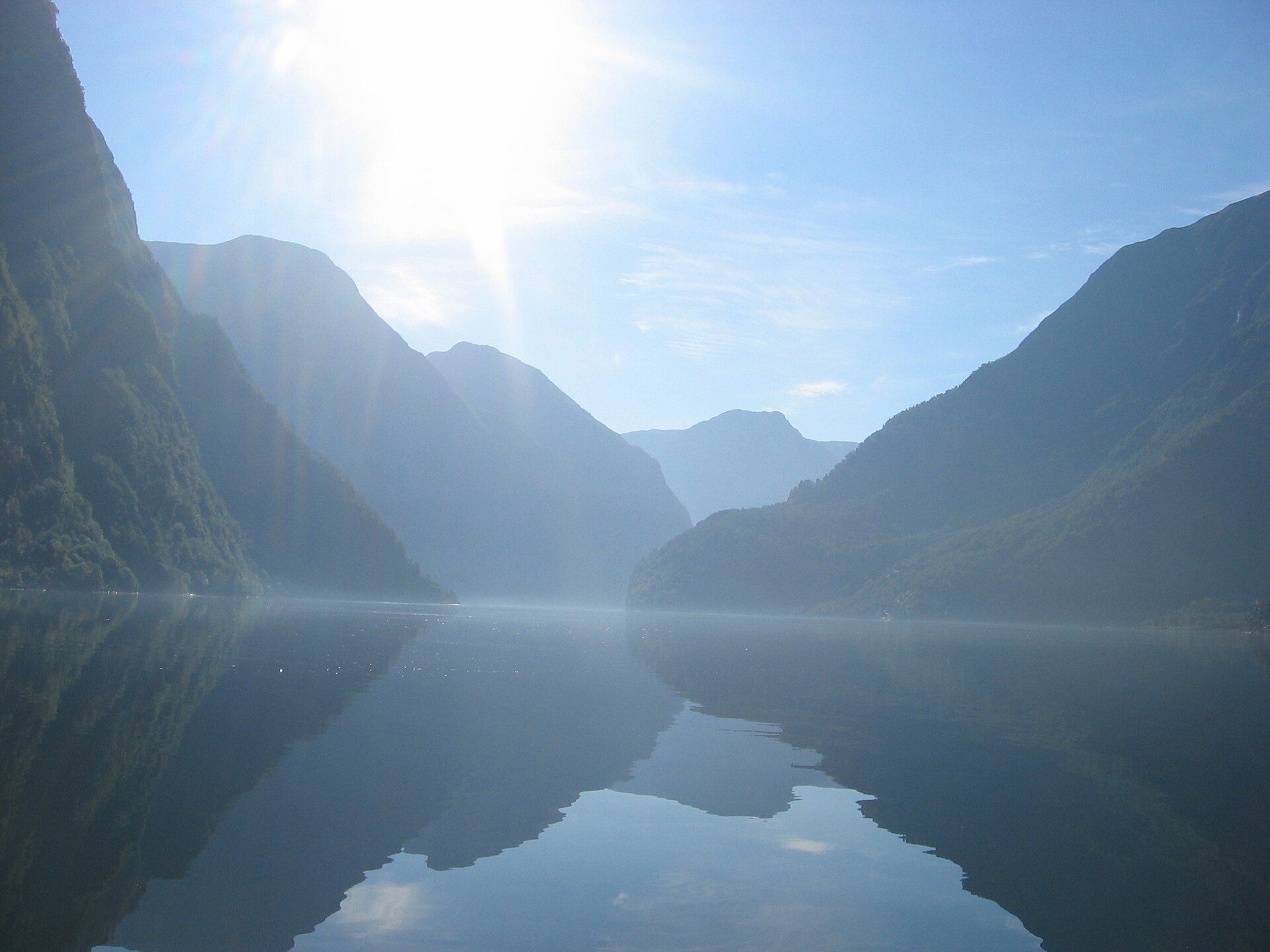
Nærøyfjord is a branch of the Sognefjord, Norway's longest and deepest fjord system, and it is the extreme end of the type: at its tightest the water is only about 250 metres wide while the rock walls rise more than 1,200 metres on either side. Glaciers gouged this cleft below sea level and the sea flooded in; waterfalls thread down the walls, snow lingers on the heights into summer, and small farms cling to the few ledges flat enough to hold them.
Why visit
Sailing the narrows is the whole point — the walls close in, the sound deadens, and the sheer verticality is genuinely startling. It is one of the two fjords that earned the West Norwegian Fjords their World Heritage listing, and the electric ferries make the trip near-silent.
Still deciding?
Nærøyfjord comes up most often against these — each one weighs cost, effort, season and crowds side by side.
More views of Nærøyfjord
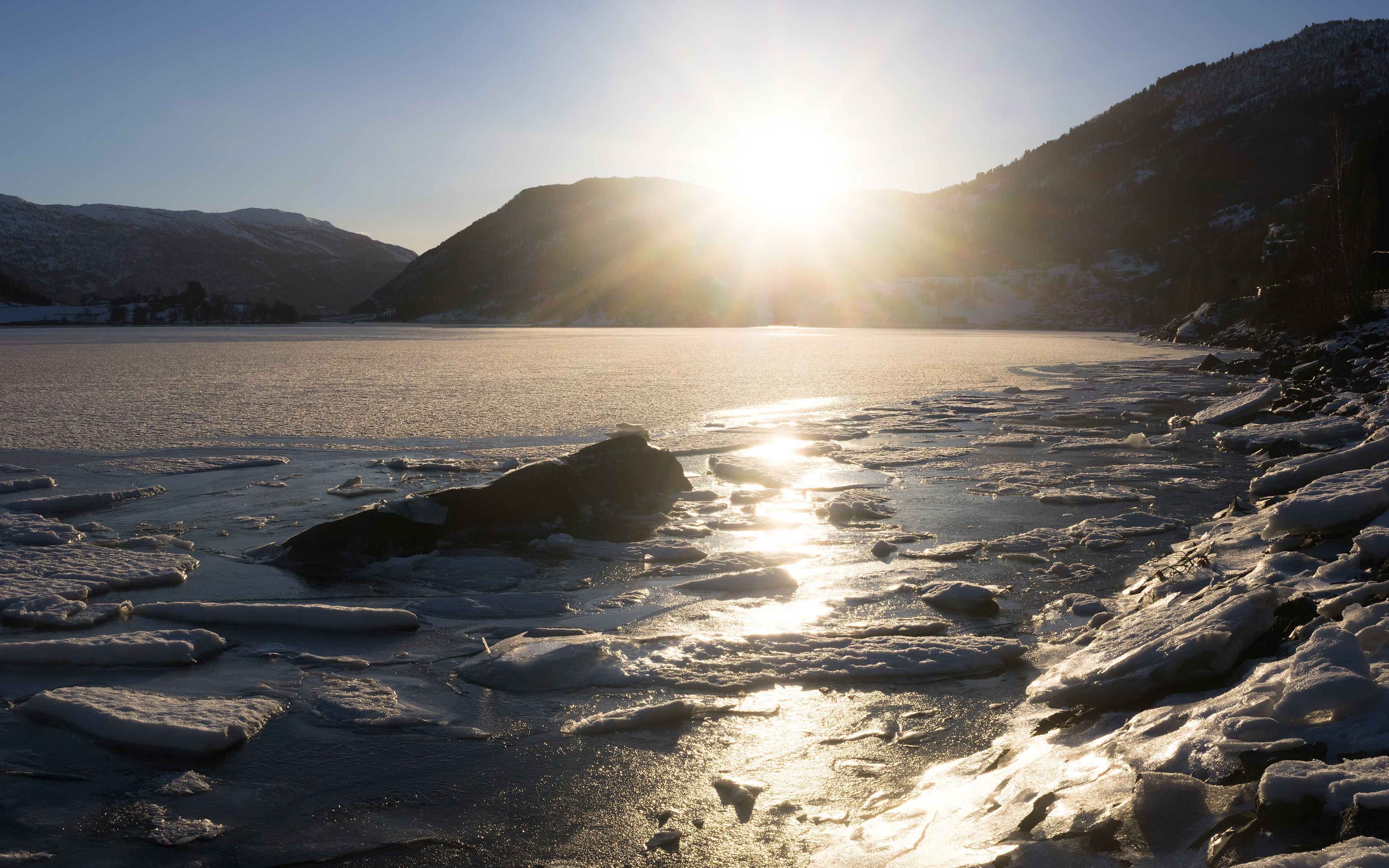
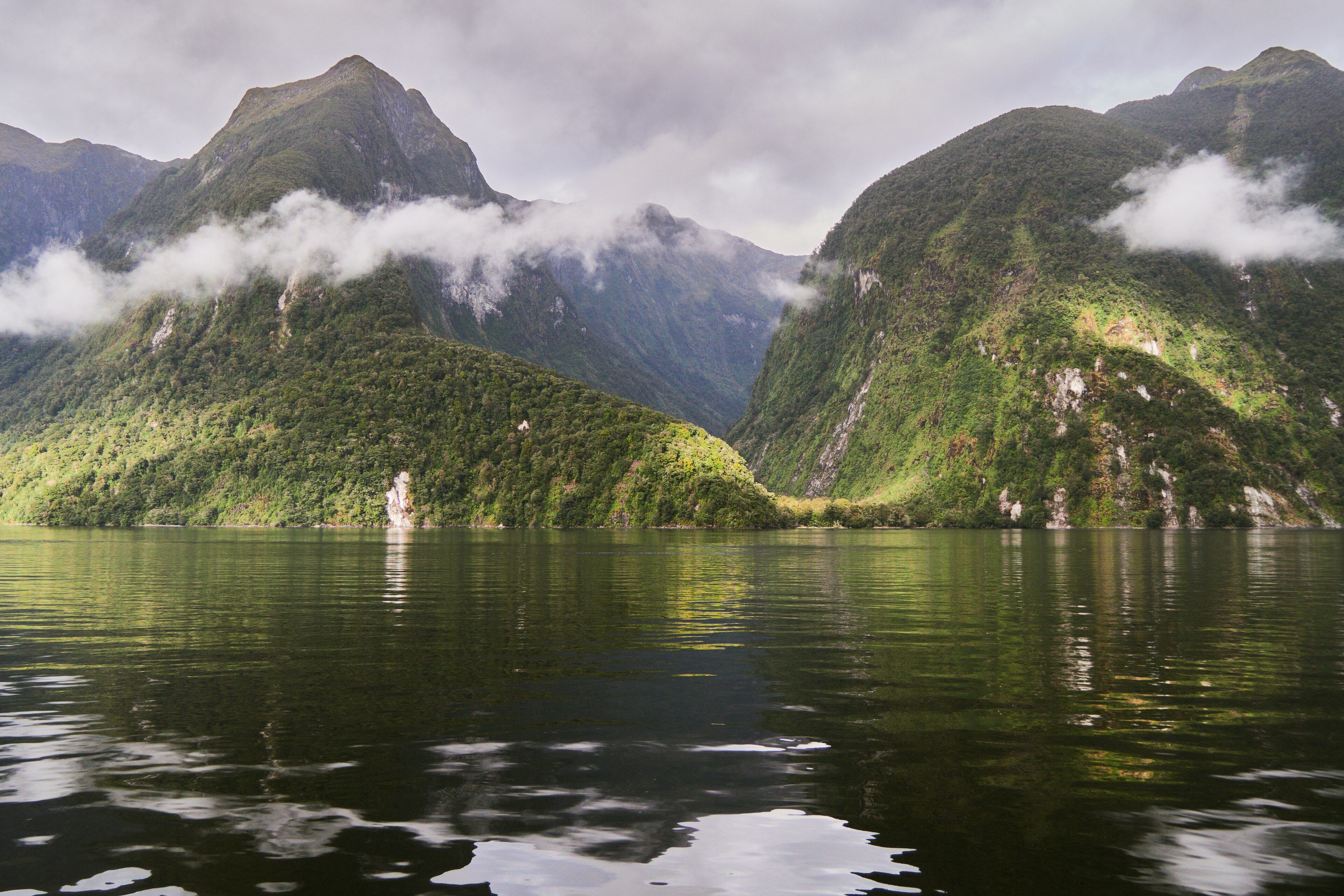
Additional photographs of the actual site — each freely licensed, with its photographer and licence credited.
What to know before you go
🗓️ Best time
May to September for cruises, green slopes and full waterfalls fed by snowmelt; the fjord itself stays open in winter but boat services and mountain roads are reduced or closed.
🧭 Getting there & access
The fjord runs between Gudvangen and the mouth near Flåm. The famous Flåm to Gudvangen fjord cruise crosses it; the Bergen railway and the Flåm line reach the area without a car.
Good to know
- Take the Flåm–Gudvangen fjord cruise for the full run through the narrows.
- Combine it with the Flåm Railway for one of the great rail-and-water days in Europe.
- Stand at the bow rather than inside — the scale only registers in the open air.
Plan your visit
Easy🧭 Getting there
From Flåm or Gudvangen, Western Norway (via Bergen BGO)
- Fly to Bergen, then take the Bergen Railway to Myrdal and the Flåm Line down to Flåm — a scenic half-day without a car
- Board the Flåm–Gudvangen fjord cruise, which runs the length of the narrows
- Buses connect Gudvangen back toward Voss and Bergen
- Total travel
- A half-day approach from Bergen
- Time at site
- 2–3h for the cruise; a full day with the railway and villages
- Access
- The fjord cruise runs year-round but on a reduced winter timetable; check the operator's current schedule. Flåm is a major cruise-ship call, so the village is far busier when ships are berthed.
🎒 What to bring & consider
- A warm layer and waterproof — it is cool and often wet on the open water even in summer
- Motion-sickness tablets if you are prone, for the boat
- A card that works abroad, since Norway is largely cashless
- Budget set high; the region is expensive with few cheap options
👁️ What to expect
- Crowds
- Busy in peak summer and when cruise ships are in Flåm; quieter early and late in the day.
- Conditions
- Easy throughout at water level; the surrounding hikes are steep.
- Facilities
- Good at Flåm and Gudvangen in season; limited in winter.
- The view
- The narrows from the bow with a waterfall on the wall behind — soft morning light before the wind picks up gives the mirror-water version.
Times and requirements are approximate and change with season, weather, and local rules — confirm permits, fares, and schedules with operators before you travel.
Natural riches of the area
- A glacier-carved fjord below sea level, an arm of the Sognefjord system
- High waterfalls fed by snowmelt and mountain lakes
- Cold, deep marine waters rich in fish
- Steep-slope farming heritage and birch forest
Local food
- Fresh salmon and trout
- Cold-water fish from the fjords and rivers, cured as gravlaks or grilled.
- Cured mutton (fenalår)
- Salt-cured, dried leg of lamb from the mountain farms — a Norwegian staple.
- Wild berries
- Bilberries and cloudberries from the high slopes in late summer.
Nærøyfjord is a fjord distilled to its essence. A slim arm of the mighty Sognefjord, it narrows in places to barely 250 metres of water while the mountains shoulder up more than a kilometre on either side, so that sailing it feels less like being on the sea than threading a flooded canyon. Glaciers cut the trench below sea level; when they melted, the ocean filled it, and today waterfalls streak the walls while a few improbable farms hold onto the ledges.
It is one of the two fjords — Geirangerfjord is the other — that together carry the West Norwegian Fjords’ UNESCO World Heritage listing, recognised as among the finest examples of the fjord landscape anywhere. The classic way to experience it is the cruise between Flåm and Gudvangen, now run on near-silent electric ferries, often paired with the plunging Flåm Railway for one of the most scenic combined journeys in Europe.
Nærøyfjord: common questions
How do you get to Nærøyfjord?
From Flåm or Gudvangen, Western Norway (via Bergen BGO): Fly to Bergen, then take the Bergen Railway to Myrdal and the Flåm Line down to Flåm — a scenic half-day without a car; Board the Flåm–Gudvangen fjord cruise, which runs the length of the narrows; Buses connect Gudvangen back toward Voss and Bergen. Total travel time: A half-day approach from Bergen.
When is the best time to visit Nærøyfjord?
May to September for cruises, green slopes and full waterfalls fed by snowmelt; the fjord itself stays open in winter but boat services and mountain roads are reduced or closed.
How long should you spend at Nærøyfjord?
2–3h for the cruise; a full day with the railway and villages. Total travel time: A half-day approach from Bergen.
What should you bring to Nærøyfjord?
A warm layer and waterproof — it is cool and often wet on the open water even in summer Motion-sickness tablets if you are prone, for the boat A card that works abroad, since Norway is largely cashless Budget set high; the region is expensive with few cheap options
Do you need a permit or guide for Nærøyfjord?
The fjord cruise runs year-round but on a reduced winter timetable; check the operator's current schedule. Flåm is a major cruise-ship call, so the village is far busier when ships are berthed.
Is Nærøyfjord crowded, and what are conditions like?
Busy in peak summer and when cruise ships are in Flåm; quieter early and late in the day. Easy throughout at water level; the surrounding hikes are steep. Facilities: Good at Flåm and Gudvangen in season; limited in winter.
Added
More wonders to explore