Königssee
📍 Berchtesgaden, Bavaria, Germany
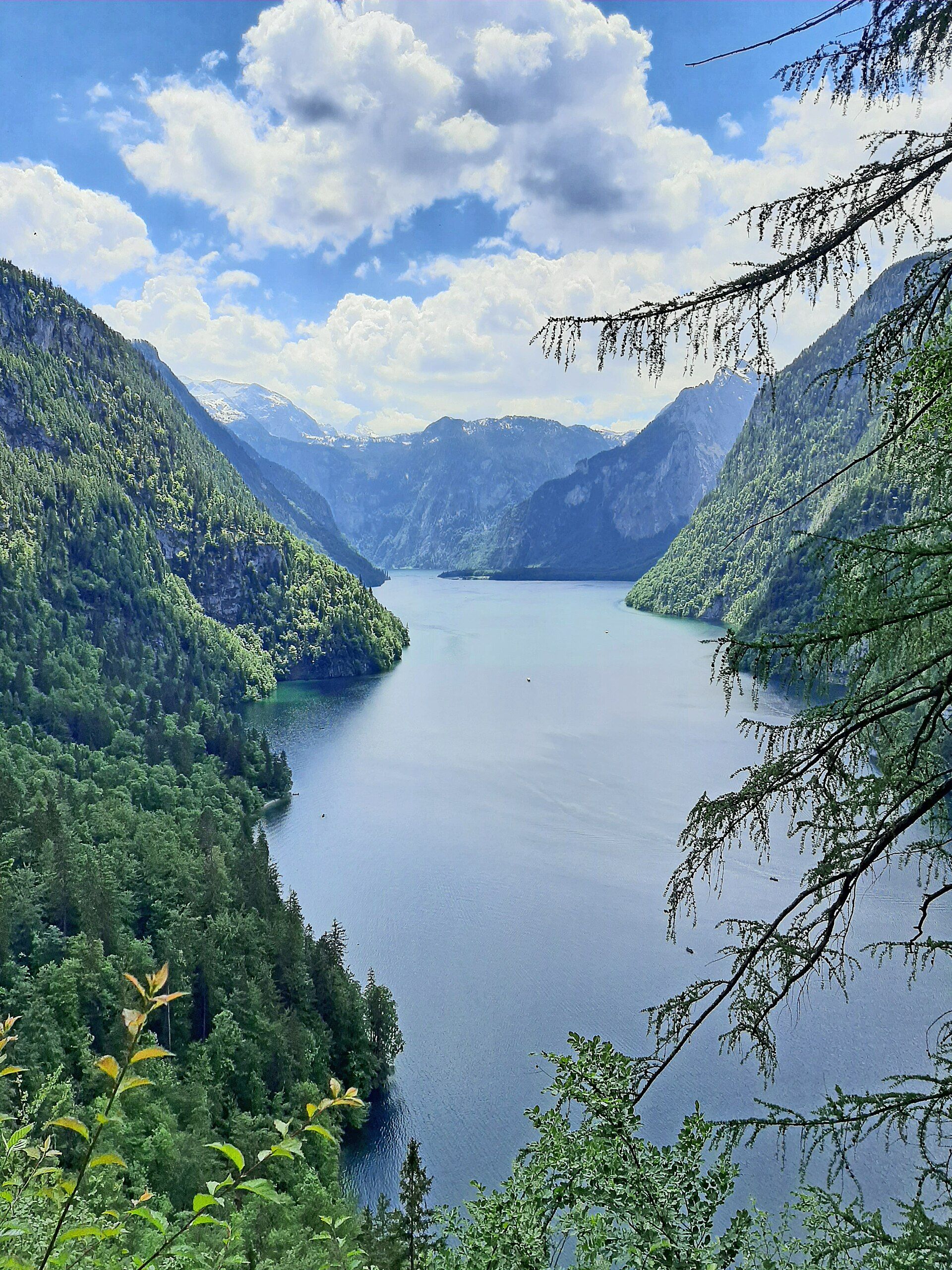
A deep, emerald, fjord-like lake hemmed by sheer alpine cliffs in Berchtesgaden National Park — so clean that only silent electric boats are allowed to cross it.
What makes it marvelous
The Königssee fills a steep trough gouged by Ice Age glaciers, its walls rising almost vertically to the peaks of the Berchtesgaden Alps, including the great east face of the Watzmann. Fed by mountain streams and shaded by cliffs, it is one of the deepest and cleanest lakes in Germany, its water a striking emerald green. To protect that purity, only electric-powered passenger boats — a fleet running since 1909 — have been permitted on the lake for over a century.
Why visit
Gliding across the still, green water beneath towering rock walls is unforgettable, and partway across the boatman traditionally stops so a trumpet call echoes back and forth between the cliffs. The boats land at St. Bartholomä, a red-domed pilgrimage chapel on a small peninsula beneath the Watzmann, the starting point for walks to hidden valleys and a smaller lake, the Obersee, beyond.
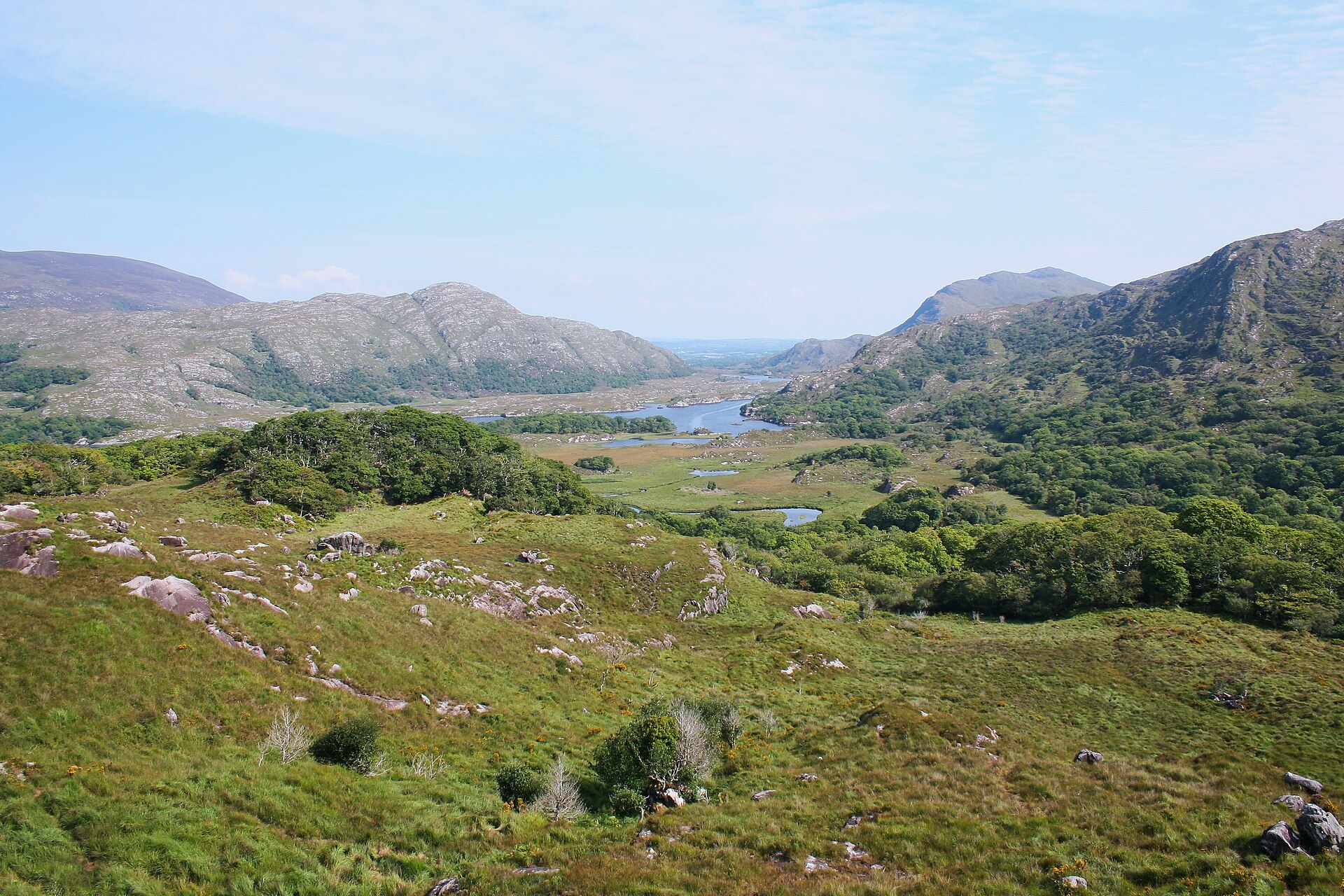
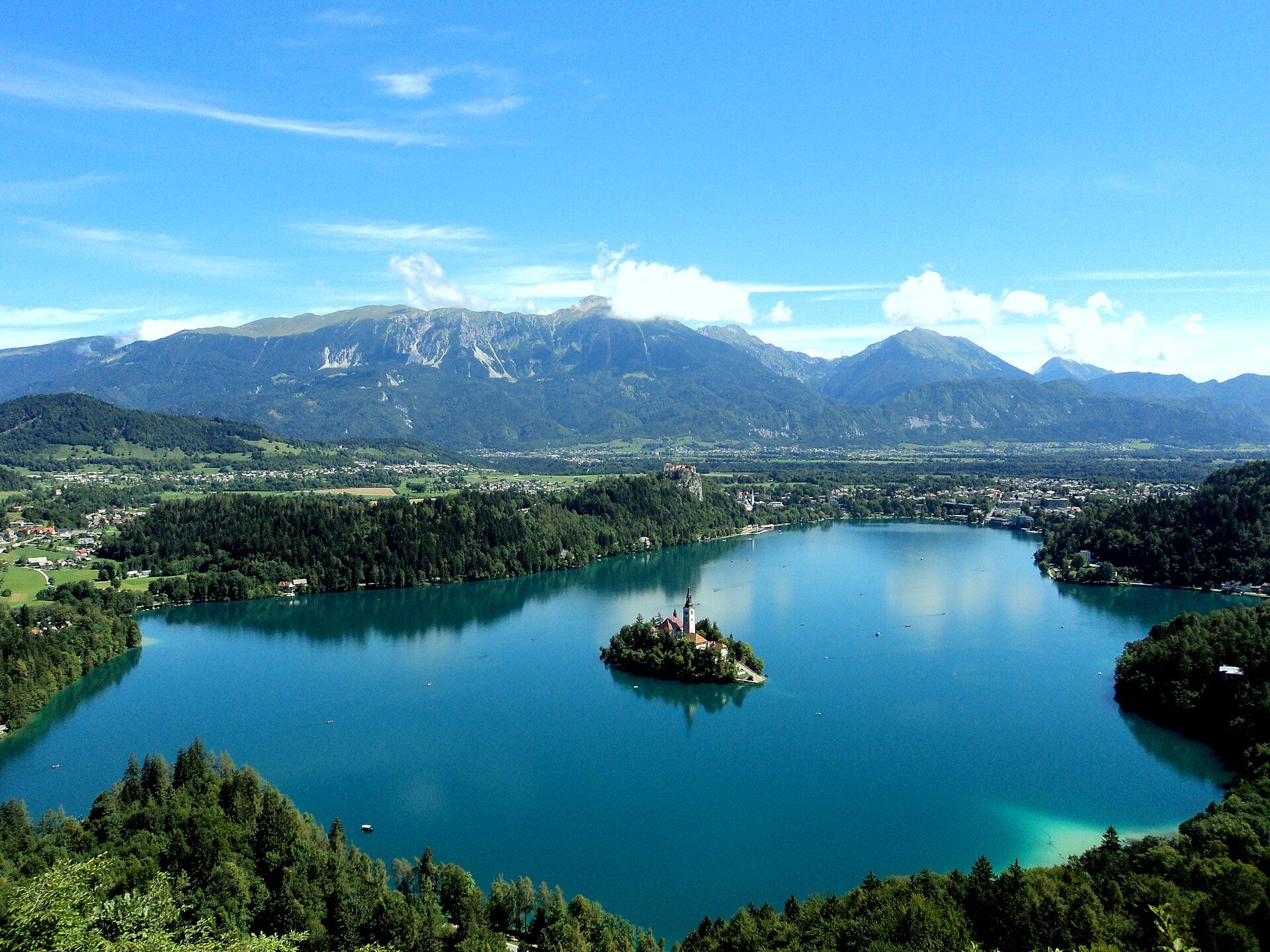
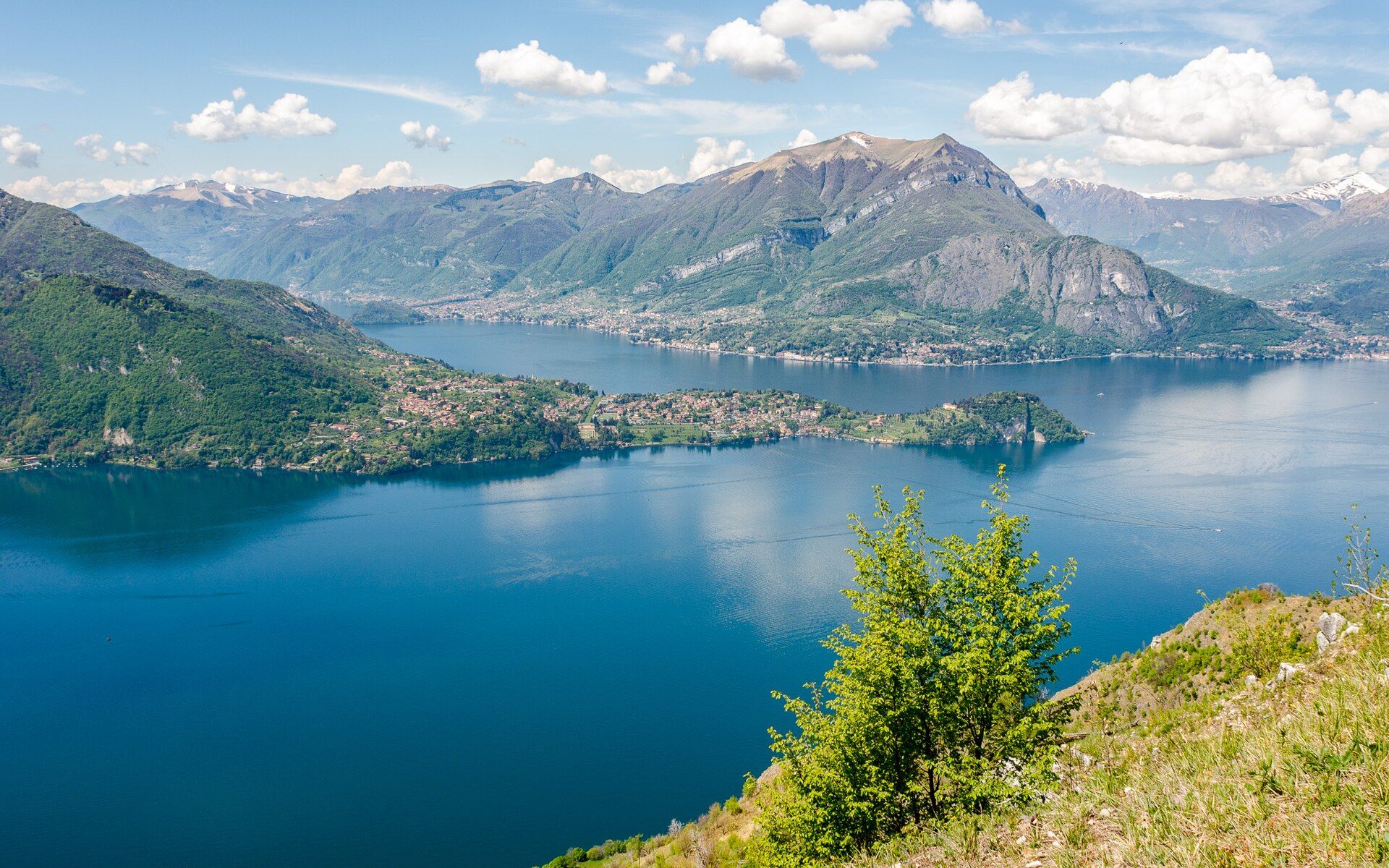
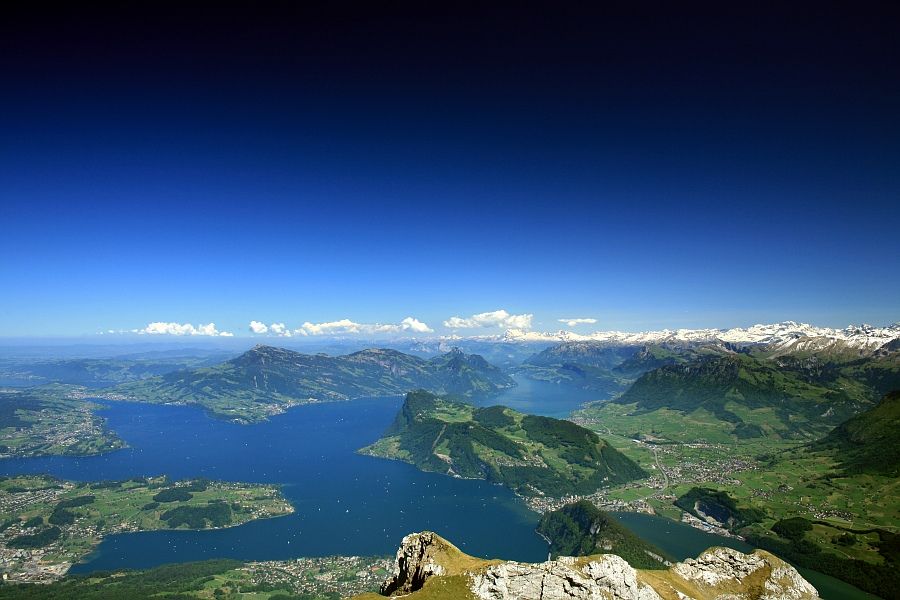
More views of Königssee
Additional photographs of the actual site — each freely licensed, with its photographer and licence credited.
What to know before you go
🗓️ Best time
Late spring to autumn (roughly May–October) for boat services and open trails; autumn brings crisp air and colour. Winter is beautiful but many services pause.
🧭 Getting there & access
From the town of Berchtesgaden in the far southeast corner of Bavaria, near Salzburg. The lake's only village, Schönau am Königssee, has the boat dock; the lake is explored by the electric passenger boats, as most shores have no path.
Good to know
- Take an early boat to beat the day-trippers and catch the calmest water.
- Ride to Salet (the far end) for the short walk to the quieter Obersee.
- Bring layers — the shaded lake and higher trails are cool even in summer.
Plan your visit
Easy🧭 Getting there
From Salzburg (SZG), Austria, or Munich (MUC), Germany
- Fly to Salzburg or Munich
- Road or train-and-bus to Berchtesgaden, then to Schönau am Königssee — about 30min from Berchtesgaden
- Electric passenger boats depart from the Schönau dock
- Total travel
- Half a day from Salzburg; most of a day from Munich
- Time at site
- Half a day for the boat trip; a full day with walks from St. Bartholomä or the Obersee
- Access
- The lake is public; the electric boats are ticketed and run to a timetable (reduced or paused in deep winter). St. Bartholomä and the Salet landing for the Obersee are reached only by boat.
🎒 What to bring & consider
- A warm layer for the shaded, breezy boat ride
- Comfortable shoes for the short walks at St. Bartholomä and the Obersee
- Cash or card for boat tickets; book ahead in peak summer
- A rain layer — mountain weather shifts quickly
👁️ What to expect
- Crowds
- Very popular in summer; the first and last boats are calmer, and the far end (Salet/Obersee) thins out the crowds.
- Conditions
- A smooth boat ride on sheltered water, then easy lakeshore walking. Higher trails are proper mountain routes.
- Facilities
- Restaurants, shops, and parking at Schönau; a restaurant at St. Bartholomä. Little beyond the boat landings.
- The view
- The red-domed St. Bartholomä chapel against the Watzmann's east face, or the mirror-still green water early in the day. Calm mornings before the boat wakes build up are best.
Times and requirements are approximate and change with season, weather, and local rules — confirm permits, fares, and schedules with operators before you travel.
Natural riches of the area
- A deep, glacier-carved alpine lake of exceptional purity
- Sheer limestone cliffs and the Watzmann massif
- Mountain streams, waterfalls, and the linked Obersee
- Alpine forest and meadows within the national park
Local food
- Weißwurst & pretzels
- Bavarian white sausage with sweet mustard and soft pretzels.
- Obatzda
- A spiced Bavarian cheese spread eaten with bread in beer gardens.
The Königssee is Germany’s most beautiful lake, and it looks the part: a long, narrow ribbon of deep emerald water trapped between cliffs that plunge straight into it, gouged out by glaciers during the Ice Age. Above its eastern shore rises the sheer face of the Watzmann, one of the Alps’ great mountain walls. Fed by cold mountain streams and shadowed for much of the day, it stays extraordinarily clean and clear — clean enough that, for over a century, only silent electric boats have been allowed to carry visitors across it.
Those boats are the way to experience the lake, since much of the shore has no path at all. Halfway across, a boatman traditionally plays a trumpet so the notes bounce back off the rock walls, and the boats land at St. Bartholomä, a little red-domed pilgrimage church on a green peninsula beneath the Watzmann. Walk on from the far landing and you reach the Obersee, a smaller lake even more hemmed in by cliffs and fed by one of Germany’s highest waterfalls.
Königssee: common questions
How do you get to Königssee?
From Salzburg (SZG), Austria, or Munich (MUC), Germany: Fly to Salzburg or Munich; Road or train-and-bus to Berchtesgaden, then to Schönau am Königssee — about 30min from Berchtesgaden; Electric passenger boats depart from the Schönau dock. Total travel time: Half a day from Salzburg; most of a day from Munich.
When is the best time to visit Königssee?
Late spring to autumn (roughly May–October) for boat services and open trails; autumn brings crisp air and colour. Winter is beautiful but many services pause.
How long should you spend at Königssee?
Half a day for the boat trip; a full day with walks from St. Bartholomä or the Obersee. Total travel time: Half a day from Salzburg; most of a day from Munich.
What should you bring to Königssee?
A warm layer for the shaded, breezy boat ride Comfortable shoes for the short walks at St. Bartholomä and the Obersee Cash or card for boat tickets; book ahead in peak summer A rain layer — mountain weather shifts quickly
Do you need a permit or guide for Königssee?
The lake is public; the electric boats are ticketed and run to a timetable (reduced or paused in deep winter). St. Bartholomä and the Salet landing for the Obersee are reached only by boat.
Is Königssee crowded, and what are conditions like?
Very popular in summer; the first and last boats are calmer, and the far end (Salet/Obersee) thins out the crowds. A smooth boat ride on sheltered water, then easy lakeshore walking. Higher trails are proper mountain routes. Facilities: Restaurants, shops, and parking at Schönau; a restaurant at St. Bartholomä. Little beyond the boat landings.
Added
More wonders to explore