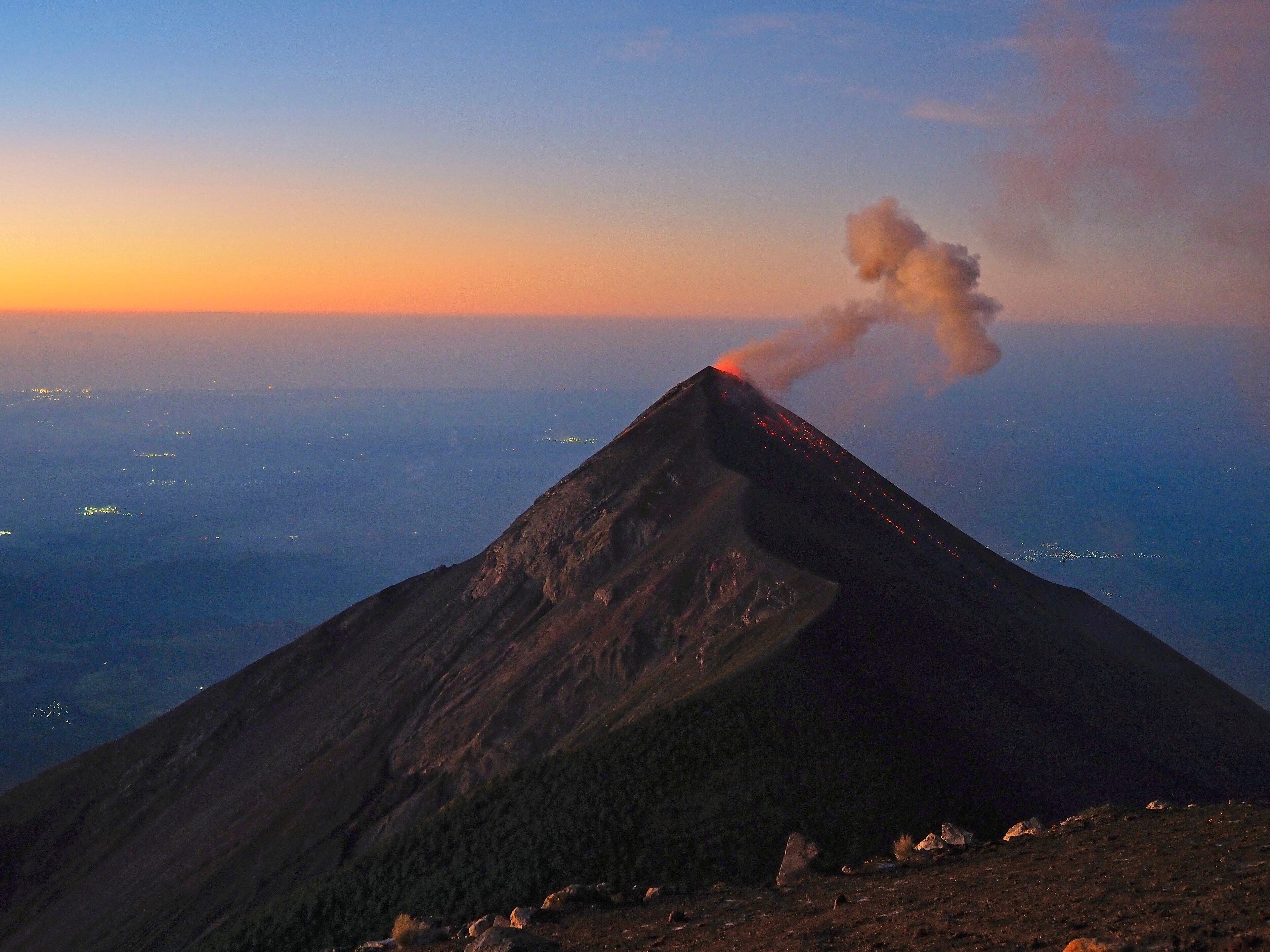
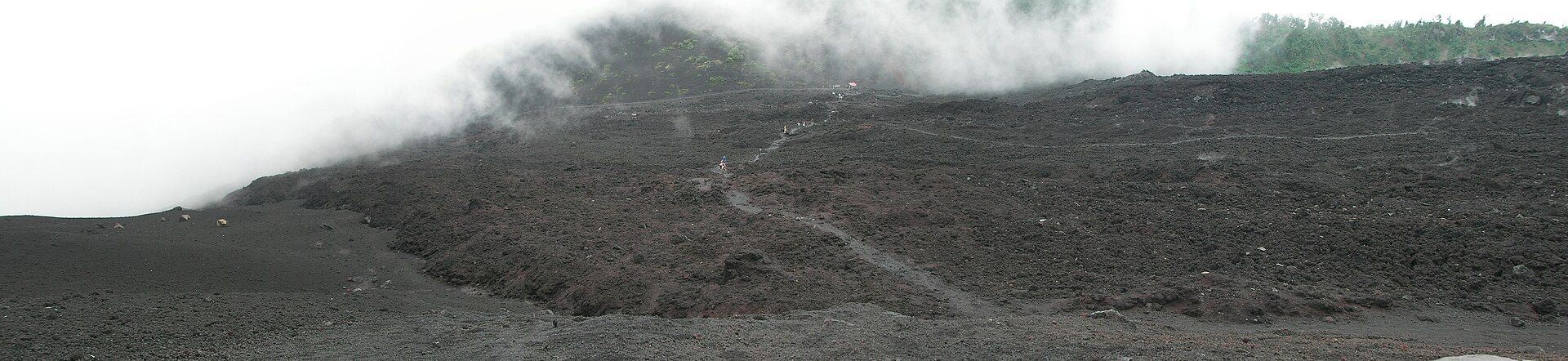
Sacatepéquez and Chimaltenango Departments, near Antigua, Guatemala
A 3,976-metre stratovolcano climbed almost entirely for the view of a different volcano — from its upper slopes you camp level with Fuego, one of the most active vents in Central America, and watch it erupt through the night.
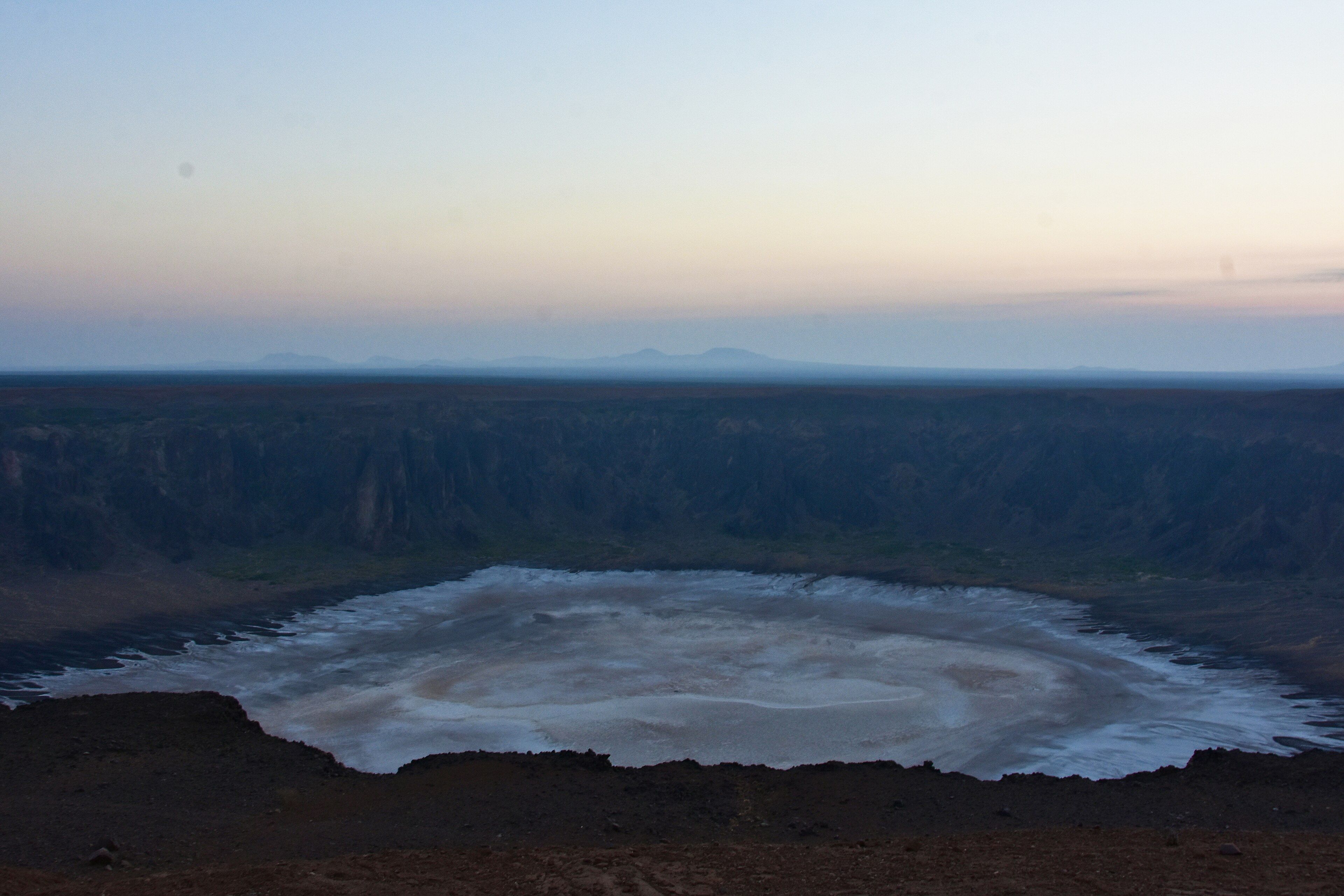
Harrat Kishb, Makkah Province, western Saudi Arabia
A two-kilometre hole in the Arabian desert with a floor of white salt crystals — long assumed to be a meteorite crater, and in fact the scar of a steam explosion from below.
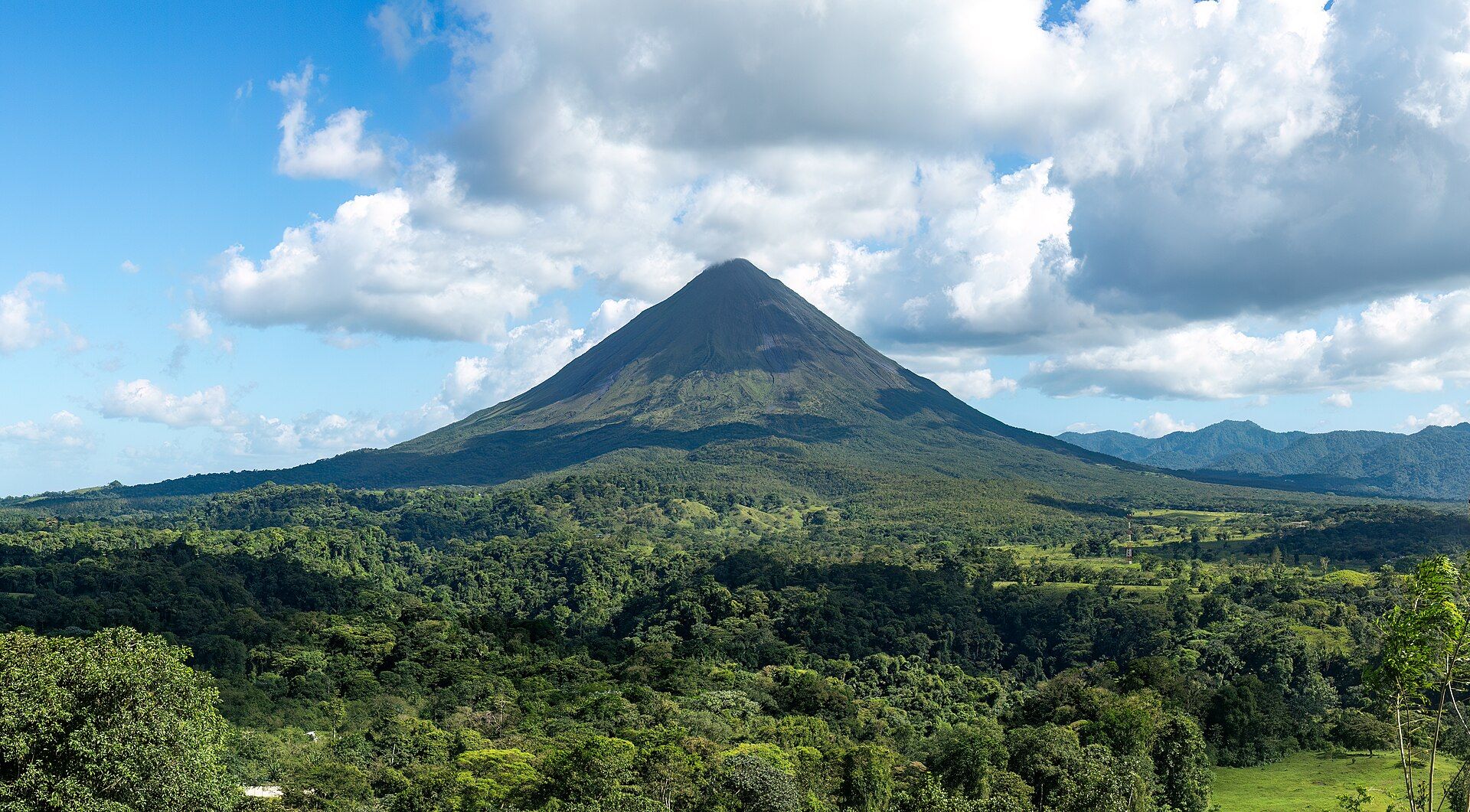
A near-perfectly conical volcano rising above the rainforests of northern Costa Rica — for decades one of the world's most active, now resting, surrounded by hot springs, waterfalls, and abundant wildlife.
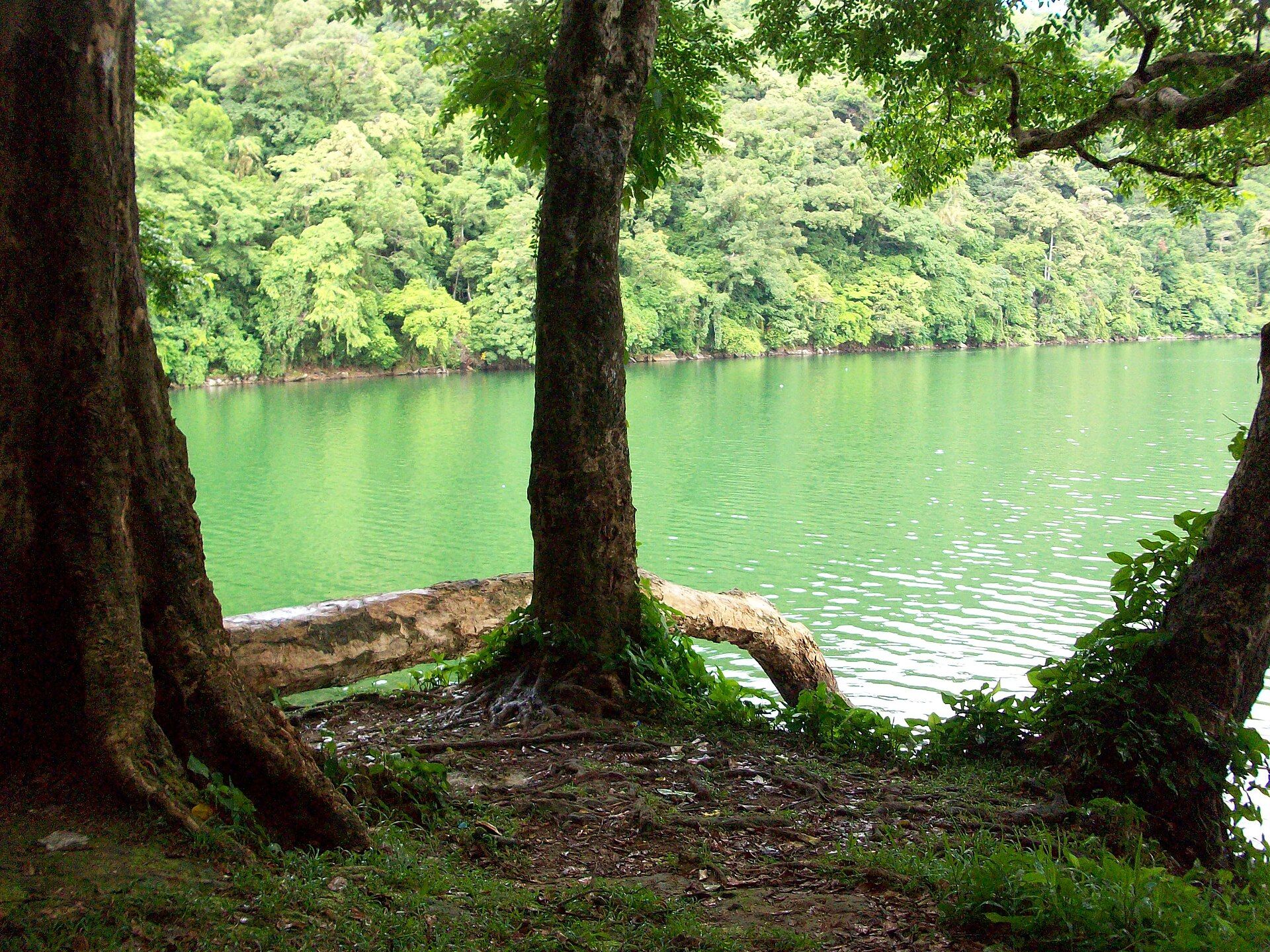
An active, rainforest-cloaked stratovolcano at the southern tip of Luzon, cradling a still crater-foot lake — the green, misty heart of Bulusan Volcano Natural Park.
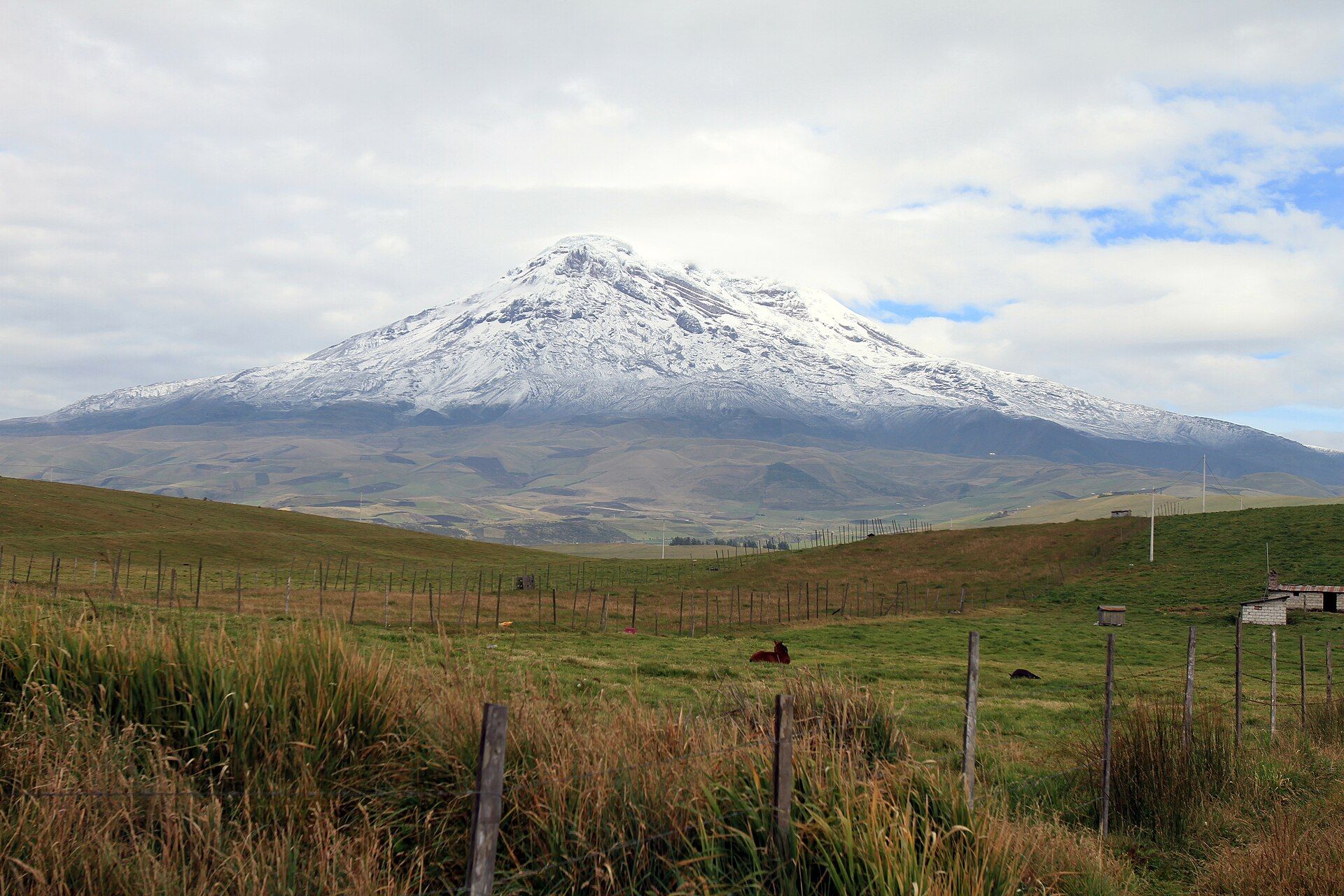
Ecuador's highest mountain — an ice-capped volcano whose summit, thanks to the equatorial bulge, is the farthest point on Earth's surface from the planet's centre.
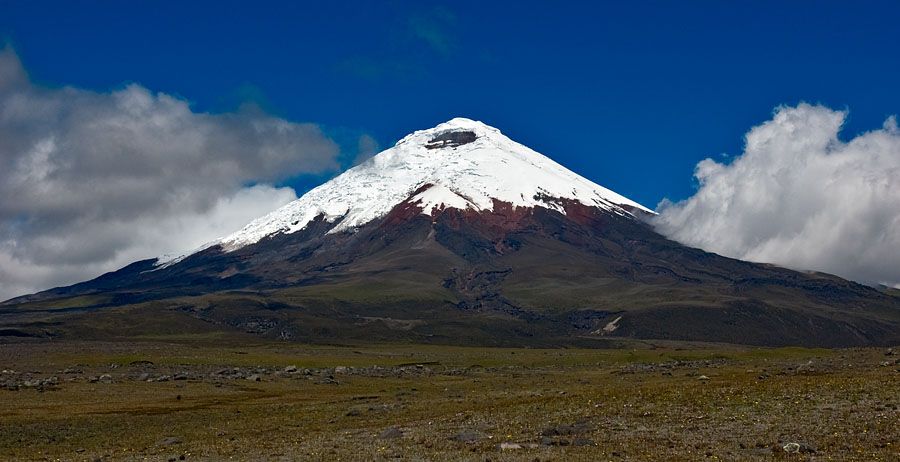
A near-perfect glacier-capped cone rising almost 5,900 metres from the Andean highlands — one of the world's highest active volcanoes, and among the most symmetrical anywhere.
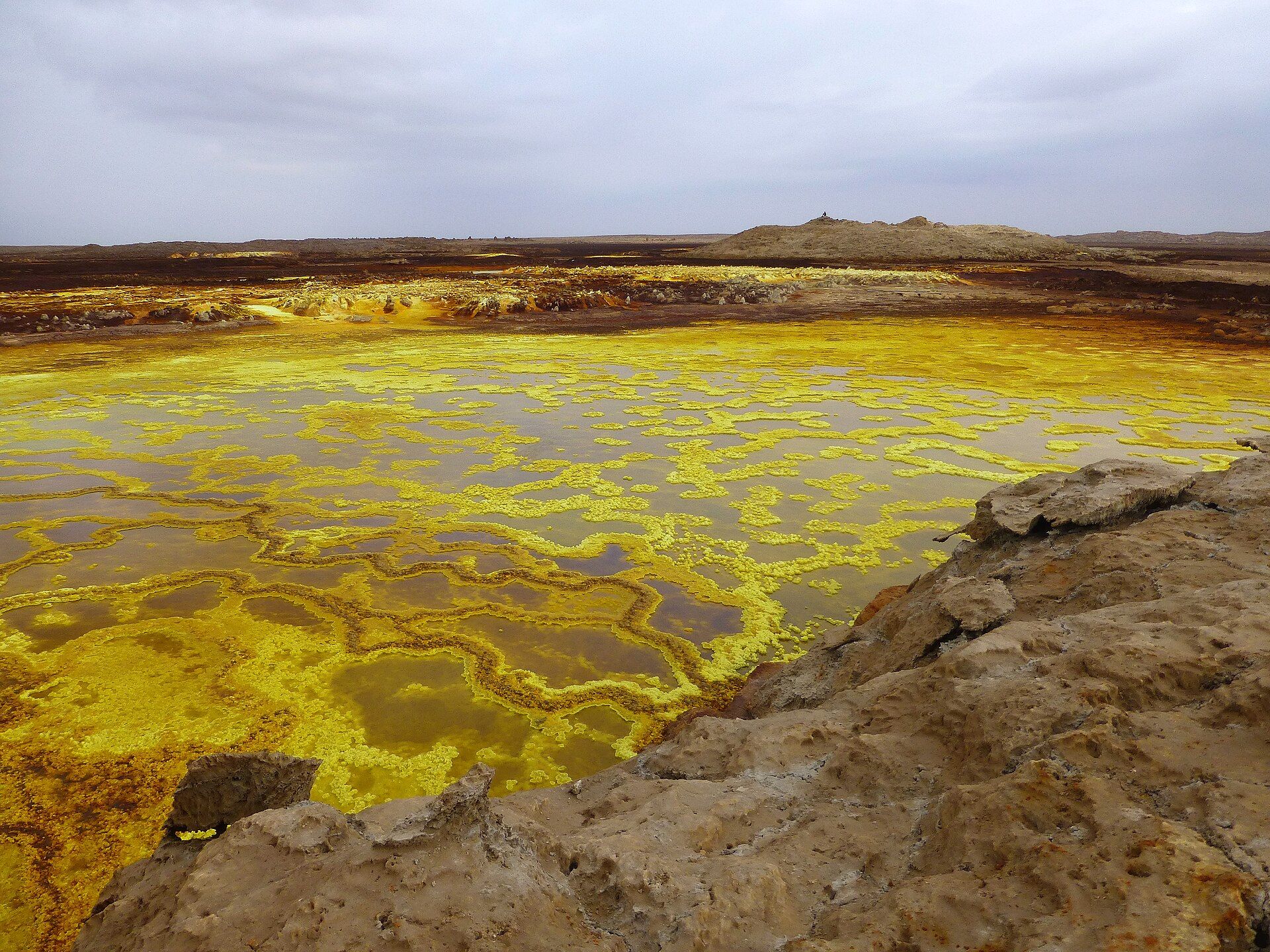
One of the hottest, lowest, and most alien places on Earth — a searing volcanic desert of neon-yellow sulphur springs, salt flats, and a permanent lava lake, where three tectonic plates are tearing the land apart.
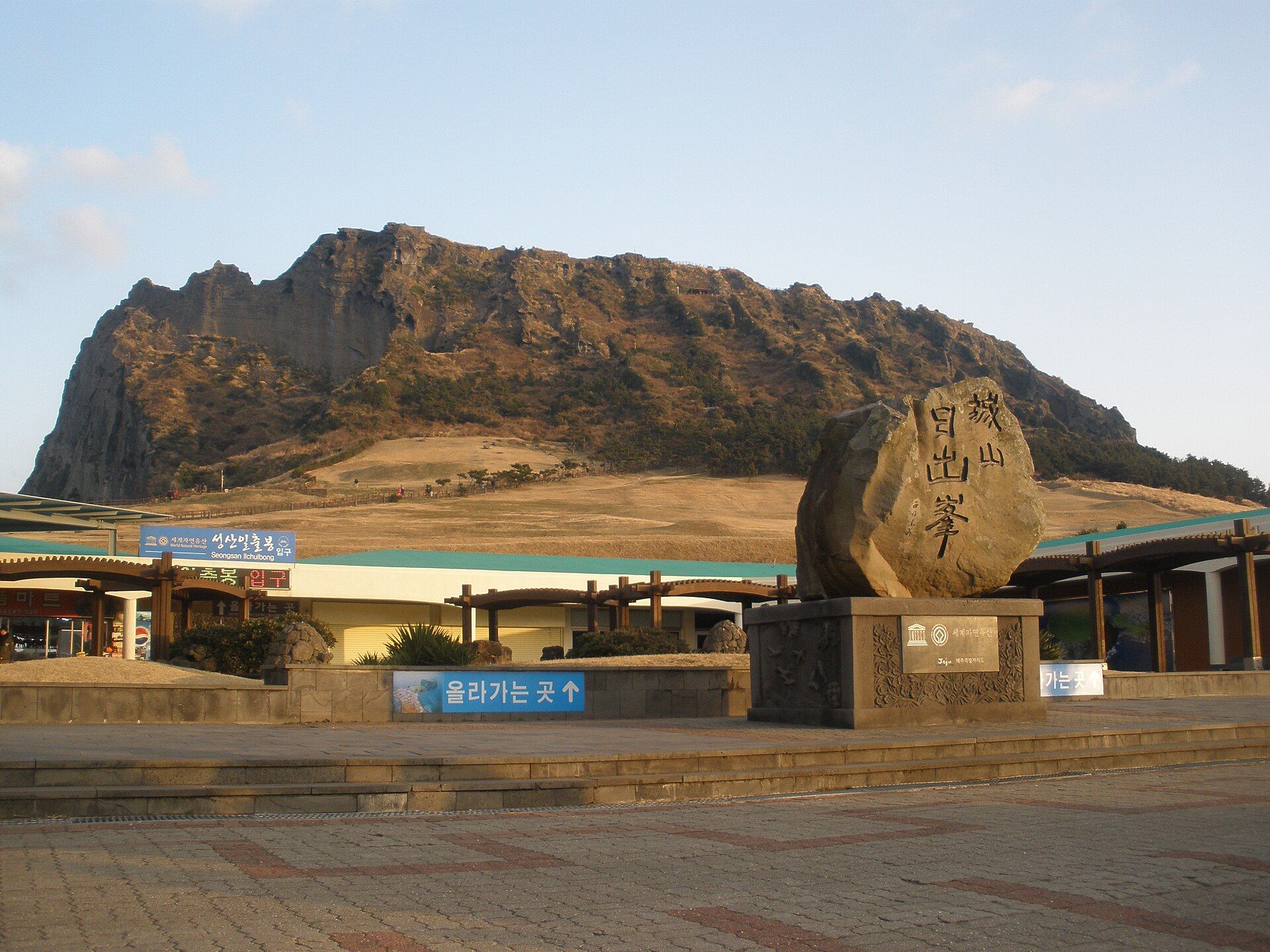
A volcanic island crowned by South Korea's highest peak, riddled with the world's finest lava-tube caves and edged by a sunrise crater rising straight from the sea.
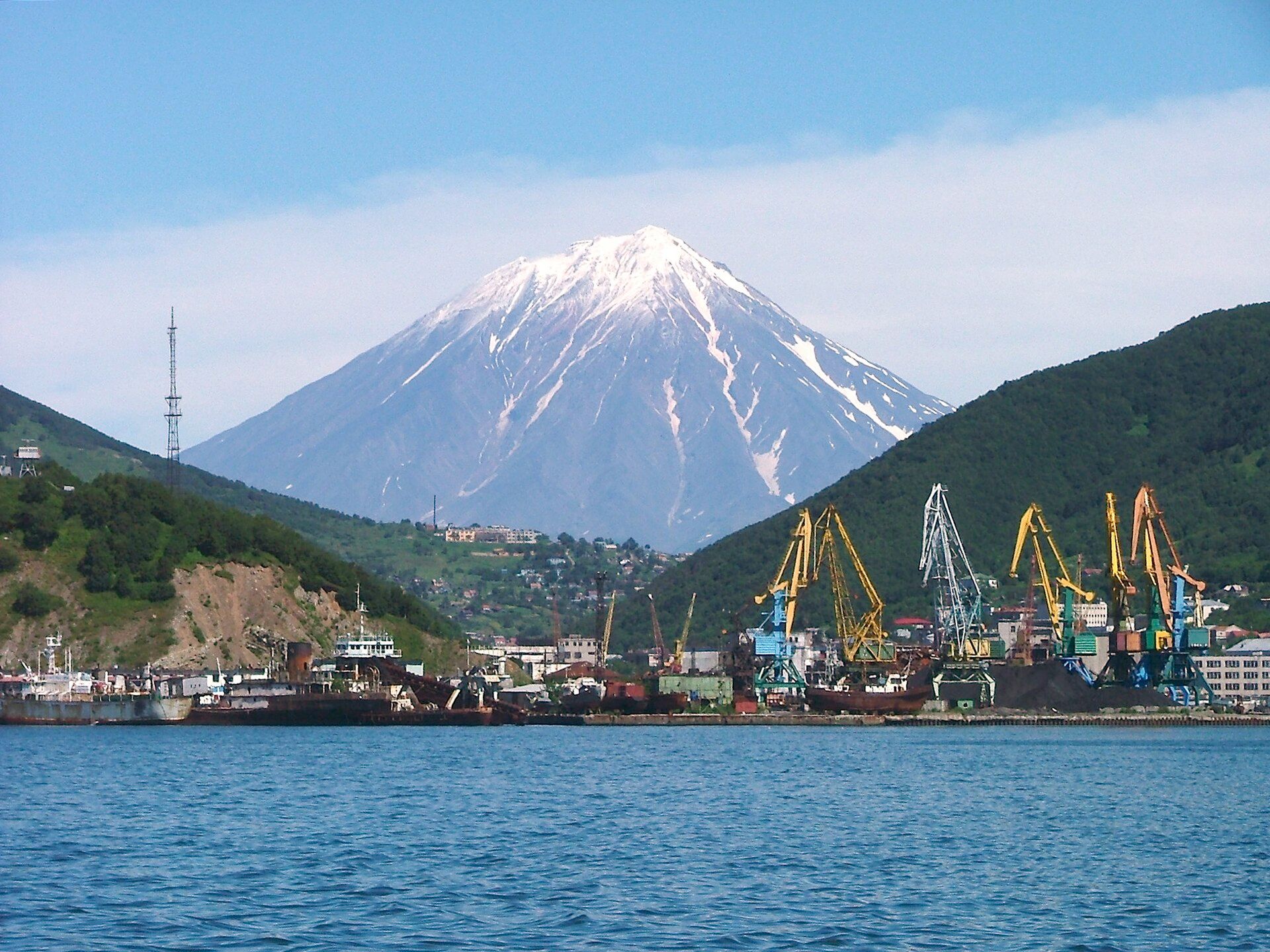
A remote peninsula bristling with snow-capped volcanoes, geysers, and hot springs — one of the most volcanically active places on Earth, roamed by some of the world's largest brown bears.
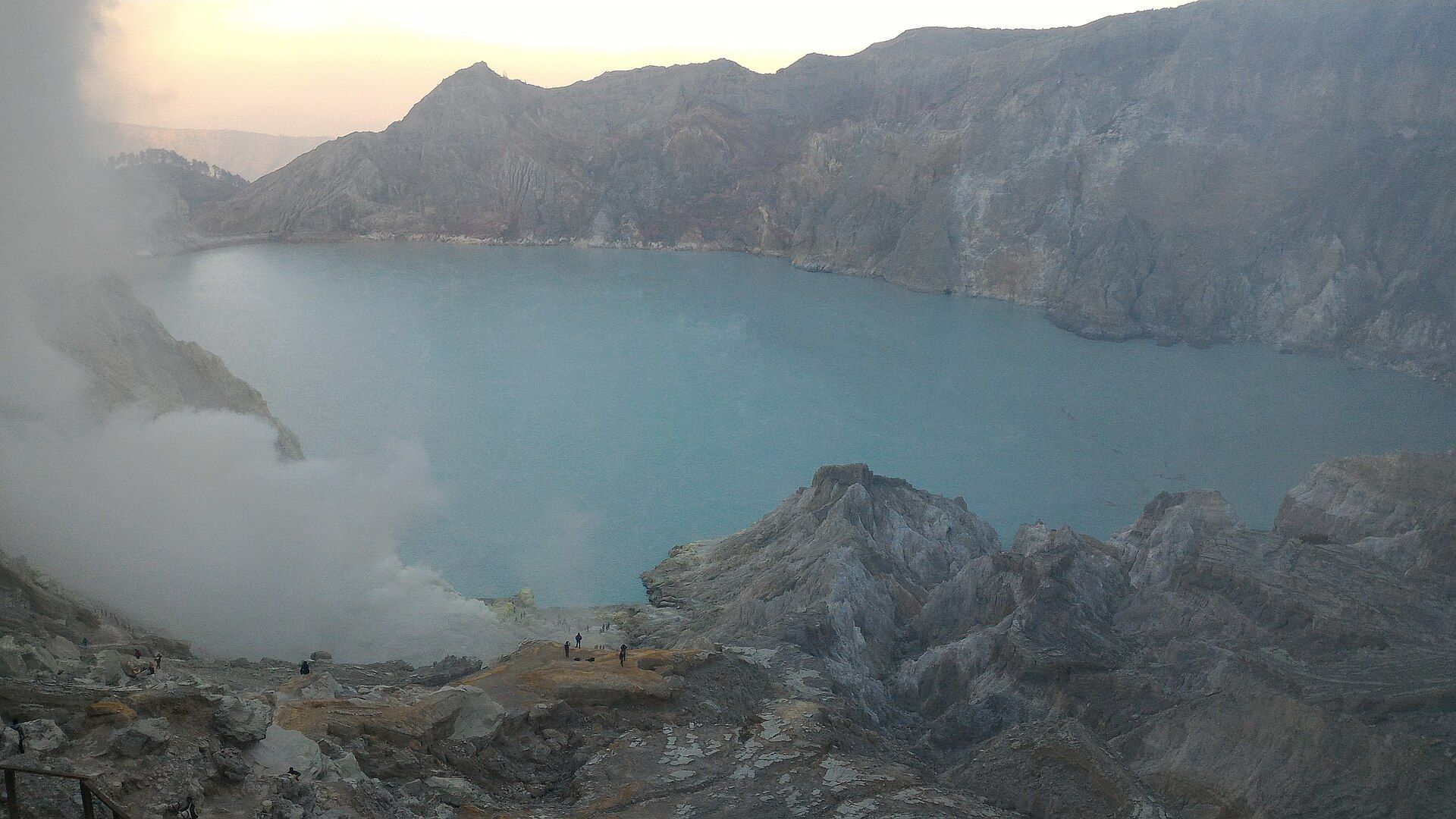
A volcano famous for two rare sights: electric-blue flames that flicker across its crater in the dark as sulphurous gas ignites, and the world's largest highly acidic crater lake — a vast turquoise pool with the acidity of battery acid.
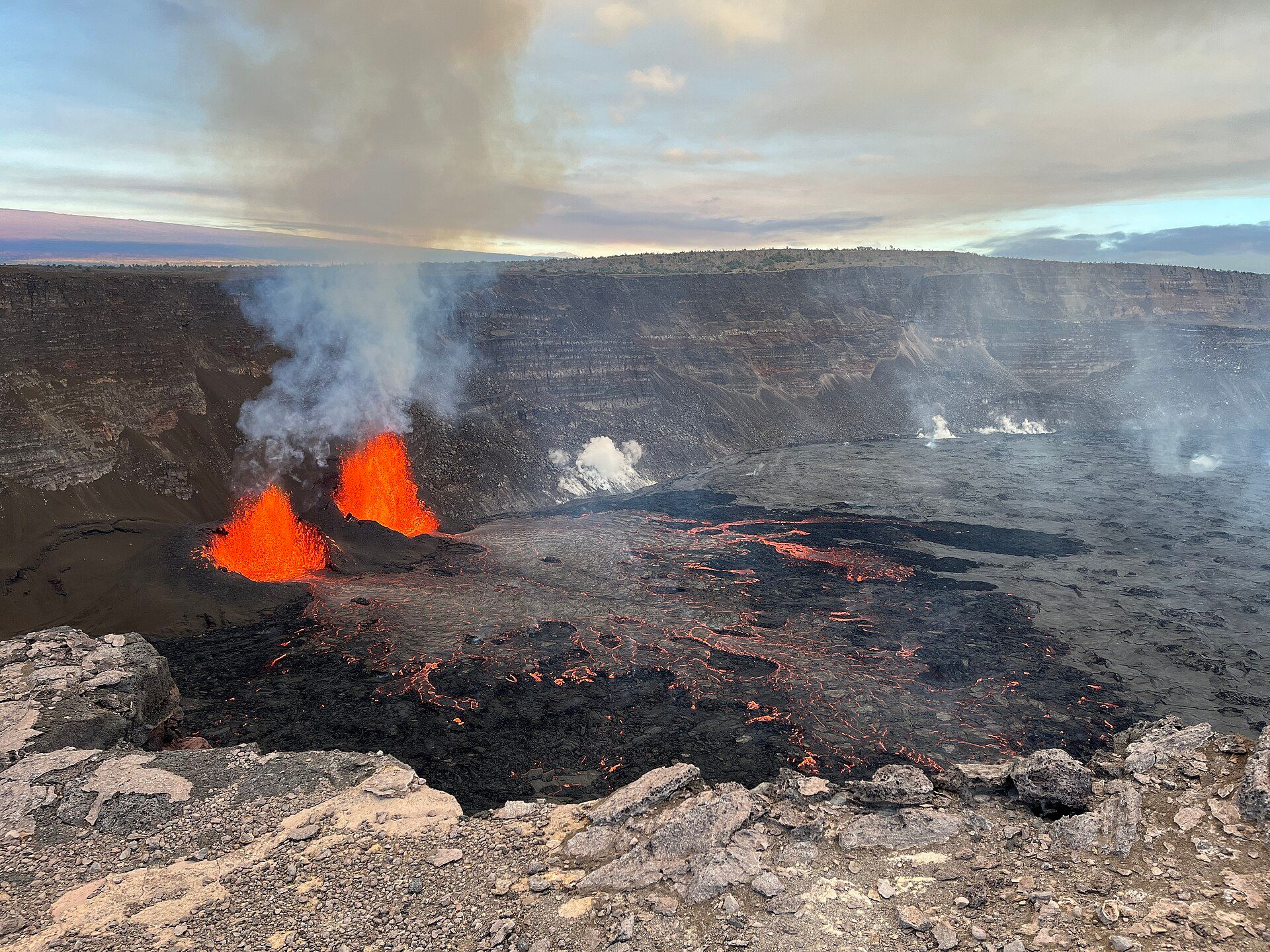
One of the most active volcanoes on Earth — a shield volcano on Hawaiʻi whose lava has repeatedly reshaped the island, sometimes glowing in a lava lake and, at times, spilling in rivers of fire to the sea.
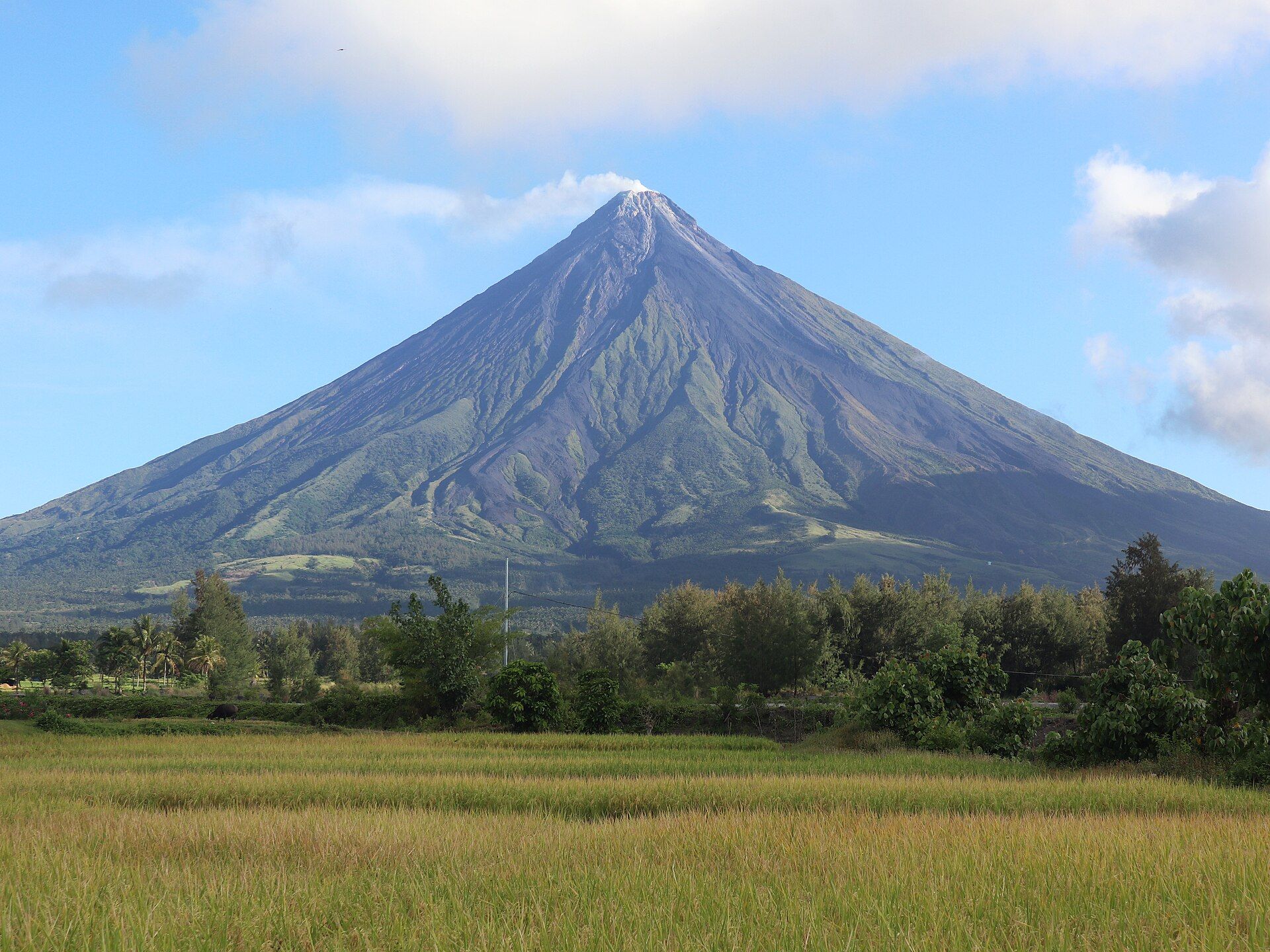
The Philippines' most active volcano and, by many accounts, the most perfectly symmetrical cone on Earth — a 2,463-metre stratovolcano that dominates the Bicol skyline and, as of mid-2026, is in active eruption.
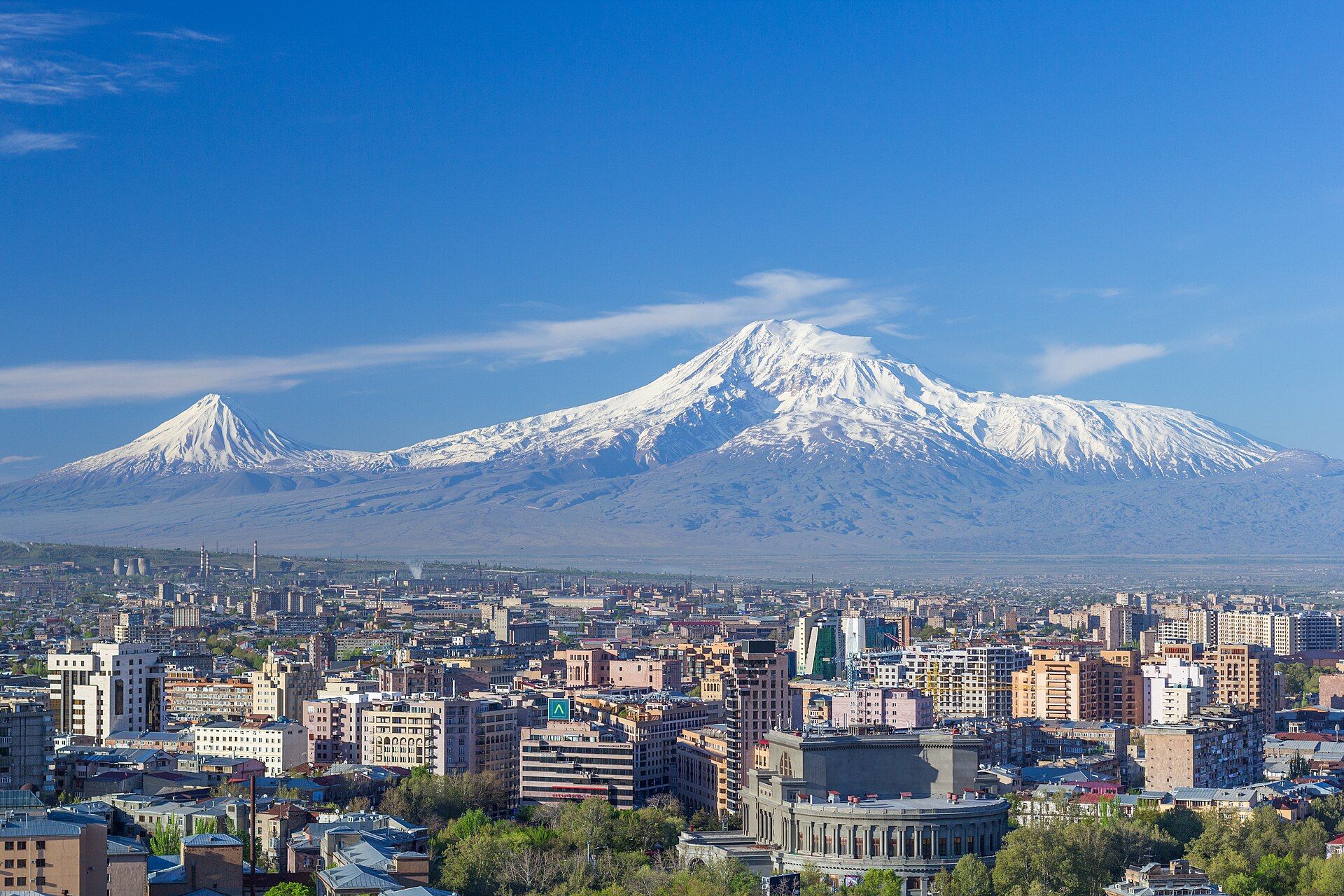
Turkey's highest peak — a snow-capped dormant volcano of two joined cones rising in near-perfect isolation above the plains of the Armenian highlands, its ice cap visible a hundred kilometres away.
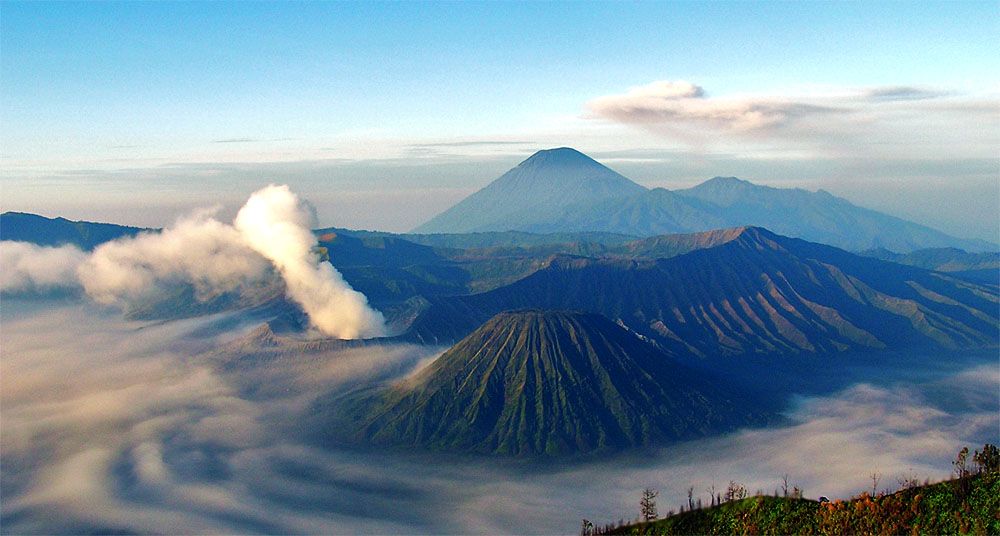
A smoking volcanic cone rising from a vast 'Sea of Sand' inside an ancient caldera — one of Earth's most dramatic sunrise views, ringed by the peaks of the Tengger massif in East Java.
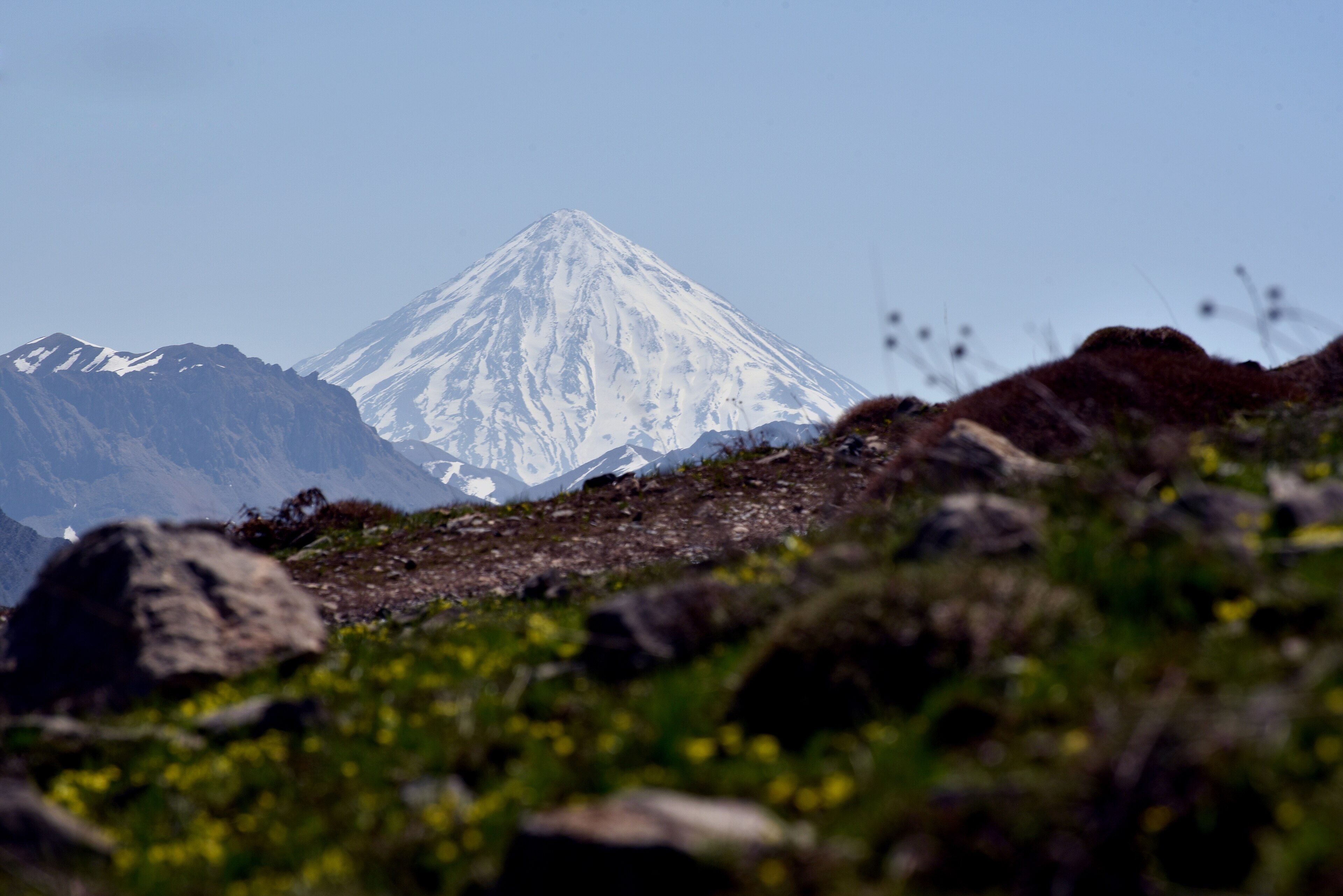
The highest peak in Iran and in the whole Middle East — a near-symmetrical stratovolcano above the Alborz range, with sulphur fumaroles still venting at the summit crater and hot springs on its flanks.
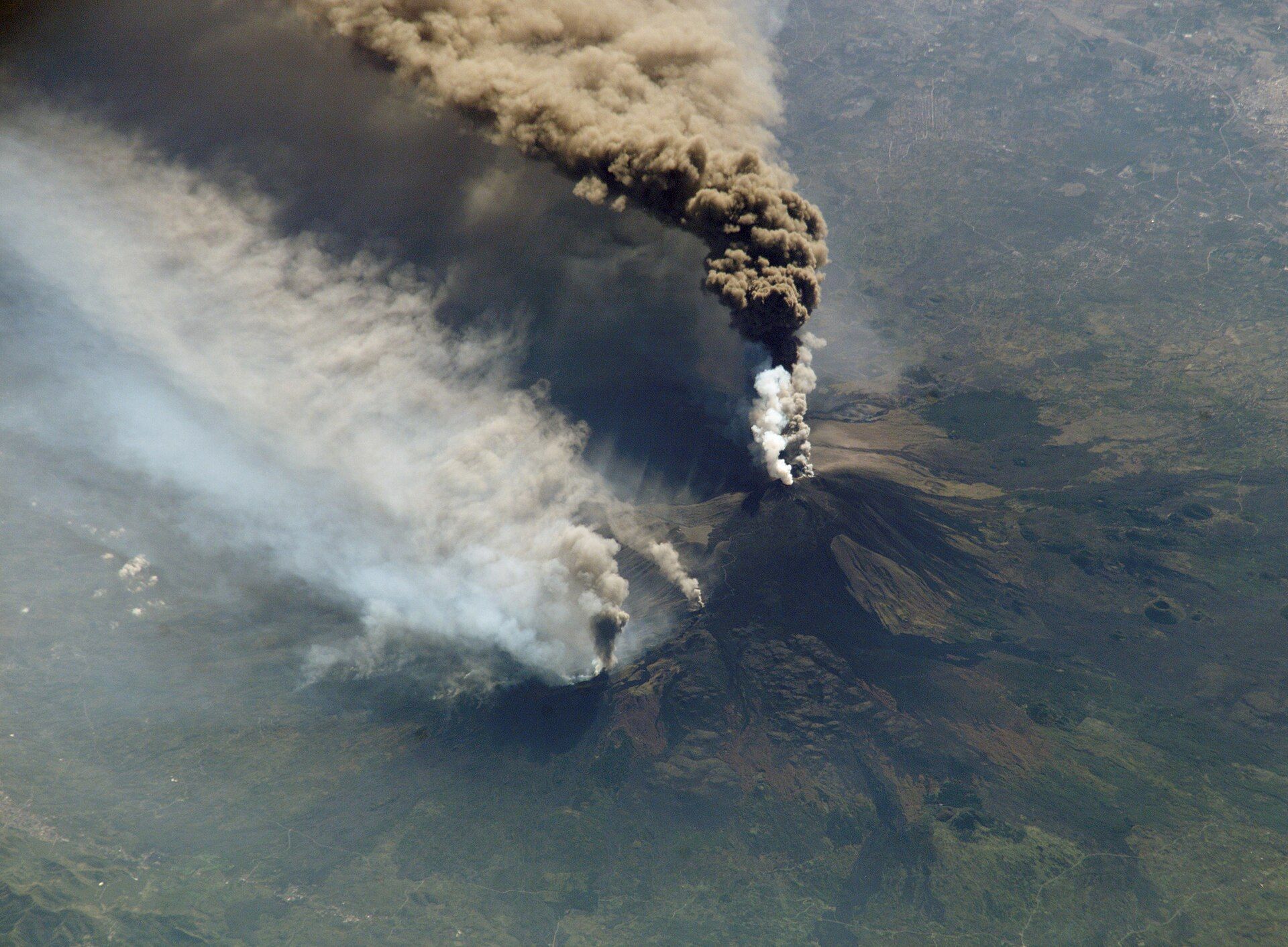
Europe's largest and most active volcano — a snow-capped, constantly rumbling giant looming over eastern Sicily, whose frequent eruptions have built astonishingly fertile slopes of vineyards and orchards.
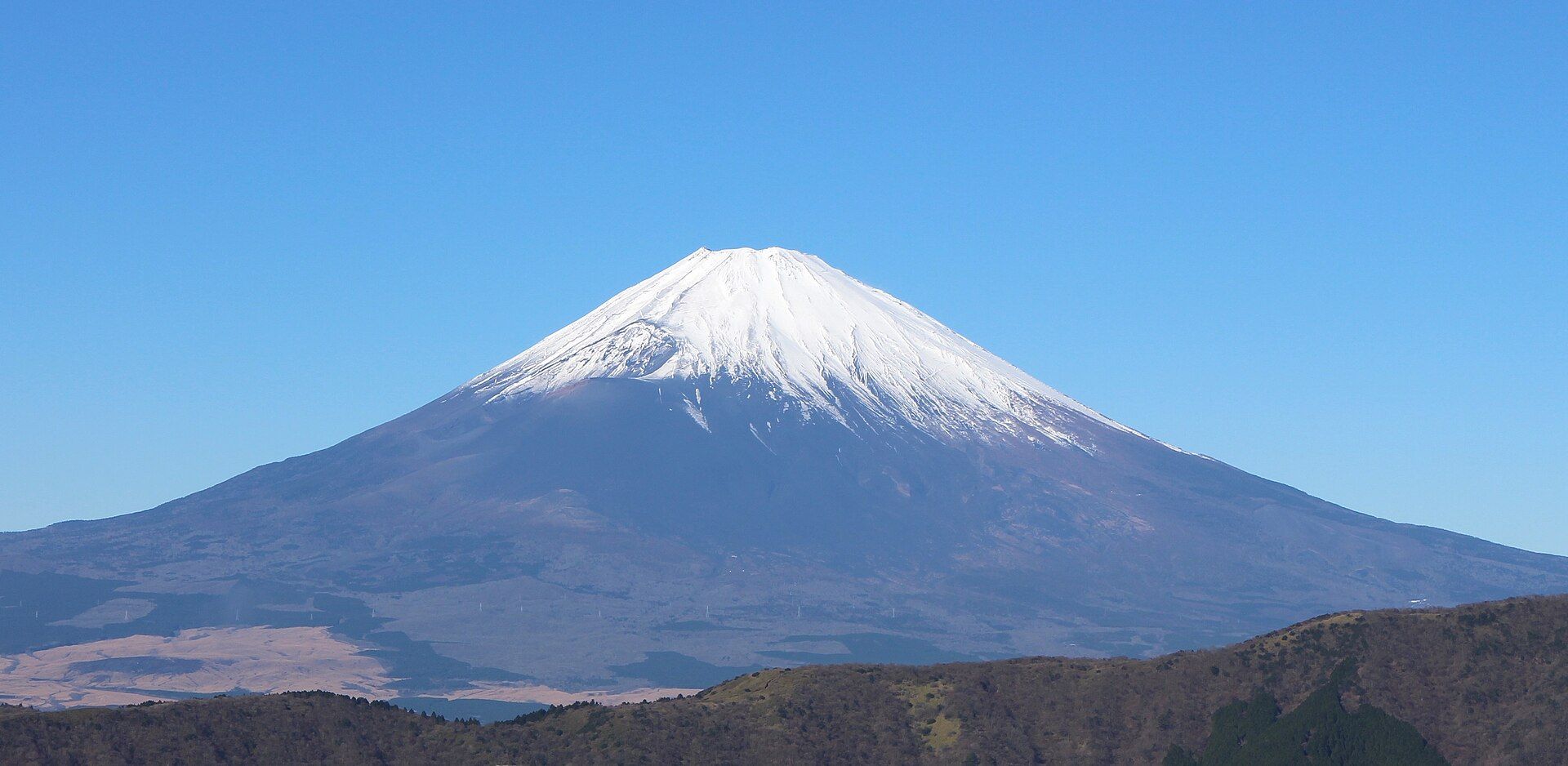
Japan's highest peak — an almost perfectly symmetrical, snow-capped stratovolcano rising to 3,776 metres, standing alone above the plains and visible on a clear day from central Tokyo, a hundred kilometres away.
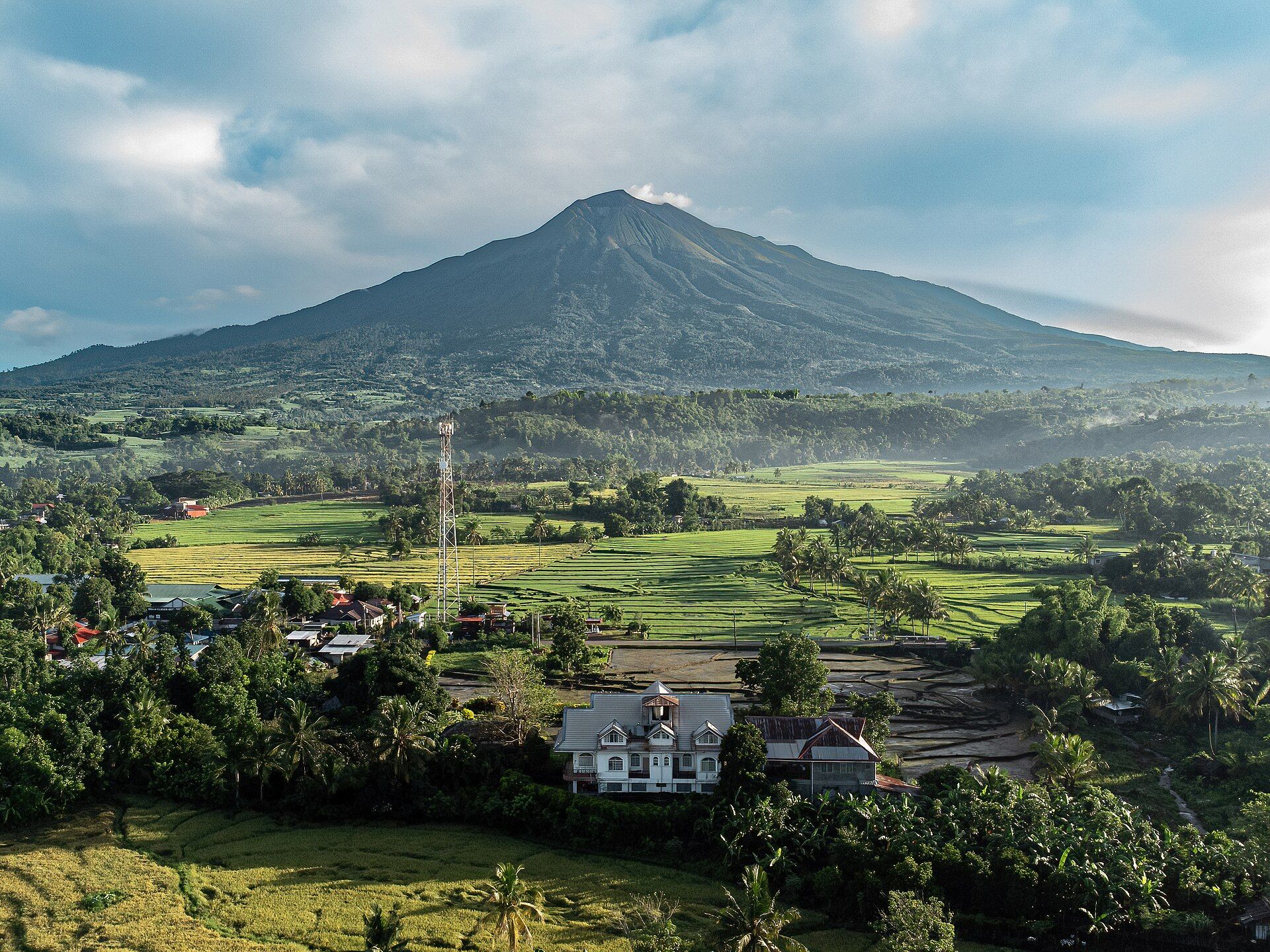
Negros Island, Central Visayas / Negros Island Region
The highest peak in the central Philippines and one of the country's most active volcanoes — a forested stratovolcano crowning Negros, ringed by a national park rich in endemic wildlife.
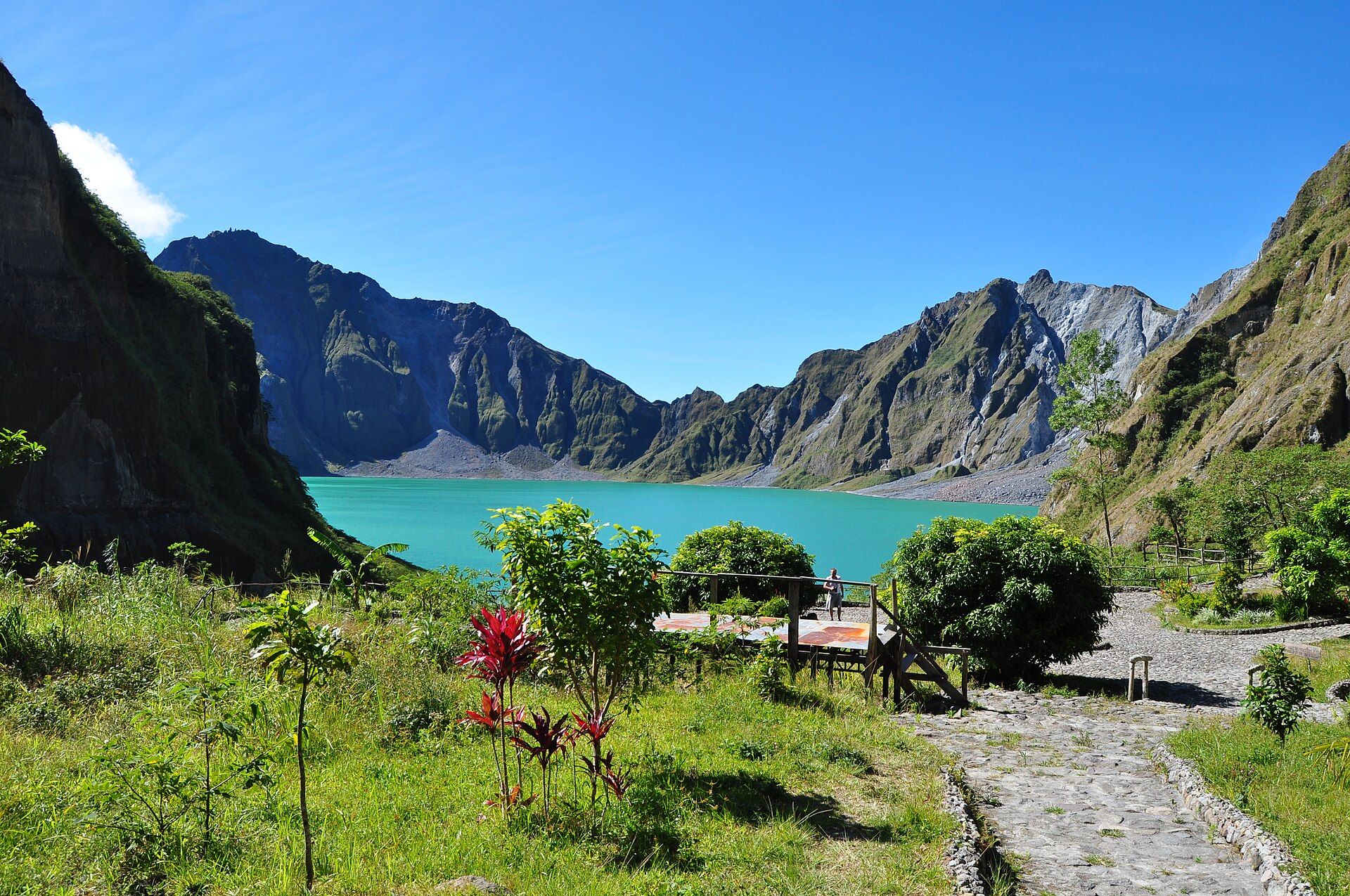
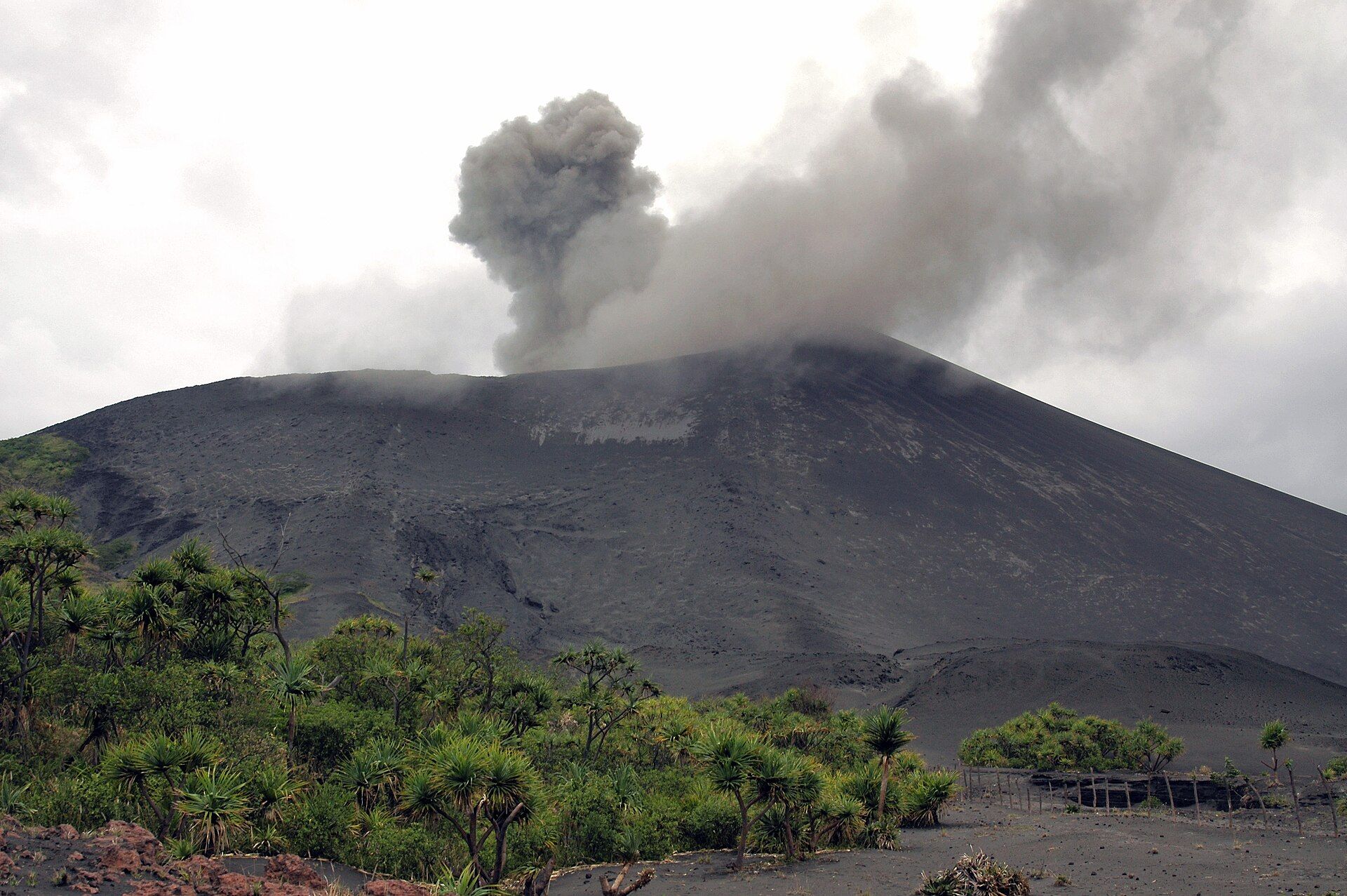
The volcano behind the second-largest eruption of the 20th century now cradles a serene turquoise crater lake — reached by a 4x4 ride across ash-grey lahar canyons and a short hike to the rim.
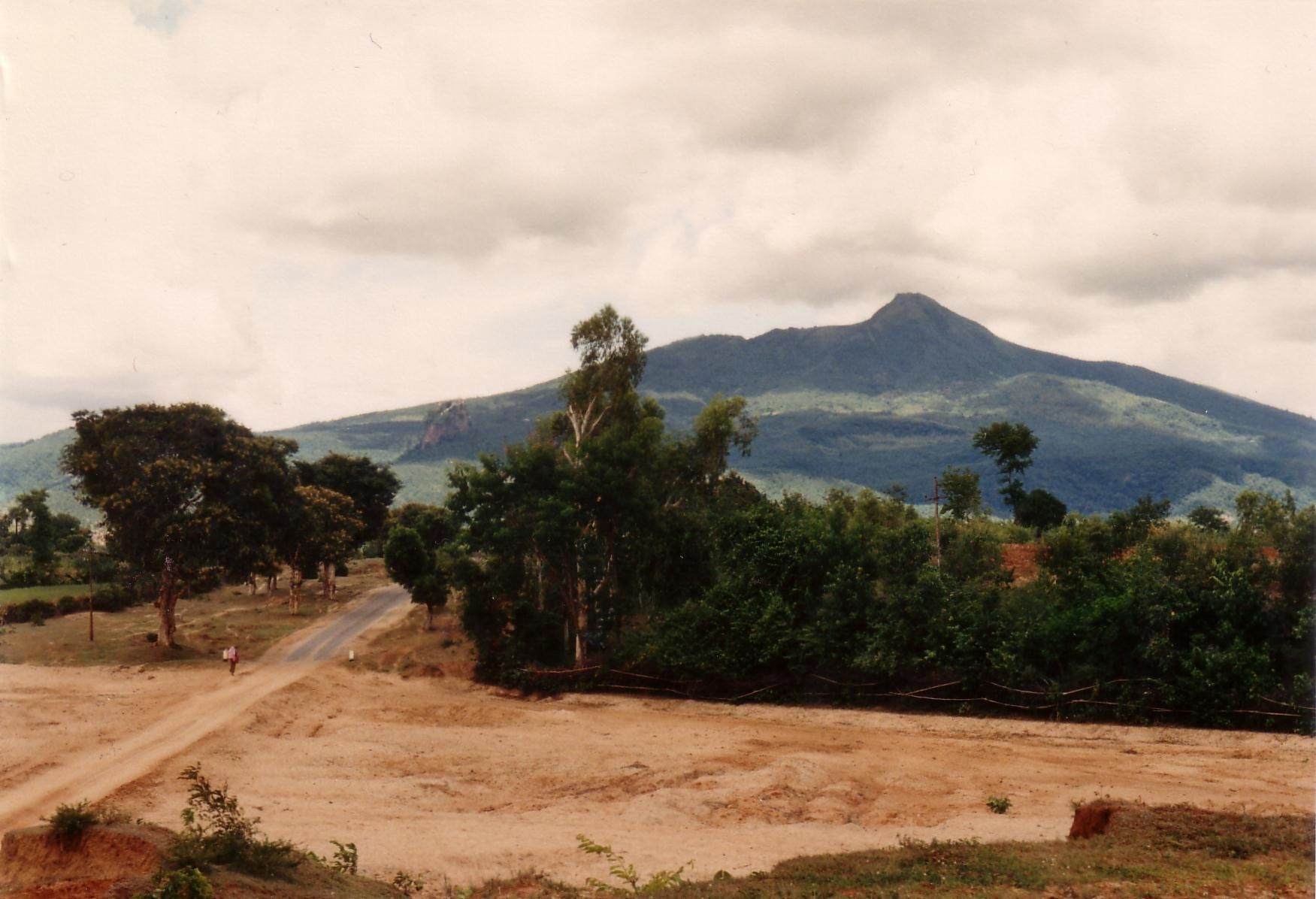
An extinct volcano rising green from the dry central plains of Myanmar, beside a sheer volcanic plug crowned by a golden monastery reached by 777 steps.
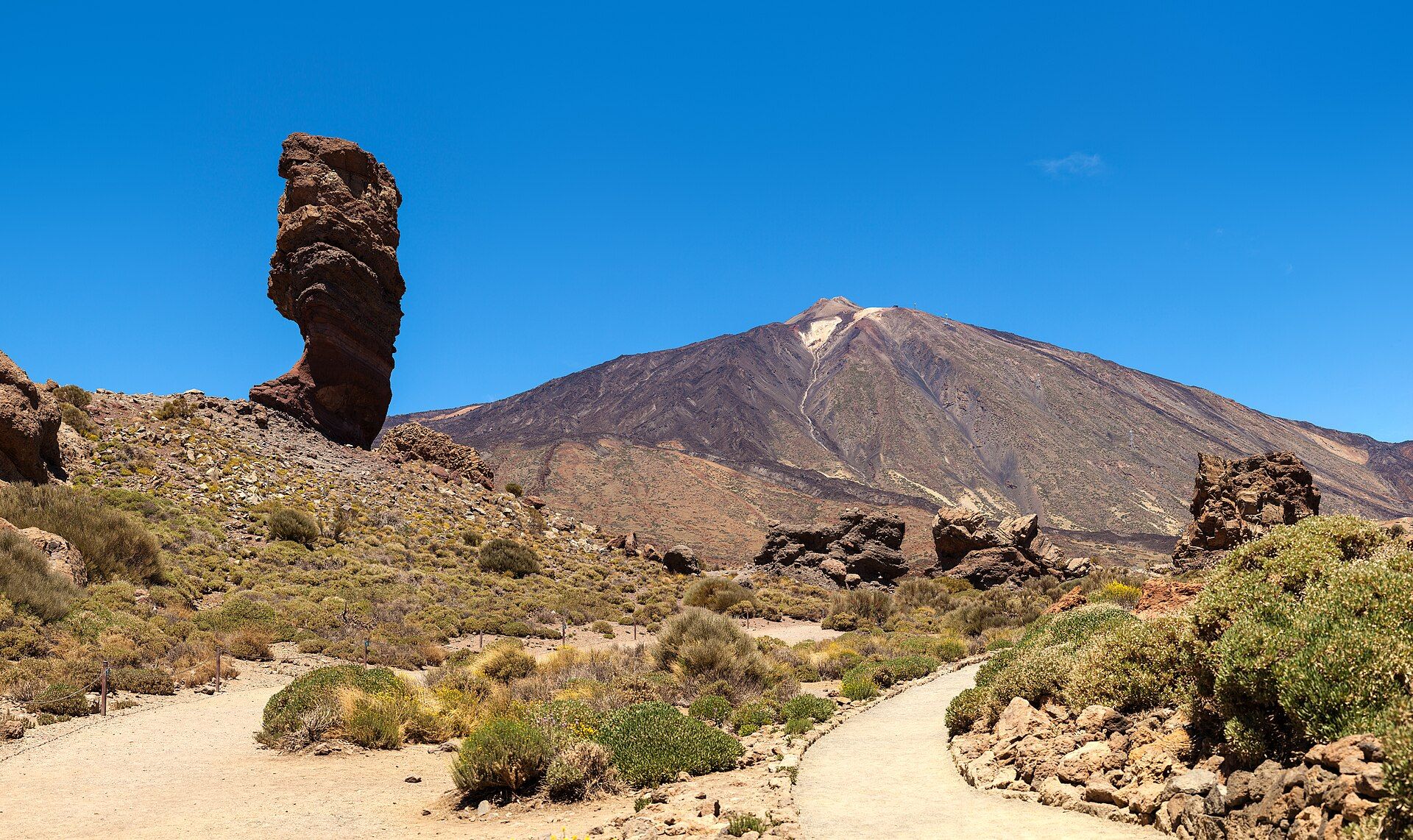
Spain's highest peak and the third-largest volcano on Earth measured from its base — a 3,715-metre cone rising from a vast caldera of frozen lava, often floating above a sea of cloud.
One of the world's most accessible active volcanoes — a crater that has erupted almost continuously for centuries, flinging glowing lava bombs into the night sky just metres from its rim.
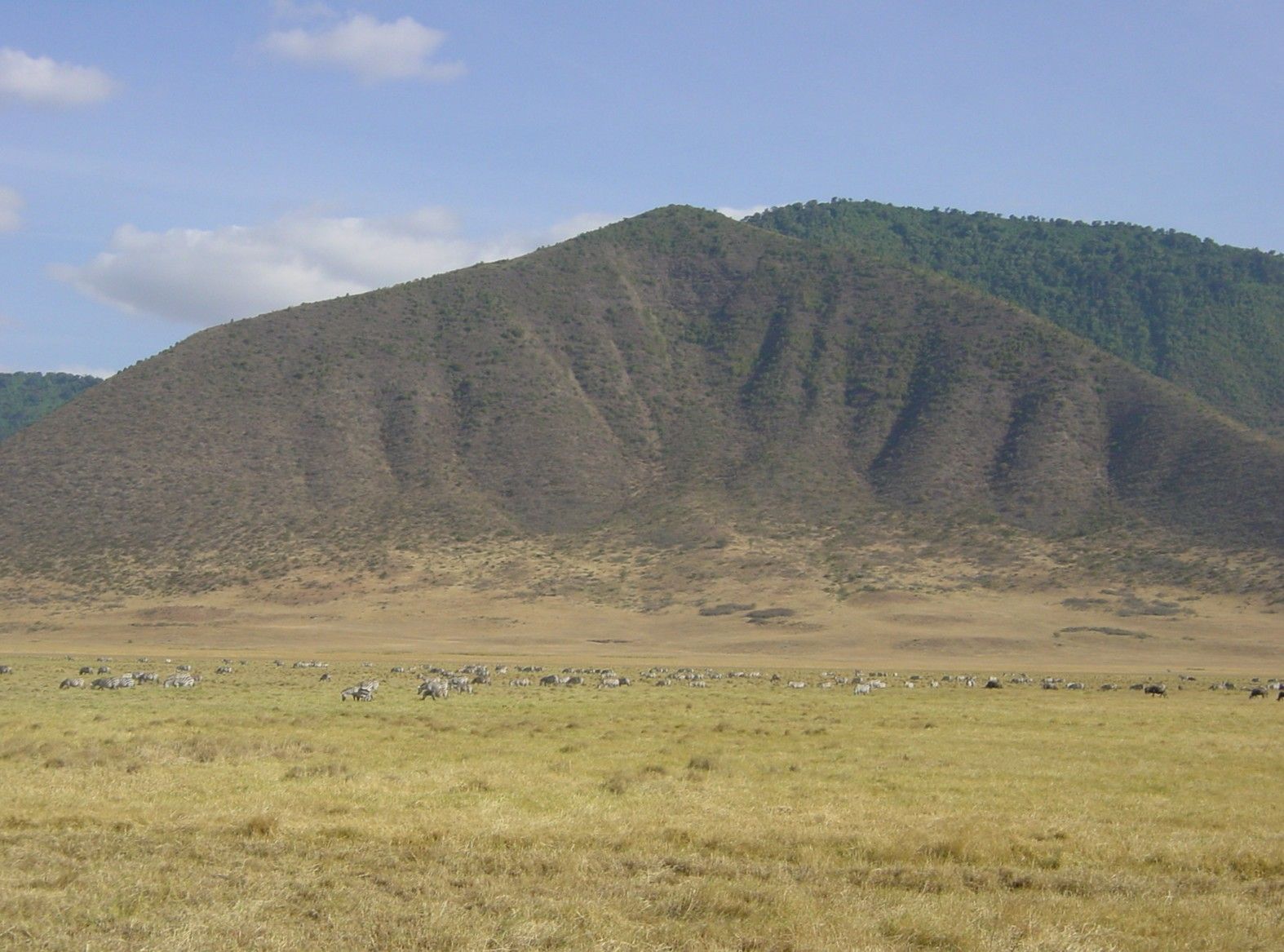
The world's largest intact volcanic caldera — a 20-kilometre-wide, 600-metre-deep collapsed crater that has become a natural amphitheatre teeming with one of the densest concentrations of large wildlife on Earth.
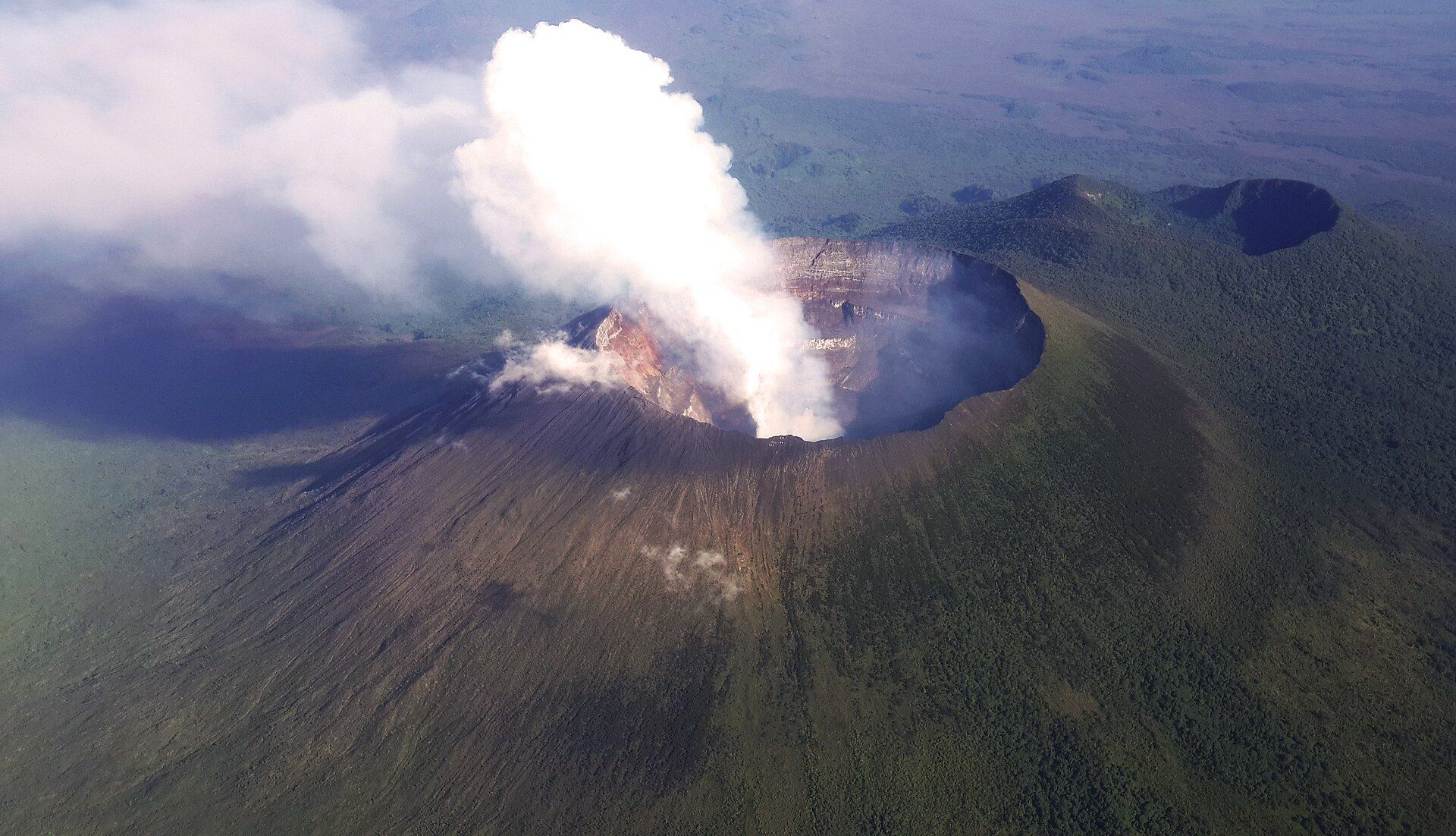
A volcano cradling one of the world's largest and most active lava lakes — a churning pool of molten rock that glows red against the night sky over the Virunga mountains.
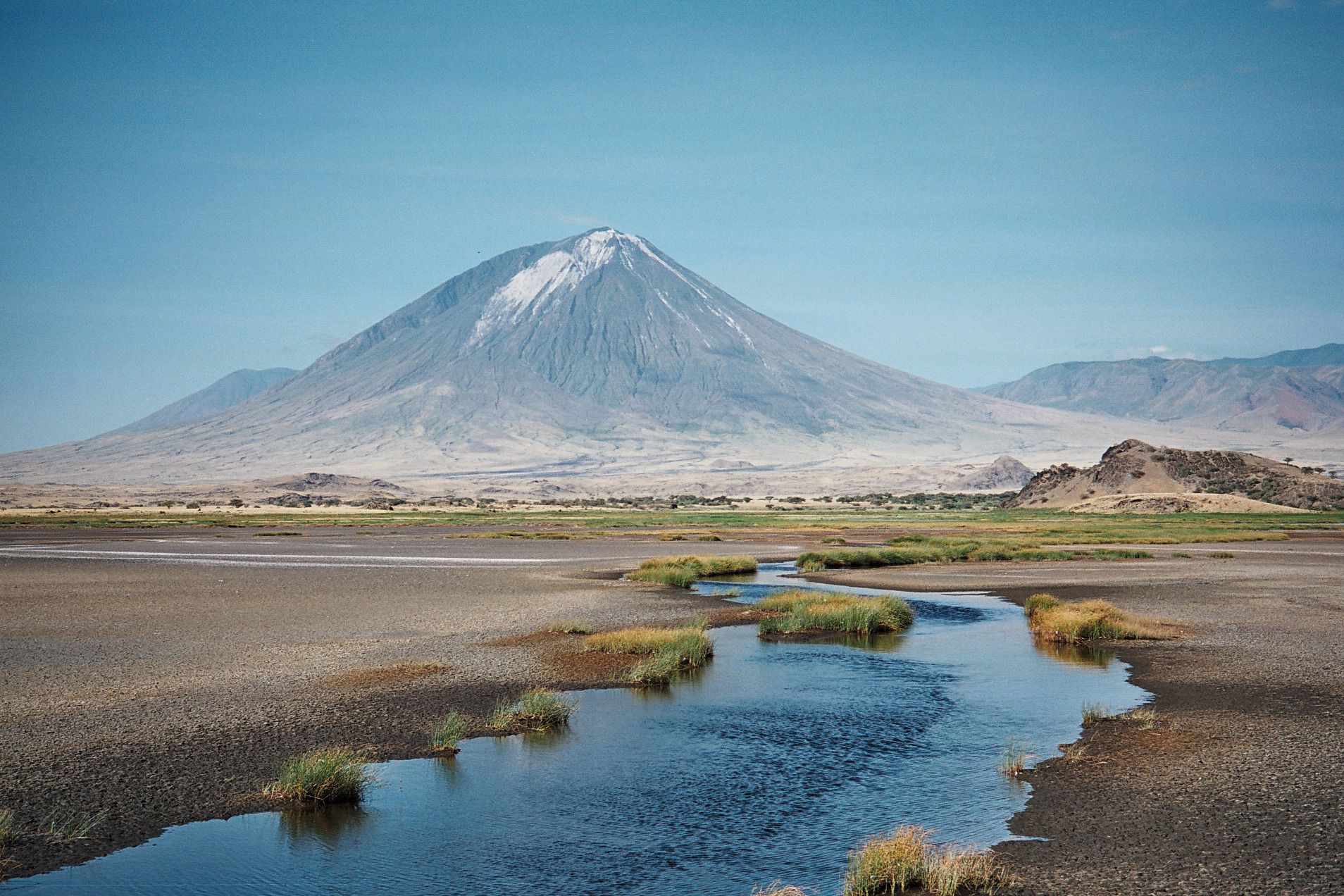
The 'Mountain of God' — a near-perfect ash cone in the Rift Valley and the only active volcano on Earth known to erupt natrocarbonatite, a strange, cool, runny lava that flows black and dries chalky white.
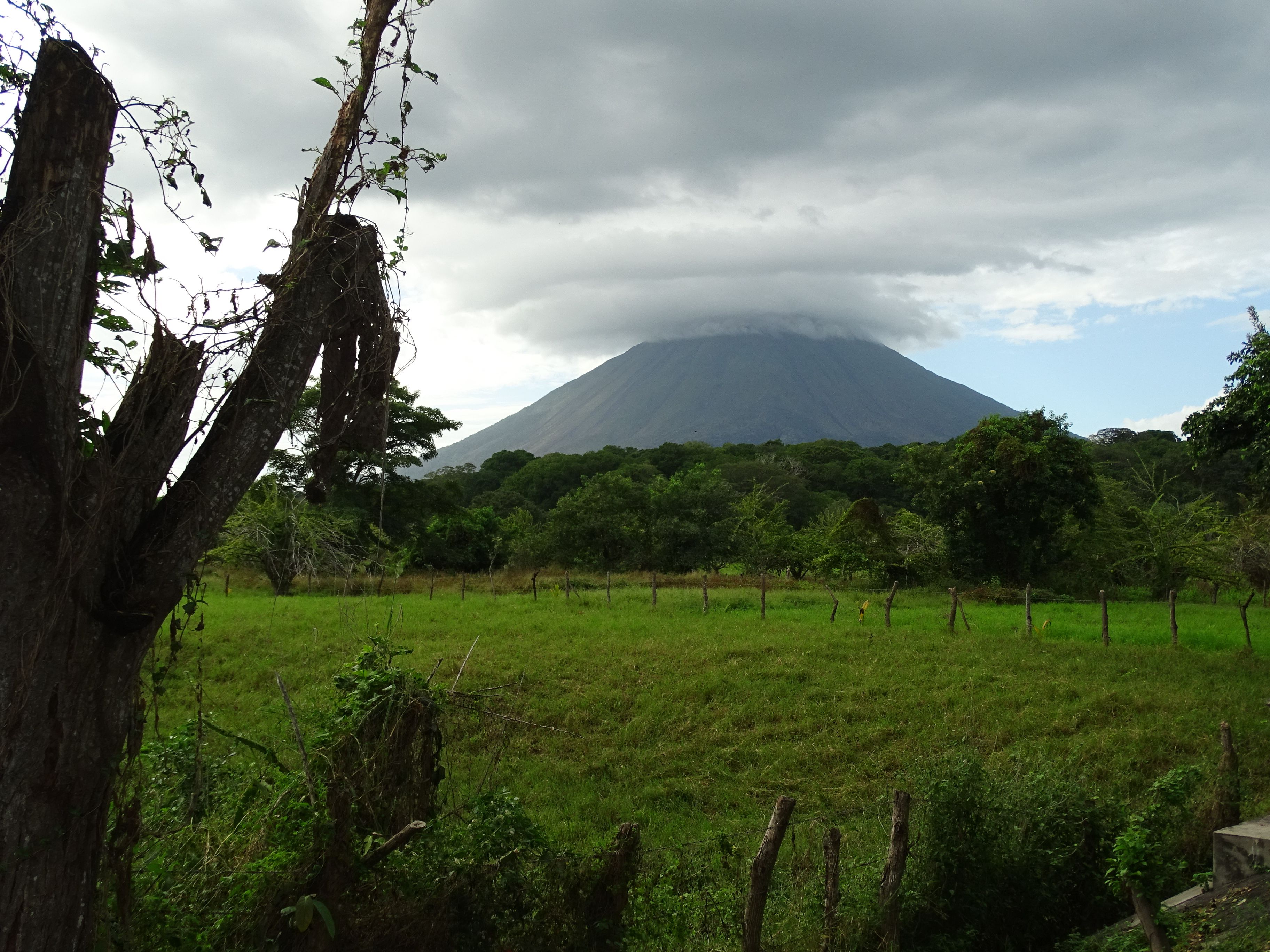
Lake Nicaragua, Rivas Department, southwestern Nicaragua
Two volcanoes standing in a freshwater lake and joined at the base into a single hourglass island — one still erupting, the other carrying a crater lake and cloud forest.
One of Central America's most active volcanoes, an accessible cone near Antigua where hikers walk over old lava fields toward the glow of a restless summit.
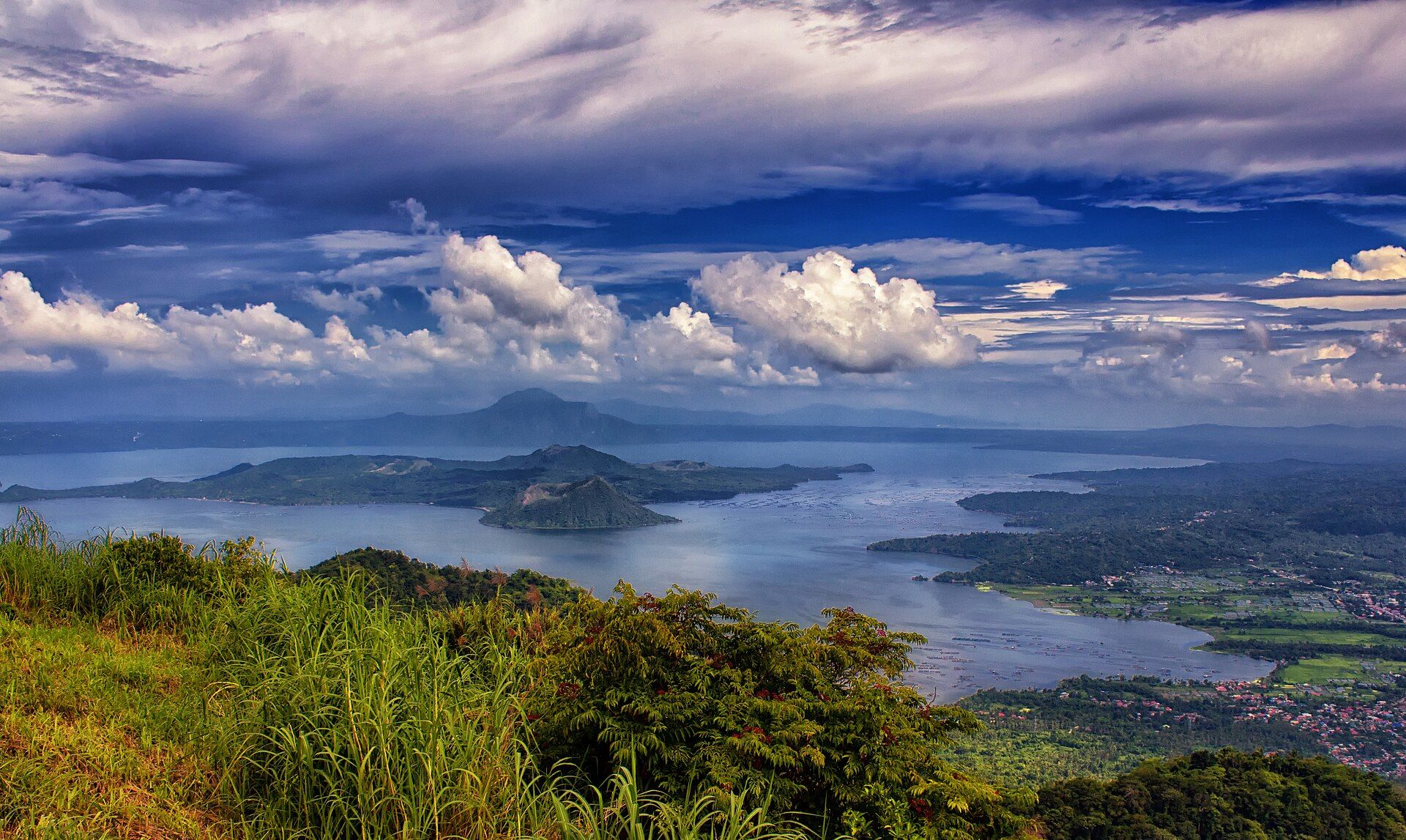
A volcano within a lake within a volcano — one of the world's smallest and most active volcanoes, sitting on an island inside a crater lake that fills a far larger ancient caldera, just south of Manila.
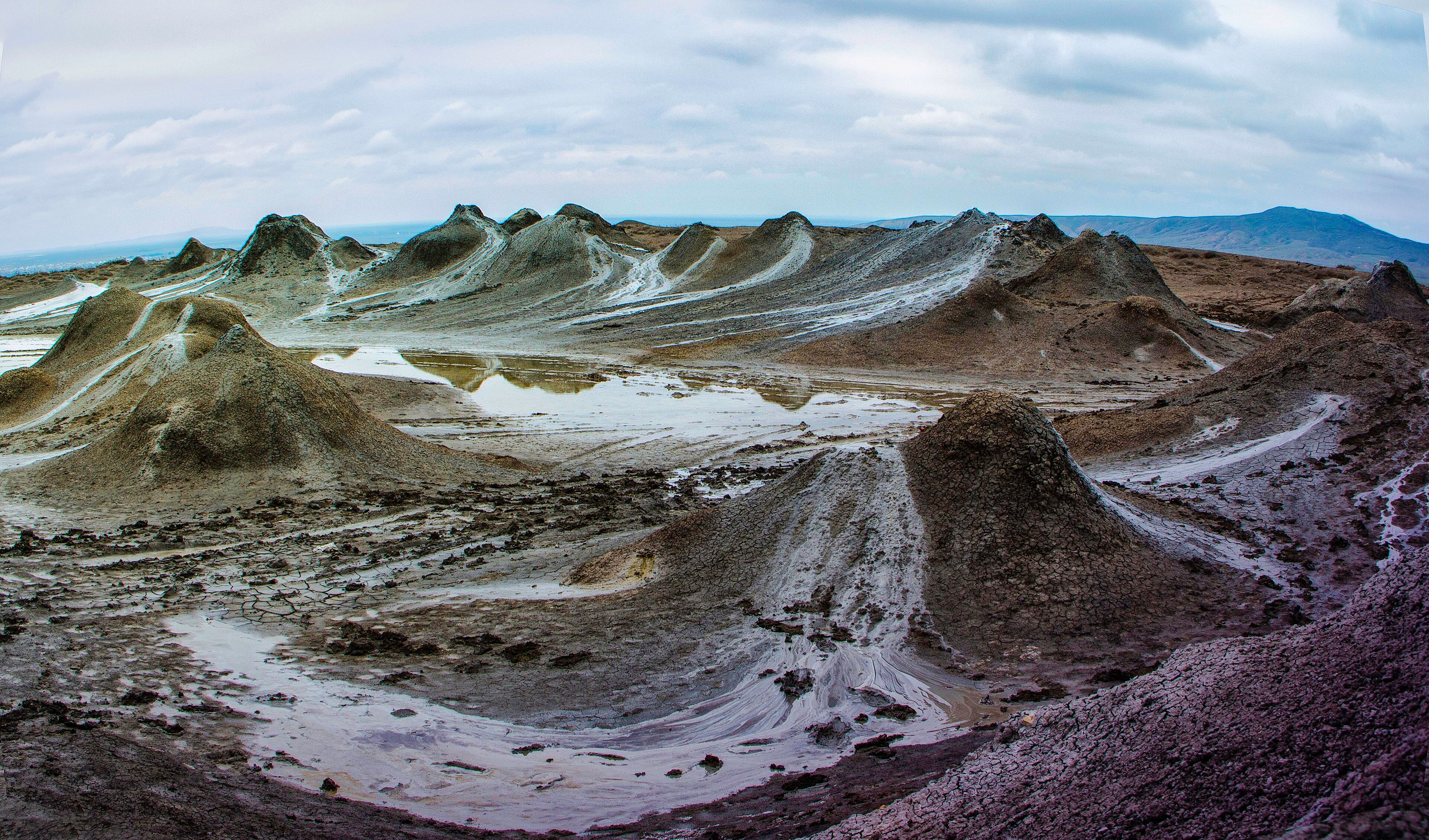
A grey lunar plain of cones that erupt cold — mud, brine and methane pushed up from kilometres below by gas pressure rather than heat, in the country that has more of them than anywhere on Earth.
New Zealand's oldest national park — a volcanic heartland of steaming craters, brilliant emerald lakes, and lava fields, crossed by one of the world's finest day hikes, and gifted to the nation by Māori in 1887 to keep it intact.
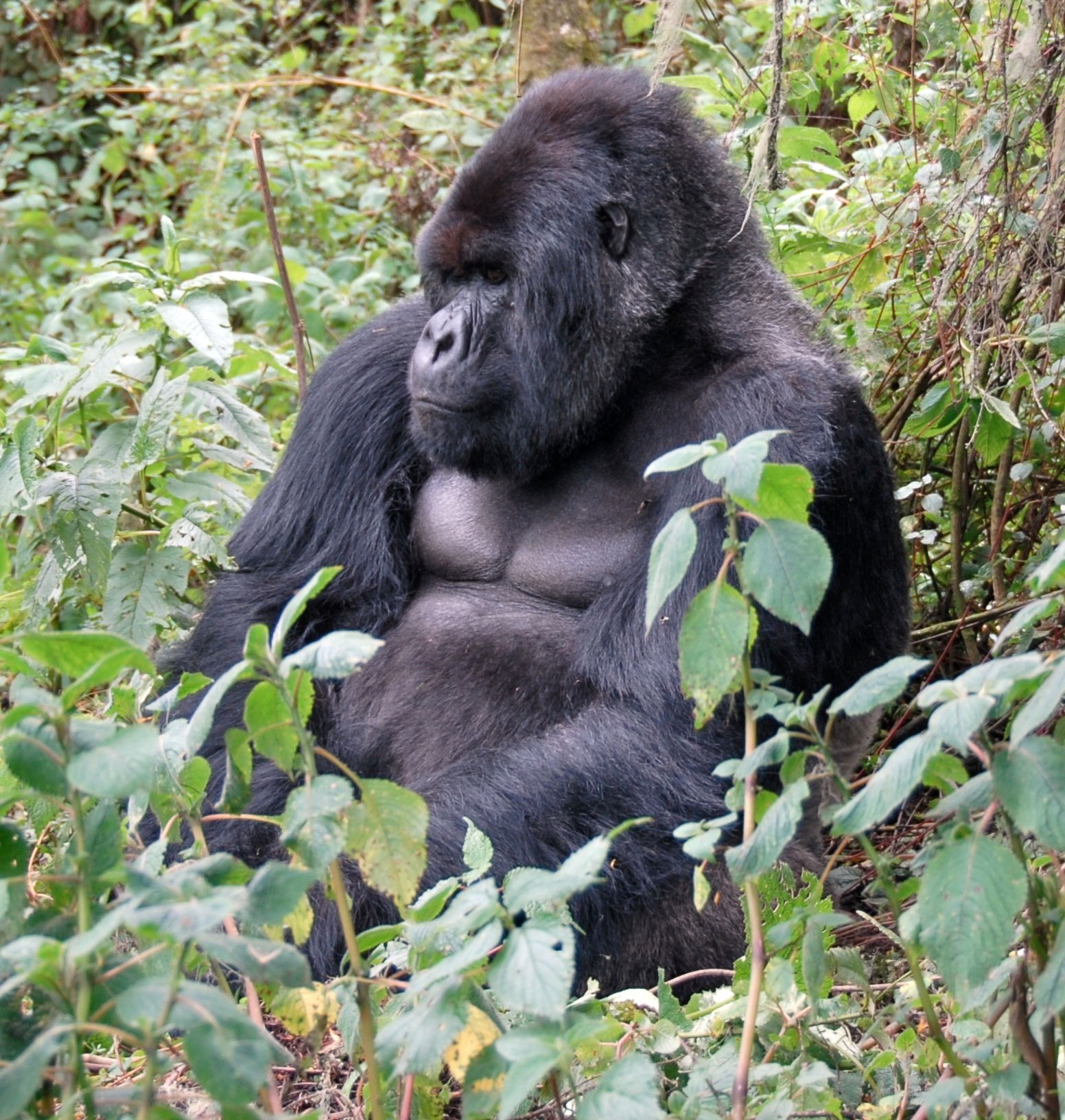
A chain of forest-cloaked volcanoes on Rwanda's northern border, home to wild mountain gorillas and the setting for Dian Fossey's famous research — one of Africa's most moving wildlife encounters.