🇷🇺 Natural wonders of Russia
The largest country on Earth — a vastness of Siberian taiga, tundra, and mountains holding the world's deepest lake and, in the far east, a peninsula of fire and bears.
🗓️ Best time for nature: Summer (roughly June–September) for most wilderness travel; late winter (February–March) for Lake Baikal's famous clear ice.
The lay of the land
Spanning eleven time zones across northern Asia and eastern Europe, Russia holds some of the planet's greatest wildernesses. Siberia's taiga and tundra stretch almost beyond comprehension, cradling Lake Baikal — the deepest and oldest lake on Earth, holding a fifth of the world's unfrozen fresh water. In the far east, the Kamchatka Peninsula bristles with active volcanoes and geysers along the Ring of Fire, its salmon rivers feeding one of the densest brown-bear populations anywhere. It is a country of immense scale, extreme climate, and remote, little-touched nature.
Where to begin
-
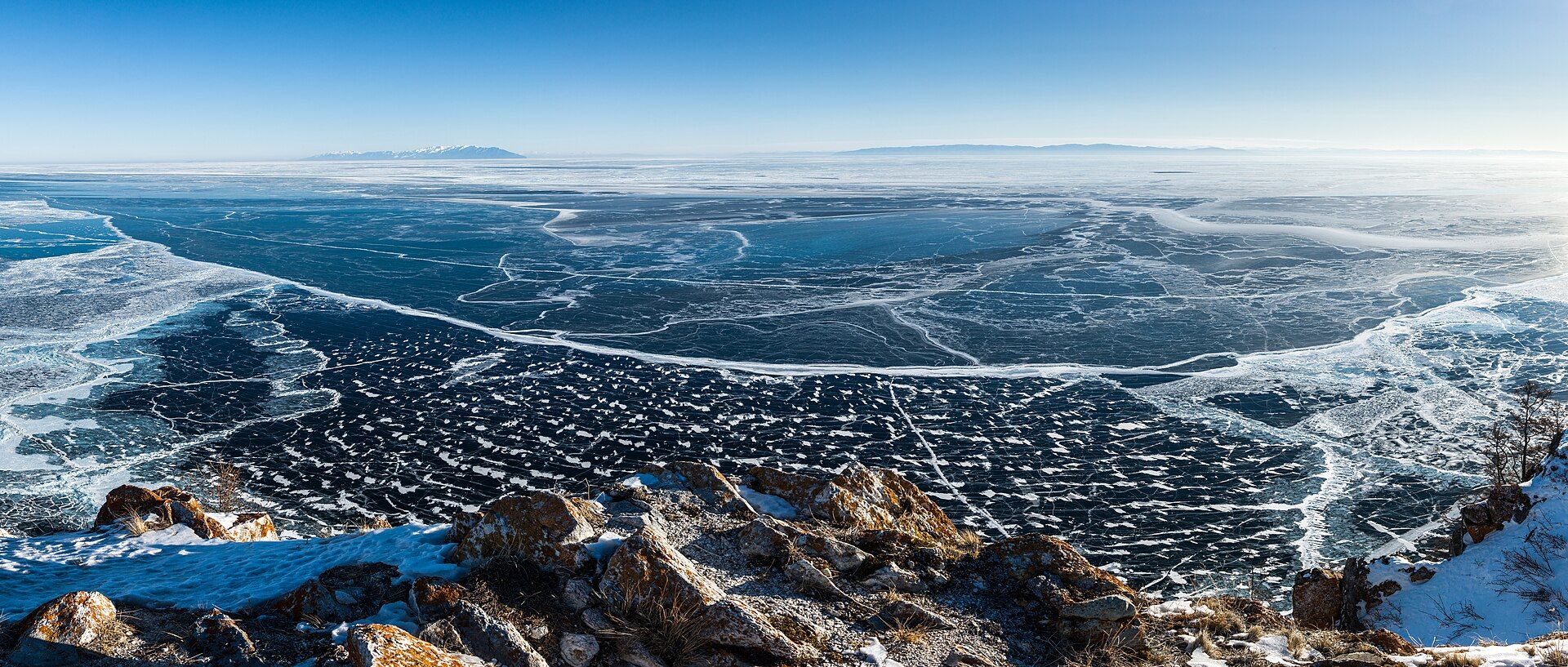
Lake Baikal
The deepest and oldest lake on Earth, freezing into turquoise ice.
-
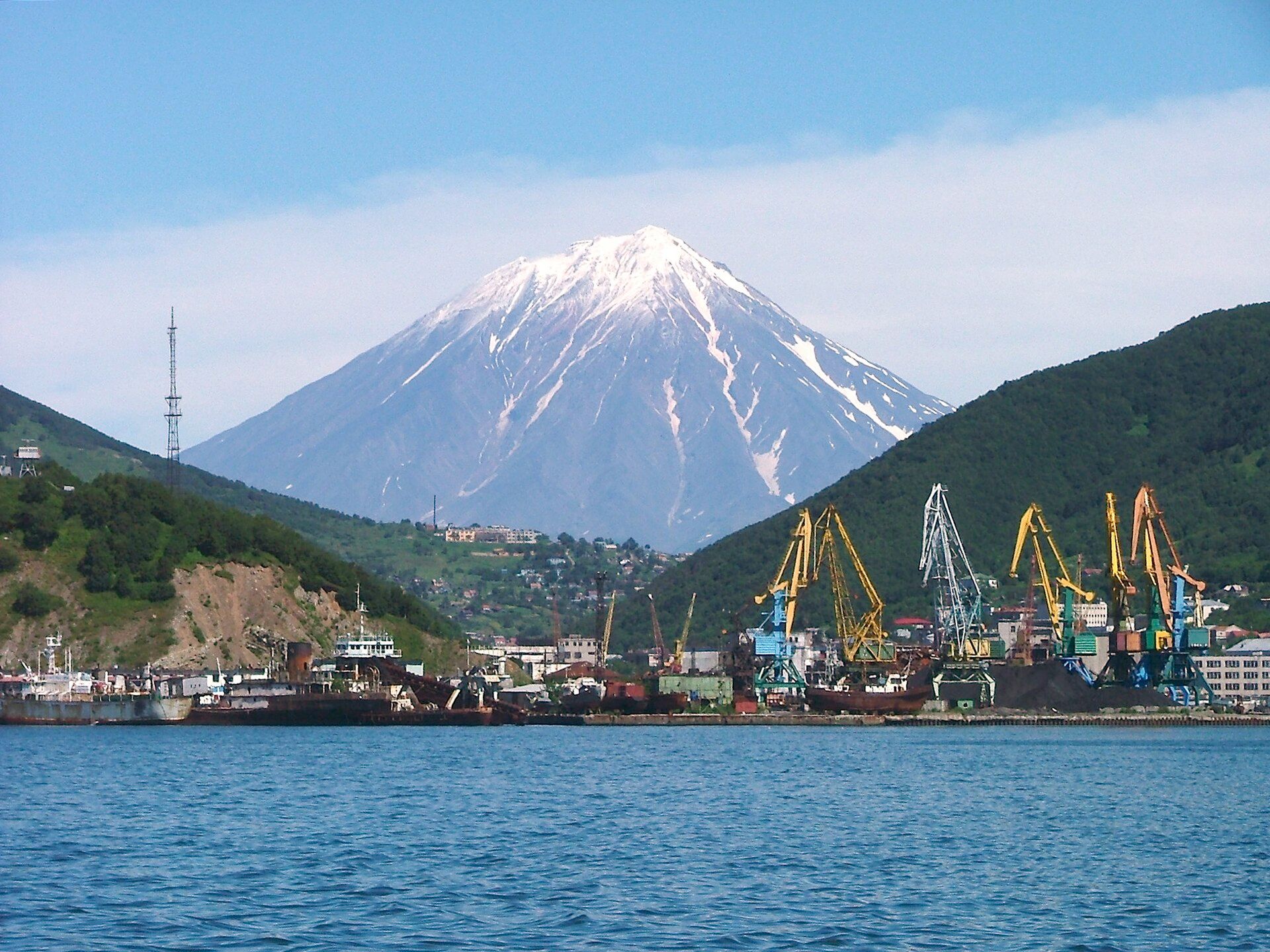
Kamchatka Volcanoes
A remote peninsula of active volcanoes, geysers, and giant brown bears.
A taste of the place
Russian cooking is hearty fare for a cold land: pelmeni (meat dumplings), soups like borscht, blini, and preserved fish and vegetables, with regional specialities such as Baikal omul and Kamchatka salmon and crab.
Traveling responsibly
- Reach Baikal via Irkutsk on the Trans-Siberian; visit in summer or for the winter ice.
- Kamchatka is remote — most sights need summer helicopter or expedition access.
- Dress for extremes; Russian winters are severe across most of the country.
Russia is the largest country on Earth, and its scale shows in its wild places. Across Siberia, taiga and tundra roll almost beyond imagining, cradling Lake Baikal — the deepest and oldest lake on the planet, holding a fifth of all the world’s unfrozen fresh water and freezing each winter into sheets of turquoise ice. Far to the east, the Kamchatka Peninsula bristles with active volcanoes and geysers along the Ring of Fire, its salmon rivers sustaining some of the biggest brown bears anywhere. This atlas chapter opens with two of those giants — an ancient lake and a land of fire.
Added
All wonders in Russia
4 places