🇸🇮 Natural wonders of Slovenia
A small, green country where the Julian Alps meet emerald rivers, glacial lakes, and vast cave systems — one of Europe's most beautiful and forested corners.
🗓️ Best time for nature: Late spring to early autumn (roughly May–September) for lakes, hiking, and warm weather; winter brings alpine snow and a quiet calm.
The lay of the land
Slovenia packs astonishing natural variety into a small, remarkably green country — more than half of it is forested. In the northwest, the Julian Alps rise to Triglav, the national peak, above glacial lakes like Bled and Bohinj and the vivid emerald Soča River. To the southwest lies classic karst country — indeed the very region that gave the word 'karst' to science — riddled with dramatic cave systems. Between mountains, caves, forests, and a short Adriatic coast, Slovenia is one of Europe's greenest and most scenic small nations.
Where to begin
-
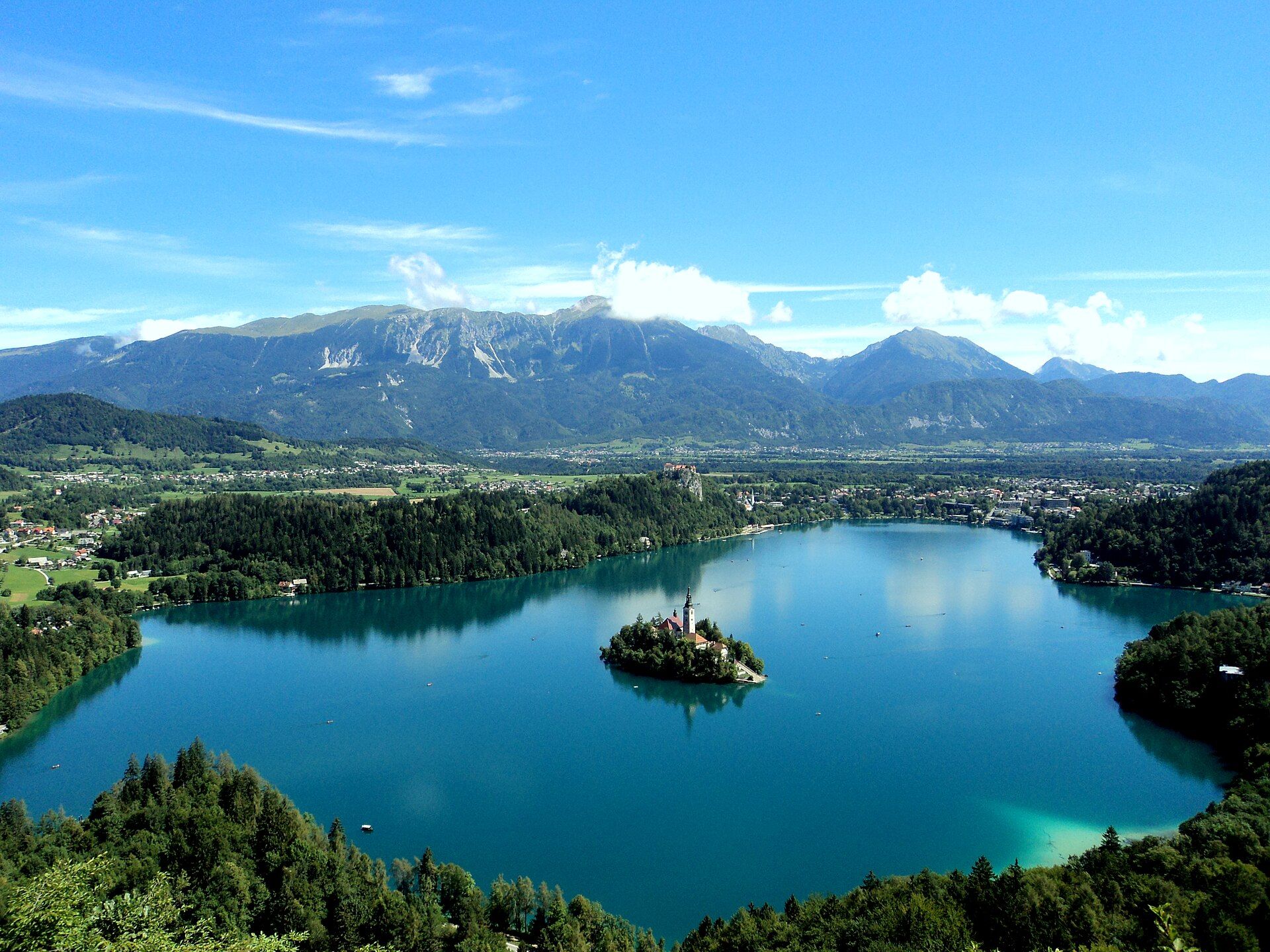
Lake Bled
A glacial lake with an island church beneath a clifftop castle and the Alps.
-
Triglav National Park
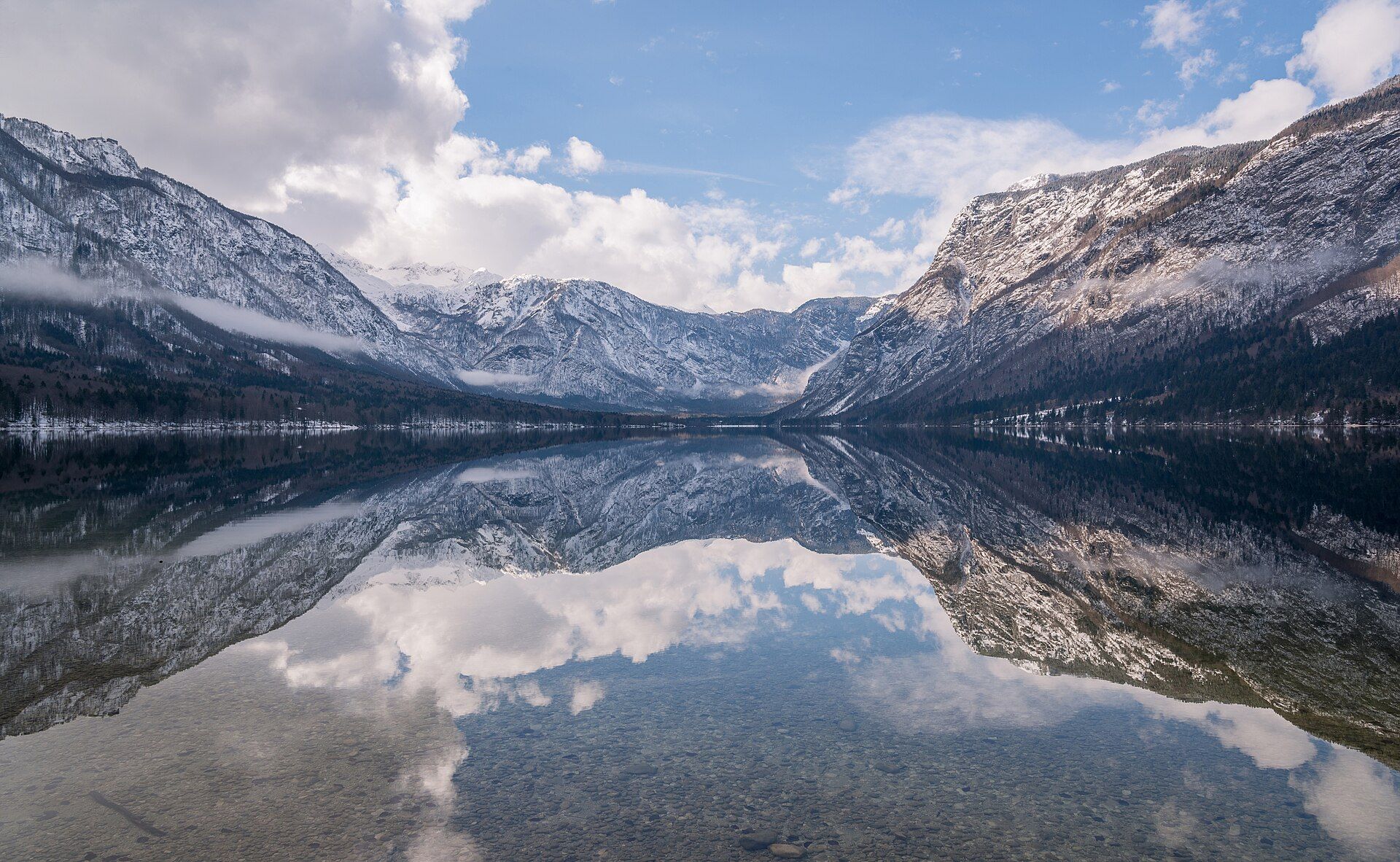
Slovenia's only national park: 840 km² of the Julian Alps around Triglav (2,864 m), with Lake Bohinj and the Savica waterfall.
-
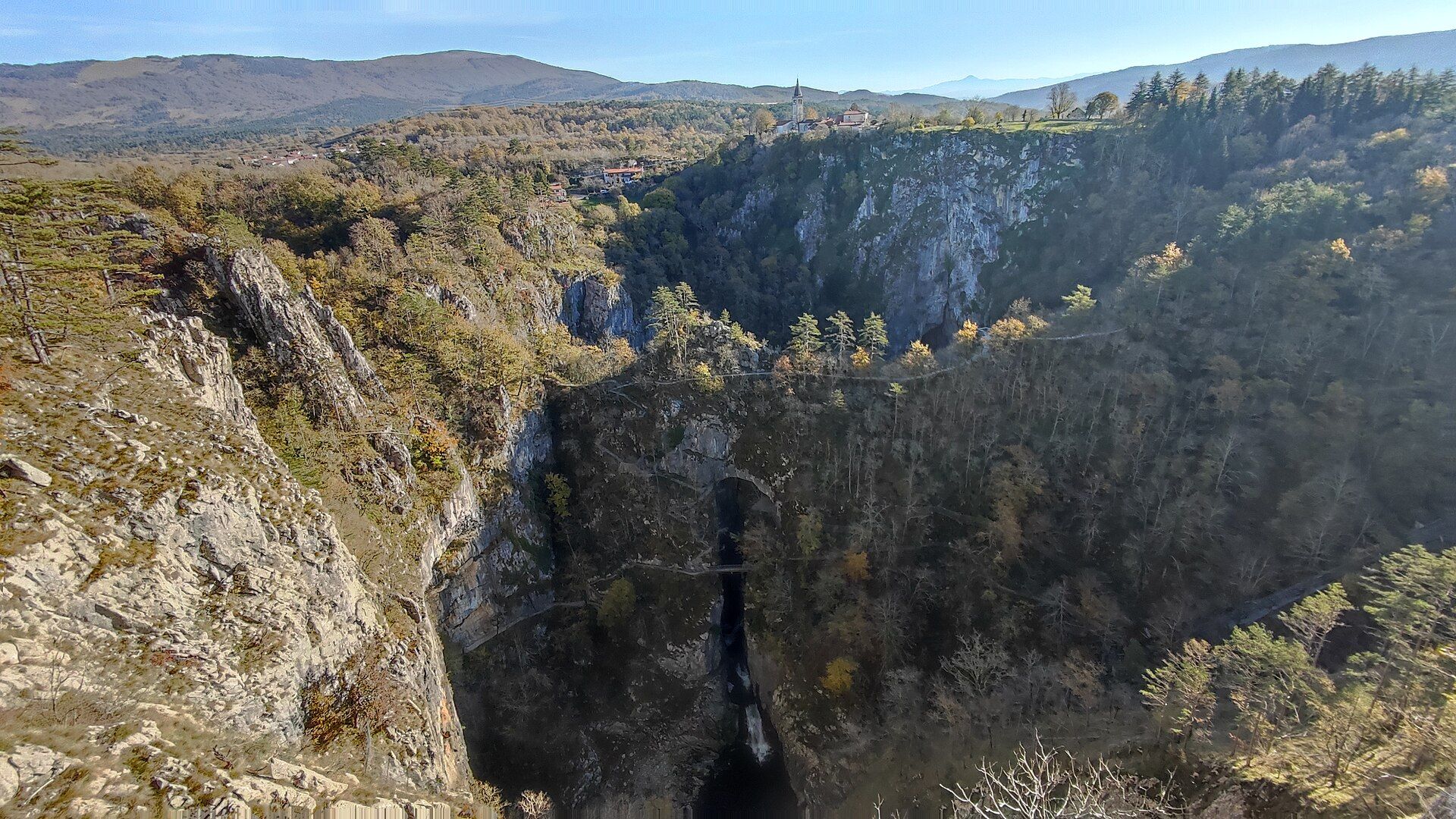
Škocjan Caves
A UNESCO-listed river cave where the Reka roars through an underground canyon beneath 165-m-deep collapse dolines.
-
Postojna Cave
A 24-km show cave toured by underground railway since 1872, home of the Brilliant stalagmite and the blind olm.
-
Logar Valley
A 7-km glacial valley in the Kamnik-Savinja Alps, closed by the 90-m Rinka waterfall.
A taste of the place
Slovenian food blends Alpine, Mediterranean, and Central European influences: freshwater fish, Carniolan sausage, buckwheat and dairy dishes, and famous sweets like Bled's cream cake (kremšnita).
Traveling responsibly
- Reach Lake Bled easily from Ljubljana; explore the Julian Alps beyond.
- Come May–September for lakes and hiking, winter for alpine snow.
- Pair the lakes with Triglav National Park and the Soča Valley.
- Book the Škocjan and Postojna caves as guided tours, and bring a warm layer — they stay at about 10–12 °C all year.
Slovenia packs remarkable natural variety into a small, exceptionally green country — more than half of it cloaked in forest. In the northwest, the Julian Alps rise to Triglav, at 2,864 metres the highest peak in the country and the heart of Triglav National Park, Slovenia’s only national park, first protected in 1924. Inside it lies Lake Bohinj, the largest permanent natural lake in Slovenia, fed by the Savica waterfall; just outside it, Lake Bled holds the country’s only natural island beneath a clifftop castle. Further east, the glacier-carved Logar Valley runs seven kilometres into the Kamnik-Savinja Alps to the 90-metre Rinka waterfall.
To the southwest lies the Karst — the very region that gave the word to science — and two of Europe’s great caves. At Škocjan, a UNESCO World Heritage Site since 1986, the Reka River plunges into collapse dolines up to 165 metres deep and thunders through an underground canyon past one of the largest known cave chambers. At Postojna, a railway has carried visitors into a 24-kilometre cave system since 1872, past stalagmites up to about 150,000 years old and the pale, blind olm. Mountains, lakes and caves: all five places in this chapter lie within a couple of hours of Ljubljana, making an easy loop.
Added Updated
All wonders in Slovenia
5 places
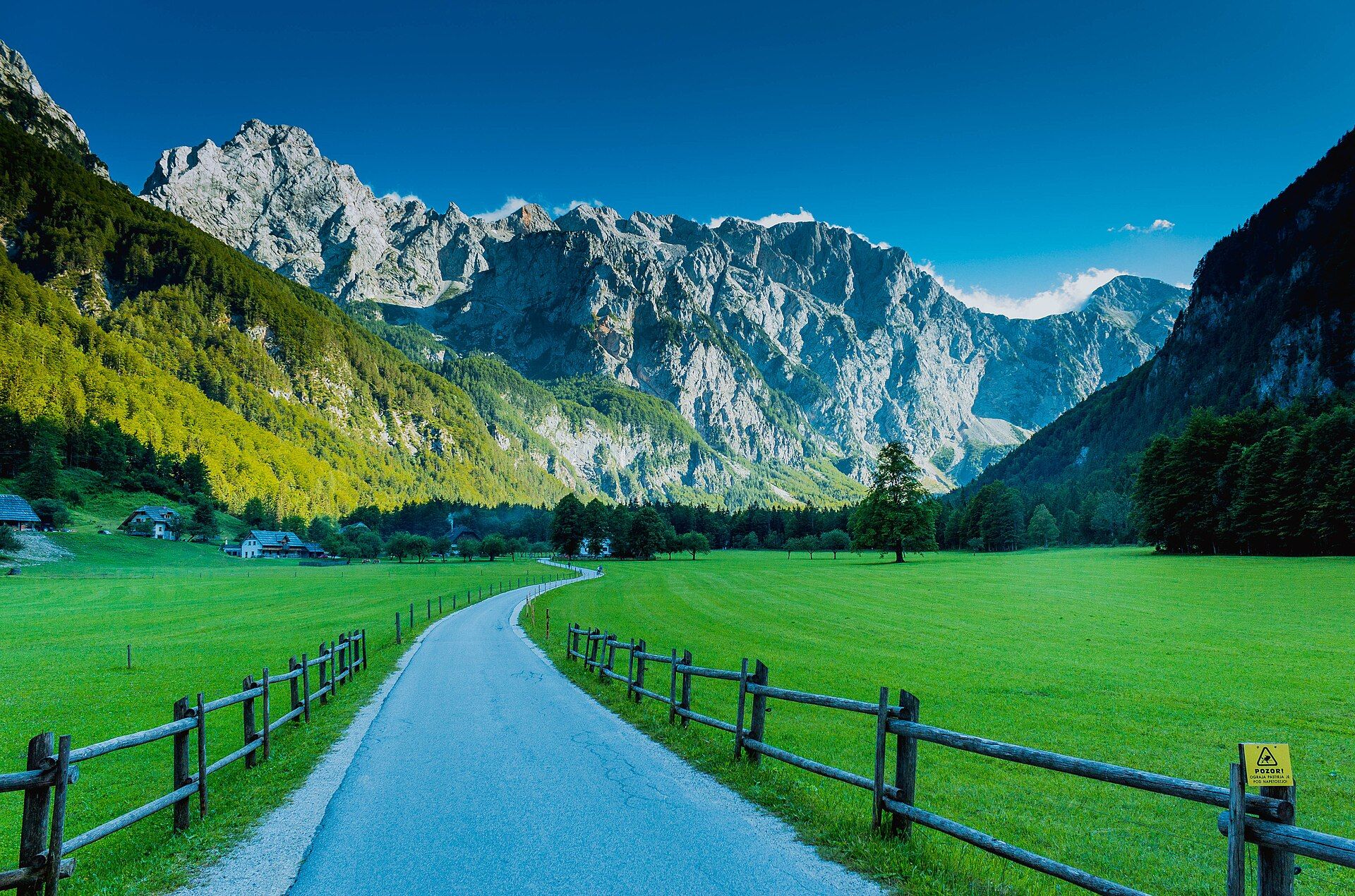
Logar Valley
Solčava, Upper Savinja Valley, northern Slovenia, beneath the Kamnik-Savinja Alps
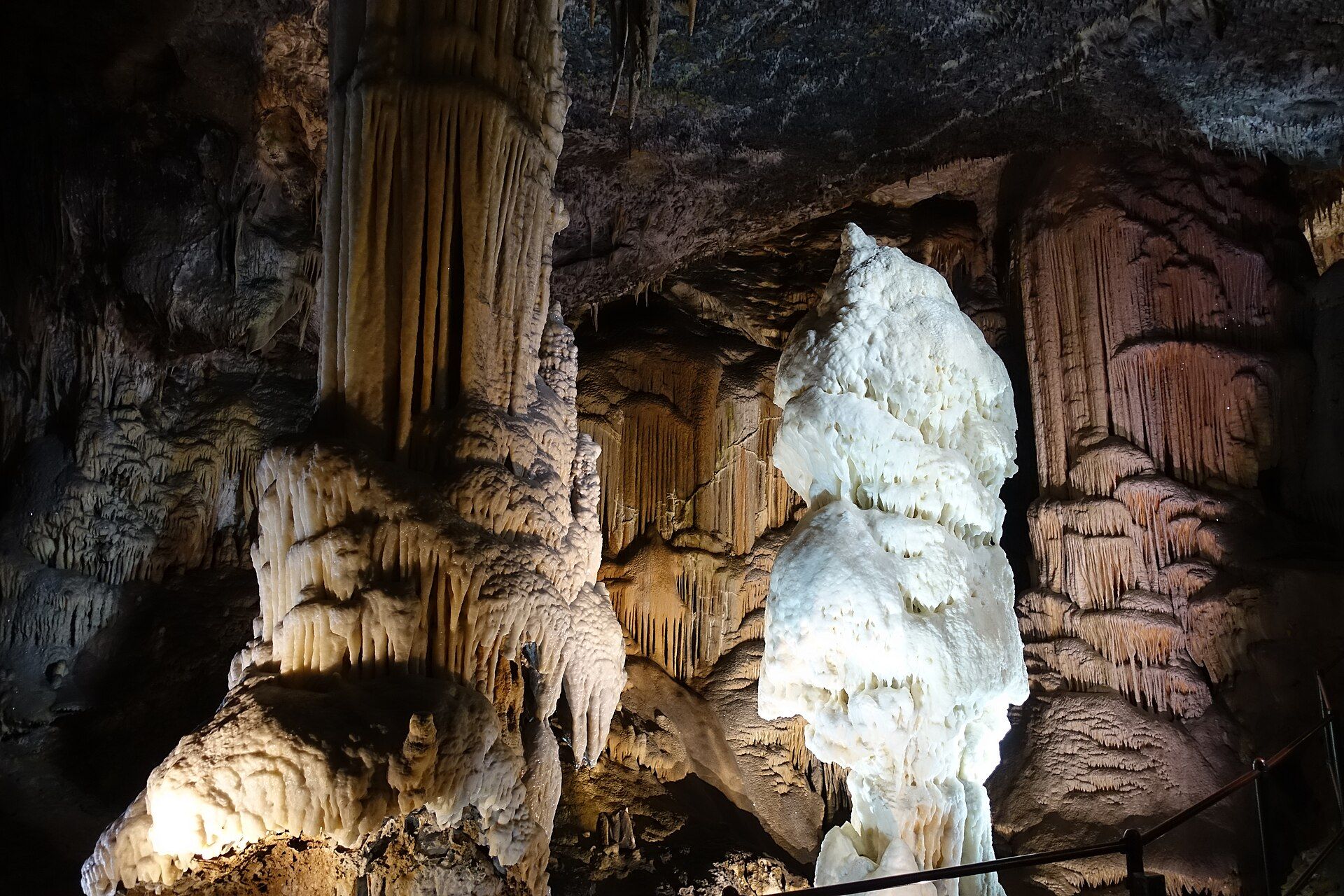
Postojna Cave
Postojna, Inner Carniola, south-western Slovenia, off the A1 Ljubljana–Koper motorway
Triglav National Park
Julian Alps, north-western Slovenia, on the border with Italy and close to Austria