The Sognefjord
📍 Sogn, Vestland, Western Norway
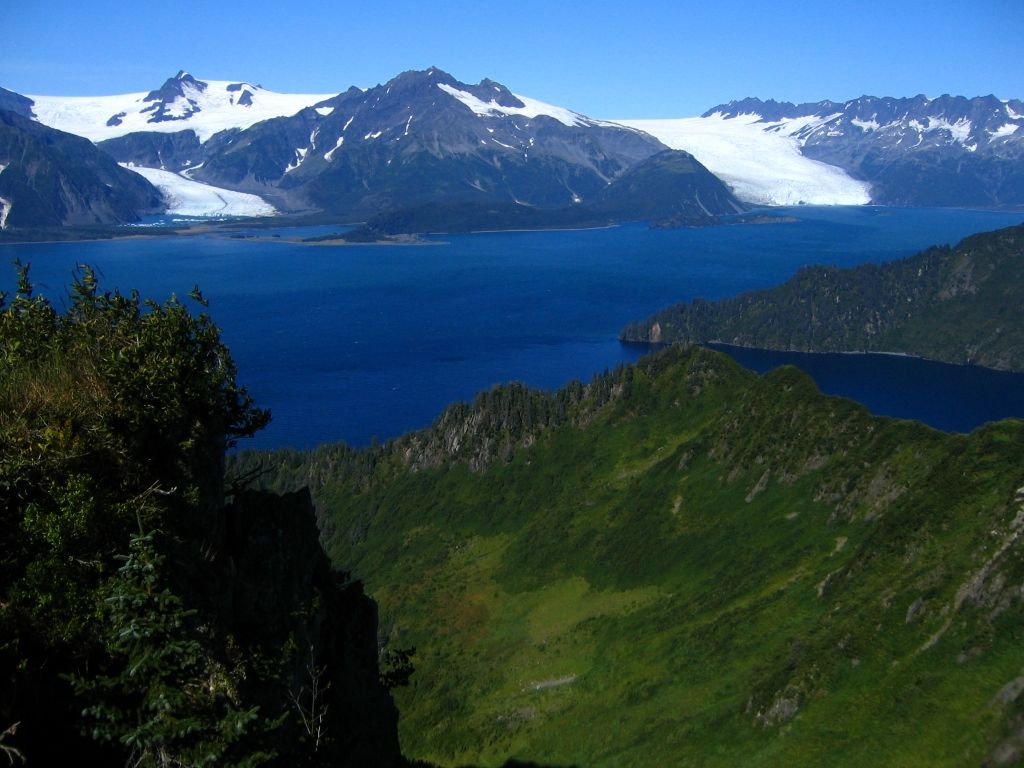
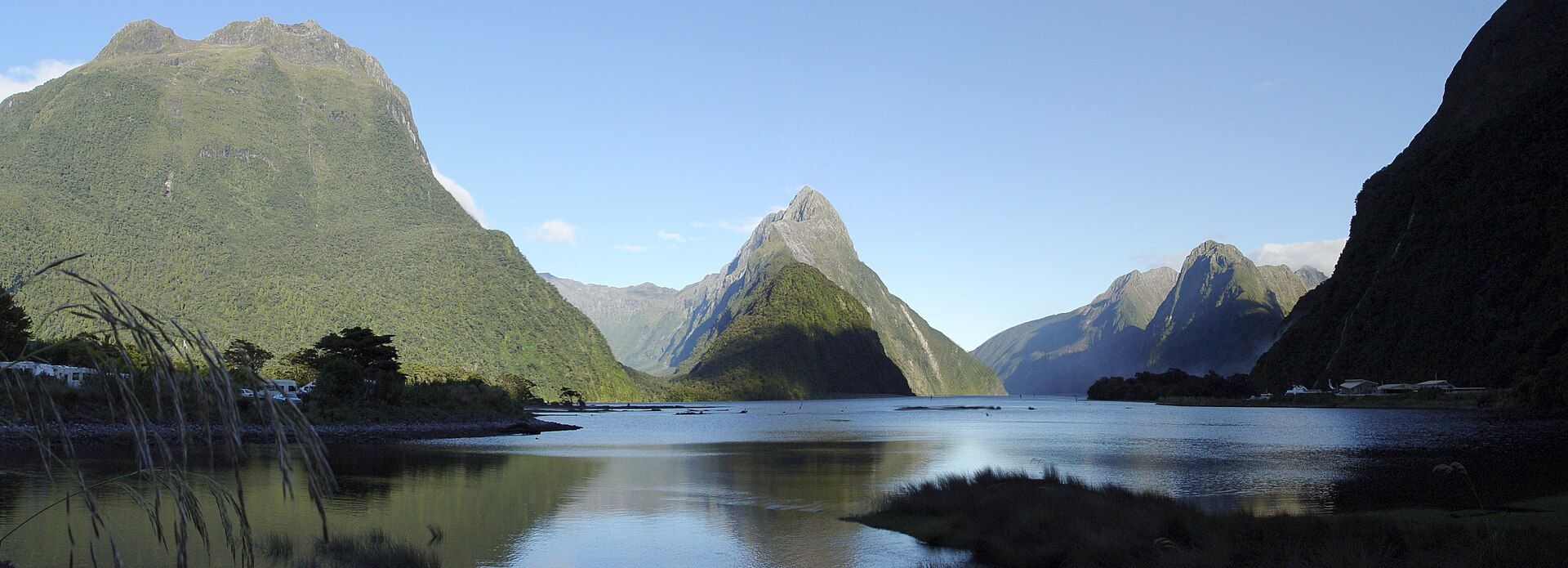
The King of the Fjords — Norway's longest and deepest fjord, reaching more than 200 kilometres inland from the coast to the foot of the Jotunheimen mountains, its narrow arms lined with sheer cliffs, hanging waterfalls, and villages under snow peaks.
What makes it marvelous
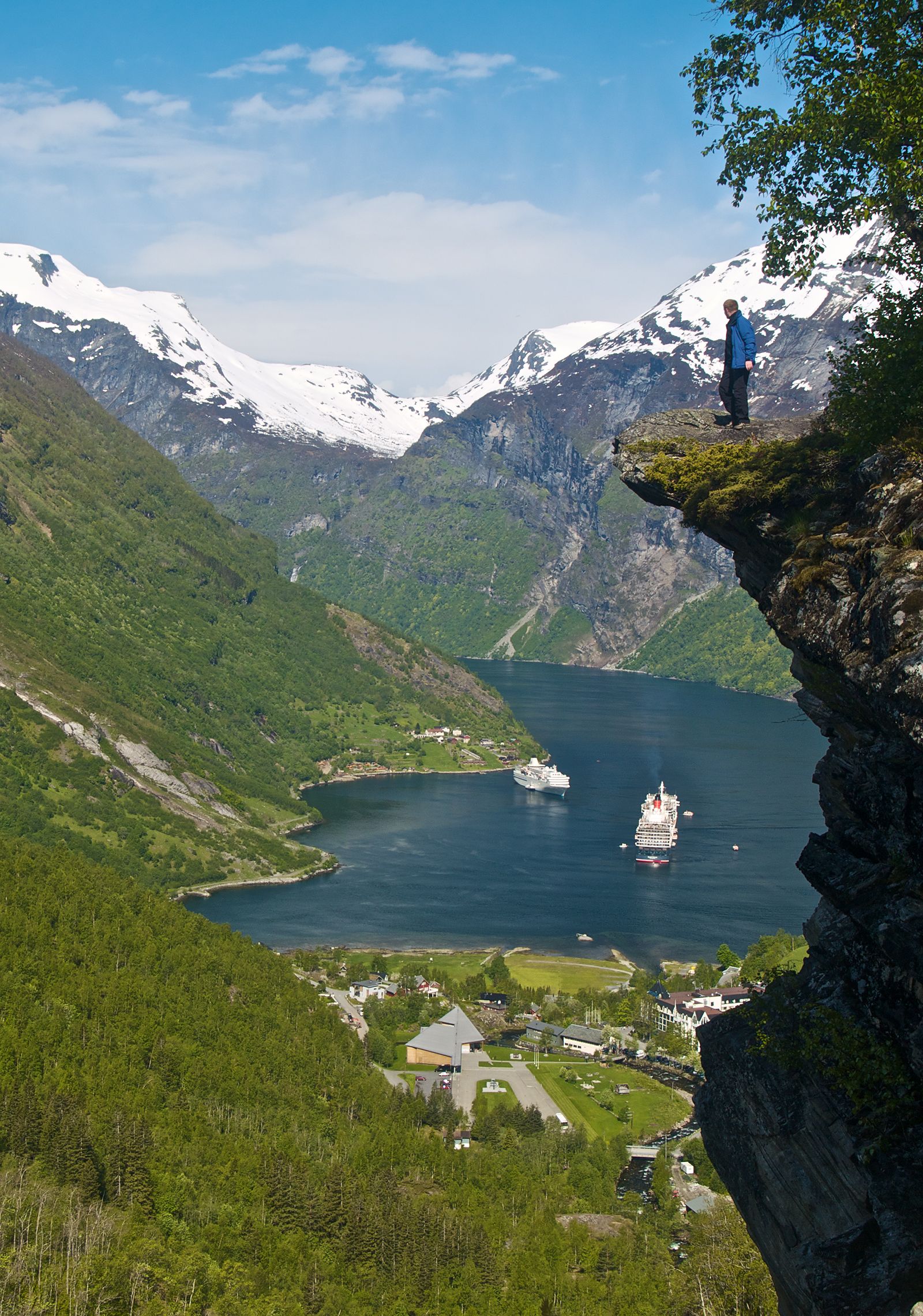
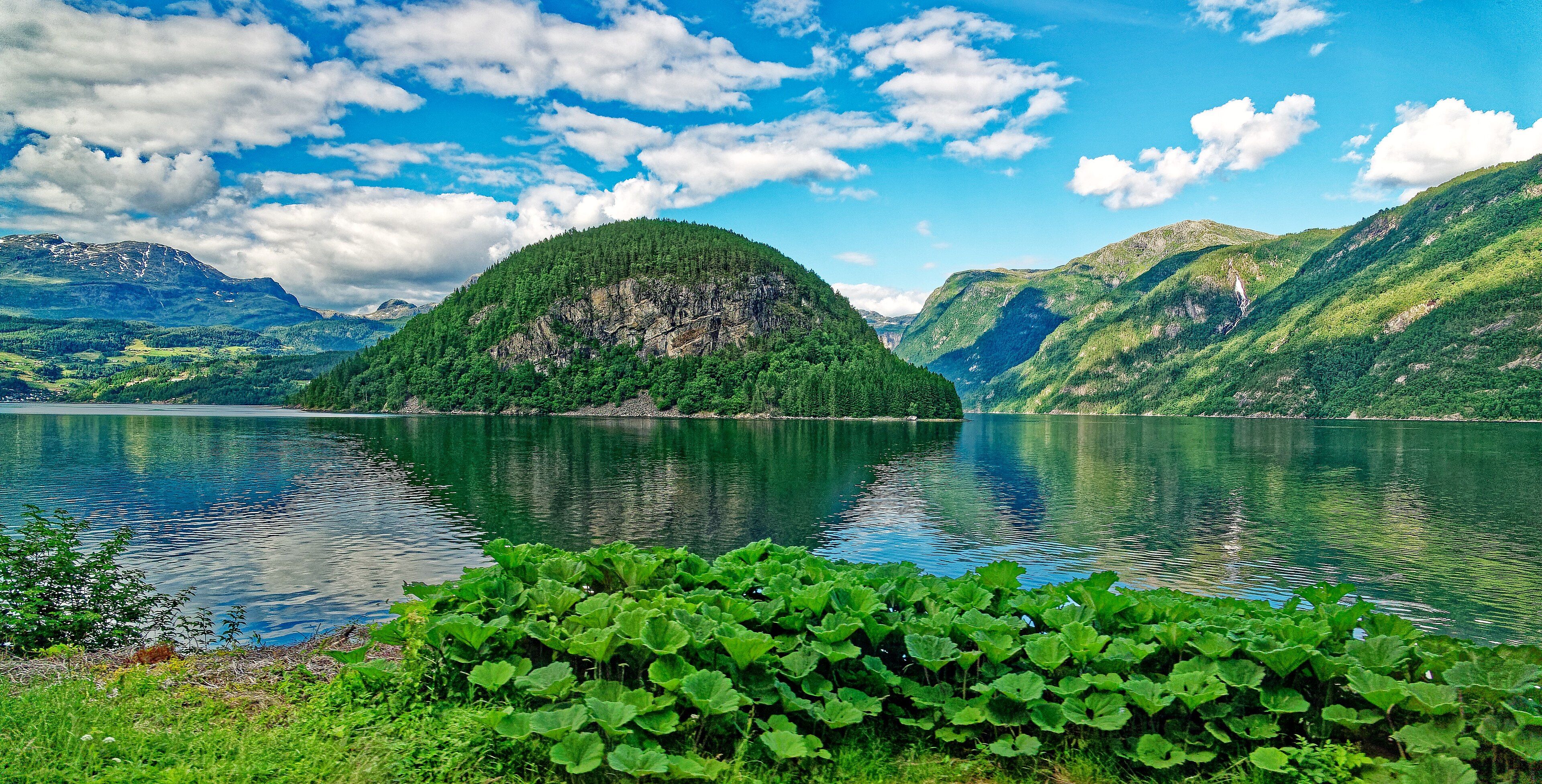
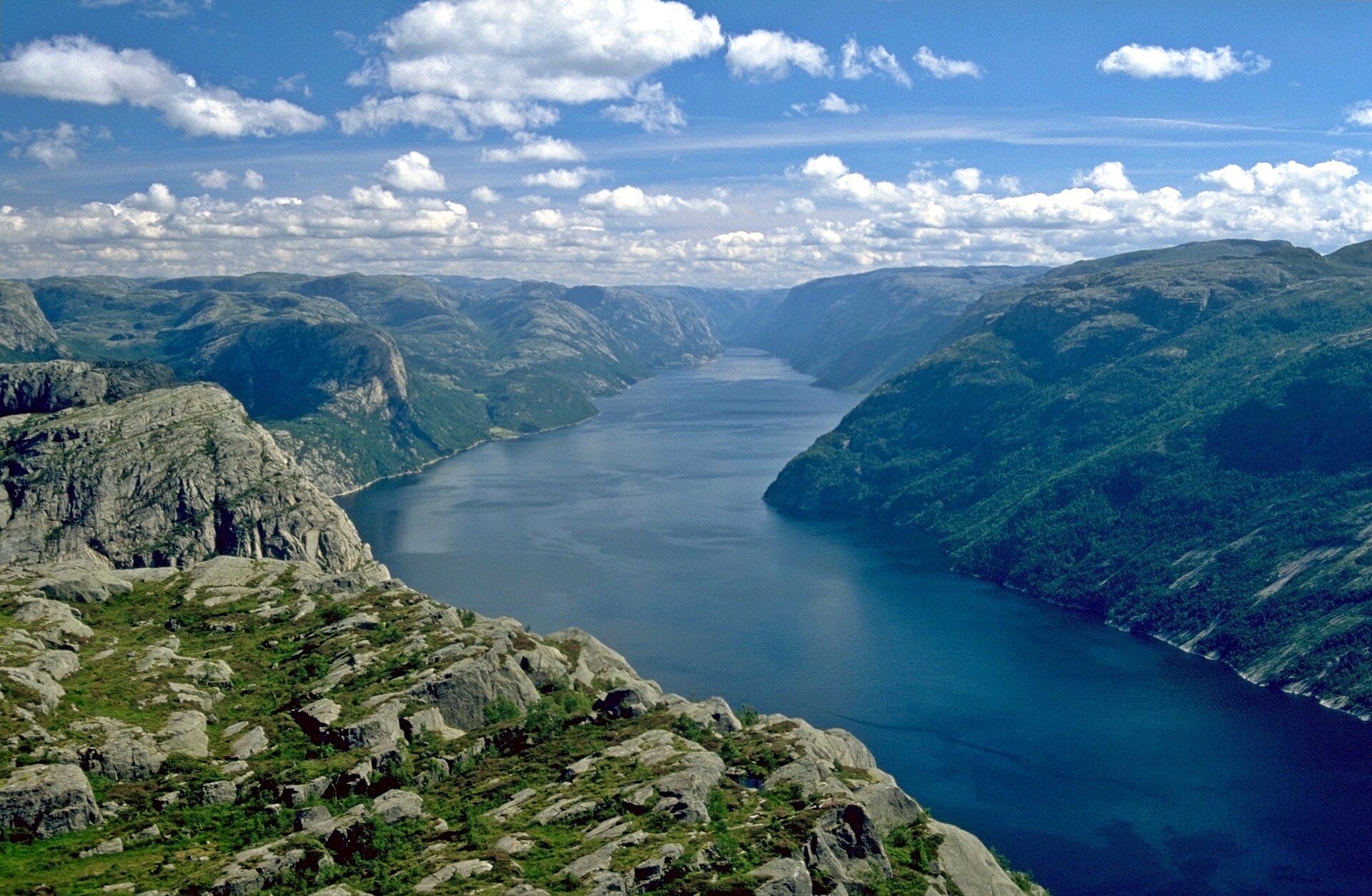
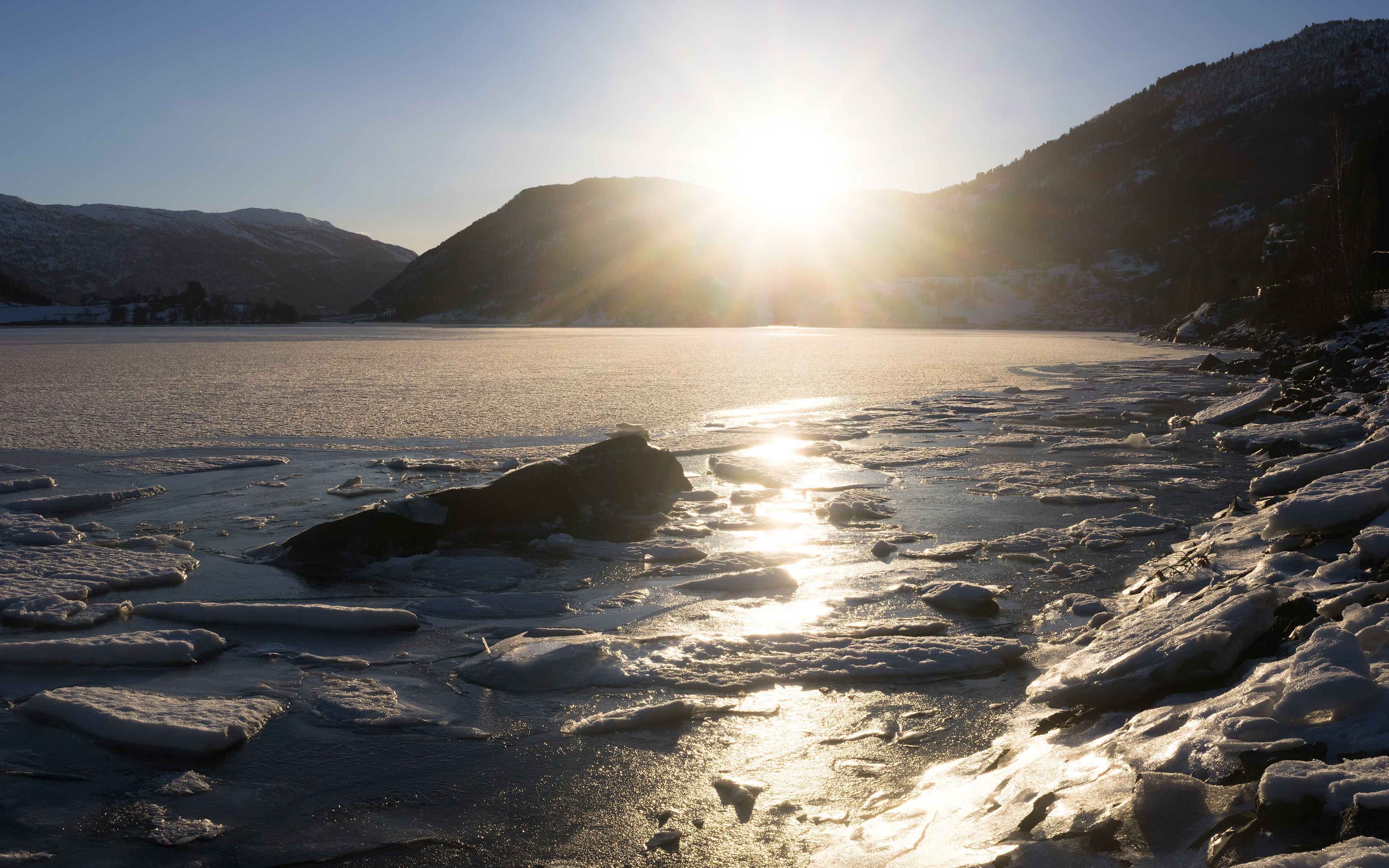
The Sognefjord cuts more than 200 kilometres into the mountains of Western Norway, the longest fjord in the country and, outside Greenland, the longest on Earth. For much of its length the water lies over a kilometre deep — more than 1,300 metres at its deepest — while the mountain walls above rise just as sheer, so that boats seem to sail down a flooded canyon roofed by snow peaks. From the broad main channel narrow arms branch inland: the Nærøyfjord, so tight and steep it is a UNESCO World Heritage site, and the Aurlandsfjord above the village of Flåm. Waterfalls hang from the cliffs, orchards and small farms cling to the few flat ledges, and the light shifts from silver to deep blue as the fjord runs east toward the glaciers and the peaks of Jotunheimen. It is the archetype of the Norwegian fjord, on the grandest possible scale.
Why visit
The Sognefjord is the classic Norwegian fjord experience at its largest — a boat journey down mirror water beneath vertical mountains, through the tight and dramatic Nærøyfjord arm, with the famous Flåm Railway climbing the valley above Aurland. It gathers Norway's greatest fjord scenery into one system, close to Bergen and reachable by ferry, express boat, and rail.
Still deciding?
The Sognefjord comes up most often against these — each one weighs cost, effort, season and crowds side by side.
What to know before you go
🗓️ Best time
Best May to September, when the days are long, the waterfalls run full with snowmelt, and boats and the Flåm Railway run frequently; late spring has the fullest falls, autumn the quietest villages and clearest light.
🧭 Getting there & access
The Sognefjord reaches inland from the coast north of Bergen. Express boats run from Bergen to Flåm and the fjord villages; the Bergen Railway connects at Myrdal to the Flåm Railway down to the fjord, and roads and car ferries serve the arms and villages.
Good to know
- Ride the Nærøyfjord arm by boat between Gudvangen and Flåm — the tightest, most dramatic stretch.
- Combine the fjord boat with the Flåm Railway for the classic 'Norway in a Nutshell' loop.
- Base in a fjordside village like Balestrand or Aurland to see the water in the quiet early light.
Plan your visit
Easy🧭 Getting there
From Bergen (BGO), Norway
- From Bergen take the express boat toward Flåm or the Bergen Railway to Myrdal
- Descend the Flåm Railway to Flåm on the Aurlandsfjord arm
- Cruise the Nærøyfjord arm between Flåm and Gudvangen
- Total travel
- A full day from Bergen; two or more days to stay in the fjord villages
- Time at site
- A full day for a boat-and-rail loop; longer to explore the arms and villages
- Access
- Reachable year-round by boat, rail, road, and car ferry; the widest range of boats and the Flåm Railway run May–September. Mountain roads to the arms can close in winter — check conditions.
🎒 What to bring & consider
- Warm and waterproof layers — it is cold and wet on deck even in summer
- Booked seats on the Flåm Railway and fjord boats in peak season
- A camera with a wide lens for the cliff walls and waterfalls
- Motion-sickness care if you are sensitive on the water
👁️ What to expect
- Crowds
- Flåm and the Nærøyfjord are busy midday in summer with cruise and tour traffic; mornings and the outer villages are calmer.
- Conditions
- Comfortable boat and rail travel; weather on the fjord is changeable and often wet, with real cold on deck.
- Facilities
- Villages along the fjord have hotels, cafes, boat terminals, and rail links; the arms are quieter with fewer services.
- The view
- The narrow Nærøyfjord arm from the deck, sheer cliffs and a hanging waterfall closing in on the boat, snow peaks above.
Times and requirements are approximate and change with season, weather, and local rules — confirm permits, fares, and schedules with operators before you travel.
Natural riches of the area
- The deepest and longest fjord waters in Norway, carved by Ice Age glaciers
- Sheer mountain walls, hanging valleys, and cliff waterfalls along the arms
- Orchards and small farms on the fjord's rare flat ledges
- Cold, deep marine waters rich in fish and seabirds
Local food
- Fjord-farmed salmon
- The cold, deep fjord waters are famous for salmon and trout, served cured or grilled.
- Sognefjord fruit and cider
- The sheltered, sunny fjord slopes grow apples, plums, and cherries pressed into cider.
- Rakfisk and cured meats
- Fermented fish and dried, salted mountain meats are traditional inland fare.
The Sognefjord is the fjord against which all others are measured — the King of the Fjords, longest and deepest in Norway, reaching more than 200 kilometres inland from the coast to the foot of the Jotunheimen mountains. For much of that distance the water lies over a kilometre deep while the walls above rise just as sheer, so that to sail it is to travel down a flooded canyon roofed with snow. From the broad main channel, narrow arms branch off into the mountains: the tight, steep Nærøyfjord, protected as a UNESCO World Heritage site, and the Aurlandsfjord above Flåm, where a mountain railway hairpins down to the water.
Waterfalls stream from the cliffs, orchards and small farms cling to the few flat ledges, and the light on the water shifts from silver to deep blue as the fjord runs east toward the glaciers. It is the heart of Norway’s fjord country and the reason boats, trains, and ferries converge here from Bergen: no other single fjord gathers so much of the drama — the depth, the sheerness, the hanging valleys and villages — into one enormous system. Grand where the smaller fjords are intimate, the Sognefjord is the whole idea of the fjord written as large as the land allows.
The Sognefjord: common questions
How do you get to The Sognefjord?
From Bergen (BGO), Norway: From Bergen take the express boat toward Flåm or the Bergen Railway to Myrdal; Descend the Flåm Railway to Flåm on the Aurlandsfjord arm; Cruise the Nærøyfjord arm between Flåm and Gudvangen. Total travel time: A full day from Bergen; two or more days to stay in the fjord villages.
When is the best time to visit The Sognefjord?
Best May to September, when the days are long, the waterfalls run full with snowmelt, and boats and the Flåm Railway run frequently; late spring has the fullest falls, autumn the quietest villages and clearest light.
How long should you spend at The Sognefjord?
A full day for a boat-and-rail loop; longer to explore the arms and villages. Total travel time: A full day from Bergen; two or more days to stay in the fjord villages.
What should you bring to The Sognefjord?
Warm and waterproof layers — it is cold and wet on deck even in summer Booked seats on the Flåm Railway and fjord boats in peak season A camera with a wide lens for the cliff walls and waterfalls Motion-sickness care if you are sensitive on the water
Do you need a permit or guide for The Sognefjord?
Reachable year-round by boat, rail, road, and car ferry; the widest range of boats and the Flåm Railway run May–September. Mountain roads to the arms can close in winter — check conditions.
Is The Sognefjord crowded, and what are conditions like?
Flåm and the Nærøyfjord are busy midday in summer with cruise and tour traffic; mornings and the outer villages are calmer. Comfortable boat and rail travel; weather on the fjord is changeable and often wet, with real cold on deck. Facilities: Villages along the fjord have hotels, cafes, boat terminals, and rail links; the arms are quieter with fewer services.
Added
More wonders to explore