Bieszczady Mountains
📍 Subcarpathia, south-east Poland
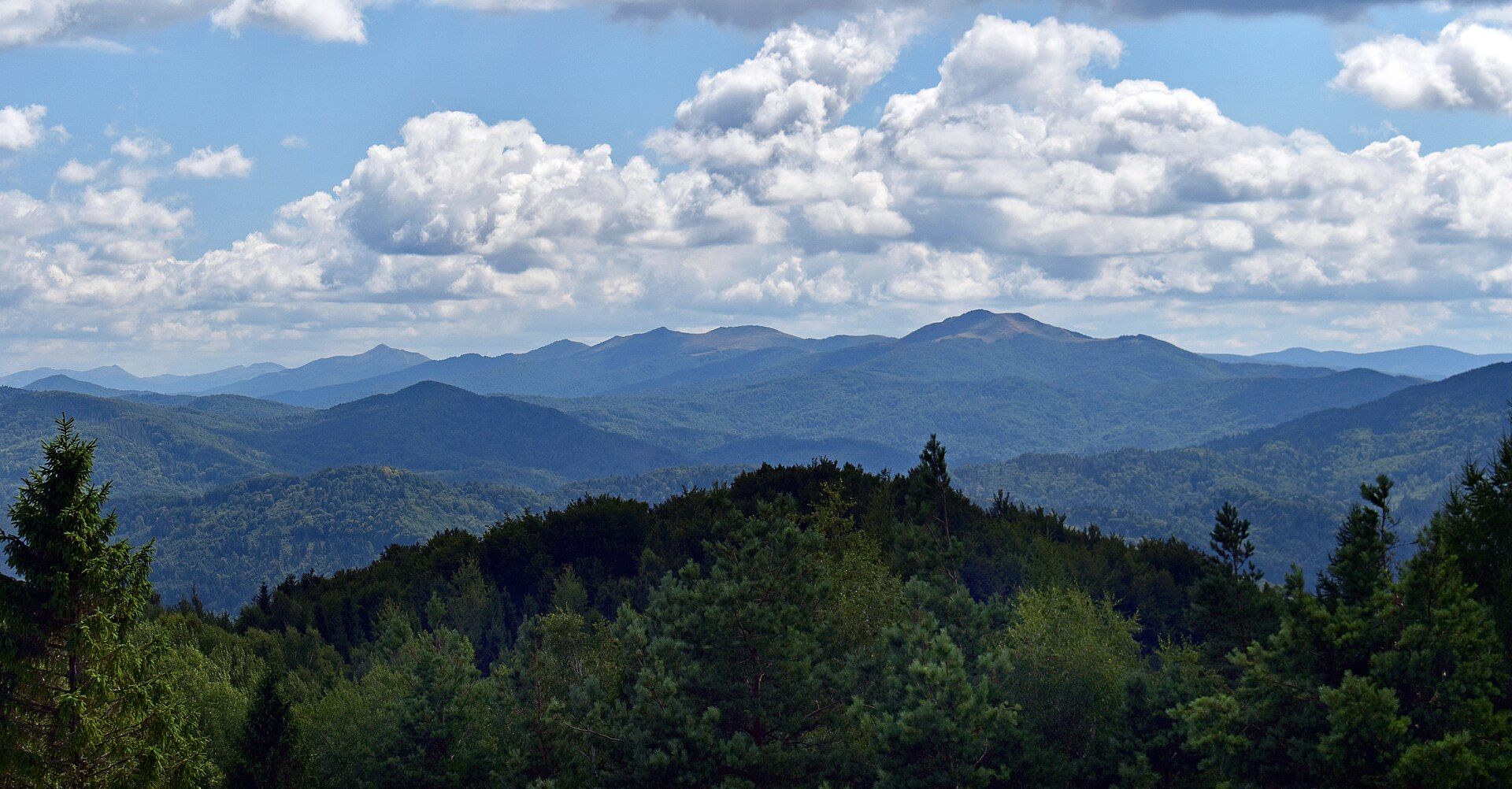
Poland's wild south-eastern corner — rolling forested ridges of the Eastern Carpathians crowned by open, treeless mountain meadows called połoniny, where wolves, lynx, bison and brown bears still roam.
What makes it marvelous
The Bieszczady form the far south-eastern end of Poland, part of the Eastern Carpathians reaching to the borders with Ukraine and Slovakia. Their long, whale-backed ridges are cloaked in some of the largest old beech and fir forests in Europe, but their signature feature is the połoniny — high, open meadows of grass and wildflower above the treeline, swept by wind and cloud. Depopulated in the twentieth century, the range has returned to the wild: it shelters wolves, lynx, European bison, and one of the continent's densest populations of brown bears, and its core is protected as the Bieszczady National Park, part of a cross-border UNESCO reserve.
Why visit
This is Poland's great wilderness, emptier and wilder than the busy Tatras. Hiking the ridgeline połoniny — Połonina Wetlińska and Tarnica, the range's highest point at 1,346 metres — you walk for hours through open grassland with vast views and real solitude. It is a place for wildlife, dark skies and the melancholy beauty of a land that people left and nature reclaimed.
More views of Bieszczady Mountains
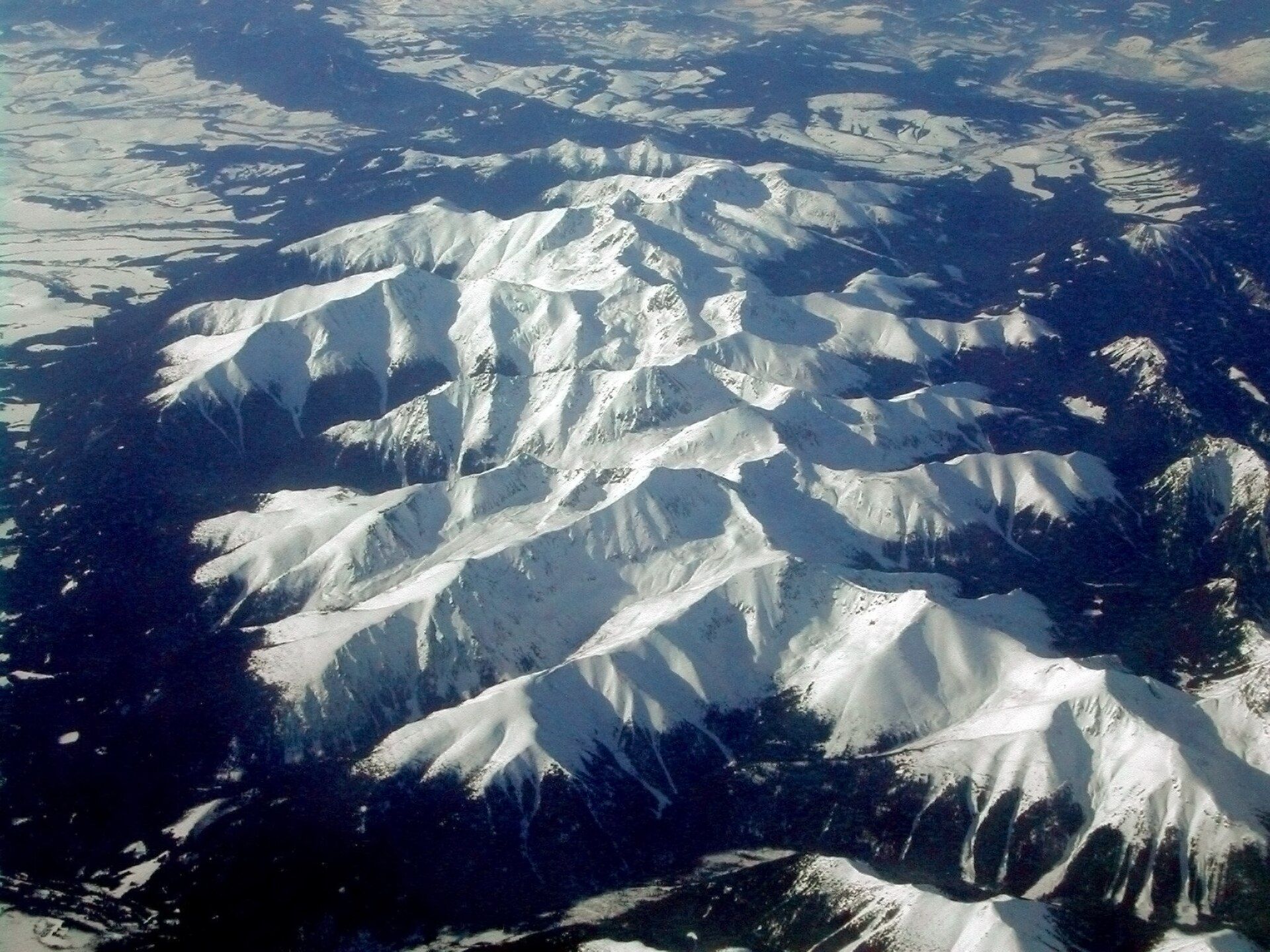
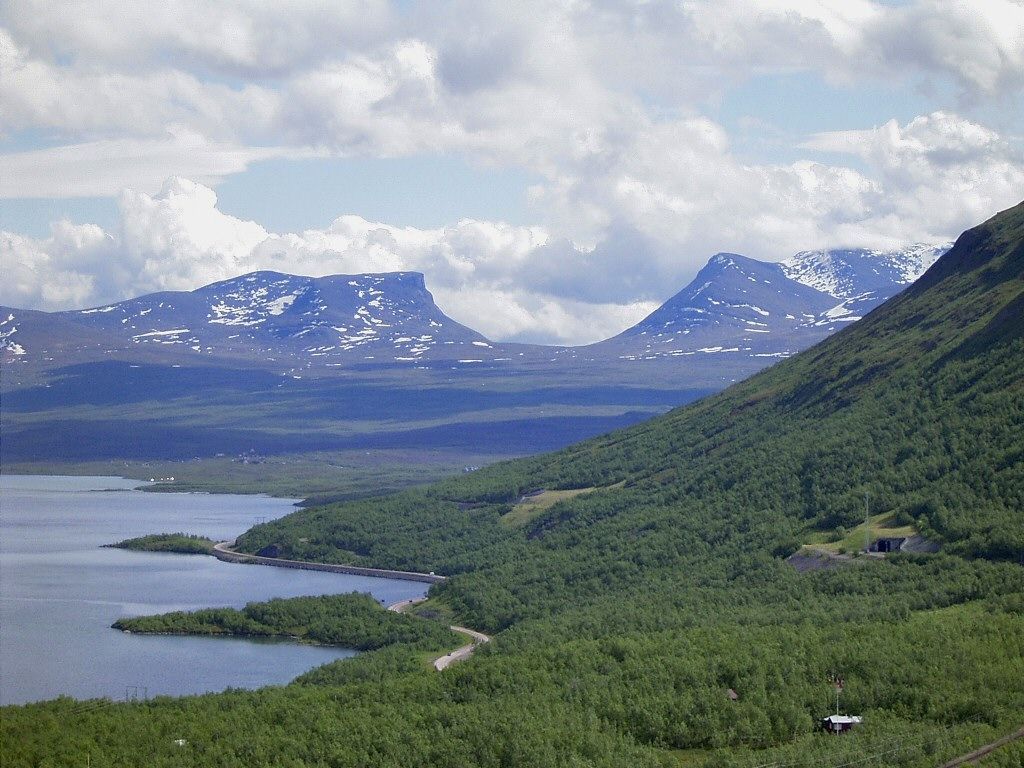
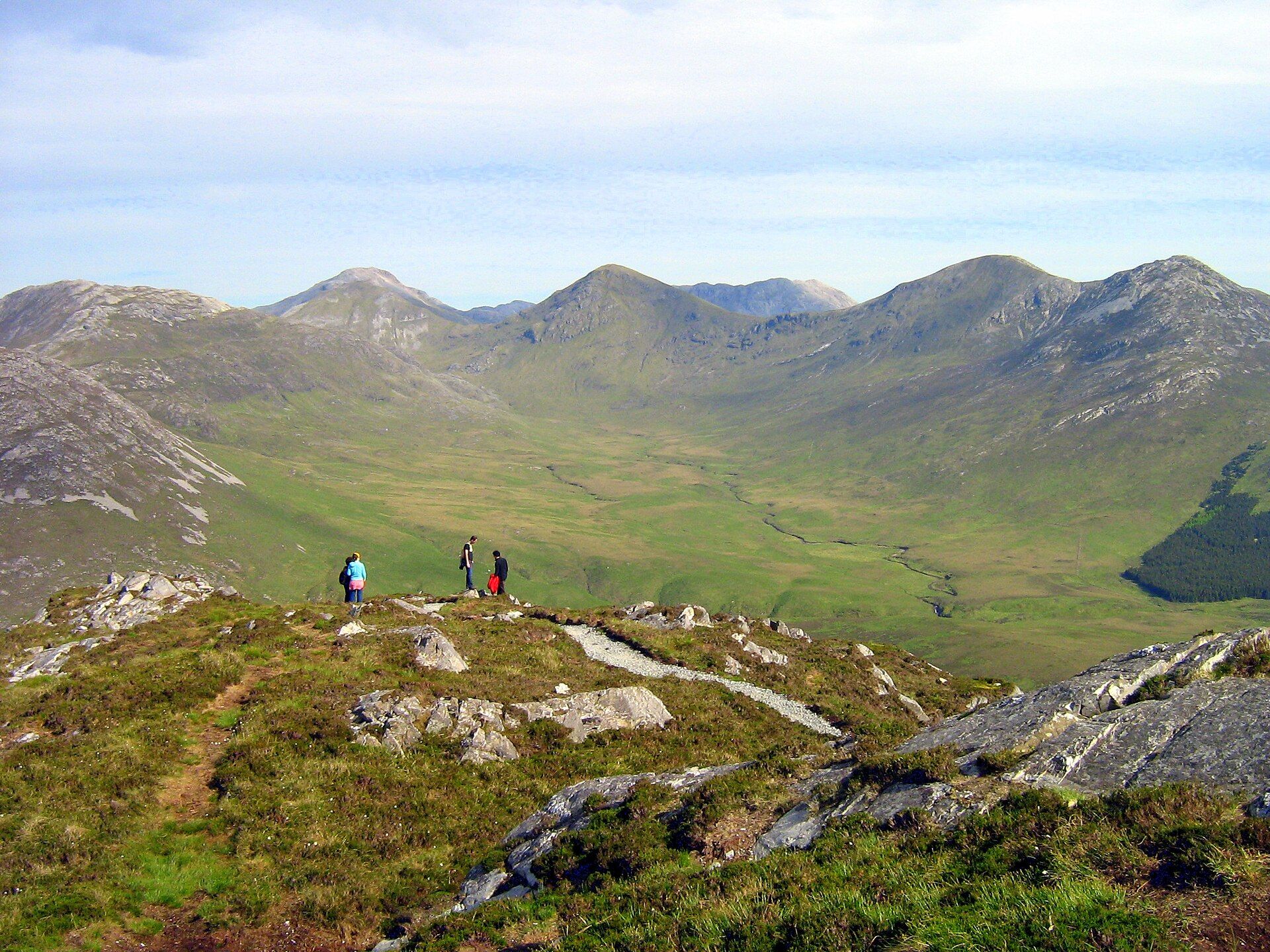
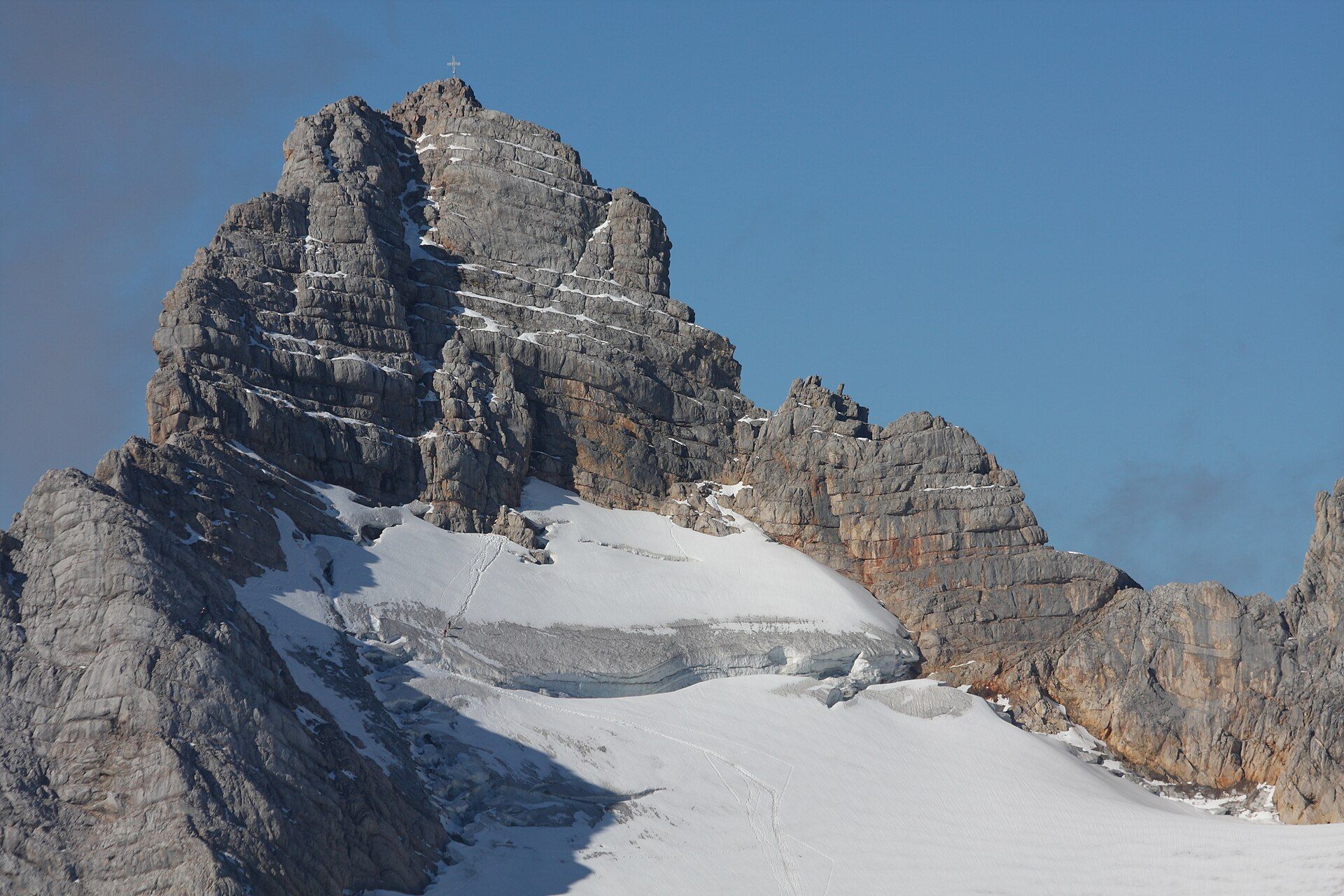
Additional photographs of the actual site — each freely licensed, with its photographer and licence credited.
What to know before you go
🗓️ Best time
Late spring through autumn is best; June brings wildflowers on the meadows, and September and October the gold of the beech forests, while winter is snowy and severe.
🧭 Getting there & access
Reached by road from Rzeszów into the mountains around Ustrzyki Górne and Wetlina, the main walking bases for the high meadows.
Good to know
- Weather on the exposed połoniny turns quickly — carry wind and rain protection even in summer.
- This is bear and wolf country; store food properly and keep a respectful distance from wildlife.
- Trails and huts are sparser than in the Tatras; carry water, a map and enough food.
Plan your visit
Moderate🧭 Getting there
From Rzeszów (airport RZE)
- From Rzeszów drive south into the mountains, about 2h30–3h to Ustrzyki Górne or Wetlina
- Base there and hike the ridge meadows of Tarnica, Połonina Wetlińska and Caryńska
- Total travel
- A long half-day of travel from Rzeszów; plan several days in the range
- Time at site
- Two to four days to walk the main połoniny
- Access
- National park entry fee on the main trails; paths are marked but facilities are sparse and remote.
🎒 What to bring & consider
- Wind and waterproof layers for the exposed meadows
- A map, water and enough food for sparse trails
- Sturdy hiking boots for long ridge walks
- Awareness of bears and wolves; secure food storage
👁️ What to expect
- Crowds
- Far quieter than the Tatras; popular meadows see walkers in summer but solitude is easy to find.
- Conditions
- Long ridge hikes with big ascents to open, weather-exposed grassland.
- Facilities
- Villages, guesthouses and a few mountain huts around Ustrzyki Górne and Wetlina.
- The view
- The rolling green połoniny of Połonina Wetlińska under drifting cloud.
Times and requirements are approximate and change with season, weather, and local rules — confirm permits, fares, and schedules with operators before you travel.
Natural riches of the area
- Open high meadows (połoniny) above the treeline
- Vast old beech and fir forests
- Wolves, lynx, brown bears and European bison
- Dark, star-filled skies over a wild landscape
Local food
- Pierogi ruskie
- Dumplings filled with potato and curd cheese, hearty mountain fare.
- Fuczki
- Bieszczady sauerkraut fritters, a rustic regional speciality.
- Proziaki
- Soda-bread flatbreads from the Subcarpathian countryside.
The Bieszczady are Poland’s wild frontier — a range of rolling, forested ridges in the far south-eastern corner of the country, where the Eastern Carpathians run down to the borders with Ukraine and Slovakia. Their long, whale-backed spurs are cloaked in some of the largest tracts of old beech and fir forest left in Europe, but what sets them apart are the połoniny: high, open meadows of wind-combed grass and wildflower that crown the ridges above the treeline, giving walkers hours of sweeping, unbroken views.
There is a haunting history in this emptiness. In the twentieth century the mixed communities who farmed these valleys were displaced, their villages abandoned, and the forest crept back over the fields. What people left behind, wild nature reclaimed: today the Bieszczady shelter wolves, lynx, European bison reintroduced to the forests, and one of the densest populations of brown bears on the continent, with much of the core protected as a national park within a cross-border biosphere reserve.
For hikers, this is the antidote to the crowded Tatras. Trails climb to Tarnica, the range’s highest point at 1,346 metres, and traverse the famous meadows of Połonina Wetlińska and Caryńska, often with only the wind and the distant call of an animal for company. By night the skies are among the darkest in Poland. Wilder, lonelier and steeped in a melancholy beauty, the Bieszczady are where the country goes to find its last great wilderness.
Bieszczady Mountains: common questions
How do you get to Bieszczady Mountains?
From Rzeszów (airport RZE): From Rzeszów drive south into the mountains, about 2h30–3h to Ustrzyki Górne or Wetlina; Base there and hike the ridge meadows of Tarnica, Połonina Wetlińska and Caryńska. Total travel time: A long half-day of travel from Rzeszów; plan several days in the range.
When is the best time to visit Bieszczady Mountains?
Late spring through autumn is best; June brings wildflowers on the meadows, and September and October the gold of the beech forests, while winter is snowy and severe.
How long should you spend at Bieszczady Mountains?
Two to four days to walk the main połoniny. Total travel time: A long half-day of travel from Rzeszów; plan several days in the range.
What should you bring to Bieszczady Mountains?
Wind and waterproof layers for the exposed meadows A map, water and enough food for sparse trails Sturdy hiking boots for long ridge walks Awareness of bears and wolves; secure food storage
Do you need a permit or guide for Bieszczady Mountains?
National park entry fee on the main trails; paths are marked but facilities are sparse and remote.
Is Bieszczady Mountains crowded, and what are conditions like?
Far quieter than the Tatras; popular meadows see walkers in summer but solitude is easy to find. Long ridge hikes with big ascents to open, weather-exposed grassland. Facilities: Villages, guesthouses and a few mountain huts around Ustrzyki Górne and Wetlina.
Added
More wonders to explore