Krimml Waterfalls
📍 High Tauern National Park, Salzburg, Austria
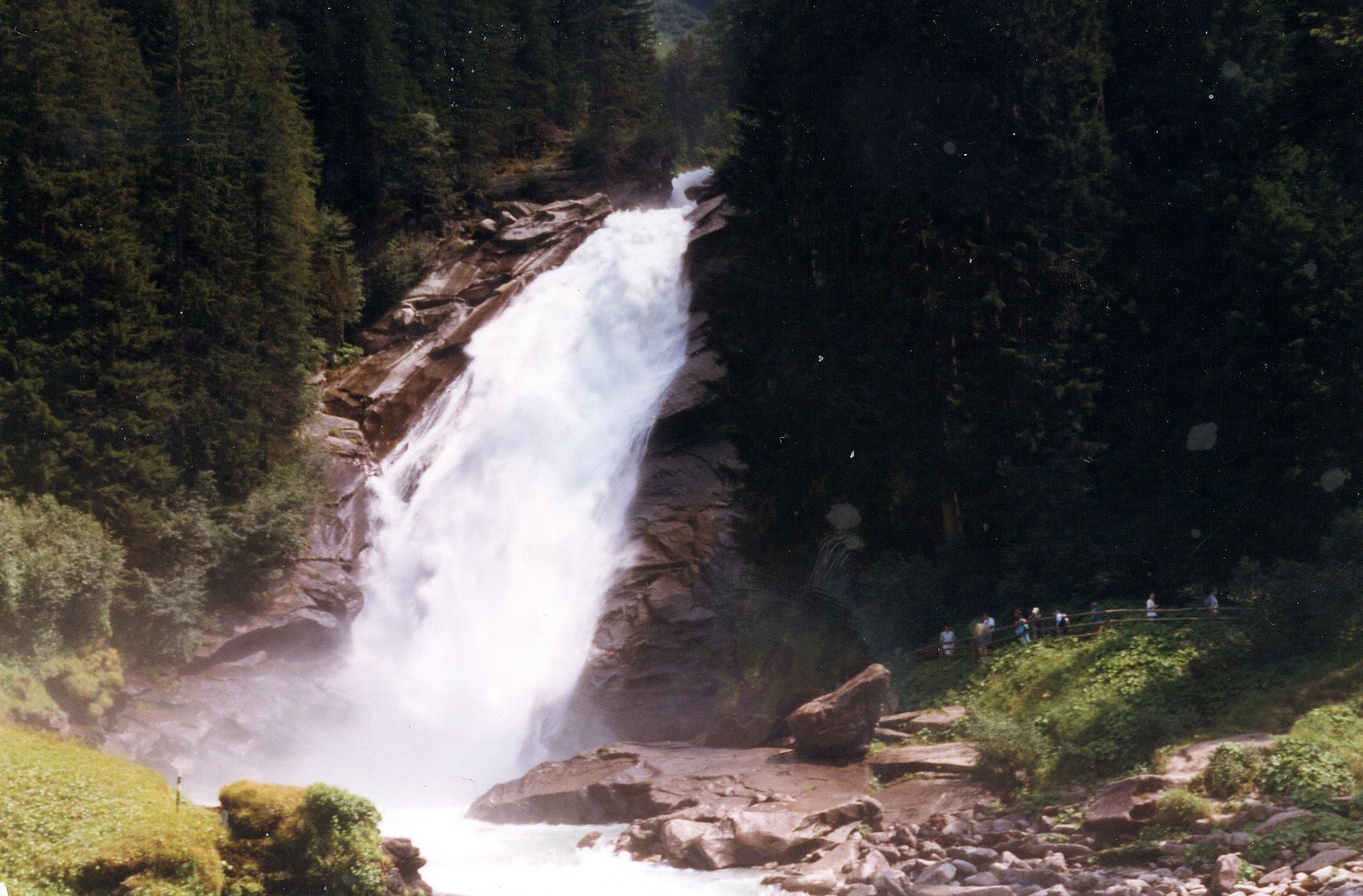
Austria's highest waterfall and the tallest in Europe — the Krimmler Ache river thrown 380 metres down the mountainside in three great tiers, roaring through pine forest in the High Tauern National Park.
What makes it marvelous
The Krimml Waterfalls drop a total of 380 metres in three cascading stages, making them the highest falls in Austria and the tallest in continental Europe. Fed by the glaciers and snowfields of the Krimmler Ache valley, the river gathers its greatest power in the summer melt, when a thunderous curtain of water and spray pours through the surrounding spruce forest. The falls lie within the vast High Tauern National Park, the largest protected area in the Alps, and the fine mist they throw off has long been valued for its clean mountain air.
Why visit
A well-graded forest path, the Wasserfallweg, switchbacks up alongside all three tiers, with a dozen viewpoints that bring you close enough to feel the spray and the roar. It is one of the most rewarding short walks in the Alps — accessible to families yet genuinely dramatic — and the climb rewards you with the upper falls framed against the high peaks.
More views of Krimml Waterfalls
Additional photographs of the actual site — each freely licensed, with its photographer and licence credited.
What to know before you go
🗓️ Best time
Late spring to early autumn, when the path is snow-free and the summer snowmelt sends the falls at full force; June and July are the most powerful, and the trail typically closes in winter.
🧭 Getting there & access
Reached from the village of Krimml at the head of the Salzach valley; the waterfall trail begins near the village and climbs beside the falls.
Good to know
- The path is steep in places and often wet with spray — wear proper footwear and expect to get damp.
- Allow two to three hours to walk up and back to see all three tiers.
- Go early or late in the day to catch rainbows in the spray and thinner crowds.
Plan your visit
Moderate🧭 Getting there
From Zell am See or Salzburg (airport SZG)
- Drive or take the Pinzgau railway and bus up the Salzach valley to Krimml village
- Follow the Wasserfallweg trail from the village up beside the three tiers
- Total travel
- A half to full day from Zell am See, longer from Salzburg
- Time at site
- Two to three hours to walk up and back
- Access
- A small trail fee applies in season; the path usually closes in winter when it is snowbound and icy.
🎒 What to bring & consider
- Waterproof jacket for the constant spray near the falls
- Sturdy shoes with grip for wet, steep sections
- Water and a snack for the climb
- A light layer, as the mist keeps the air cool
👁️ What to expect
- Crowds
- Busy on summer weekends near the lower falls; the upper tiers thin out.
- Conditions
- A steep but well-made forest path, wet and slippery close to the water.
- Facilities
- Ticket hut, café and parking at the base in the village of Krimml.
- The view
- The lowest tier from the first viewpoint, with a rainbow in the spray on a sunny morning.
Times and requirements are approximate and change with season, weather, and local rules — confirm permits, fares, and schedules with operators before you travel.
Natural riches of the area
- A 380-metre, three-tier glacial waterfall
- Spruce forest of the High Tauern National Park
- Clean, mist-laden mountain air
- High alpine peaks and glacier-fed streams above
Local food
- Kasnocken
- Salzburg cheese dumplings topped with crispy onions.
- Salzburger Nockerl
- A sweet baked soufflé shaped like the region's peaks.
- Pinzgauer Kaspressknödel
- Fried cheese dumplings from the surrounding Pinzgau region.
The Krimml Waterfalls are the highest in Austria and the tallest in continental Europe, dropping a total of 380 metres in three great tiers down the mountainside above the village of Krimml. Fed by the Krimmler Ache, a river born of the glaciers and snowfields high in the Hohe Tauern, the falls reach their thunderous peak in the summer melt, when a curtain of white water and drifting spray pours through the dark spruce forest.
The falls sit within the High Tauern National Park, the largest protected area in the Alps, a realm of glaciers, three-thousand-metre peaks and alpine meadows. A graded forest trail, the Wasserfallweg, climbs beside the water in switchbacks, passing a series of viewpoints that bring walkers close enough to feel the roar and the cool of the mist. Reaching the top, where the uppermost tier stands against the high mountains, is the reward for a couple of hours’ climb.
Krimml has drawn visitors for well over a century, and the clean, negatively charged air in the mist has even been studied for its benefits to the lungs. It is that rare thing: a genuine natural spectacle that almost anyone can reach on foot, set in one of the wildest corners of the Austrian Alps.
Krimml Waterfalls: common questions
How do you get to Krimml Waterfalls?
From Zell am See or Salzburg (airport SZG): Drive or take the Pinzgau railway and bus up the Salzach valley to Krimml village; Follow the Wasserfallweg trail from the village up beside the three tiers. Total travel time: A half to full day from Zell am See, longer from Salzburg.
When is the best time to visit Krimml Waterfalls?
Late spring to early autumn, when the path is snow-free and the summer snowmelt sends the falls at full force; June and July are the most powerful, and the trail typically closes in winter.
How long should you spend at Krimml Waterfalls?
Two to three hours to walk up and back. Total travel time: A half to full day from Zell am See, longer from Salzburg.
What should you bring to Krimml Waterfalls?
Waterproof jacket for the constant spray near the falls Sturdy shoes with grip for wet, steep sections Water and a snack for the climb A light layer, as the mist keeps the air cool
Do you need a permit or guide for Krimml Waterfalls?
A small trail fee applies in season; the path usually closes in winter when it is snowbound and icy.
Is Krimml Waterfalls crowded, and what are conditions like?
Busy on summer weekends near the lower falls; the upper tiers thin out. A steep but well-made forest path, wet and slippery close to the water. Facilities: Ticket hut, café and parking at the base in the village of Krimml.
Added
More wonders to explore