The Matterhorn
📍 Zermatt, Valais — Swiss/Italian border
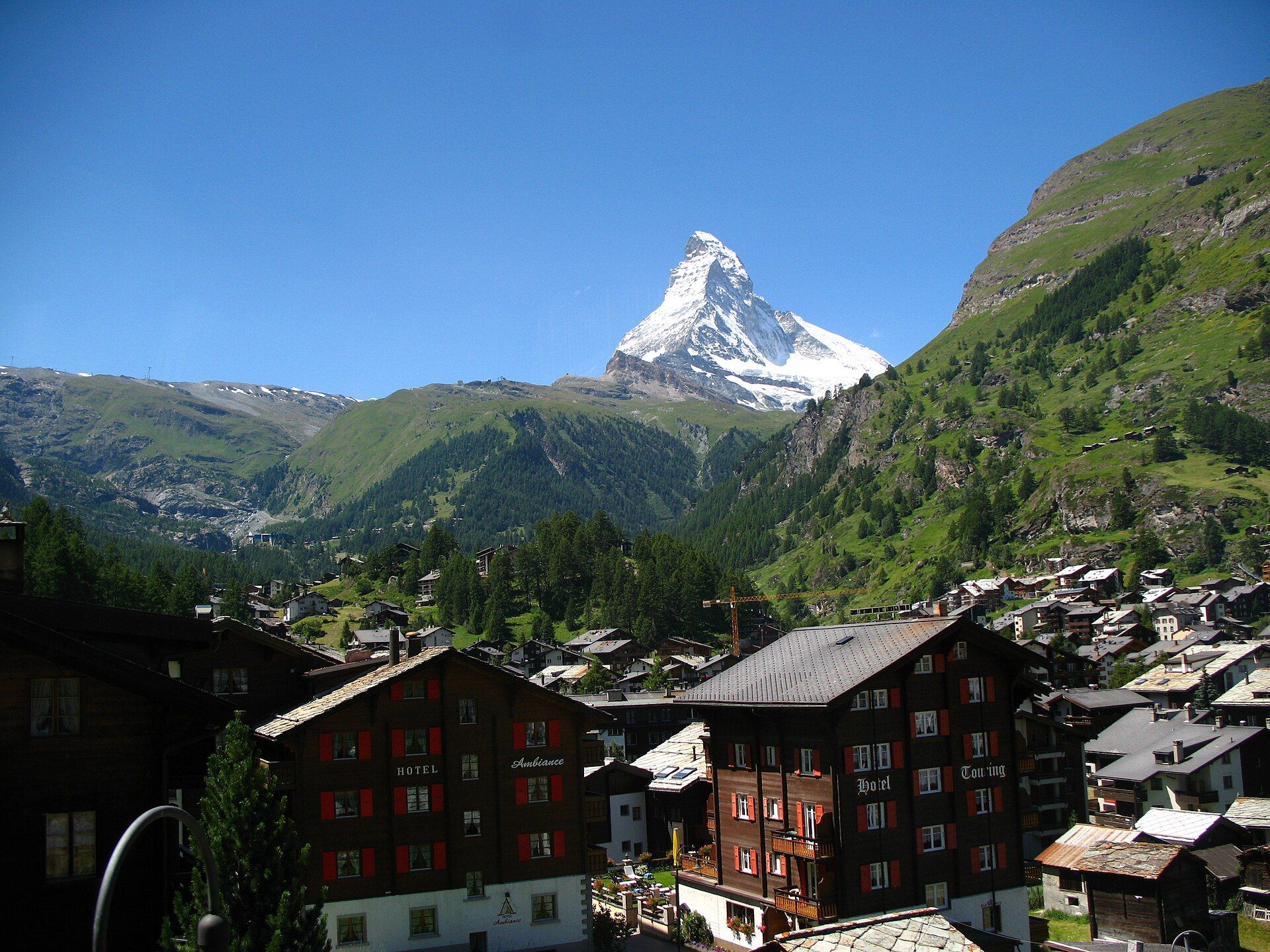
The most iconic peak in the Alps — a near-perfect rock pyramid rising in isolation above Zermatt, its four steep faces aligned almost to the compass points, mirrored in still alpine lakes.
What makes it marvelous
The Matterhorn's striking pyramid was carved by glaciers gnawing at four sides of a single mountain, sharpening it into a 'horn' with four distinct faces roughly facing north, south, east, and west. Remarkably, its summit rock originated on the African tectonic plate, thrust over European rock as the continents collided to build the Alps — so the top of this Swiss icon is, geologically, a piece of Africa. It stands 4,478 metres high.
Why visit
It is simply one of the most beautiful mountains on Earth, and one of the most photographed — perfectly framed from Zermatt, from the Gornergrat railway, and mirrored in the Riffelsee lake. A mecca for mountaineers since its dramatic (and tragic) first ascent in 1865, and a spectacular backdrop for hikers and skiers who never leave the valley.
Still deciding?
The Matterhorn comes up most often against these — each one weighs cost, effort, season and crowds side by side.
More views of The Matterhorn
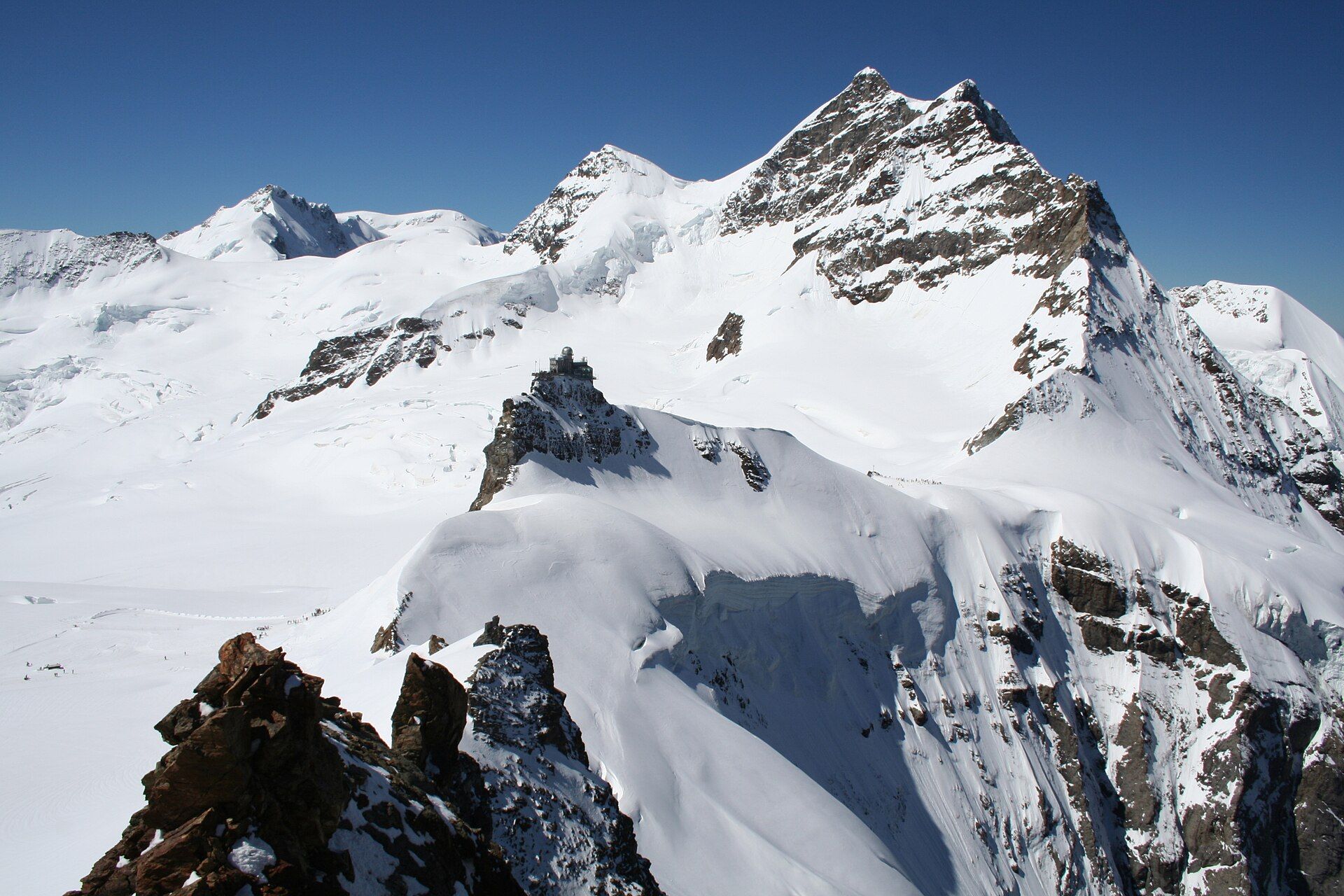
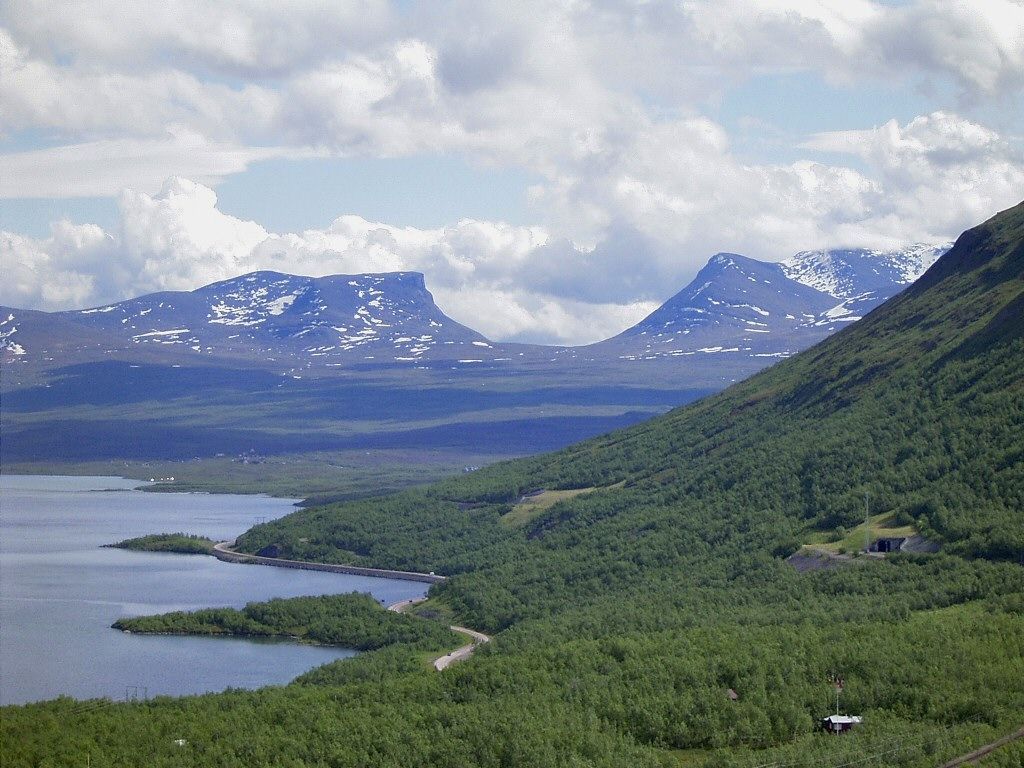
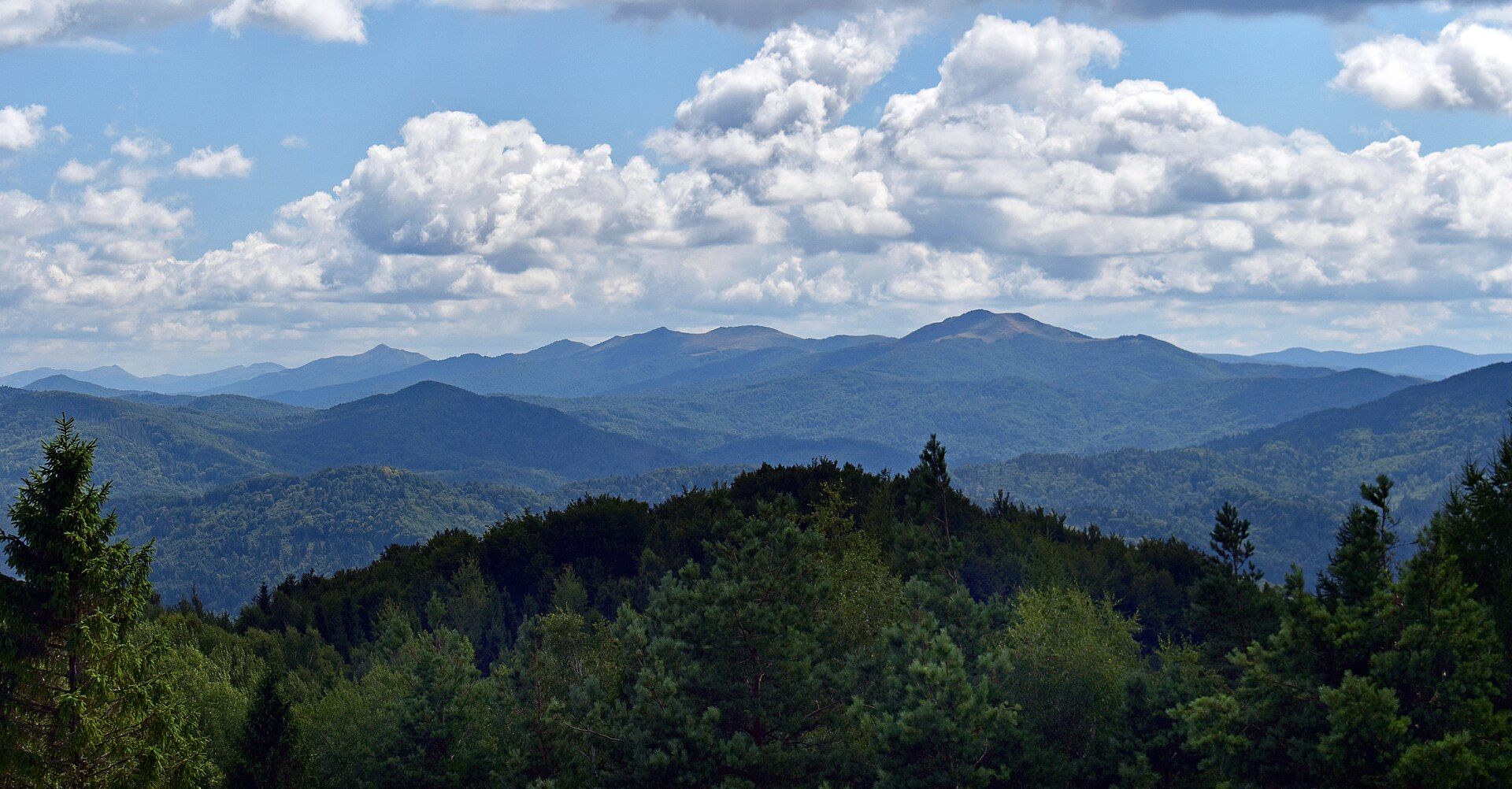
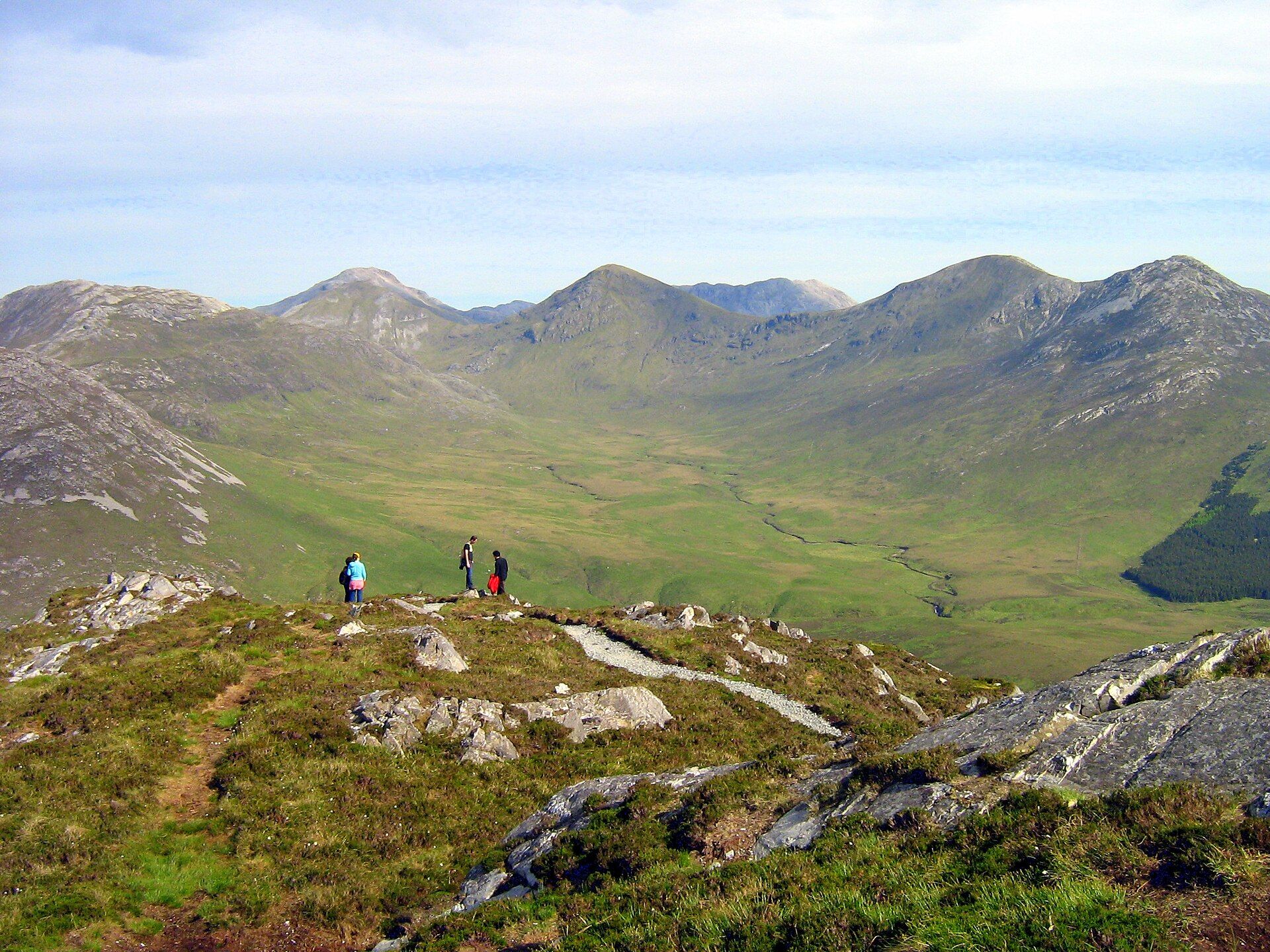
Additional photographs of the actual site — each freely licensed, with its photographer and licence credited.
What to know before you go
🗓️ Best time
July to September for hiking and clear peak views; December to April for skiing. The summit itself is for experienced, guided alpinists only.
🧭 Getting there & access
By the car-free mountain resort of Zermatt (reached by train from the Swiss rail network), then cog railways and cable cars (Gornergrat, Klein Matterhorn) for the classic viewpoints.
Good to know
- Ride the Gornergrat railway at dawn for the mountain reflected in the Riffelsee.
- You don't need to climb it — the valley trails give world-class views.
- Climbing the summit is a serious mountaineering objective; hire a certified guide.
Plan your visit
Easy🧭 Getting there
From Zermatt, Switzerland, via Zurich or Geneva
- Train Zurich or Geneva → Visp — roughly 2h30–3h30
- Narrow-gauge line Visp → Zermatt — about 1h15
- Zermatt is car-free; drivers park at Tasch and take the shuttle train in
- Total travel
- Most of a day from either airport
- Time at site
- 2–3 days for the viewpoints and the walks between them
- Access
- Viewpoints are reached by the Gornergrat railway and the cable cars to Rothorn and the Matterhorn Glacier Paradise — all paid, all on seasonal timetables. Climbing the Matterhorn itself requires a certified mountain guide and real alpine experience; guides book out far ahead and turn parties back routinely for conditions.
🎒 What to bring & consider
- Warm layers and strong sun protection — the lifts put you above 3,000m within the hour and it is cold and fiercely bright even in August
- Sunglasses that cope with glacier glare
- Sturdy shoes for the trails between lift stations
- Awareness that arriving at altitude this quickly gives some people headaches — descend if it worsens
- A regional travel pass if you plan several lifts; the individual fares mount up quickly
👁️ What to expect
- Crowds
- Gornergrat and the Glacier Paradise are busy through the day. The trails between stations empty out within minutes of walking.
- Conditions
- Effortless if you ride the lifts. The hiking is real mountain walking, with altitude and some exposure.
- Facilities
- Excellent throughout — Zermatt is a full resort town and there are restaurants at the lift stations.
- The view
- The reflection in the Riffelsee below Gornergrat on a still dawn is the classic. The peak makes its own cloud and is often hidden by midday.
Times and requirements are approximate and change with season, weather, and local rules — confirm permits, fares, and schedules with operators before you travel.
Natural riches of the area
- Alpine glaciers and the meltwater feeding Europe's rivers
- High-alpine meadows, larch forest, and pasture
- Ibex, chamois, marmots, and alpine choughs
- Mountain dairy pastures behind Switzerland's cheese culture
Local food
- Raclette
- Valais melted cheese scraped over potatoes and pickles — a Swiss alpine classic.
- Fondue
- Communal pot of melted cheese with bread, born in the Swiss Alps.
- Alpine dried meat & rye bread
- Air-dried beef (Bündnerfleisch) and dense mountain rye.
The Matterhorn is the mountain everyone pictures when they picture a mountain: a sheer, isolated pyramid soaring above Zermatt, its four faces catching the light in turn through the day. That shape is the work of ice — glaciers grinding away at four sides of a single massif until they sharpened it into a ‘horn’. And there’s a twist in the rock itself: the summit is made of stone that rode over from the African plate as the continents collided to raise the Alps, so the peak of this Swiss emblem is, in geological terms, African.
It has drawn climbers since its famous and fatal first ascent in 1865, but you needn’t rope up to be moved by it. From the Gornergrat railway or reflected in the calm Riffelsee at dawn, the Matterhorn is one of the great sights of Europe — proof that a single, perfectly formed peak can define an entire landscape.
The Matterhorn’s almost unnatural pyramid — four steep faces meeting in a single point — was carved by glaciers grinding away at all sides of the peak at once, and it straddles the border between Switzerland and Italy above the car-free village of Zermatt. Its first ascent, in 1865 by a party led by Edward Whymper, is one of mountaineering’s most famous and tragic stories: they reached the top, but four of the seven climbers fell to their deaths on the descent. Most visitors admire it rather than climb it — the classic shot is the peak mirrored in the small Riffelsee lake, reached by the Gornergrat railway above the town.
The Matterhorn: common questions
How do you get to The Matterhorn?
From Zermatt, Switzerland, via Zurich or Geneva: Train Zurich or Geneva → Visp — roughly 2h30–3h30; Narrow-gauge line Visp → Zermatt — about 1h15; Zermatt is car-free; drivers park at Tasch and take the shuttle train in. Total travel time: Most of a day from either airport.
When is the best time to visit The Matterhorn?
July to September for hiking and clear peak views; December to April for skiing. The summit itself is for experienced, guided alpinists only.
How long should you spend at The Matterhorn?
2–3 days for the viewpoints and the walks between them. Total travel time: Most of a day from either airport.
What should you bring to The Matterhorn?
Warm layers and strong sun protection — the lifts put you above 3,000m within the hour and it is cold and fiercely bright even in August Sunglasses that cope with glacier glare Sturdy shoes for the trails between lift stations Awareness that arriving at altitude this quickly gives some people headaches — descend if it worsens A regional travel pass if you plan several lifts; the individual fares mount up quickly
Do you need a permit or guide for The Matterhorn?
Viewpoints are reached by the Gornergrat railway and the cable cars to Rothorn and the Matterhorn Glacier Paradise — all paid, all on seasonal timetables. Climbing the Matterhorn itself requires a certified mountain guide and real alpine experience; guides book out far ahead and turn parties back routinely for conditions.
Is The Matterhorn crowded, and what are conditions like?
Gornergrat and the Glacier Paradise are busy through the day. The trails between stations empty out within minutes of walking. Effortless if you ride the lifts. The hiking is real mountain walking, with altitude and some exposure. Facilities: Excellent throughout — Zermatt is a full resort town and there are restaurants at the lift stations.
Added Updated
More wonders to explore