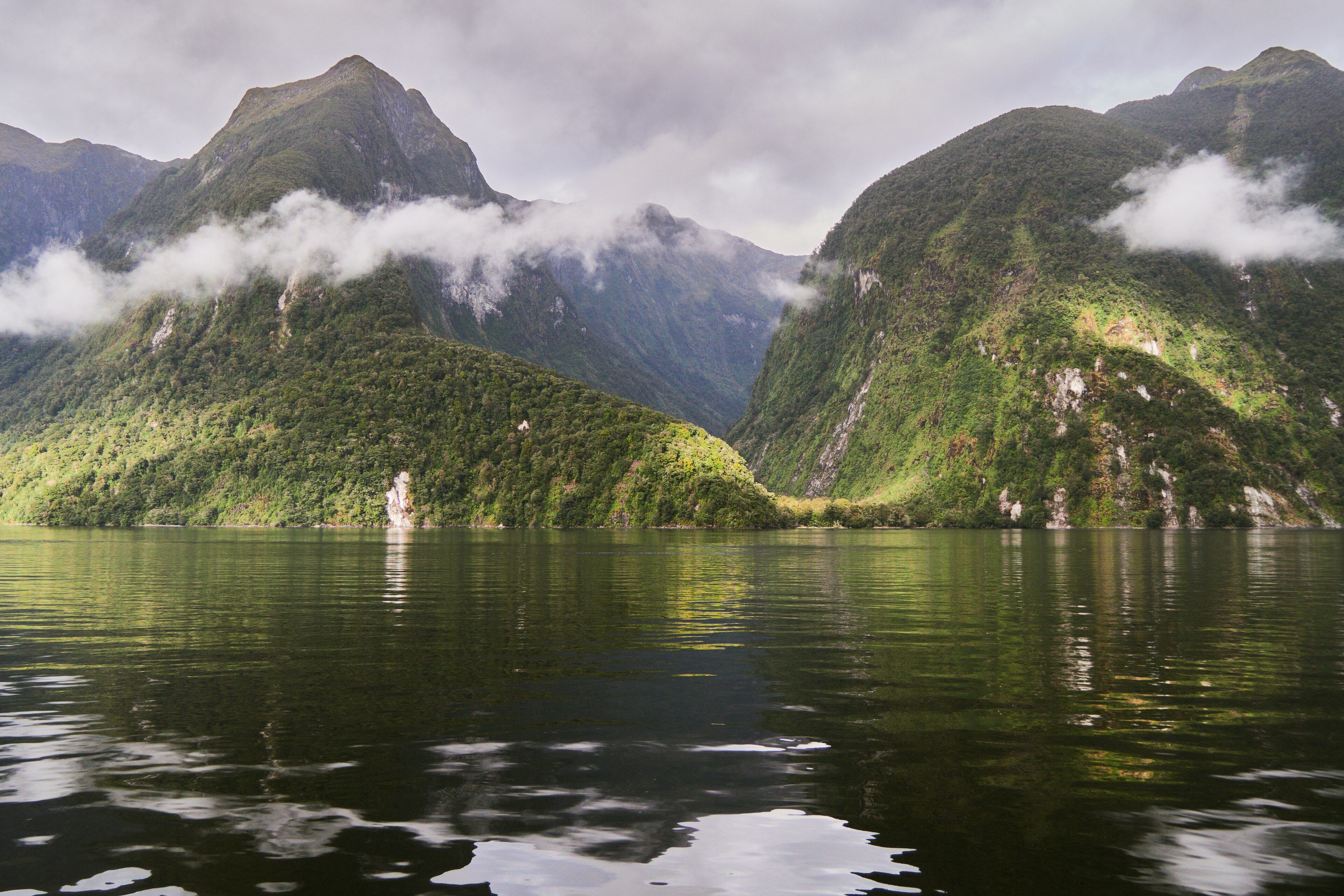
Fiordland National Park, South Island, New Zealand
Fiordland's deep, silent wilderness fjord — larger, wilder, and far quieter than neighbouring Milford Sound, reached only by boat across Lake Manapouri and a mountain pass, its three dark arms walled by rainforest cliffs and roamed by dolphins, seals, and penguins.
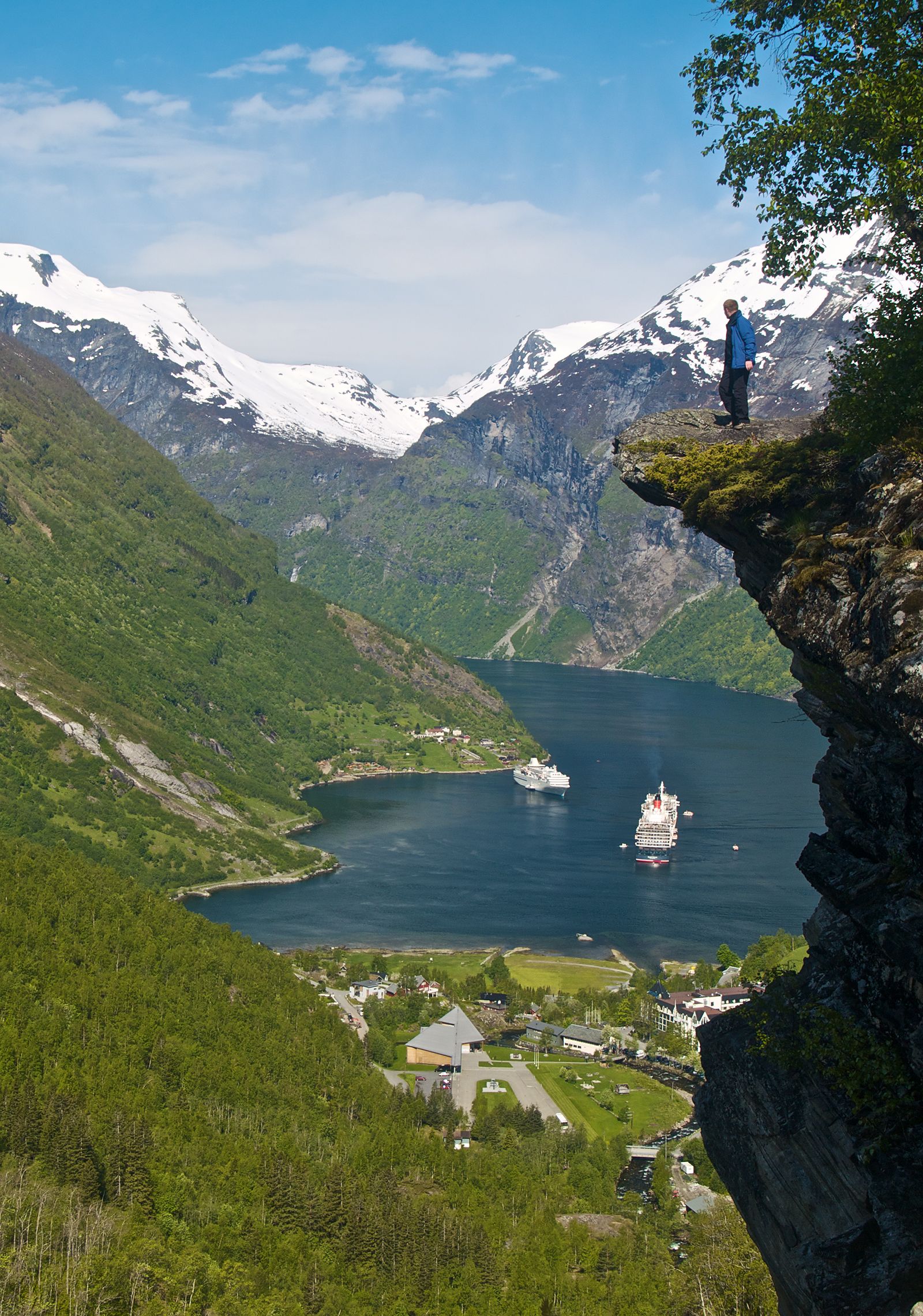
One of the world's most celebrated fjords — a deep, narrow arm of the sea winding between sheer 1,000-metre cliffs laced with waterfalls like the Seven Sisters, with abandoned farms clinging to impossible ledges.
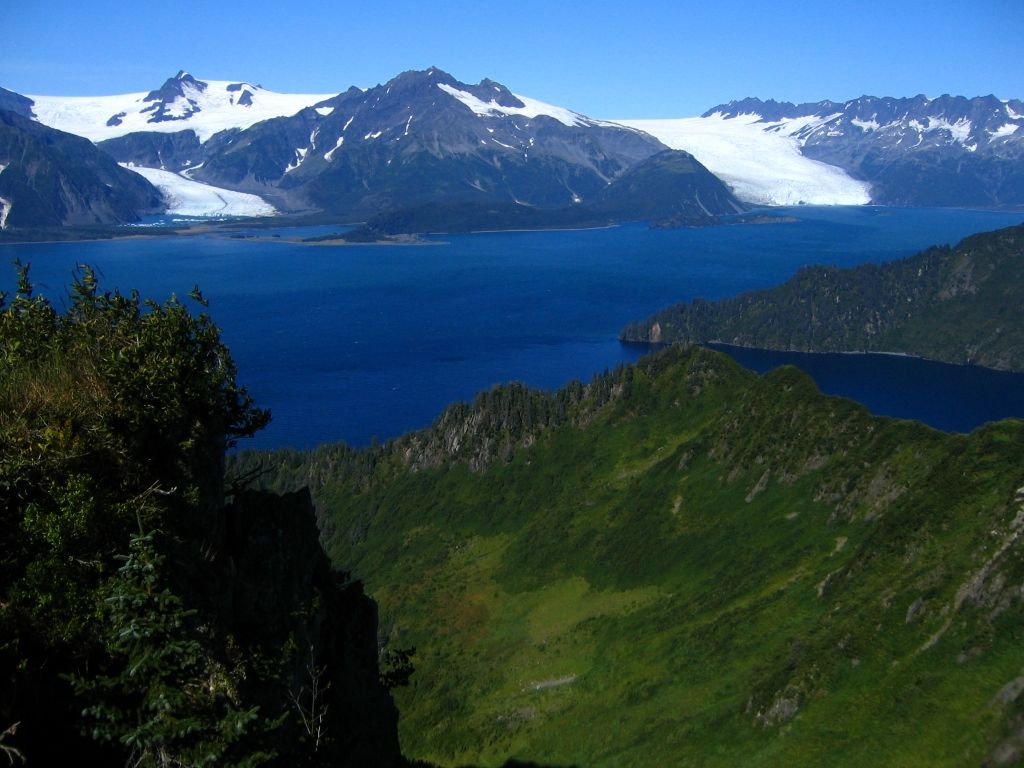
A coast of glacier-carved fjords on the Gulf of Alaska, where tidewater glaciers spilling from the vast Harding Icefield calve straight into the sea among humpback whales, orcas, sea otters, and cliffs of nesting seabirds.
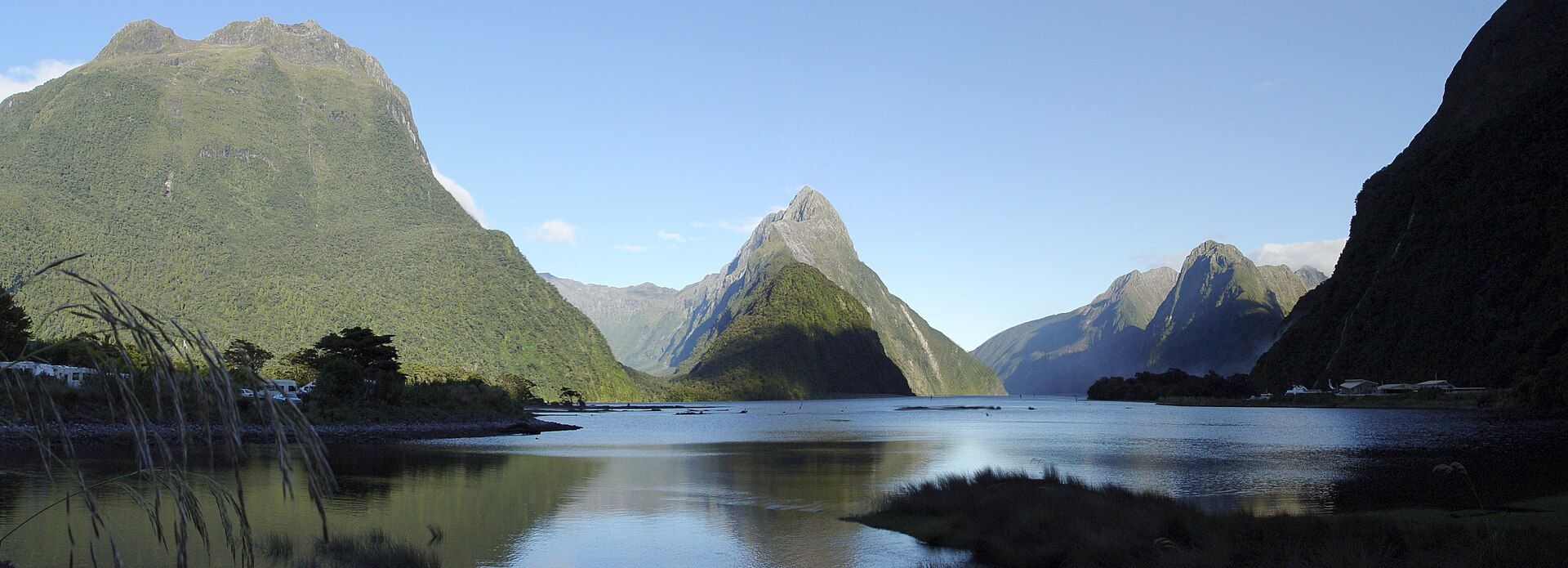
Fiordland National Park, South Island, New Zealand
New Zealand's most famous fjord — sheer cliffs and the pyramid of Mitre Peak rising straight from dark water, laced with waterfalls fed by some of the highest rainfall on Earth, in the heart of Fiordland.
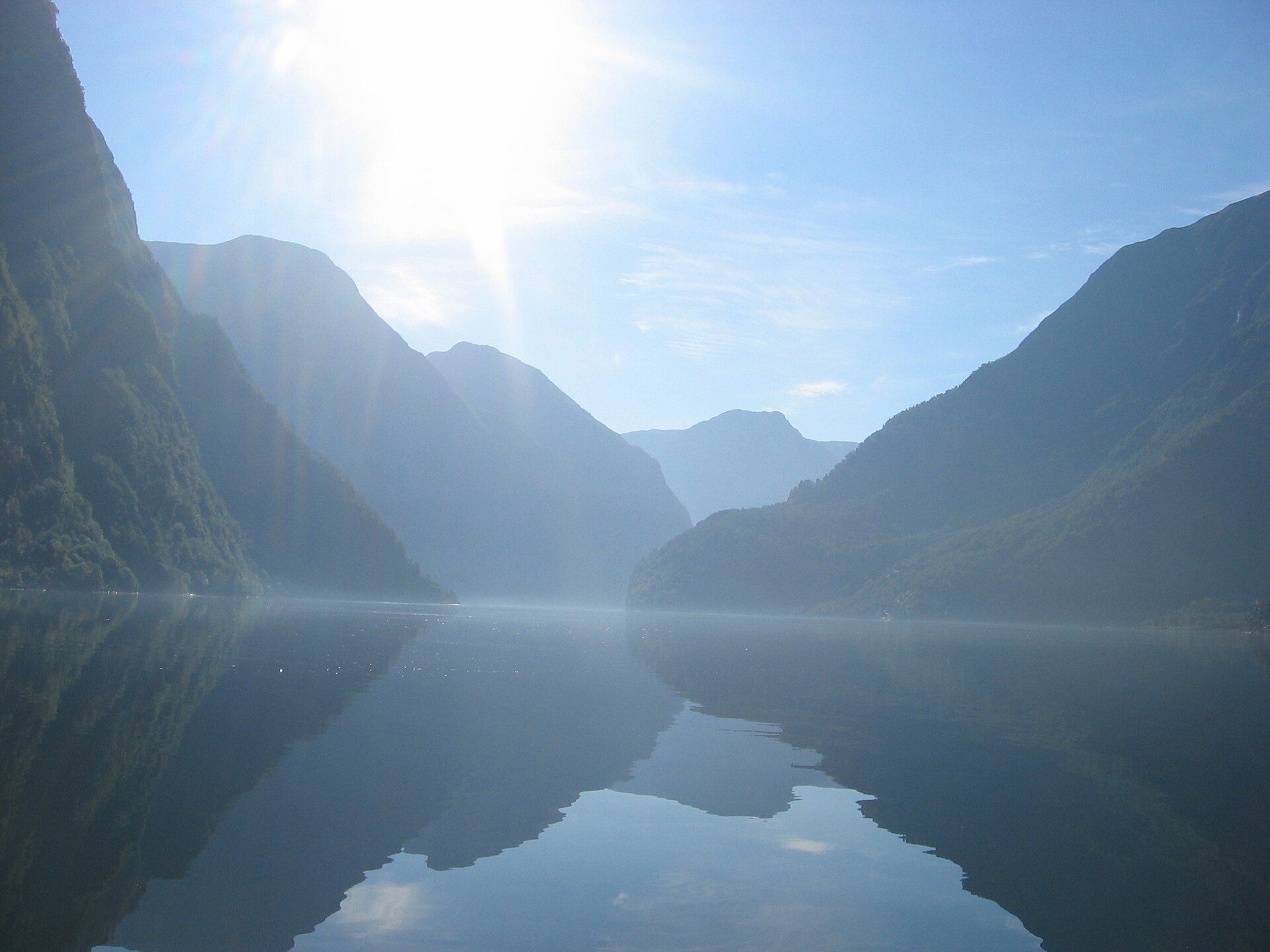
The narrowest fjord in the world open to cruising — a slender, UNESCO-listed arm of the great Sognefjord, squeezed to barely 250 metres between cliffs that climb well over a kilometre straight from the water.
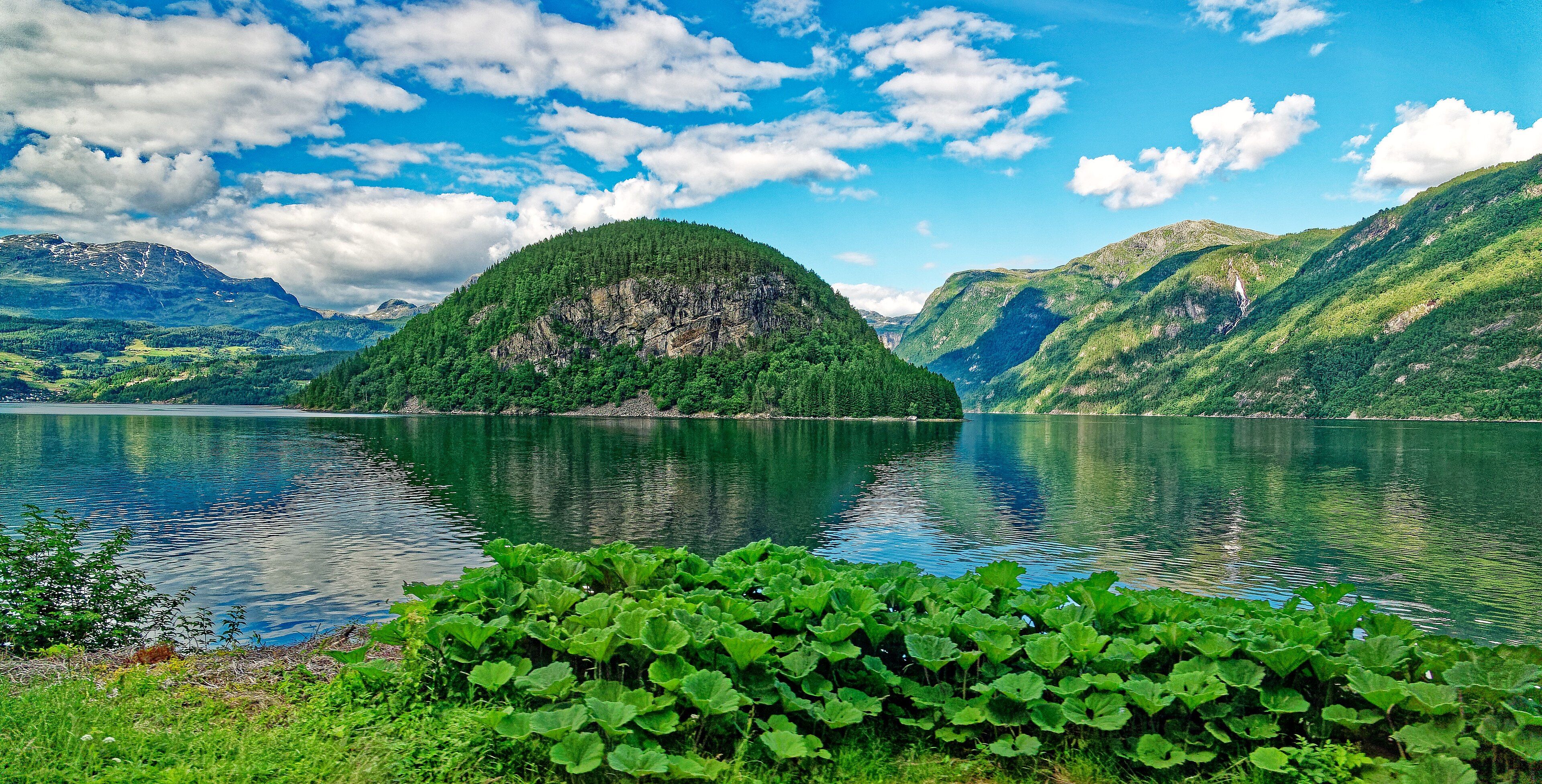
Norway's second-longest fjord and its orchard country — 179 kilometres of deep blue water reaching inland from the coast past Trolltunga, the Vøringsfossen falls, and the Folgefonna glacier, its gentler slopes white with apple and cherry blossom each spring.
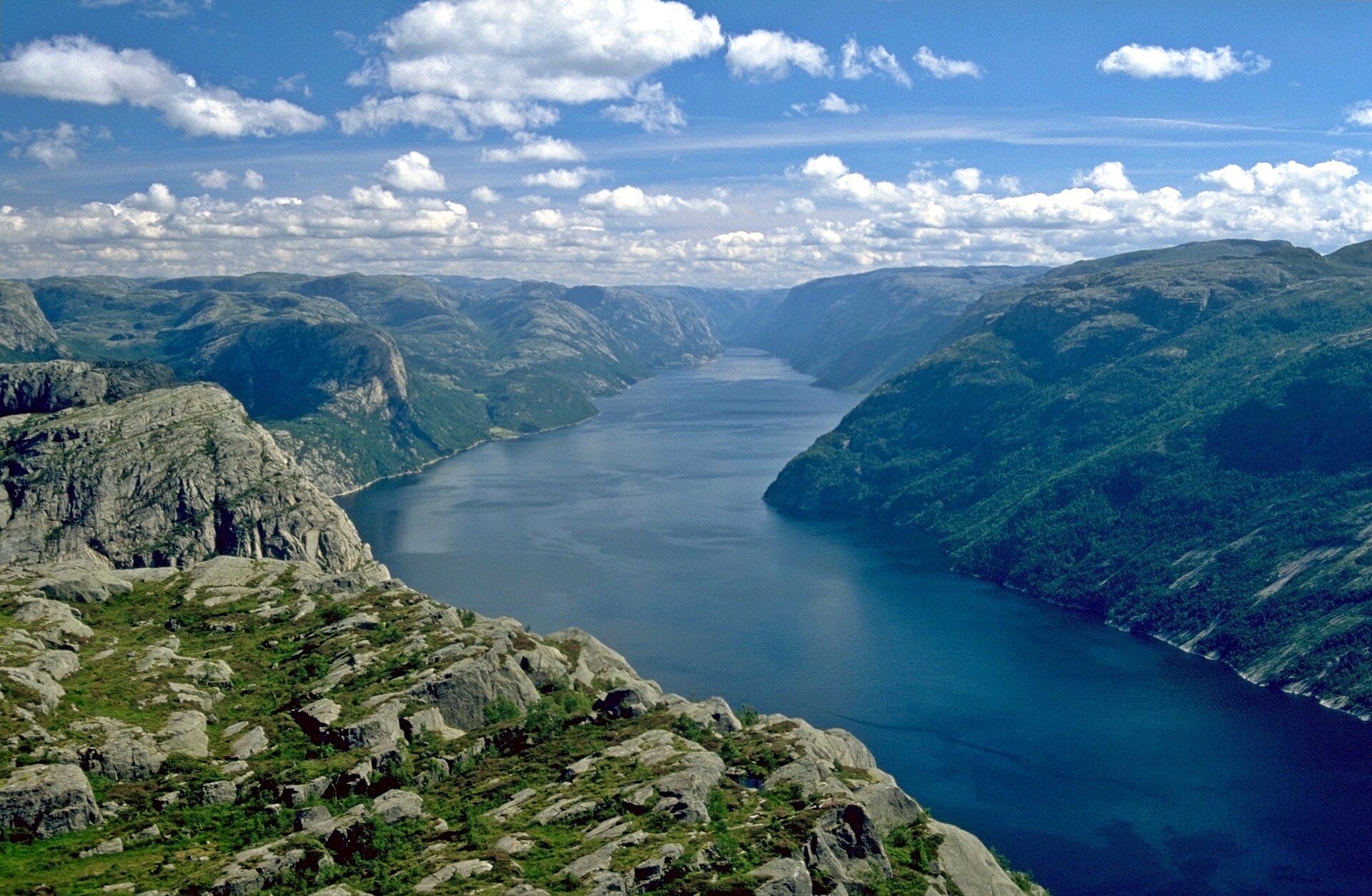
A 42-kilometre fjord of sheer, luminous granite near Stavanger, walled by two of the world's most famous clifftops — Preikestolen, the flat Pulpit Rock 604 metres above the water, and Kjerag, whose face plunges nearly a kilometre straight down.
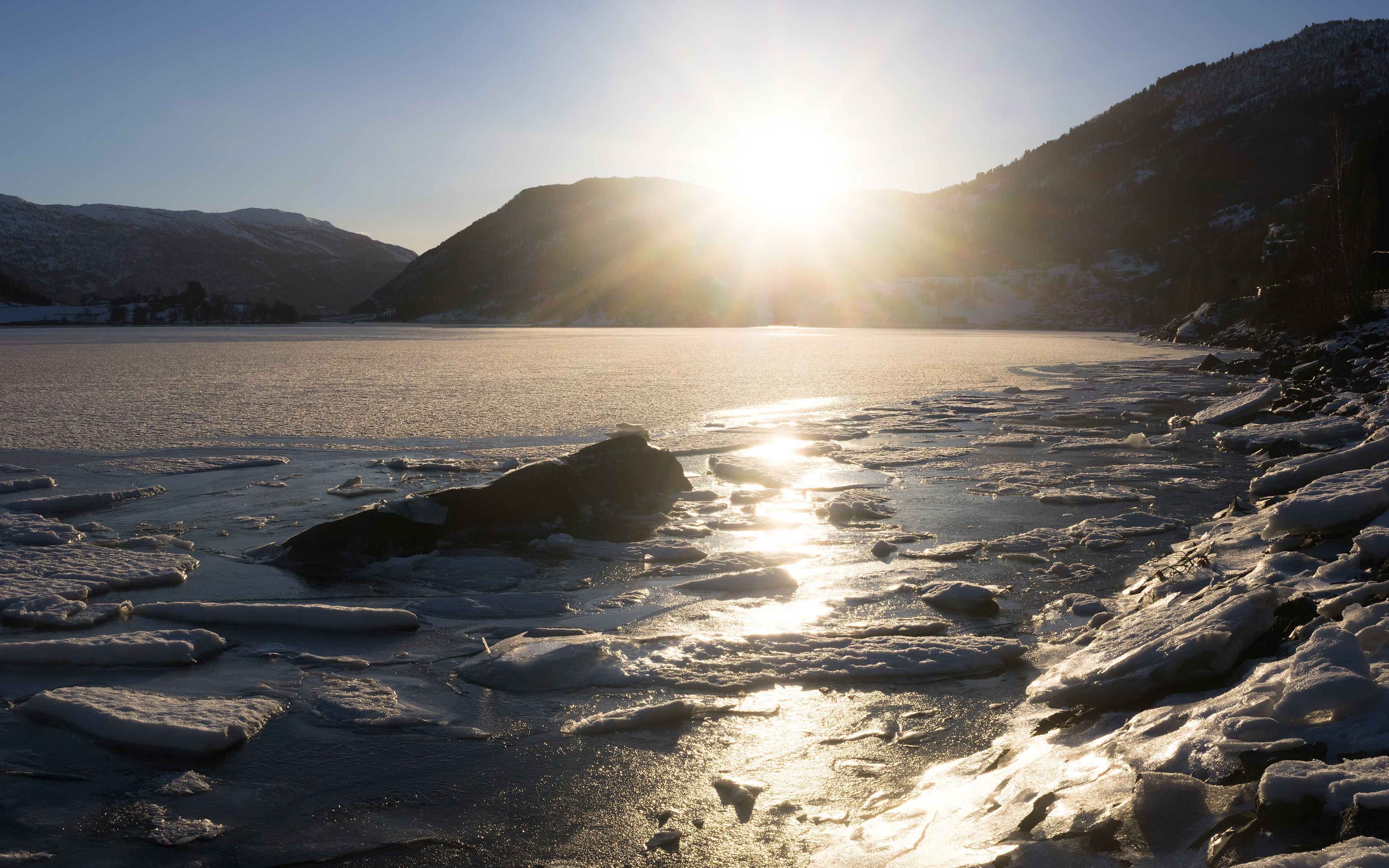
The King of the Fjords — Norway's longest and deepest fjord, reaching more than 200 kilometres inland from the coast to the foot of the Jotunheimen mountains, its narrow arms lined with sheer cliffs, hanging waterfalls, and villages under snow peaks.