Best of · volcanoes

The 39 Greatest Volcanoes to Visit in the World

39 places in the atlas

Earth’s furnace made visible: cones, calderas, crater lakes, and fields of fresh lava. These are the volcanoes of the atlas. Because volcanic access changes with alert levels, each entry points you to the official monitoring authority rather than a frozen snapshot.
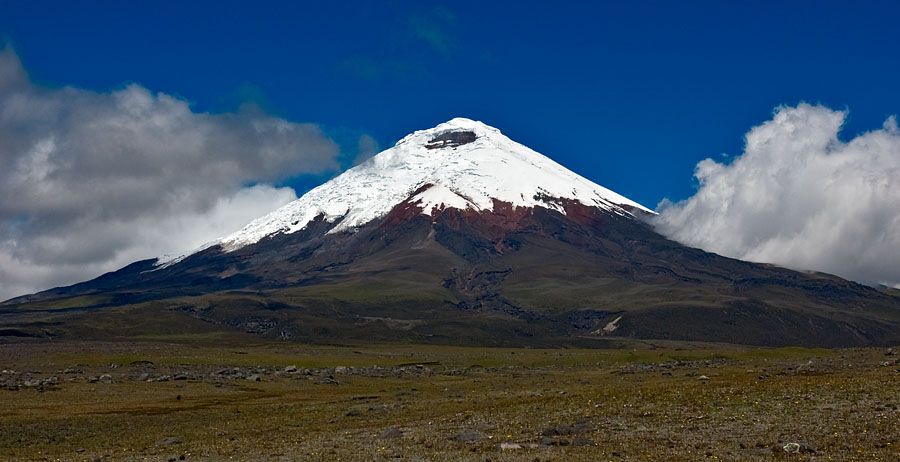
Cotopaxi, Cotopaxi Province, Ecuador

Cotopaxi

Cotopaxi Province, Ecuador

A near-perfect glacier-capped cone rising almost 5,900 metres from the Andean highlands — one of the world's highest active volcanoes, and among the most symmetrical anywhere.

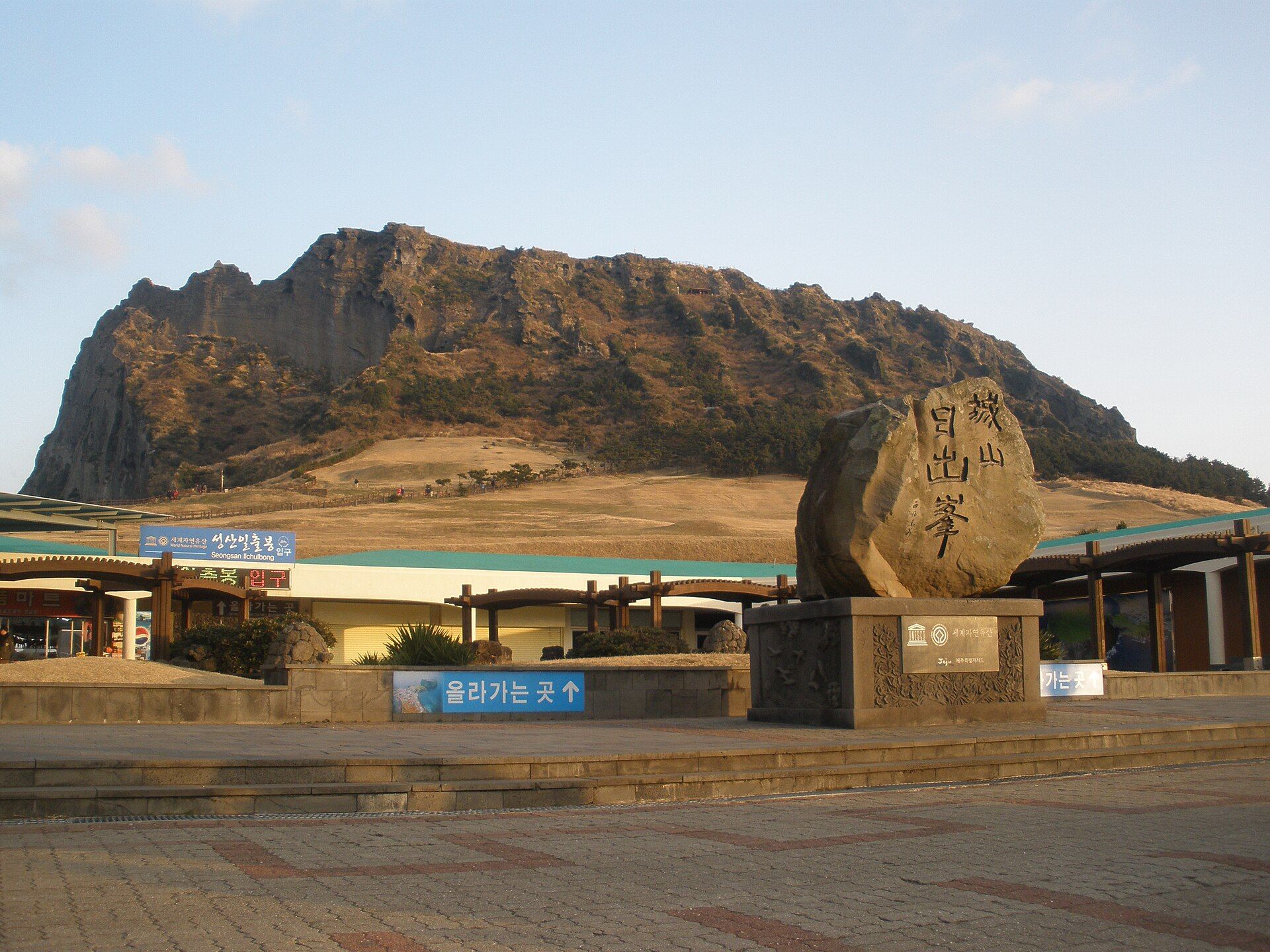
Jeju Island, Jeju Province, South Korea

Jeju Island

Jeju Province, South Korea

A volcanic island crowned by South Korea's highest peak, riddled with the world's finest lava-tube caves and edged by a sunrise crater rising straight from the sea.

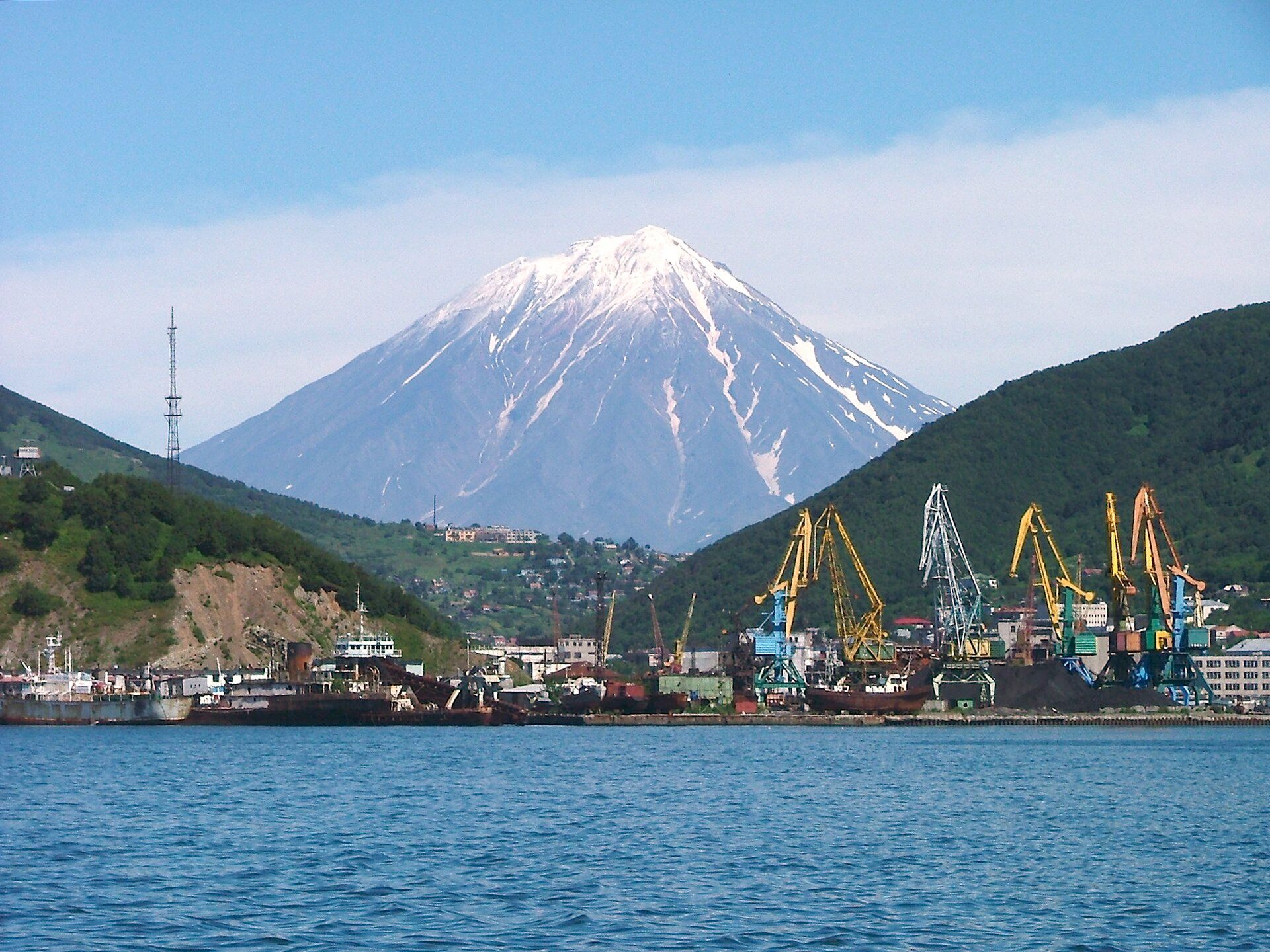
Kamchatka Volcanoes, Kamchatka Peninsula, Russian Far East

Kamchatka Volcanoes

Kamchatka Peninsula, Russian Far East

A remote peninsula bristling with snow-capped volcanoes, geysers, and hot springs — one of the most volcanically active places on Earth, roamed by some of the world's largest brown bears.

Kawah Ijen, East Java, Indonesia

Kawah Ijen

East Java, Indonesia

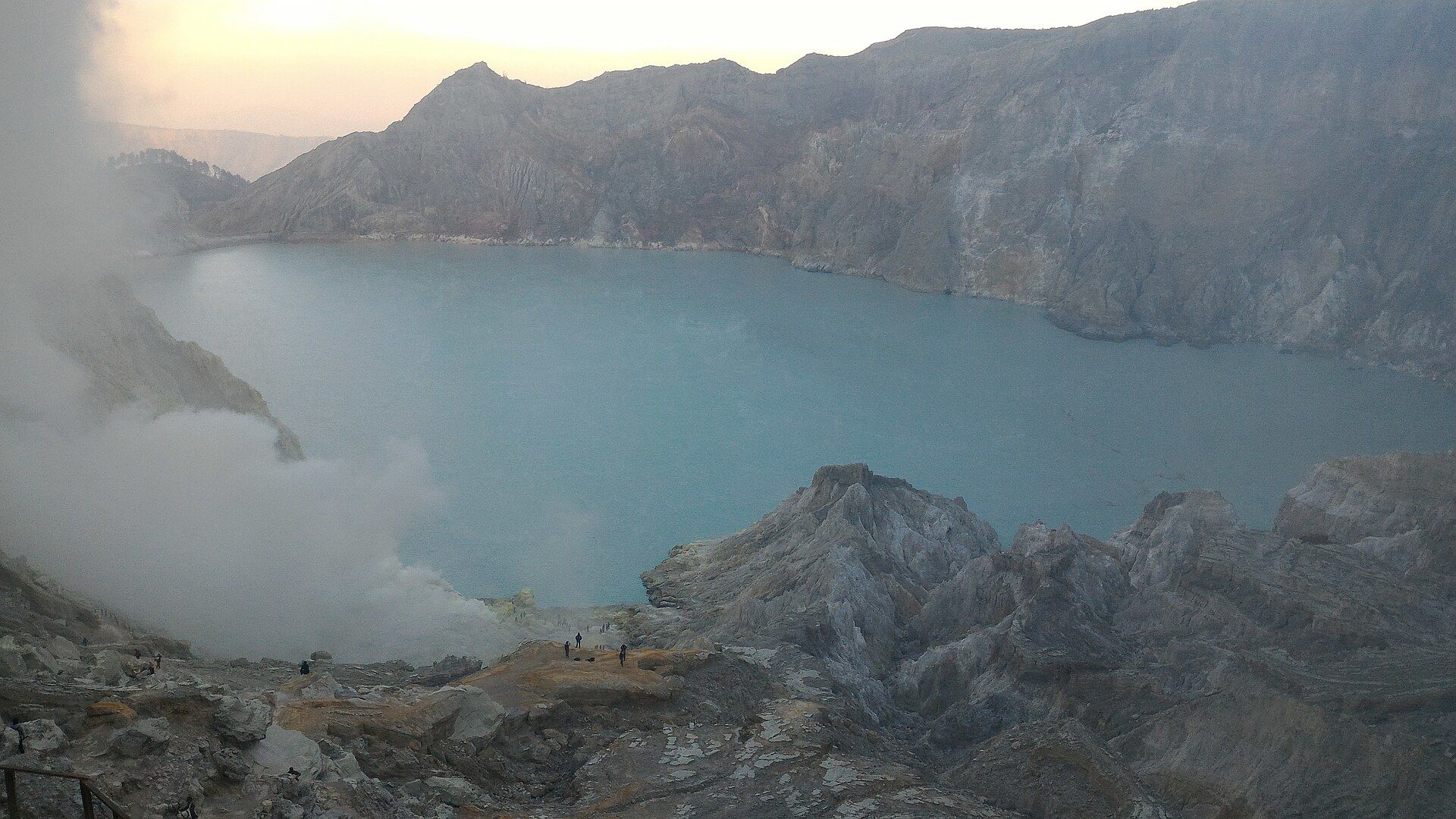
A volcano famous for two rare sights: electric-blue flames that flicker across its crater in the dark as sulphurous gas ignites, and the world's largest highly acidic crater lake — a vast turquoise pool with the acidity of battery acid.

Kīlauea, Island of Hawaiʻi, United States

Kīlauea

Island of Hawaiʻi, United States

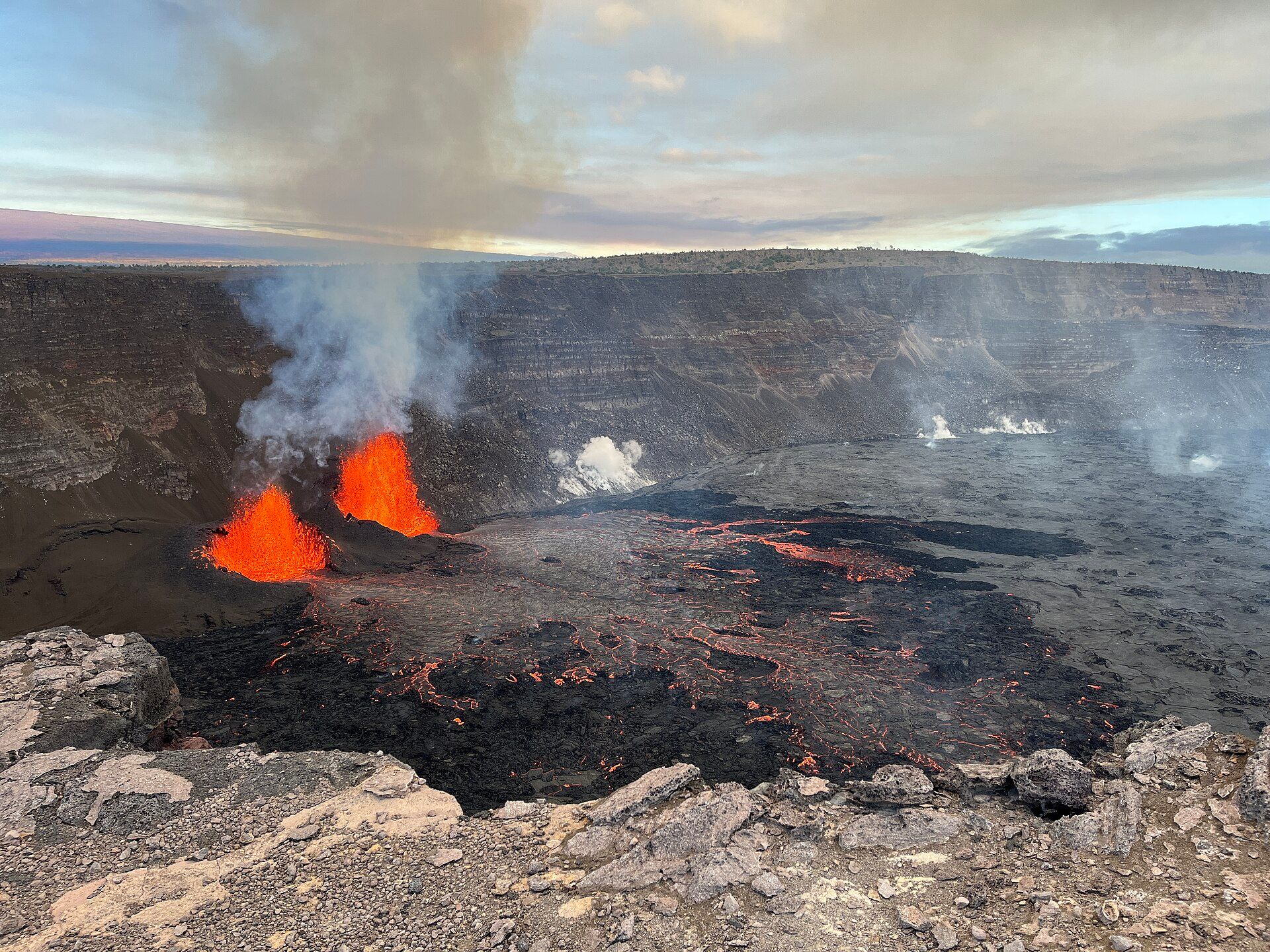
One of the most active volcanoes on Earth — a shield volcano on Hawaiʻi whose lava has repeatedly reshaped the island, sometimes glowing in a lava lake and, at times, spilling in rivers of fire to the sea.

Mayon Volcano, Albay, Bicol Region, Philippines

Mayon Volcano

Albay, Bicol Region, Philippines

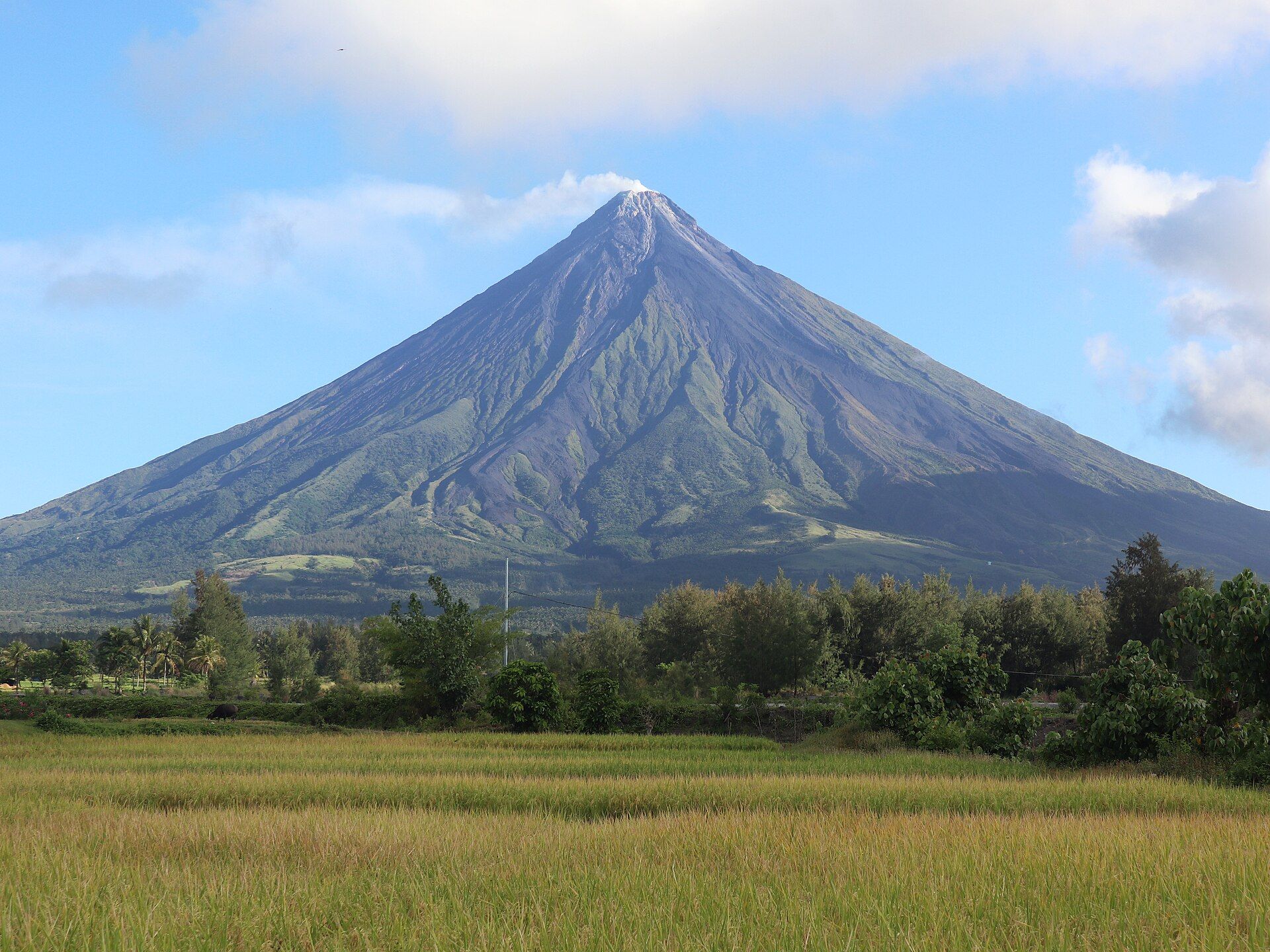
The Philippines' most active volcano and, by many accounts, the most perfectly symmetrical cone on Earth — a 2,463-metre stratovolcano that dominates the Bicol skyline and, as of mid-2026, is in active eruption.

Mount Ararat, Iğdır Province, Eastern Anatolia, Turkey

Mount Ararat

Iğdır Province, Eastern Anatolia, Turkey

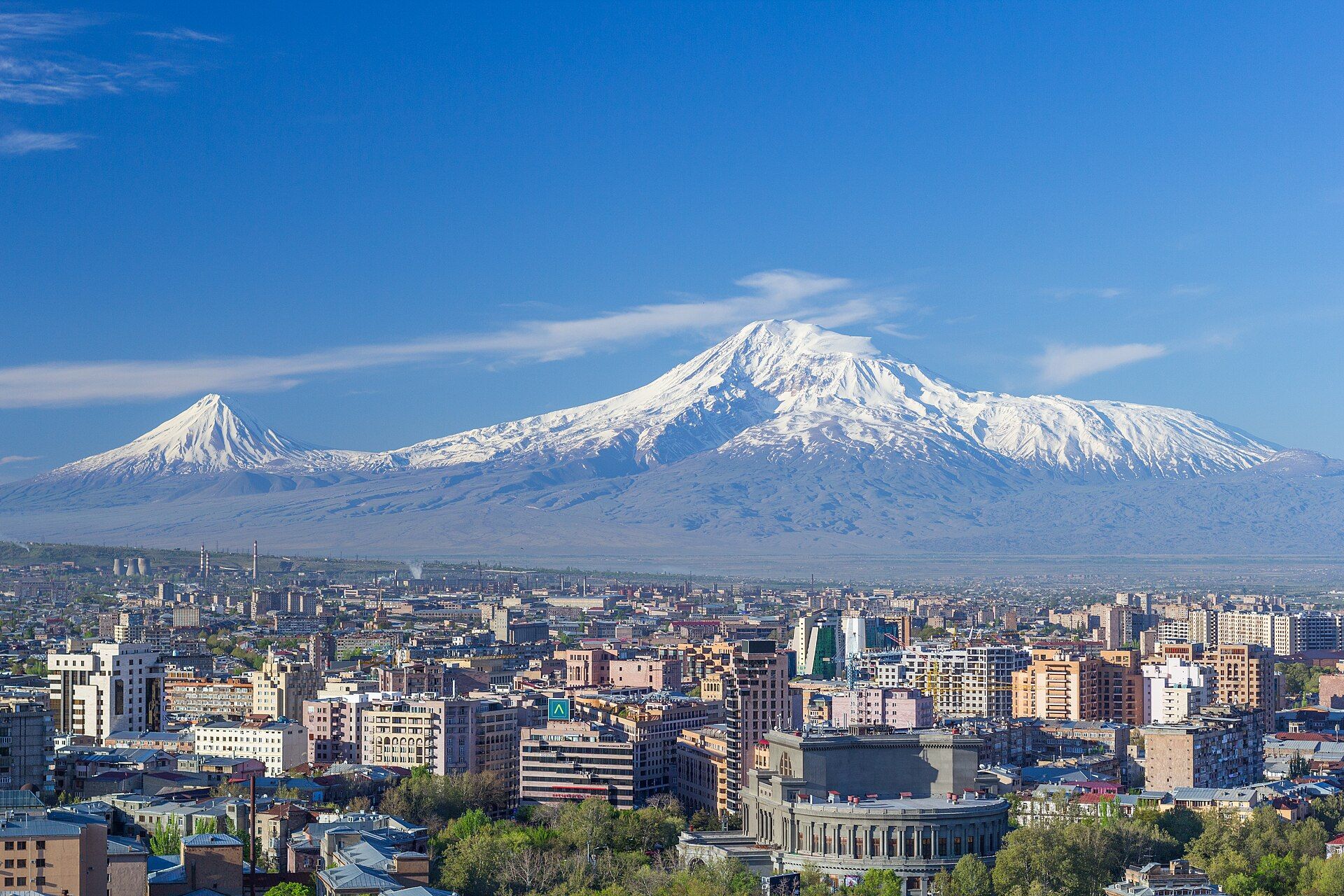
Turkey's highest peak — a snow-capped dormant volcano of two joined cones rising in near-perfect isolation above the plains of the Armenian highlands, its ice cap visible a hundred kilometres away.

Mount Bromo, East Java, Indonesia

Mount Bromo

East Java, Indonesia

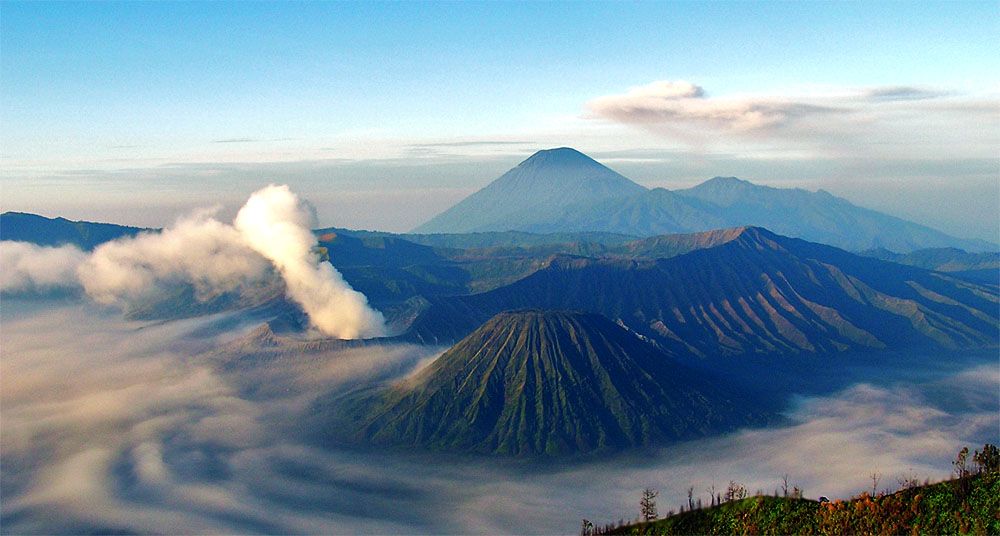
A smoking volcanic cone rising from a vast 'Sea of Sand' inside an ancient caldera — one of Earth's most dramatic sunrise views, ringed by the peaks of the Tengger massif in East Java.

Mount Fuji, Honshū, Japan

Mount Fuji

Honshū, Japan

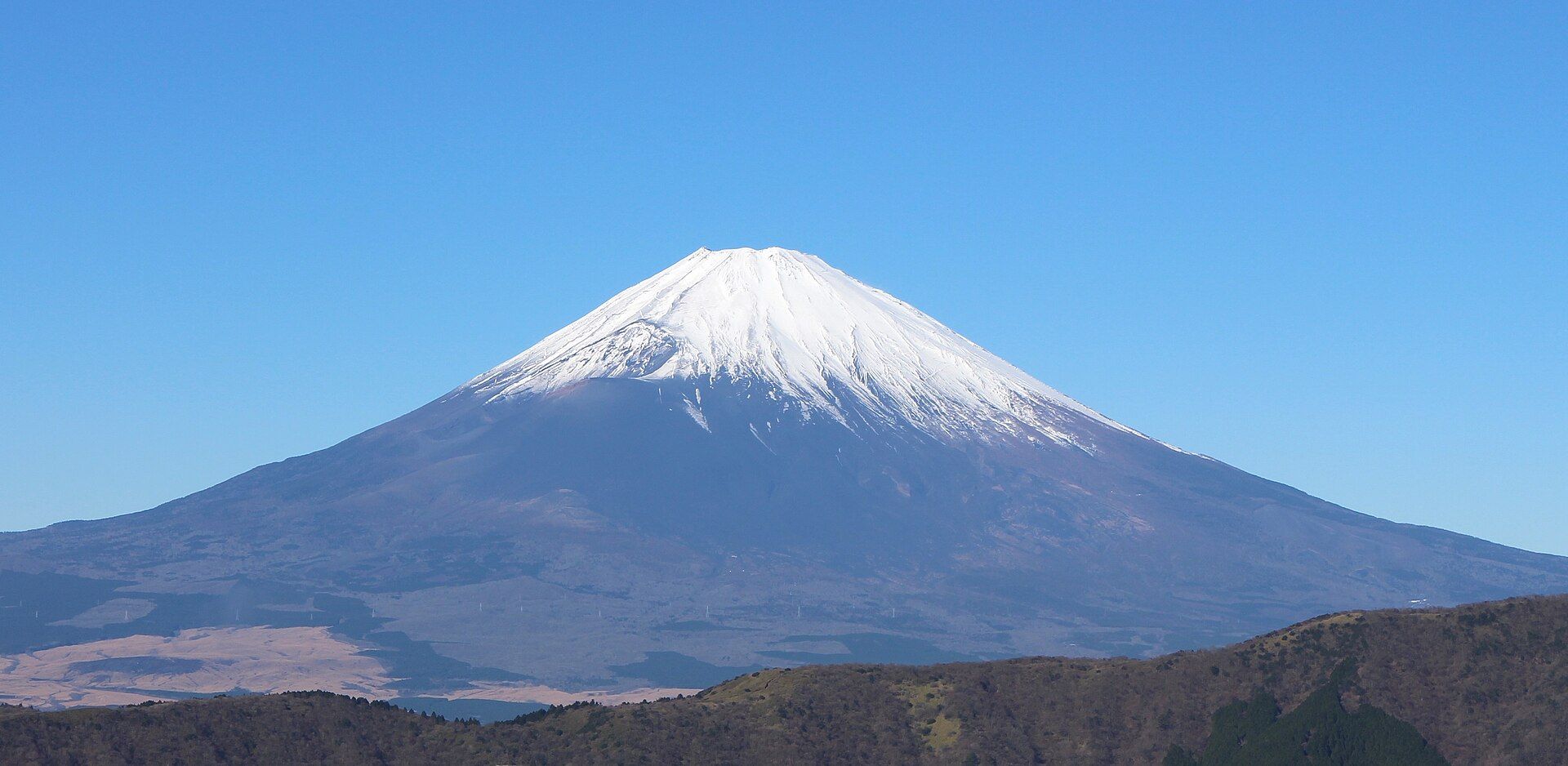
Japan's highest peak — an almost perfectly symmetrical, snow-capped stratovolcano rising to 3,776 metres, standing alone above the plains and visible on a clear day from central Tokyo, a hundred kilometres away.

Mount Yasur, Tanna Island, Vanuatu

Mount Yasur

Tanna Island, Vanuatu

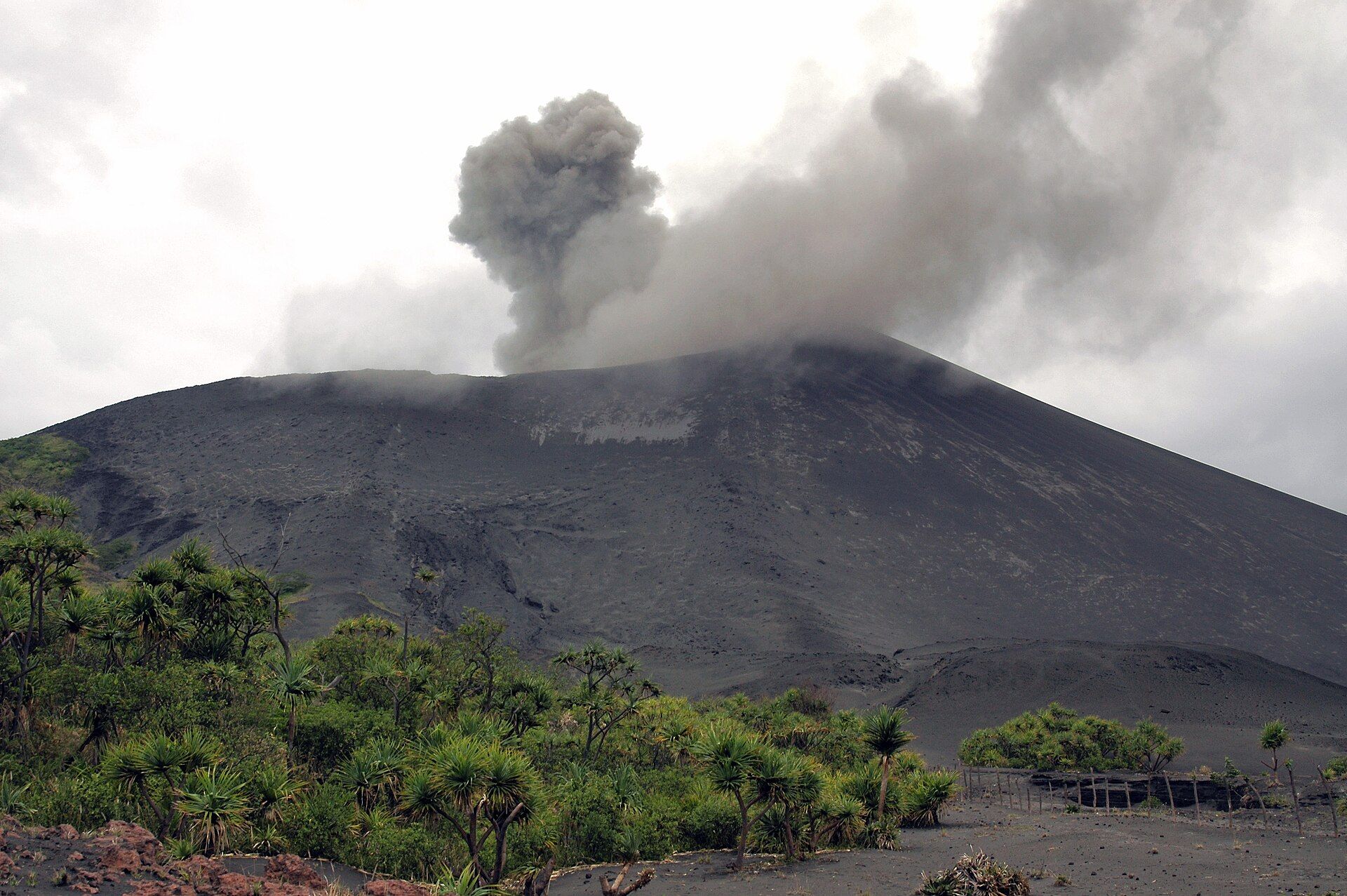
One of the world's most accessible active volcanoes — a crater that has erupted almost continuously for centuries, flinging glowing lava bombs into the night sky just metres from its rim.

Nyiragongo, Virunga, eastern DR Congo

Nyiragongo

Virunga, eastern DR Congo

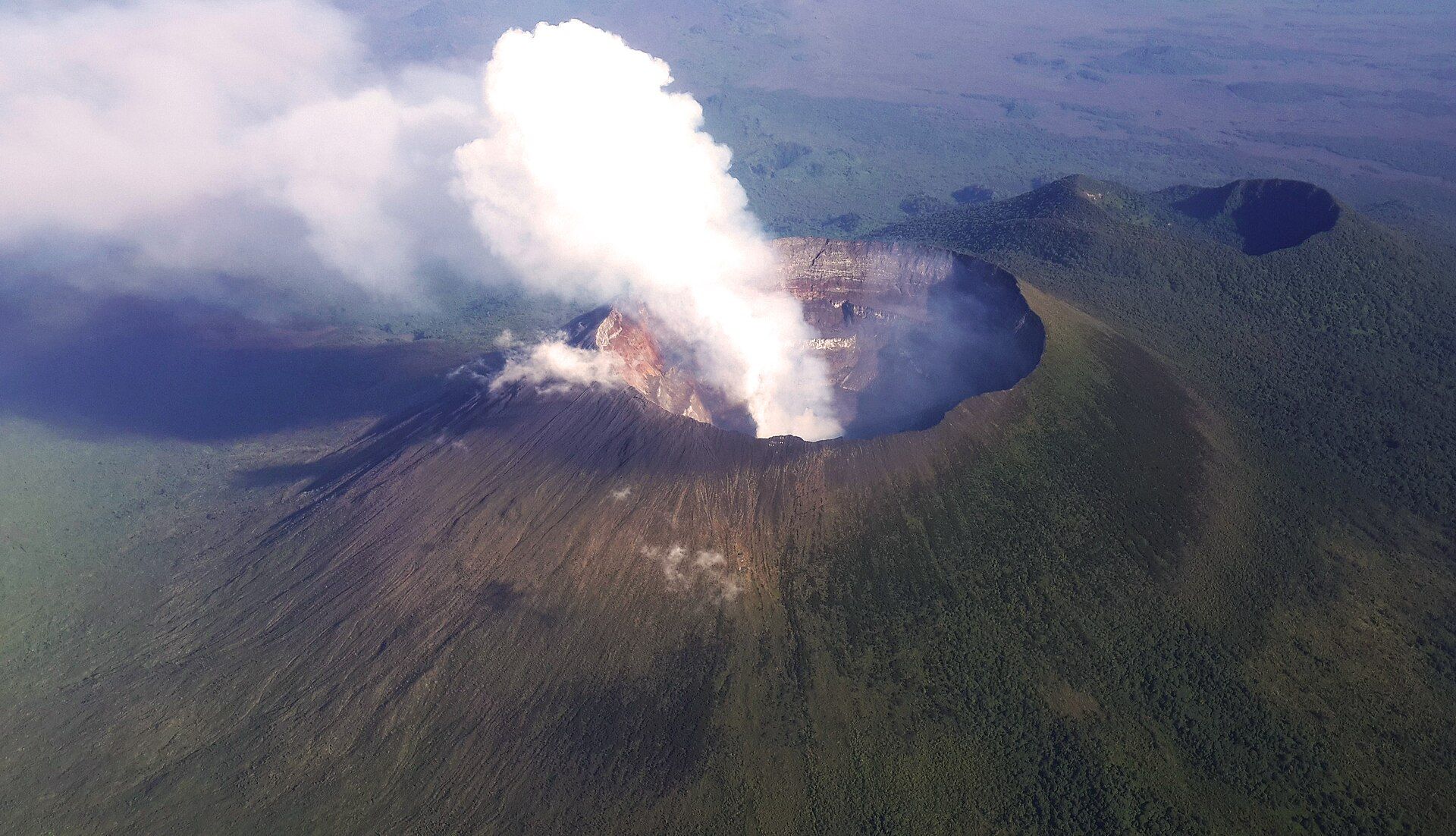
A volcano cradling one of the world's largest and most active lava lakes — a churning pool of molten rock that glows red against the night sky over the Virunga mountains.

Volcanoes National Park, Northwestern Rwanda (Virunga Mountains)

Volcanoes National Park

Northwestern Rwanda (Virunga Mountains)

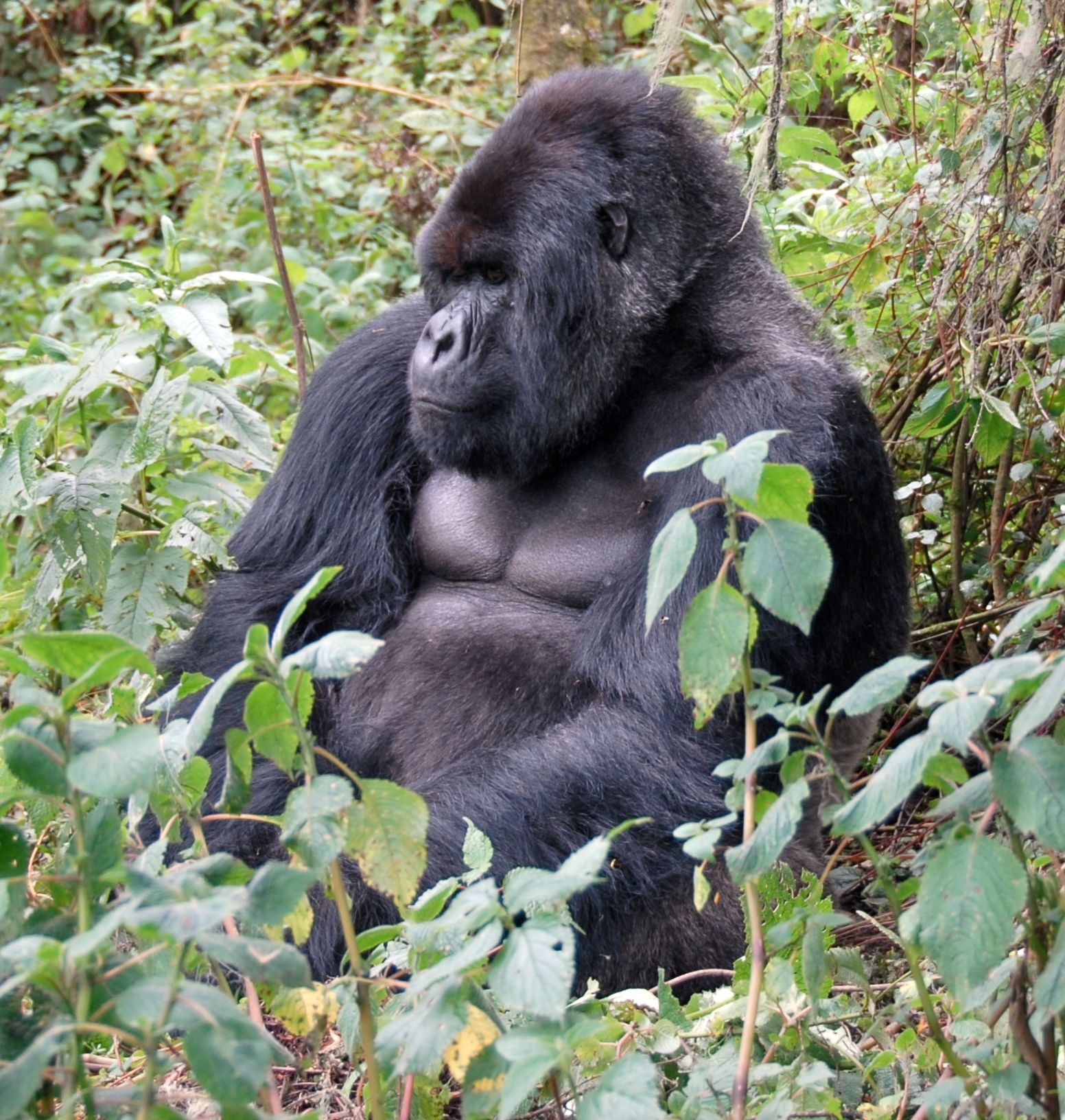
A chain of forest-cloaked volcanoes on Rwanda's northern border, home to wild mountain gorillas and the setting for Dian Fossey's famous research — one of Africa's most moving wildlife encounters.

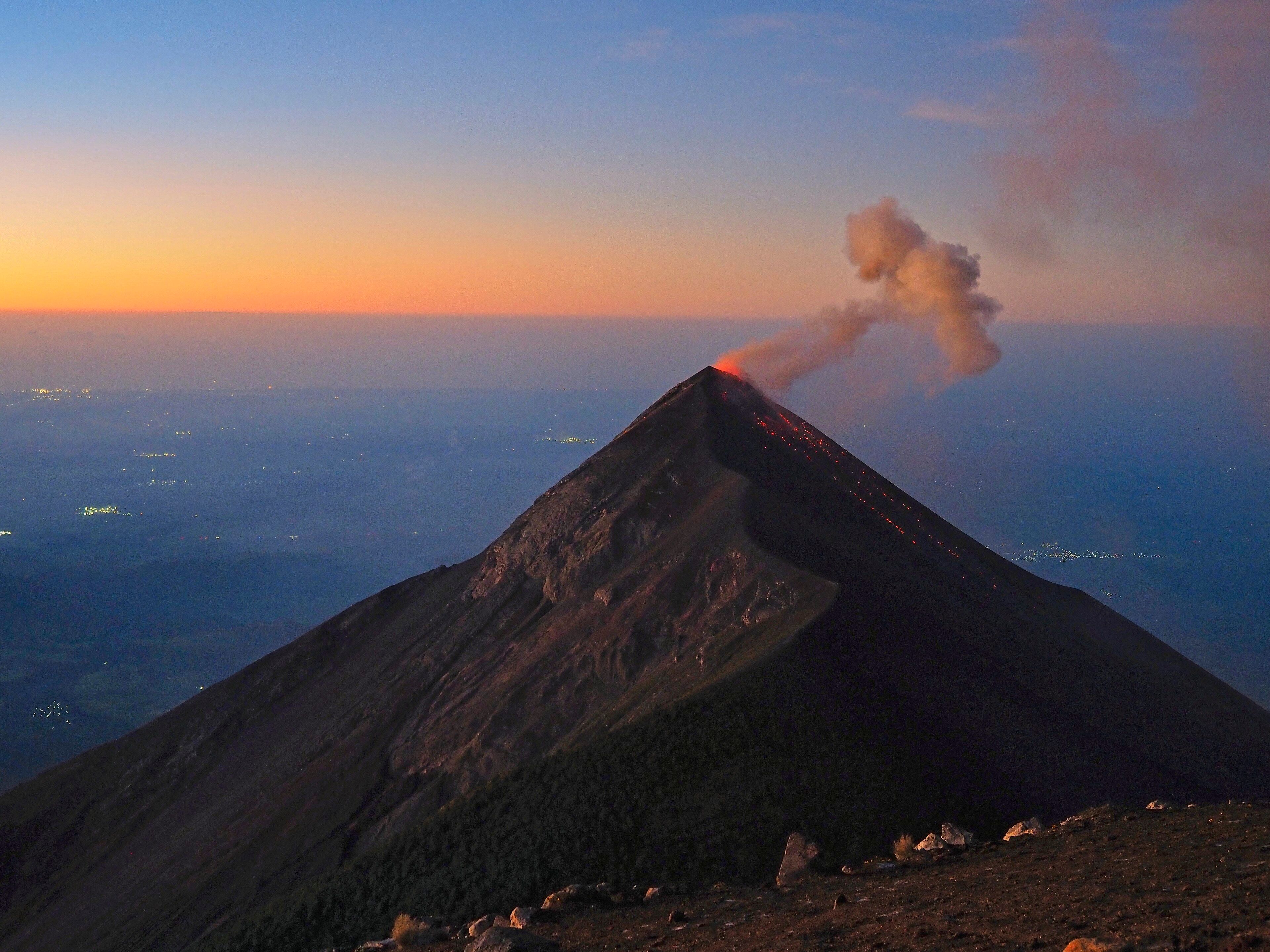
Volcán de Fuego erupting at dawn, seen from Acatenango, Guatemala

Acatenango

Sacatepéquez and Chimaltenango Departments, near Antigua, Guatemala
A 3,976-metre stratovolcano climbed almost entirely for the view of a different volcano — from its upper slopes you camp level with Fuego, one of the most active vents in Central America, and watch it erupt through the night.

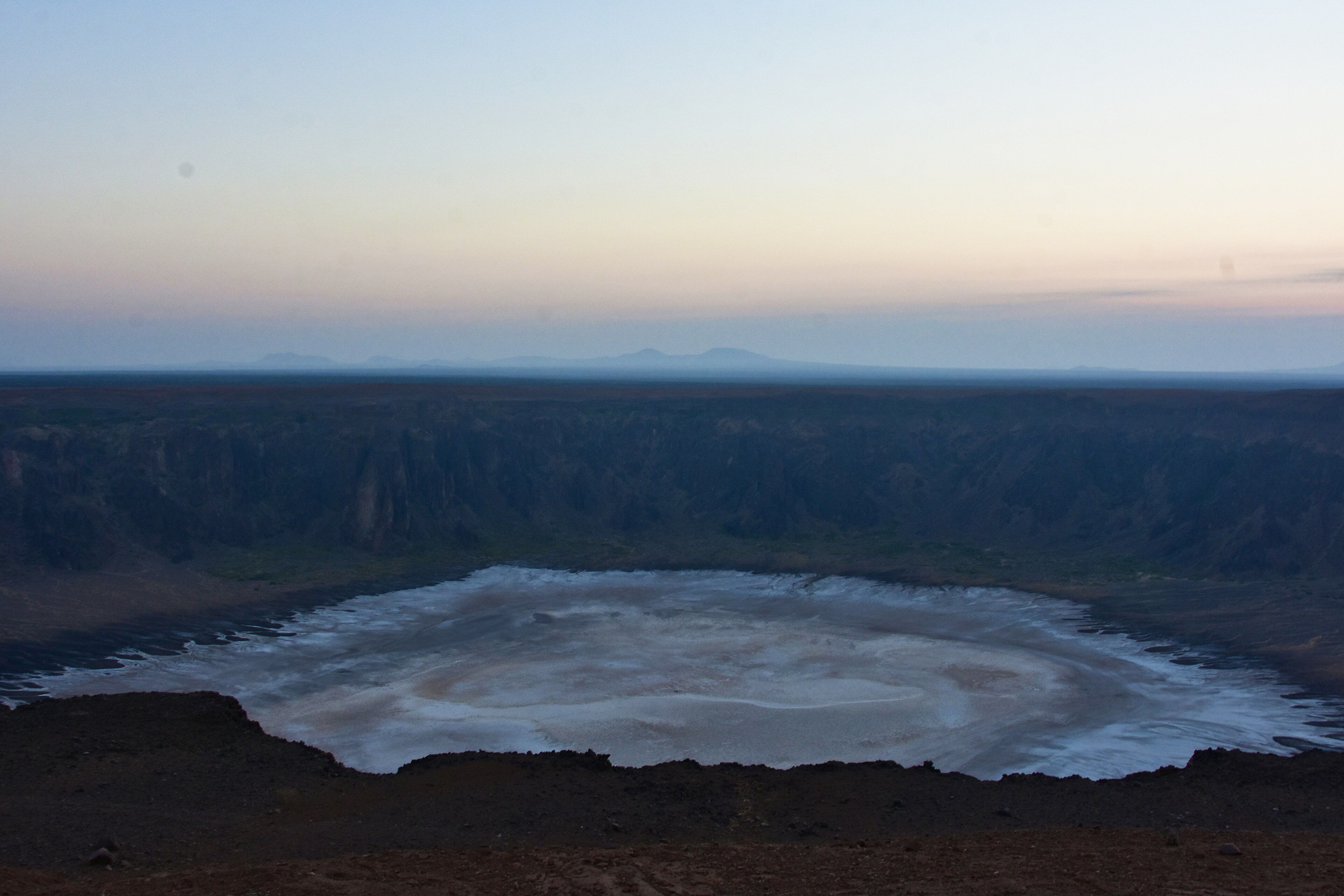
Al Wahbah Crater, Harrat Kishb, Makkah Province, western Saudi Arabia

Al Wahbah Crater

Harrat Kishb, Makkah Province, western Saudi Arabia

A two-kilometre hole in the Arabian desert with a floor of white salt crystals — long assumed to be a meteorite crater, and in fact the scar of a steam explosion from below.

Arenal Volcano, Alajuela, northern Costa Rica

Arenal Volcano

Alajuela, northern Costa Rica

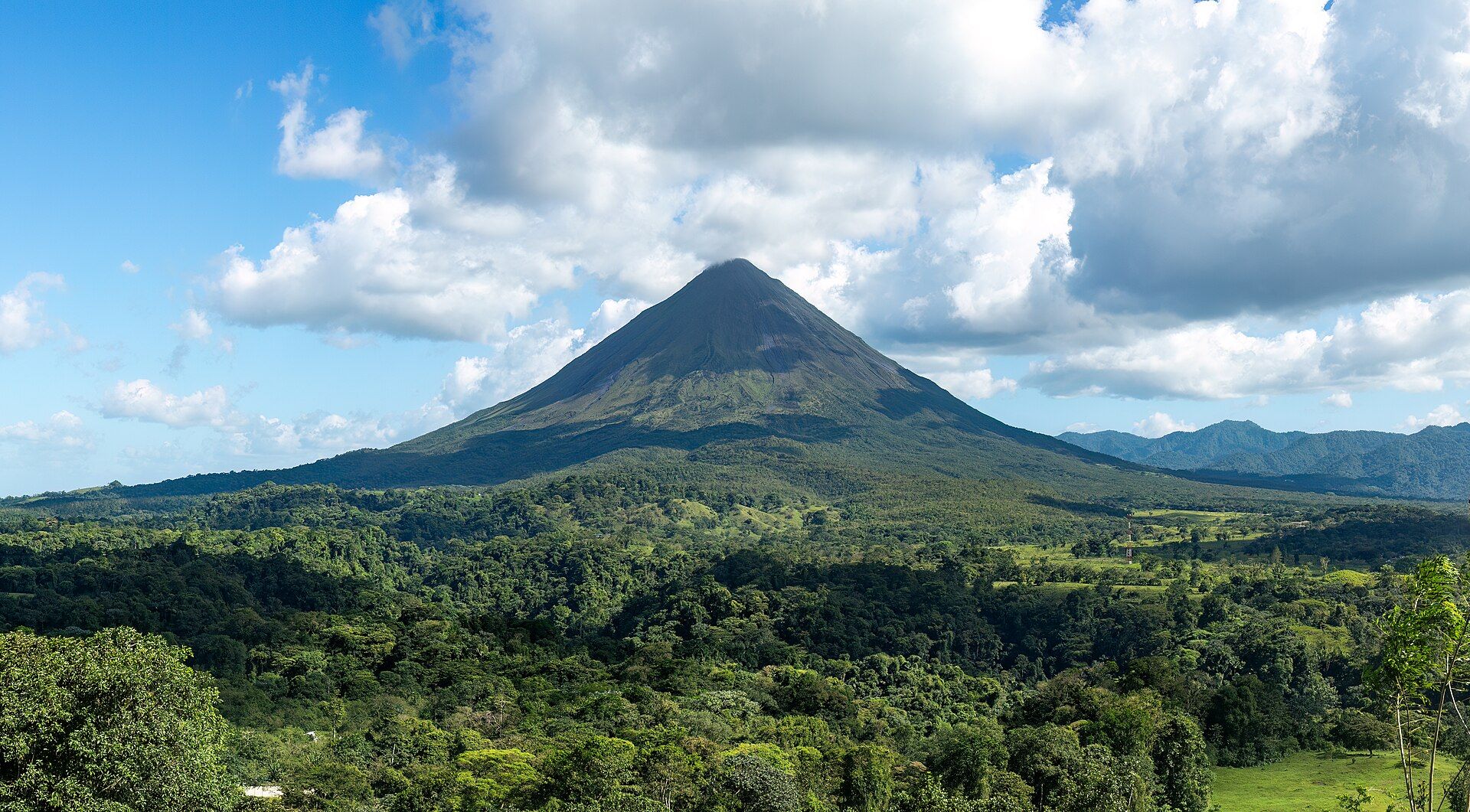
A near-perfectly conical volcano rising above the rainforests of northern Costa Rica — for decades one of the world's most active, now resting, surrounded by hot springs, waterfalls, and abundant wildlife.

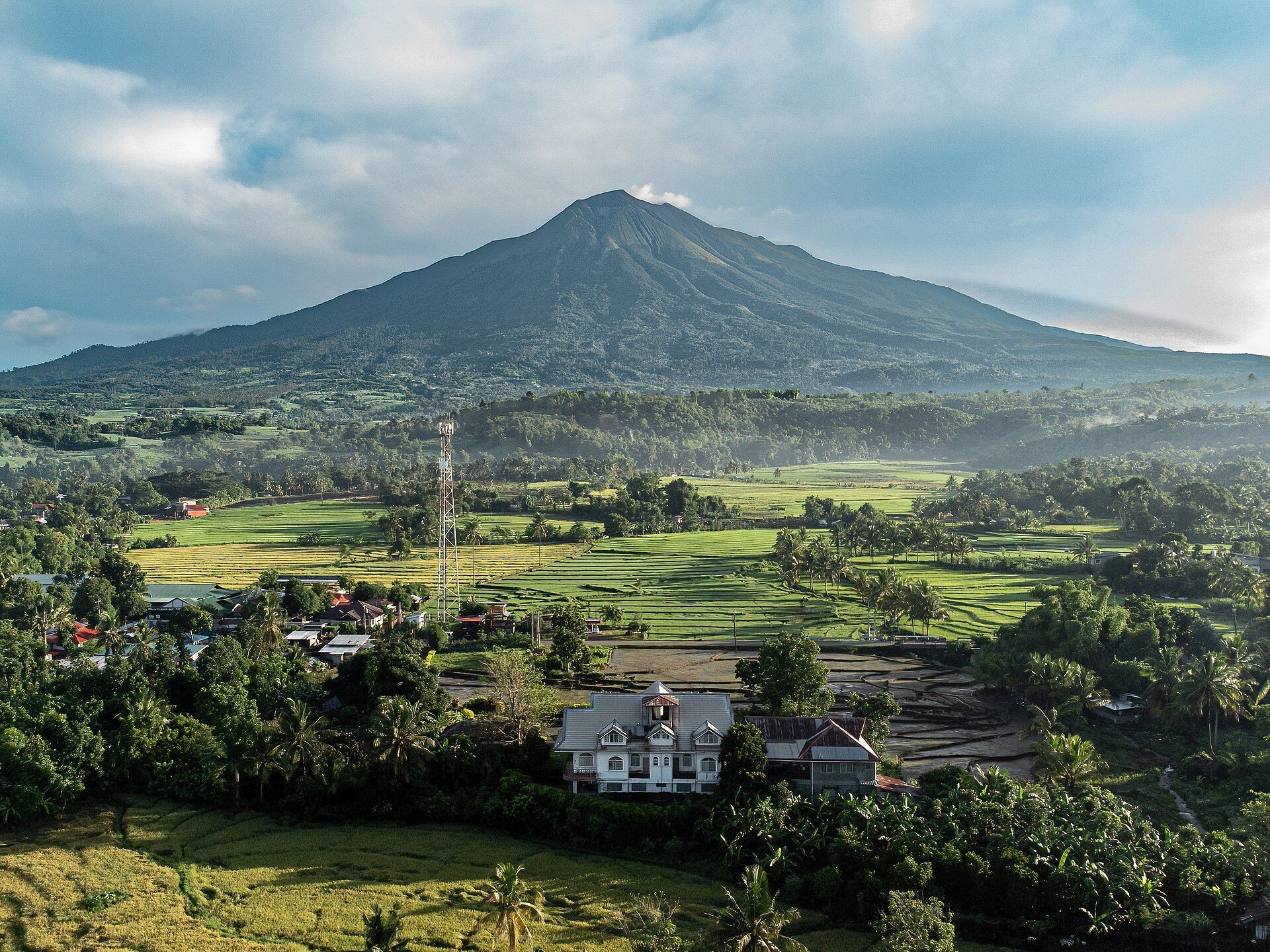
Bulusan Volcano & Lake, Sorsogon, Bicol, Philippines

Bulusan Volcano & Lake

Sorsogon, Bicol, Philippines

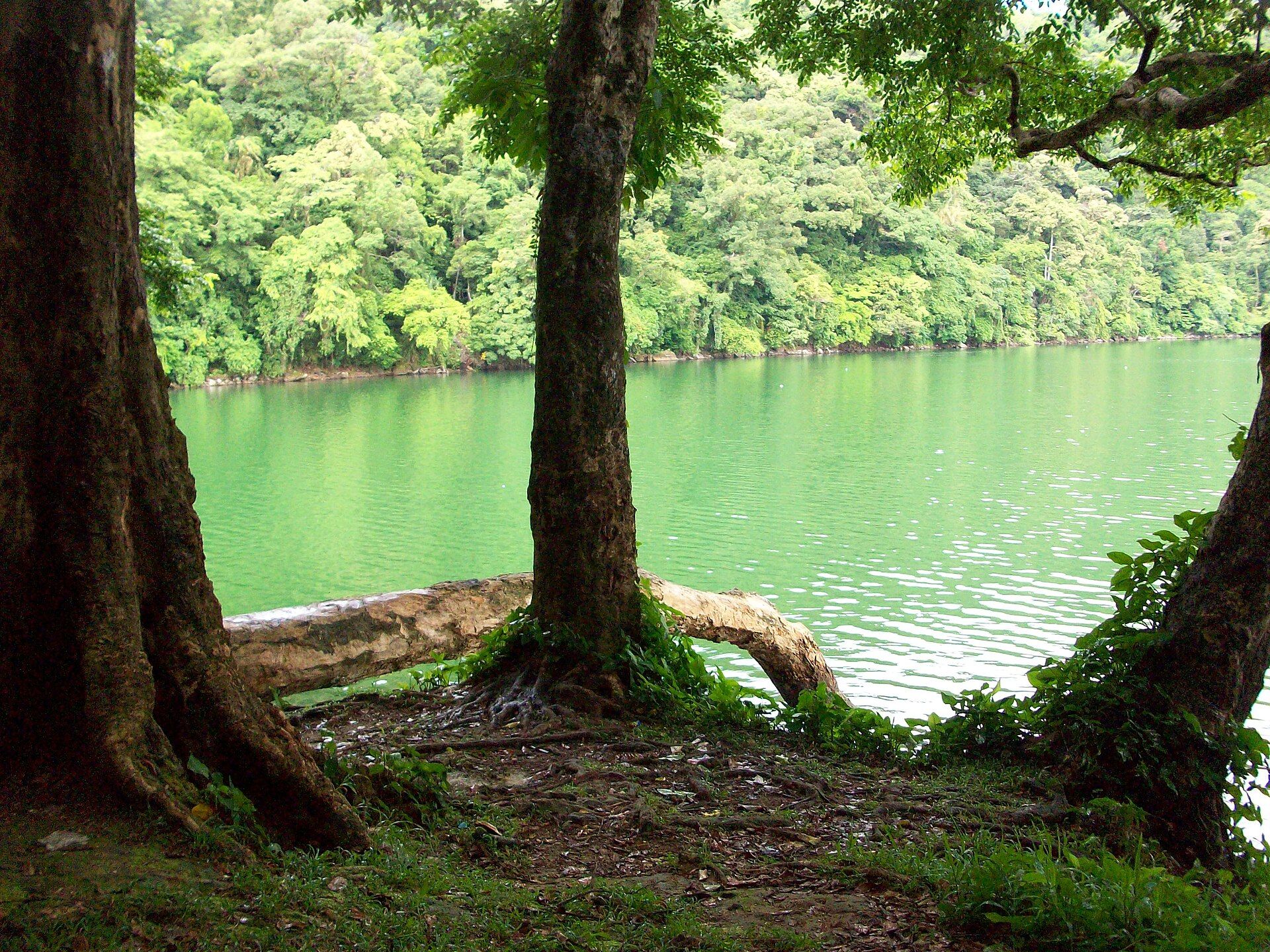
An active, rainforest-cloaked stratovolcano at the southern tip of Luzon, cradling a still crater-foot lake — the green, misty heart of Bulusan Volcano Natural Park.

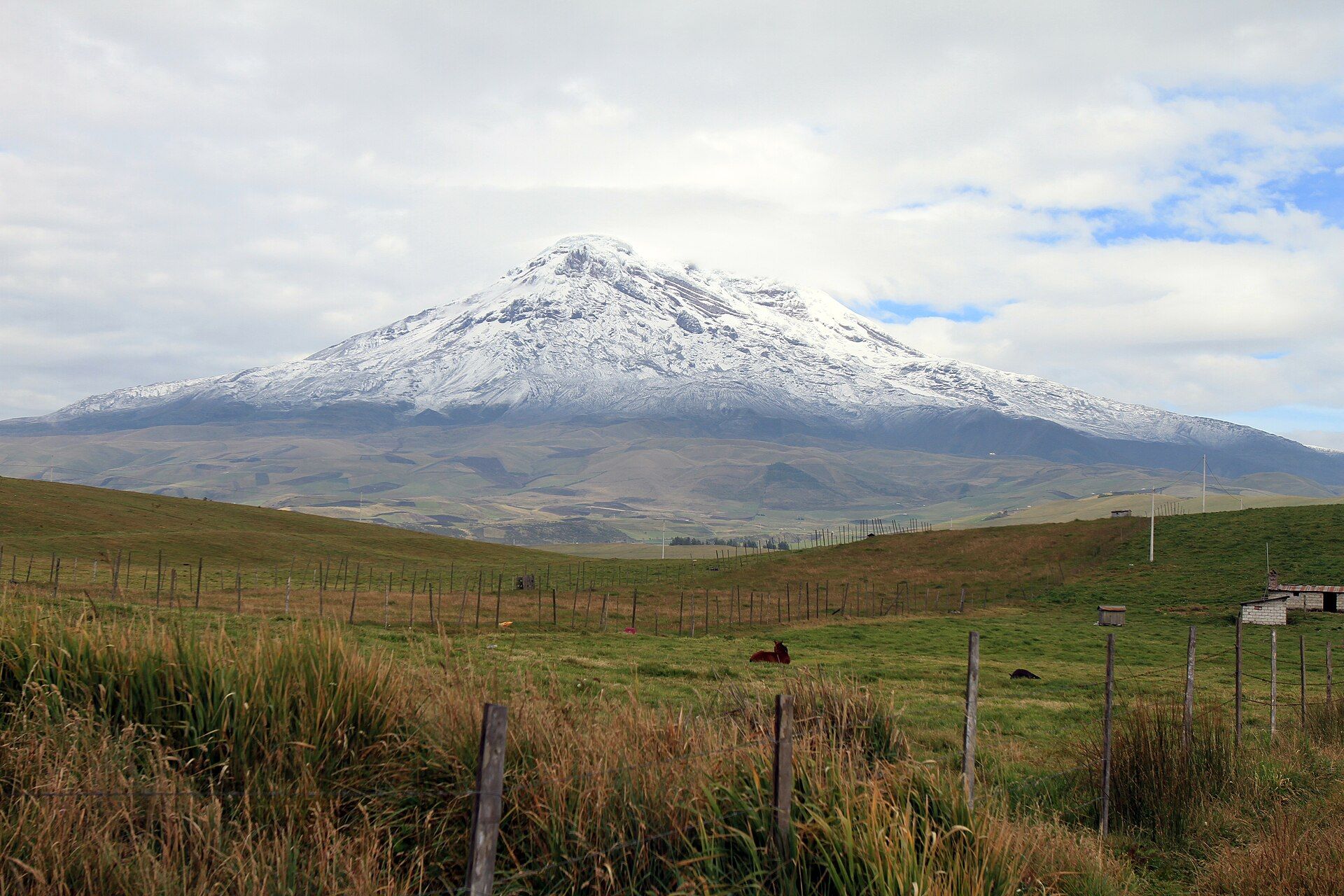
Snow-capped Chimborazo volcano rising above green Andean pastures in Ecuador

Chimborazo

Chimborazo Province, Ecuador, near Riobamba

Ecuador's highest mountain — an ice-capped volcano whose summit, thanks to the equatorial bulge, is the farthest point on Earth's surface from the planet's centre.

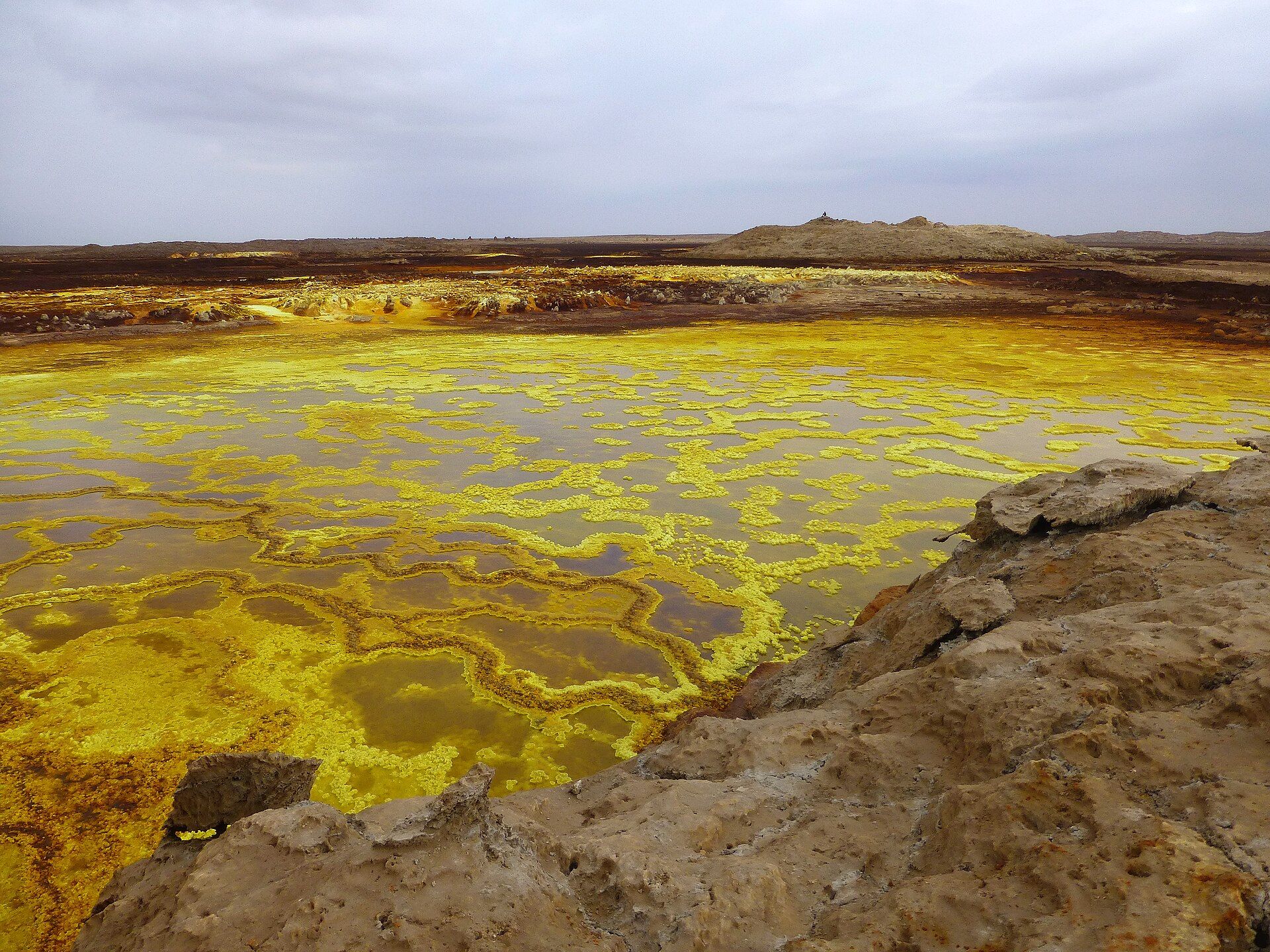
Danakil Depression, Afar Region, northeastern Ethiopia

Danakil Depression

Afar Region, northeastern Ethiopia

One of the hottest, lowest, and most alien places on Earth — a searing volcanic desert of neon-yellow sulphur springs, salt flats, and a permanent lava lake, where three tectonic plates are tearing the land apart.

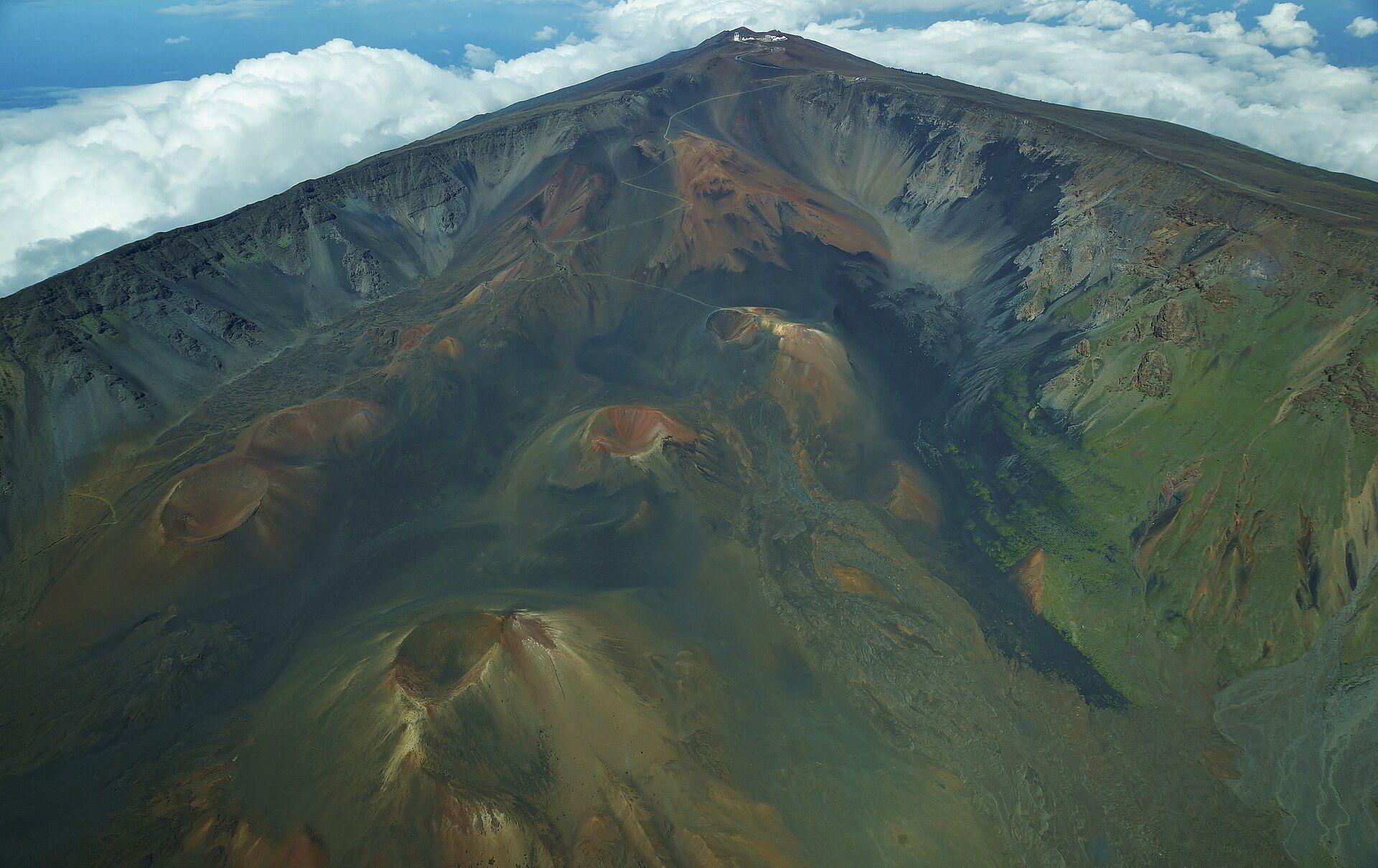
Aerial view down onto the summit depression of Haleakalā, with rust-red and grey cinder cones on the floor below steep walls and the summit road and observatories on the rim above a layer of white cloud

Haleakalā

East Maui, Maui, Hawaiʻi, United States

The 10,023-ft shield volcano that makes up East Maui, its summit cut by a vast erosional 'crater' of red and black cinder cones. Haleakalā National Park climbs from the cinder desert at the top down to waterfalls and the Pools of ʻOheʻo on the coast.

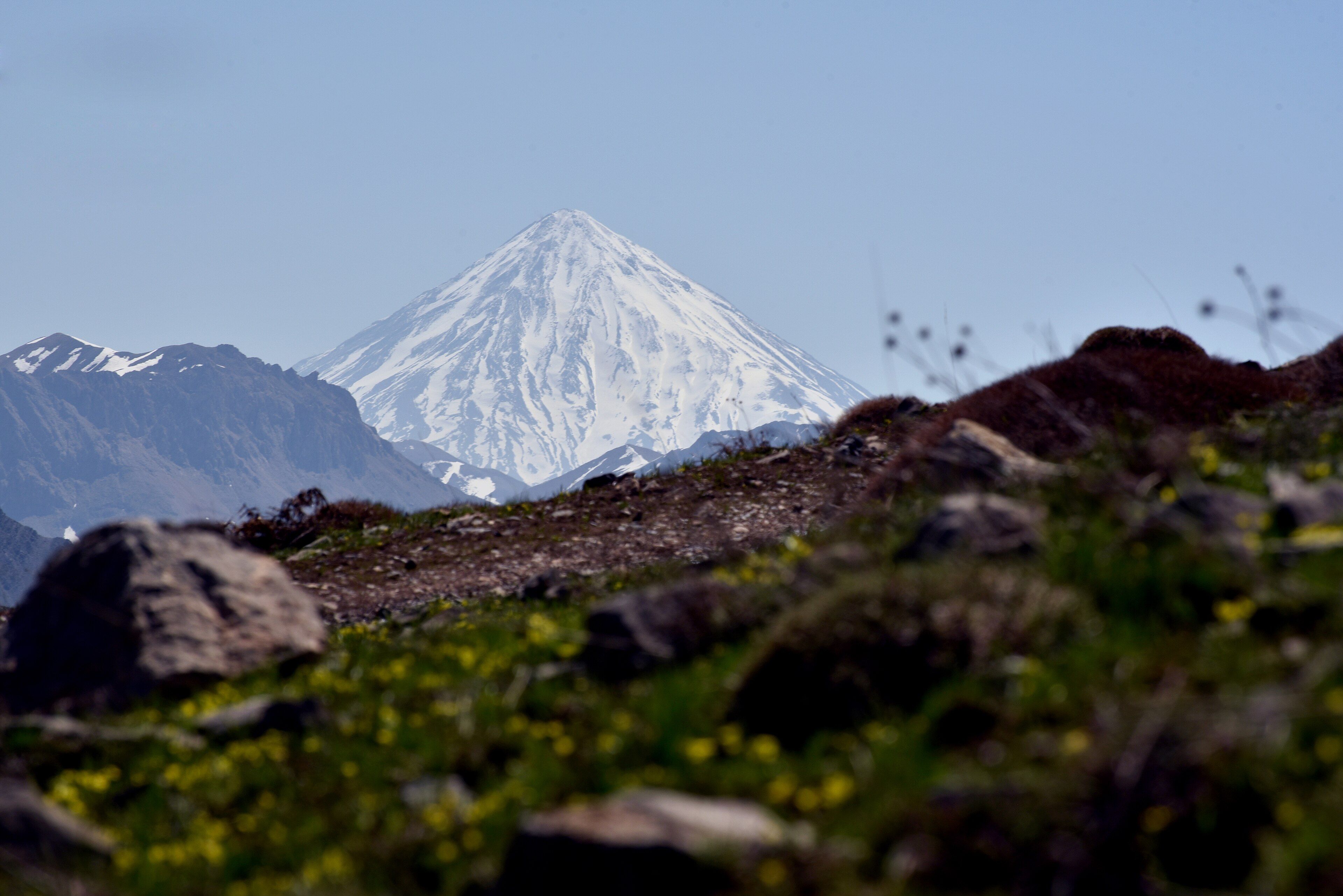
Mount Damavand, Alborz range, Mazandaran Province, northern Iran

Mount Damavand

Alborz range, Mazandaran Province, northern Iran

The highest peak in Iran and in the whole Middle East — a near-symmetrical stratovolcano above the Alborz range, with sulphur fumaroles still venting at the summit crater and hot springs on its flanks.

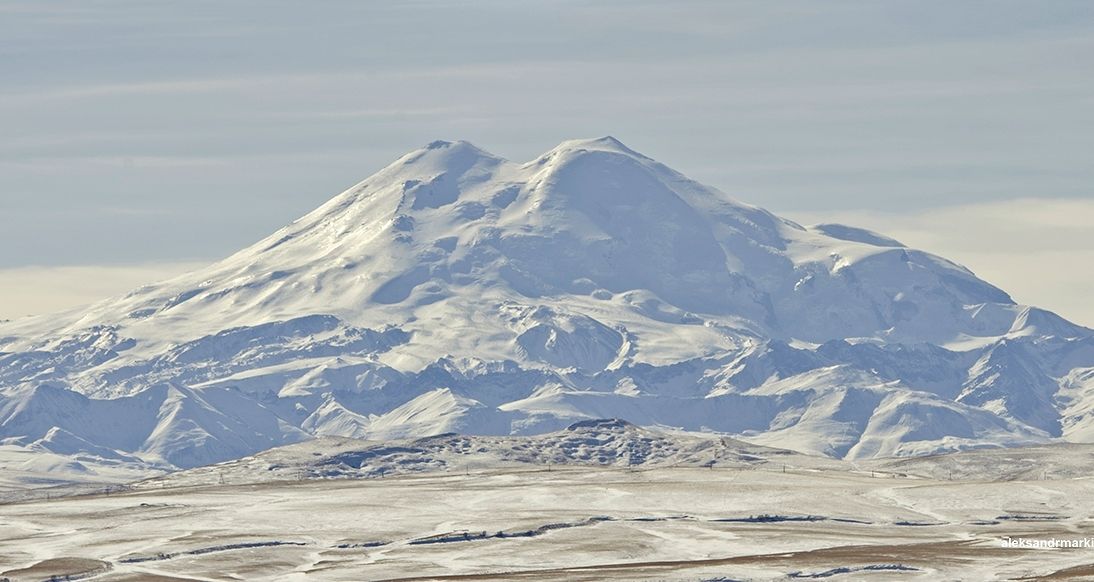
Mount Elbrus, Kabardino-Balkaria, Caucasus, Russia

Mount Elbrus

Kabardino-Balkaria, Caucasus, Russia

The highest peak in Europe — a twin-coned dormant volcano wrapped in 22 glaciers, rising 5,642 metres above the Caucasus range.

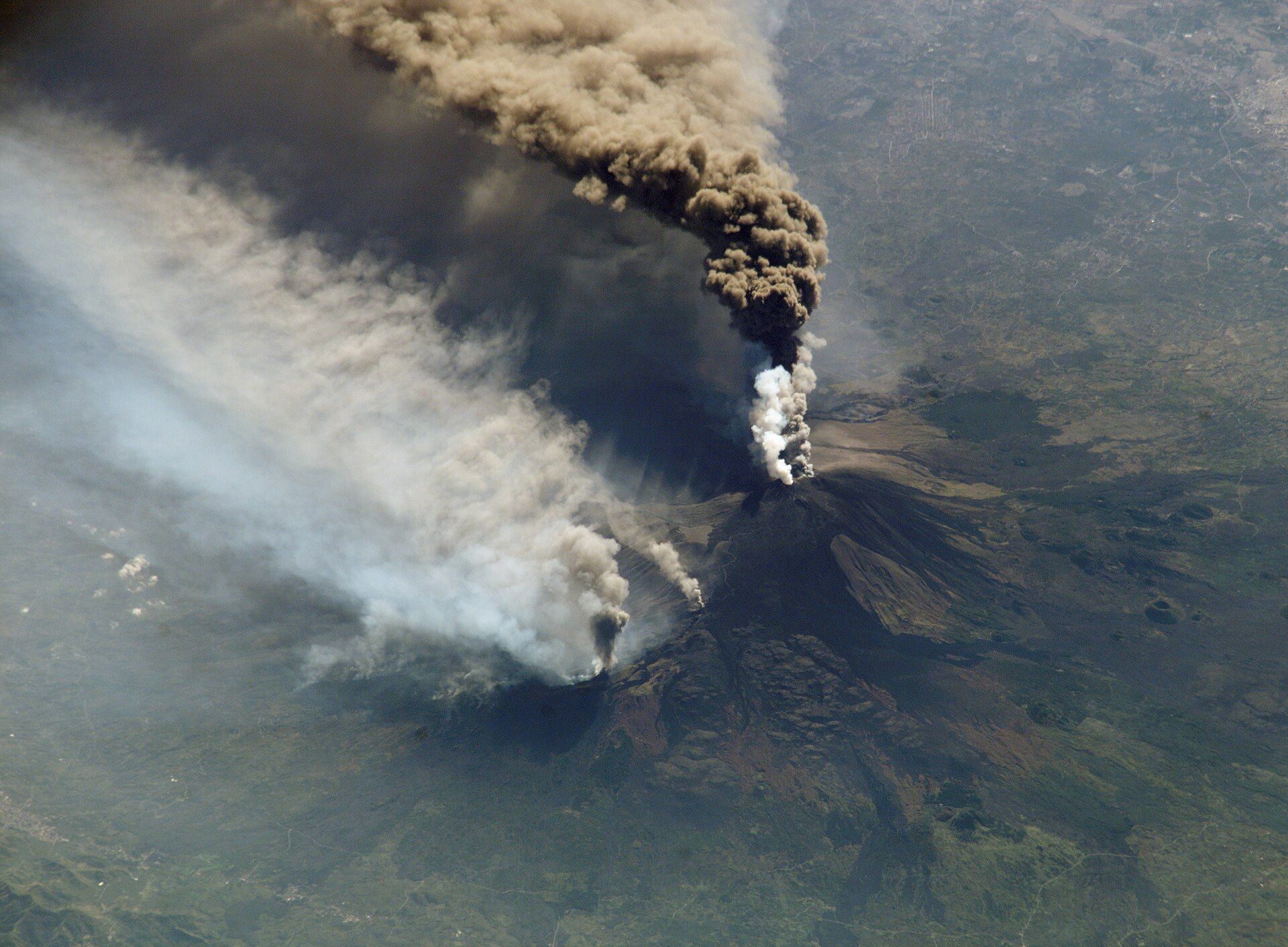
Mount Etna, Sicily, Southern Italy

Mount Etna

Sicily, Southern Italy

Europe's largest and most active volcano — a snow-capped, constantly rumbling giant looming over eastern Sicily, whose frequent eruptions have built astonishingly fertile slopes of vineyards and orchards.

Mount Kanlaon, Negros Island, Central Visayas / Negros Island Region

Mount Kanlaon

Negros Island, Central Visayas / Negros Island Region

Active volcano on Negros, at PHIVOLCS Alert Level 2 as of 18 October 2026 after a moderately explosive eruption on 10 October. Entry into the 4 km Permanent Danger Zone around the summit is prohibited, so there are no summit climbs.

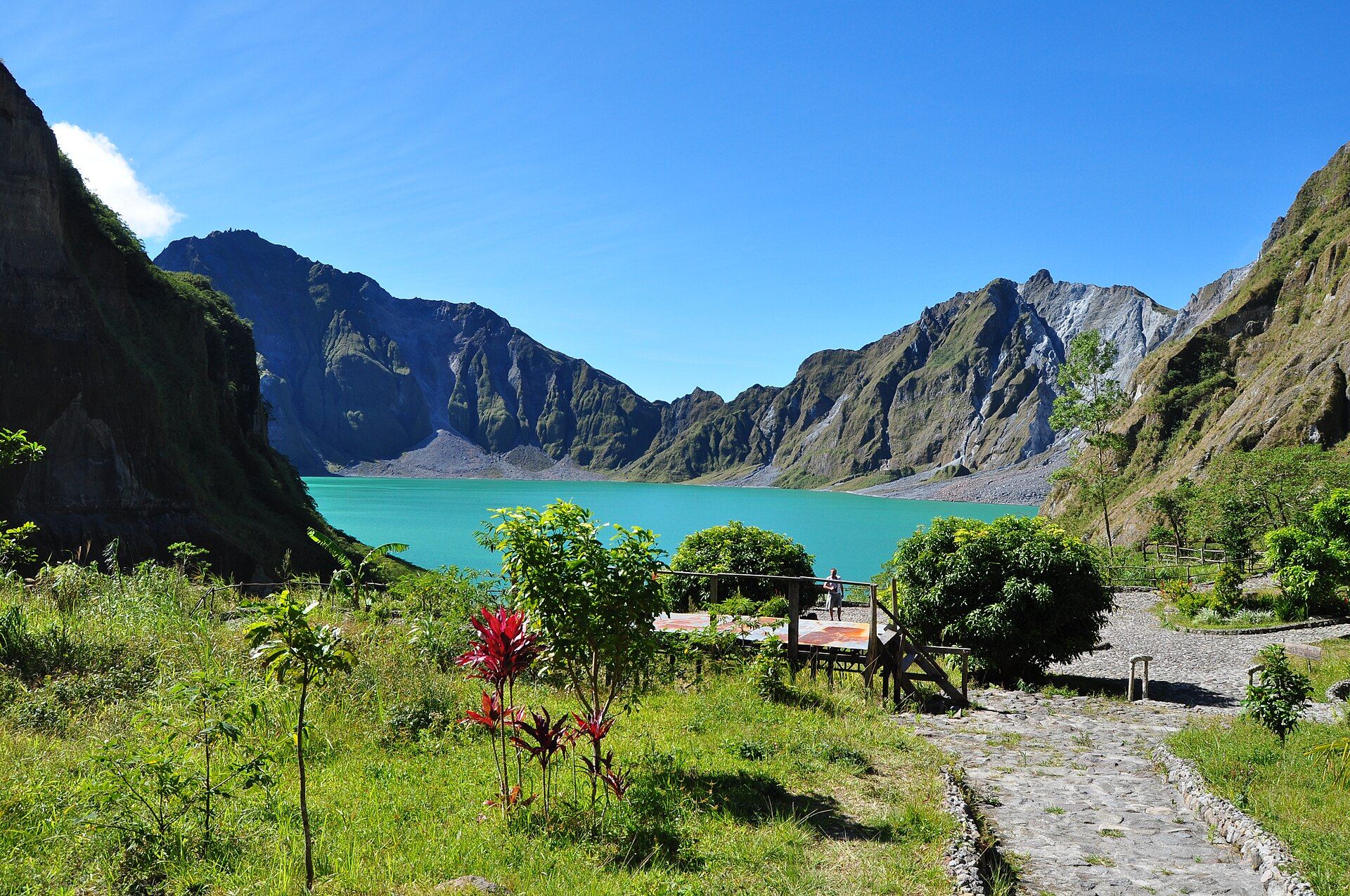
Mount Pinatubo Crater Lake, Zambales / Tarlac / Pampanga, Luzon, Philippines

Mount Pinatubo Crater Lake

Zambales / Tarlac / Pampanga, Luzon, Philippines

The volcano behind the second-largest eruption of the 20th century now cradles a serene turquoise crater lake — reached by a 4x4 ride across ash-grey lahar canyons and a short hike to the rim.

Mount Popa & Taung Kalat, Mandalay Region, central Myanmar

Mount Popa & Taung Kalat

Mandalay Region, central Myanmar

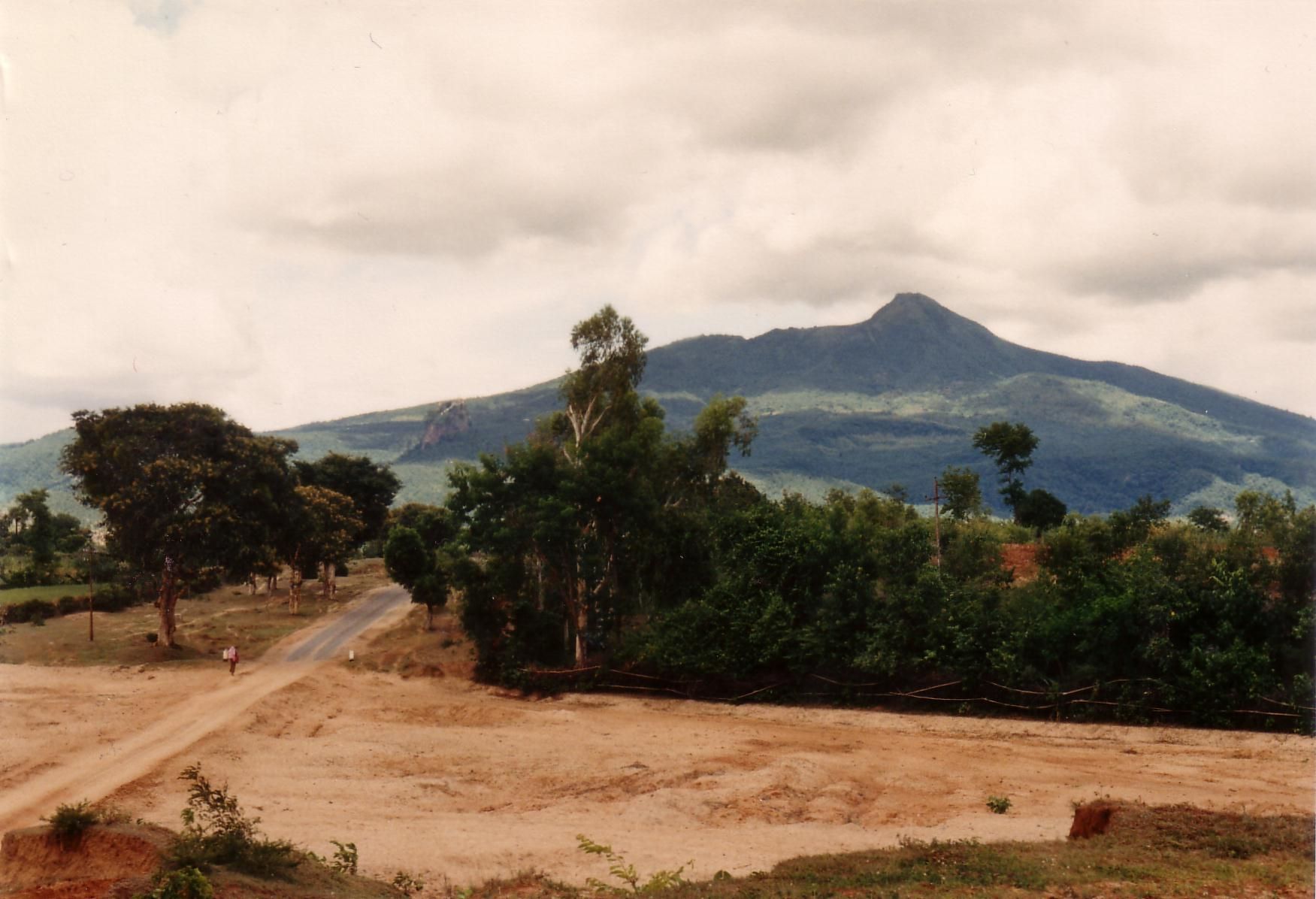
A 1,518 m dormant volcano in central Myanmar, south-east of Bagan, last active about 8,000 years ago. On its flank stands Taung Kalat, a 658 m lava plug with a monastery on top, reached by 777 steps. Most visitors come as a half-day trip from Bagan; check travel advisories first.

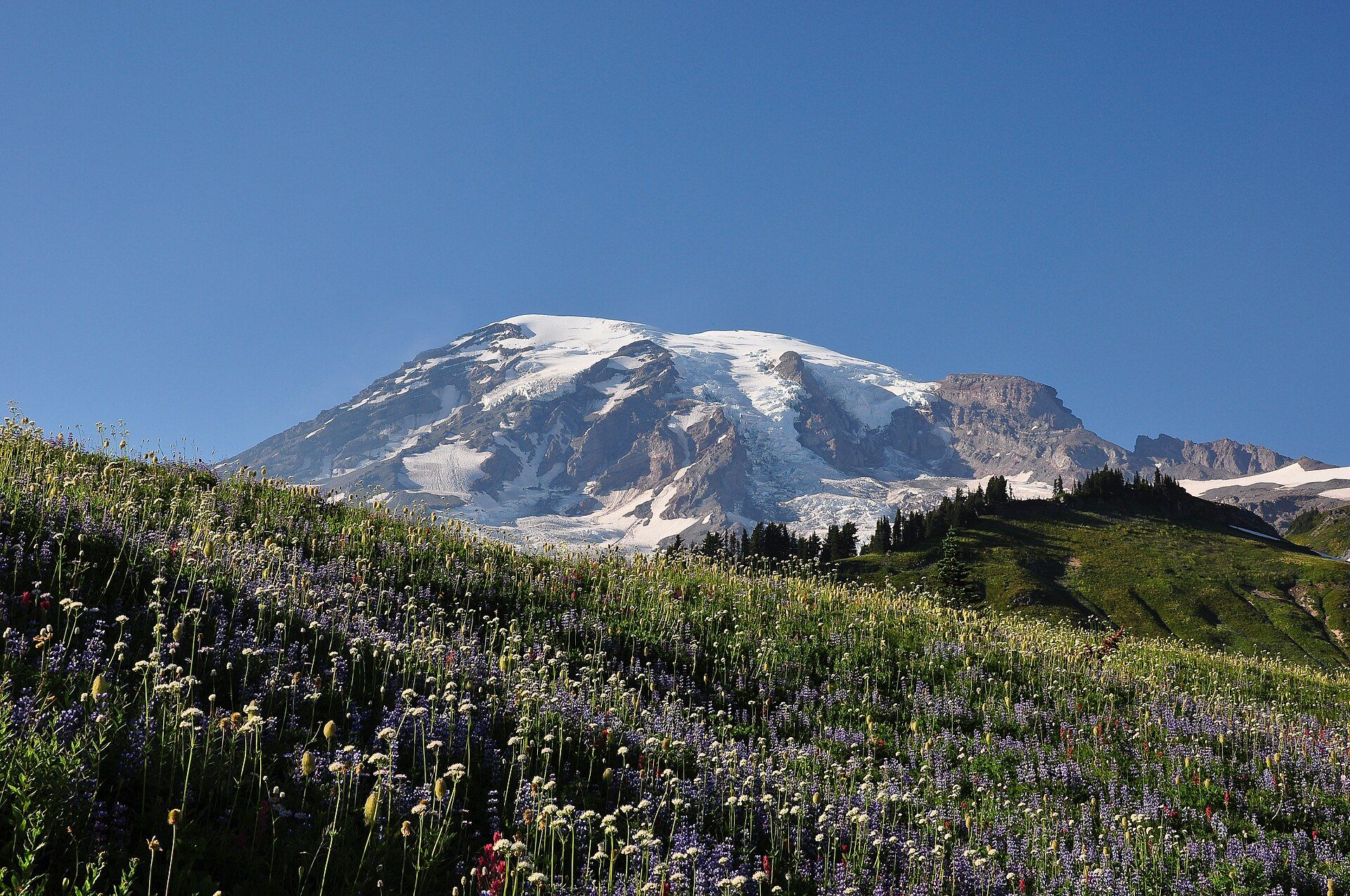
Snow- and glacier-covered Mount Rainier under a clear blue sky, seen above a sloping subalpine meadow of purple lupine, white wildflowers and red paintbrush near Paradise, Washington

Mount Rainier

Cascade Range, western Washington, USA, about 65 miles southeast of the Seattle–Tacoma area
A glacier-capped volcano rising to 14,410 ft (4,392 m) above the Washington Cascades, wrapped in 28 named glaciers, old-growth forest and subalpine wildflower meadows. Protected as a national park since 1899.

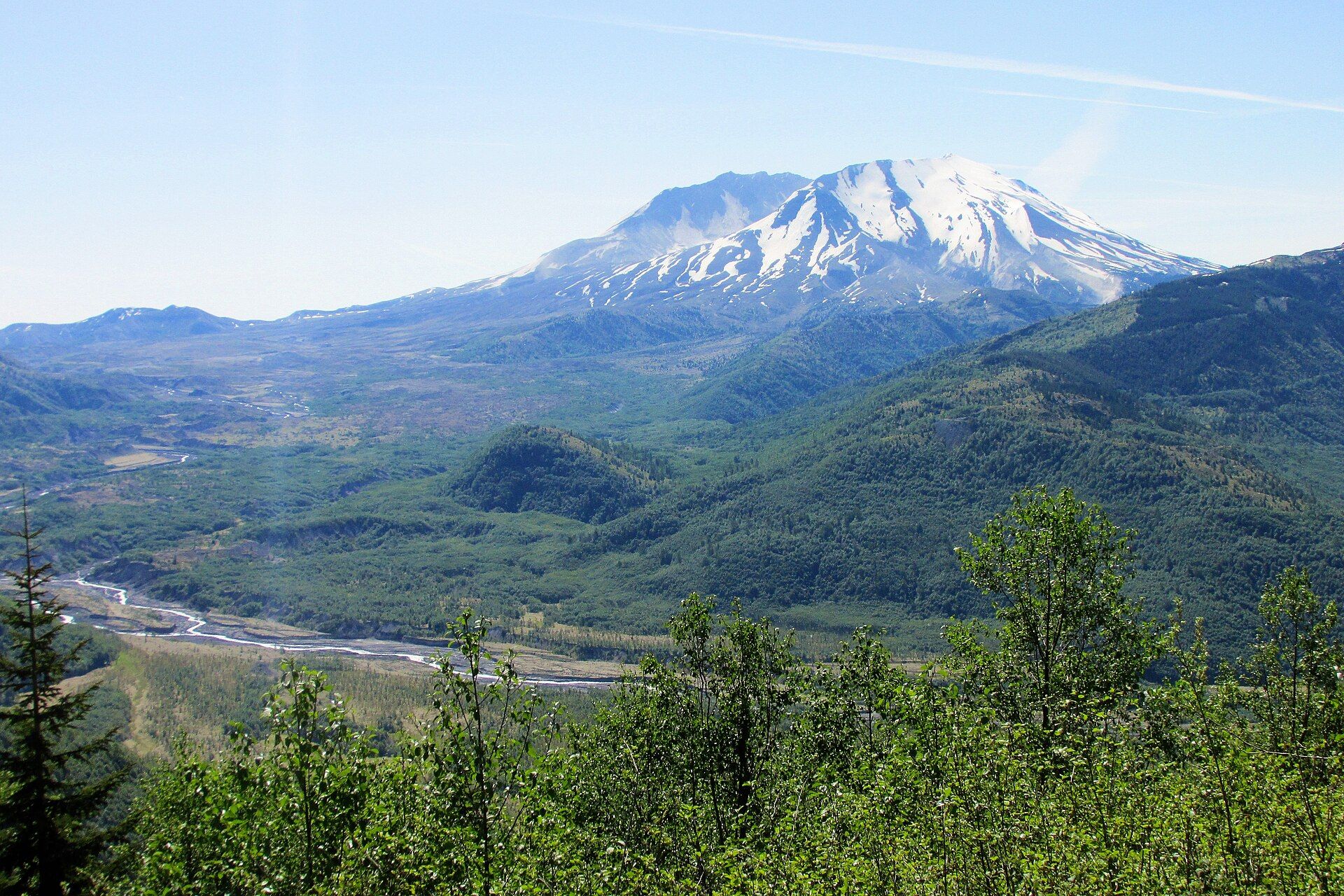
Snow-streaked Mount St. Helens with its collapsed north side open toward the viewer, above the braided channel of the Toutle River and green, regrowing forest in the valley below

Mount St. Helens

Cascade Range, south-west Washington, USA, about 70 miles north of Portland, Oregon
The Cascade volcano that blew open on 18 May 1980, when the largest debris avalanche in recorded history tore off its summit and a lateral blast flattened forests up to 19 miles away. Its open crater, lava dome and recovering blast zone are a national volcanic monument.

Mount Teide, Tenerife, Canary Islands, Spain

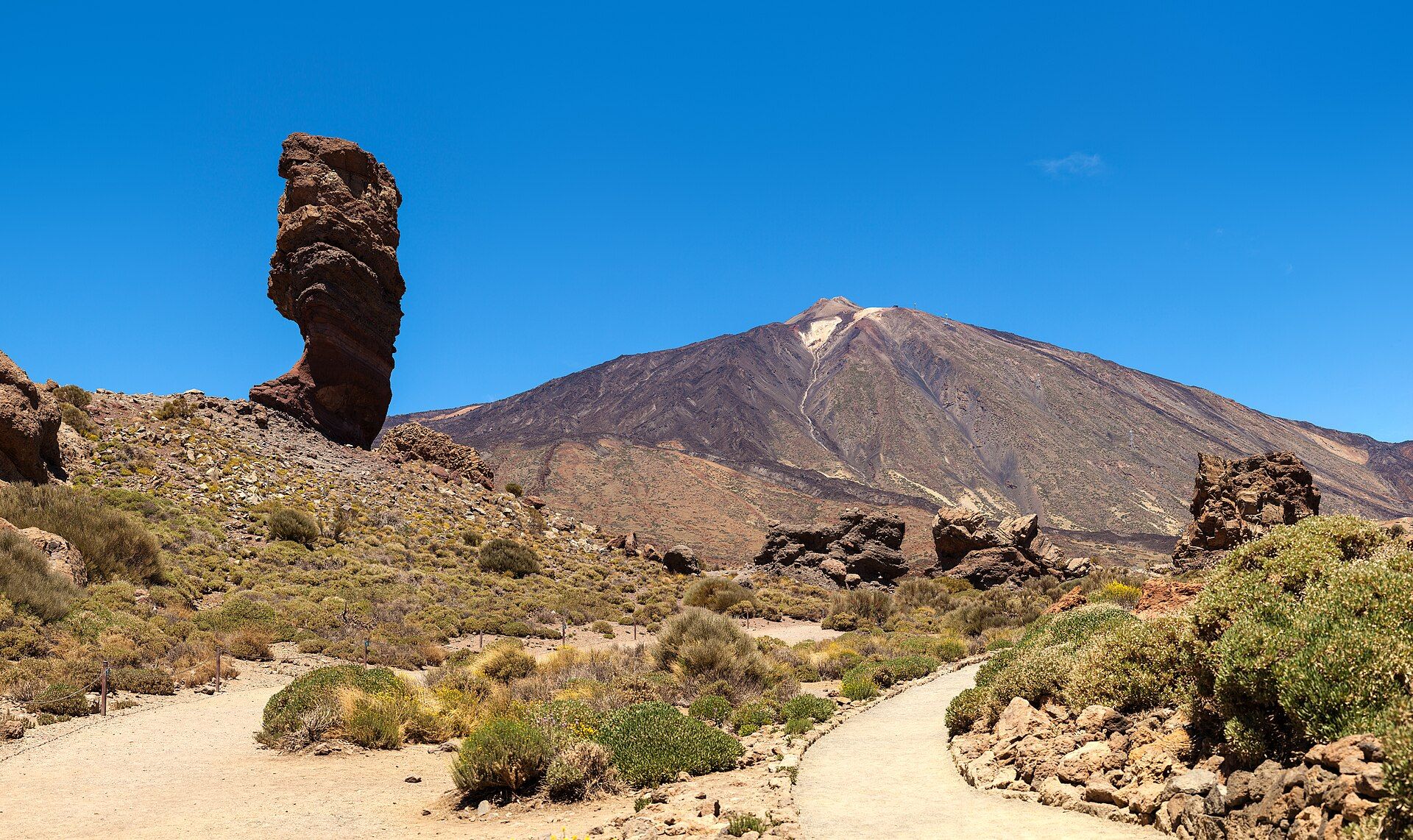
Mount Teide

Tenerife, Canary Islands, Spain

Spain's highest peak and the third-largest volcano on Earth measured from its base — a 3,715-metre cone rising from a vast caldera of frozen lava, often floating above a sea of cloud.

Ngorongoro Crater, Ngorongoro Highlands, Northern Tanzania

Ngorongoro Crater

Ngorongoro Highlands, Northern Tanzania

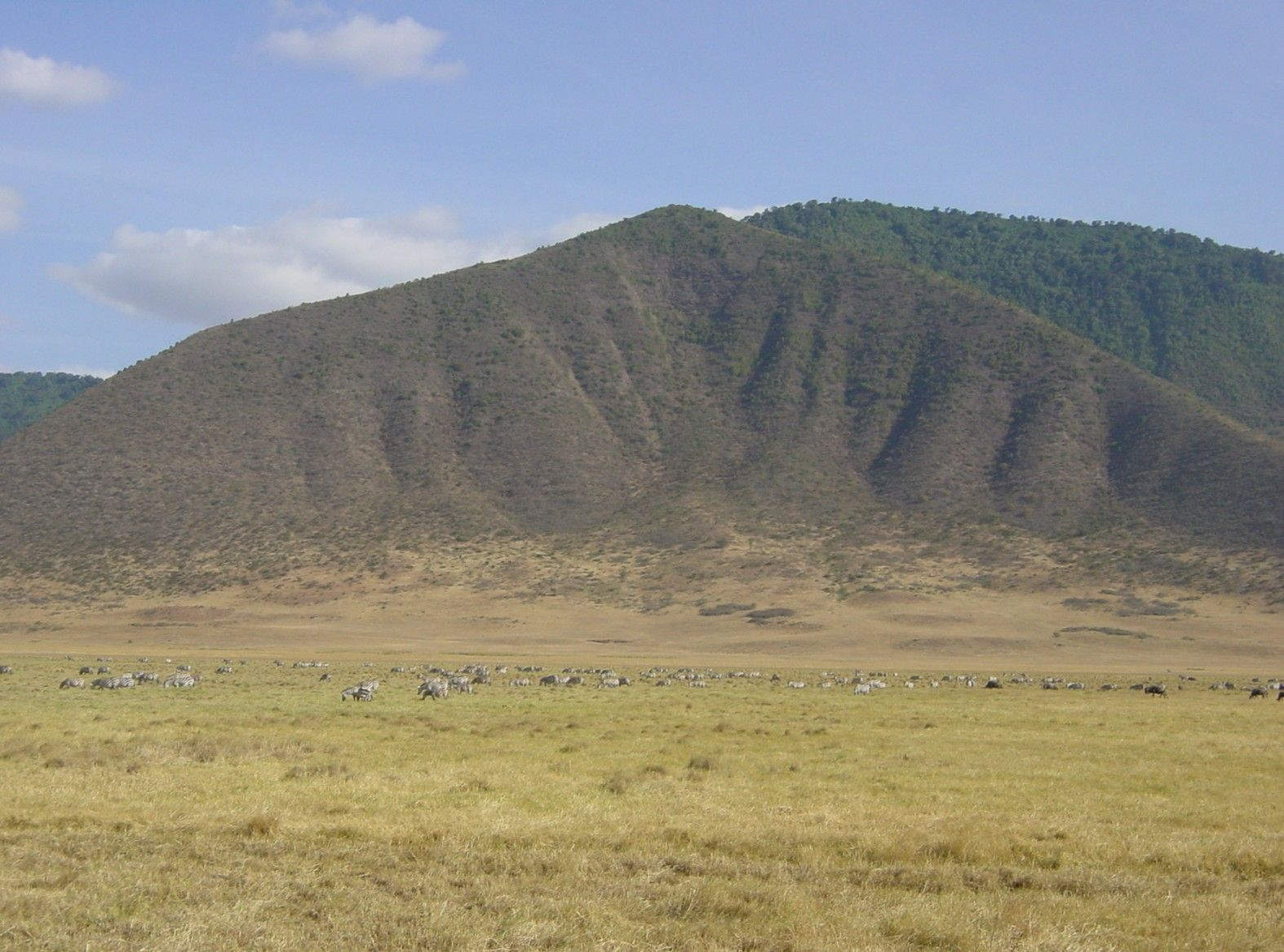
The world's largest intact volcanic caldera — a 20-kilometre-wide, 600-metre-deep collapsed crater that has become a natural amphitheatre teeming with one of the densest concentrations of large wildlife on Earth.

Ol Doinyo Lengai, Gregory Rift, near Lake Natron, Northern Tanzania

Ol Doinyo Lengai

Gregory Rift, near Lake Natron, Northern Tanzania

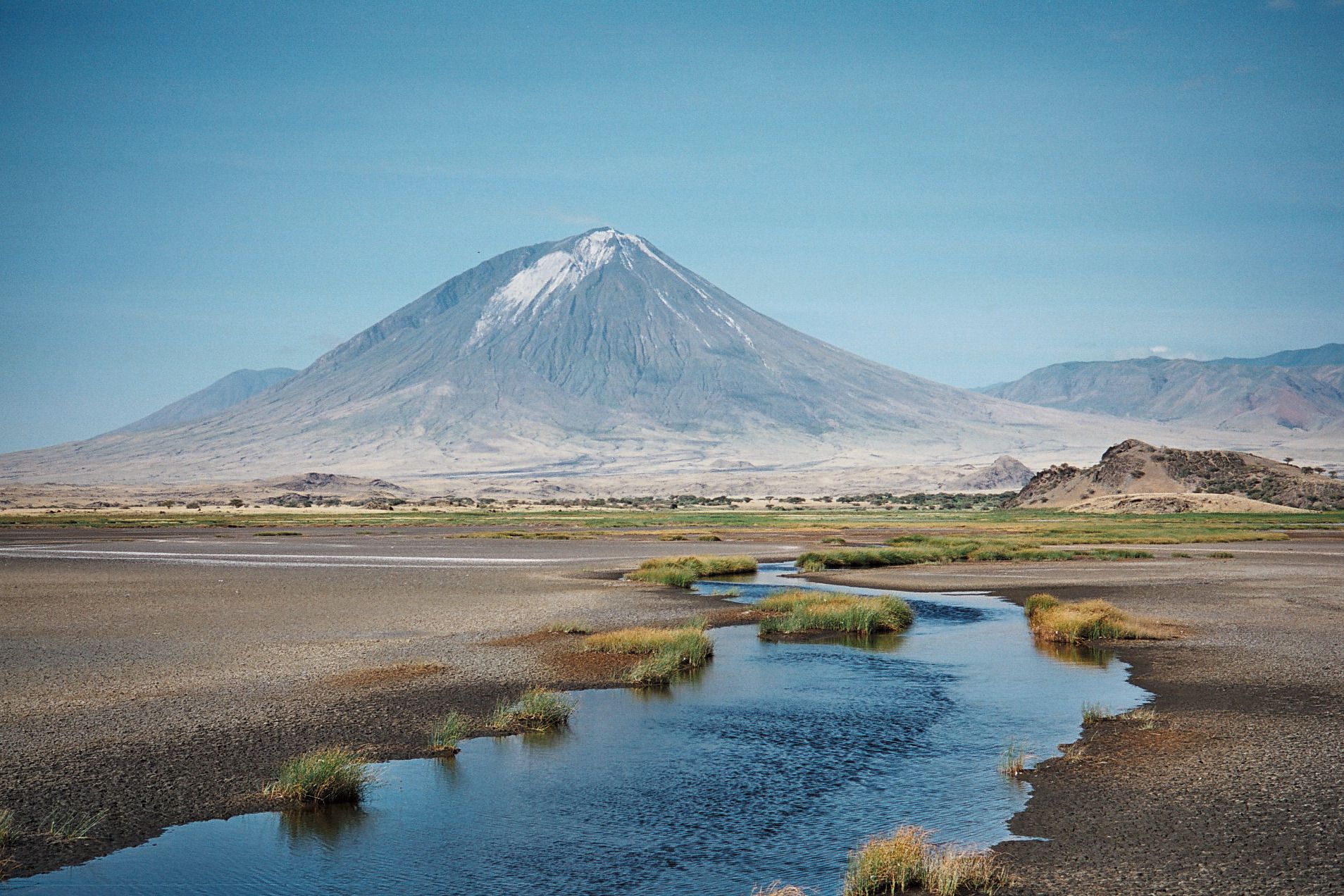
The 'Mountain of God' — a near-perfect ash cone in the Rift Valley and the only active volcano on Earth known to erupt natrocarbonatite, a strange, cool, runny lava that flows black and dries chalky white.

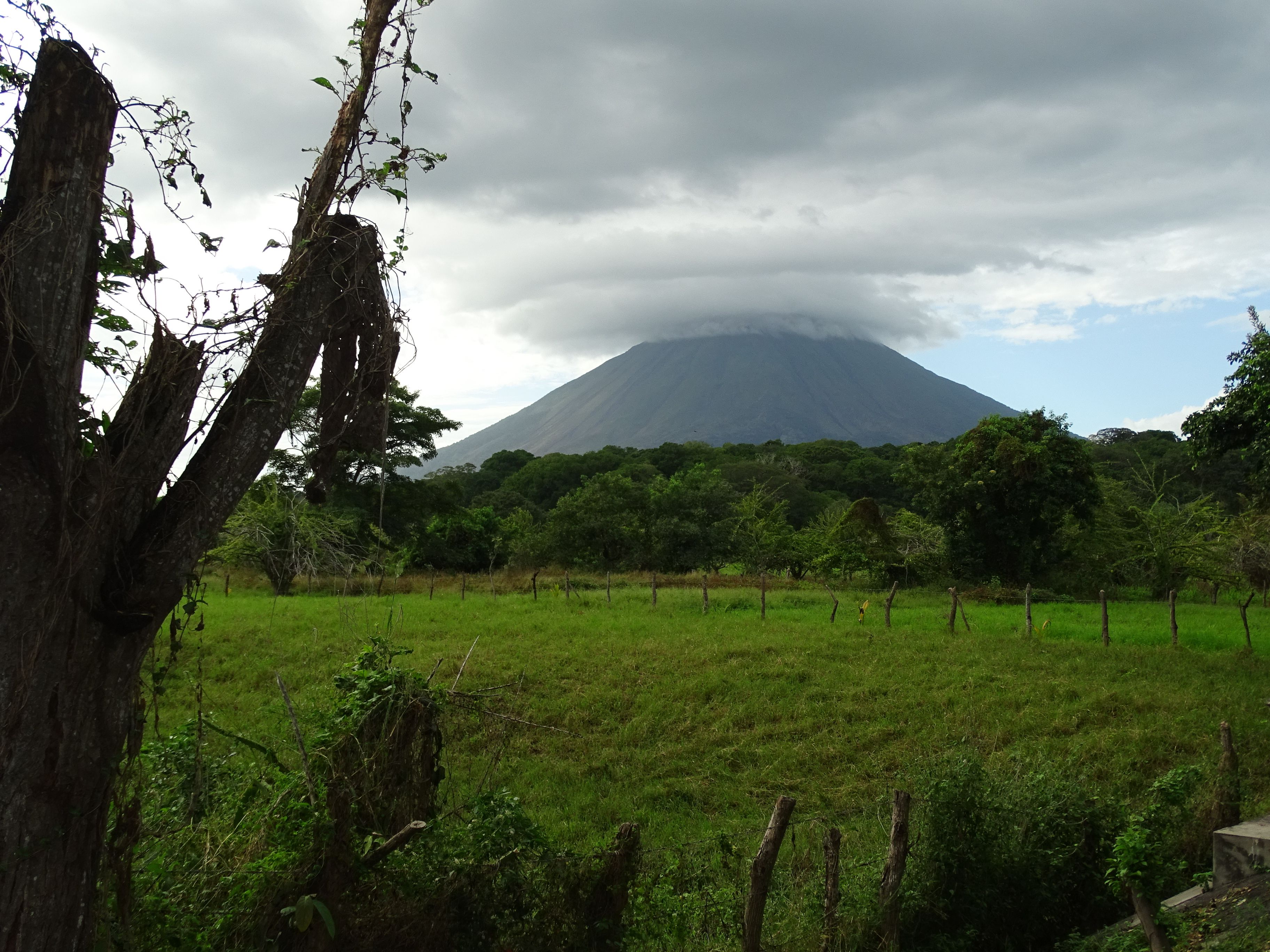
Concepción volcano, Ometepe island, Lake Nicaragua, Nicaragua

Ometepe

Lake Nicaragua, Rivas Department, southwestern Nicaragua

Two volcanoes standing in a freshwater lake and joined at the base into a single hourglass island — one still erupting, the other carrying a crater lake and cloud forest.

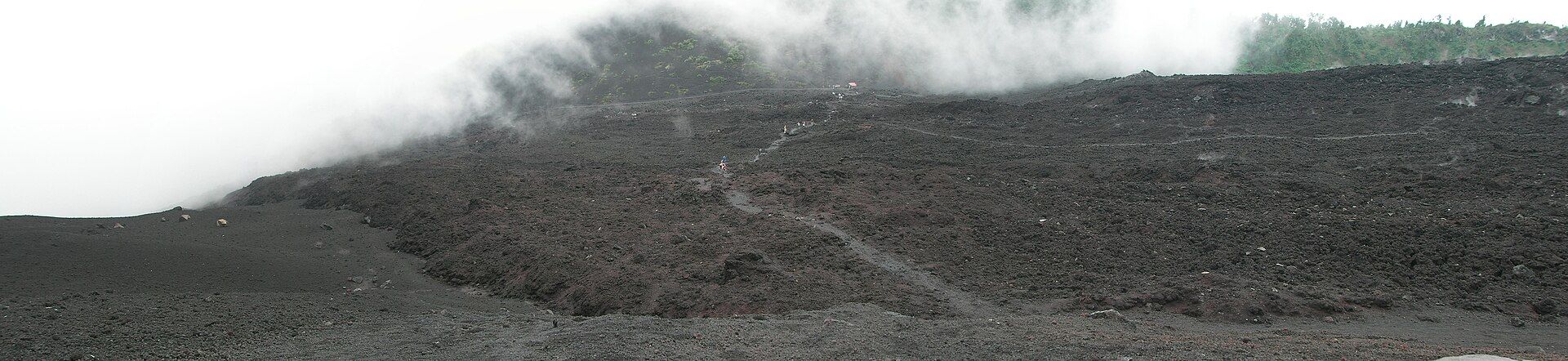
Pacaya, Escuintla, near Antigua, southern Guatemala

Pacaya

Escuintla, near Antigua, southern Guatemala

One of Central America's most active volcanoes, an accessible cone near Antigua where hikers walk over old lava fields toward the glow of a restless summit.

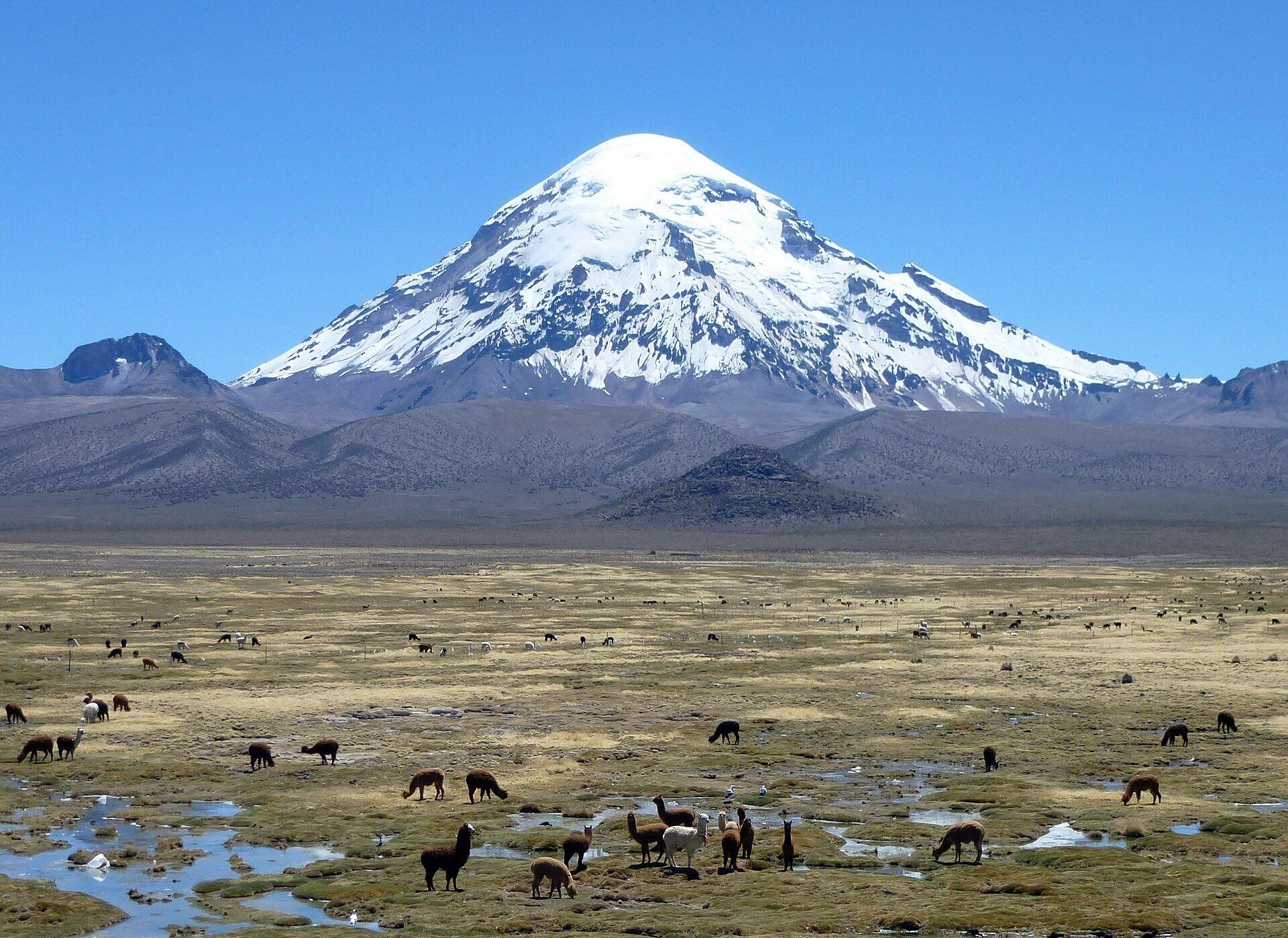
The snow-capped cone of Nevado Sajama rising above brown hills and a wet Altiplano grassland where llamas and alpacas graze, Sajama National Park, Bolivia

Sajama National Park

Western Altiplano, Oruro Department, Bolivia, on the border with Chile
Bolivia's first protected area: a high Altiplano park crowned by Nevado Sajama, at 6,542 m the country's highest mountain, with some of the world's highest woodland, geysers, hot springs and vicuñas grazing beneath snow-capped volcanoes.

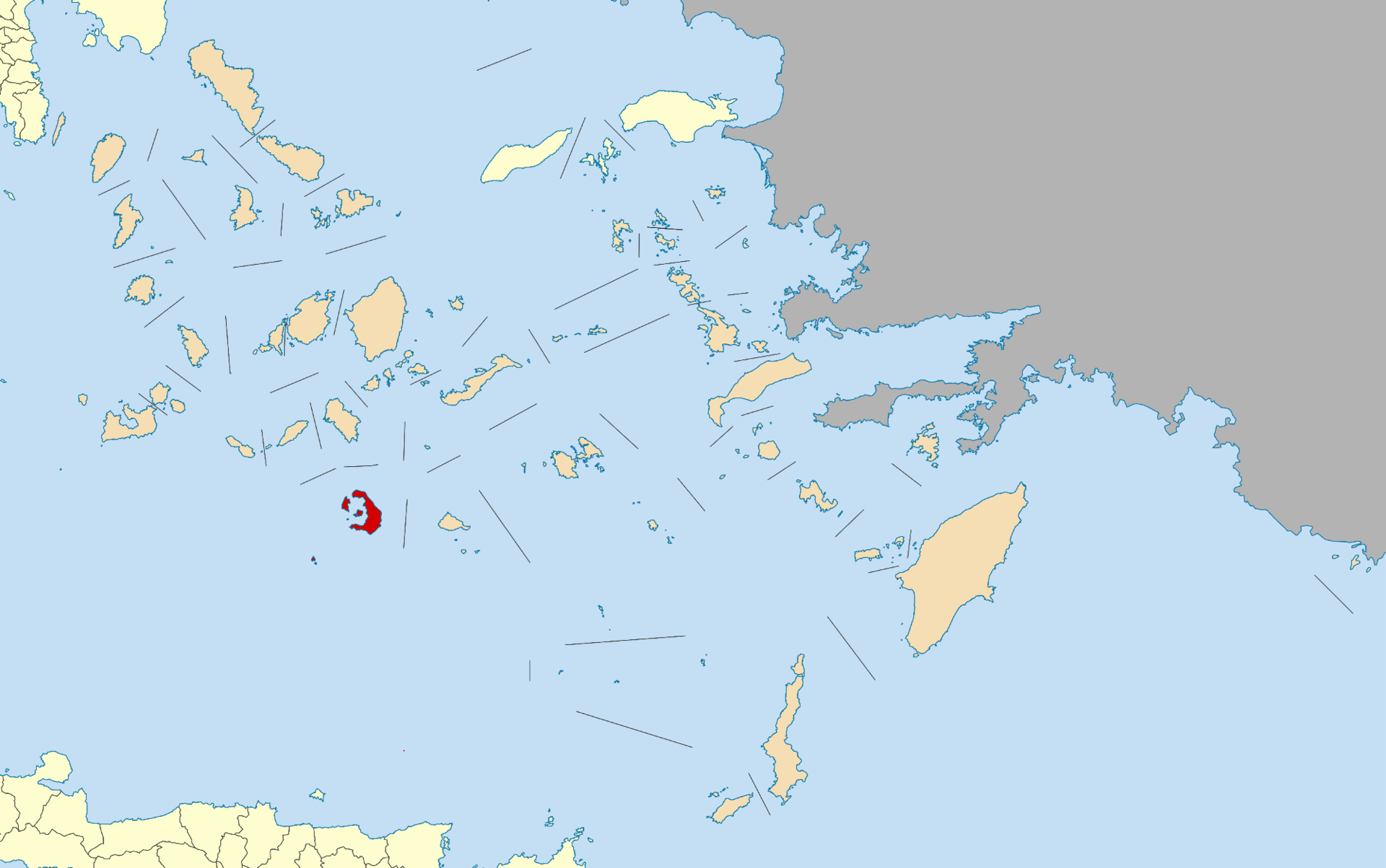
Santorini Caldera, Cyclades, Aegean Sea, Greece

Santorini Caldera

Cyclades, Aegean Sea, Greece

A flooded volcanic crater ringed by 300-metre cliffs of banded ash and lava — the drowned remains of one of the largest eruptions in human history.

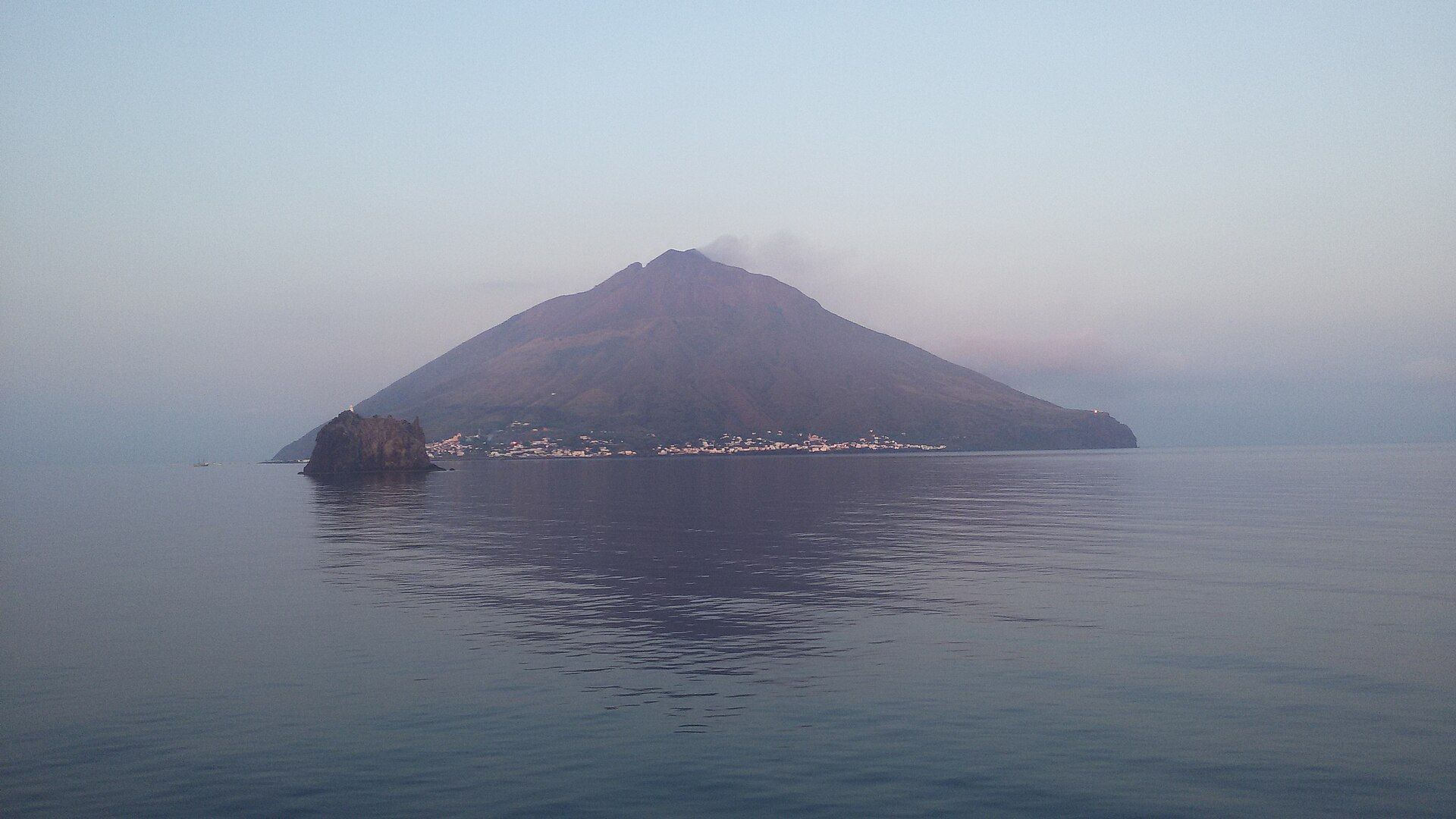
The cone of Stromboli rising from a calm, pale sea at dawn, a wisp of volcanic gas drifting from its summit, the white houses of Stromboli village along the shore and the rock of Strombolicchio in front

Stromboli

Aeolian Islands, Tyrrhenian Sea, off the north coast of Sicily, Italy

An island volcano in the Aeolian archipelago that has erupted in small bursts of gas and glowing lava for at least 2,000 years — the volcano that gave 'Strombolian' eruptions their name, with lava flows sliding down the Sciara del Fuoco into the sea.

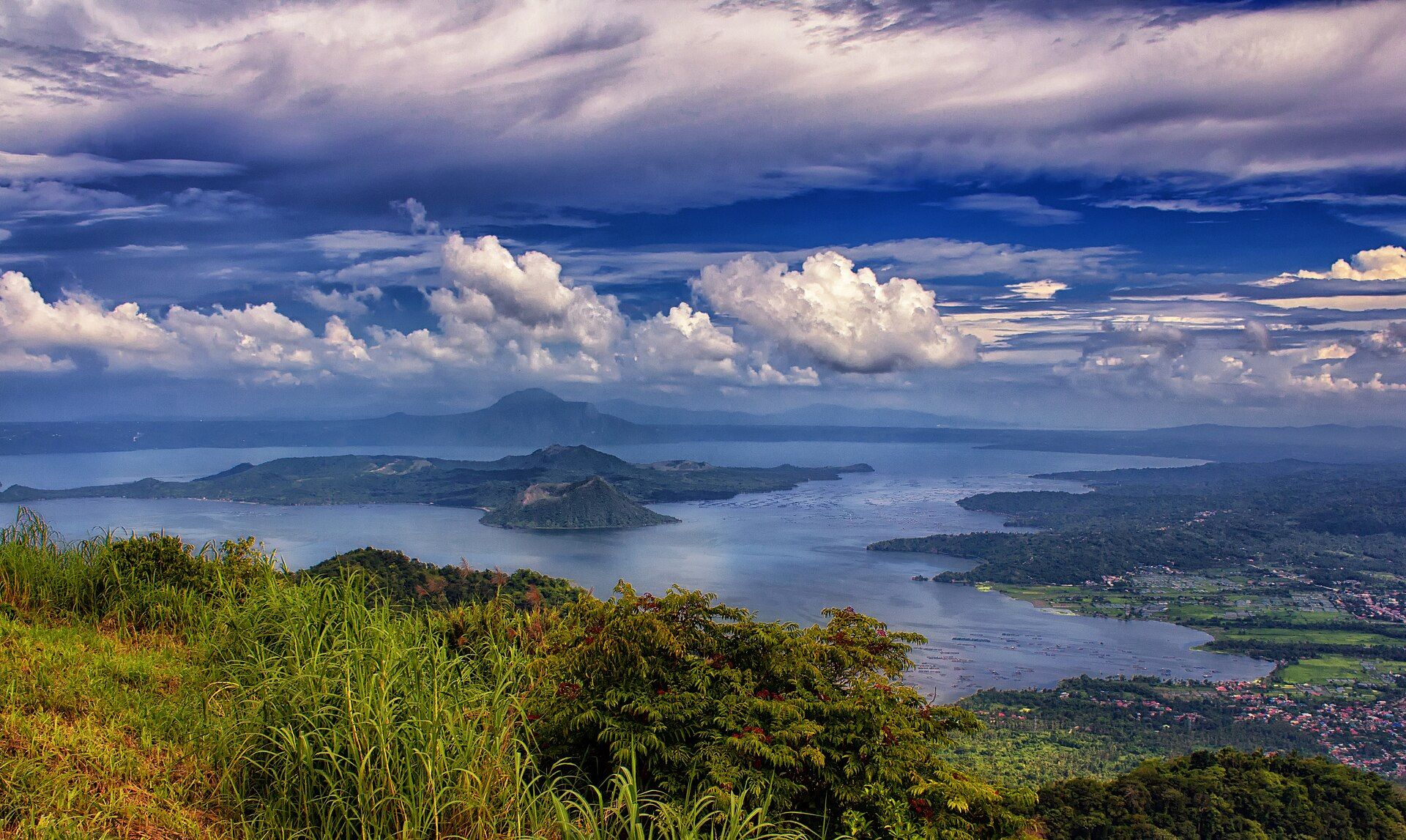
Taal Volcano & Lake, Batangas, Calabarzon, Philippines

Taal Volcano & Lake

Batangas, Calabarzon, Philippines

A volcano within a lake within a volcano — one of the world's smallest and most active volcanoes, sitting on an island inside a crater lake that fills a far larger ancient caldera, just south of Manila.

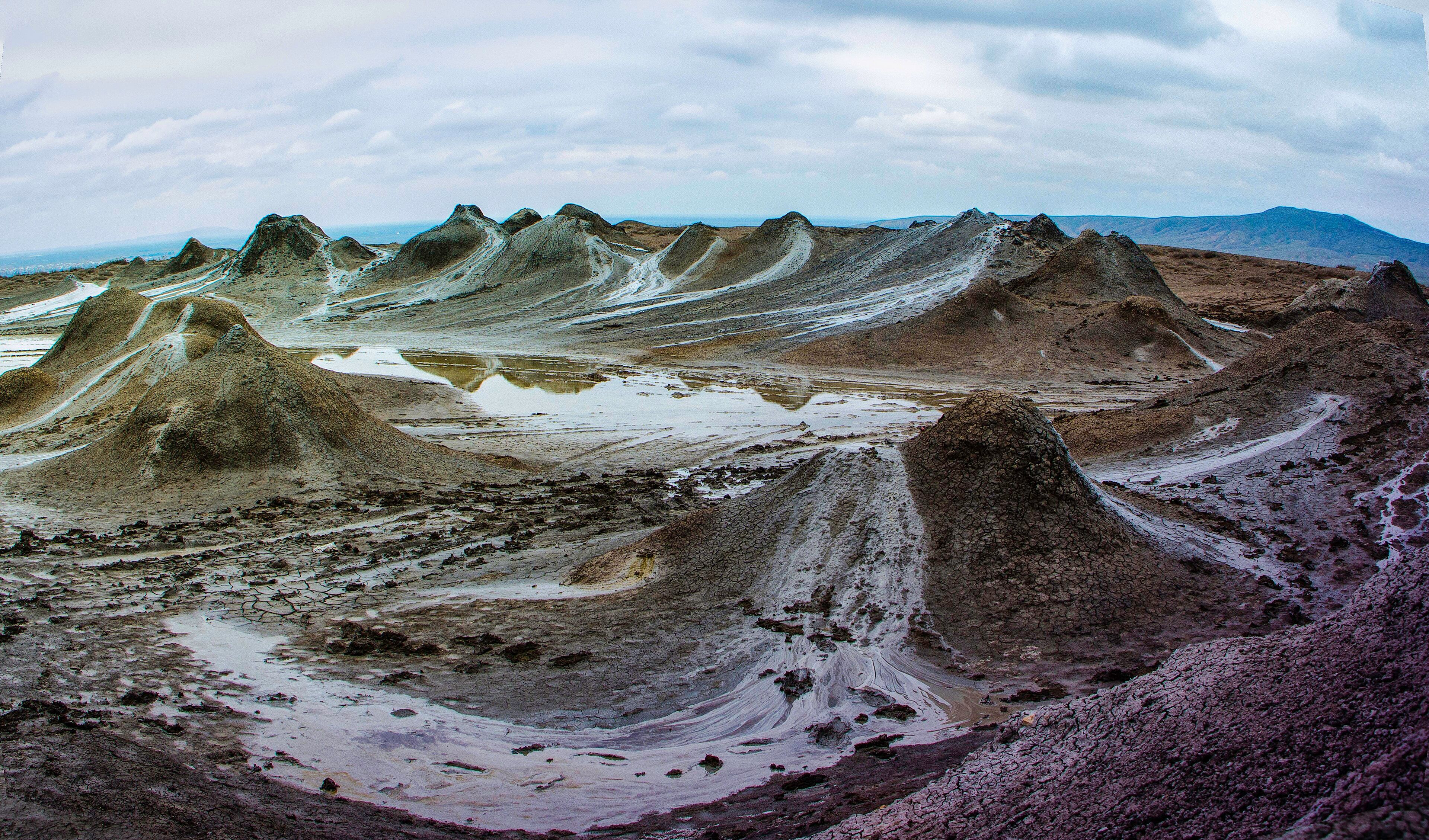
Mud volcanoes at Gobustan, southwest of Baku, Azerbaijan

The Gobustan Mud Volcanoes

Gobustan District, southwest of Baku, Azerbaijan

A grey lunar plain of cones that erupt cold — mud, brine and methane pushed up from kilometres below by gas pressure rather than heat, in the country that has more of them than anywhere on Earth.

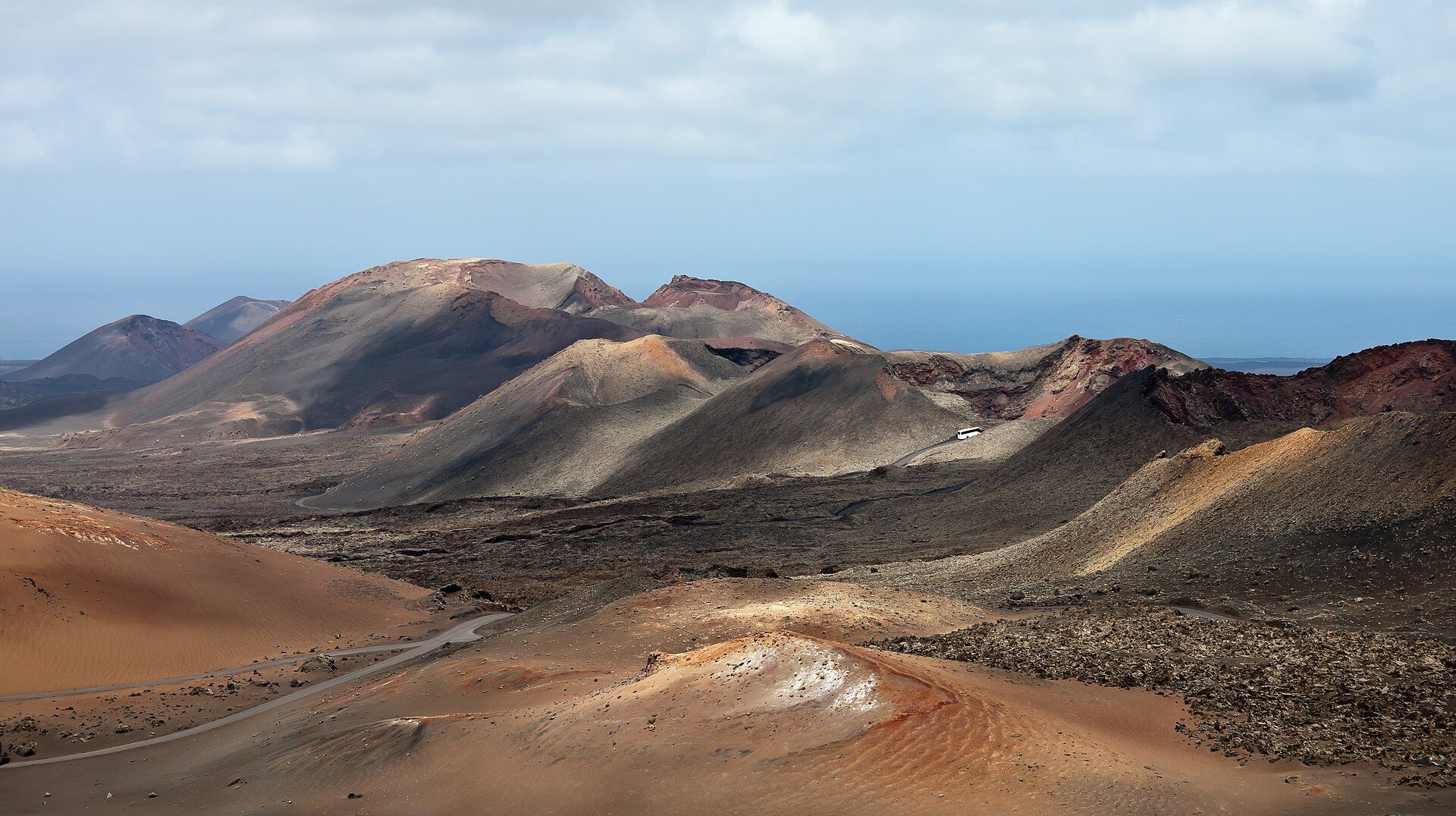
Rust-red, ochre and grey volcanic cones rising above a dark lava field, with a white coach on the winding Ruta de los Volcanes road and the Atlantic on the horizon, Timanfaya National Park, Lanzarote

Timanfaya National Park

South-west Lanzarote, Canary Islands, Spain, in the municipalities of Yaiza and Tinajo

A 51 km² national park of lava fields and volcanic cones on Lanzarote, formed by historic eruptions — the great outpouring of 1730–1736 and the island's last eruption in 1824 — where the ground just below the surface still reaches hundreds of degrees.

Tongariro National Park, Central Plateau, North Island, New Zealand

Tongariro National Park

Central Plateau, North Island, New Zealand

New Zealand's oldest national park — a volcanic heartland of steaming craters, brilliant emerald lakes, and lava fields, crossed by one of the world's finest day hikes, and gifted to the nation by Māori in 1887 to keep it intact.