Ol Doinyo Lengai
📍 Gregory Rift, near Lake Natron, Northern Tanzania
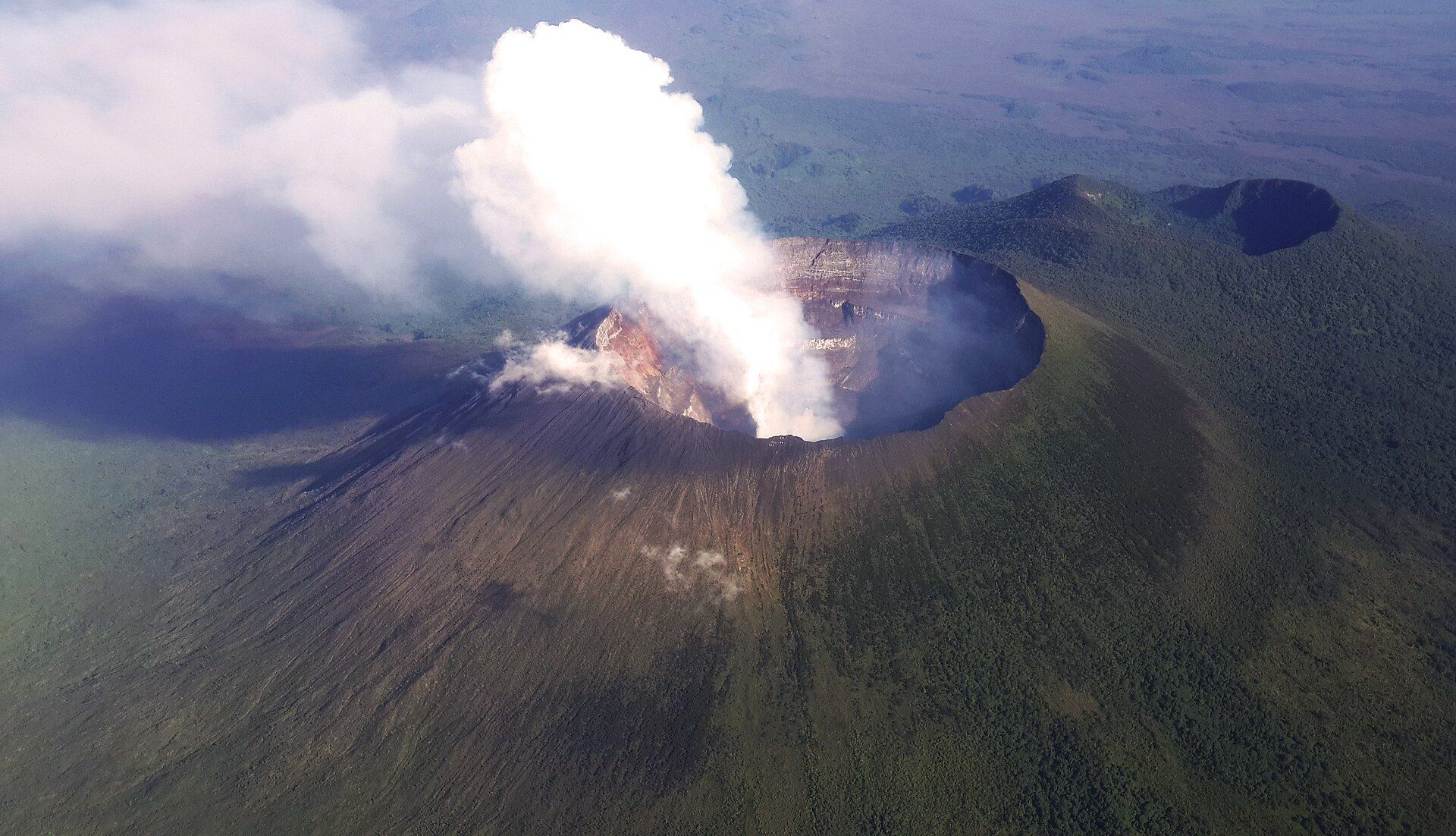
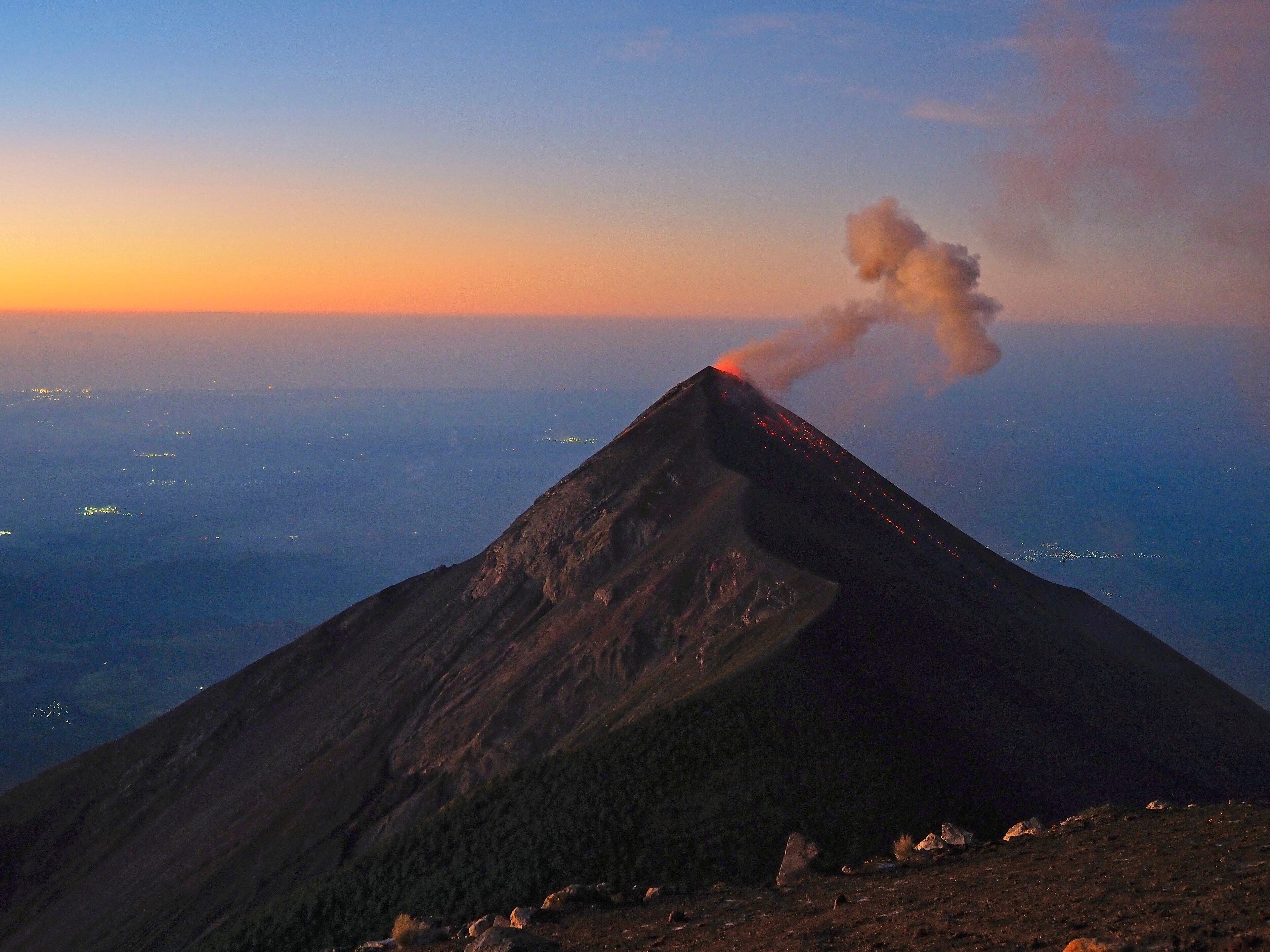
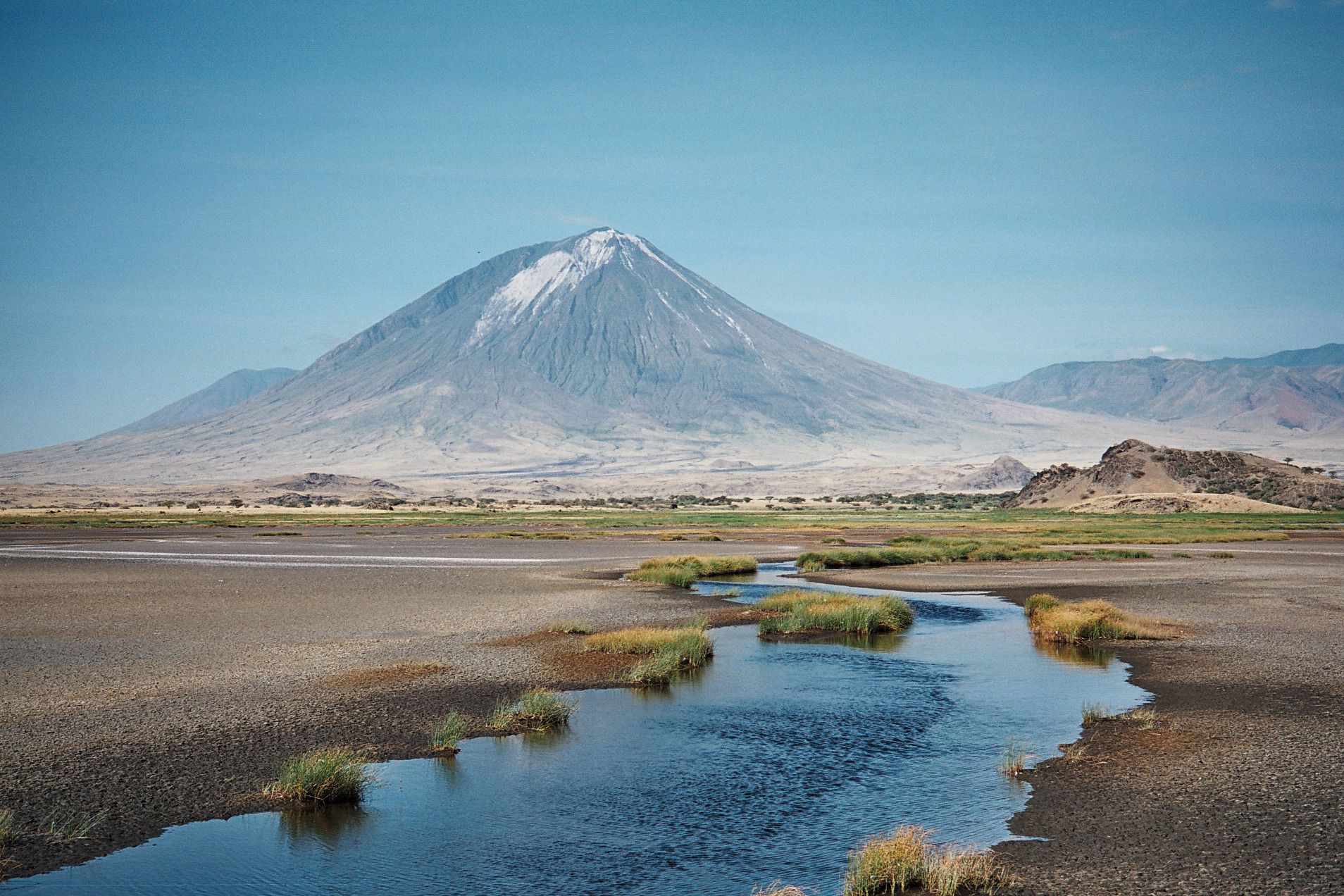
The 'Mountain of God' — a near-perfect ash cone in the Rift Valley and the only active volcano on Earth known to erupt natrocarbonatite, a strange, cool, runny lava that flows black and dries chalky white.
What makes it marvelous
Ol Doinyo Lengai is unlike any other active volcano in the world. Instead of the silica-rich lava of most volcanoes, it erupts natrocarbonatite — a carbonate melt so unusual that it pours out at only around 500–600°C (far cooler than ordinary lava), flows almost like water, and looks black or dark brown when molten. Exposed to air and moisture it quickly weathers to a pale grey-white, so the summit crater can look snow-dusted in the tropics. Its Maasai name, Ol Doinyo Lengai, translates as 'Mountain of God'.
Why visit
It is a genuine scientific one-off and a serious, rewarding climb. The steep overnight ascent to the crater rim, usually started around midnight to reach the top at dawn, delivers sunrise over the Rift Valley, Lake Natron and — when the mountain is active — a look into a crater found nowhere else on the planet.
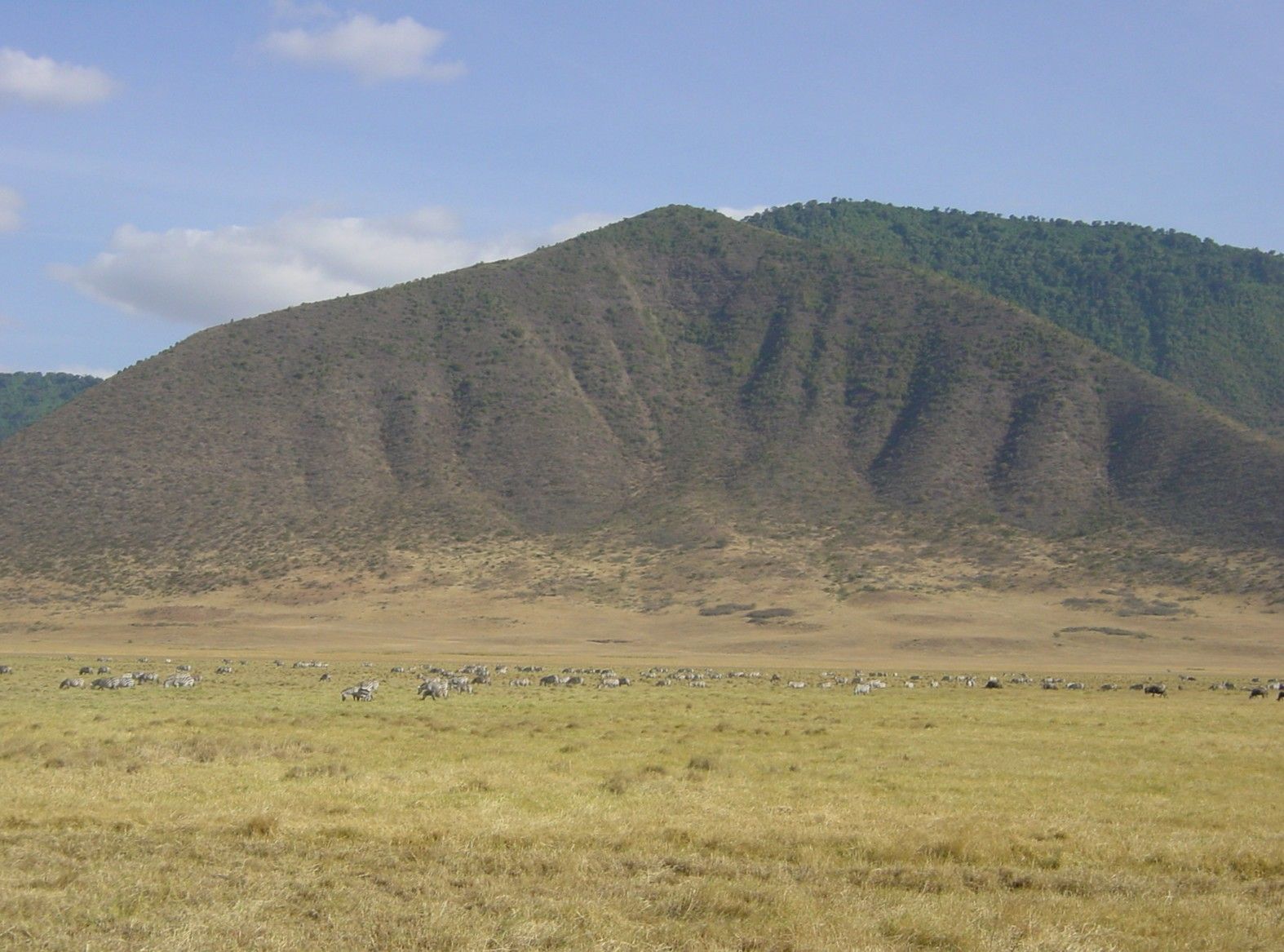
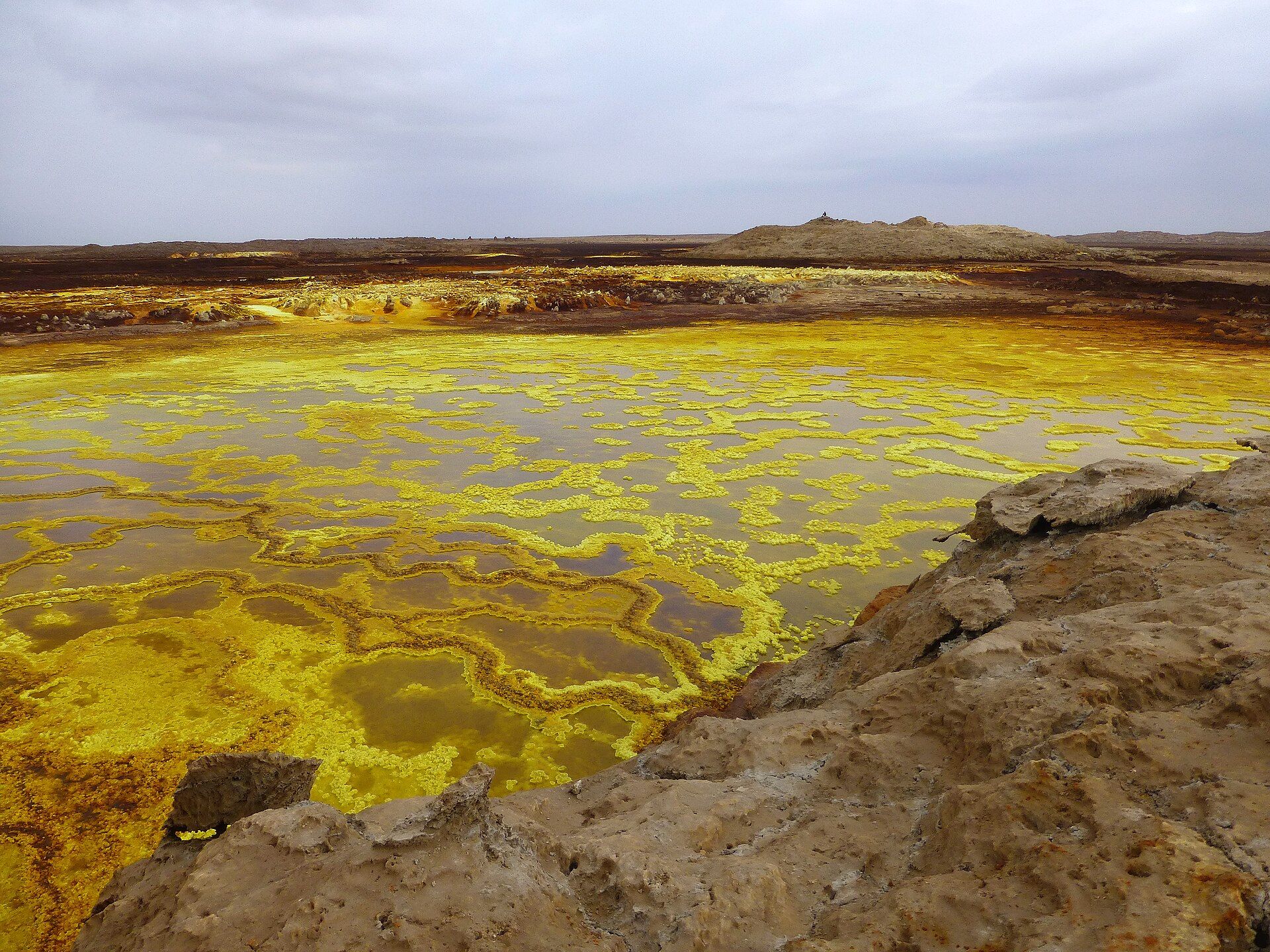
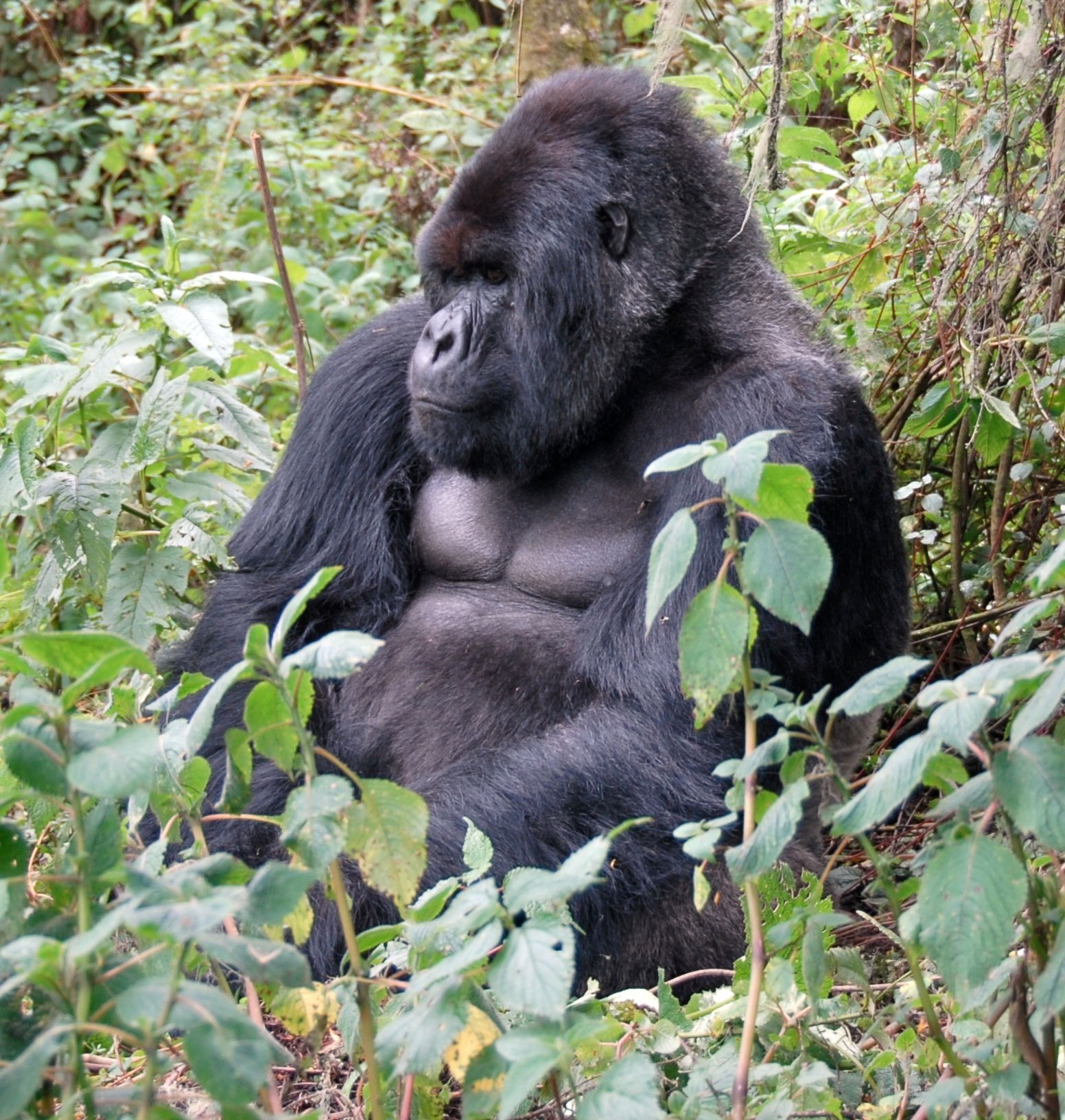
More views of Ol Doinyo Lengai
Additional photographs of the actual site — each freely licensed, with its photographer and licence credited.
What to know before you go
🗓️ Best time
June to October, the drier months, for the most stable footing on the steep ash; the volcano is genuinely active and its status changes, so its accessibility and safety are set by current conditions.
🧭 Getting there & access
Near Lake Natron in the remote north. Climbs start from villages at the base with a mandatory local guide; the ascent is a hard overnight push on steep, loose ground. Access and safety depend on the volcano's current activity.
Good to know
- Start the climb around midnight to reach the rim by sunrise and descend before the heat.
- Only attempt it with an experienced local guide — the ash slopes are steep and loose.
- Check the volcano's current activity level before committing; it erupts unpredictably.
Plan your visit
Expedition🧭 Getting there
From Arusha (ARK) or Kilimanjaro (JRO), Northern Tanzania
- Fly to Kilimanjaro or Arusha and drive north toward Lake Natron
- The drive to the base villages is a long rough half-day on gravel
- Climbs begin from the base with a local guide, typically overnight
- Total travel
- Most of a day's drive from Arusha to the base
- Time at site
- An overnight climb; 2–3 days including travel and rest
- Access
- Ascents are arranged with mandatory local guides from the base villages, and a conservation or community fee applies. This is an active volcano whose behaviour changes, so whether — and how — it can be climbed depends on its current status; take current local advice seriously.
🎒 What to bring & consider
- Strong footwear with grip for very steep, loose ash
- A head torch and warm layer for the cold midnight start
- Ample water and salts for a strenuous, dehydrating climb
- A genuine level of fitness — this is a hard, steep ascent
👁️ What to expect
- Crowds
- Few climbers; this is a demanding, specialist objective.
- Conditions
- A steep, punishing overnight climb on loose ground, hot by day.
- Facilities
- None on the mountain; basic camps and lodges near Lake Natron.
- The view
- Dawn from the crater rim over the Rift Valley and Lake Natron — earned only by the overnight climb.
Times and requirements are approximate and change with season, weather, and local rules — confirm permits, fares, and schedules with operators before you travel.
Natural riches of the area
- The world's only active natrocarbonatite volcano
- A classic Rift Valley ash cone with a dynamic summit crater
- Nearby Lake Natron and its flamingo breeding grounds
- Maasai pastoral homeland at its base
Local food
- Nyama choma
- Charcoal-grilled meat, the celebratory dish across Tanzania.
- Ugali
- A stiff maize porridge eaten with stews and greens — the national staple.
- Fermented milk
- Soured milk is central to the Maasai diet in this region.
Ol Doinyo Lengai is the strangest active volcano on Earth. Almost every other volcano erupts silica-rich lava; this one, alone among active volcanoes, produces natrocarbonatite — a carbonate melt so peculiar that it emerges at only around 500 to 600°C, roughly half the temperature of ordinary lava, and flows so freely it can look almost like black water. On contact with air and moisture it bleaches within days to a chalky grey-white, so the summit can appear frosted even under a tropical sun. Its Maasai name translates as ‘Mountain of God’, and the herders who graze the plains beneath it have watched it erupt for generations.
Rising as a steep, near-symmetrical cone from the floor of the Gregory Rift near Lake Natron, it is both a scientific marvel and a serious climb. The ascent is usually made overnight, starting around midnight to reach the crater rim at dawn, when the sun comes up over the Rift Valley and the soda flats of Natron far below. Because the volcano is genuinely and unpredictably active, its condition — and whether it can be climbed at all — is dictated by the mountain itself, and current local knowledge is essential.
Ol Doinyo Lengai: common questions
How do you get to Ol Doinyo Lengai?
From Arusha (ARK) or Kilimanjaro (JRO), Northern Tanzania: Fly to Kilimanjaro or Arusha and drive north toward Lake Natron; The drive to the base villages is a long rough half-day on gravel; Climbs begin from the base with a local guide, typically overnight. Total travel time: Most of a day's drive from Arusha to the base.
When is the best time to visit Ol Doinyo Lengai?
June to October, the drier months, for the most stable footing on the steep ash; the volcano is genuinely active and its status changes, so its accessibility and safety are set by current conditions.
How long should you spend at Ol Doinyo Lengai?
An overnight climb; 2–3 days including travel and rest. Total travel time: Most of a day's drive from Arusha to the base.
What should you bring to Ol Doinyo Lengai?
Strong footwear with grip for very steep, loose ash A head torch and warm layer for the cold midnight start Ample water and salts for a strenuous, dehydrating climb A genuine level of fitness — this is a hard, steep ascent
Do you need a permit or guide for Ol Doinyo Lengai?
Ascents are arranged with mandatory local guides from the base villages, and a conservation or community fee applies. This is an active volcano whose behaviour changes, so whether — and how — it can be climbed depends on its current status; take current local advice seriously.
Is Ol Doinyo Lengai crowded, and what are conditions like?
Few climbers; this is a demanding, specialist objective. A steep, punishing overnight climb on loose ground, hot by day. Facilities: None on the mountain; basic camps and lodges near Lake Natron.
Added Updated