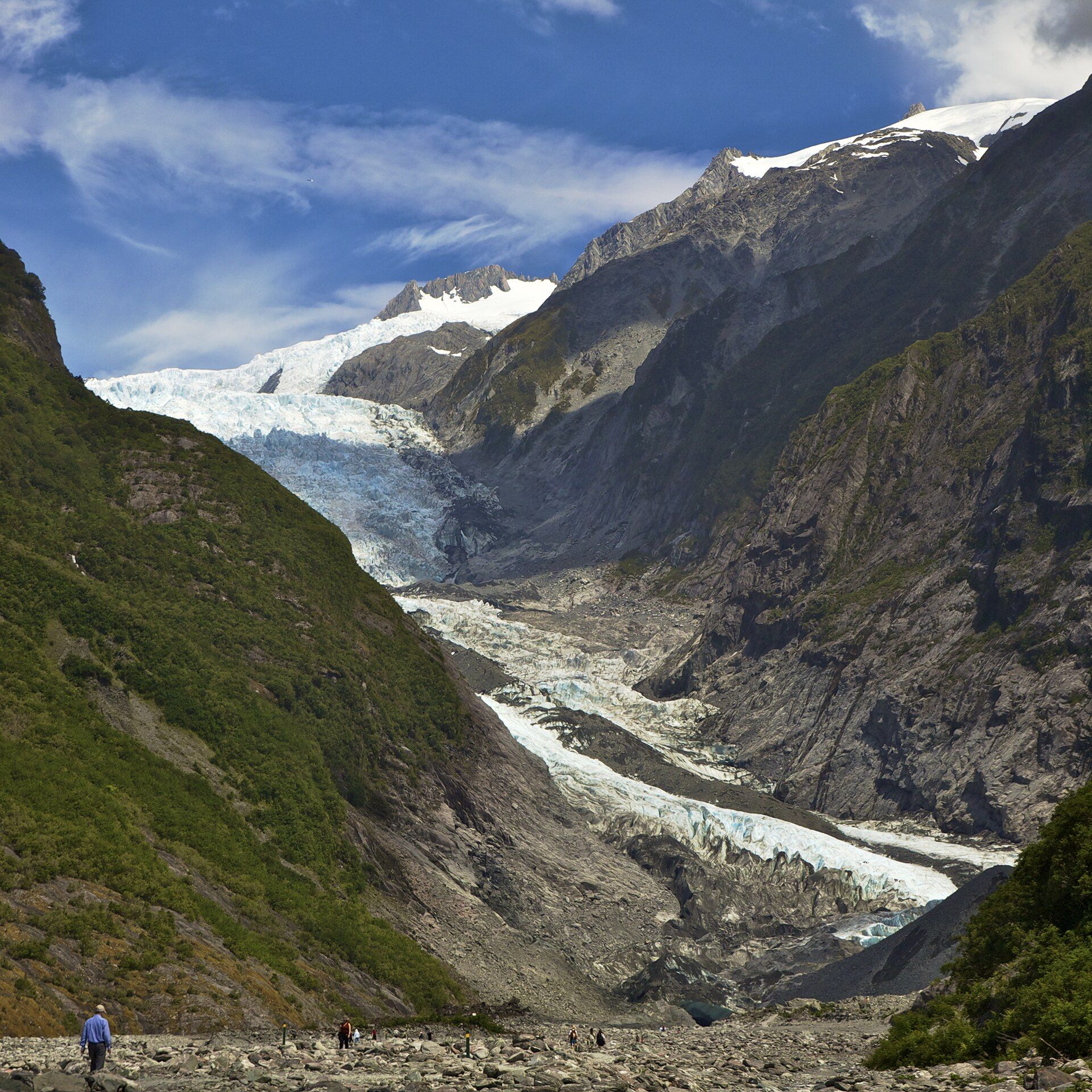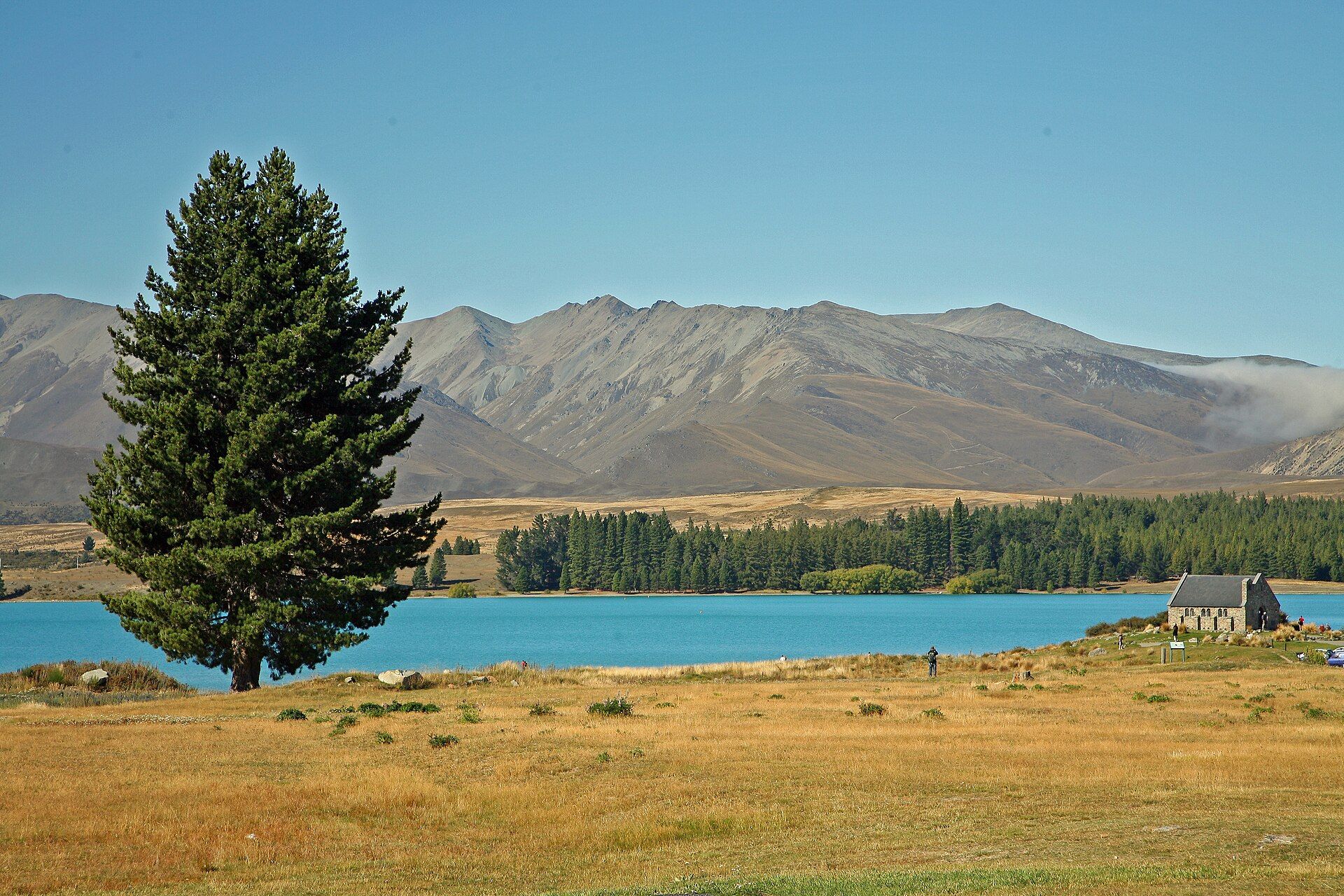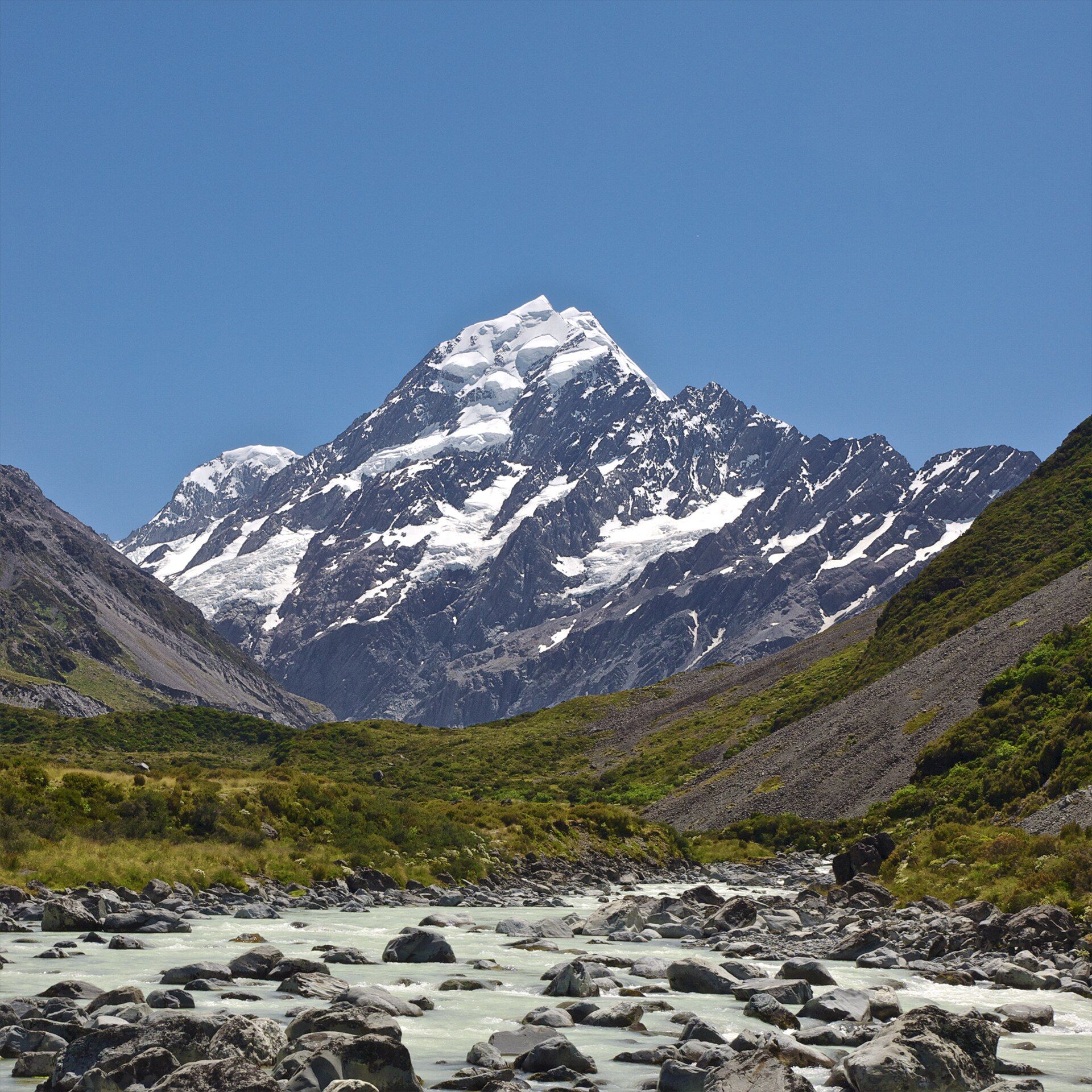
New Zealand's highest peak — a snow-and-ice pyramid rising above glacier-fed turquoise lakes and the country's longest glacier, in the heart of the Southern Alps' greatest concentration of high mountains.
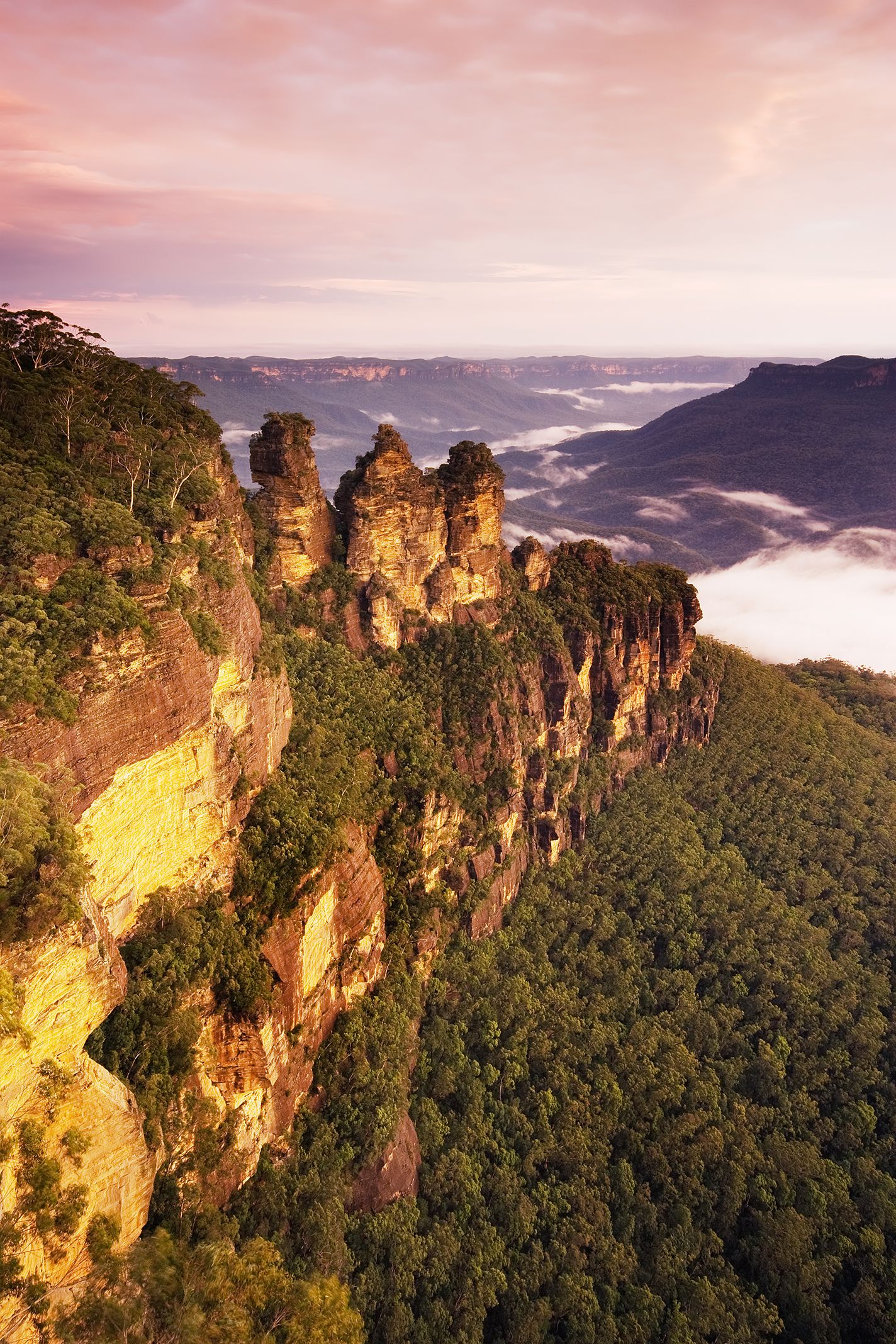
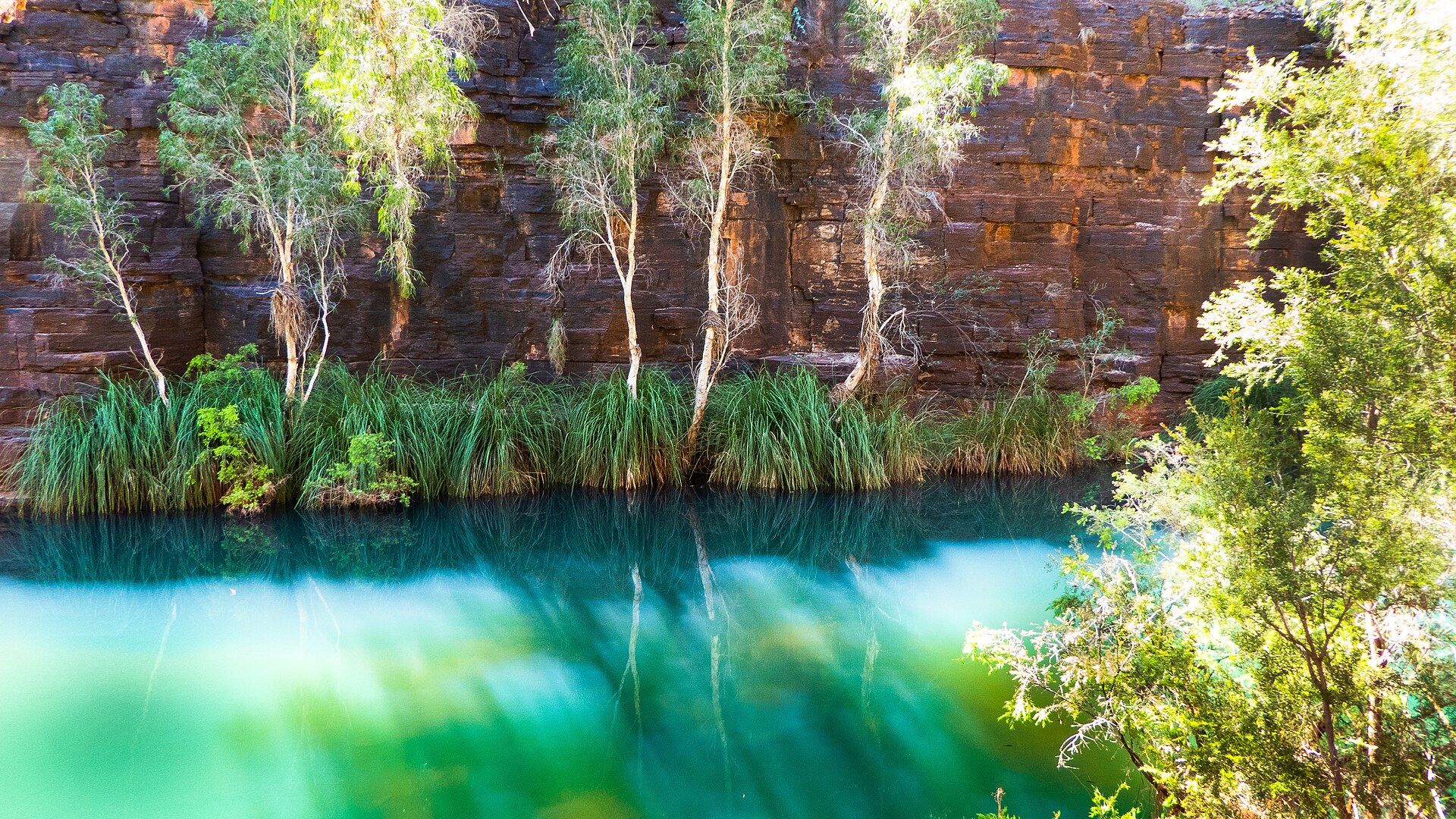
A sandstone plateau slashed by vast eucalypt-filled valleys that shimmer blue with oil haze — home to towering cliffs, waterfalls, and a tree thought extinct for 90 million years.
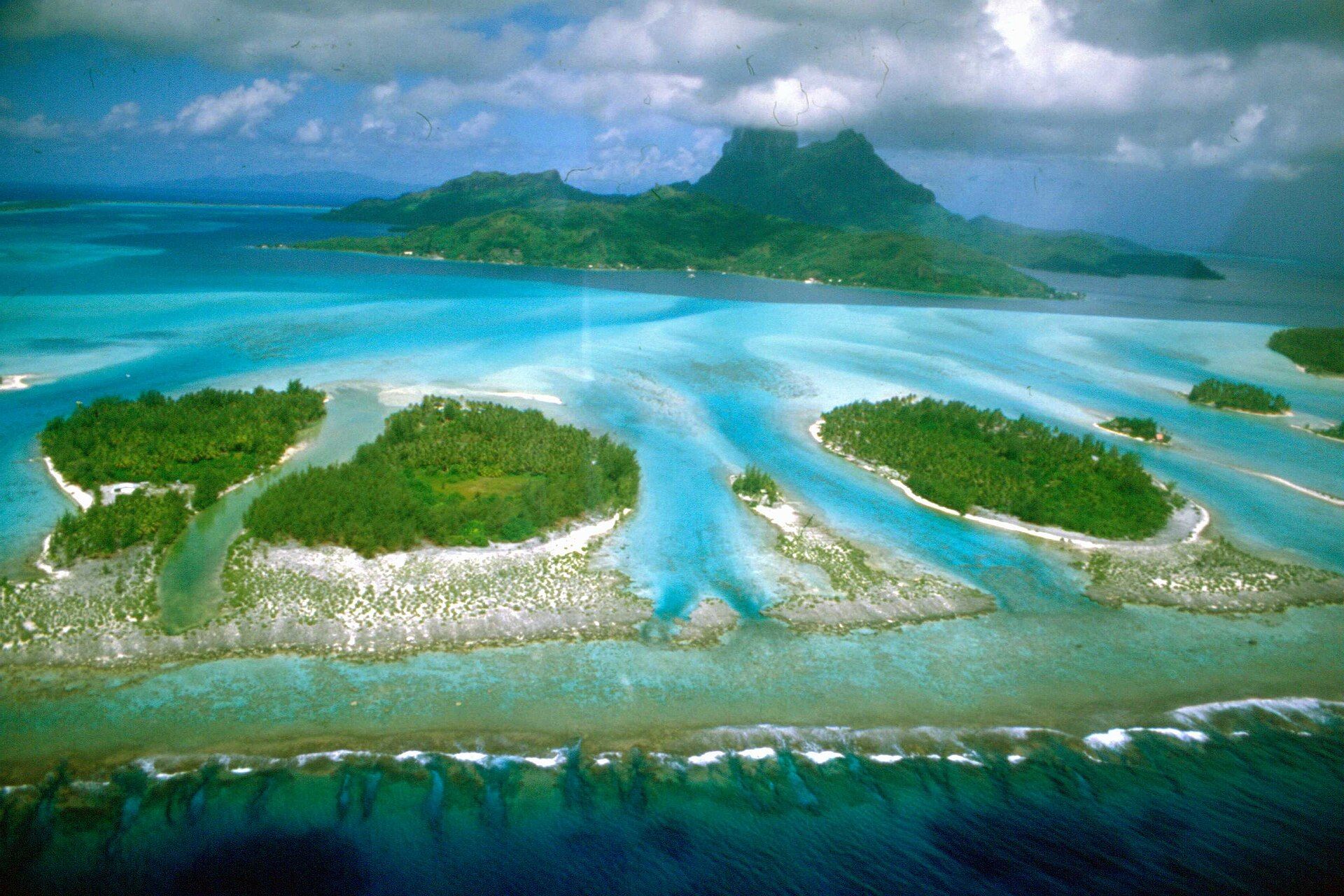
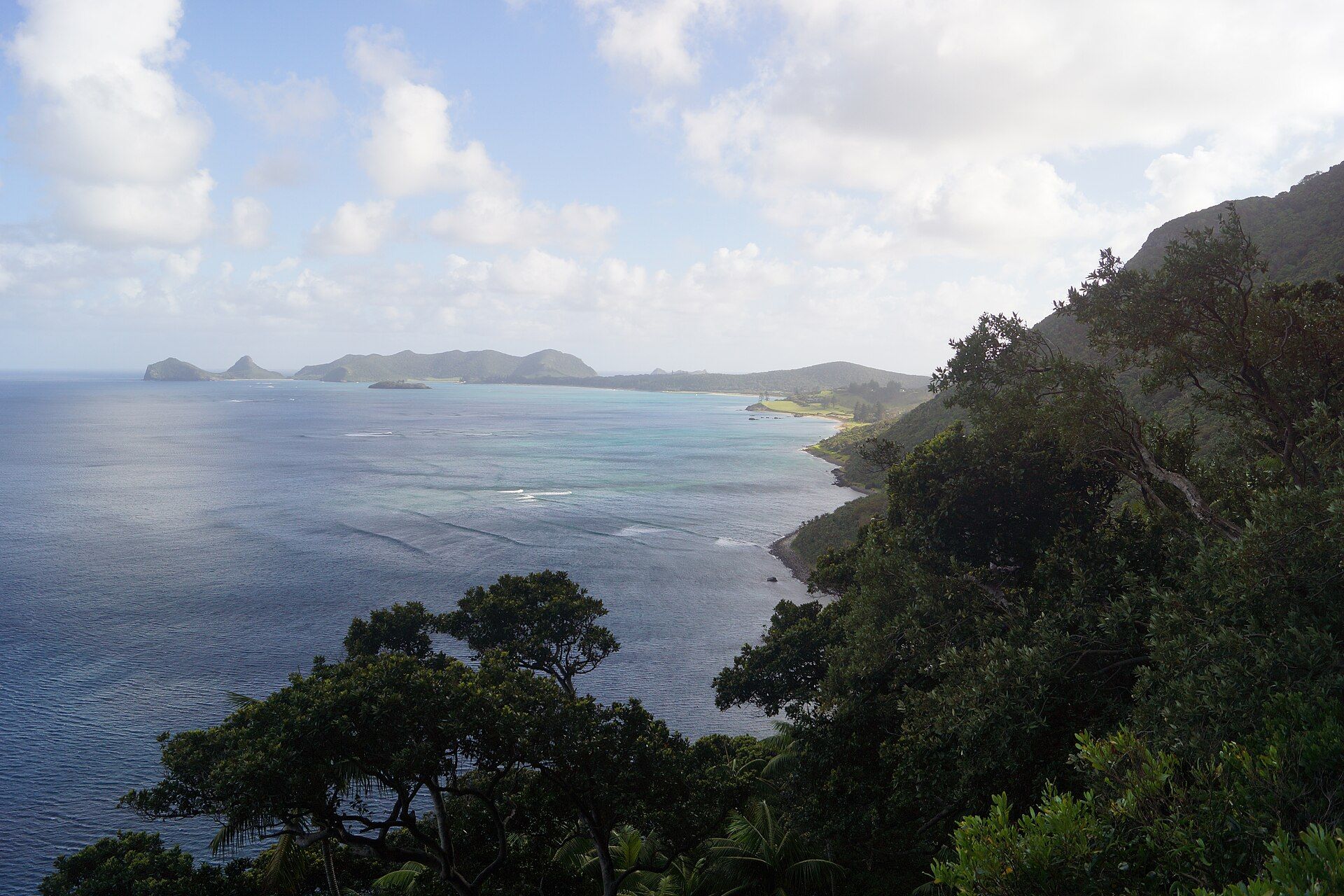
The archetypal South Pacific paradise — a jagged volcanic peak ringed by a luminous turquoise lagoon and a protective coral reef, encircled by palm-fringed islets of white sand.
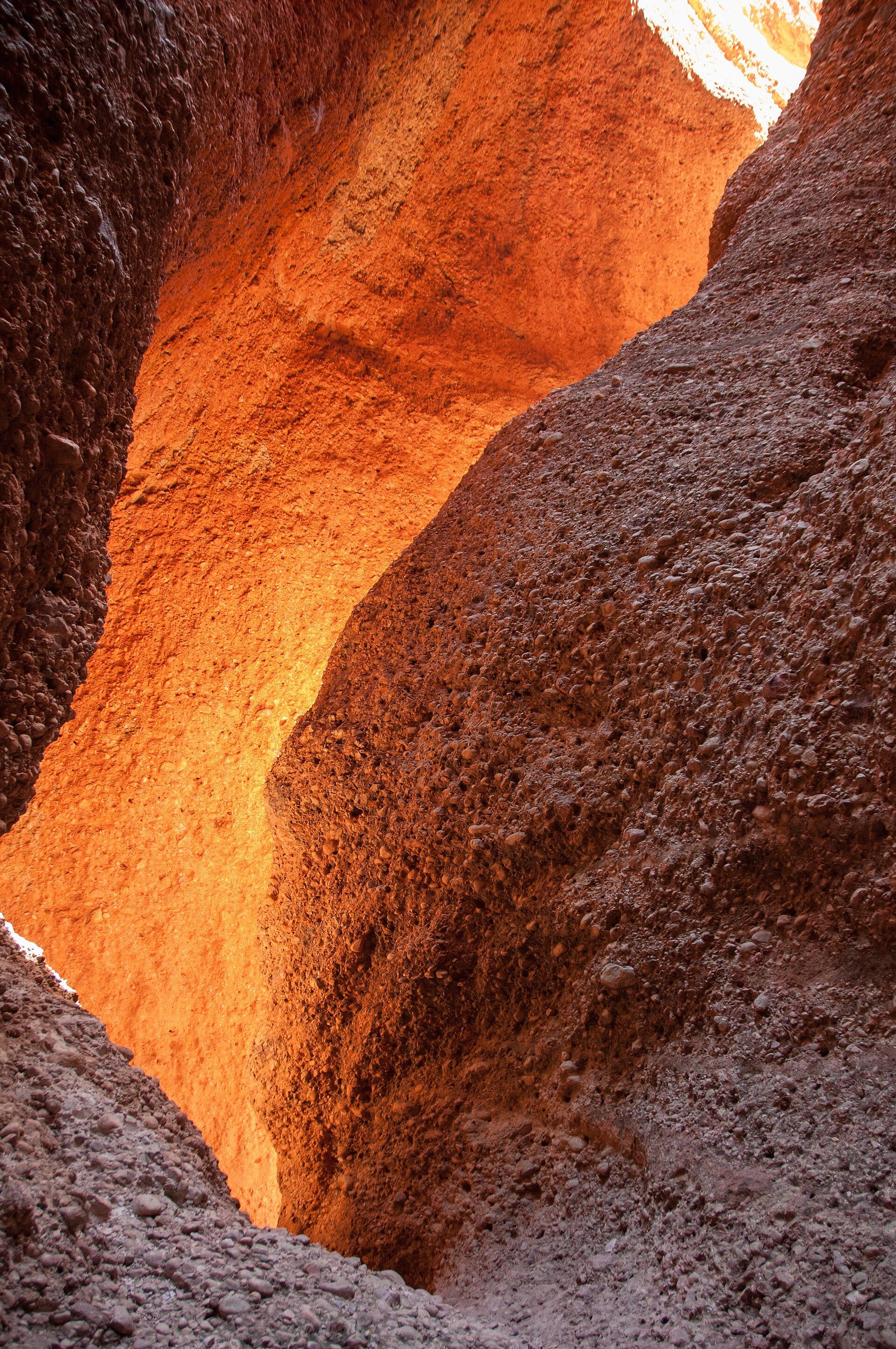
Hundreds of orange-and-black striped sandstone domes rising from the Kimberley outback — a beehive landscape unknown to the wider world until the 1980s.
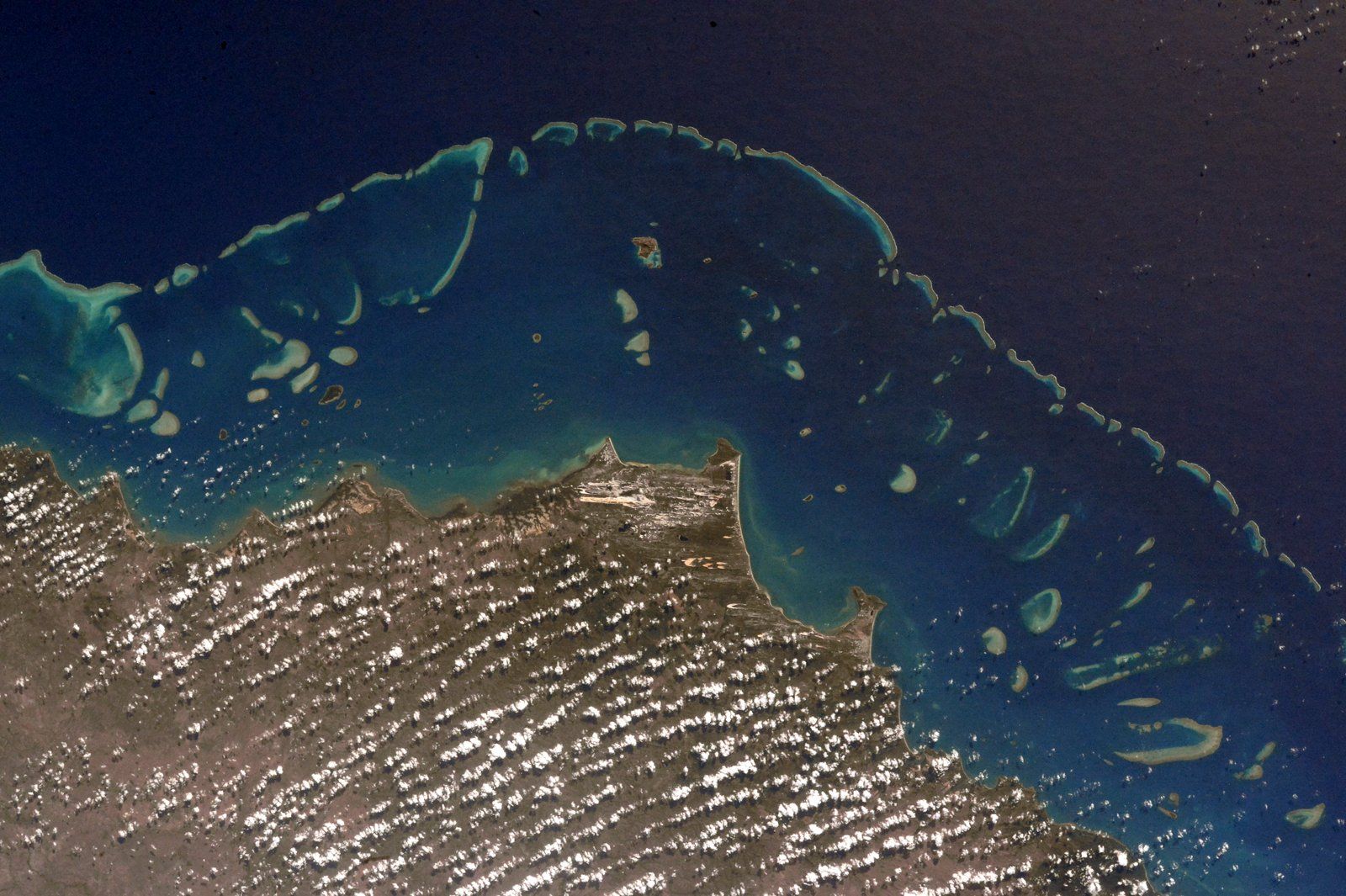
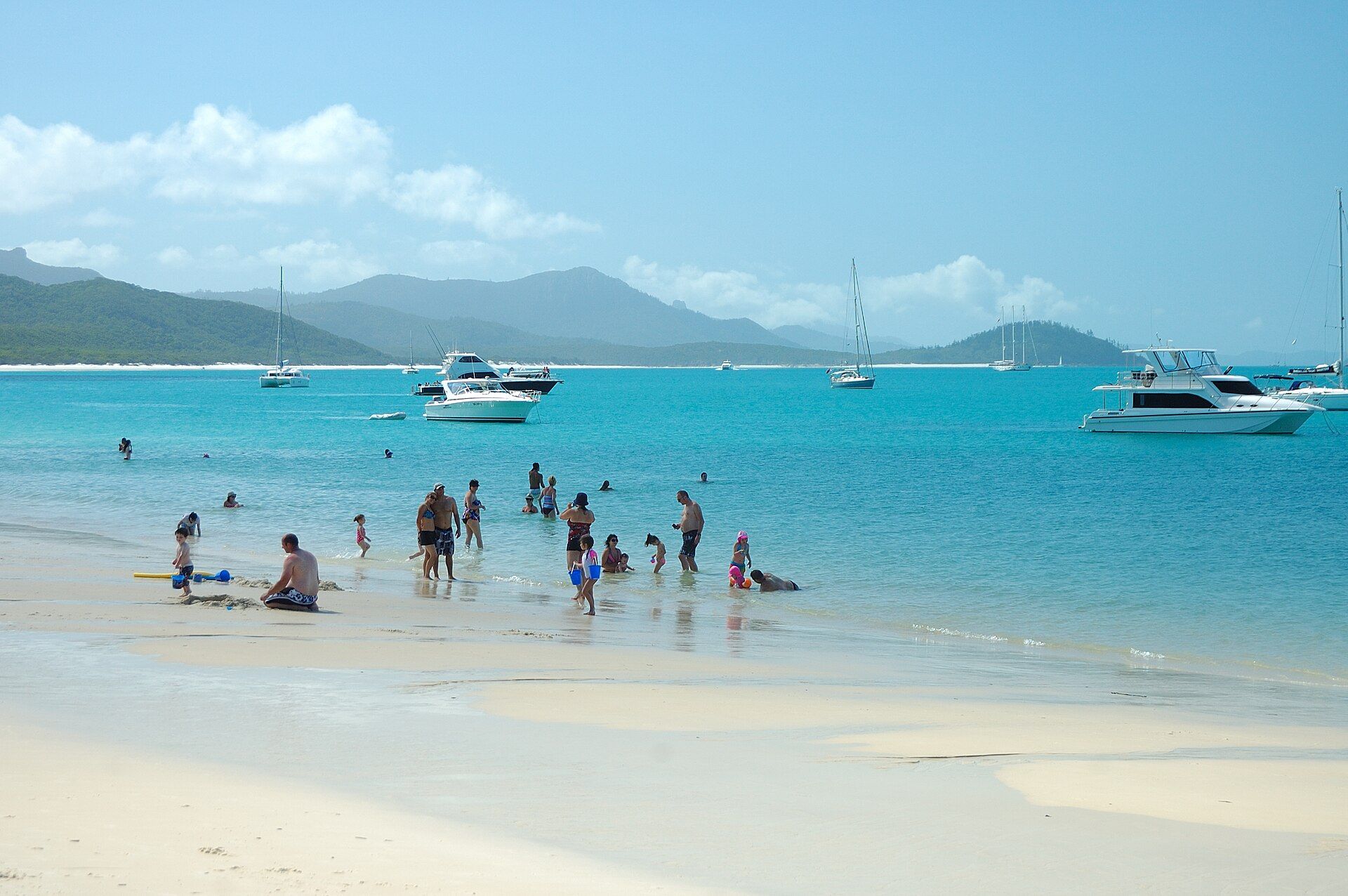
The largest living structure on Earth — a 2,300-kilometre system of nearly 3,000 individual reefs and hundreds of islands off Queensland, so vast it can be seen from space, and among the most biodiverse places in the ocean.
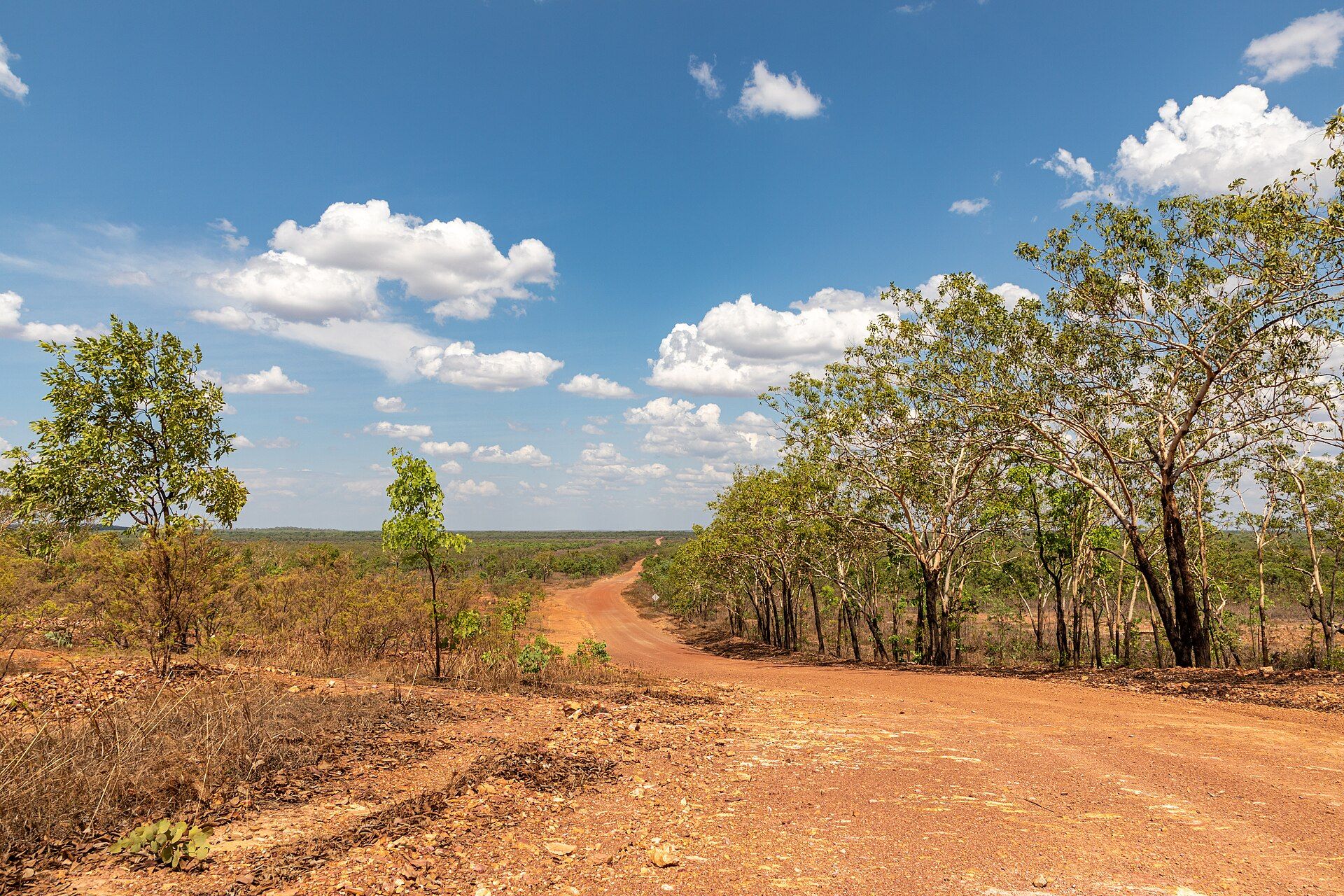
Australia's largest national park — a vast monsoonal landscape of floodplains, waterfalls, and stone country, alive with crocodiles and millions of birds, and holding some of the world's oldest rock art.
Fiordland National Park, South Island, New Zealand
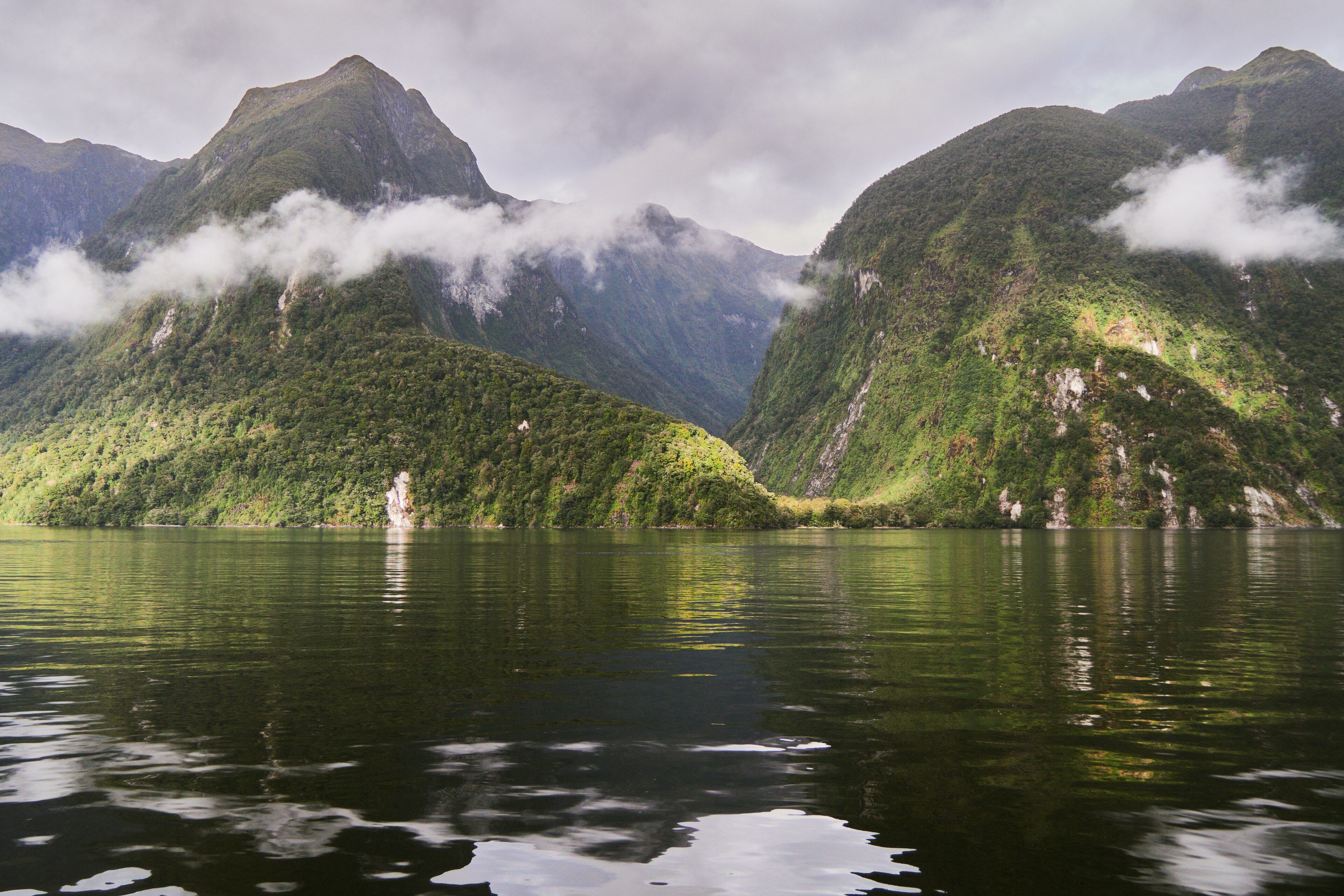
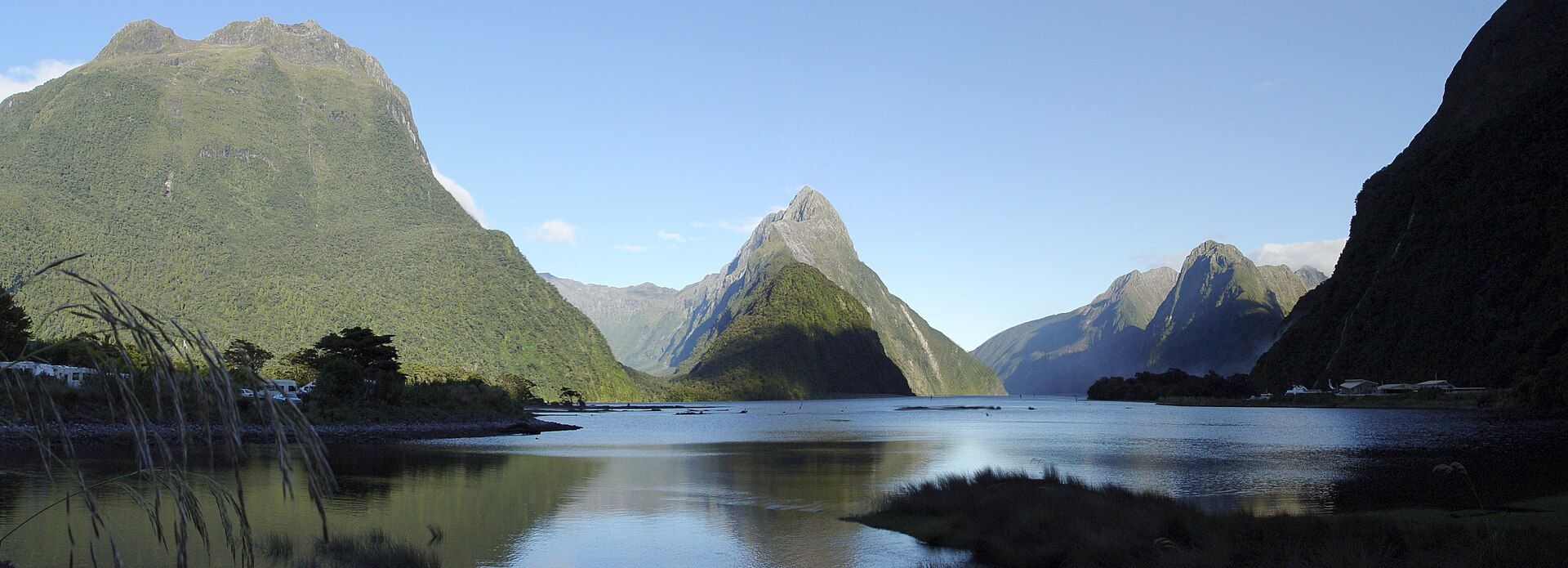
New Zealand's most famous fjord — sheer cliffs and the pyramid of Mitre Peak rising straight from dark water, laced with waterfalls fed by some of the highest rainfall on Earth, in the heart of Fiordland.
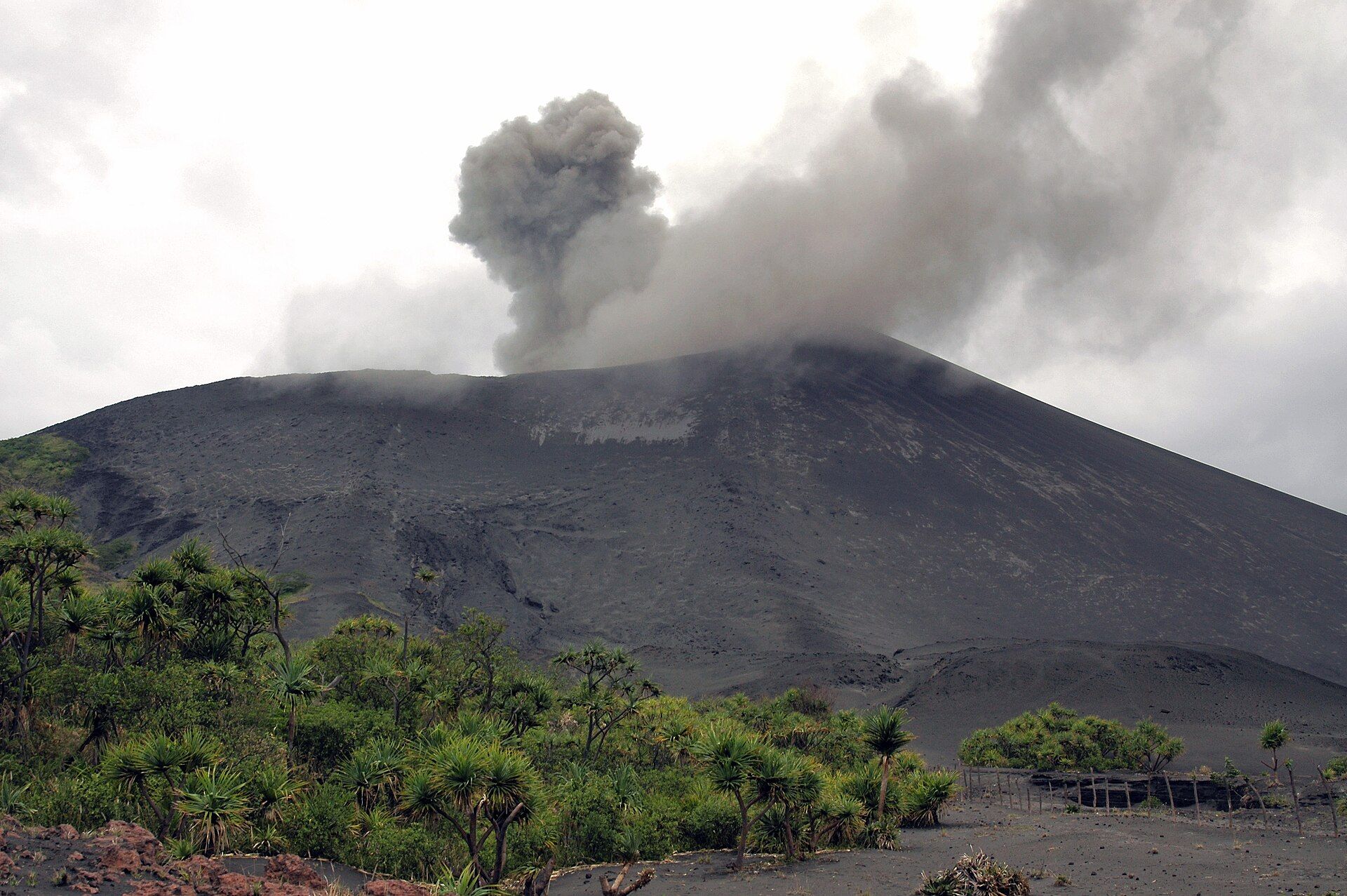
One of the world's most accessible active volcanoes — a crater that has erupted almost continuously for centuries, flinging glowing lava bombs into the night sky just metres from its rim.
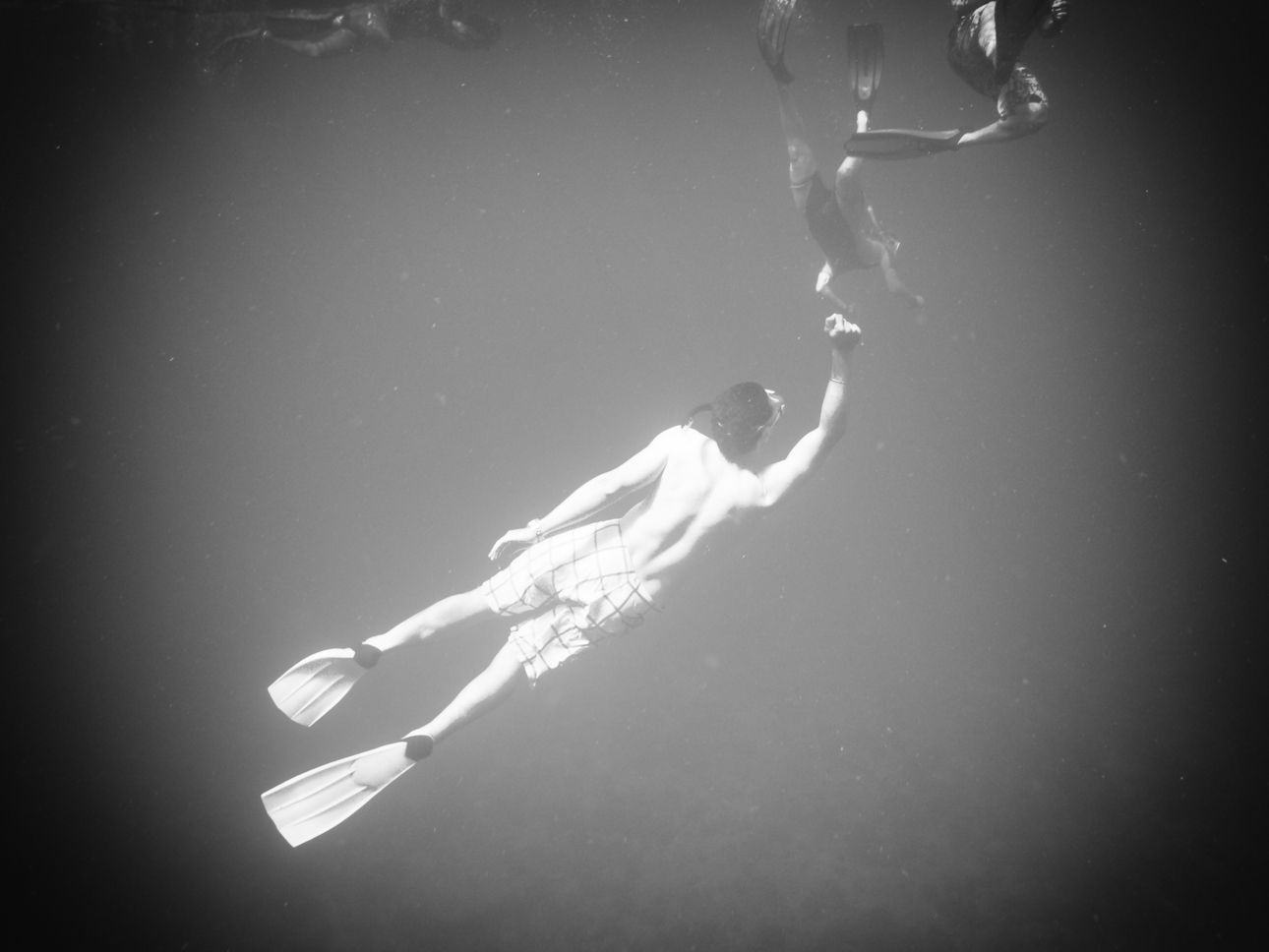
One of the world's largest fringing reefs — a coral wonderland that hugs the shore of Western Australia, where you can wade off the beach to snorkel with turtles, manta rays, and the giant whale shark.
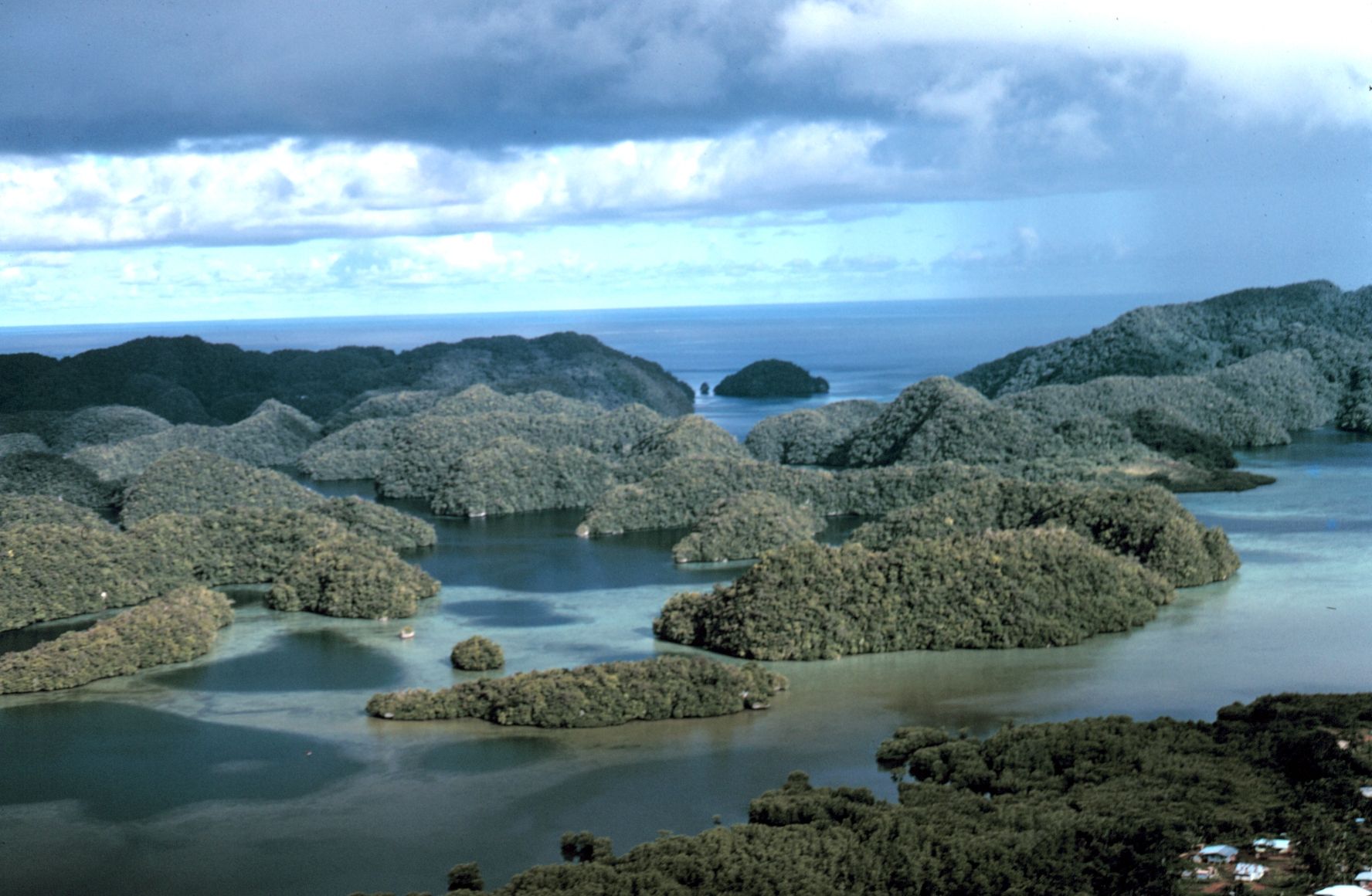
Hundreds of emerald mushroom-shaped limestone islands scattered across a turquoise lagoon — a marine wonderland of hidden lakes, world-class reefs, and a lake full of harmless golden jellyfish.
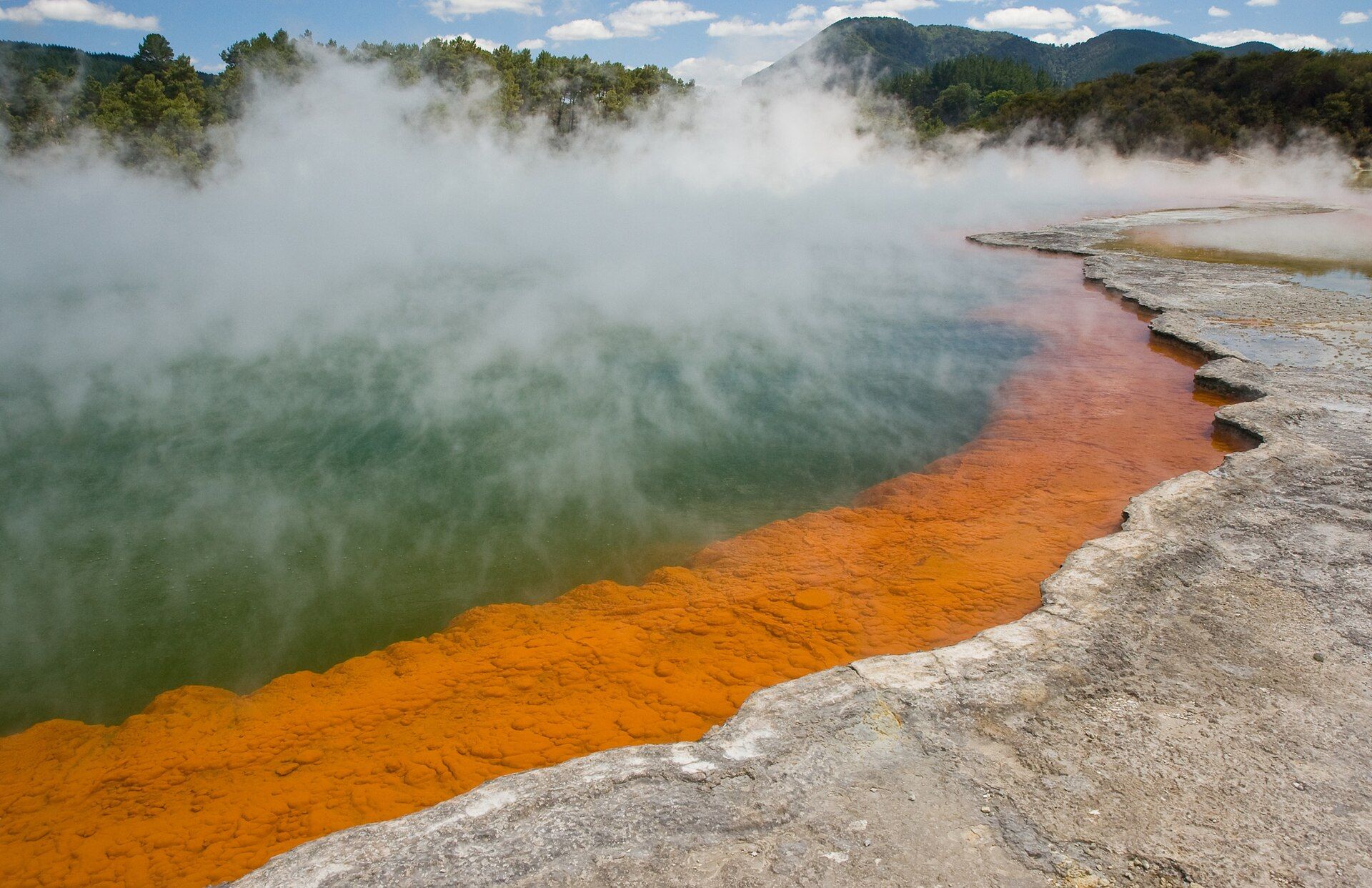
A landscape that steams, bubbles, and erupts — geysers, boiling mud pools, and mineral terraces in impossible colours, at the heart of Māori cultural life.
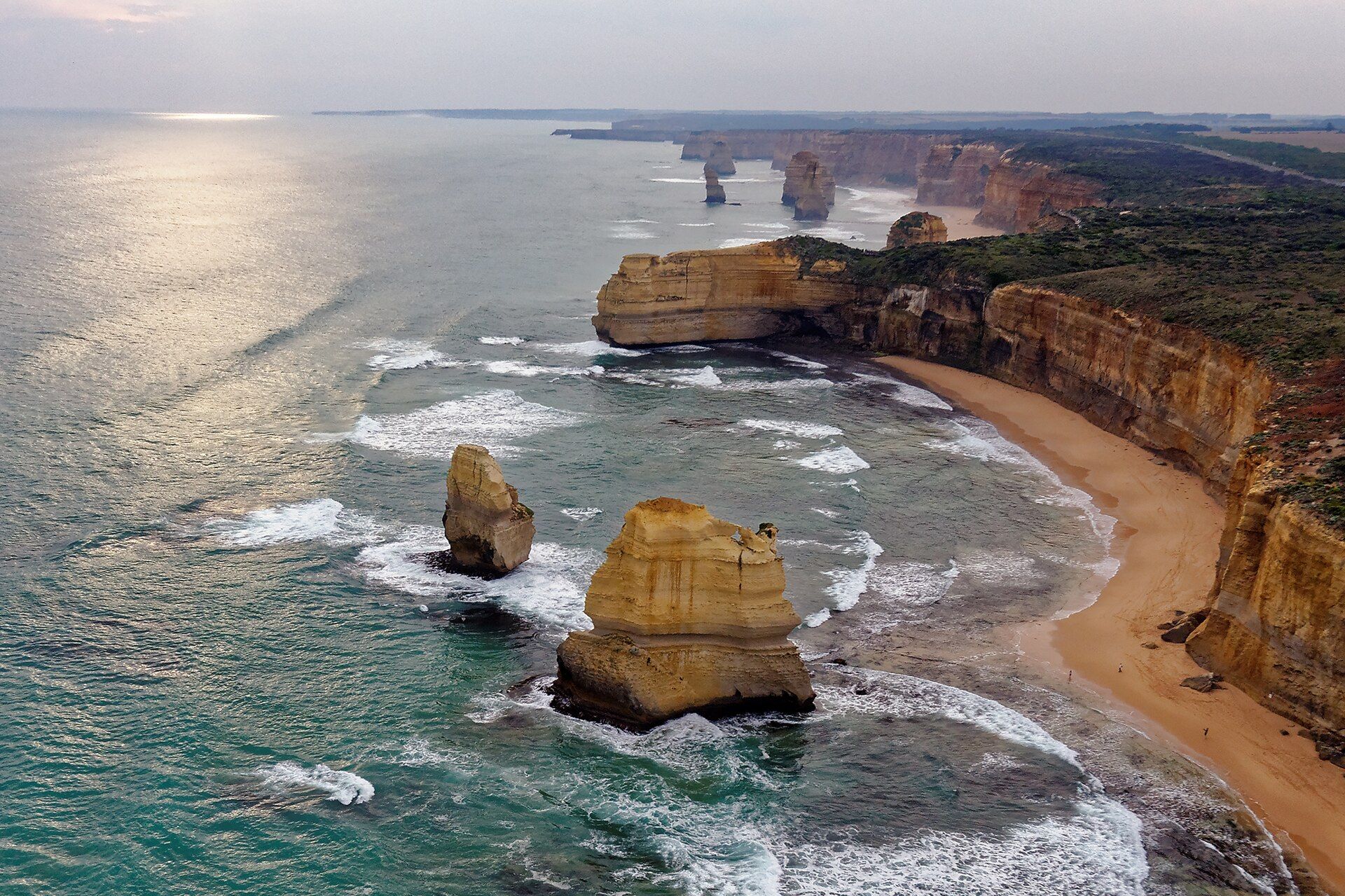
A row of towering limestone sea stacks rising from the Southern Ocean along Victoria's Great Ocean Road — sculpted from crumbling coastal cliffs by the relentless waves, and constantly, visibly changing.
New Zealand's oldest national park — a volcanic heartland of steaming craters, brilliant emerald lakes, and lava fields, crossed by one of the world's finest day hikes, and sacred to the Māori who gifted it for protection.
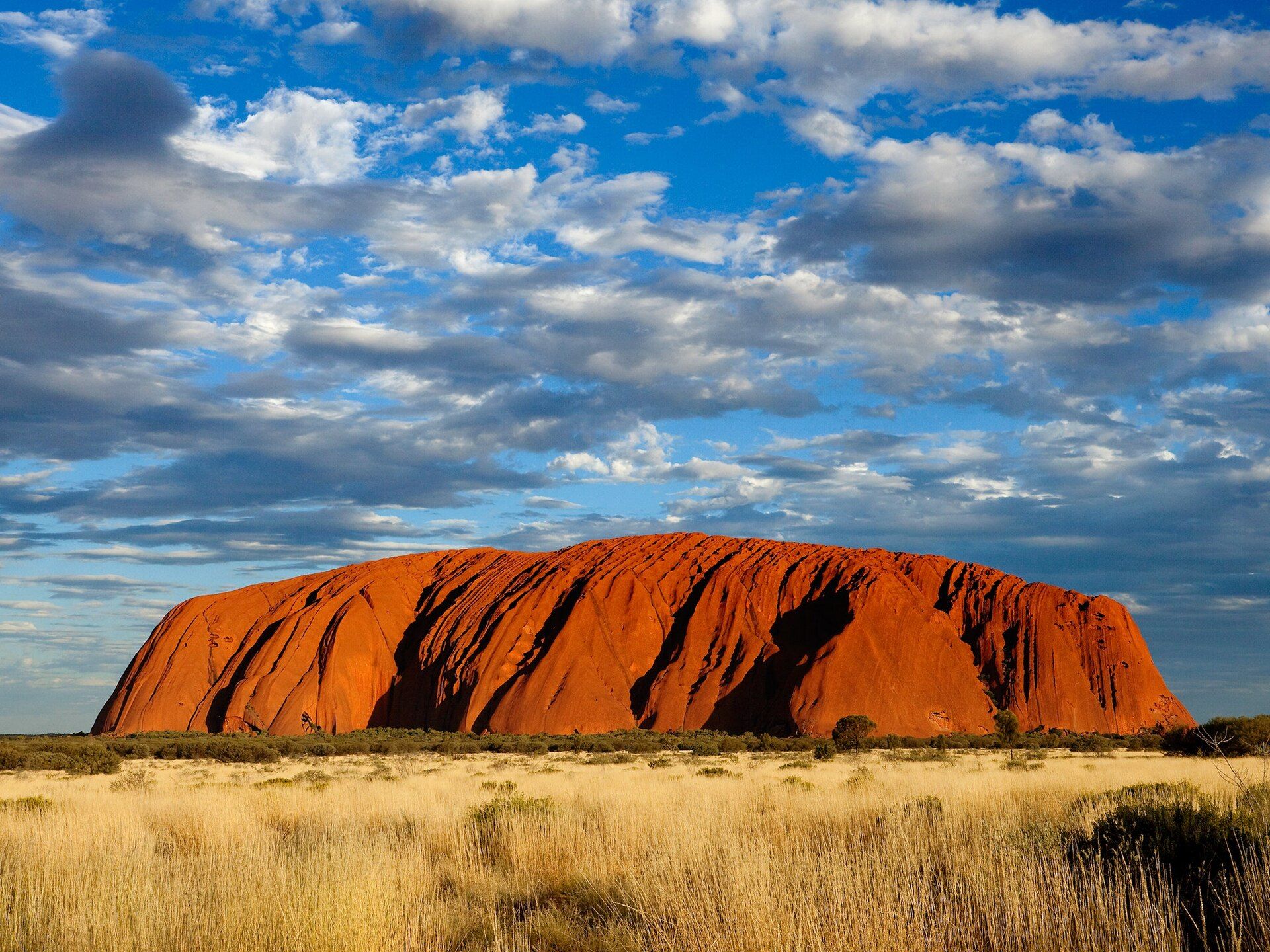
Uluru-Kata Tjuta National Park, Northern Territory, Australia
A colossal sandstone monolith rising abruptly from the flat red heart of Australia — glowing through fiery reds and oranges at sunrise and sunset, and a place of the deepest cultural significance to its Aboriginal custodians.