Ngorongoro Crater
📍 Ngorongoro Highlands, Northern Tanzania
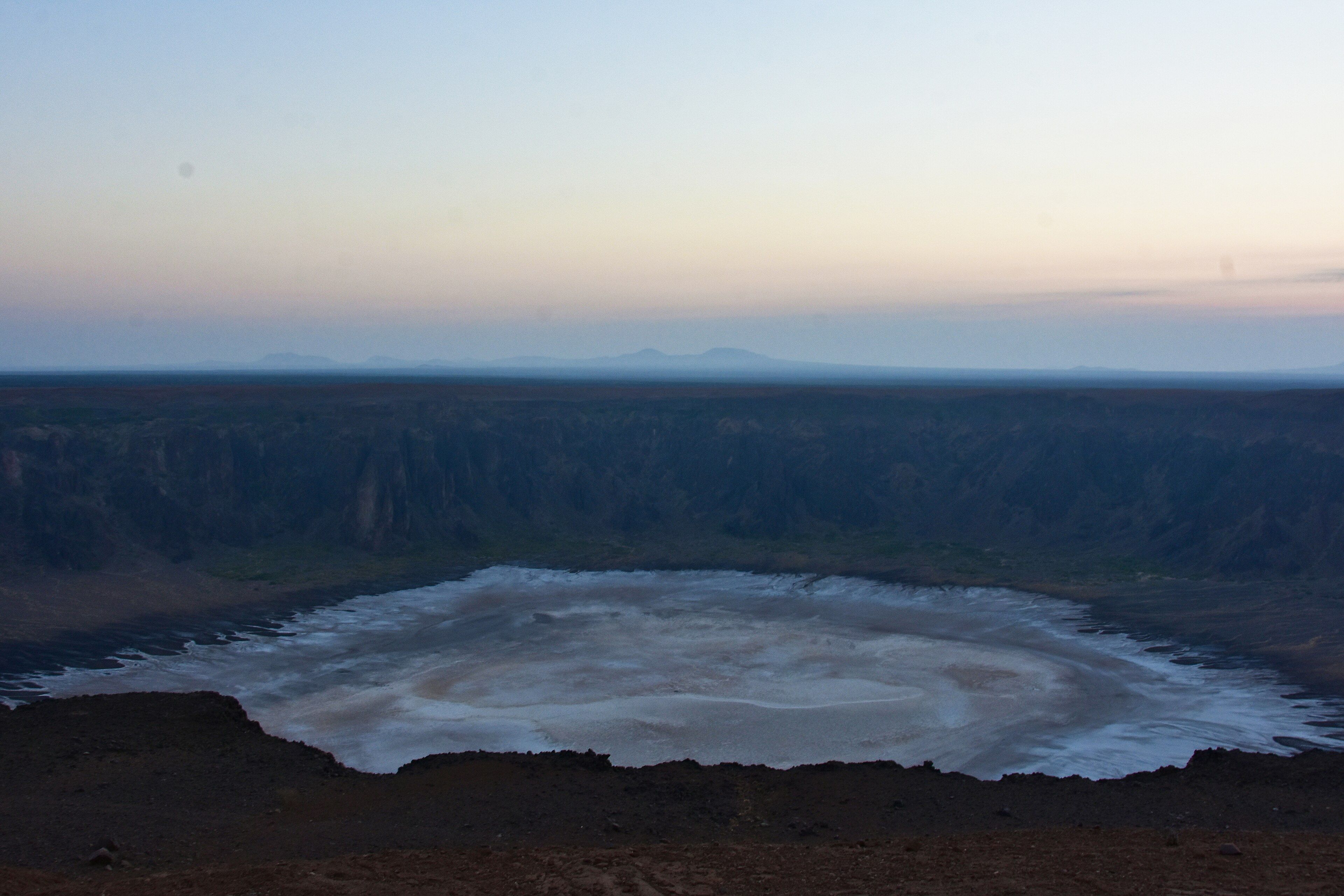
The world's largest intact volcanic caldera — a 20-kilometre-wide, 600-metre-deep collapsed crater that has become a natural amphitheatre teeming with one of the densest concentrations of large wildlife on Earth.
What makes it marvelous
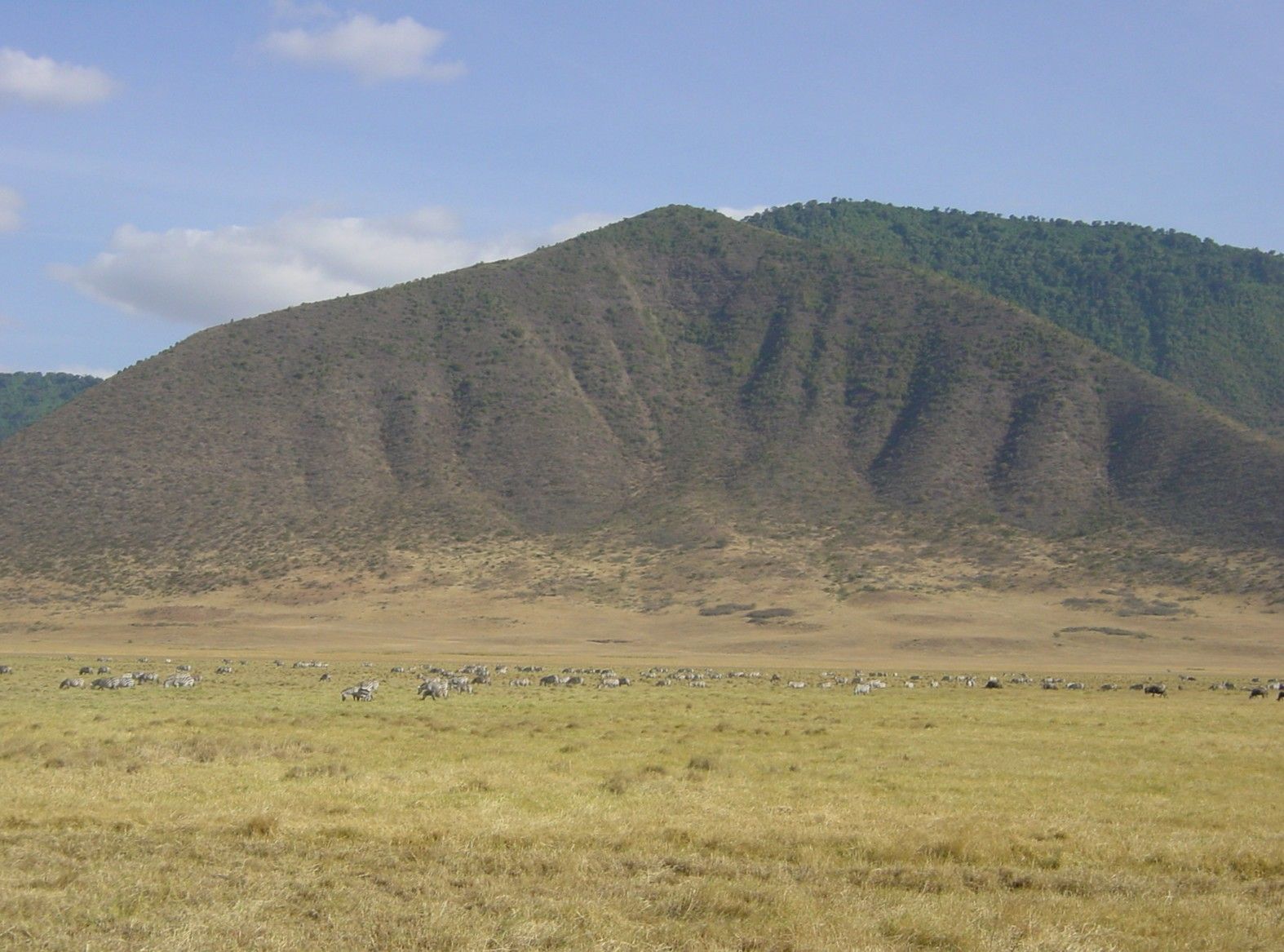
Ngorongoro formed when a huge volcano erupted and collapsed inward some two to three million years ago, leaving a caldera about 260 square kilometres in area and 600 metres deep — the largest unbroken, unflooded caldera in the world. Its enclosed floor of grassland, forest, swamp, and a soda lake supports tens of thousands of animals year-round, including one of the best chances anywhere to see the critically endangered black rhino. The Maasai still graze cattle here, sharing the land with wildlife as they have for generations.
Why visit
Descending into the crater feels like entering a lost world — a self-contained bowl where lions, elephants, buffalo, flamingos, and rhino live in astonishing density against 600-metre walls. It pairs naturally with the neighbouring Serengeti as part of one of the planet's great wildlife regions.
Still deciding?
Ngorongoro Crater comes up most often against these — each one weighs cost, effort, season and crowds side by side.
What to know before you go
🗓️ Best time
Year-round wildlife (animals mostly stay in the crater); the dry season (June–October) has easier access and roads, while the green season brings birds and calving.
🧭 Getting there & access
From Arusha via the Ngorongoro Conservation Area (which adjoins the Serengeti). Vehicles descend into the crater with licensed guides; permits and conservation fees apply.
Good to know
- Descend early to catch predators active and beat the vehicle crowds.
- Ngorongoro is one of the best places to spot black rhino — look near the crater floor.
- Respect the Maasai communities who share the conservation area.
Plan your visit
Easy🧭 Getting there
From Arusha, Tanzania
- Fly → Kilimanjaro (JRO), then drive to Arusha — roughly 1h
- Drive Arusha → the Ngorongoro Conservation Area gate — about 3h–3h30
- Descend the crater on the one-way access road in a 4x4 — roughly 30–40 minutes to the floor
- Total travel
- A half-day drive from Arusha to the rim
- Time at site
- A full day: rim to floor and back
- Access
- The crater sits inside the Ngorongoro Conservation Area, and entry fees and vehicle charges are set and periodically revised by the Ngorongoro Conservation Area Authority — check the current tariff with them or your operator rather than relying on an old figure. Only 4x4 vehicles are allowed on the descent road, and there is a daily limit on how long vehicles may spend on the crater floor. Most people visit as part of a guided safari, which is by far the simplest way to handle the permits and the driving.
🎒 What to bring & consider
- A 4x4 and, in practice, a guide-driver — the descent road is 4x4-only and the whole visit runs on permits and time limits that an operator handles for you
- Warm layers for the rim, which sits at over 2,000m and is genuinely cold and misty at dawn before the crater floor warms up
- A very early start, because the animals are active in the cool morning and the descent road funnels every vehicle down at once
- Binoculars, since the crater floor is open and the black rhino you came hoping to see are often distant
- Malaria precautions appropriate to the wider region, discussed with a travel clinic before the trip
👁️ What to expect
- Crowds
- The floor can gather a lot of vehicles around a lion sighting. Early morning and the quieter corners spread things out.
- Conditions
- Cold and often cloud-filled on the rim, warm and bright on the floor. Easy going — you are in the vehicle.
- Facilities
- Lodges and camps along the rim, picnic sites on the floor. No fuel or shops down in the crater.
- The view
- The whole caldera from the rim viewpoints in early light, mist pouring over the edge; and on the floor, the density of game against the crater walls. The rim panorama needs the clear window before the cloud builds.
Times and requirements are approximate and change with season, weather, and local rules — confirm permits, fares, and schedules with operators before you travel.
Natural riches of the area
- The largest intact volcanic caldera on Earth
- Exceptionally dense large-wildlife populations, incl. black rhino
- Grassland, forest, swamp, and a soda lake within the crater
- Fertile volcanic highlands and Maasai grazing lands
Local food
- Nyama choma & ugali
- Grilled meat and maize porridge, Tanzanian staples.
- Maasai milk & blood traditions
- Cattle are central to Maasai diet and culture in these highlands.
- Highland Arabica coffee
- Grown in the fertile volcanic soils of the region.
Ngorongoro is a volcano turned inside out. Two to three million years ago a great mountain erupted and collapsed into itself, leaving the largest intact, unflooded caldera on Earth — a bowl twenty kilometres across and six hundred metres deep. Over time its floor filled not with lava or water but with life: grassland, forest, swamp, and a shimmering soda lake, ringed by sheer walls.
Sealed within that natural amphitheatre is one of the densest gatherings of large animals anywhere — lions, elephants, buffalo, hippos, flocks of flamingos, and, crucially, one of the surest places left to see a black rhino. Maasai herders still bring cattle to graze among the wildlife, as they have for generations. Descending into the crater at dawn, with the walls rising all around, is like dropping into a self-contained world.
Ngorongoro Crater: common questions
How do you get to Ngorongoro Crater?
From Arusha, Tanzania: Fly → Kilimanjaro (JRO), then drive to Arusha — roughly 1h; Drive Arusha → the Ngorongoro Conservation Area gate — about 3h–3h30; Descend the crater on the one-way access road in a 4x4 — roughly 30–40 minutes to the floor. Total travel time: A half-day drive from Arusha to the rim.
When is the best time to visit Ngorongoro Crater?
Year-round wildlife (animals mostly stay in the crater); the dry season (June–October) has easier access and roads, while the green season brings birds and calving.
How long should you spend at Ngorongoro Crater?
A full day: rim to floor and back. Total travel time: A half-day drive from Arusha to the rim.
What should you bring to Ngorongoro Crater?
A 4x4 and, in practice, a guide-driver — the descent road is 4x4-only and the whole visit runs on permits and time limits that an operator handles for you Warm layers for the rim, which sits at over 2,000m and is genuinely cold and misty at dawn before the crater floor warms up A very early start, because the animals are active in the cool morning and the descent road funnels every vehicle down at once Binoculars, since the crater floor is open and the black rhino you came hoping to see are often distant Malaria precautions appropriate to the wider region, discussed with a travel clinic before the trip
Do you need a permit or guide for Ngorongoro Crater?
The crater sits inside the Ngorongoro Conservation Area, and entry fees and vehicle charges are set and periodically revised by the Ngorongoro Conservation Area Authority — check the current tariff with them or your operator rather than relying on an old figure. Only 4x4 vehicles are allowed on the descent road, and there is a daily limit on how long vehicles may spend on the crater floor. Most people visit as part of a guided safari, which is by far the simplest way to handle the permits and the driving.
Is Ngorongoro Crater crowded, and what are conditions like?
The floor can gather a lot of vehicles around a lion sighting. Early morning and the quieter corners spread things out. Cold and often cloud-filled on the rim, warm and bright on the floor. Easy going — you are in the vehicle. Facilities: Lodges and camps along the rim, picnic sites on the floor. No fuel or shops down in the crater.
Added