Volcanoes National Park
📍 Northwestern Rwanda (Virunga Mountains)
A chain of forest-cloaked volcanoes on Rwanda's northern border, home to wild mountain gorillas and the setting for Dian Fossey's famous research — one of Africa's most moving wildlife encounters.
What makes it marvelous
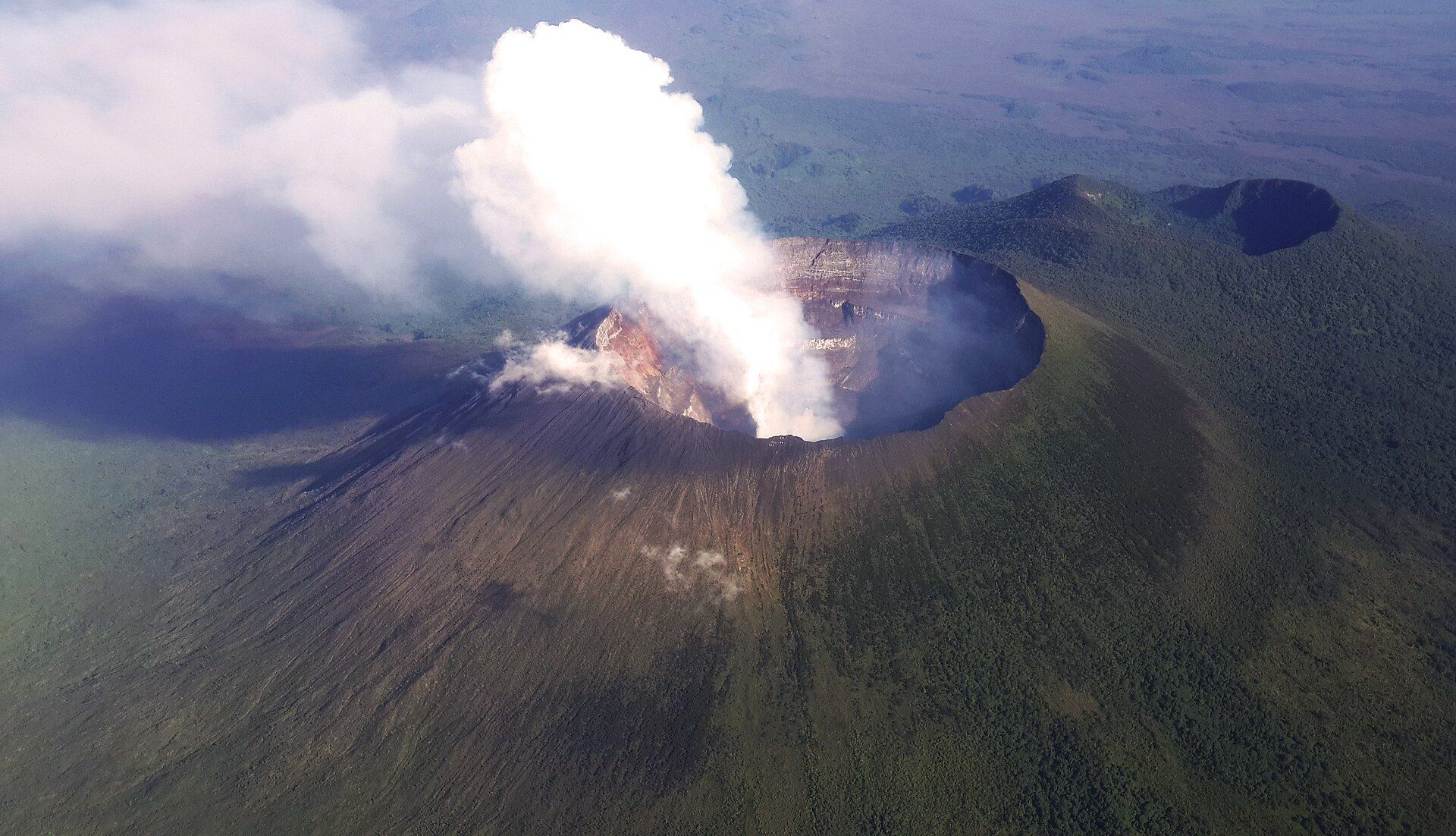
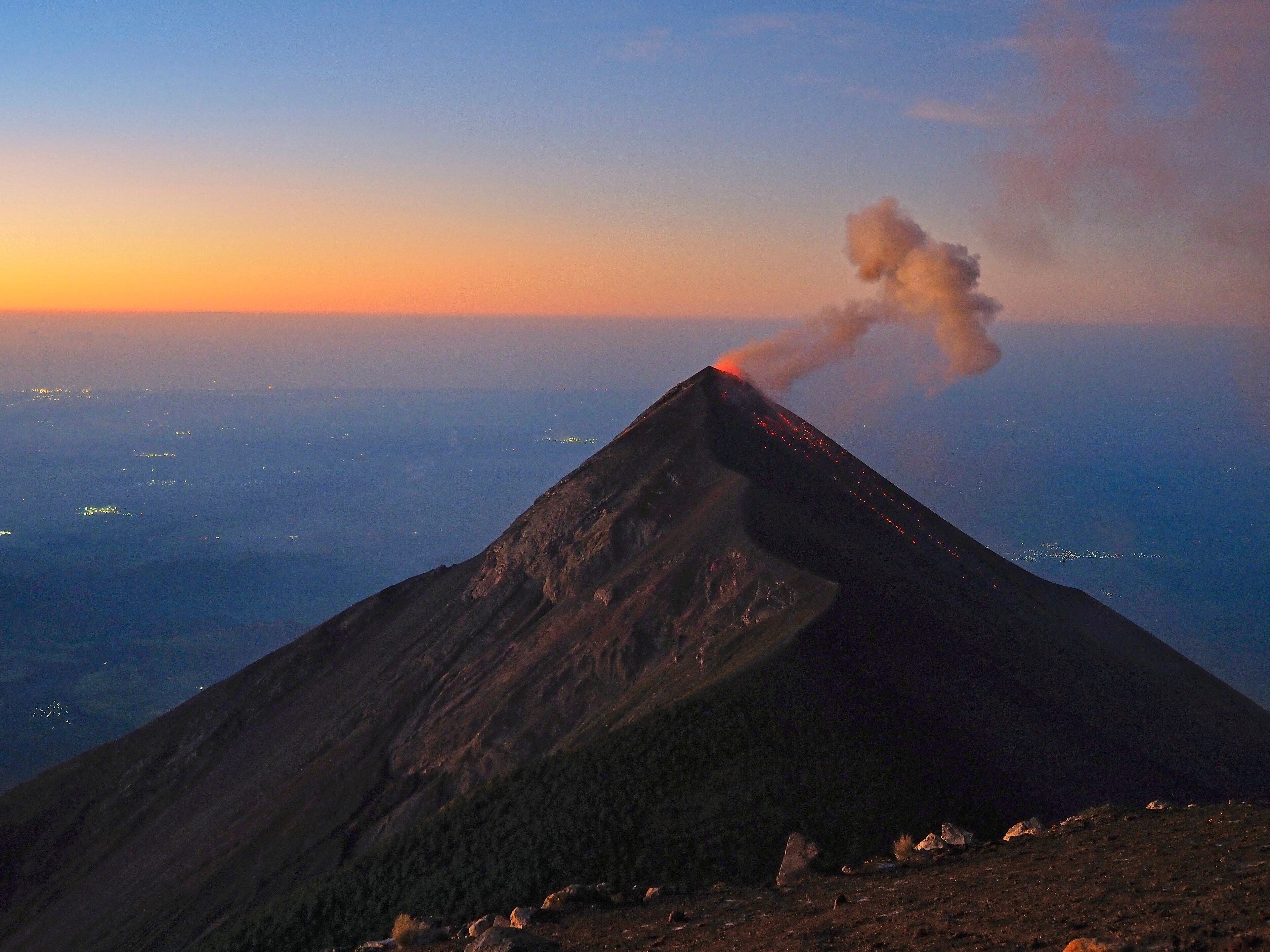
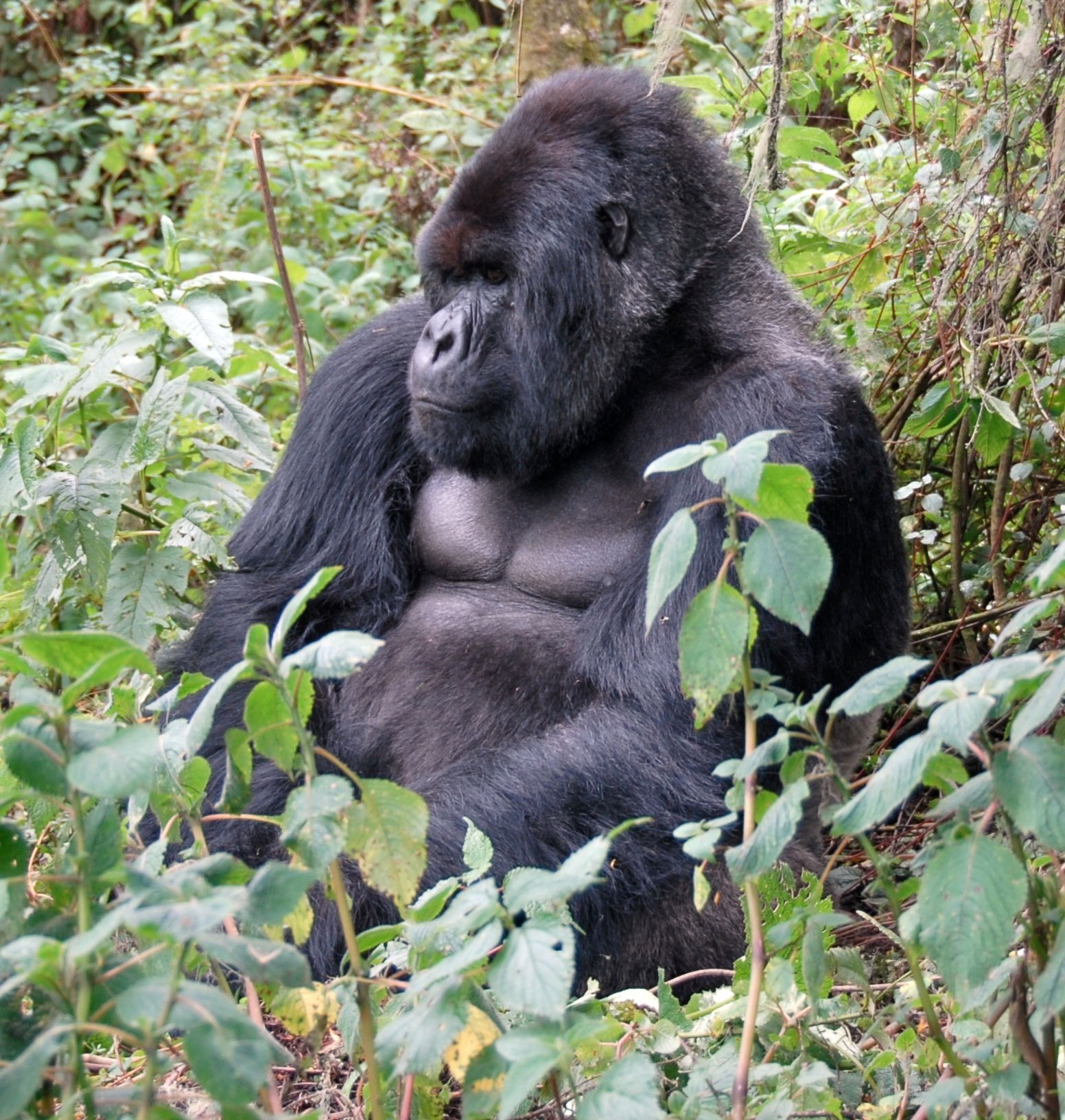
Volcanoes National Park (Parc National des Volcans) protects the Rwandan slopes of the Virunga Mountains, a line of volcanoes shared with the Democratic Republic of the Congo and Uganda. Five of them rise within the park — Karisimbi, at 4,507 metres Rwanda's highest peak, along with Bisoke, Muhabura, Gahinga, and Sabyinyo — their upper slopes wrapped in bamboo, giant lobelia, and cloud forest. These mountains are the last refuge of the mountain gorilla, a subspecies that survives only in the Virunga ecosystem and the forests of Bwindi. It was here that Dian Fossey established the Karisoke Research Centre in 1967 and did the work that brought the mountain gorilla's plight to the world. The park descends from Africa's first national park, gazetted in 1925, and today its carefully limited gorilla tourism is central to the species' recovery.
Why visit
To spend a strictly limited hour a few metres from a wild mountain gorilla family — a silverback and his young going about their day on a misty volcano — is one of the most profound wildlife experiences on Earth, and the permit fees directly fund the gorillas' protection. Golden monkeys, volcano hikes, and the Dian Fossey trail add to the draw.
What to know before you go
🗓️ Best time
The drier seasons (roughly June–September and December–February) make the steep, muddy trekking easier, though gorillas can be visited year-round.
🧭 Getting there & access
About 2–3 hours by road from Kigali to the park town of Kinigi, where treks assemble early each morning. Gorilla and golden-monkey trekking require permits booked well ahead through the Rwanda Development Board; daily numbers are strictly capped.
Good to know
- Book gorilla permits months ahead — daily numbers are strictly limited and demand is high.
- Hire a porter: it costs little, eases the steep climb, and supports local families.
- Follow all ranger rules on distance and health — a face covering is required near the gorillas.
Plan your visit
Strenuous🧭 Getting there
From Kigali (KGL), Rwanda's capital and only international airport
- Fly into Kigali
- Road Kigali to Kinigi (park headquarters) — roughly 2h30–3h on good tarmac
- Pre-dawn transfer to your assigned trailhead on trek morning
- Total travel
- Half a day from Kigali to the park base
- Time at site
- 1–2 nights; the gorilla trek itself is a single morning
- Access
- A gorilla or golden-monkey permit from the Rwanda Development Board is mandatory and tied to a named date. Daily numbers are strictly capped, permits sell out far ahead, and the fee is set by the RDB and changes — book through them or a licensed operator rather than assuming availability. A minimum age applies, and anyone visibly ill will be turned back to protect the gorillas.
🎒 What to bring & consider
- Broken-in waterproof boots and gaiters for steep, deep mud and stinging nettles
- Long sleeves, long trousers, and gardening-type gloves for the vegetation you will grab
- A rain jacket and warm layer — it is cool and wet at altitude most of the year
- A face covering, which is required near the gorillas, and hand sanitiser
- A porter, hired at the trailhead, who will carry your pack and help on the climb
👁️ What to expect
- Crowds
- One small group is allowed per habituated gorilla family per day, so you will not share the encounter with other tourists.
- Conditions
- Steep volcanic slopes at altitude, often muddy and misty. A trek can be short or last most of a day depending on where the family has moved.
- Facilities
- Lodges and the briefing centre cluster around Kinigi. Nothing on the mountain itself.
- The view
- Forest light is dim and your hour is timed by rule. A fast lens and comfort with high ISO beat a heavy telephoto.
Times and requirements are approximate and change with season, weather, and local rules — confirm permits, fares, and schedules with operators before you travel.
Natural riches of the area
- The Virunga volcano chain, including Rwanda's highest peak, Karisimbi (4,507 m)
- A large share of the world's remaining mountain gorillas
- Endangered golden monkeys and rich Albertine Rift birdlife
- Bamboo, cloud forest, and afro-alpine vegetation on the upper slopes
Local food
- Ibirayi (potatoes)
- The rich volcanic soils around Musanze make it Rwanda's potato heartland.
- Isombe
- Mashed cassava leaves simmered with onion, and sometimes groundnuts or small fish.
- Brochettes
- Char-grilled goat skewers, a Rwandan roadside and bar classic.
Along Rwanda’s northern border, a line of steep, forest-cloaked volcanoes rises out of the farmland — the Virunga Mountains, shared with Congo and Uganda. Five of them stand within Volcanoes National Park, from Karisimbi, Rwanda’s highest peak at 4,507 metres, to the jagged crown of Sabyinyo. Their upper slopes are a world of bamboo, giant lobelia, and dripping cloud forest.
These mountains are the mountain gorilla’s last stronghold. It was here that Dian Fossey built the Karisoke Research Centre in 1967 and spent her life studying and defending them, work that turned world attention to a subspecies then sliding toward extinction. Today the park runs one of conservation’s clearest success stories: a strictly limited number of visitors may trek in each day to spend a single, unforgettable hour with a wild gorilla family, and the fees they pay are a pillar of the species’ slow recovery. Golden monkeys, volcano summits, and the trail to Fossey’s grave round out one of Africa’s great highland parks.
Volcanoes National Park: common questions
How do you get to Volcanoes National Park?
From Kigali (KGL), Rwanda's capital and only international airport: Fly into Kigali; Road Kigali to Kinigi (park headquarters) — roughly 2h30–3h on good tarmac; Pre-dawn transfer to your assigned trailhead on trek morning. Total travel time: Half a day from Kigali to the park base.
When is the best time to visit Volcanoes National Park?
The drier seasons (roughly June–September and December–February) make the steep, muddy trekking easier, though gorillas can be visited year-round.
How long should you spend at Volcanoes National Park?
1–2 nights; the gorilla trek itself is a single morning. Total travel time: Half a day from Kigali to the park base.
What should you bring to Volcanoes National Park?
Broken-in waterproof boots and gaiters for steep, deep mud and stinging nettles Long sleeves, long trousers, and gardening-type gloves for the vegetation you will grab A rain jacket and warm layer — it is cool and wet at altitude most of the year A face covering, which is required near the gorillas, and hand sanitiser A porter, hired at the trailhead, who will carry your pack and help on the climb
Do you need a permit or guide for Volcanoes National Park?
A gorilla or golden-monkey permit from the Rwanda Development Board is mandatory and tied to a named date. Daily numbers are strictly capped, permits sell out far ahead, and the fee is set by the RDB and changes — book through them or a licensed operator rather than assuming availability. A minimum age applies, and anyone visibly ill will be turned back to protect the gorillas.
Is Volcanoes National Park crowded, and what are conditions like?
One small group is allowed per habituated gorilla family per day, so you will not share the encounter with other tourists. Steep volcanic slopes at altitude, often muddy and misty. A trek can be short or last most of a day depending on where the family has moved. Facilities: Lodges and the briefing centre cluster around Kinigi. Nothing on the mountain itself.
Added