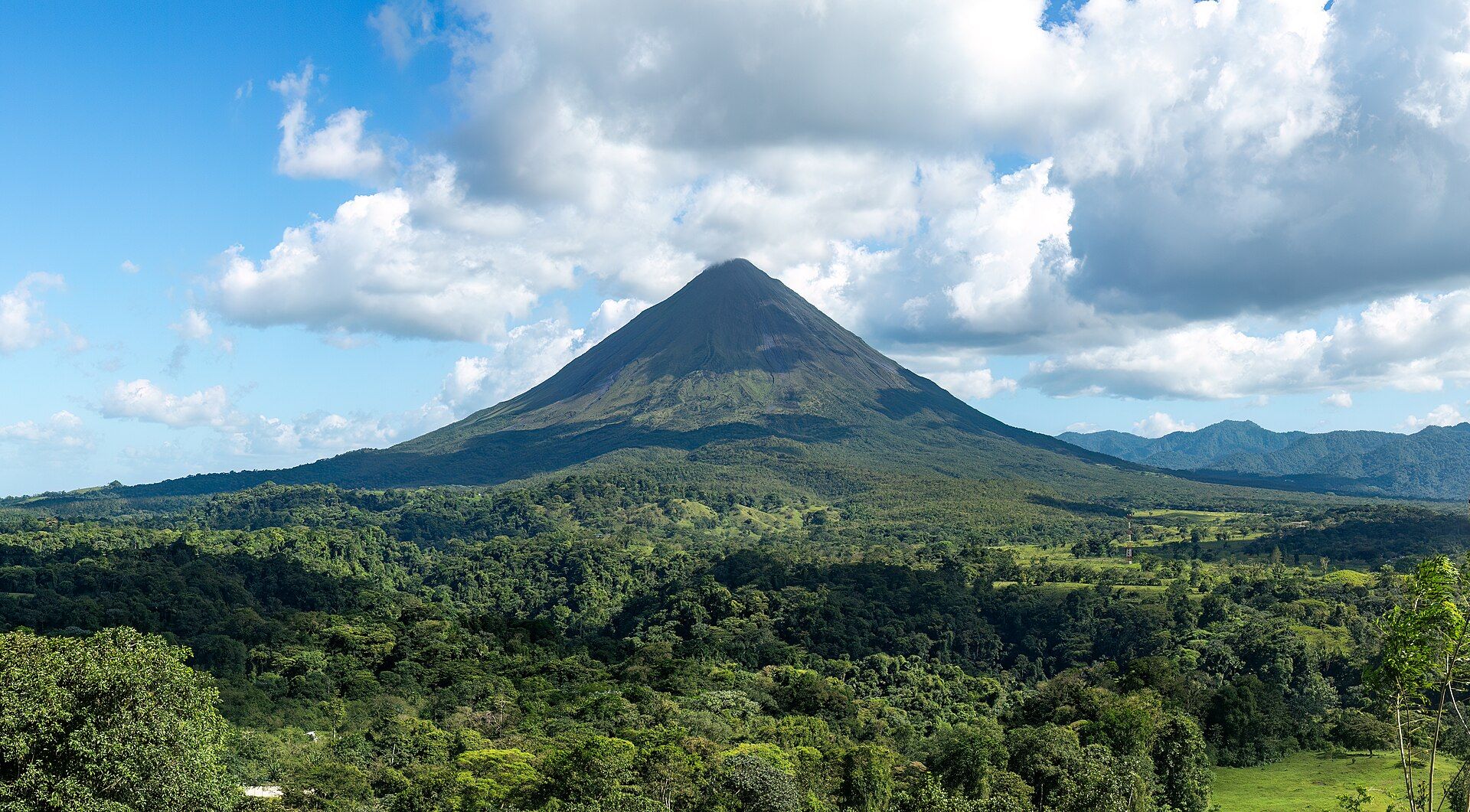
Arenal Volcano
📍 Alajuela, northern Costa Rica
A near-perfectly conical volcano rising above the rainforests of northern Costa Rica — for decades one of the world's most active, now resting, surrounded by hot springs, waterfalls, and abundant wildlife.
What makes it marvelous
Arenal is a young, classically cone-shaped stratovolcano that awoke dramatically in 1968 and spent the following four decades in near-constant eruption — glowing lava and nightly rockfalls that made it a symbol of Costa Rica — before entering a quieter resting phase around 2010. Its volcanic heat still warms a wealth of natural hot springs at its base, and the fertile, rainy slopes cloak it in lush rainforest alive with sloths, toucans, monkeys, and frogs. It anchors a national park at the heart of Costa Rica's world-leading conservation story.
Why visit
The sight of the symmetrical cone above the forest and a shimmering lake, combined with soaking in geothermally heated springs, hiking old lava trails, and spotting rainforest wildlife, makes Arenal one of Central America's most rewarding and accessible nature destinations.
What to know before you go
🗓️ Best time
The drier season (roughly December–April) for the clearest views of the often cloud-wrapped summit; the rainforest is green and lively year-round.
🧭 Getting there & access
Around the town of La Fortuna in northern Costa Rica (a few hours from San José). Trails, hot-spring resorts, waterfalls, and the lake are all nearby within and around Arenal Volcano National Park.
Good to know
- Mornings often give the clearest view of the frequently cloud-capped cone.
- Combine a lava-field hike with the natural hot springs at the volcano's base.
- Look for sloths and toucans on rainforest walks; go with a naturalist guide.
Plan your visit
Easy🧭 Getting there
From La Fortuna, Costa Rica
- Drive San José → La Fortuna — roughly 3h
- Base in La Fortuna beneath the cone
- Drive on to Arenal Volcano National Park, the hanging bridges and the hot springs
- Total travel
- Around three hours from San José
- Time at site
- Two or three days with the springs and trails
- Access
- La Fortuna is the base, and everything — the national park's lava-field trails, the hanging-bridge parks, the hot-spring resorts — is a short drive away. One honest expectation to set: Arenal stopped its lava-and-fireworks eruptive phase back in 2010, so you come for the perfect cone, the rainforest around it and the geothermally heated springs, not for glowing lava. The cone itself is often wrapped in cloud, especially in the afternoon and the wetter months, so mornings give the best chance of seeing its summit. Any change in volcanic status is monitored by the national authorities.
🎒 What to bring & consider
- Realistic expectations — the lava shows ended in 2010, and the draw now is the cone, the forest and the hot springs
- A rain jacket and quick-dry clothes, since this is rainforest and a downpour can arrive on any afternoon
- A swimsuit for the hot springs, which range from free riverside spots to elaborate resorts
- A morning plan for a clear view of the summit, before the cloud that usually builds over the cone by afternoon
- Insect repellent and sturdy shoes for the old lava-flow and rainforest trails
👁️ What to expect
- Crowds
- La Fortuna is a busy tourism hub. The trails and quieter springs spread people out.
- Conditions
- Warm, humid and often wet, with easy walking on well-made trails and boardwalks.
- Facilities
- Full — La Fortuna has every service, and the springs and bridge parks are well appointed.
- The view
- The symmetrical cone reflected in a calm morning, ideally before cloud swallows the top. A long-exposure of a hanging bridge in the misty forest is the fallback when the summit hides.
Times and requirements are approximate and change with season, weather, and local rules — confirm permits, fares, and schedules with operators before you travel.
Natural riches of the area
- A young, classically conical stratovolcano
- Geothermal hot springs and fertile volcanic soils
- Rich rainforest wildlife (sloths, toucans, monkeys, frogs)
- Lake Arenal and hydro/geothermal energy
Local food
- Gallo pinto
- Costa Rica's staple of rice and beans, a national breakfast.
- Casado
- A set plate of rice, beans, plantain, salad, and meat or fish.
- Tropical fruit & coffee
- Abundant fruit and Costa Rica's renowned highland coffee.
Arenal is the picture-book volcano: a young, near-perfect cone rising straight out of the rainforests of northern Costa Rica above a shimmering lake. For over forty years after it violently reawakened in 1968, it was one of the most active volcanoes on Earth, glowing with lava and clattering with nightly rockfalls — a spectacle that helped make it a national symbol — before it settled into a quieter, resting phase around 2010.
Even at rest, its heat lingers, warming a wealth of natural hot springs at its base, and its fertile, rain-soaked slopes are wrapped in lush forest alive with sloths, toucans, monkeys, and jewel-bright frogs. It sits at the heart of Costa Rica’s world-leading approach to conservation, and a visit blends the drama of a volcano with the ease of soaking in geothermal springs and spotting rainforest wildlife — one of Central America’s most rewarding natural escapes.
Arenal Volcano: common questions
How do you get to Arenal Volcano?
From La Fortuna, Costa Rica: Drive San José → La Fortuna — roughly 3h; Base in La Fortuna beneath the cone; Drive on to Arenal Volcano National Park, the hanging bridges and the hot springs. Total travel time: Around three hours from San José.
When is the best time to visit Arenal Volcano?
The drier season (roughly December–April) for the clearest views of the often cloud-wrapped summit; the rainforest is green and lively year-round.
How long should you spend at Arenal Volcano?
Two or three days with the springs and trails. Total travel time: Around three hours from San José.
What should you bring to Arenal Volcano?
Realistic expectations — the lava shows ended in 2010, and the draw now is the cone, the forest and the hot springs A rain jacket and quick-dry clothes, since this is rainforest and a downpour can arrive on any afternoon A swimsuit for the hot springs, which range from free riverside spots to elaborate resorts A morning plan for a clear view of the summit, before the cloud that usually builds over the cone by afternoon Insect repellent and sturdy shoes for the old lava-flow and rainforest trails
Do you need a permit or guide for Arenal Volcano?
La Fortuna is the base, and everything — the national park's lava-field trails, the hanging-bridge parks, the hot-spring resorts — is a short drive away. One honest expectation to set: Arenal stopped its lava-and-fireworks eruptive phase back in 2010, so you come for the perfect cone, the rainforest around it and the geothermally heated springs, not for glowing lava. The cone itself is often wrapped in cloud, especially in the afternoon and the wetter months, so mornings give the best chance of seeing its summit. Any change in volcanic status is monitored by the national authorities.
Is Arenal Volcano crowded, and what are conditions like?
La Fortuna is a busy tourism hub. The trails and quieter springs spread people out. Warm, humid and often wet, with easy walking on well-made trails and boardwalks. Facilities: Full — La Fortuna has every service, and the springs and bridge parks are well appointed.
Added Updated
More wonders to explore
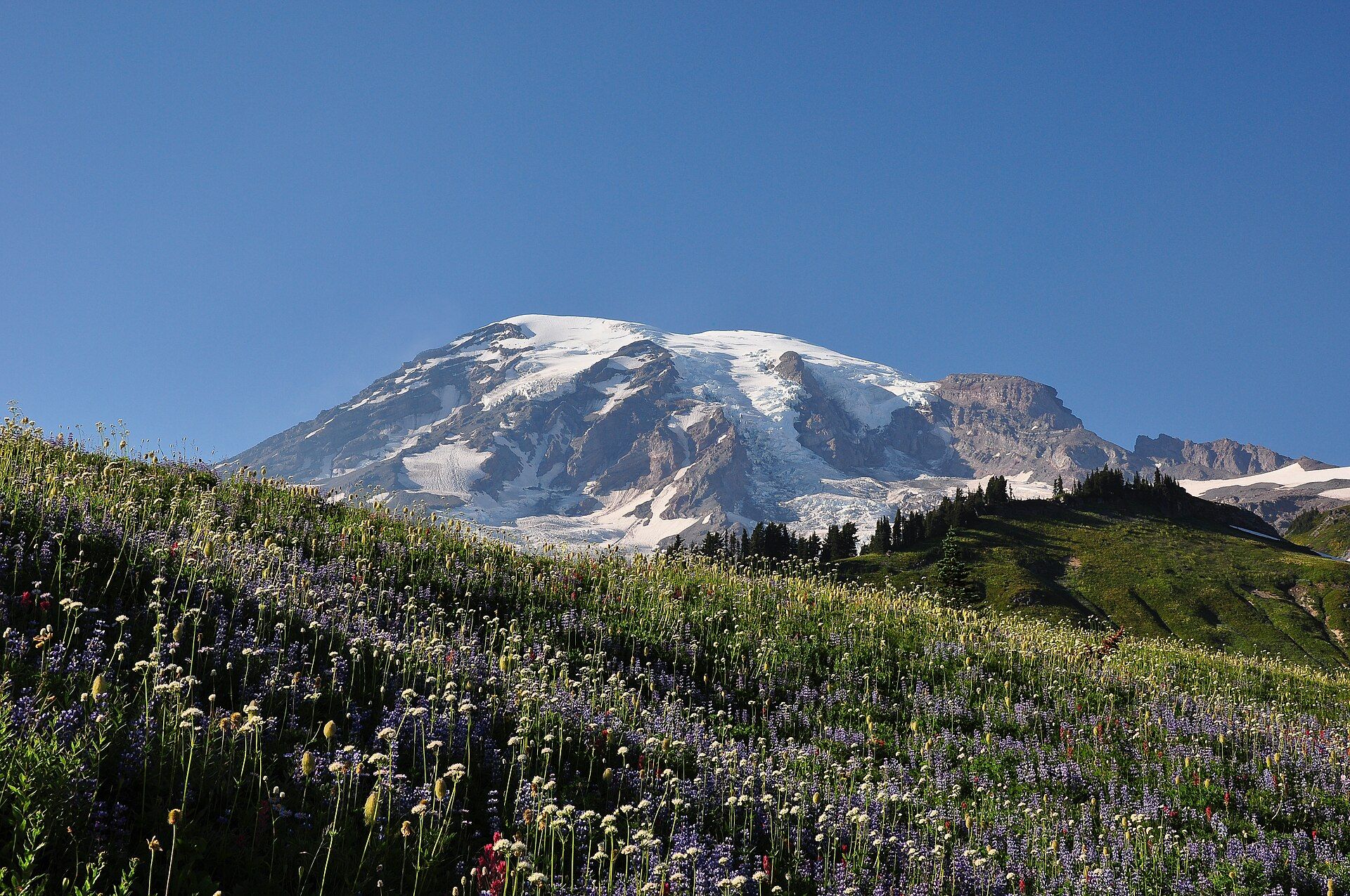
Mount Rainier
Cascade Range, western Washington, USA, about 65 miles southeast of the Seattle–Tacoma area
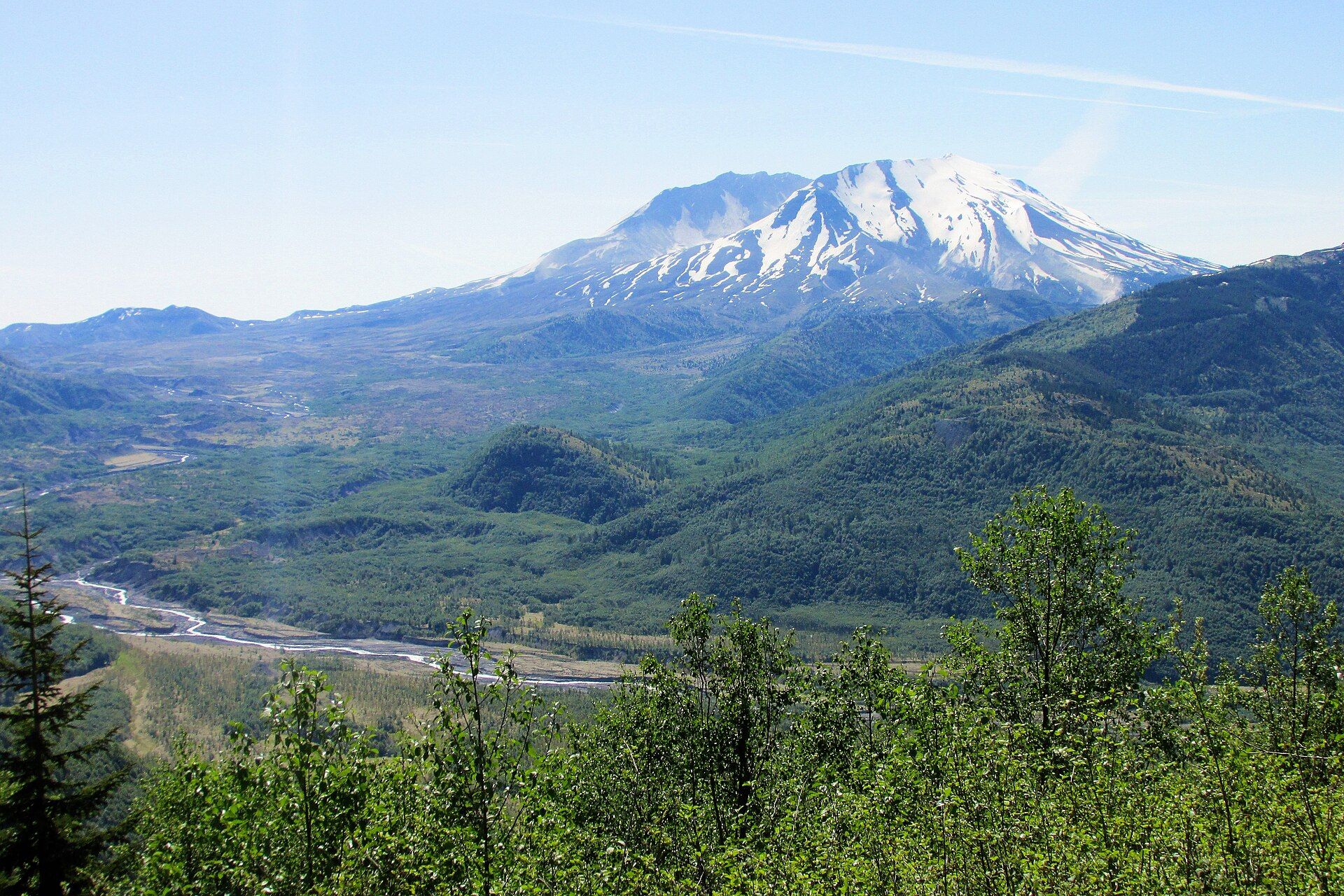
Mount St. Helens
Cascade Range, south-west Washington, USA, about 70 miles north of Portland, Oregon
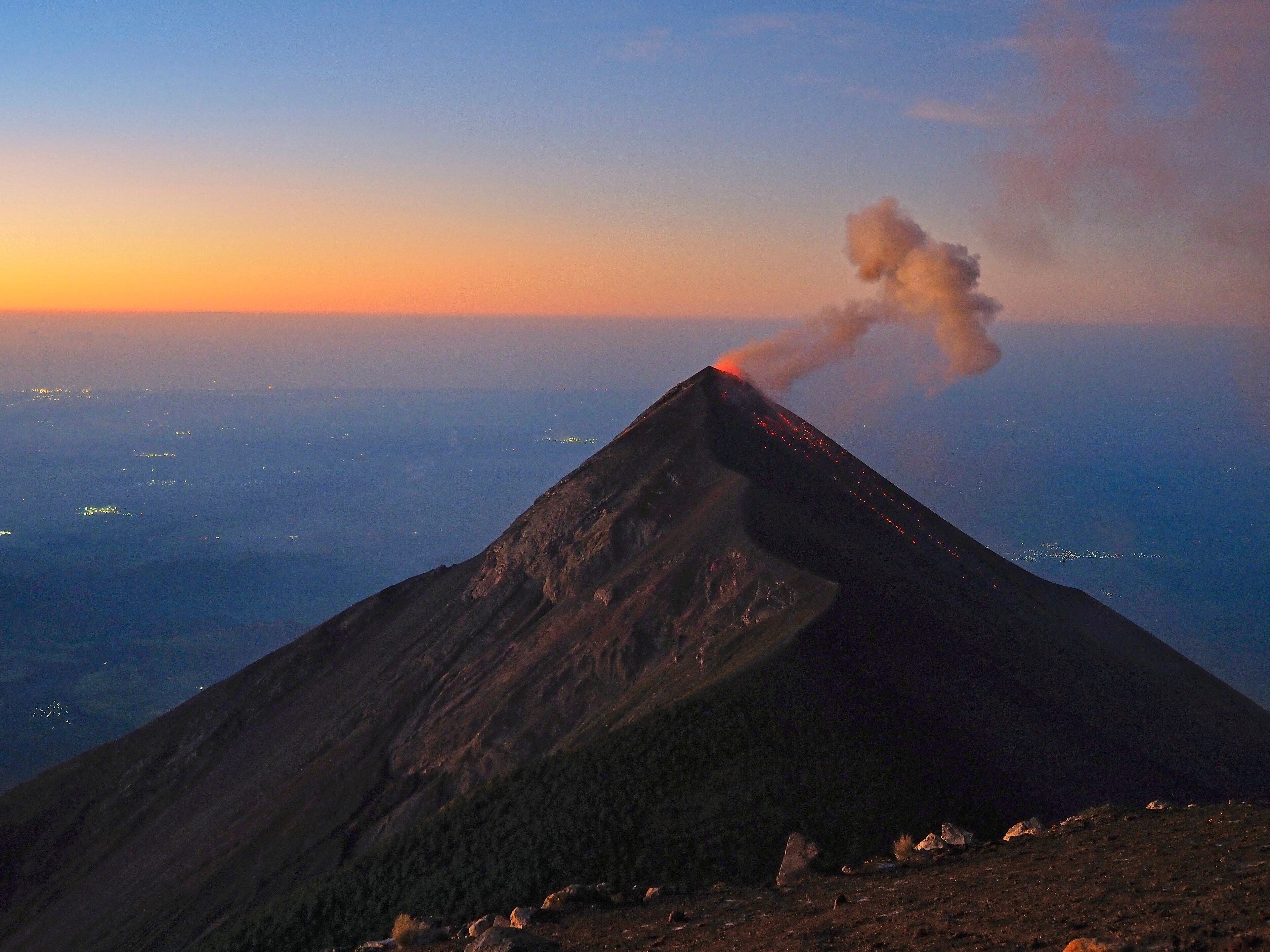
Acatenango
Sacatepéquez and Chimaltenango Departments, near Antigua, Guatemala