Mount Popa & Taung Kalat
📍 Mandalay Region, central Myanmar
An extinct volcano rising green from the dry central plains of Myanmar, beside a sheer volcanic plug crowned by a golden monastery reached by 777 steps.
What makes it marvelous
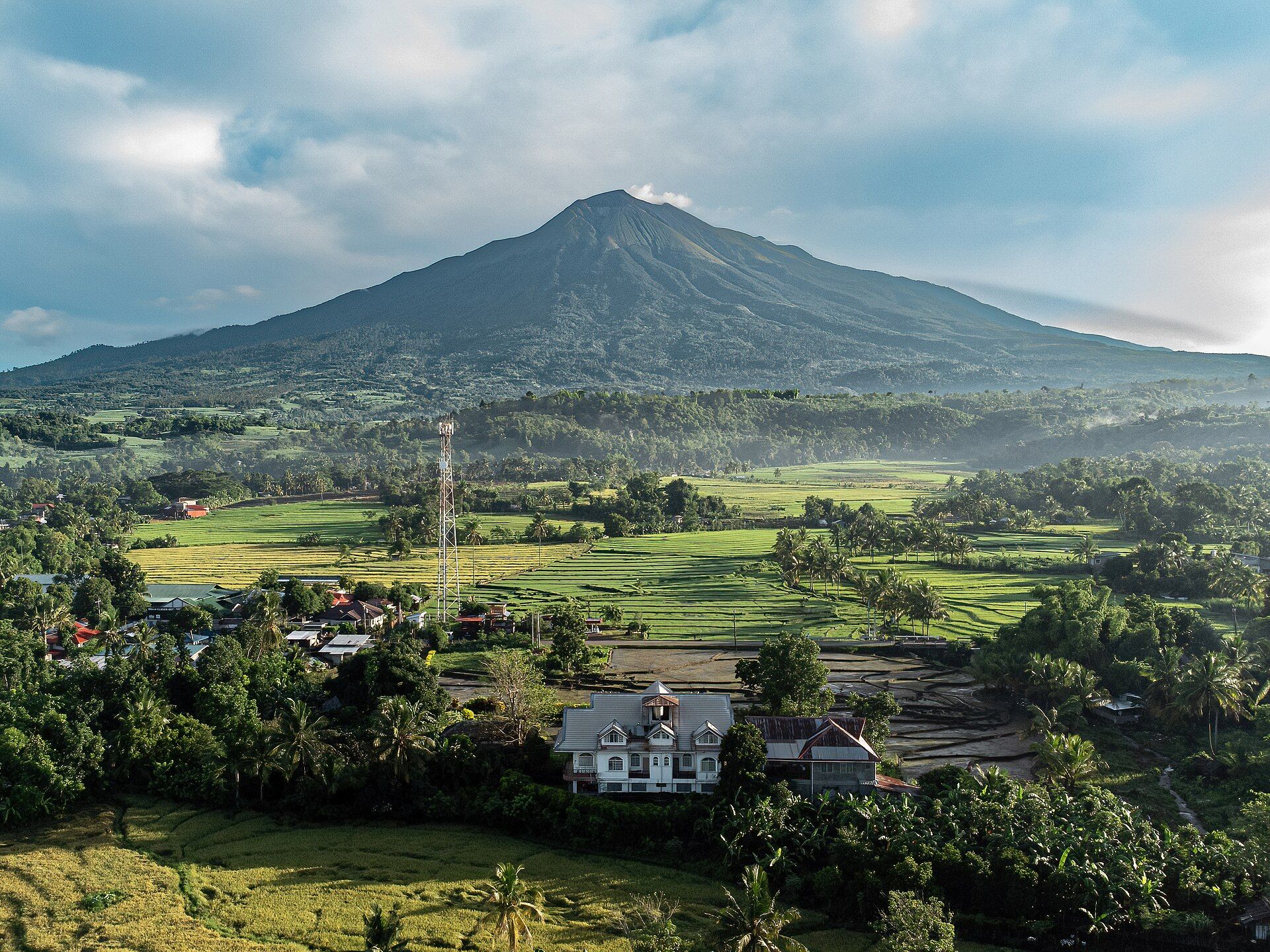
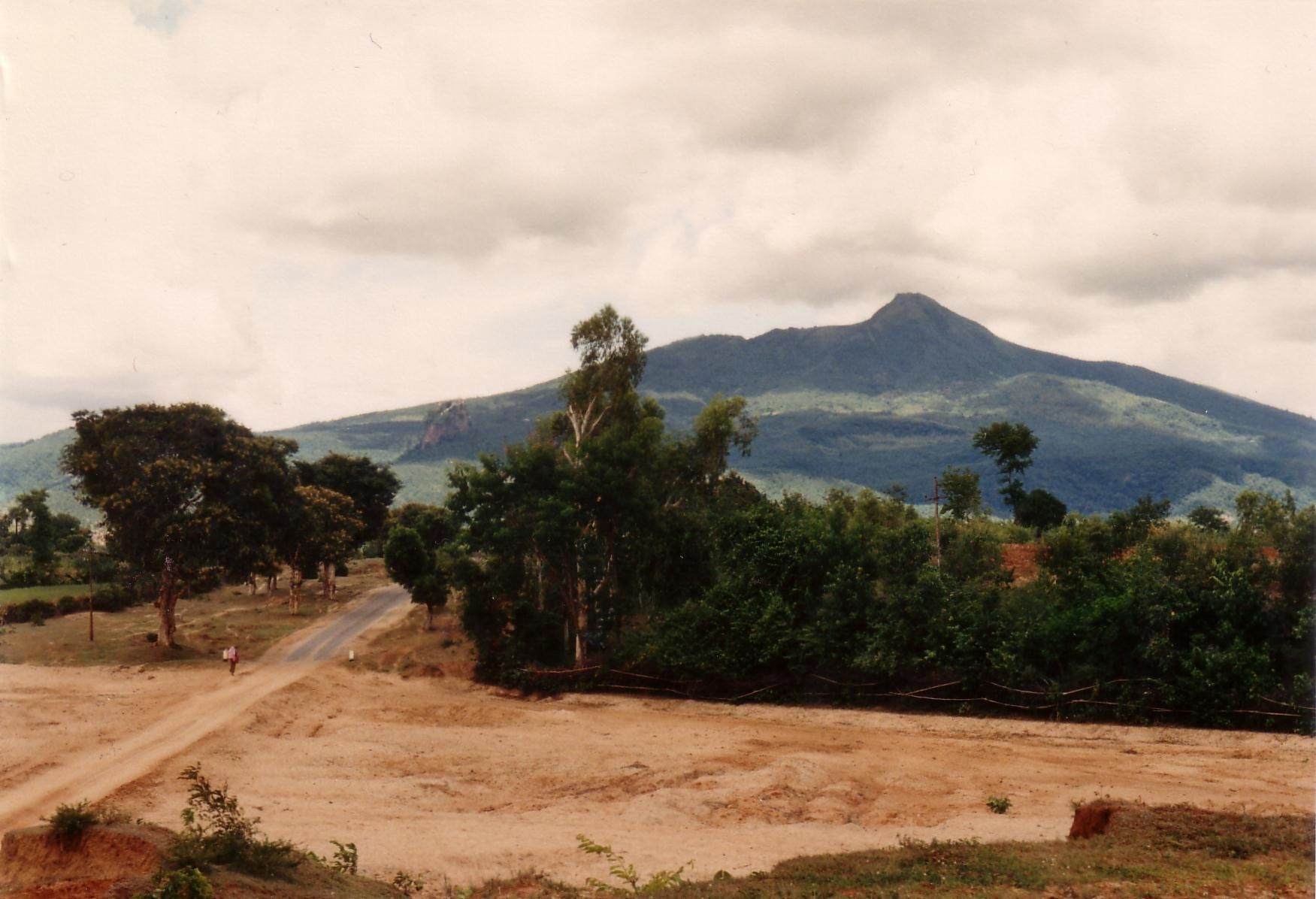
Mount Popa is an extinct volcano that lifts a solitary green massif out of the arid central plains of Myanmar, its old slopes fed by springs and cloaked in forest — an oasis of life the locals call a garden mountain. Beside it stands its most striking feature: Taung Kalat, a sheer-sided volcanic plug rising some 650 metres, the hardened core of an old vent left standing after softer rock eroded away. A gilded Buddhist monastery clings to its flat summit, reached by a covered stairway of 777 steps lined with shrines and playful macaques.
Why visit
The sight of Taung Kalat's monastery perched atop its sheer rock tower, floating above the plains, is one of Myanmar's iconic images, and the climb up the 777 steps rewards you with sweeping views to Mount Popa and the dusty lowlands beyond. The extinct volcano behind it is worth the extra half-hour too: springs emerging from its old flanks keep it forested and startlingly green against a plain that is otherwise dry scrub and dust.
More views of Mount Popa & Taung Kalat
Additional photographs of the actual site — each freely licensed, with its photographer and licence credited.
What to know before you go
🗓️ Best time
The cooler, drier months of roughly November to February are most comfortable for the climb; the hot season is punishing on the exposed steps, and the rains green the mountain.
🧭 Getting there & access
About 1.5 hours by road from Bagan in central Myanmar, usually visited as a day trip. A covered stairway of 777 steps climbs Taung Kalat to the summit monastery; shoes must be removed, and macaques line the way.
Good to know
- Go early to climb the steps before the midday heat.
- Watch your belongings and food — the resident macaques are bold thieves.
- Dress modestly and be ready to go barefoot on the stairway, as at any temple.
Plan your visit
Moderate🧭 Getting there
From Bagan (NYU), central Myanmar
- Fly to Bagan (Nyaung U), or arrive by road or river
- Road to Mount Popa and Taung Kalat — about 1h30
- Climb the 777 covered steps to the summit monastery
- Total travel
- A half-day trip from Bagan
- Time at site
- 2–3 hours for the climb and views
- Access
- Free to visit, though the summit monastery is an active religious site — shoes off, modest dress. The climb is a stairway with macaques; there is no fee, but donations are welcomed. Check current travel advice for Myanmar.
🎒 What to bring & consider
- Comfortable clothes and readiness to go barefoot on the steps
- Sun protection and water for the exposed climb
- A firm hold on food and small items around the monkeys
- Modest dress for the temple
👁️ What to expect
- Crowds
- Steady pilgrims and visitors, busiest midday; early mornings are cooler and calmer.
- Conditions
- A long, sometimes hot barefoot stairway climb; macaques throughout.
- Facilities
- Stalls and toilets at the base; the monastery at the top.
- The view
- Taung Kalat's monastery on its sheer plug rising above the plains, from a viewpoint on the approach. Clear cool-season light is best.
Times and requirements are approximate and change with season, weather, and local rules — confirm permits, fares, and schedules with operators before you travel.
Natural riches of the area
- An extinct volcano and its spring-fed forested slopes
- The Taung Kalat volcanic plug
- An oasis of greenery amid the dry central plains
- Forest wildlife, including troops of macaques
Local food
- Lahpet
- Myanmar's famous tea-leaf salad of fermented tea, nuts, and seeds.
- Mohinga
- A fish-and-rice-noodle soup often called Myanmar's national dish.
Mount Popa is a green island in the dry heart of Myanmar — an extinct volcano whose spring-fed, forested slopes rise abruptly from the arid central plains, so lush against the surrounding dust that it is known as a garden mountain. But the sight everyone comes for stands just beside it: Taung Kalat, a sheer-walled volcanic plug some 650 metres tall, the solidified throat of an old vent left towering after the softer rock around it wore away. On its flat summit perches a gilded monastery, and a covered stairway of 777 steps, lined with shrines and patrolled by cheeky macaques, winds up to it.
The image of that golden monastery floating atop its rock tower is one of Myanmar’s most famous, and the barefoot climb rewards pilgrims and visitors alike with sweeping views over Mount Popa and the plains. Behind it, the extinct volcano itself repays the short extra drive. Springs rising through its weathered flanks support forest and orchards on a hill that stands out green for miles against the dust of the central plain, and its slopes are protected as a national park.
Mount Popa & Taung Kalat: common questions
How do you get to Mount Popa & Taung Kalat?
From Bagan (NYU), central Myanmar: Fly to Bagan (Nyaung U), or arrive by road or river; Road to Mount Popa and Taung Kalat — about 1h30; Climb the 777 covered steps to the summit monastery. Total travel time: A half-day trip from Bagan.
When is the best time to visit Mount Popa & Taung Kalat?
The cooler, drier months of roughly November to February are most comfortable for the climb; the hot season is punishing on the exposed steps, and the rains green the mountain.
How long should you spend at Mount Popa & Taung Kalat?
2–3 hours for the climb and views. Total travel time: A half-day trip from Bagan.
What should you bring to Mount Popa & Taung Kalat?
Comfortable clothes and readiness to go barefoot on the steps Sun protection and water for the exposed climb A firm hold on food and small items around the monkeys Modest dress for the temple
Do you need a permit or guide for Mount Popa & Taung Kalat?
Free to visit, though the summit monastery is an active religious site — shoes off, modest dress. The climb is a stairway with macaques; there is no fee, but donations are welcomed. Check current travel advice for Myanmar.
Is Mount Popa & Taung Kalat crowded, and what are conditions like?
Steady pilgrims and visitors, busiest midday; early mornings are cooler and calmer. A long, sometimes hot barefoot stairway climb; macaques throughout. Facilities: Stalls and toilets at the base; the monastery at the top.
Added Updated
More wonders to explore