Kīlauea
📍 Island of Hawaiʻi, United States
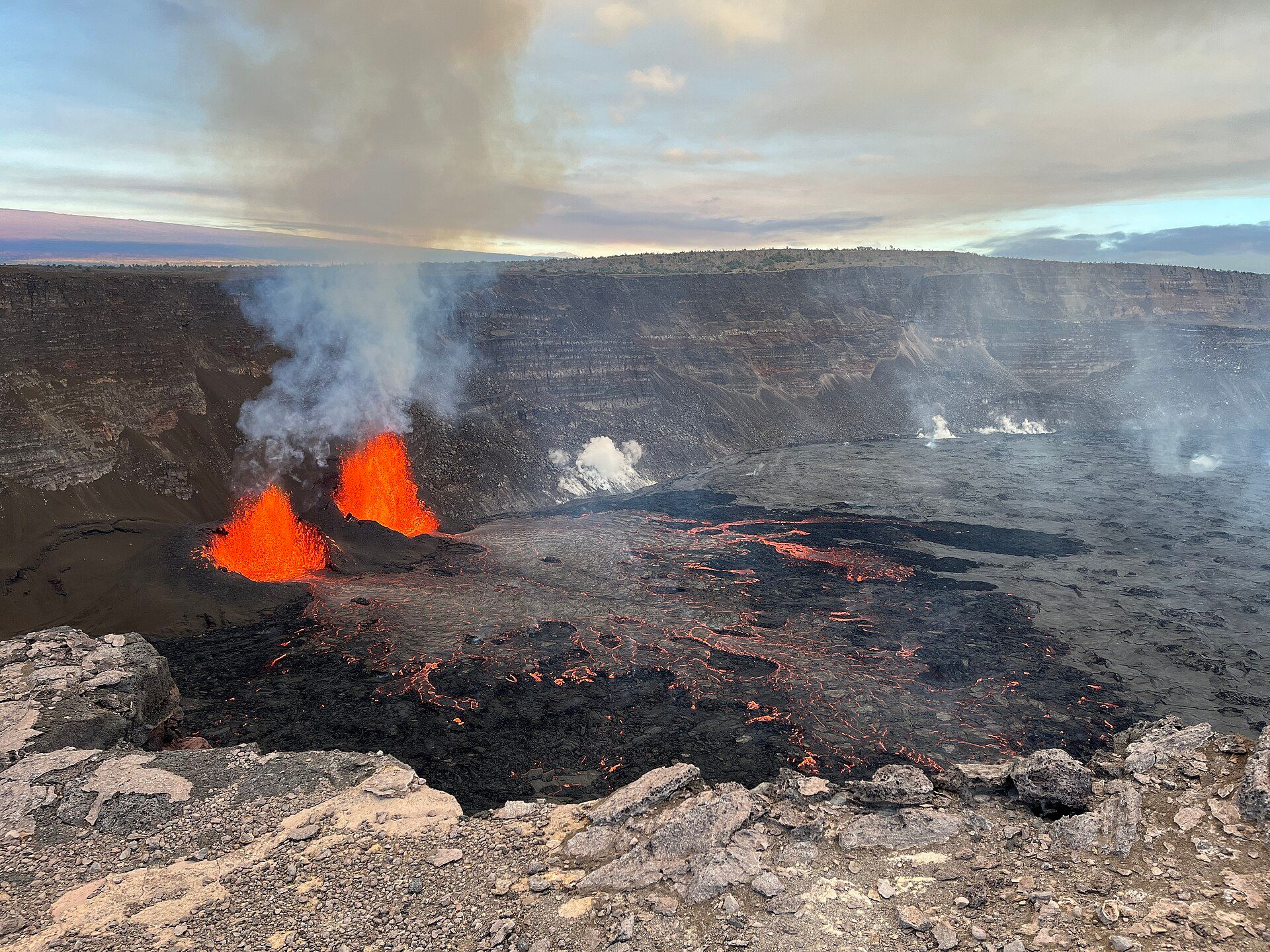
One of the most active volcanoes on Earth — a shield volcano on Hawaiʻi whose lava has repeatedly reshaped the island, sometimes glowing in a lava lake and, at times, spilling in rivers of fire to the sea.
What makes it marvelous
Kīlauea sits over the Hawaiian hotspot, a plume of hot rock rising through the Pacific plate that has built the entire island chain, island by island, as the plate drifts over it. Unlike explosive cone volcanoes, Kīlauea is a broad shield built from fluid basaltic lava, and it erupts often — sometimes filling its Halemaʻumaʻu crater with a glowing lava lake, sometimes sending flows across the land or into the ocean in clouds of steam. It has deep cultural significance for Native Hawaiians, and it lies within Hawaiʻi Volcanoes National Park, a UNESCO World Heritage Site where you can watch new land being made.
Why visit
Depending on the eruption, you may see a lava lake glowing at night, walk across hardened lava fields and through a lava tube, or witness steam where molten rock meets the sea — a rare chance to watch the planet actively building itself, amid lush rainforest and black-sand coast.
Still deciding?
Kīlauea comes up most often against one other place — each one weighs cost, effort, season and crowds side by side.
What to know before you go
🗓️ Best time
Year-round; the drier, warmer months (roughly April–September) are generally clearest, but eruptions come and go — check the park and USGS volcano updates before visiting.
🧭 Getting there & access
Within Hawaiʻi Volcanoes National Park on the Big Island, reached from Hilo or Kona. Roads, trails, and viewpoints access craters and lava fields; access changes with volcanic activity.
Good to know
- Check USGS and park alerts — eruption activity and access change constantly.
- Volcanic gases can be hazardous; heed closures and warnings.
- Respect the site's deep significance to Native Hawaiians.
Plan your visit
Easy🧭 Getting there
From Hilo (ITO) or Kona (KOA), Hawaii Island
- Fly to Hilo — roughly 45 minutes from Honolulu
- Drive Hilo → Hawaii Volcanoes National Park — about 45 minutes
- From the Kona side the drive is roughly 2h–2h30
- Total travel
- Most of a day from the US mainland
- Time at site
- 1–2 days; longer if you want both a daylight and an after-dark visit
- Access
- National park entrance fee. Whether anything is erupting is entirely a matter of the moment — Kilauea starts and stops without warning and the park closes roads, trails and overlooks accordingly. Check the USGS Hawaiian Volcano Observatory status and the park alerts on the day you go, not weeks ahead.
🎒 What to bring & consider
- A rain layer and a warm layer — the summit sits around 1,200m and is often cool, wet and windy, nothing like the coast people picture
- A headtorch, because the glow is worth seeing after dark and the car parks are unlit
- Sturdy closed shoes; lava rock shreds soft soles and skin
- Awareness of volcanic gas — vog and sulphur dioxide genuinely affect people with asthma or heart conditions, and the warnings are not decorative
- Fuel, food and water before you enter; services inside are minimal
👁️ What to expect
- Crowds
- When an eruption is visible, the overlooks are packed after dark and car parks fill. When nothing is erupting the park is calm.
- Conditions
- Paved viewpoints and boardwalks plus rough lava trails. Summit weather turns quickly.
- Facilities
- Visitor centre, toilets and a small shop near the entrance; sparse beyond that.
- The view
- Glow reads far better at dusk or in darkness than in daylight, so plan around nightfall. The honest position, though, is that there may be nothing to see — the volcano owes nobody a performance.
Times and requirements are approximate and change with season, weather, and local rules — confirm permits, fares, and schedules with operators before you travel.
Natural riches of the area
- An active shield volcano over the Hawaiian hotspot
- Lava lakes, flows, and tubes building new land
- Black-sand beaches and young volcanic rainforest
- Fertile volcanic soils and unique island ecosystems
Local food
- Poke
- Hawaiian cubed raw fish (often ahi tuna) seasoned with soy and sesame.
- Kalua pork
- Pork slow-cooked in an underground imu oven, a luau centerpiece.
- Poi & tropical fruit
- Taro paste and abundant island fruit like pineapple and mango.
Kīlauea is the Earth caught in the act of creation. It sits over the Hawaiian hotspot — a plume of hot rock rising through the Pacific plate — which has built the whole Hawaiian chain, island by island, as the plate slides slowly over it. Kīlauea is a broad shield volcano fed by fluid basaltic lava, and it is among the most active on the planet: at times its crater brims with a glowing lava lake, at times it sends rivers of molten rock across the land or hissing into the sea.
It holds deep cultural significance for Native Hawaiians, and it lies within a UNESCO-listed national park where, depending on the volcano’s mood, you might watch a lava lake glow after dark, cross fields of fresh black rock, or walk through a lava tube in the rainforest. Few places let you stand so close to the planet actively remaking itself — always with an eye on the alerts, because Kīlauea keeps its own schedule.
Kīlauea: common questions
How do you get to Kīlauea?
From Hilo (ITO) or Kona (KOA), Hawaii Island: Fly to Hilo — roughly 45 minutes from Honolulu; Drive Hilo → Hawaii Volcanoes National Park — about 45 minutes; From the Kona side the drive is roughly 2h–2h30. Total travel time: Most of a day from the US mainland.
When is the best time to visit Kīlauea?
Year-round; the drier, warmer months (roughly April–September) are generally clearest, but eruptions come and go — check the park and USGS volcano updates before visiting.
How long should you spend at Kīlauea?
1–2 days; longer if you want both a daylight and an after-dark visit. Total travel time: Most of a day from the US mainland.
What should you bring to Kīlauea?
A rain layer and a warm layer — the summit sits around 1,200m and is often cool, wet and windy, nothing like the coast people picture A headtorch, because the glow is worth seeing after dark and the car parks are unlit Sturdy closed shoes; lava rock shreds soft soles and skin Awareness of volcanic gas — vog and sulphur dioxide genuinely affect people with asthma or heart conditions, and the warnings are not decorative Fuel, food and water before you enter; services inside are minimal
Do you need a permit or guide for Kīlauea?
National park entrance fee. Whether anything is erupting is entirely a matter of the moment — Kilauea starts and stops without warning and the park closes roads, trails and overlooks accordingly. Check the USGS Hawaiian Volcano Observatory status and the park alerts on the day you go, not weeks ahead.
Is Kīlauea crowded, and what are conditions like?
When an eruption is visible, the overlooks are packed after dark and car parks fill. When nothing is erupting the park is calm. Paved viewpoints and boardwalks plus rough lava trails. Summit weather turns quickly. Facilities: Visitor centre, toilets and a small shop near the entrance; sparse beyond that.
Added Updated
More wonders to explore
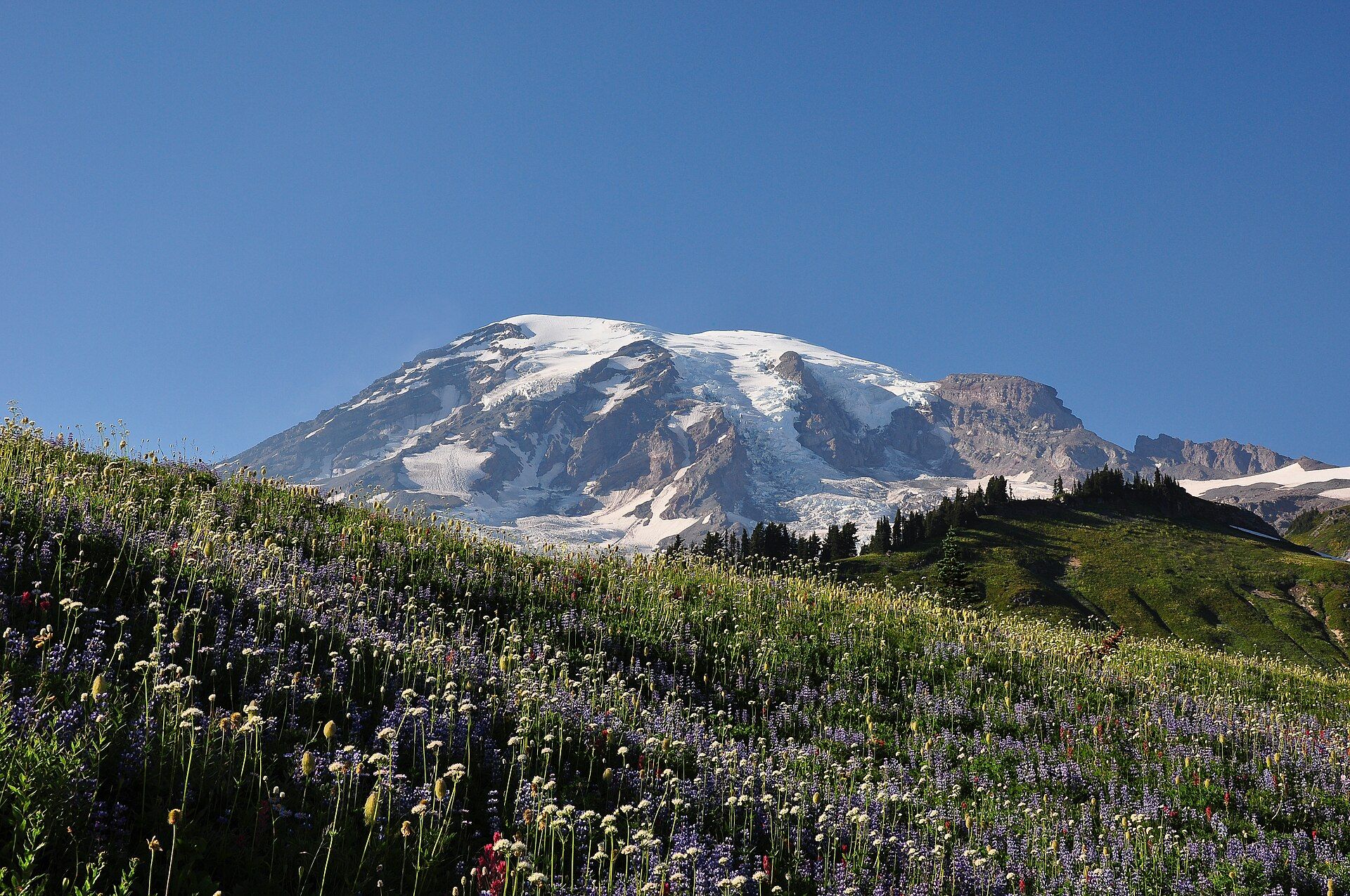
Mount Rainier
Cascade Range, western Washington, USA, about 65 miles southeast of the Seattle–Tacoma area
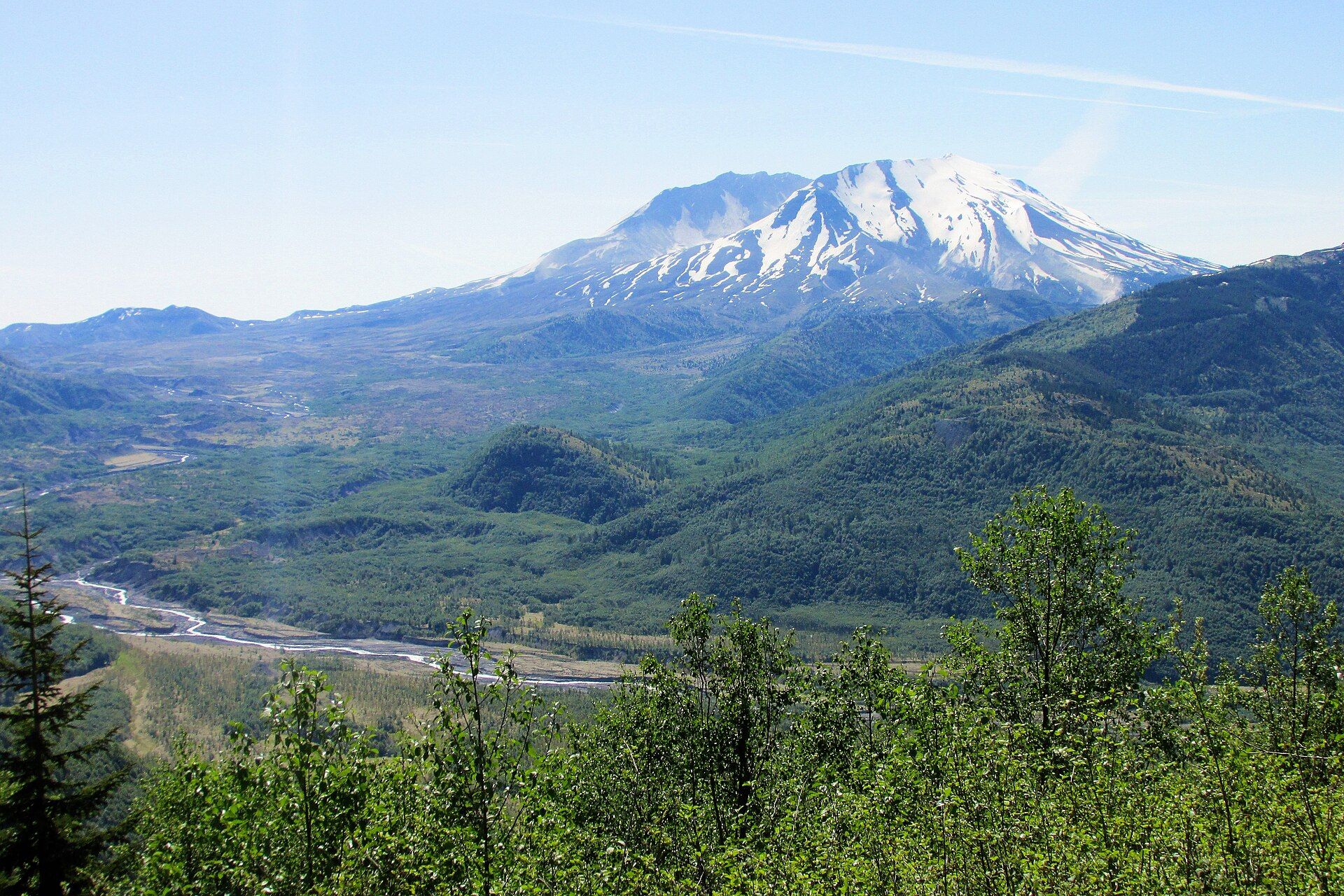
Mount St. Helens
Cascade Range, south-west Washington, USA, about 70 miles north of Portland, Oregon
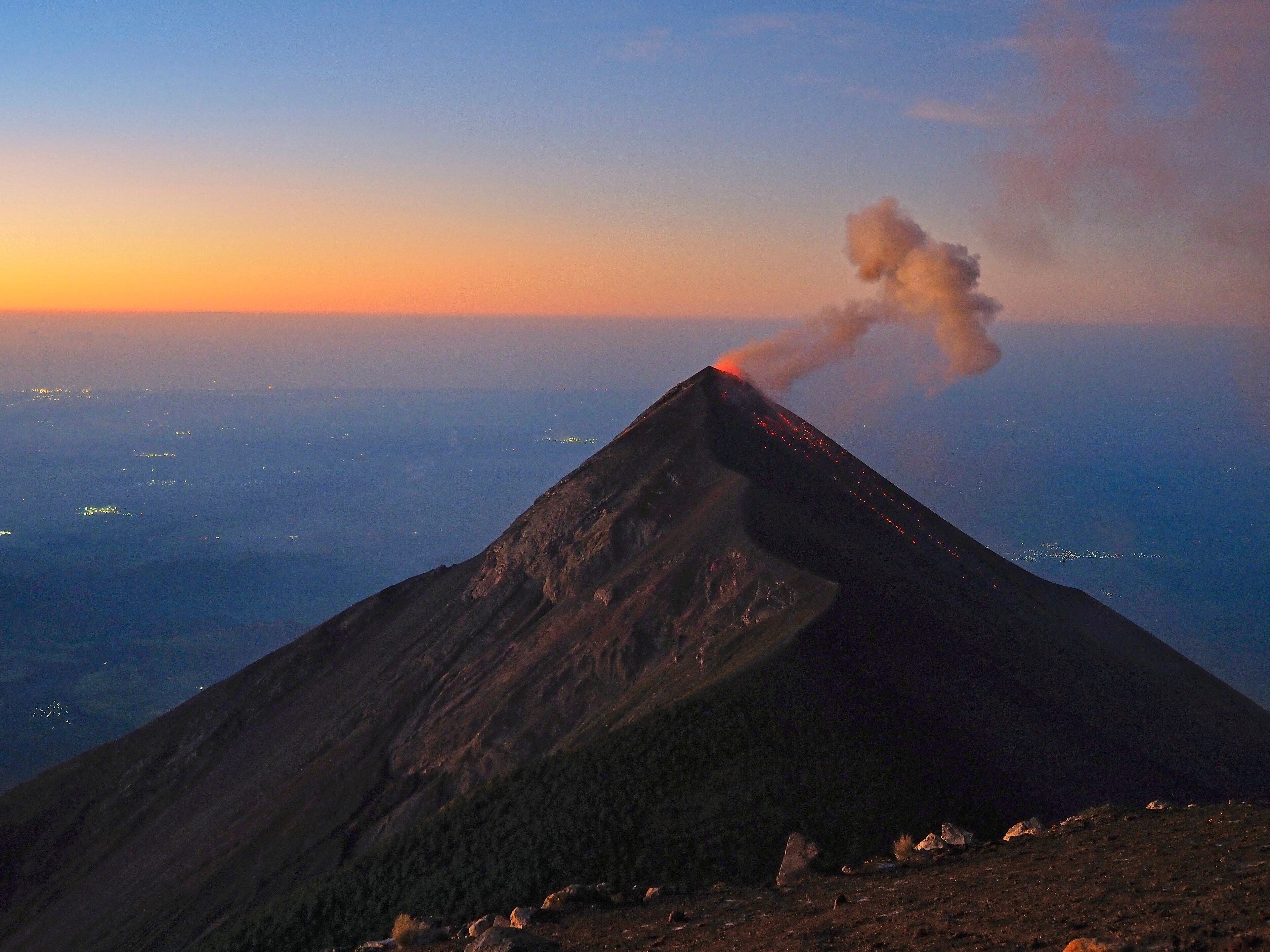
Acatenango
Sacatepéquez and Chimaltenango Departments, near Antigua, Guatemala