Bulusan Volcano & Lake
📍 Sorsogon, Bicol, Philippines
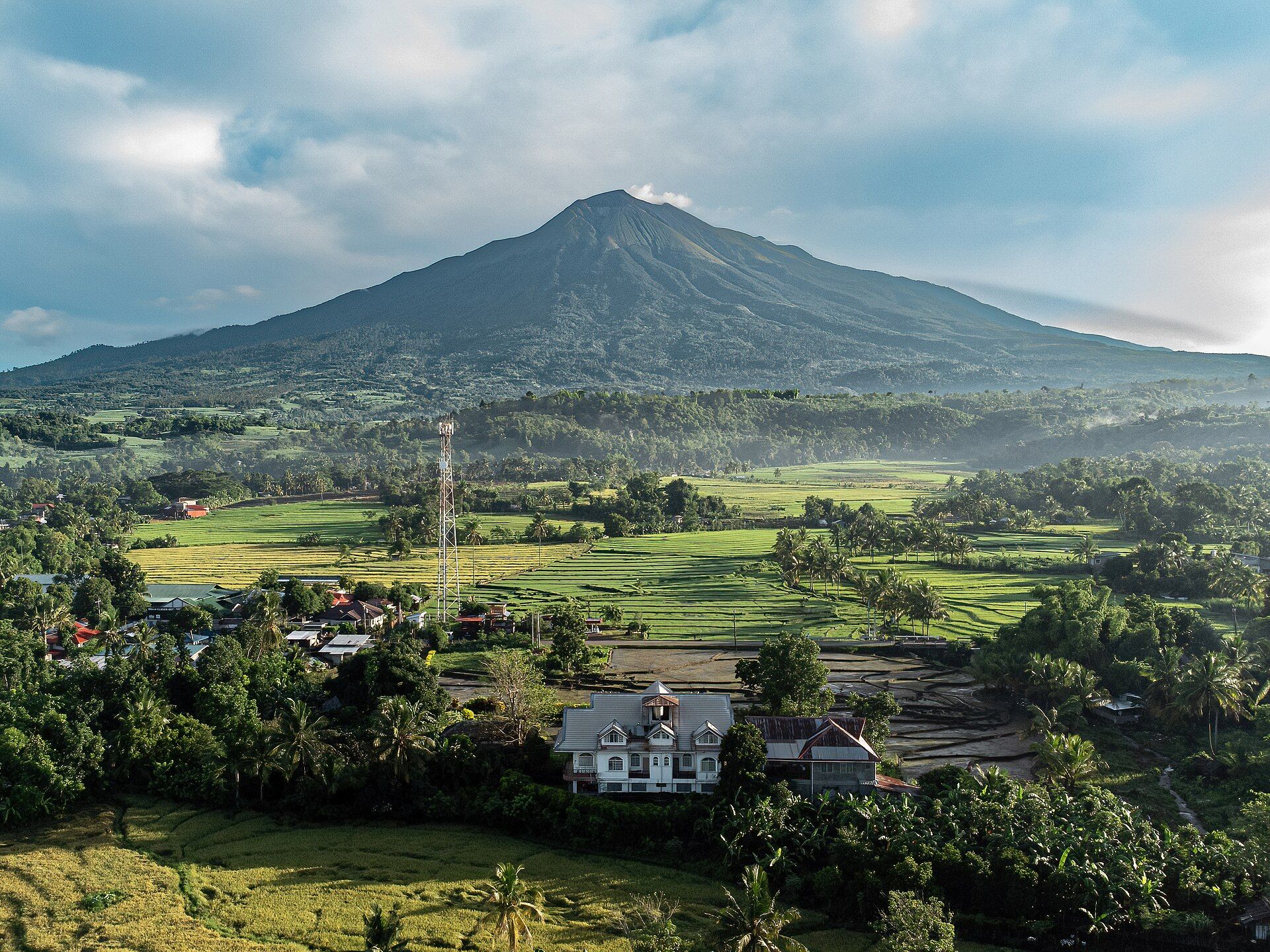
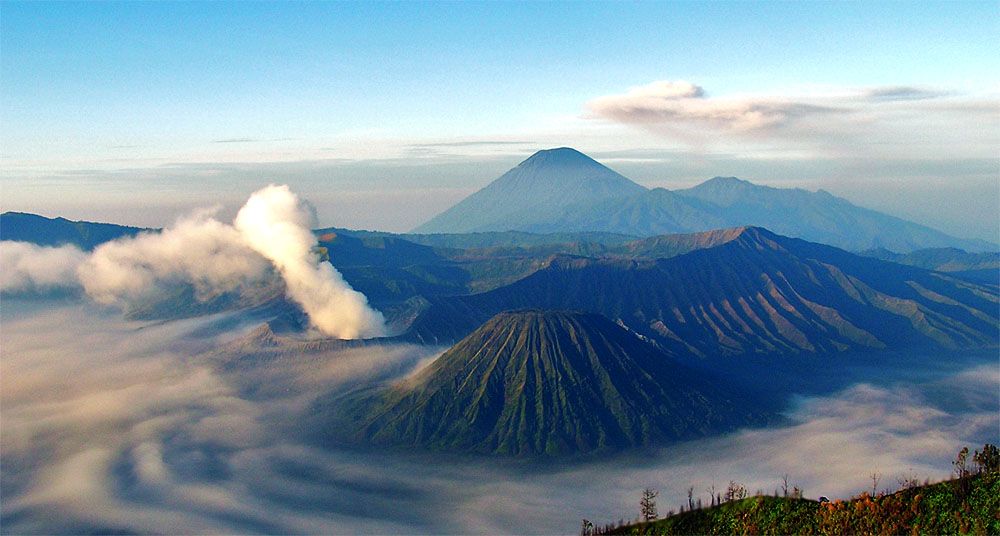
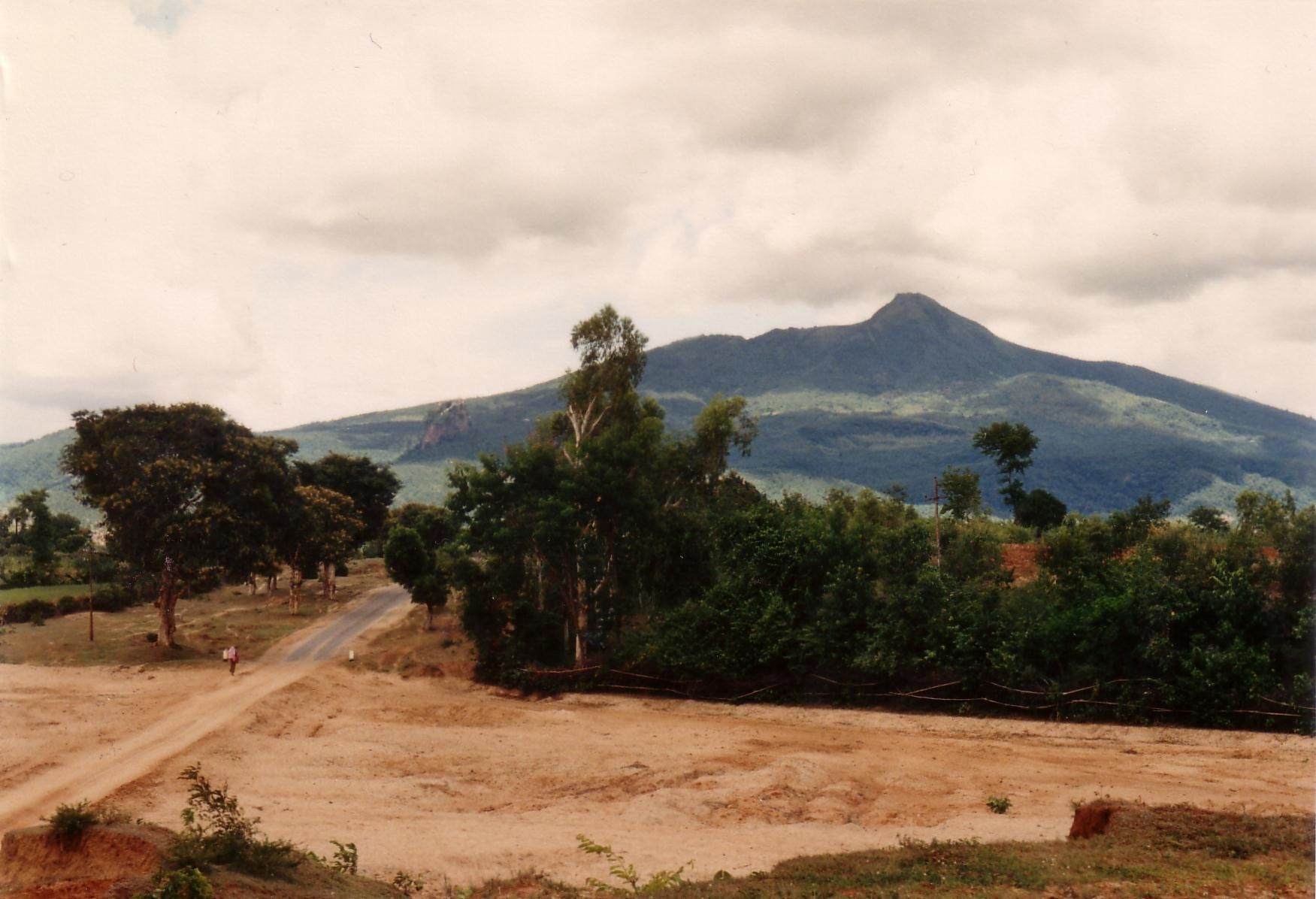
An active, rainforest-cloaked stratovolcano at the southern tip of Luzon, cradling a still crater-foot lake — the green, misty heart of Bulusan Volcano Natural Park.
What makes it marvelous
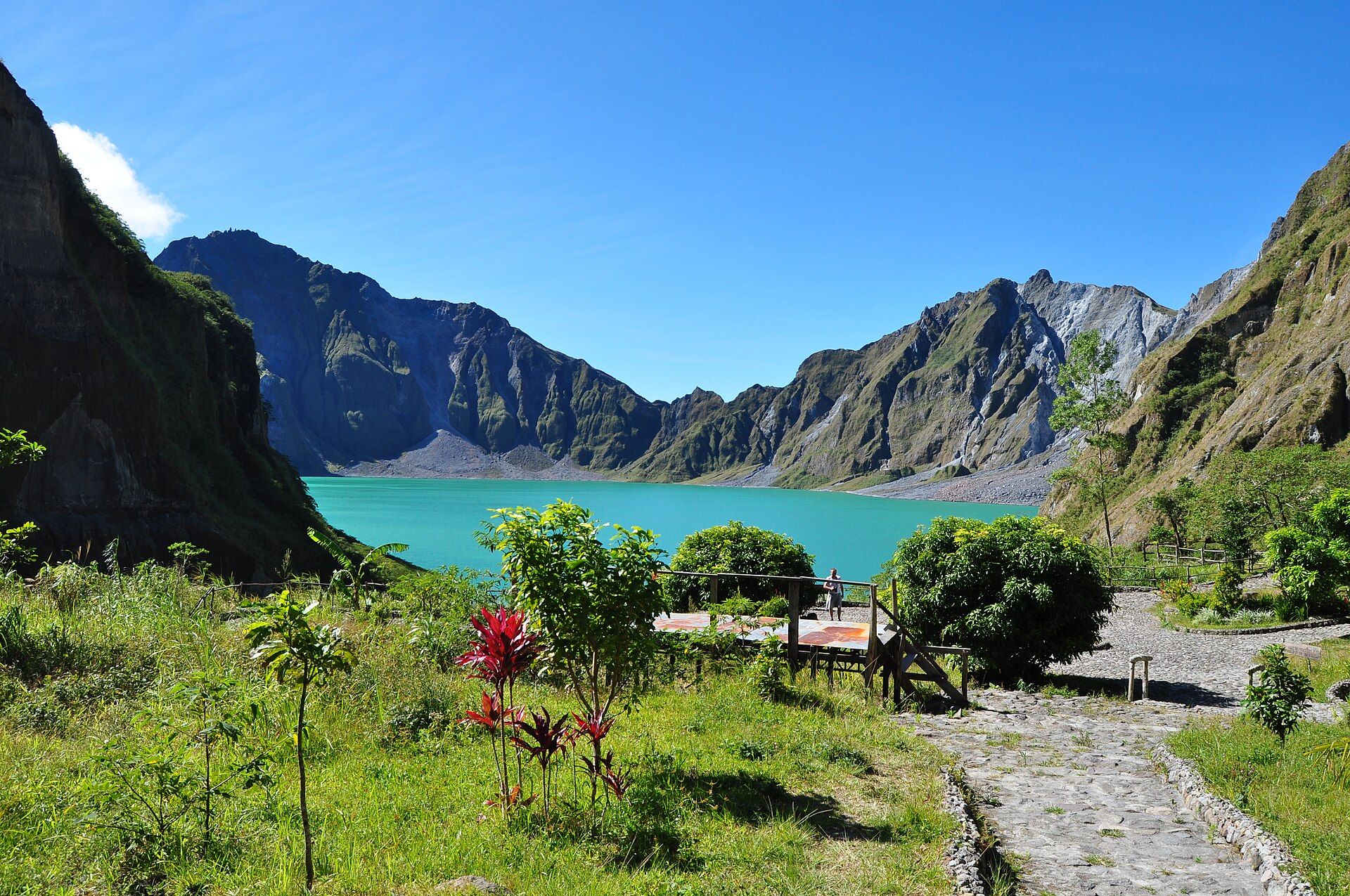
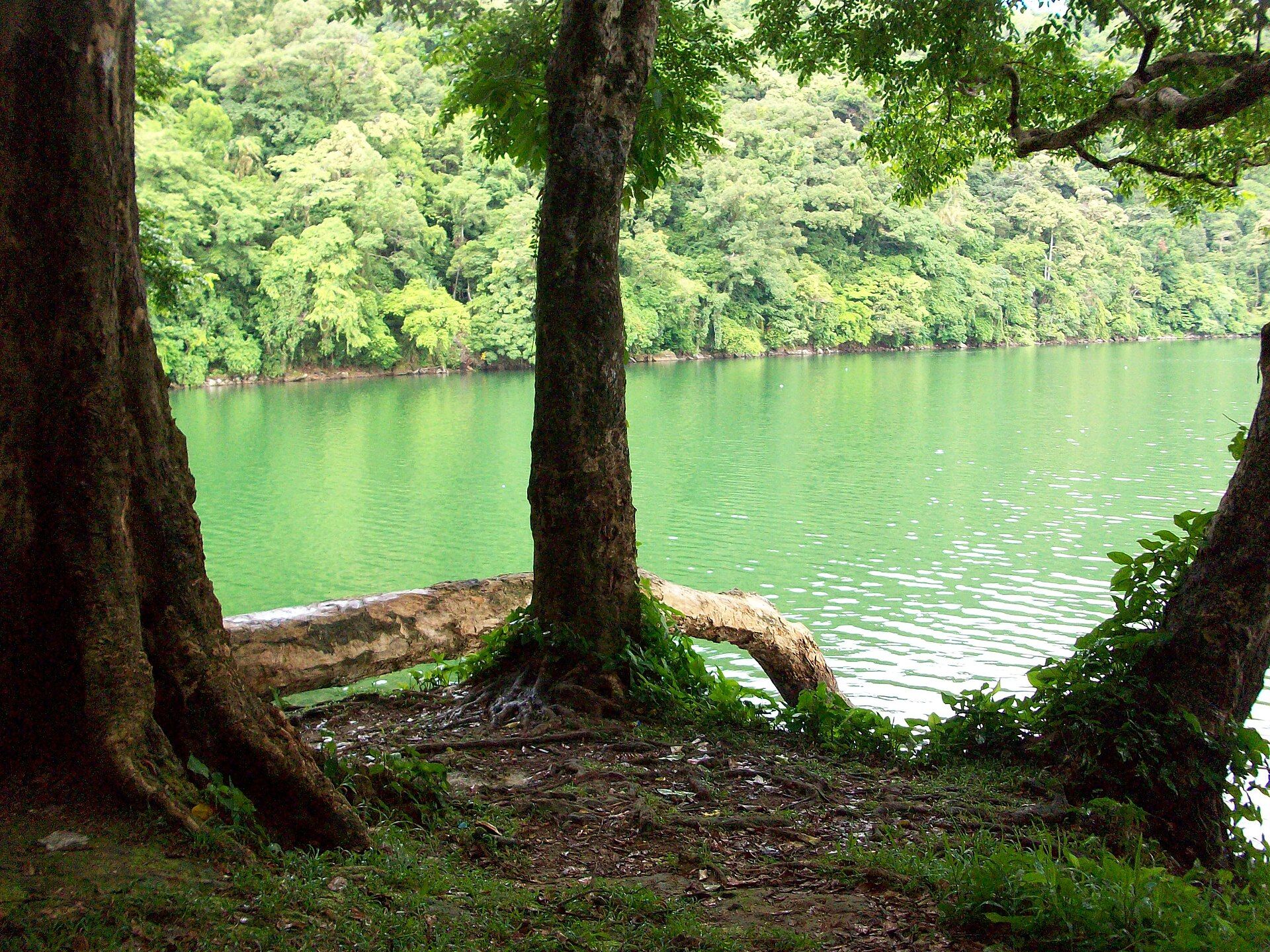
Bulusan rises to about 1,565 metres above the forests of Sorsogon, one of the Philippines' most active volcanoes, given to sudden steam-driven (phreatic) eruptions that dust the slopes with ash. At its foot lies Bulusan Lake, a calm body of water ringed by dense, dripping rainforest and mirror-still on a windless morning. The wider natural park protects a swathe of primary lower-montane forest — the 'Switzerland of the Orient', early travellers called it — fed by heavy rain and threaded with springs, both hot and cold.
Why visit
This is the rainforest volcano: not a bare cone but a green, cloud-wreathed massif you explore from below. You can walk or paddle the forest-lined loop around Bulusan Lake, listen for endemic birds under a closed canopy, and soak in spring-fed pools nearby — all in the shadow of a peak that is genuinely, watchfully alive. It is the quiet, wild counterpoint to Bicol's more famous Mayon.
What to know before you go
🗓️ Best time
March to May, the dry Bicol season, gives the clearest views and driest forest trails. This is far-eastern Luzon, exposed to the typhoon season (roughly June to December), which brings heavy rain and rough travel. Crucially, access also depends on the volcano's alert level — activity can close trails and the lake area at any time of year.
🧭 Getting there & access
Reached from Legazpi (the Bicol air hub) or Sorsogon City by road to the town of Bulusan or Irosin, then a short climb to the lake and park entrances. A park fee is collected; guides are arranged locally. Always check the PHIVOLCS alert level first — a raised level closes the danger zone.
Good to know
- Check the PHIVOLCS bulletin before you go: Bulusan erupts phreatically with little warning, and a raised alert level closes the summit and inner slopes.
- Respect the permanent danger zone — the lake and forest trails, not the crater, are the visit here.
- Bring rain protection and grippy shoes; this is genuine rainforest and the ground stays wet.
Natural riches of the area
- Active stratovolcano and its phreatic vents and fumaroles
- Bulusan Lake and other crater-foot lakes (Blackbird, Aguingay)
- Primary lower-montane rainforest of Bulusan Volcano Natural Park
- Hot and cold mineral springs on the lower slopes
- Endemic Luzon forest birds and rich montane flora
Local food
- Pili nuts
- Sorsogon and the wider Bicol region are the heartland of the buttery pili, eaten roasted or candied.
- Sili ice cream
- A Bicol novelty — creamy ice cream laced with the region's beloved chillies.
- Ginataang santol
- Sour santol fruit cooked in coconut milk and chilli, a homely Sorsogon coconut dish.
Where Mayon is all clean symmetry, Bulusan is the opposite kind of volcano: a broad, forest-smothered massif, more often seen as a green shoulder in the mist than a cone against the sky. It is also one of the busiest volcanoes in the country, prone to phreatic eruptions — steam blasts that throw up ash when groundwater flashes to vapour against hot rock — which is why every visit begins with the PHIVOLCS alert level rather than a trail map.
The experience is a lowland-forest one. Bulusan Lake sits in a hollow at the volcano’s foot, its dark water held in by rainforest that comes right down to the shore; a path and small boats trace the loop, and the canopy hums with birds. Nearby, springs surface from the same volcanic plumbing — some cold and clear, some warm — and the park’s deeper trails lead into genuine primary forest that gave the district its old nickname, the ‘Switzerland of the Orient’.
It is a place to read a volcano’s gentler register: the fertility it lays down, the water it stores, the forest it feeds — all while the mountain above keeps its own restless counsel, and the monitors keep watch.
Bulusan Volcano & Lake: common questions
When is the best time to visit Bulusan Volcano & Lake?
March to May, the dry Bicol season, gives the clearest views and driest forest trails. This is far-eastern Luzon, exposed to the typhoon season (roughly June to December), which brings heavy rain and rough travel. Crucially, access also depends on the volcano's alert level — activity can close trails and the lake area at any time of year.
How do you get to Bulusan Volcano & Lake?
Reached from Legazpi (the Bicol air hub) or Sorsogon City by road to the town of Bulusan or Irosin, then a short climb to the lake and park entrances. A park fee is collected; guides are arranged locally. Always check the PHIVOLCS alert level first — a raised level closes the danger zone.
Added
More wonders to explore